





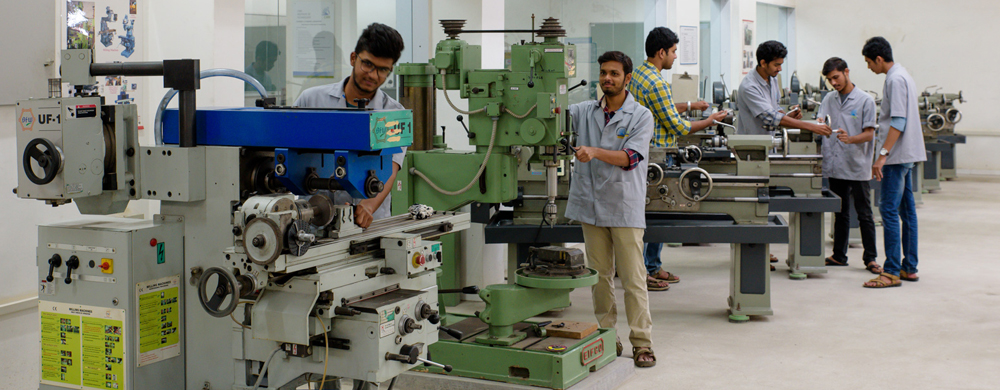
B.Tech. Mechanical Engineering is a 4-year undergraduate curriculum that focuses on the design, manufacture, and maintenance of mechanical systems. Students study thermodynamics, fluid mechanics, materials science, and machine design. The curriculum integrates academic knowledge with practical applications via laboratory work and projects. Graduates are prepared to work in industries such as automotive, aerospace, robotics, and energy, or to further their education in specific disciplines of mechanical engineering.
Dr. Ram Manohar Lohia Awadh University

B.Tech. in Computer Science & Engineering
B.Tech. in Computer Science and Engineering is a 4-year undergraduate degree that provides students with a solid foundation in computer science principles and engineering methods. The course conten...
B.Tech. in Computer Science & Engineering
×B.Tech. in Computer Science and Engineering is a 4-year undergraduate degree that provides students with a solid foundation in computer science principles and engineering methods. The course content includes programming languages, algorithms, data structures, software engineering, database management, computer networks, and artificial intelligence. Students receive practical experience through projects and internships. This degree prepares graduates for professions in software development, system analysis, cybersecurity, and other technical industries, as well as advanced computing studies.
B.Tech. in Electronics And Communication Engineering
B.Tech. in Electronics and Communication Engineering is a 4-year undergraduate degree that teaches electronics, telecommunications, and information technology principles. Students study circuit des...
B.Tech. in Electronics And Communication Engineering
×B.Tech. in Electronics and Communication Engineering is a 4-year undergraduate degree that teaches electronics, telecommunications, and information technology principles. Students study circuit design, signal processing, wireless communications, and embedded systems. The curriculum includes both theoretical principles and practical applications, equipping graduates for positions in telecommunications, the semiconductor sector, and IoT. This adaptable degree provides students with abilities in both hardware and software development, making them important assets in today's fast changing technological scene.
B.Tech. in Electrical Engineering
Bachelor of Technology in Electrical Engineering is a 4-year undergraduate program that provides students with knowledge and abilities in electrical systems, power generation, and electronics. The...
B.Tech. in Electrical Engineering
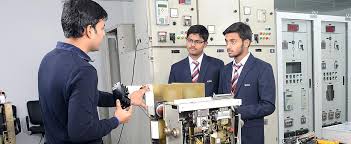
×Bachelor of Technology in Electrical Engineering is a 4-year undergraduate program that provides students with knowledge and abilities in electrical systems, power generation, and electronics. The curriculum includes topics such as circuit theory, electromagnetics, power systems, control systems, and digital electronics. Students also participate in practical labs and projects. This degree prepares graduates to work in a variety of areas, including power, telecommunications, and automation. There are opportunities in electrical and electronic system research, design, manufacture, and maintenance.

B.Tech. in Civil Engineering
B.Tech. Civil Engineering is a 4-year undergraduate curriculum that prepares students to design, build, and maintain infrastructure projects. The curriculum includes topics such as structural engin...
B.Tech. in Civil Engineering
×B.Tech. Civil Engineering is a 4-year undergraduate curriculum that prepares students to design, build, and maintain infrastructure projects. The curriculum includes topics such as structural engineering, geotechnical engineering, transportation systems, water resource management, and environmental engineering. This course taught about how to apply mathematical and scientific principles to real-world civil engineering problems, how to use advanced software tools, and how to obtain hands-on experience through laboratory and field projects. This degree equips graduates to work in building, urban planning, and infrastructure development.

M.Tech. in Computer Science & Engineering
The M.Tech. in Computer Science & Engineering is a 2-year postgraduate degree that provides advanced specialization in artificial intelligence, machine learning, computer networks, cybersecurit...
M.Tech. in Computer Science & Engineering
×The M.Tech. in Computer Science & Engineering is a 2-year postgraduate degree that provides advanced specialization in artificial intelligence, machine learning, computer networks, cybersecurity, and software engineering. The program encompasses cutting-edge topics like as deep learning, cloud computing, the Internet of Things, and data mining. Through hands-on projects, industrial internships, and research, students acquire expertise in designing and implementing innovative computing solutions to complicated real-world issues. Graduates of this degree have the opportunity to work as software architects, data scientists, cybersecurity professionals, and research engineers in the fast-changing field of computer science and information technology.

M.Tech. in Electrical Engineering
The M.Tech. in Electrical Engineering is a 2-year postgraduate degree that provides advanced specialization in fields such as power systems, control systems, signal processing, and embedded systems...
M.Tech. in Electrical Engineering
×The M.Tech. in Electrical Engineering is a 2-year postgraduate degree that provides advanced specialization in fields such as power systems, control systems, signal processing, and embedded systems. The curriculum includes areas such as power electronics, machine learning, renewable energy technologies, and smart grid systems. Students learn how to establish, analyze, and optimize complex electrical and electronic systems through hands-on projects and industrial internships. Graduates of this program have the potential to work as power system engineers, control system specialists, embedded software developers, and research scientists in the flourishing field of electrical engineering, helping to develop new technologies

B.Tech. in Information Technology
B.Tech. in Information Technology is a 4-year undergraduate degree program that integrates computer science, software engineering, and information systems. The curriculum encompasses topics such as...
B.Tech. in Information Technology
×B.Tech. in Information Technology is a 4-year undergraduate degree program that integrates computer science, software engineering, and information systems. The curriculum encompasses topics such as programming, data structures, algorithms, computer networks, database administration, and emerging technologies. Graduates acquire the necessary technical skills and problem-solving ability to design, implement, and maintain information systems and software applications. The curriculum prepares students for a variety of IT jobs, such as software development, web development, system management, and data analysis.

M.Tech. in Information Technology
M.Tech. in Information Technology is an advanced postgraduate degree that normally lasts 2 years and is intended for students and professionals looking to expand their IT knowledge. The progra...
M.Tech. in Information Technology
×M.Tech. in Information Technology is an advanced postgraduate degree that normally lasts 2 years and is intended for students and professionals looking to expand their IT knowledge. The program includes cutting-edge areas like artificial intelligence, data science, cybersecurity, cloud computing, and software engineering. Coursework frequently combines academic and practical components, with a focus on research and industry-relevant projects. Students engage in advanced labs, seminars, and a final dissertation or capstone project. This degree equips graduates with specific knowledge and skills, equipping them for leadership positions in IT, research, or a doctorate study. Many colleges provide flexible learning options, such as part-time and online courses, to accommodate working people.

B.E. in Civil Engineering
Bachelor of Engineering (B.E.) in Civil Engineering is typically a 4-year undergraduate program that equips students with the knowledge and skills to design, construct, and maintain infrastructure...
B.E. in Civil Engineering
×Bachelor of Engineering (B.E.) in Civil Engineering is typically a 4-year undergraduate program that equips students with the knowledge and skills to design, construct, and maintain infrastructure projects. The curriculum covers subjects such as structural engineering, geotechnical engineering, transportation engineering, environmental engineering, and construction management. Students engage in theoretical coursework, laboratory experiments, and practical projects to gain hands-on experience. The program often includes internships or co-op opportunities, allowing students to work in real-world settings. Graduates are prepared for careers in various sectors, including construction, consulting, government agencies, and research institutions. Many countries require additional licensing or certification for professional practice as a civil engineer.

M.E. in Civil Engineering
Master of Engineering (M.E.) in Civil Engineering is typically a 1.5 to 2-year graduate program designed for students seeking advanced technical knowledge and skills in civil engineering. The curri...
M.E. in Civil Engineering
×Master of Engineering (M.E.) in Civil Engineering is typically a 1.5 to 2-year graduate program designed for students seeking advanced technical knowledge and skills in civil engineering. The curriculum often includes core courses in structural engineering, geotechnical engineering, transportation systems, and water resources management, along with electives tailored to students' interests. Many programs incorporate practical projects, research opportunities, and industry collaborations to enhance real-world applications. Some universities offer specializations in areas like sustainable infrastructure, construction management, or environmental engineering. Graduates are well-prepared for leadership roles in engineering firms, government agencies, or research institutions, with improved career prospects and the potential for higher salaries in the civil engineering field.
B.E. in Electrical Engineering
Bachelor of Engineering (B.E.) in Electrical Engineering is typically a 4-year undergraduate program that equips students with the knowledge and skills to design, develop, and maintain electrical s...
B.E. in Electrical Engineering
×Bachelor of Engineering (B.E.) in Electrical Engineering is typically a 4-year undergraduate program that equips students with the knowledge and skills to design, develop, and maintain electrical systems. The curriculum covers fundamental subjects like circuit theory, electromagnetics, power systems, and control systems, along with advanced topics such as digital electronics, signal processing, and renewable energy. Students also acquire hands-on experience through laboratory work and projects. The program often includes internships or co-op opportunities, allowing students to apply their knowledge in real-world settings. Graduates are prepared for careers in various industries, including power generation, telecommunications, robotics, and aerospace, or can pursue further studies in specialized areas of electrical engineering.
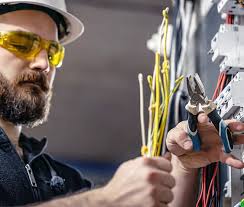
M.E. in Electrical Engineering
Master of Engineering (M.E.) in Electrical Engineering is typically a 2-year graduate program designed for students seeking advanced knowledge and skills. The curriculum covers signal processing, p...
M.E. in Electrical Engineering
×Master of Engineering (M.E.) in Electrical Engineering is typically a 2-year graduate program designed for students seeking advanced knowledge and skills. The curriculum covers signal processing, power systems, electromagnetics, and control systems. Students engage in coursework, and laboratory experiments, and often complete a thesis or capstone project. Many programs offer specializations in areas like telecommunications, robotics, or renewable energy. The degree prepares graduates for leadership roles in industry, research positions, or further academic pursuits. Some universities offer accelerated one-year programs or part-time options for working professionals. Admission usually requires a bachelor's degree in electrical engineering or a related field, with strong academic performance and relevant experience.
B.E. in Mechanical Engineering
Bachelor of Engineering (B.E.) in Mechanical Engineering is a 4-year undergraduate degree program that equips students with the knowledge and skills to design, manufacture, and maintain mechanical...
B.E. in Mechanical Engineering
×Bachelor of Engineering (B.E.) in Mechanical Engineering is a 4-year undergraduate degree program that equips students with the knowledge and skills to design, manufacture, and maintain mechanical systems. The curriculum typically covers thermodynamics, fluid mechanics, materials science, machine design, and manufacturing processes. Students also acquire hands-on experience through laboratory work and projects. This degree prepares graduates for careers in various industries, including automotive, aerospace, robotics, and energy sectors. Mechanical engineers play a crucial role in developing innovative solutions for complex engineering challenges, from designing efficient engines to creating sustainable energy systems. The program often includes internships or co-op opportunities, allowing students to apply their knowledge in real-world settings and enhance their employability upon graduation.

M.E. in Mechanical Engineering
Master of Engineering (M.E.) in Mechanical Engineering is typically a 1.5 to 2-year graduate program designed for students seeking advanced knowledge and skills. The curriculum often covers a...
M.E. in Mechanical Engineering
×Master of Engineering (M.E.) in Mechanical Engineering is typically a 1.5 to 2-year graduate program designed for students seeking advanced knowledge and skills. The curriculum often covers advanced topics in thermodynamics, fluid mechanics, robotics, materials science, and engineering design. Students engage in coursework, and research projects, and may have the option to specialize in areas like aerospace, automotive, or energy systems. Many programs offer opportunities for internships or industry collaborations. Upon completion, graduates are well-equipped for leadership roles in various industries, research positions, or further academic pursuits. The degree enhances career prospects and can lead to higher salaries in the mechanical engineering field.
M.Tech. in Mechanical Engineering
M.Tech. in Mechanical Engineering is an advanced postgraduate degree typically completed in 2 years. The program deepens students' understanding of mechanical engineering principles and applica...
M.Tech. in Mechanical Engineering
×M.Tech. in Mechanical Engineering is an advanced postgraduate degree typically completed in 2 years. The program deepens students' understanding of mechanical engineering principles and applications, covering subjects like advanced thermodynamics, robotics, finite element analysis, and advanced manufacturing processes. Students engage in coursework, laboratory experiments, and a research thesis or project. The curriculum often includes electives allowing specialization in areas such as automotive engineering, aerospace systems, or energy systems. This degree enhances career prospects in industries like automotive, aerospace, energy, and manufacturing, preparing graduates for roles in research and development, design engineering, or advanced technical management positions.

M.Tech. in Civil Engineering
M.Tech. in Civil Engineering is a 2-year postgraduate degree that aims to give in-depth knowledge and advanced technical skills in structural engineering, geotechnical engineering, environmental en...
M.Tech. in Civil Engineering
×M.Tech. in Civil Engineering is a 2-year postgraduate degree that aims to give in-depth knowledge and advanced technical skills in structural engineering, geotechnical engineering, environmental engineering, transportation engineering, and water resources. This course combines theoretical concepts with practical applications, emphasizing research, problem-solving, and the innovative use of engineering approaches to meet real-world problems. Graduates are prepared to design and manage large-scale infrastructure projects that promote sustainable development and safety. This degree is appropriate for people who want to work in specialized civil engineering professions, research, or academia and requires a B.Tech. or equivalent in Civil Engineering for admission.

B.E. in Electronics and Communication Engineering
Students who complete the 4-year undergraduate Bachelor of Engineering (B.E.) in Electronics and Communication Engineering degree will have a solid foundation in electronic systems and communicatio...
B.E. in Electronics and Communication Engineering
×Students who complete the 4-year undergraduate Bachelor of Engineering (B.E.) in Electronics and Communication Engineering degree will have a solid foundation in electronic systems and communication technology. Digital electronics, signal processing, microprocessors, wireless communication, and network engineering are just a few of the topics covered in this extensive course. To obtain practical experience, students participate in projects, internships, and practical laboratory work. Emerging technologies like 5G, IoT, and AI applications in communications are frequently covered in the curriculum. Graduates are ready for jobs in consumer electronics, IT, semiconductors, and telecommunications. With the option to further specialize through postgraduate study, they can work as communication systems designers, network administrators, or hardware engineers.

B.E. in Computer Science and Engineering
A thorough foundation in computer systems, software development, and information technology is offered by the 4-year undergraduate Bachelor of Engineering (B.E.) in Computer Science and Engineering...
B.E. in Computer Science and Engineering
×A thorough foundation in computer systems, software development, and information technology is offered by the 4-year undergraduate Bachelor of Engineering (B.E.) in Computer Science and Engineering curriculum. Data structures, algorithms, operating systems, database administration, and computer networks are among the fundamental topics covered in this demanding course. Additionally, students study more complex subjects including cloud computing, machine learning, and artificial intelligence. In order to build practical skills, the curriculum frequently integrates industry internships, laboratory work, and hands-on programming projects. Graduates are prepared for jobs in data science, cybersecurity, system architecture, and software development. With the option to further specialize through postgraduate coursework or professional certifications, they can work as software engineers, full-stack developers, or IT consultants.

M.Tech. in Electronics and Communication Engineering
M.Tech. in Electronics and Communication Engineering is a 2 year postgraduate degree that aims to provide advanced knowledge of electronics and communication systems. The course is divided in...
M.Tech. in Electronics and Communication Engineering
×M.Tech. in Electronics and Communication Engineering is a 2 year postgraduate degree that aims to provide advanced knowledge of electronics and communication systems. The course is divided into four semesters and includes topics like as wireless communication, embedded systems, VLSI design, signal processing, and microwave engineering. It integrates theoretical concepts with practical applications via lab work, projects, and research possibilities. This curriculum is perfect for students who want to specialize in cutting-edge technology, preparing them for careers in research, development, and industries such as telecommunications, electronics, and automation. It also serves as a stepping stone toward PhD studies and academic positions.
M.E. in Electronics and Communication Engineering
Master of Engineering (M.E.) in Electronics and Communication Engineering is a postgraduate course designed to provide advanced knowledge and skills in the field of electronics, communication syste...
M.E. in Electronics and Communication Engineering
×Master of Engineering (M.E.) in Electronics and Communication Engineering is a postgraduate course designed to provide advanced knowledge and skills in the field of electronics, communication systems, and their applications. Typically lasting 2 years, this program covers topics such as digital communication, signal processing, microelectronics, optical communication, embedded systems, and wireless networks. Students gain a deep understanding of the design, development, and optimization of electronic devices and communication systems. The course combines theoretical learning with practical experience, preparing graduates for roles in industries like telecommunications, electronics manufacturing, and research and development. Admission is generally based on a competitive entrance exam, and candidates are expected to have a background in electronics and communication engineering or related fields.

M.E. in Computer Science & Engineering
M.E. in Computer Science & Engineering normally takes 2 years to complete and focuses on advanced topics in computing, software, and systems engineering. Core courses include Advanced Algo...
M.E. in Computer Science & Engineering
×M.E. in Computer Science & Engineering normally takes 2 years to complete and focuses on advanced topics in computing, software, and systems engineering. Core courses include Advanced Algorithms, Computer Networks, Machine Learning, Artificial Intelligence, Data Structures, Database Management Systems, Operating Systems, and Cybersecurity. The program focuses on research, problem solving, and hands-on experience through projects and internships. Students gain competence in fields such as software development, data analytics, and network security. Graduates may pursue professions in software engineering, data science, artificial intelligence, IT consulting, or cybersecurity. A thesis or capstone project is frequently required for completion, which encourages actual application of taught principles.

B.E. in Information Technology
B.E. in Information Technology, typically completed in 4 years, focuses on the study of computer systems, programming, and software development. Core courses include Programming Languages...
B.E. in Information Technology, typically completed in 4 years, focuses on the study of computer systems, programming, and software development. Core courses include Programming Languages, Data Structures and Algorithms, Database Management Systems, Computer Networks, Operating Systems, Web Technologies, Software Engineering, and Cybersecurity. The program combines theoretical knowledge with practical skills, offering hands-on experience through labs, projects, and internships in IT industries. Students also learn about emerging technologies like cloud computing and artificial intelligence. Graduates can pursue careers in software development, IT consulting, network administration, system analysis, or data management, with opportunities in various industries including technology, finance, and healthcare.
B.E. in Information Technology
×

M.E. in Information Technology
A Master of Engineering in Information Technology, which normally takes 2 years to finish, gives advanced understanding in computer science, software development, and IT infrastructure. Core c...
M.E. in Information Technology
×A Master of Engineering in Information Technology, which normally takes 2 years to finish, gives advanced understanding in computer science, software development, and IT infrastructure. Core courses include Advanced Algorithms, Data Structures, Database Systems, Software Engineering, Cloud Computing, Cybersecurity, Machine Learning, and Artificial Intelligence. The curriculum focuses on research, project creation, and industry-related applications, and there are possibilities for internships and hands-on experience. Students become proficient in system design, data analytics, and emerging technologies. Graduates can pursue professions in software engineering, data science, cybersecurity, IT consulting, and system analysis in a variety of industries such as technology, finance, healthcare, and government. A thesis or project is usually required.
