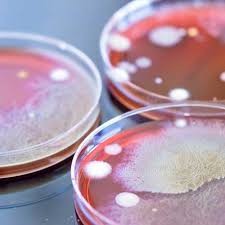
Ph.D. in Microbiology usually takes 4-6 years to complete which involves extensive research on microorganisms, their interactions, and their impact on various ecosystems. The academic program includes advanced coursework, laboratory research, and a dissertation. Students research bacterial genetics, virology, immunology, and microbial ecology. They acquire experts in cutting-edge procedures such as gene sequencing, bioinformatics, and microscopy. This degree prepares graduates for professions in academia, biotechnology, pharmaceuticals, and public health, granting them the skills they need to address global issues such as antibiotic resistance and new infectious diseases.

Dr. Y.S.Parmar University of Horticulture & Forestry
Dr. Y.S.Parmar University of Horticulture & Forestry Admission Open
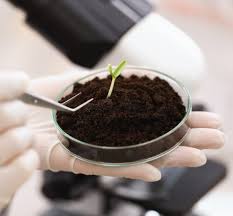
Ph.D. in Agriculture-Soil Science
Ph.D. in Agriculture with a specialization in Soil Science typically requires 3 to 5 years of study beyond a master's degree. This program focuses on advanced research in soil chemistry,...
Ph.D. in Agriculture-Soil Science
×Ph.D. in Agriculture with a specialization in Soil Science typically requires 3 to 5 years of study beyond a master's degree. This program focuses on advanced research in soil chemistry, microbiology, fertility, and conservation, preparing students to address critical agricultural challenges. Candidates engage in fieldwork and laboratory experiments to study soil properties, analyze nutrient management practices, and explore sustainable agricultural systems. The program culminates in a dissertation based on original research that contributes to the scientific understanding of soil ecosystems and their role in agricultural productivity. Graduates often pursue careers in academia, research institutions, or agricultural consultancy.
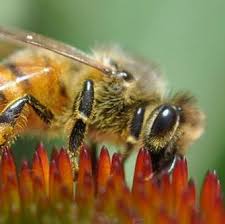
Ph.D. in Entomology & Apiculture
Ph.D. in Entomology & Apiculture typically spans 3-5 years and focuses on the study of insects, their biology, behavior, ecology, and their role in agriculture and the environment. S...
Ph.D. in Entomology & Apiculture
×Ph.D. in Entomology & Apiculture typically spans 3-5 years and focuses on the study of insects, their biology, behavior, ecology, and their role in agriculture and the environment. Students engage in advanced research related to insect physiology, pest management, pollination biology, and the significance of bees and other pollinators in food production. The program often includes coursework in entomological techniques, genetics, and ecological principles, alongside hands-on research in laboratory and field settings. Graduates are well-prepared for careers in academia, government agencies, agricultural industries, and environmental organizations, addressing critical issues related to insect populations and biodiversity.
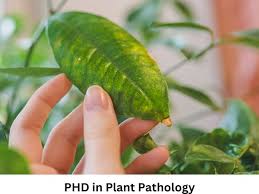
Ph.D. in Plant Pathology
Ph.D. in Plant Pathology normally lasts 3-5 years and focuses on the study of plant diseases caused by pathogens such as fungi, bacteria, viruses, and nematodes. The program combines intense i...
Ph.D. in Plant Pathology
×Ph.D. in Plant Pathology normally lasts 3-5 years and focuses on the study of plant diseases caused by pathogens such as fungi, bacteria, viruses, and nematodes. The program combines intense instruction in plant biology, microbiology, and disease management with extensive research. Candidates carry out innovative research to investigate disease resistance mechanisms, pathogen biology, and management techniques. The curriculum culminates with a dissertation based on research findings. Graduates frequently work in academia, research organizations, government agencies, or the agricultural industry, helping to promote crop protection, sustainable agriculture, and food security.
Ph.D. in Molecular Biology
Ph.D. in Molecular Biology typically spans 4 - 6 years, encompassing advanced coursework, comprehensive exams, and original research. This program delves into the molecular mechanisms of biolo...
Ph.D. in Molecular Biology
×Ph.D. in Molecular Biology typically spans 4 - 6 years, encompassing advanced coursework, comprehensive exams, and original research. This program delves into the molecular mechanisms of biological processes, including DNA replication, gene expression, and protein synthesis. Students engage in hands-on laboratory work, utilizing techniques such as PCR, sequencing, and CRISPR to investigate cellular functions and disease mechanisms. Collaboration with interdisciplinary teams is common, fostering a broader understanding of the field. Graduates often pursue careers in academia, biotechnology, pharmaceuticals, or healthcare, contributing to advancements in genetic research, therapeutic development, and innovative biotechnological solutions.
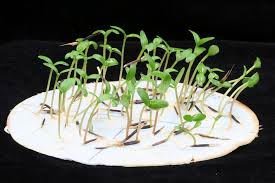
Ph.D. in Seed Science and Technology
Ph.D. in Seed Science and Technology is a research-intensive graduate degree that takes about 4-6 years to accomplish. The curriculum is centered on the scientific study of seeds, including their b...
Ph.D. in Seed Science and Technology
×Ph.D. in Seed Science and Technology is a research-intensive graduate degree that takes about 4-6 years to accomplish. The curriculum is centered on the scientific study of seeds, including their biology, production, processing, storage, and distribution. Coursework focuses on seed physiology, genetics, pathology, and biotechnology, while dissertation research permits students to contribute innovatively. Graduates may work in academia, government, or the corporate sector as researchers, educators, or consultants in fields such as agricultural development, seed production, and food security.
Ph.D. in Agricultural Economics
Ph.D. in Agricultural Economics usually takes 4-5 years to complete. The curriculum offers extensive instruction in applying economic theory and quantitative approaches to food and agricultura...
Ph.D. in Agricultural Economics
×Ph.D. in Agricultural Economics usually takes 4-5 years to complete. The curriculum offers extensive instruction in applying economic theory and quantitative approaches to food and agricultural challenges. Core courses include microeconomic theory, econometrics, and agricultural policy. Graduates are equipped to work in academia, government, agribusiness, and consulting, among other fields. The curriculum emphasizes hands-on research, with many students co-authoring publications alongside teachers. Admission is tough, frequently necessitating high academic qualifications and GRE scores. Assistantships and funding possibilities are available to help students in their studies.

Ph.D. in Agricultural Statistics
Ph.D. in Agricultural Statistics is an interdisciplinary degree program that provides advanced training in both agronomy and statistics. The 90-credit hour program includes 30 hours of core Statist...
Ph.D. in Agricultural Statistics
×Ph.D. in Agricultural Statistics is an interdisciplinary degree program that provides advanced training in both agronomy and statistics. The 90-credit hour program includes 30 hours of core Statistics and Agronomy courses, as well as passing extensive tests in both subjects. Students are expected to do original dissertation research that adds value to both plant sciences and statistical approaches. This program is intended to fulfill the growing demand for graduates who are proficient in applying advanced statistical techniques to agricultural and natural resource problems. The degree prepares students for work in academia, industry, and government.
Ph.D. in Agriculture Business Management
Ph.D. in Agriculture Business Management is a doctoral degree that typically takes 4-6 years to complete. The program focuses on developing advanced expertise in the business and management aspects...
Ph.D. in Agriculture Business Management
×Ph.D. in Agriculture Business Management is a doctoral degree that typically takes 4-6 years to complete. The program focuses on developing advanced expertise in the business and management aspects of the agricultural industry. Coursework covers topics such as agricultural economics, supply chain management, marketing, policy, and entrepreneurship. Students conduct original research and complete a dissertation to make a novel contribution to the field. Graduates are prepared for leadership roles in agricultural businesses, government agencies, research institutions, or academia. The degree equips them with high-level analytical, problem-solving, and decision-making skills applicable to the unique challenges and opportunities in the agricultural sector.

Ph.D. in Environmental Science
Ph.D. in Environmental Science normally lasts 3-5 years and focuses on advanced study on key environmental challenges. The program includes difficult courses in ecological theory, enviro...
Ph.D. in Environmental Science
×Ph.D. in Environmental Science normally lasts 3-5 years and focuses on advanced study on key environmental challenges. The program includes difficult courses in ecological theory, environmental policy, sustainability, and advanced research methods. Students conduct original research, which frequently includes fieldwork, data analysis, and interdisciplinary cooperation, culminating in a dissertation that adds to the body of knowledge in the discipline. Candidates may study climate change, conservation biology, environmental chemistry, or ecosystem management. The curriculum prepares graduates for positions in academia, government agencies, non-profit organizations, and the commercial sector, with an emphasis on practical solutions to environmental issues.
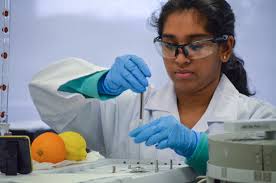
Ph.D. in Food Technology
Ph.D. in Food Technology typically takes 3-5 years to complete, depending on the institution and research project. This advanced degree focuses on the scientific principles behind food processing,...
Ph.D. in Food Technology
×Ph.D. in Food Technology typically takes 3-5 years to complete, depending on the institution and research project. This advanced degree focuses on the scientific principles behind food processing, preservation, and safety. Students engage in cutting-edge research, exploring areas such as food chemistry, microbiology, engineering, and nutrition. The program often includes coursework in advanced food science topics, research methodologies, and statistics. Candidates are expected to conduct original research, publish papers in peer-reviewed journals, and defend a dissertation. Graduates are prepared for careers in academia, research institutions, government agencies, or the food industry, where they can contribute to innovations in food production, quality control, and product development.
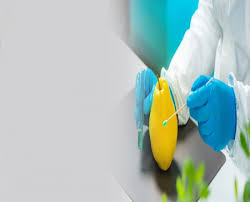
Ph.D. in Fruit Science
Ph.D. in Fruit Science is an advanced research-oriented program that focuses on the study of fruit crops, their cultivation, physiology, genetics, breeding, post-harvest management, and pest contro...
Ph.D. in Fruit Science
×Ph.D. in Fruit Science is an advanced research-oriented program that focuses on the study of fruit crops, their cultivation, physiology, genetics, breeding, post-harvest management, and pest control. The course aims to develop expertise in improving fruit production, quality, and sustainability through scientific research and technological innovations. Typically lasting 3-5 years, this program includes coursework, laboratory research, and field studies, with a strong emphasis on applied fruit science and agricultural advancements. Graduates can pursue careers in academia, research institutions, agricultural extension, and industry roles related to horticulture and fruit production management.
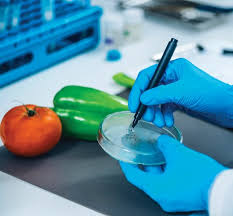
Ph.D. in Vegetable Science
Ph.D. in Vegetable Science is a research-focused program designed to develop advanced knowledge and expertise in the cultivation, production, and improvement of vegetables. The course covers areas...
Ph.D. in Vegetable Science
×Ph.D. in Vegetable Science is a research-focused program designed to develop advanced knowledge and expertise in the cultivation, production, and improvement of vegetables. The course covers areas such as plant breeding, pest management, crop physiology, soil health, and sustainable agricultural practices. Students engage in original research to address global challenges in food security, nutrition, and climate-resilient agriculture. The program typically spans 3 - 5 years and involves coursework, fieldwork, and dissertation research. Graduates are equipped for careers in academia, research institutions, government agencies, and the agricultural industry, contributing to the advancement of vegetable science and sustainable farming practices.
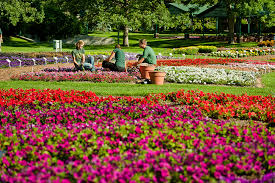
Ph.D. in Floriculture & Landscaping
Ph.D. in Floriculture & Landscaping is a research-oriented program that focuses on the study of plant cultivation, landscape design, and environmental aesthetics. The course duration typically...
Ph.D. in Floriculture & Landscaping
×Ph.D. in Floriculture & Landscaping is a research-oriented program that focuses on the study of plant cultivation, landscape design, and environmental aesthetics. The course duration typically ranges from 3 - 5 years, depending on the university and research progress. It involves advanced study in topics such as plant breeding, soil science, pest management, landscape architecture, and sustainable gardening practices. Ph.D. candidates engage in extensive fieldwork and laboratory research to contribute to the development of innovative techniques in floriculture and landscaping. Graduates often pursue careers in academic research, environmental consultancy, horticulture, and landscape management.

Ph.D. in Agricultural Biotechnology
Ph.D. in Agricultural Biotechnology concentrates on the use of biotechnology in agriculture to increase crop output, insect resistance, and sustainability. The program typically lasts 3 to 5 years...
Ph.D. in Agricultural Biotechnology
×Ph.D. in Agricultural Biotechnology concentrates on the use of biotechnology in agriculture to increase crop output, insect resistance, and sustainability. The program typically lasts 3 to 5 years and includes instruction in molecular biology, genetics, plant science, and bioengineering as well as extensive research. Students learn about genetic modification, crop improvement, molecular markers, biofertilizers, and biopesticides. Climate change resistance, sustainable farming techniques, and the production of genetically engineered organisms (GMO) for food security are all potential research topics. Graduates are prepared to work in academia, research institutes, agricultural industries, or government, helping to advance sustainable agriculture and food production.

Ph.D. in Forest Biology and Tree Improvement
A Ph.D. in Forest Biology and Tree Improvement is typically a 4-6 year program that provides advanced training in the scientific principles and applied techniques for enhancing the genetic quality,...
Ph.D. in Forest Biology and Tree Improvement
×A Ph.D. in Forest Biology and Tree Improvement is typically a 4-6 year program that provides advanced training in the scientific principles and applied techniques for enhancing the genetic quality, growth, and productivity of forest tree species. Topics involve silviculture, breeding techniques, molecular genetics, tree physiology, and forest ecosystem dynamics are all addressed in the program. Students engage out unique research to create unique solutions to problems in fields including climate change adaptation, disease and insect resistance, and sustainable lumber production—often in cooperation with governmental organizations, business partners, or academic institutions. Graduates of this degree can advance forest conservation and management by working in government forestry departments, private sector tree improvement initiatives, research groups, and academia.
Ph.D. in Forest Products and Utilization
A Ph.D. in Forest Products and Utilization is typically a 4-5 year program that provides advanced training in the science and technology of converting forest biomass into a wide range of commercial...
Ph.D. in Forest Products and Utilization
×A Ph.D. in Forest Products and Utilization is typically a 4-5 year program that provides advanced training in the science and technology of converting forest biomass into a wide range of commercial and industrial products. Wood chemistry, pulp and paper production, timber engineering, bioenergy production, and the creation of novel forest-based materials are among the subjects covered in the program. Students carry out innovative research to address issues in waste valorization, sustainable forestry, and the circular bioeconomy—often in conjunction with corporate partners. Graduates of this program are equipped for leadership positions in the forest products industry in government agencies, academic institutions, research facilities, and private sector businesses, advancing the use of forest resources in an environmentally responsible manner.

Ph.D. in Silviculture and Agroforestry
A Ph.D. in Silviculture and Agroforestry is typically a 4-6 year program that provides advanced training in the management and conservation of forest ecosystems, as well as the integration of trees...
Ph.D. in Silviculture and Agroforestry
×A Ph.D. in Silviculture and Agroforestry is typically a 4-6 year program that provides advanced training in the management and conservation of forest ecosystems, as well as the integration of trees and woody plants into agricultural production systems. Forest ecology, tree physiology, silvicultural techniques, agroforestry design and implementation, and the socioeconomic and policy aspects of sustainable land use belong to the subjects covered in the program. Students carry out original research to create creative answers to problems in fields including food security, biodiversity preservation, and climate change mitigation, frequently in cooperation with governmental organizations, non-governmental organizations, or partners in the commercial sector. Graduates of this degree are equipped to work at academic institutions, research centers, international development organizations, and natural resource management agencies, advancing agricultural integration and sustainable forestry.
POPULAR COURSES
(D.ED(TCH))
A.N.M.
Acharya - Navyavyakarna
Acharya - Phalita Jyotisha
Acharya - Sanskrit Sahitya
Acharya - Siddhanta Jyotisha
Adobe Photoshop
Advance Certificate Course in Beauty Therapy
Advance Certificate Course in Cosmetology
Advance Certificate Course in Hair Dressing
Advance Certificate Course in Makeup Artistry
Advance certificate Course in Nail Technology
Advance Diploma in Anesthesia Technology
Advance Diploma In Child Guidance And Counselling
Advance Diploma in Dialysis Technology
Advance Diploma in Disciples India
Advance Diploma in Fashion Design & Technology
Advance Diploma in Industrial Safety
Advance Diploma In Insurance Sales
Advance Diploma in Interior Designing
Advance Diploma in Journalism & Mass Communication
Advance Diploma in Medical Lab Technology
Advance Diploma in Operation Theatre Technology
Advance Diploma in Radiology & Imaging Technology
Advance Diploma of Proficiency in French
Advance Diploma of Proficiency in German
Advance Diploma of Proficiency in Russian
Advanced Certificate in Medical Microbiology Laboratory Technology (ACMMLT)
Advanced Certified Software Developer
Advanced Diploma in 3D Printing Technology
Advanced Diploma in Animation
Advanced Diploma in Aviation, Hospitality and Tourism
Advanced Diploma in Computer Application
Advanced Diploma in Computer Software, System Analysis & Application
Advanced Diploma in Data Science
Advanced Diploma in Hardware And Networking
Advanced Diploma in Information Technology
Advanced Diploma in Machine Learning
Advanced Diploma in Multimedia Programming
Advanced Diploma in Networking
Advanced Diploma in Sound Recording Technology
Advanced Diploma in Textile Design
Advanced Diploma in Vastu and Jyotish
Agriculture & Allied Services
Agriculture & Horticulture
Agriculture & Live Stock Production
Agriculture Technology
AHDP Diploma In Animal Husbandry Program
Arogyamitra
Artificial Intelligence And Machine Learning
Automobile Technology
B,Com. in Computer Application
B. Sc. Hons. in Anaesthesia & Operation Theatre Technology
B. Sc. Hons. in Emergency Medical Technology
B. Sc. Hons.in Medical Laboratory Technology
B. Sc. in Hospitality and Tourism Management
B. Tech. in Fisheries Engineering
B. Tech. in Leather technology
B.A. General
B.A. B.Ed.
Popular Stream
State
Andaman and Nicobar Island (UT)
Andaman and Nicobar Islands
Andhra Pradesh
Arunachal Pradesh
Assam
Bihar
Chandigarh
Chandigarh (UT)
Chhattisgarh
Dadra and Nagar
Dadra and Nagar Haveli
Dadra and Nagar Haveli (UT)
Daman and Diu
Daman and Diu (UT)
Delhi
Delhi (NCT)
Donets'k
Goa
Gujarat
Gujarat
Haryana
Himachal Pradesh
Jammu and Kashmir
Jammu and Kashmir(UT)
Jharkhand
jjj
Karnataka
Kerala
Ladakh(UT)
Lakshadweep
LAKSHADWEEP (UT)
Madhya Pradesh
Maharashtra
Manipur
Meghalaya
Mizoram
Nagaland
Niigata
Odisha
Puducherry