






M.Lib. (Master of Library and Information Science) is a postgraduate degree that trains students for professions in library management and information science. The curriculum typically takes 1-2 years full-time or up to 4 years part-time to finish and requires 36-37 credits. Coursework focuses on information organizing, digital curation, and research methods. Specializations available through ALA-accredited schools include academic librarianship, archives, and data science. Graduates work as librarians, information specialists, archivists, and data managers in a variety of environments, including academic, public, and special libraries.
Eklavya University
Eklavya University Admission Open
B.Lib.
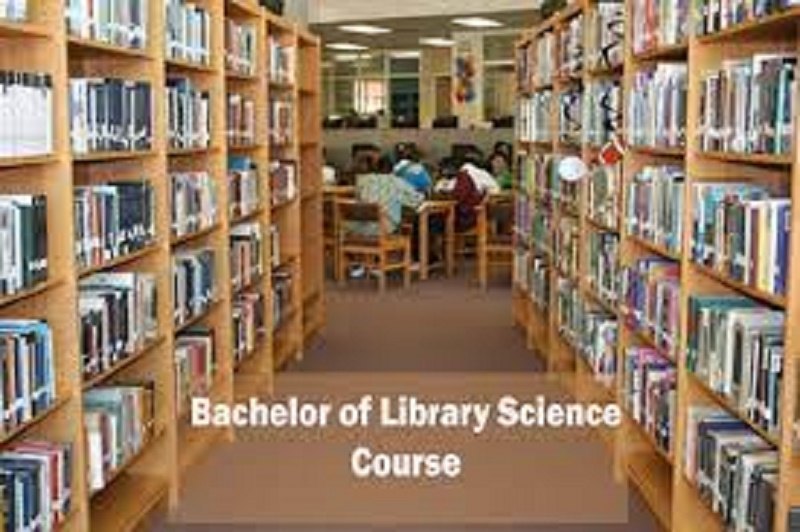
B.Lib. (Bachelor of Library Science) is an undergraduate degree program that normally lasts 3-4 years and prepares students for professions in library and information management. The curriculu...
B.Lib.
×B.Lib. (Bachelor of Library Science) is an undergraduate degree program that normally lasts 3-4 years and prepares students for professions in library and information management. The curriculum includes topics including cataloging, categorization, information retrieval, digital libraries, and library automation. Students learn how to efficiently organize, manage, and transmit information using both classic and modern technology. This degree provides graduates with abilities in research, data administration, and information literacy, making them employable in a variety of settings, including academic, public, and specialized libraries, as well as the broader information sector.

D.Lib.
The Doctor of Library Science (D.Lib.), normally takes 3-5 years to finish. With an emphasis on research, instruction, and leadership in the profession, the program offers advanced training in...
D.Lib.
×The Doctor of Library Science (D.Lib.), normally takes 3-5 years to finish. With an emphasis on research, instruction, and leadership in the profession, the program offers advanced training in library and information science. Knowledge management, digital libraries, library administration, and information organization are among the subjects covered in the coursework. In addition, students finish a dissertation and carry out unique research. Graduates of this degree frequently go on to work as chief information officers, university teachers, library directors, or specialized librarians in public, academic, or specialty libraries.

B.Lib.I,Sc.
Bachelor of Library and Information Science (B.Lib.I.Sc.) is a 1-year undergraduate program designed to equip students with the knowledge and skills necessary for managing and organizing informatio...
B.Lib.I,Sc.
×Bachelor of Library and Information Science (B.Lib.I.Sc.) is a 1-year undergraduate program designed to equip students with the knowledge and skills necessary for managing and organizing information resources in libraries and information centers. The course duration is typically one year, divided into two semesters. It covers a wide range of subjects, including library management, information technology, cataloging, classification, reference services, and information retrieval systems. Students are trained in both traditional and digital information management techniques. The program prepares graduates to work in various library settings, such as public libraries, academic institutions, and corporate information centers. The curriculum also emphasizes research skills, information literacy, and the application of new technologies in the field of library science.

M.Lib.I.Sc.
Master of Library and Information Science (M.Lib.I.Sc.) is a postgraduate program designed to equip students with the necessary skills and knowledge for careers in library and information managemen...
M.Lib.I.Sc.
×Master of Library and Information Science (M.Lib.I.Sc.) is a postgraduate program designed to equip students with the necessary skills and knowledge for careers in library and information management. The course typically spans 2 years and is divided into 4 semesters. It covers a range of subjects, including library organization, information retrieval, cataloging, digital libraries, research methods, and information science principles. Students gain practical experience through internships and hands-on projects, and they also learn how to manage information resources effectively in a digital age. This program is ideal for those aspiring to become librarians, information managers, archivists, or professionals in information technology. Upon completion, graduates are well-prepared for roles in academic, public, and corporate libraries, as well as information centers.
POPULAR COURSES
(D.ED(TCH))
A.N.M.
Acharya - Navyavyakarna
Acharya - Phalita Jyotisha
Acharya - Sanskrit Sahitya
Acharya - Siddhanta Jyotisha
Adobe Photoshop
Advance Certificate Course in Beauty Therapy
Advance Certificate Course in Cosmetology
Advance Certificate Course in Hair Dressing
Advance Certificate Course in Makeup Artistry
Advance certificate Course in Nail Technology
Advance Diploma in Anesthesia Technology
Advance Diploma In Child Guidance And Counselling
Advance Diploma in Dialysis Technology
Advance Diploma in Disciples India
Advance Diploma in Fashion Design & Technology
Advance Diploma in Industrial Safety
Advance Diploma In Insurance Sales
Advance Diploma in Interior Designing
Advance Diploma in Journalism & Mass Communication
Advance Diploma in Medical Lab Technology
Advance Diploma in Operation Theatre Technology
Advance Diploma in Radiology & Imaging Technology
Advance Diploma of Proficiency in French
Advance Diploma of Proficiency in German
Advance Diploma of Proficiency in Russian
Advanced Certificate in Medical Microbiology Laboratory Technology (ACMMLT)
Advanced Certified Software Developer
Advanced Diploma in 3D Printing Technology
Advanced Diploma in Animation
Advanced Diploma in Aviation, Hospitality and Tourism
Advanced Diploma in Computer Application
Advanced Diploma in Computer Software, System Analysis & Application
Advanced Diploma in Data Science
Advanced Diploma in Hardware And Networking
Advanced Diploma in Information Technology
Advanced Diploma in Machine Learning
Advanced Diploma in Multimedia Programming
Advanced Diploma in Networking
Advanced Diploma in Sound Recording Technology
Advanced Diploma in Textile Design
Advanced Diploma in Vastu and Jyotish
Agriculture & Allied Services
Agriculture & Horticulture
Agriculture & Live Stock Production
Agriculture Technology
AHDP Diploma In Animal Husbandry Program
Arogyamitra
Artificial Intelligence And Machine Learning
Automobile Technology
B,Com. in Computer Application
B. Sc. Hons. in Anaesthesia & Operation Theatre Technology
B. Sc. Hons. in Emergency Medical Technology
B. Sc. Hons.in Medical Laboratory Technology
B. Sc. in Hospitality and Tourism Management
B. Tech. in Fisheries Engineering
B. Tech. in Leather technology
B.A. General
B.A. B.Ed.
Popular Stream
State
Andaman and Nicobar Island (UT)
Andaman and Nicobar Islands
Andhra Pradesh
Arunachal Pradesh
Assam
Bihar
Chandigarh
Chandigarh (UT)
Chhattisgarh
Dadra and Nagar
Dadra and Nagar Haveli
Dadra and Nagar Haveli (UT)
Daman and Diu
Daman and Diu (UT)
Delhi
Delhi (NCT)
Donets'k
Goa
Gujarat
Gujarat
Haryana
Himachal Pradesh
Jammu and Kashmir
Jammu and Kashmir(UT)
Jharkhand
jjj
Karnataka
Kerala
Ladakh(UT)
Lakshadweep
LAKSHADWEEP (UT)
Madhya Pradesh
Maharashtra
Manipur
Meghalaya
Mizoram
Nagaland
Niigata
Odisha
Puducherry