PhD in Agronomy normally takes 3-5 years to complete, with a concentration on advanced crop science, soil management, and sustainable agriculture techniques. This doctoral program requires a master's degree in a comparable discipline and consists of coursework, comprehensive exams, and an original dissertation. Students study plant genetics, soil chemistry, precision agriculture, and climate-resilient farming approaches. The curriculum frequently incorporates fieldwork, laboratory research, and partnerships with agricultural industries. Graduates get opportunities in academia, research institutions, government organizations, or the commercial sector, where they can help improve agricultural yields, develop sustainable farming methods, and address global food security issues.

Eternal University
Eternal University Admission Open

Ph.D. in English
Ph.D. in English takes approximately 5-7 years to accomplish, depending on the program and individual progress. This postgraduate degree emphasizes in-depth study of literature, language, and criti...
Ph.D. in English
×Ph.D. in English takes approximately 5-7 years to accomplish, depending on the program and individual progress. This postgraduate degree emphasizes in-depth study of literature, language, and critical theory. Students conduct substantial research, culminating in a PhD dissertation that adds novel knowledge to the discipline. The curriculum frequently includes coursework, extensive tests, and teaching obligations. Specializations may include medieval literature, postcolonial studies, and digital humanities. Graduates get opportunities for positions in academia, publishing, and advanced research. The degree needs a solid basis in literary interpretation, exceptional writing skills, and the capacity to perform independent scholarly research.

Ph.D. in Commerce
The Ph.D. in Commerce is a required 4-5 year advanced research degree program that gives comprehensive training in the theory, research methodologies, and practical applications of numerous bu...
Ph.D. in Commerce
×The Ph.D. in Commerce is a required 4-5 year advanced research degree program that gives comprehensive training in the theory, research methodologies, and practical applications of numerous business and management fields. The program includes in-depth study of accounting, finance, marketing, human resources, operations, and strategy. Independent research projects, scholarly publications, and collaborations with industry and academia help students develop expertise in identifying and investigating complex business problems, designing innovative solutions, and contributing to the advancement of knowledge in the dynamic and multifaceted field of business. Graduates of this program have the opportunity to work as business researchers, consultants, policymakers, and faculty members in universities, research institutions, and major corporations.

Ph.D. in Education
Ph.D. in Education usually requires 3-5 years for completion, depending on the program and whether the student pursues full-time or part-time. This advanced degree emphasizes educational research,...
Ph.D. in Education
×Ph.D. in Education usually requires 3-5 years for completion, depending on the program and whether the student pursues full-time or part-time. This advanced degree emphasizes educational research, philosophical thought, and practice. Students take hard courses, perform original research, and submit a dissertation. The curriculum frequently includes educational psychology, curriculum creation, educational policy, and research methodology. Graduates are equipped for positions in academia, educational leadership, policymaking, and advanced research. This degree needs a master's degree for admission and concludes in a comprehensive examination followed by an effective doctoral defense before a committee of academic experts.

Ph.D. in Computer Science And Engineering
Ph.D. in Computer Science and Engineering usually requires 4-6 years to attain, depending on the university and the stage of the study. This advanced degree focuses cutting-edge research in f...
Ph.D. in Computer Science And Engineering
×Ph.D. in Computer Science and Engineering usually requires 4-6 years to attain, depending on the university and the stage of the study. This advanced degree focuses cutting-edge research in fields such as artificial intelligence, machine learning, cybersecurity, computer networks, and software engineering. Students take tough courses, perform unique research, and submit a dissertation under faculty supervision. The program of study encourages skill in problem-solving, critical thinking, and innovation in the sector. Graduates are prepared to work in academia, research labs, or high-level positions within the technology business. Admission usually requires a master's degree in a related discipline, an impressive academic record, and research potential. Teaching or research fellowships are common sources for funding.

Ph.D. in Management
Ph.D. in Management typically requires 4-6 years to complete, depending on the university and the student's progress. This postgraduate degree program focuses on enhancing awareness of manageme...
Ph.D. in Management
×Ph.D. in Management typically requires 4-6 years to complete, depending on the university and the student's progress. This postgraduate degree program focuses on enhancing awareness of management theory, research methods, and organizational behavior. Students pursue demanding coursework, thorough tests, and original research, culminating in a PhD dissertation. Strategic management, leadership, organizational psychology, and advanced statistics are common themes in the curriculum. Graduates are equipped for jobs in academia, research institutions, or high-level consultancy positions. The curriculum demands a good academic background, which typically includes a master's degree, and stresses critical thinking, analytical skills, and the ability to contribute new information to the field of management.

Ph.D. in Biotechnology
Ph.D. in Biotechnology is an advanced research degree that involves biology, technology, and engineering. It generally takes 4-6 years to complete. The curriculum focuses on discovering innovative...
Ph.D. in Biotechnology
×Ph.D. in Biotechnology is an advanced research degree that involves biology, technology, and engineering. It generally takes 4-6 years to complete. The curriculum focuses on discovering innovative solutions to healthcare, agricultural businesses, and environmental issues. Students engage in intensive coursework, laboratory research, and frequent collaborations with industry partners. Genetic engineering, bioinformatics, molecular biology, and bioprocess engineering are all significant study fields. Candidates have to do original research, publish in peer-reviewed publications, and defend their doctoral thesis. This degree prepares graduates for managerial positions in academia, research institutes, pharmaceutical businesses, and biotech startups, advancing disciplines such as medication development, sustainable agriculture, and biofuel production.

Ph.D. in Chemistry
Ph.D. in Chemistry takes around 4-6 years to complete, depending on the research project and institution. This doctoral program emphasizes distinctive research in certain areas of chemistry, such a...
Ph.D. in Chemistry
×Ph.D. in Chemistry takes around 4-6 years to complete, depending on the research project and institution. This doctoral program emphasizes distinctive research in certain areas of chemistry, such as organic, inorganic, physical, or analytical chemistry. Students pursue more advanced courses, perform substantial laboratory research, and develop a dissertation based on their findings. The program includes generating hypotheses, designing experiments, analyzing data, and bringing new knowledge to the field. Ph.D. candidates frequently interact with other experts, give presentation at conferences, and publish articles in scientific publications. This degree equips graduates with job opportunities in academia, industry research, government laboratories, and other scientific fields that require advanced chemical skills.
Ph.D. in Microbiology
Ph.D. in Microbiology usually takes 4-6 years to complete which involves extensive research on microorganisms, their interactions, and their impact on various ecosystems. The academic program inclu...
Ph.D. in Microbiology
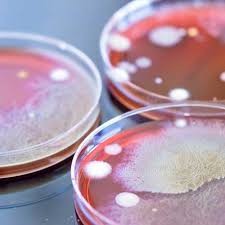
×Ph.D. in Microbiology usually takes 4-6 years to complete which involves extensive research on microorganisms, their interactions, and their impact on various ecosystems. The academic program includes advanced coursework, laboratory research, and a dissertation. Students research bacterial genetics, virology, immunology, and microbial ecology. They acquire experts in cutting-edge procedures such as gene sequencing, bioinformatics, and microscopy. This degree prepares graduates for professions in academia, biotechnology, pharmaceuticals, and public health, granting them the skills they need to address global issues such as antibiotic resistance and new infectious diseases.

Ph.D. in Mathematics
Ph.D. in Mathematics is a terminal degree that usually requires 4-7 years to accomplish after acquiring a bachelor's degree. The curriculum comprises advanced coursework in pure and appli...
Ph.D. in Mathematics
×Ph.D. in Mathematics is a terminal degree that usually requires 4-7 years to accomplish after acquiring a bachelor's degree. The curriculum comprises advanced coursework in pure and applied mathematics, as well as independent research that leads to the completion of a doctorate research. PhD students acquire proficiency in abstract algebra, real and complex analysis, topology, and discrete mathematics. The degree prepares graduates for academic careers as university professors and researchers, as well as jobs in industries such as banking, technology, and government that require strong quantitative and problem-solving abilities.

Ph.D. in Physics
Ph.D. in Physics generally requires 5-7 years to complete, and it comprises advanced coursework, independent research, and a doctorate dissertation. Students explore the fundamental concepts...
Ph.D. in Physics
×Ph.D. in Physics generally requires 5-7 years to complete, and it comprises advanced coursework, independent research, and a doctorate dissertation. Students explore the fundamental concepts of matter and energy, and often specialize in quantum mechanics, astrophysics, or particle physics. The program fosters critical thinking, problem-solving skills, and knowledge in experimental or theoretical physics. Graduates are prepared to work in academia, research institutions, or industry, contributing to innovative scientific discoveries and technical developments. This challenging degree requires dedication, intellectual curiosity, and the ability to push the limits of human knowledge of the physical cosmos.

Ph.D. in Nursing
The Doctor of Philosophy (Ph.D.) in Nursing is the highest academic degree in the nursing sector, taking around 4-5 years to complete. This research-focused curriculum develops nurses to work in ac...
Ph.D. in Nursing
×The Doctor of Philosophy (Ph.D.) in Nursing is the highest academic degree in the nursing sector, taking around 4-5 years to complete. This research-focused curriculum develops nurses to work in academia, research, and advanced clinical practice. Nursing theory, research methodologies, statistics, and a specialized area of study are all encompassed in the coursework. Ph.D. candidates prepare an original dissertation that provides new information to the nursing field. Graduates of Ph.D. in Nursing schools are prepared to conduct nursing research, shape healthcare policy, educate future nurses, and drive clinical innovation. The degree qualifies for professions such as nurse scientist, professor, head of nursing research, and chief nursing officer.
Ph.D. in Commerce
The Ph.D. in Commerce is a required 4-5 year advanced research degree program that gives comprehensive training in the theory, research methodologies, and practical applications of numerous bu...
Ph.D. in Commerce
×The Ph.D. in Commerce is a required 4-5 year advanced research degree program that gives comprehensive training in the theory, research methodologies, and practical applications of numerous business and management fields. The program includes in-depth study of accounting, finance, marketing, human resources, operations, and strategy. Independent research projects, scholarly publications, and collaborations with industry and academia help students develop expertise in identifying and investigating complex business problems, designing innovative solutions, and contributing to the advancement of knowledge in the dynamic and multifaceted field of business. Graduates of this program have the opportunity to work as business researchers, consultants, policymakers, and faculty members in universities, research institutions, and major corporations.
Ph.D. in Management
Ph.D. in Management typically requires 4-6 years to complete, depending on the university and the student's progress. This postgraduate degree program focuses on enhancing awareness of manageme...
Ph.D. in Management
×Ph.D. in Management typically requires 4-6 years to complete, depending on the university and the student's progress. This postgraduate degree program focuses on enhancing awareness of management theory, research methods, and organizational behavior. Students pursue demanding coursework, thorough tests, and original research, culminating in a PhD dissertation. Strategic management, leadership, organizational psychology, and advanced statistics are common themes in the curriculum. Graduates are equipped for jobs in academia, research institutions, or high-level consultancy positions. The curriculum demands a good academic background, which typically includes a master's degree, and stresses critical thinking, analytical skills, and the ability to contribute new information to the field of management.

Ph.D. in Psychology
Ph.D. in Psychology is a rigorous 5-7-year advanced research degree program that gives in-depth instruction in psychological science theory, research methods, and applications. The program includes...
Ph.D. in Psychology
×Ph.D. in Psychology is a rigorous 5-7-year advanced research degree program that gives in-depth instruction in psychological science theory, research methods, and applications. The program includes in-depth studies in cognitive, social, developmental, clinical, and industrial/organizational psychology. Through independent research projects, scholarly publications, and collaborations with research institutions and industry partners, students gain expertise in identifying complex human behavior and mental processes, designing innovative interventions, and contributing to scientific advancement in the dynamic and multifaceted field of psychology. Graduates of this program have the opportunity to work as research psychologists, clinical/counseling practitioners, organizational consultants, and faculty members at universities, research institutions, and major commercial and public sector enterprises.

Ph.D. in Music
Ph.D. in Music typically takes 4-7 years to complete, depending on the program and individual progress. This advanced degree focuses on original research, critical analysis, and scholarly con...
Ph.D. in Music
×Ph.D. in Music typically takes 4-7 years to complete, depending on the program and individual progress. This advanced degree focuses on original research, critical analysis, and scholarly contribution to the field of music. Students engage in intensive study of music theory, history, and performance practices, while also developing expertise in a specific area such as musicology, ethnomusicology, composition, or performance. The program usually involves coursework, comprehensive exams, teaching responsibilities, and culminates in a doctoral dissertation or significant creative project. Candidates are expected to make substantial contributions to musical knowledge or practice, often presenting their research at conferences and publishing in academic journals.
Ph.D. in Genetics & Plant Breeding
Ph.D. in Genetics and Plant Breeding typically spans 3 - 5 years, focusing on advanced research in the genetic improvement of crops. The program covers various aspects, including molecul...
Ph.D. in Genetics & Plant Breeding
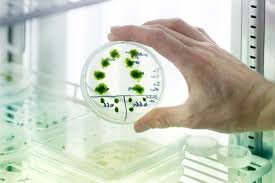
×Ph.D. in Genetics and Plant Breeding typically spans 3 - 5 years, focusing on advanced research in the genetic improvement of crops. The program covers various aspects, including molecular genetics, genomics, and biotechnological applications, aiming to enhance traits such as yield, disease resistance, and environmental adaptability. Students engage in hands-on research, often involving field trials and laboratory experiments. Coursework may include statistics, bioinformatics, and plant physiology. Graduates are equipped for careers in academia, industry, or government, contributing to sustainable agriculture and food security through innovative breeding strategies and genetic research.
Ph.D. in Entomology & Apiculture
Ph.D. in Entomology & Apiculture typically spans 3-5 years and focuses on the study of insects, their biology, behavior, ecology, and their role in agriculture and the environment. S...
Ph.D. in Entomology & Apiculture
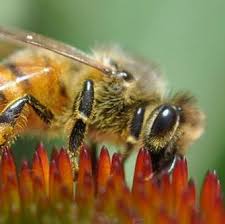
×Ph.D. in Entomology & Apiculture typically spans 3-5 years and focuses on the study of insects, their biology, behavior, ecology, and their role in agriculture and the environment. Students engage in advanced research related to insect physiology, pest management, pollination biology, and the significance of bees and other pollinators in food production. The program often includes coursework in entomological techniques, genetics, and ecological principles, alongside hands-on research in laboratory and field settings. Graduates are well-prepared for careers in academia, government agencies, agricultural industries, and environmental organizations, addressing critical issues related to insect populations and biodiversity.

Ph.D. in Botany
Ph.D. in Botany usually takes 3-5 years and focuses on advanced study in plant biology, ecology, and conservation. The program includes intensive courses in plant physiology, taxonomy, molecul...
Ph.D. in Botany
×Ph.D. in Botany usually takes 3-5 years and focuses on advanced study in plant biology, ecology, and conservation. The program includes intensive courses in plant physiology, taxonomy, molecular biology, and environmental science. Students are expected to do unique research, culminating in a dissertation that advances the area of botany. Fieldwork, laboratory experiments, and interdisciplinary team cooperation are common components of the program. Graduates work in academia, research institutions, environmental agencies, and industries associated with agriculture, horticulture, and biodiversity conservation, bringing vital information to plant science and ecosystem management.

Ph.D. in Punjabi
A PhD in Punjabi is a research-based program that focuses on the Punjabi language, literature, linguistics, and cultural history. The program, which typically lasts 3-5 years, includes classic...
Ph.D. in Punjabi
×A PhD in Punjabi is a research-based program that focuses on the Punjabi language, literature, linguistics, and cultural history. The program, which typically lasts 3-5 years, includes classical and current Punjabi literature, poetry, folklore, and the language's evolution, as well as its social and historical settings. Students do unique research on topics including as language preservation, literary criticism, and the influence of Punjabi culture on regional and global narratives. Admission often requires a Master's degree in Punjabi or a related subject. Graduates may pursue jobs in academia, translation, cultural studies, media, or publishing.
Ph.D. in Food Technology
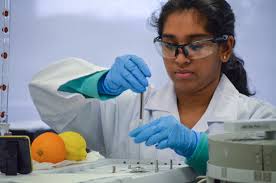
Ph.D. in Food Technology typically takes 3-5 years to complete, depending on the institution and research project. This advanced degree focuses on the scientific principles behind food processing,...
Ph.D. in Food Technology
×Ph.D. in Food Technology typically takes 3-5 years to complete, depending on the institution and research project. This advanced degree focuses on the scientific principles behind food processing, preservation, and safety. Students engage in cutting-edge research, exploring areas such as food chemistry, microbiology, engineering, and nutrition. The program often includes coursework in advanced food science topics, research methodologies, and statistics. Candidates are expected to conduct original research, publish papers in peer-reviewed journals, and defend a dissertation. Graduates are prepared for careers in academia, research institutions, government agencies, or the food industry, where they can contribute to innovations in food production, quality control, and product development.
Ph.D. in Vegetable Science
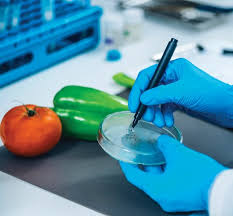
Ph.D. in Vegetable Science is a research-focused program designed to develop advanced knowledge and expertise in the cultivation, production, and improvement of vegetables. The course covers areas...
Ph.D. in Vegetable Science
×Ph.D. in Vegetable Science is a research-focused program designed to develop advanced knowledge and expertise in the cultivation, production, and improvement of vegetables. The course covers areas such as plant breeding, pest management, crop physiology, soil health, and sustainable agricultural practices. Students engage in original research to address global challenges in food security, nutrition, and climate-resilient agriculture. The program typically spans 3 - 5 years and involves coursework, fieldwork, and dissertation research. Graduates are equipped for careers in academia, research institutions, government agencies, and the agricultural industry, contributing to the advancement of vegetable science and sustainable farming practices.

Ph.D. in Food Economics
A Ph.D. in Food Economics typically takes 4-6 years to complete, providing advanced training in the economic analysis of food systems, agricultural policy, and food supply chains. Students study is...
Ph.D. in Food Economics
×A Ph.D. in Food Economics typically takes 4-6 years to complete, providing advanced training in the economic analysis of food systems, agricultural policy, and food supply chains. Students study issues like the dynamics of the price of food, international trade, consumer behavior, and the economic impact of agricultural technological development. Microeconomics, econometrics, and food science courses are combined with original research and a dissertation in this program. Graduates are equipped for jobs as economists, policy advisors, or analysts of the food operation in academia, government departments, international organizations, or the private sector. A master's degree in economics, agricultural economics, or a similar discipline is typically required for admission, as are excellent analytical and mathematical abilities.