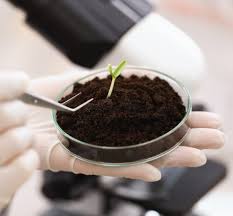
Ph.D. in Agriculture with a specialization in Soil Science typically requires 3 to 5 years of study beyond a master's degree. This program focuses on advanced research in soil chemistry, microbiology, fertility, and conservation, preparing students to address critical agricultural challenges. Candidates engage in fieldwork and laboratory experiments to study soil properties, analyze nutrient management practices, and explore sustainable agricultural systems. The program culminates in a dissertation based on original research that contributes to the scientific understanding of soil ecosystems and their role in agricultural productivity. Graduates often pursue careers in academia, research institutions, or agricultural consultancy.
.png)
Forest Research Institute
Forest Research Institute Admission Open
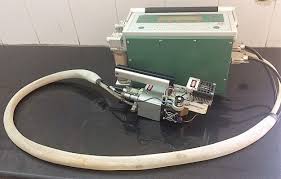
Ph.D. in Plant Physiology
Ph.D. in Plant Physiology typically requires 3 - 5 years of study and research following a master's degree in a related field, such as biology, botany, or agricultural science. This progra...
Ph.D. in Plant Physiology
×Ph.D. in Plant Physiology typically requires 3 - 5 years of study and research following a master's degree in a related field, such as biology, botany, or agricultural science. This program focuses on the physiological processes of plants, including growth, metabolism, and responses to environmental factors. Students engage in advanced coursework, laboratory experiments, and field studies to investigate plant functions and adaptations. Research may cover topics such as photosynthesis, water relations, nutrient uptake, and plant stress responses. Graduates often pursue careers in academia, research institutions, or the agricultural industry, contributing to advancements in crop production and environmental sustainability.

Ph.D. in Climate Change & Ecological Studies
Ph.D. in Climate Change & Ecological Studies is a rigorous program that typically spans 3 - 5 years. It focuses on understanding the complex interactions between climate change and ecologi...
Ph.D. in Climate Change & Ecological Studies
×Ph.D. in Climate Change & Ecological Studies is a rigorous program that typically spans 3 - 5 years. It focuses on understanding the complex interactions between climate change and ecological systems. The curriculum includes advanced coursework in environmental science, ecology, climate modeling, and sustainability, alongside extensive research components. Students are expected to engage in original research that contributes to the field, often culminating in a dissertation. Emphasis is placed on interdisciplinary approaches, integrating social, economic, and environmental perspectives. Graduates are prepared for careers in academia, research institutions, government agencies, and non-profit organizations focused on environmental issues.
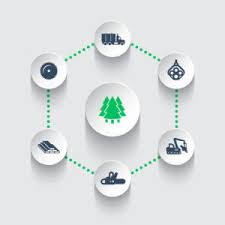
Ph.D. in Forestry
Ph.D. in Forestry typically spans 3 - 5 years and focuses on advanced research in areas such as forest ecology, management, conservation, and sustainable practices. The program combines theore...
Ph.D. in Forestry
×Ph.D. in Forestry typically spans 3 - 5 years and focuses on advanced research in areas such as forest ecology, management, conservation, and sustainable practices. The program combines theoretical knowledge with practical application, emphasizing the importance of forests in biodiversity, climate change mitigation, and resource management. Students engage in fieldwork, laboratory research, and data analysis, contributing to scientific literature and environmental policy. Coursework may include subjects like forest genetics, ecosystem modeling, and agroforestry. Graduates often pursue careers in academia, government agencies, non-profits, and private sector organizations, addressing global forestry challenges and promoting sustainable land use practices.
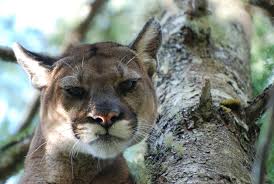
Ph.D. in Wildlife Science
Ph.D. in Wildlife Science typically takes 3-5 years to complete, focusing on advanced research in wildlife biology, ecology, and conservation. Students engage in rigorous coursework, fieldwork, and...
Ph.D. in Wildlife Science
×Ph.D. in Wildlife Science typically takes 3-5 years to complete, focusing on advanced research in wildlife biology, ecology, and conservation. Students engage in rigorous coursework, fieldwork, and independent research, culminating in a doctoral dissertation. The program covers population dynamics, habitat management, and wildlife-human interactions. Candidates develop expertise in data analysis, research methodologies, and scientific writing. Many programs require teaching assistantships and conference presentations. Graduates are prepared for careers in academia, government agencies, or non-profit organizations, contributing to wildlife conservation and management. Admission usually requires a master's degree in a related field and research experience.
Ph.D. in Energy Studies and Environment Management
Ph.D. in Energy Studies and Environment Management emphasizes the integration of energy systems and environmental sustainability. The curriculum typically lasts 3 to 5 years and includes trai...
Ph.D. in Energy Studies and Environment Management
× Ph.D. in Energy Studies and Environment Management emphasizes the integration of energy systems and environmental sustainability. The curriculum typically lasts 3 to 5 years and includes training in renewable energy, environmental policy, climate change, resource management, and energy economics, as well as original research. Students learn about energy efficiency, sustainable energy technology, environmental impact assessments, and strategies for reducing the environmental impact of energy production. Graduates are prepared to work in academia, research institutes, government agencies, or industry, helping to develop sustainable energy solutions, environmental protection regulations, and advances in energy management and climate change mitigation.

Ph.D. in Silviculture and Agroforestry
A Ph.D. in Silviculture and Agroforestry is typically a 4-6 year program that provides advanced training in the management and conservation of forest ecosystems, as well as the integration of trees...
Ph.D. in Silviculture and Agroforestry
×A Ph.D. in Silviculture and Agroforestry is typically a 4-6 year program that provides advanced training in the management and conservation of forest ecosystems, as well as the integration of trees and woody plants into agricultural production systems. Forest ecology, tree physiology, silvicultural techniques, agroforestry design and implementation, and the socioeconomic and policy aspects of sustainable land use belong to the subjects covered in the program. Students carry out original research to create creative answers to problems in fields including food security, biodiversity preservation, and climate change mitigation, frequently in cooperation with governmental organizations, non-governmental organizations, or partners in the commercial sector. Graduates of this degree are equipped to work at academic institutions, research centers, international development organizations, and natural resource management agencies, advancing agricultural integration and sustainable forestry.

Phd in forest seed technology
Phd in forest seed technology, where we bridge the gap between formal education and practical skills acquisition...
Phd in forest genetics
Phd in forest genetics, where we bridge the gap between formal education and practical skills acquisition...
Phd in forest botany
Phd in forest botany, where we bridge the gap between formal education and practical skills acquisition...
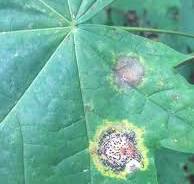
Phd in forest pathology
PhD in Forest Pathology is a highly advanced degree that studies diseases that harm forest plants and ecosystems. The curriculum, which typically takes 3-5 years to complete, consists of spec...
Phd in forest pathology
× PhD in Forest Pathology is a highly advanced degree that studies diseases that harm forest plants and ecosystems. The curriculum, which typically takes 3-5 years to complete, consists of specialized coursework and creative research that culminates in a dissertation. Pathogen biology, disease diagnosis, epidemiology, and long-term management techniques are all important research topics. Students investigate how biotic and abiotic stresses affect forest health and devise novel disease prevention and control strategies. Eligibility often needs a master's degree in forestry, plant pathology, or a related discipline. Graduates work in academics, forestry, research institutions, and environmental conservation.
Phd in forest entomology
PhD in Forest Entomology is a research-oriented program that delves into the study of insects and their interactions with forest ecosystems. Spanning 3-5 years, this program combines advanced cours...
Phd in forest entomology
×PhD in Forest Entomology is a research-oriented program that delves into the study of insects and their interactions with forest ecosystems. Spanning 3-5 years, this program combines advanced coursework with original research, culminating in a dissertation. Key areas of focus include insect ecology, pest management, pollination biology, and the role of insects in forest health and biodiversity. Candidates with a master’s degree in forestry, entomology, or related fields are eligible. Graduates contribute to sustainable forest management, pest control strategies, and conservation efforts. Career paths include academia, research institutions, forest management organizations, and environmental consultancies.
4o
Phd in forest ecology and environment
Phd in forest ecology and environment, where we bridge the gap between formal education and practical skills acquisition...
Phd in wood science and technology
Phd in wood science and technology, where we bridge the gap between formal education and practical skills acquisition...
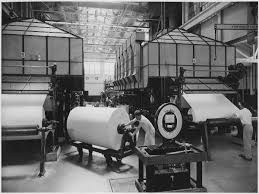
Phd in pulp and paper technology
Ph.D. in Pulp and Paper Technology is an advanced research degree that focuses on the science and engineering of pulp production, paper manufacturing, and other related businesses. The course of st...
Phd in pulp and paper technology
×Ph.D. in Pulp and Paper Technology is an advanced research degree that focuses on the science and engineering of pulp production, paper manufacturing, and other related businesses. The course of study lasts 3-5 years and involves specialized coursework, lab work, and a dissertation. Sustainable raw material sourcing, recycling methods, chemical processing, and paper property advancements are all common research topics. Graduates are prepared for academic careers, research and development, and leadership positions in the pulp and paper industry. Admission needs a master's degree in chemical engineering, paper technology, or a related discipline, as well as a strong research background and appropriate industry experience.
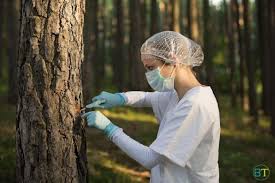
Phd in forest biotechnology
Ph.D. in Forest Biotechnology emphasizes utilizing cutting-edge biological approaches to investigate and improve forest ecosystems and tree species. The curriculum normally lasts 3-5 years and...
Phd in forest biotechnology
×Ph.D. in Forest Biotechnology emphasizes utilizing cutting-edge biological approaches to investigate and improve forest ecosystems and tree species. The curriculum normally lasts 3-5 years and includes coursework, laboratory research, and a dissertation. Genetic engineering, molecular biology, tissue culture, and bioprocessing are important research topics for sustainable forestry and conservation. Students investigate applications for insect resistance, climate adaptation, and biomass production. Graduates are well-prepared for positions in academia, biotechnology, and forest research organizations. A master's degree in biotechnology, forestry, or a related discipline, as well as laboratory experience and a strong research foundation, are frequently required for eligibility.
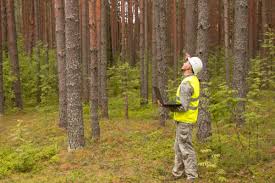
Phd in forest bioinformatics
Ph.D. in Forest Bioinformatics integrates computational methods with biological data to investigate forest ecosystems and genetic diversity. The program focuses on genetic sequencing, molecular eco...
Phd in forest bioinformatics
×Ph.D. in Forest Bioinformatics integrates computational methods with biological data to investigate forest ecosystems and genetic diversity. The program focuses on genetic sequencing, molecular ecology, and data analysis to promote sustainable forest management and conservation. It typically lasts 3-5 years and includes coursework, seminars, and independent research, culminating in a dissertation. Students study topics such as forest genetics, species evolution, and environmental data analysis. Graduates are qualified to work in academia, biotechnology companies, and environmental research groups. Admission criteria often include a master's degree in bioinformatics, forestry, biology, or a related discipline, as well as a solid research record.
Phd in forest geoinformatics
PhD in Forest Geoinformatics emphasizes the study and management of forest ecosystems using geospatial technologies such as GIS, remote sensing, and spatial modeling. This interdisciplinary curricu...
Phd in forest geoinformatics
×PhD in Forest Geoinformatics emphasizes the study and management of forest ecosystems using geospatial technologies such as GIS, remote sensing, and spatial modeling. This interdisciplinary curriculum, which normally lasts 3-5 years, combines instruction with significant research, culminating in a dissertation. Students learn about forest mapping, biodiversity assessment, climate change effect assessments, and sustainable forest resource management. The course of study prepares graduates for careers in academia, environmental organizations, and government agencies that specialize on forest conservation and spatial analysis. Eligibility often requires a master's degree in forestry, geoinformatics, environmental sciences, or a related discipline, as well as research experience.
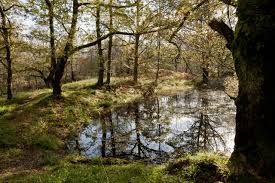
Phd in forest hydrology
Ph.D. in Forest Hydrology studies the interplay of trees and water systems, such as watershed management, streamflow, and ecosystem sustainability. This research-intensive program teaches students...
Phd in forest hydrology
×Ph.D. in Forest Hydrology studies the interplay of trees and water systems, such as watershed management, streamflow, and ecosystem sustainability. This research-intensive program teaches students advanced abilities in hydrological modeling, climate change analysis, and sustainable forest management. The course normally lasts 3-5 years and includes coursework, seminars, and a dissertation. Students study water cycle dynamics, forest conservation, and soil-water connections. Graduates pursue positions in academia, environmental consulting, or government groups that handle water resource and forestry issues. Admission criteria include a master's degree in forestry, environmental science, or a related discipline, as well as knowledge of research methods.
POPULAR COURSES
(D.ED(TCH))
A.N.M.
Acharya - Navyavyakarna
Acharya - Phalita Jyotisha
Acharya - Sanskrit Sahitya
Acharya - Siddhanta Jyotisha
Adobe Photoshop
Advance Certificate Course in Beauty Therapy
Advance Certificate Course in Cosmetology
Advance Certificate Course in Hair Dressing
Advance Certificate Course in Makeup Artistry
Advance certificate Course in Nail Technology
Advance Diploma in Anesthesia Technology
Advance Diploma In Child Guidance And Counselling
Advance Diploma in Dialysis Technology
Advance Diploma in Disciples India
Advance Diploma in Fashion Design & Technology
Advance Diploma in Industrial Safety
Advance Diploma In Insurance Sales
Advance Diploma in Interior Designing
Advance Diploma in Journalism & Mass Communication
Advance Diploma in Medical Lab Technology
Advance Diploma in Operation Theatre Technology
Advance Diploma in Radiology & Imaging Technology
Advance Diploma of Proficiency in French
Advance Diploma of Proficiency in German
Advance Diploma of Proficiency in Russian
Advanced Certificate in Medical Microbiology Laboratory Technology (ACMMLT)
Advanced Certified Software Developer
Advanced Diploma in 3D Printing Technology
Advanced Diploma in Animation
Advanced Diploma in Aviation, Hospitality and Tourism
Advanced Diploma in Computer Application
Advanced Diploma in Computer Software, System Analysis & Application
Advanced Diploma in Data Science
Advanced Diploma in Hardware And Networking
Advanced Diploma in Information Technology
Advanced Diploma in Machine Learning
Advanced Diploma in Multimedia Programming
Advanced Diploma in Networking
Advanced Diploma in Sound Recording Technology
Advanced Diploma in Textile Design
Advanced Diploma in Vastu and Jyotish
Agriculture & Allied Services
Agriculture & Horticulture
Agriculture & Live Stock Production
Agriculture Technology
AHDP Diploma In Animal Husbandry Program
Arogyamitra
Artificial Intelligence And Machine Learning
Automobile Technology
B,Com. in Computer Application
B. Sc. Hons. in Anaesthesia & Operation Theatre Technology
B. Sc. Hons. in Emergency Medical Technology
B. Sc. Hons.in Medical Laboratory Technology
B. Sc. in Hospitality and Tourism Management
B. Tech. in Fisheries Engineering
B. Tech. in Leather technology
B.A. General
B.A. B.Ed.
Popular Stream
State
Andaman and Nicobar Island (UT)
Andaman and Nicobar Islands
Andhra Pradesh
Arunachal Pradesh
Assam
Bihar
Chandigarh
Chandigarh (UT)
Chhattisgarh
Dadra and Nagar
Dadra and Nagar Haveli
Dadra and Nagar Haveli (UT)
Daman and Diu
Daman and Diu (UT)
Delhi
Delhi (NCT)
Donets'k
Goa
Gujarat
Gujarat
Haryana
Himachal Pradesh
Jammu and Kashmir
Jammu and Kashmir(UT)
Jharkhand
jjj
Karnataka
Kerala
Ladakh(UT)
Lakshadweep
LAKSHADWEEP (UT)
Madhya Pradesh
Maharashtra
Manipur
Meghalaya
Mizoram
Nagaland
Niigata
Odisha
Puducherry