PhD in Agronomy normally takes 3-5 years to complete, with a concentration on advanced crop science, soil management, and sustainable agriculture techniques. This doctoral program requires a master's degree in a comparable discipline and consists of coursework, comprehensive exams, and an original dissertation. Students study plant genetics, soil chemistry, precision agriculture, and climate-resilient farming approaches. The curriculum frequently incorporates fieldwork, laboratory research, and partnerships with agricultural industries. Graduates get opportunities in academia, research institutions, government organizations, or the commercial sector, where they can help improve agricultural yields, develop sustainable farming methods, and address global food security issues.
G.B.Pant University of Agriculture & Technology
G.B.Pant University of Agriculture & Technology Admission Open

Ph.D. in Mechanical Engineering
Ph.D. in Mechanical Engineering takes around 4-6 years to complete, depending on the university and research project. This advanced degree focuses on developing cutting-edge knowledge in fields suc...
Ph.D. in Mechanical Engineering
×Ph.D. in Mechanical Engineering takes around 4-6 years to complete, depending on the university and research project. This advanced degree focuses on developing cutting-edge knowledge in fields such as robotics, thermodynamics, fluid mechanics, materials science, and control systems. Students take challenging courses, perform unique research, and complete a PhD dissertation. The curriculum promotes problem-solving, critical thinking, and innovative abilities, preparing graduates to take on leadership roles in academia, industry, or research organizations. Ph.D. candidates usually collaborate on interdisciplinary projects, publish in peer-reviewed journals, and give presentations at conferences, all of which contribute to growth in sectors such as renewable energy, aerospace, automotive engineering, and biomedical devices.

Ph.D. in Electronics And Communication Engineering
Ph.D. in Electronics and Communication Engineering generally takes 3-5 years to complete, depending on the university and the level of the study. This advanced degree focuses the latest development...
Ph.D. in Electronics And Communication Engineering
×Ph.D. in Electronics and Communication Engineering generally takes 3-5 years to complete, depending on the university and the level of the study. This advanced degree focuses the latest developments in signal processing, wireless communications, microelectronics, and embedded systems. Students undertake challenging courses, implement original research, and write their dissertations under faculty supervision. The program promotes skills in developing complex electronic systems, creating innovative communication technologies, and addressing real-world engineering challenges. Graduates are well-prepared to work in academia, research institutions, or high-tech enterprises, helping to improve disciplines such as 5G/6G networks, IoT, artificial intelligence, and quantum computing. This degree involves strong analytical skills, creativity, and an intense passion for technological advancement.
Ph.D. in Electrical Engineering
Ph.D. in Electrical Engineering generally requires 4-6 years to complete, depending on a master's degree. This advanced degree emphasizes cutting-edge research and specific fields like signal p...
Ph.D. in Electrical Engineering
×Ph.D. in Electrical Engineering generally requires 4-6 years to complete, depending on a master's degree. This advanced degree emphasizes cutting-edge research and specific fields like signal processing, power systems, and telecommunications. Candidates take challenging courses, perform distinctive research, and defend a dissertation. Advanced mathematics, electromagnetic theory, and computer engineering are common topics in the curriculum. Graduates possess the skills for job opportunities in academia, research institutes, and high-tech business organizations. This degree desires strong analytical abilities, creativity, and tenacity. It provides opportunity to contribute to technological developments and solve complicated engineering challenges, making it a lucrative career path for those who enjoy innovation in electrical systems and technology.

Ph.D. in Civil Engineering
A Ph.D. in Civil Engineering typically requires 3-5 years to complete, depending on the university and research area. This graduate degree program emphasizes particular fields such as structural en...
Ph.D. in Civil Engineering
×A Ph.D. in Civil Engineering typically requires 3-5 years to complete, depending on the university and research area. This graduate degree program emphasizes particular fields such as structural engineering, geotechnical engineering, transportation systems, environmental engineering, and water resource management. Students take difficult courses, do unique research, and write a doctoral thesis that adds new understanding to the area. The program of study addresses advanced analytical abilities, research approaches, and problem-solving techniques applicable to difficult civil engineering tasks. Graduates are prepared for managerial roles in academia, research institutes, government agencies, or the commercial sector, where they can drive innovation in building infrastructure, sustainability, and urban planning.

Ph.D. in Management
Ph.D. in Management typically requires 4-6 years to complete, depending on the university and the student's progress. This postgraduate degree program focuses on enhancing awareness of manageme...
Ph.D. in Management
×Ph.D. in Management typically requires 4-6 years to complete, depending on the university and the student's progress. This postgraduate degree program focuses on enhancing awareness of management theory, research methods, and organizational behavior. Students pursue demanding coursework, thorough tests, and original research, culminating in a PhD dissertation. Strategic management, leadership, organizational psychology, and advanced statistics are common themes in the curriculum. Graduates are equipped for jobs in academia, research institutions, or high-level consultancy positions. The curriculum demands a good academic background, which typically includes a master's degree, and stresses critical thinking, analytical skills, and the ability to contribute new information to the field of management.
Ph.D. in Biotechnology
Ph.D. in Biotechnology is an advanced research degree that involves biology, technology, and engineering. It generally takes 4-6 years to complete. The curriculum focuses on discovering innovative...
Ph.D. in Biotechnology
×Ph.D. in Biotechnology is an advanced research degree that involves biology, technology, and engineering. It generally takes 4-6 years to complete. The curriculum focuses on discovering innovative solutions to healthcare, agricultural businesses, and environmental issues. Students engage in intensive coursework, laboratory research, and frequent collaborations with industry partners. Genetic engineering, bioinformatics, molecular biology, and bioprocess engineering are all significant study fields. Candidates have to do original research, publish in peer-reviewed publications, and defend their doctoral thesis. This degree prepares graduates for managerial positions in academia, research institutes, pharmaceutical businesses, and biotech startups, advancing disciplines such as medication development, sustainable agriculture, and biofuel production.
Ph.D. in Biochemistry
A Ph.D. in Biochemistry normally takes 4-6 years to complete, with a concentration on the chemical processes found within and related to living organisms. This advanced degree needs intensive labor...
Ph.D. in Biochemistry
×A Ph.D. in Biochemistry normally takes 4-6 years to complete, with a concentration on the chemical processes found within and related to living organisms. This advanced degree needs intensive laboratory research, data analysis, and the creation of a unique thesis. Students analyze molecular biology, enzymology, and cellular metabolism. The program often involves coursework, teaching assistantships, and the publication of research publications. Graduates have the ability to pursue careers in academia, pharmaceutical research, biotechnology, and allied fields. The doctoral program develops critical thinking, problem-solving abilities, and the ability to design and conduct autonomous research, resulting in important contributions to the field of biochemistry and related life sciences.

Ph.D. in Chemistry
Ph.D. in Chemistry takes around 4-6 years to complete, depending on the research project and institution. This doctoral program emphasizes distinctive research in certain areas of chemistry, such a...
Ph.D. in Chemistry
×Ph.D. in Chemistry takes around 4-6 years to complete, depending on the research project and institution. This doctoral program emphasizes distinctive research in certain areas of chemistry, such as organic, inorganic, physical, or analytical chemistry. Students pursue more advanced courses, perform substantial laboratory research, and develop a dissertation based on their findings. The program includes generating hypotheses, designing experiments, analyzing data, and bringing new knowledge to the field. Ph.D. candidates frequently interact with other experts, give presentation at conferences, and publish articles in scientific publications. This degree equips graduates with job opportunities in academia, industry research, government laboratories, and other scientific fields that require advanced chemical skills.
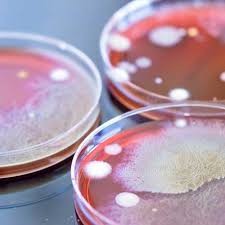
Ph.D. in Microbiology
Ph.D. in Microbiology usually takes 4-6 years to complete which involves extensive research on microorganisms, their interactions, and their impact on various ecosystems. The academic program inclu...
Ph.D. in Microbiology
×Ph.D. in Microbiology usually takes 4-6 years to complete which involves extensive research on microorganisms, their interactions, and their impact on various ecosystems. The academic program includes advanced coursework, laboratory research, and a dissertation. Students research bacterial genetics, virology, immunology, and microbial ecology. They acquire experts in cutting-edge procedures such as gene sequencing, bioinformatics, and microscopy. This degree prepares graduates for professions in academia, biotechnology, pharmaceuticals, and public health, granting them the skills they need to address global issues such as antibiotic resistance and new infectious diseases.

Ph.D. in Mathematics
Ph.D. in Mathematics is a terminal degree that usually requires 4-7 years to accomplish after acquiring a bachelor's degree. The curriculum comprises advanced coursework in pure and appli...
Ph.D. in Mathematics
×Ph.D. in Mathematics is a terminal degree that usually requires 4-7 years to accomplish after acquiring a bachelor's degree. The curriculum comprises advanced coursework in pure and applied mathematics, as well as independent research that leads to the completion of a doctorate research. PhD students acquire proficiency in abstract algebra, real and complex analysis, topology, and discrete mathematics. The degree prepares graduates for academic careers as university professors and researchers, as well as jobs in industries such as banking, technology, and government that require strong quantitative and problem-solving abilities.

Ph.D. in Physics
Ph.D. in Physics generally requires 5-7 years to complete, and it comprises advanced coursework, independent research, and a doctorate dissertation. Students explore the fundamental concepts...
Ph.D. in Physics
×Ph.D. in Physics generally requires 5-7 years to complete, and it comprises advanced coursework, independent research, and a doctorate dissertation. Students explore the fundamental concepts of matter and energy, and often specialize in quantum mechanics, astrophysics, or particle physics. The program fosters critical thinking, problem-solving skills, and knowledge in experimental or theoretical physics. Graduates are prepared to work in academia, research institutions, or industry, contributing to innovative scientific discoveries and technical developments. This challenging degree requires dedication, intellectual curiosity, and the ability to push the limits of human knowledge of the physical cosmos.
Ph.D. in Management
Ph.D. in Management typically requires 4-6 years to complete, depending on the university and the student's progress. This postgraduate degree program focuses on enhancing awareness of manageme...
Ph.D. in Management
×Ph.D. in Management typically requires 4-6 years to complete, depending on the university and the student's progress. This postgraduate degree program focuses on enhancing awareness of management theory, research methods, and organizational behavior. Students pursue demanding coursework, thorough tests, and original research, culminating in a PhD dissertation. Strategic management, leadership, organizational psychology, and advanced statistics are common themes in the curriculum. Graduates are equipped for jobs in academia, research institutions, or high-level consultancy positions. The curriculum demands a good academic background, which typically includes a master's degree, and stresses critical thinking, analytical skills, and the ability to contribute new information to the field of management.
Ph.D. in Veterinary Pathology
Ph.D. in Veterinary Pathology typically requires 3 - 5 years of study beyond the master's degree, focusing on the study of diseases in animals and their diagnosis. The program encomp...
Ph.D. in Veterinary Pathology
×Ph.D. in Veterinary Pathology typically requires 3 - 5 years of study beyond the master's degree, focusing on the study of diseases in animals and their diagnosis. The program encompasses advanced coursework in pathology, microbiology, immunology, and related disciplines, combined with extensive research experience. Candidates are expected to conduct original research, often involving laboratory work, field studies, and clinical observations. A dissertation presenting significant findings is a crucial requirement for graduation. Graduates pursue careers in academia, research institutions, diagnostic laboratories, and veterinary practice, contributing to animal health and disease management, as well as public health initiatives.
Ph.D. in Toxicology
Ph.D. in Toxicology typically takes 3 - 5 years to complete and focuses on the study of harmful substances and their effects on living organisms. The program encompasses a range of disciplines, inc...
Ph.D. in Toxicology
×Ph.D. in Toxicology typically takes 3 - 5 years to complete and focuses on the study of harmful substances and their effects on living organisms. The program encompasses a range of disciplines, including biology, chemistry, pharmacology, and environmental science. Students engage in advanced coursework, and laboratory research, and often complete a dissertation based on original research in areas such as drug toxicity, environmental toxicology, or risk assessment. This degree prepares graduates for careers in academia, industry, regulatory agencies, or public health, where they contribute to understanding and mitigating the risks associated with toxic substances.

Ph.D. in Information Technology
Ph.D. in Information Technology typically requires 3 - 5 years of study beyond a master's degree, depending on the program and the student’s pace. This advanced degree focuses on the...
Ph.D. in Information Technology
×Ph.D. in Information Technology typically requires 3 - 5 years of study beyond a master's degree, depending on the program and the student’s pace. This advanced degree focuses on the theoretical and practical aspects of computing and information systems, encompassing areas such as software engineering, data analytics, cybersecurity, artificial intelligence, and network management. Candidates engage in rigorous coursework, comprehensive exams, and original research, culminating in a dissertation that contributes to the field. Graduates often pursue careers in academia, research institutions, or high-level industry positions, playing critical roles in technology development and innovation.
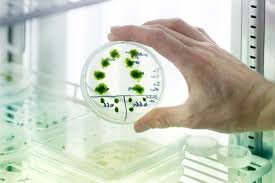
Ph.D. in Genetics & Plant Breeding
Ph.D. in Genetics and Plant Breeding typically spans 3 - 5 years, focusing on advanced research in the genetic improvement of crops. The program covers various aspects, including molecul...
Ph.D. in Genetics & Plant Breeding
×Ph.D. in Genetics and Plant Breeding typically spans 3 - 5 years, focusing on advanced research in the genetic improvement of crops. The program covers various aspects, including molecular genetics, genomics, and biotechnological applications, aiming to enhance traits such as yield, disease resistance, and environmental adaptability. Students engage in hands-on research, often involving field trials and laboratory experiments. Coursework may include statistics, bioinformatics, and plant physiology. Graduates are equipped for careers in academia, industry, or government, contributing to sustainable agriculture and food security through innovative breeding strategies and genetic research.
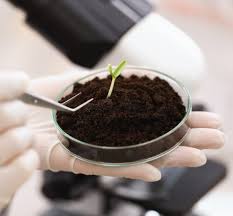
Ph.D. in Agriculture-Soil Science
Ph.D. in Agriculture with a specialization in Soil Science typically requires 3 to 5 years of study beyond a master's degree. This program focuses on advanced research in soil chemistry,...
Ph.D. in Agriculture-Soil Science
×Ph.D. in Agriculture with a specialization in Soil Science typically requires 3 to 5 years of study beyond a master's degree. This program focuses on advanced research in soil chemistry, microbiology, fertility, and conservation, preparing students to address critical agricultural challenges. Candidates engage in fieldwork and laboratory experiments to study soil properties, analyze nutrient management practices, and explore sustainable agricultural systems. The program culminates in a dissertation based on original research that contributes to the scientific understanding of soil ecosystems and their role in agricultural productivity. Graduates often pursue careers in academia, research institutions, or agricultural consultancy.
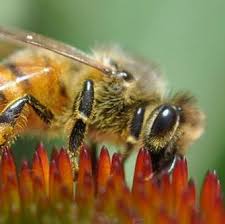
Ph.D. in Entomology & Apiculture
Ph.D. in Entomology & Apiculture typically spans 3-5 years and focuses on the study of insects, their biology, behavior, ecology, and their role in agriculture and the environment. S...
Ph.D. in Entomology & Apiculture
×Ph.D. in Entomology & Apiculture typically spans 3-5 years and focuses on the study of insects, their biology, behavior, ecology, and their role in agriculture and the environment. Students engage in advanced research related to insect physiology, pest management, pollination biology, and the significance of bees and other pollinators in food production. The program often includes coursework in entomological techniques, genetics, and ecological principles, alongside hands-on research in laboratory and field settings. Graduates are well-prepared for careers in academia, government agencies, agricultural industries, and environmental organizations, addressing critical issues related to insect populations and biodiversity.
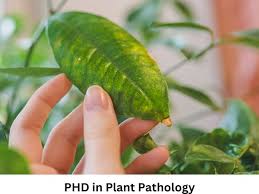
Ph.D. in Plant Pathology
Ph.D. in Plant Pathology normally lasts 3-5 years and focuses on the study of plant diseases caused by pathogens such as fungi, bacteria, viruses, and nematodes. The program combines intense i...
Ph.D. in Plant Pathology
×Ph.D. in Plant Pathology normally lasts 3-5 years and focuses on the study of plant diseases caused by pathogens such as fungi, bacteria, viruses, and nematodes. The program combines intense instruction in plant biology, microbiology, and disease management with extensive research. Candidates carry out innovative research to investigate disease resistance mechanisms, pathogen biology, and management techniques. The curriculum culminates with a dissertation based on research findings. Graduates frequently work in academia, research organizations, government agencies, or the agricultural industry, helping to promote crop protection, sustainable agriculture, and food security.
Ph.D. in Plant Physiology
Ph.D. in Plant Physiology typically requires 3 - 5 years of study and research following a master's degree in a related field, such as biology, botany, or agricultural science. This progra...
Ph.D. in Plant Physiology
×Ph.D. in Plant Physiology typically requires 3 - 5 years of study and research following a master's degree in a related field, such as biology, botany, or agricultural science. This program focuses on the physiological processes of plants, including growth, metabolism, and responses to environmental factors. Students engage in advanced coursework, laboratory experiments, and field studies to investigate plant functions and adaptations. Research may cover topics such as photosynthesis, water relations, nutrient uptake, and plant stress responses. Graduates often pursue careers in academia, research institutions, or the agricultural industry, contributing to advancements in crop production and environmental sustainability.
Ph.D. in Molecular Biology
Ph.D. in Molecular Biology typically spans 4 - 6 years, encompassing advanced coursework, comprehensive exams, and original research. This program delves into the molecular mechanisms of biolo...
Ph.D. in Molecular Biology
×Ph.D. in Molecular Biology typically spans 4 - 6 years, encompassing advanced coursework, comprehensive exams, and original research. This program delves into the molecular mechanisms of biological processes, including DNA replication, gene expression, and protein synthesis. Students engage in hands-on laboratory work, utilizing techniques such as PCR, sequencing, and CRISPR to investigate cellular functions and disease mechanisms. Collaboration with interdisciplinary teams is common, fostering a broader understanding of the field. Graduates often pursue careers in academia, biotechnology, pharmaceuticals, or healthcare, contributing to advancements in genetic research, therapeutic development, and innovative biotechnological solutions.
Ph.D. in Agricultural Economics
Ph.D. in Agricultural Economics usually takes 4-5 years to complete. The curriculum offers extensive instruction in applying economic theory and quantitative approaches to food and agricultura...
Ph.D. in Agricultural Economics
×Ph.D. in Agricultural Economics usually takes 4-5 years to complete. The curriculum offers extensive instruction in applying economic theory and quantitative approaches to food and agricultural challenges. Core courses include microeconomic theory, econometrics, and agricultural policy. Graduates are equipped to work in academia, government, agribusiness, and consulting, among other fields. The curriculum emphasizes hands-on research, with many students co-authoring publications alongside teachers. Admission is tough, frequently necessitating high academic qualifications and GRE scores. Assistantships and funding possibilities are available to help students in their studies.

Ph.D. in Agricultural Extension Education
Ph.D. in Agricultural Extension Education is a doctoral degree that focuses on the theory and practice of delivering agricultural knowledge and technologies to farmers and rural communities. The pr...
Ph.D. in Agricultural Extension Education
×Ph.D. in Agricultural Extension Education is a doctoral degree that focuses on the theory and practice of delivering agricultural knowledge and technologies to farmers and rural communities. The program typically takes 4-5 years to complete and involves coursework in agricultural sciences, adult education, communication, and program evaluation. Graduates are prepared for careers in agricultural extension services, university teaching and research, and international development organizations. The degree emphasizes developing expertise in translating scientific advancements into practical applications that improve agricultural productivity and food security.

Ph.D. in Agricultural Statistics
Ph.D. in Agricultural Statistics is an interdisciplinary degree program that provides advanced training in both agronomy and statistics. The 90-credit hour program includes 30 hours of core Statist...
Ph.D. in Agricultural Statistics
×Ph.D. in Agricultural Statistics is an interdisciplinary degree program that provides advanced training in both agronomy and statistics. The 90-credit hour program includes 30 hours of core Statistics and Agronomy courses, as well as passing extensive tests in both subjects. Students are expected to do original dissertation research that adds value to both plant sciences and statistical approaches. This program is intended to fulfill the growing demand for graduates who are proficient in applying advanced statistical techniques to agricultural and natural resource problems. The degree prepares students for work in academia, industry, and government.

Ph.D. in Farm Machinery and Power Engineering
Ph.D. in Farm Machinery and Power Engineering is a 3-year doctoral program offered by the Tamil Nadu Agricultural University in Coimbatore, India. The program provides advanced training in agricult...
Ph.D. in Farm Machinery and Power Engineering
×Ph.D. in Farm Machinery and Power Engineering is a 3-year doctoral program offered by the Tamil Nadu Agricultural University in Coimbatore, India. The program provides advanced training in agricultural mechanization, farm implement design, and precision farming. Students complete coursework in the first year followed by thesis research. Graduates can pursue careers in agricultural research, government agricultural engineering departments, farm machinery companies, and entrepreneurship. The program aims to develop skilled manpower and promote collaborative research in the field of farm machinery and power engineering.

Ph.D. in Processing and Food Engineering
Ph.D. in Processing and Food Engineering typically takes 4-6 years to complete. The program focuses on advanced studies in food processing technologies, food safety, quality control, and the develo...
Ph.D. in Processing and Food Engineering
×Ph.D. in Processing and Food Engineering typically takes 4-6 years to complete. The program focuses on advanced studies in food processing technologies, food safety, quality control, and the development of innovative food products. Coursework covers topics such as food engineering principles, unit operations, food chemistry, and food microbiology. Students conduct original research in areas like food processing equipment design, food preservation techniques, and the optimization of food manufacturing processes. Graduates of this interdisciplinary program are prepared for research, development, and leadership roles in the food industry, as well as academic positions in food science and engineering departments.
Ph.D. in Soil and Water Conservation Engineering
Ph.D. in Soil and Water Conservation Engineering is a 4-year postgraduate program that focuses on the sustainable management and conservation of soil and water resources. The curriculum cover...
Ph.D. in Soil and Water Conservation Engineering
×Ph.D. in Soil and Water Conservation Engineering is a 4-year postgraduate program that focuses on the sustainable management and conservation of soil and water resources. The curriculum covers topics such as erosion control, watershed management, land use planning, environmental impact assessment, and stormwater management. Graduates can pursue careers as soil and water conservation consultants, and researchers, or work in government agencies, NGOs, and environmental consulting firms. The demand for these professionals is growing due to increasing concerns about climate change, land degradation, and water scarcity. Admission typically requires a bachelor's degree and the completion of entrance exams like GATE or CUET-PG.
Ph.D. in Botany
Ph.D. in Botany usually takes 3-5 years and focuses on advanced study in plant biology, ecology, and conservation. The program includes intensive courses in plant physiology, taxonomy, molecul...
Ph.D. in Botany
×Ph.D. in Botany usually takes 3-5 years and focuses on advanced study in plant biology, ecology, and conservation. The program includes intensive courses in plant physiology, taxonomy, molecular biology, and environmental science. Students are expected to do unique research, culminating in a dissertation that advances the area of botany. Fieldwork, laboratory experiments, and interdisciplinary team cooperation are common components of the program. Graduates work in academia, research institutions, environmental agencies, and industries associated with agriculture, horticulture, and biodiversity conservation, bringing vital information to plant science and ecosystem management.
Ph.D. in Aquaculture
Ph.D. in Aquaculture typically spans 3 - 5 years and focuses on advanced studies in fish and shellfish production, aquatic ecosystem management, and sustainable practices. The program involves...
Ph.D. in Aquaculture
×Ph.D. in Aquaculture typically spans 3 - 5 years and focuses on advanced studies in fish and shellfish production, aquatic ecosystem management, and sustainable practices. The program involves rigorous research methodologies, with an emphasis on breeding, nutrition, health management, and environmental impact assessments of aquaculture systems. Students may engage in field studies, laboratory experiments, and data analysis to address challenges in the industry. Coursework often includes subjects like aquatic biology, resource management, and biotechnology. Graduates are prepared for careers in academia, research, government agencies, and the private sector, contributing to the advancement of sustainable aquaculture practices.

Ph.D. in Environmental Science
Ph.D. in Environmental Science normally lasts 3-5 years and focuses on advanced study on key environmental challenges. The program includes difficult courses in ecological theory, enviro...
Ph.D. in Environmental Science
×Ph.D. in Environmental Science normally lasts 3-5 years and focuses on advanced study on key environmental challenges. The program includes difficult courses in ecological theory, environmental policy, sustainability, and advanced research methods. Students conduct original research, which frequently includes fieldwork, data analysis, and interdisciplinary cooperation, culminating in a dissertation that adds to the body of knowledge in the discipline. Candidates may study climate change, conservation biology, environmental chemistry, or ecosystem management. The curriculum prepares graduates for positions in academia, government agencies, non-profit organizations, and the commercial sector, with an emphasis on practical solutions to environmental issues.
Ph.D. in Food Technology
Ph.D. in Food Technology typically takes 3-5 years to complete, depending on the institution and research project. This advanced degree focuses on the scientific principles behind food processing,...
Ph.D. in Food Technology
×Ph.D. in Food Technology typically takes 3-5 years to complete, depending on the institution and research project. This advanced degree focuses on the scientific principles behind food processing, preservation, and safety. Students engage in cutting-edge research, exploring areas such as food chemistry, microbiology, engineering, and nutrition. The program often includes coursework in advanced food science topics, research methodologies, and statistics. Candidates are expected to conduct original research, publish papers in peer-reviewed journals, and defend a dissertation. Graduates are prepared for careers in academia, research institutions, government agencies, or the food industry, where they can contribute to innovations in food production, quality control, and product development.
Ph.D. in Fruit Science
Ph.D. in Fruit Science is an advanced research-oriented program that focuses on the study of fruit crops, their cultivation, physiology, genetics, breeding, post-harvest management, and pest contro...
Ph.D. in Fruit Science
×Ph.D. in Fruit Science is an advanced research-oriented program that focuses on the study of fruit crops, their cultivation, physiology, genetics, breeding, post-harvest management, and pest control. The course aims to develop expertise in improving fruit production, quality, and sustainability through scientific research and technological innovations. Typically lasting 3-5 years, this program includes coursework, laboratory research, and field studies, with a strong emphasis on applied fruit science and agricultural advancements. Graduates can pursue careers in academia, research institutions, agricultural extension, and industry roles related to horticulture and fruit production management.
Ph.D. in Vegetable Science
Ph.D. in Vegetable Science is a research-focused program designed to develop advanced knowledge and expertise in the cultivation, production, and improvement of vegetables. The course covers areas...
Ph.D. in Vegetable Science
×Ph.D. in Vegetable Science is a research-focused program designed to develop advanced knowledge and expertise in the cultivation, production, and improvement of vegetables. The course covers areas such as plant breeding, pest management, crop physiology, soil health, and sustainable agricultural practices. Students engage in original research to address global challenges in food security, nutrition, and climate-resilient agriculture. The program typically spans 3 - 5 years and involves coursework, fieldwork, and dissertation research. Graduates are equipped for careers in academia, research institutions, government agencies, and the agricultural industry, contributing to the advancement of vegetable science and sustainable farming practices.

Ph.D. in Floriculture & Landscaping
Ph.D. in Floriculture & Landscaping is a research-oriented program that focuses on the study of plant cultivation, landscape design, and environmental aesthetics. The course duration typically...
Ph.D. in Floriculture & Landscaping
×Ph.D. in Floriculture & Landscaping is a research-oriented program that focuses on the study of plant cultivation, landscape design, and environmental aesthetics. The course duration typically ranges from 3 - 5 years, depending on the university and research progress. It involves advanced study in topics such as plant breeding, soil science, pest management, landscape architecture, and sustainable gardening practices. Ph.D. candidates engage in extensive fieldwork and laboratory research to contribute to the development of innovative techniques in floriculture and landscaping. Graduates often pursue careers in academic research, environmental consultancy, horticulture, and landscape management.

Ph.D. in Production Technology
Ph.D. in Production Technology is an advanced research degree typically lasting 3-5 years, focusing on innovative manufacturing processes, automation, and industrial systems optimization. Candidate...
Ph.D. in Production Technology
×Ph.D. in Production Technology is an advanced research degree typically lasting 3-5 years, focusing on innovative manufacturing processes, automation, and industrial systems optimization. Candidates conduct original research in areas such as advanced materials, smart manufacturing, sustainable production, and Industry 4.0 technologies. The program combines coursework, seminars, and a substantial dissertation, requiring students to contribute new knowledge to the field. Admission usually requires a master's degree in a related engineering discipline. Graduates are prepared for leadership roles in academia, research institutions, and high-tech industries, driving technological advancements in manufacturing.
Ph.D. in Animal Genetics And Breeding
Ph.D. in Animal Genetics and Breeding focuses on the use of genetic ideas and breeding techniques to improve the quality, productivity, and health of livestock and companion animals. The cour...
Ph.D. in Animal Genetics And Breeding
× Ph.D. in Animal Genetics and Breeding focuses on the use of genetic ideas and breeding techniques to improve the quality, productivity, and health of livestock and companion animals. The course of study, which typically lasts 3-5 years, integrates courses in molecular genetics, genomics, animal breeding tactics, and reproductive technology with original research. Students learn about genetic selection, gene mapping, heredity, and the role of genetics in illness resistance and performance attributes. Graduates are prepared to work in academia, research, breeding programs, or agricultural sectors, helping to enhance livestock improvement, conservation genetics, and the establishment of high-performance animal populations.
Ph.D. in Animal Nutrition
Ph.D. in Animal Nutrition investigates animal diets, digestive processes, and the impact of nutrients in growth, reproduction, and overall health. The program, which typically lasts 3-5 ...
Ph.D. in Animal Nutrition
×Ph.D. in Animal Nutrition investigates animal diets, digestive processes, and the impact of nutrients in growth, reproduction, and overall health. The program, which typically lasts 3-5 years, integrates training in biochemistry, physiology, feed composition, and metabolic studies with original research. Students investigate food metabolism, the effect of nutrition on animal performance, and the development of long-term and cost-effective feeding methods for varied species. Graduates are prepared to work in academia, research, the animal feed industry, or agricultural organizations, helping to improve animal health, productivity, and sustainable farming techniques.

Ph.D. in Livestock Products Technology
Ph.D. in Livestock Products Technology studies the science and technology that underpins the production, processing, and quality control of animal-based goods such as meat, milk, eggs, and le...
Ph.D. in Livestock Products Technology
× Ph.D. in Livestock Products Technology studies the science and technology that underpins the production, processing, and quality control of animal-based goods such as meat, milk, eggs, and leather. The program typically lasts 3 to 5 years and includes instruction in food science, biochemistry, microbiology, and animal husbandry as well as extensive research. Students learn about meat and dairy processing, food safety, quality assurance, and new ways to preserve and enhance livestock products. Graduates are prepared to work in academia, the food industry, government regulatory agencies, and research organizations, helping to promote food safety, sustainability, and the creation of new livestock-based products.
Ph.D. in Veterinary Anatomy
Ph.D. in Veterinary Anatomy studies the structure and function of animal organs, tissues, and systems, offering a thorough understanding of comparative anatomy, histology, and developmental biology...
Ph.D. in Veterinary Anatomy
×Ph.D. in Veterinary Anatomy studies the structure and function of animal organs, tissues, and systems, offering a thorough understanding of comparative anatomy, histology, and developmental biology. The degree typically lasts 3 to 5 years and includes courses in anatomy, physiology, embryology, and neuroanatomy as well as extensive research. Students study anatomical distinctions across species, organ system development, and the relationship between structure and function in veterinary medicine. Graduates are prepared to work in academia, research institutions, and veterinary practice, helping to advance surgical techniques, diagnostics, and the creation of new veterinary therapies and instructional approaches.

Ph.D. in Veterinary Biochemistry
PhD in Veterinary Biochemistry studies the molecular and biochemical processes that underpin animal health, disease, and nutrition. The program, which typically lasts 3-5 years, integrat...
Ph.D. in Veterinary Biochemistry
× PhD in Veterinary Biochemistry studies the molecular and biochemical processes that underpin animal health, disease, and nutrition. The program, which typically lasts 3-5 years, integrates instruction in biochemistry, molecular biology, physiology, and veterinary medicine with original research. Students study enzyme function, metabolic problems, protein synthesis, and the biochemistry of veterinary diseases. Animal nutrition, drug metabolism, and diagnostic tool development are all possible topics for research. Graduates are prepared to work in academia, veterinary research, pharmaceuticals, and diagnostic laboratories, helping to promote animal health, illness prevention, and the development of targeted treatments.
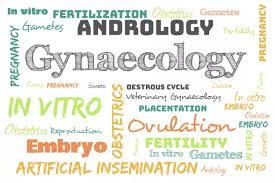
Ph.D. in Veterinary Gynaecology And Obstetrics
Ph.D. in Veterinary Gynaecology and Obstetrics is concerned with animal reproductive health, namely the diagnosis, treatment, and management of reproductive abnormalities in both large and sm...
Ph.D. in Veterinary Gynaecology And Obstetrics
× Ph.D. in Veterinary Gynaecology and Obstetrics is concerned with animal reproductive health, namely the diagnosis, treatment, and management of reproductive abnormalities in both large and small animals. The program typically lasts 3 to 5 years and includes instruction in veterinary anatomy, endocrinology, obstetrics, and reproductive technology, as well as extensive research. Students study fertility management, artificial insemination, embryo transfer, pregnancy problems, and surgical techniques in veterinary obstetrics. Graduates are prepared to work in academia, veterinary practice, or research, furthering our understanding of animal reproduction and enhancing reproductive health management in cattle, companion animals, and wildlife.

Ph.D. in Veterinary Medicine
Ph.D. in Veterinary Medicine is a high-level research degree that focuses on animal health, disease prevention, diagnostics, and therapy. The program, which typically lasts 3-5 years, in...
Ph.D. in Veterinary Medicine
× Ph.D. in Veterinary Medicine is a high-level research degree that focuses on animal health, disease prevention, diagnostics, and therapy. The program, which typically lasts 3-5 years, integrates instruction in advanced veterinary sciences, pathology, microbiology, pharmacology, and clinical practice with original research. Students study zoonotic illnesses, animal surgery, veterinary immunology, and veterinary epidemiology. The program prepares graduates for careers in academia, veterinary research, government, and clinical practice, where they can help advance veterinary knowledge, improve animal healthcare, and develop novel solutions for treating and preventing diseases in a variety of animal species.
Ph.D. in Veterinary Parasitology
Ph.D. in Veterinary Parasitology studies parasites that infect animals, including their biology, life cycles, transmission, and influence on health. The curriculum, which typically lasts 3-5&...
Ph.D. in Veterinary Parasitology
× Ph.D. in Veterinary Parasitology studies parasites that infect animals, including their biology, life cycles, transmission, and influence on health. The curriculum, which typically lasts 3-5 years, integrates courses in parasitology, immunology, veterinary medicine, and epidemiology with original research. Students learn about zoonotic parasites, vector-borne diseases, parasitic infections in cattle, wildlife, and companion animals, as well as management and prevention measures. Graduates are equipped for positions in academia, veterinary practice, research institutions, and public health organizations, where they can help develop effective therapies, control programs, and preventive measures to mitigate the burden of parasite infections.
Ph.D. in Veterinary Pharmacology
Ph.D. in Veterinary Pharmacology studies medications and their effects on animals, including mechanisms of action, pharmacokinetics, and toxicology. The program, which typically lasts 3-5&nbs...
Ph.D. in Veterinary Pharmacology
× Ph.D. in Veterinary Pharmacology studies medications and their effects on animals, including mechanisms of action, pharmacokinetics, and toxicology. The program, which typically lasts 3-5 years, integrates training in pharmacology, toxicology, biochemistry, and veterinary medicine with extensive research. Students study drug metabolism, therapeutic approaches, pain management, and the creation of veterinary medicines. Drug safety, efficacy, and the use of pharmacological agents to treat animal ailments are all possible topics for research. Graduates are prepared for positions in academia, research, pharmaceutical businesses, or veterinary practice, with the goal of improving animal health and welfare through the use of drugs.

Ph.D. in Veterinary Physiology
Ph.D. in Veterinary Physiology studies physiological processes in animals, including as the function of organs, tissues, and biological systems. The program, which typically lasts 3-5 ye...
Ph.D. in Veterinary Physiology
× Ph.D. in Veterinary Physiology studies physiological processes in animals, including as the function of organs, tissues, and biological systems. The program, which typically lasts 3-5 years, integrates courses in anatomy, biochemistry, endocrinology, and molecular biology with extensive research. Students study cardiovascular physiology, respiratory systems, reproductive health, and metabolic regulation in veterinary species. Research may also include comparative physiology and the effects of environmental stressors on animal health. Graduates are prepared to work in academia, research institutions, or veterinary medicine, helping to promote animal health, disease prevention, and clinical treatments.

Ph.D. in Veterinary Public Health And Epidemiology
Ph.D. in Veterinary Public Health And Epidemiology, where we bridge the gap between formal education and practical skills acquisition...
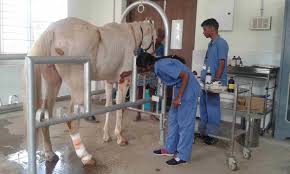
Ph.D. in Veterinary Surgery And Radiology
Ph.D. in Veterinary Surgery and Radiology is a graduate research program that focuses on surgical procedures and diagnostic imaging in veterinary medicine. The program typically lasts 3 to 5...
Ph.D. in Veterinary Surgery And Radiology
× Ph.D. in Veterinary Surgery and Radiology is a graduate research program that focuses on surgical procedures and diagnostic imaging in veterinary medicine. The program typically lasts 3 to 5 years and integrates instruction in surgery, radiography, anatomy, and clinical practices with original research. Students learn about surgical interventions in animals, diagnostic imaging (X-ray, ultrasound, CT, MRI), and the creation of innovative approaches for animal care. Anesthesiology, post-surgical recuperation, and enhanced radiological diagnostics are all possible topics for research. Graduates are prepared for jobs in academia, specialized veterinary practice, or research, with the goal of improving veterinary care through advancements in animal surgery and imaging technology.

Ph.D. in Textiles & Clothing
Usually taking 4 - 6 years to finish, a Ph.D. in Textiles & Clothing is an extremely specialized postgraduate degree. Original research in fields including textile science, design, product...
Ph.D. in Textiles & Clothing
×Usually taking 4 - 6 years to finish, a Ph.D. in Textiles & Clothing is an extremely specialized postgraduate degree. Original research in fields including textile science, design, production, and consumer behavior is the program's main goal. Textile chemistry, fiber science, clothing manufacturing, and consumer trends are among the subjects covered in the coursework. Through experimental in nature, theoretical, or applied research, students finish a dissertation that significantly advances the discipline. Graduates of this degree frequently go on to work in research, academia, product development, or managerial roles in the textile and garment industries. The degree gives students the know-how to spur innovation and influence the future path of the apparel and textiles sectors.
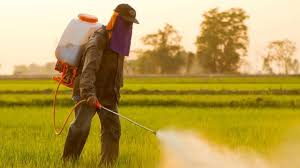
Ph.D. in Agricultural Chemicals
Advanced training in the study of chemical compounds used in agriculture is provided by a Ph.D. in Agricultural Chemicals, which normally takes 4-6 years to complete. The curriculum addresses issue...
Ph.D. in Agricultural Chemicals
×Advanced training in the study of chemical compounds used in agriculture is provided by a Ph.D. in Agricultural Chemicals, which normally takes 4-6 years to complete. The curriculum addresses issues like fertilizer formulation, pesticide development, and the effects of agricultural chemicals on the environment. Graduates acquire proficiency in data analysis, research methodology, and creative problem-solving to maximize crop yields and reduce ecological harm. Students who complete this terminal degree are prepared for jobs in academia, government, or the commercial sector, where they can support initiatives to ensure food security and methods for sustainable agriculture.
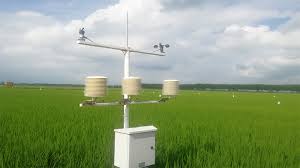
Ph.D. in Agrometeorology
A Ph.D. in Agrometeorology typically takes 4-5 years to complete, focusing on advanced research at the intersection of agricultural science and meteorology. Students study subjects like the effects...
Ph.D. in Agrometeorology
×A Ph.D. in Agrometeorology typically takes 4-5 years to complete, focusing on advanced research at the intersection of agricultural science and meteorology. Students study subjects like the effects of climate change on crop yields, farming weather predictions, and precision farming methods. Along with original research and a dissertation, the curriculum incorporates courses in data processing, plant biology, and atmospheric science. Graduates are equipped for jobs in government organizations, academic institutions, agricultural technology corporations, and environmental consulting firms. Prior expertise in agricultural or environmental research, a master's degree in a related discipline, and excellent quantitative abilities are typically prerequisites for admission. The curriculum has a strong emphasis on applying meteorological principles to enhance sustainable agricultural production and multidisciplinary problem-solving.
Ph.D. in Human Nutrition
A Ph.D. in Human Nutrition typically takes 4-6 years to complete, focusing on advanced research in nutrition science, metabolism, and public health. Students focus on topics include food policy, cl...
Ph.D. in Human Nutrition
×A Ph.D. in Human Nutrition typically takes 4-6 years to complete, focusing on advanced research in nutrition science, metabolism, and public health. Students focus on topics include food policy, clinical nutrition, nutrigenomics, and the prevention of chronic diseases. Coursework, lab research, and a dissertation are all included in the curriculum. Candidates frequently do out original research, evaluate intricate data sets, and publish their findings in journals with peer review. Graduates of this program are prepared for jobs in government organizations, academic institutions, research facilities, or the food and pharmaceutical sector. Strong academic records, research experience, and a master's degree in a comparable discipline are typically prerequisites for admission. Critical thinking, experimental design, and the use of nutritional science to enhance human health are all emphasized in the curriculum.

Ph.D. in Family Resource Management
A Ph.D. in Family Resource Management typically spans 3-5 years and delves into advanced research on family dynamics, financial planning, and resource allocation within households. This interdiscip...
Ph.D. in Family Resource Management
×A Ph.D. in Family Resource Management typically spans 3-5 years and delves into advanced research on family dynamics, financial planning, and resource allocation within households. This interdisciplinary program examines at how families efficiently manage their resources by fusing aspects of sociology, psychology, and economics. Students study subjects like sustainable living, work-life balance, consumer behavior, and family decision-making processes. Advanced statistical techniques, research design, and classes on family theories and practices are frequently included in the curriculum. It is anticipated that candidates will make original contributions to the subject, which could include examining novel ways to family financial education, assessing the effects of economic shifts on family well-being, or examining trends in resource allocation.

Ph.D. in Veterinary Mariology and Immunology
A Ph.D. in Veterinary Mariology and Immunology is an advanced research degree that typically takes 3-5 years to complete. This multidisciplinary program combines the principles of immunology with t...
Ph.D. in Veterinary Mariology and Immunology
×A Ph.D. in Veterinary Mariology and Immunology is an advanced research degree that typically takes 3-5 years to complete. This multidisciplinary program combines the principles of immunology with the study of marine animal health, called mariology. Students explore how marine creatures' immune systems react to infections, environmental stressors, and possible treatments. Advanced courses in immunology, veterinary medicine, marine biology, and research techniques are also part of the program. Candidates carry out innovative research, frequently concentrating on urgent problems like diseases affecting marine mammals, conservation immunology, or the effects of climate change on the health of marine animals. Graduates of this Ph.D. program are prepared for jobs in environmental policy, marine veterinary medicine, wildlife conservation, or academic research.
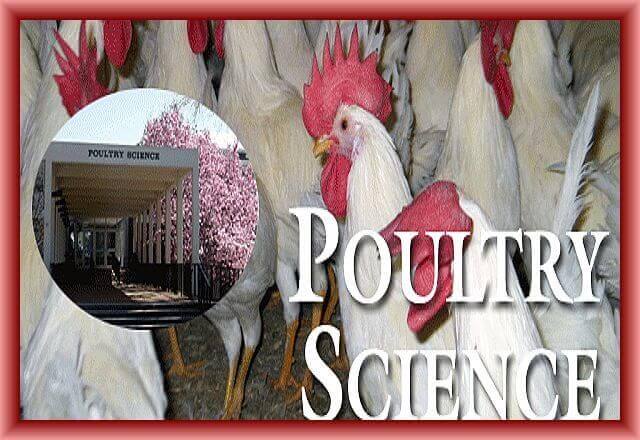
Ph.D. in Poultry Science
A Ph.D. in Poultry Science typically takes 3-5 years to complete and offers an in-depth exploration of avian biology, nutrition, genetics, and poultry production systems. The curriculum culminate i...
Ph.D. in Poultry Science
×A Ph.D. in Poultry Science typically takes 3-5 years to complete and offers an in-depth exploration of avian biology, nutrition, genetics, and poultry production systems. The curriculum culminate in a dissertation by combining unique research with advanced courses. Students study issues such flock management, sustainable agricultural methods, the health of poultry, and the quality of eggs and meat. Advanced technologies are frequently used in research in fields including precision agriculture, immunology, and genomics. In order to obtain practical experience in contemporary poultry facilities, candidates may work with industry partners and research organizations. Graduates with this degree are prepared to handle issues related to food security, animal welfare, and environmental sustainability in the poultry business, as well as leadership positions in academia, research organizations, government agencies, and the poultry industry.
Ph.D. in Livestock Production and Management
A Ph.D. in Livestock Production and Management typically spans 3-5 years and focuses on advanced research in animal science, nutrition, genetics, and sustainable farming practices. Participants fin...
Ph.D. in Livestock Production and Management
×A Ph.D. in Livestock Production and Management typically spans 3-5 years and focuses on advanced research in animal science, nutrition, genetics, and sustainable farming practices. Participants finish a dissertation, perform original research, and take part in challenging coursework. Animal breeding, feed formulation, illness control, and production system optimization are among the subjects covered in the curriculum. For the purpose to obtain practical experience in modern livestock facilities, candidates frequently work with industry partners and academic organizations. Graduates of this program are prepared for managerial roles in agribusiness, government agencies, research organizations, and academia. The focus is on creating novel approaches that take into account environmental sustainability and economic feasibility in order to improve animal welfare, increase production efficiency, and address issues related to global food security.