






An M.Sc. in Biochemistry is normally a 2-year postgraduate study that studies the chemical processes that occur within and affect living organisms. The curriculum includes advanced themes in molecular biology, enzymology, metabolism, and structural biology. Students participate in laboratory work, research projects, and frequently write a thesis. This degree prepares graduates for professions in research, pharmaceuticals, biotechnology, or advanced academic studies such as Ph.D. programs. The degree stresses the critical thinking, experimental design, and data analysis skills required for modern biochemistry research and applications.
ISBM University

M.Sc. in Microbiology
M.Sc. in Microbiology is usually a 2-year postgraduate program that focuses on the study of microbes and their effects on various elements of life. The program includes sophisticated areas such mic...
M.Sc. in Microbiology
×M.Sc. in Microbiology is usually a 2-year postgraduate program that focuses on the study of microbes and their effects on various elements of life. The program includes sophisticated areas such microbial genetics, immunology, virology, and environmental microbiology. Students work in laboratories, complete research projects, and often write a thesis. This degree prepares students for employment in research, healthcare, biotechnology, and environmental sciences, with opportunities in academia, industry, and government.
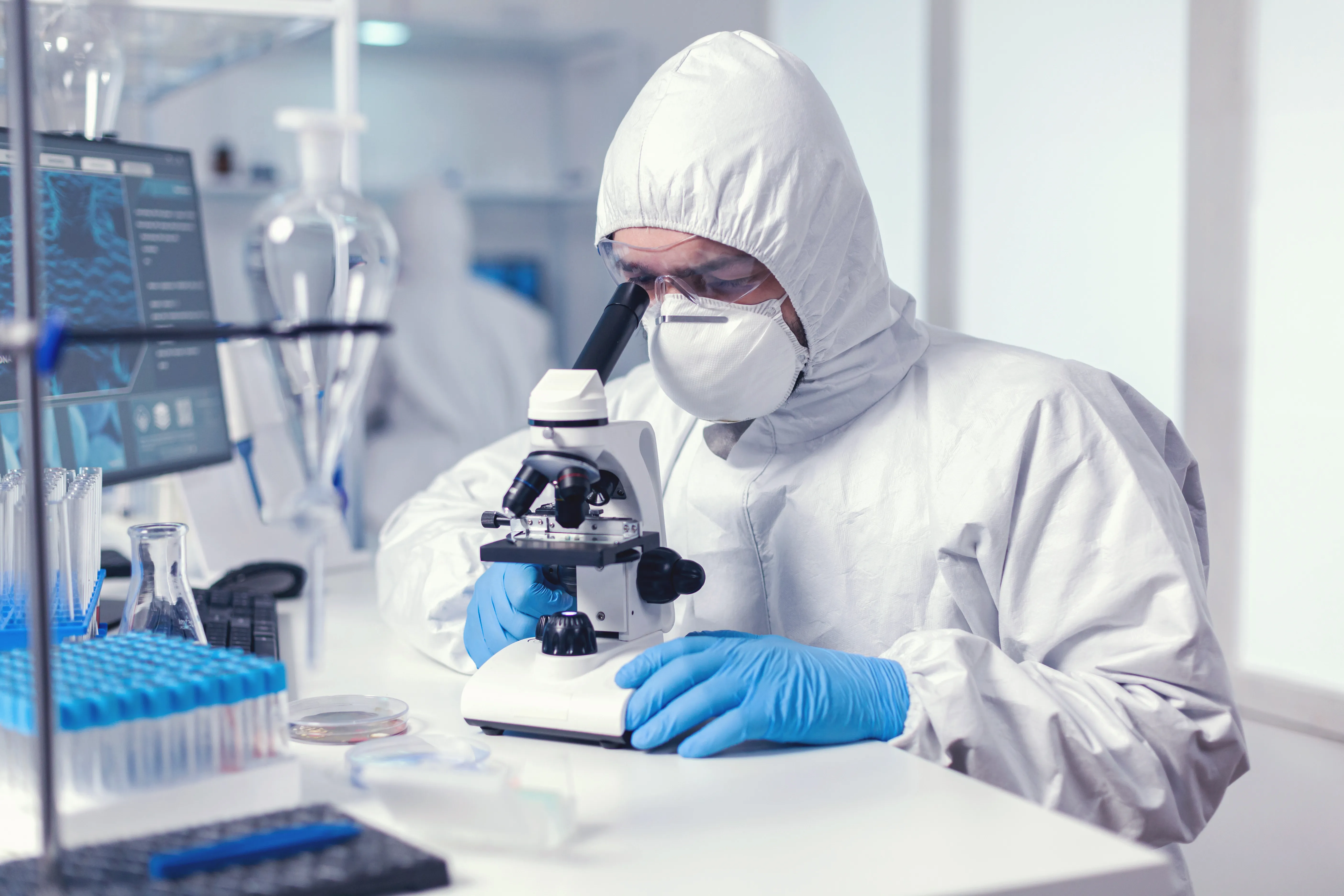
B.Sc. in Microbiology
A B.Sc. in Microbiology is normally a 3-4 year undergraduate curriculum that studies microorganisms such bacteria, viruses, fungus, and parasites. The curriculum includes areas such as microbial ge...
B.Sc. in Microbiology
×A B.Sc. in Microbiology is normally a 3-4 year undergraduate curriculum that studies microorganisms such bacteria, viruses, fungus, and parasites. The curriculum includes areas such as microbial genetics, immunology, biochemistry, and molecular biology. Students acquire hands-on experience through laboratory work, where they learn how to culture and identify microorganisms. Graduates of this program can pursue professions in research, healthcare, biotechnology, and environmental sciences, as well as advanced studies in medicine or microbiology.

B.Sc. in Forensic Sciences
Bachelor of Science in Forensic Sciences is normally a 3-4 year undergraduate curriculum that blends scientific ideas with criminal investigation procedures. Students take biology, chemistry,...
B.Sc. in Forensic Sciences
×Bachelor of Science in Forensic Sciences is normally a 3-4 year undergraduate curriculum that blends scientific ideas with criminal investigation procedures. Students take biology, chemistry, physics, and mathematics classes, as well as forensics courses including crime scene investigation, toxicology, and DNA profiling. The curriculum frequently involves laboratory work, fake crime scene investigations, and internships. Graduates are prepared to work in law enforcement, crime laboratories, or pursue further education in forensic specialties. This interdisciplinary degree provides students with critical thinking and analytical skills required to solve difficult criminal cases.

M.Sc. in Biotechnology
M.Sc. in Biotechnology is normally a 2-year postgraduate degree that integrates biology, technology, and engineering concepts. This interdisciplinary course focuses on using biological system...
M.Sc. in Biotechnology
×M.Sc. in Biotechnology is normally a 2-year postgraduate degree that integrates biology, technology, and engineering concepts. This interdisciplinary course focuses on using biological systems to create novel goods and processes. Students develop skills in genetic engineering, molecular biology, bioinformatics, and bioprocess technology. The curriculum frequently involves laboratory work, research projects, and industry internships, which prepare graduates for positions in pharmaceutical, agricultural, and environmental sectors, as well as academic research.

M.Sc. in Forensic Sciences
Master of Science in Forensic Sciences is normally a 2-year postgraduate degree that provides students with enhanced knowledge and abilities in scientific crime-solving approaches. The curric...
M.Sc. in Forensic Sciences
×Master of Science in Forensic Sciences is normally a 2-year postgraduate degree that provides students with enhanced knowledge and abilities in scientific crime-solving approaches. The curriculum includes topics such as criminalistics, toxicology, DNA analysis, and digital forensics. Students are taught how to gather, analyze, and interpret physical evidence from crime scenes utilizing cutting-edge technology. The curriculum frequently involves laboratory work, mock crime scene investigations, and a research project or thesis. Graduates are equipped for positions in law enforcement, crime laboratory, and private forensic consulting organizations.
B.Sc. Hons. in Microbiology
B.Sc. Hons. in Microbiology is normally a 3-4 year undergraduate program that specializes in the study of microorganisms such as bacteria, viruses, fungi, and parasites. This comprehensive de...
B.Sc. Hons. in Microbiology
×B.Sc. Hons. in Microbiology is normally a 3-4 year undergraduate program that specializes in the study of microorganisms such as bacteria, viruses, fungi, and parasites. This comprehensive degree covers important topics like microbial genetics, immunology, molecular biology, and biotechnology. It includes both theoretical coursework and practical laboratory sessions, learning microscopy, culturing techniques, and molecular analysis. The program frequently contains modules on medical microbiology, environmental microbiology, and microbe uses in industry. Career opportunities after this program would be in research, healthcare, pharmaceuticals, the food and beverage sectors, or advanced study in specialist subjects such as virology or bacterial pathogenesis.

B.Sc. in Mathematics
Bachelor of Science (B.Sc.) in Mathematics usually takes 3-4 years to finish, depending on the country and institution. This undergraduate degree program establishes a solid foundation in mat...
B.Sc. in Mathematics
×Bachelor of Science (B.Sc.) in Mathematics usually takes 3-4 years to finish, depending on the country and institution. This undergraduate degree program establishes a solid foundation in mathematical theory, problem-solving, and analytical abilities. Students learn about calculus, algebra, geometry, statistics, and number theory. The curriculum frequently includes courses in applied mathematics, computational methods, and mathematical modeling. Many programs also provide electives in allied subjects including physics, computer science, and economics. Graduates get career opportunities in data analysis, finance, research, education, or advanced mathematics or related subjects.

B.Sc. in Physics
Bachelor of Science (B.Sc.) in Physics usually takes 3-4 years, depending on the country and institution. This undergraduate degree program covers the fundamental principles of physics, such...
B.Sc. in Physics
×Bachelor of Science (B.Sc.) in Physics usually takes 3-4 years, depending on the country and institution. This undergraduate degree program covers the fundamental principles of physics, such as classical mechanics, electromagnetic, thermodynamics, quantum mechanics, and relativity. The program also includes mathematics courses like calculus and linear algebra, which are required to grasp advanced physics ideas. Graduates of this curriculum gain excellent analytical, problem-solving, and critical thinking skills, which prepare them for employment in research, engineering, and technology, as well as future study in physics or related subjects. Many programs also allow for specialization in fields such as astrophysics, condensed matter physics, and particle physics.
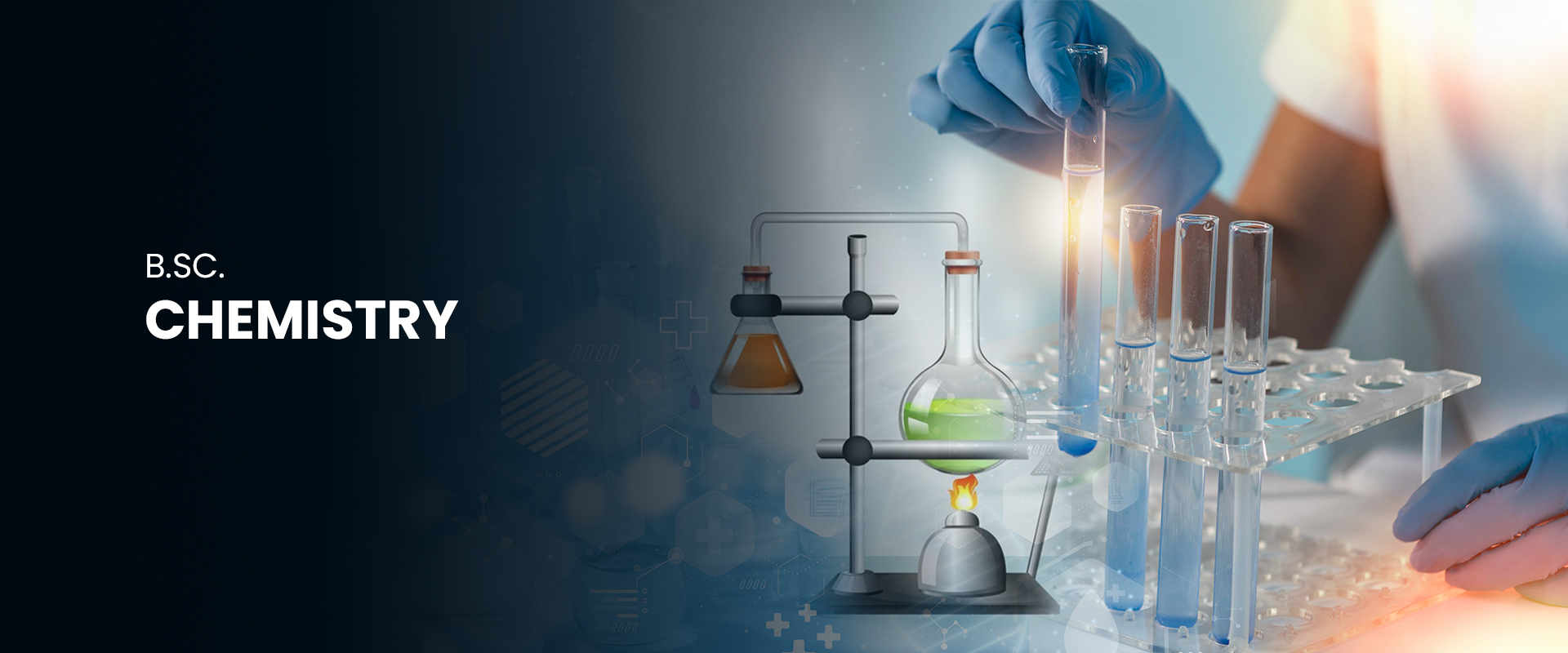
B.Sc. in Chemistry
Bachelor of Science (B.Sc.) in Chemistry normally lasts 3-4 years, depending on the country and institution. This comprehensive program covers the fundamentals of chemistry, including organic, inor...
B.Sc. in Chemistry
×Bachelor of Science (B.Sc.) in Chemistry normally lasts 3-4 years, depending on the country and institution. This comprehensive program covers the fundamentals of chemistry, including organic, inorganic, physical, and analytical chemistry. Students work in laboratories to build practical skills in experimentation, data analysis, and scientific writing. The curriculum frequently covers advanced topics such as biology, spectroscopy, and quantum chemistry. Many programs provide research opportunities, allowing students to work on projects with academic supervision. These graduates get career opportunities in pharmaceuticals, environmental research, and materials development, as well as advanced study in graduate or professional programs such as medicine or chemical engineering.
B.Sc. in Zoology
The Bachelor of Science (B.Sc.) in Zoology is a 3-year undergraduate program that focuses on the study of animal biology, behavior, physiology, and ecology. The curriculum typically covers various...
B.Sc. in Zoology
×The Bachelor of Science (B.Sc.) in Zoology is a 3-year undergraduate program that focuses on the study of animal biology, behavior, physiology, and ecology. The curriculum typically covers various subjects, including animal anatomy, genetics, microbiology, and conservation biology, providing students with a comprehensive understanding of the animal kingdom. Laboratory work and field studies are integral components, allowing students to gain practical experience in research methodologies. Graduates can pursue careers in wildlife conservation, research, education, and veterinary science or continue their studies with advanced degrees in zoology or related fields. This program equips students with essential skills for diverse biological sciences.
M.Sc. in Zoology
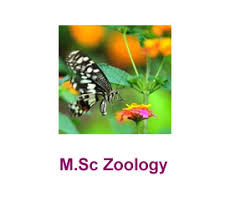
The Master of Science (M.Sc.) in Zoology is a 2-year postgraduate degree that aims to provide advanced knowledge and research abilities in animal biology and other elements of animal life. The curr...
M.Sc. in Zoology
×The Master of Science (M.Sc.) in Zoology is a 2-year postgraduate degree that aims to provide advanced knowledge and research abilities in animal biology and other elements of animal life. The curriculum includes disciplines such as animal physiology, ecology, evolution, and taxonomy. Students engaged in both theoretical and practical laboratory work to enhance their understanding of animal behavior, conservation, and biodiversity. Research projects are frequently a key component of the program, allowing students to investigate specialized areas under the supervision of expert teachers. Graduates are ready for positions in research, education, wildlife conservation, and environmental management.
B.Sc. Hons. in Forensic Science
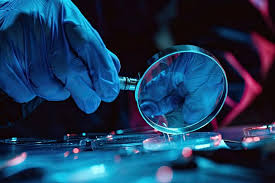
B.Sc. Hons. in Forensic Science is typically a 3-4 year undergraduate program that combines scientific principles with criminal investigation techniques. Students delve into various disciplines suc...
B.Sc. Hons. in Forensic Science
×B.Sc. Hons. in Forensic Science is typically a 3-4 year undergraduate program that combines scientific principles with criminal investigation techniques. Students delve into various disciplines such as chemistry, biology, physics, and criminal law, learning to analyze physical evidence from crime scenes. The curriculum often includes subjects like toxicology, ballistics, DNA analysis, fingerprinting, and crime scene investigation. Practical laboratory work and mock crime scene examinations are integral components of the course. Graduates are equipped with skills in evidence collection, analysis, and interpretation, preparing them for careers in law enforcement agencies, forensic laboratories, or further specialization in areas like forensic psychology or digital forensics.
M.Sc. in Chemistry
M.Sc. in Chemistry typically spans 2 years of full-time study, offering advanced training in chemical principles, research methodologies, and specialized areas such as organic, inorganic, physical,...
M.Sc. in Chemistry
×M.Sc. in Chemistry typically spans 2 years of full-time study, offering advanced training in chemical principles, research methodologies, and specialized areas such as organic, inorganic, physical, or analytical chemistry. The program combines rigorous coursework with hands-on laboratory experience, often culminating in a research thesis or project. Students delve into topics like spectroscopy, chromatography, quantum mechanics, and molecular modeling. Many programs offer opportunities for internships, teaching assistantships, or industry collaborations. Graduates are well-prepared for careers in research and development, quality control, environmental monitoring, or further academic pursuits like Ph.D. programs. The degree equips students with critical thinking, problem-solving, and analytical skills highly valued in the scientific and industrial sectors.

M.Sc. in Mathematics
M.Sc. (Master of Science) in Mathematics is a 2-year postgraduate program that provides advanced training in various branches of mathematics, including algebra, analysis, topology, and comput...
M.Sc. in Mathematics
×M.Sc. (Master of Science) in Mathematics is a 2-year postgraduate program that provides advanced training in various branches of mathematics, including algebra, analysis, topology, and computational mathematics. The curriculum covers both theoretical and applied aspects, allowing students to develop strong analytical and problem-solving skills. Graduates of this program can pursue careers in academia, research institutions, financial organizations, data analytics firms, and government agencies. Admission is typically based on performance in a national-level entrance exam, followed by an interview process. The M.Sc. in Mathematics equips students with the knowledge and expertise to contribute to the advancement of mathematical sciences and their applications in diverse fields.
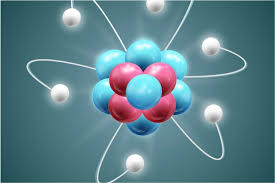
M.Sc. in Physics
The M.Sc. (Master of Science) in Physics is a 2-year postgraduate degree that provides advanced study in a variety of physics disciplines, including classical mechanics, quantum mechanics, electrom...
M.Sc. in Physics
×The M.Sc. (Master of Science) in Physics is a 2-year postgraduate degree that provides advanced study in a variety of physics disciplines, including classical mechanics, quantum mechanics, electromagnetism, and statistics. The program blends academic instruction with practical laboratory experiments and research projects. Graduates of this program can work in academia, research institutes, the semiconductor industry, renewable energy industries, and government organizations. Admission is often determined by performance on a national-level admission exam, followed by an interview. The M.Sc. in Physics program provides students with the knowledge, analytical abilities, and experimental experience necessary to enhance scientific research and technological innovation.
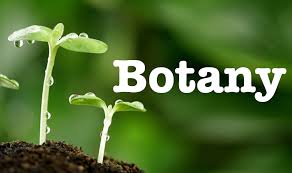
M.Sc. in Botany
Master of Science (M.Sc.) in Botany is a postgraduate program typically spanning 2 years, focusing on the study of plant biology, including physiology, ecology, taxonomy, and genetics. This co...
M.Sc. in Botany
×Master of Science (M.Sc.) in Botany is a postgraduate program typically spanning 2 years, focusing on the study of plant biology, including physiology, ecology, taxonomy, and genetics. This course is designed to equip students with advanced knowledge and practical skills in plant science, emphasizing both theoretical concepts and laboratory techniques. Students engage in various topics such as plant physiology, phytochemistry, and plant biotechnology, alongside fieldwork and research projects. Graduates are prepared for careers in academia, research, environmental conservation, agriculture, and various industries related to plant science and biotechnology, contributing to sustainable practices and biodiversity conservation.

B.Sc. in Botany
The 3-year undergraduate Bachelor of Science (B.Sc.) in Botany curriculum offers a thorough examination of plants and their uses. Plant anatomy, physiology, taxonomy, ecology, and genetics are amon...
B.Sc. in Botany
×The 3-year undergraduate Bachelor of Science (B.Sc.) in Botany curriculum offers a thorough examination of plants and their uses. Plant anatomy, physiology, taxonomy, ecology, and genetics are among the topics covered in this course. Students obtain hands-on experience in plant identification, cultivation, and analysis through laboratory work, field trips, and research projects. Modules on economic botany, environmental science, and biotechnology are frequently included in curriculum. Graduates are ready for jobs in the agriculture industry, botanical gardens, research institutes, or environmental organizations. With the option to further specialize through postgraduate study in fields like plant biotechnology, ecology, or conservation, they can work as botanists, plant researchers, environmental consultants, or horticulturists.
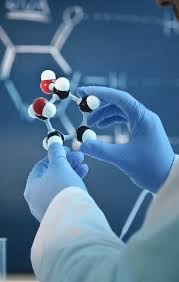
B.Sc. Hons. in Biotechnology
B.Sc. (Hons.) in Biotechnology is a 3-year undergraduate curriculum that provides students with a solid foundation in biotechnology, covering molecular biology, genetics, biochemistry, and bioinfor...
B.Sc. Hons. in Biotechnology
×B.Sc. (Hons.) in Biotechnology is a 3-year undergraduate curriculum that provides students with a solid foundation in biotechnology, covering molecular biology, genetics, biochemistry, and bioinformatics. The curriculum blends theoretical studies with practical laboratory work, preparing students to face difficulties in healthcare, agriculture, environmental sustainability, and industrial applications. Students learn DNA/RNA analysis, microbiology, and genetic engineering skills as part of a research and innovation program. Graduates are well-prepared for positions in biotechnology, pharmaceuticals, and research institutes, as well as advanced study in specialized disciplines including bioengineering and genetic counseling.

MSC in Industrial Chemistry
MSC in Industrial Chemistry, where we bridge the gap between formal education and practical skills acquisition...
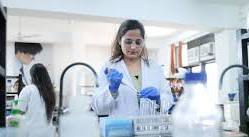
B.Sc. Hons. Chemistry
B.Sc. Hons. in Chemistry is a 3 year undergraduate degree that offers a thorough understanding of chemical concepts and their applications. The curriculum includes organic, inorganic, physical...
B.Sc. Hons. Chemistry
×B.Sc. Hons. in Chemistry is a 3 year undergraduate degree that offers a thorough understanding of chemical concepts and their applications. The curriculum includes organic, inorganic, physical, and analytical chemistry, as well as hands-on laboratory work to help students enhance their research and analytical skills. Students also study environmental chemistry, biochemistry, and industrial chemistry. The curriculum stresses both academic knowledge and practical experience, equipping graduates for positions in research, pharmaceuticals, environmental science, and the chemical industry. Admission usually necessitates a solid background in science, particularly chemistry and mathematics, and the course lays the groundwork for advanced study or professional responsibilities in chemistry.
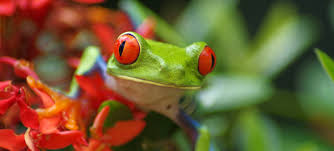
B.Sc. Hons. in Zoology
The B.Sc. Hons. in Zoology is a 3 year undergraduate program that offers an in-depth study of animal biology, behavior, and ecology. The curriculum covers topics such as animal physiology, genetics...
B.Sc. Hons. in Zoology
×The B.Sc. Hons. in Zoology is a 3 year undergraduate program that offers an in-depth study of animal biology, behavior, and ecology. The curriculum covers topics such as animal physiology, genetics, ecology, evolution, cell biology, and biodiversity. Students also gain practical skills through laboratory work, field studies, and research projects, allowing them to explore various aspects of animal life. The program prepares graduates for careers in research, wildlife conservation, education, and industries such as biotechnology and environmental science. Admission typically requires a background in science, particularly biology, and provides a strong foundation for advanced studies in zoology or related fields.

B.Sc. Hons. in Botany
B.Sc. Hons. in Botany is a specialist undergraduate degree that teaches plant physiology, ecology, genetics, and biochemistry. The course lasts three years and is divided into six semesters....
B.Sc. Hons. in Botany
×B.Sc. Hons. in Botany is a specialist undergraduate degree that teaches plant physiology, ecology, genetics, and biochemistry. The course lasts three years and is divided into six semesters. It combines theoretical knowledge with practical experience gained via lab work and field studies. Students learn about plant taxonomy, microbiology, and biotechnology while building a solid foundation in plant biology and its applications in agriculture, medicine, and environmental conservation. This curriculum is appropriate for people interested in employment in botany, research, teaching, or allied industries, and it provides pathways to higher education such as M.Sc. and Ph.D.
M.Sc. in Environmental Science
M.Sc. in Environmental Science, where we bridge the gap between formal education and practical skills acquisition...

M.Sc. Hons. in Biotechnology
M.Sc. Hons. in Biotechnology is a postgraduate course designed to provide advanced knowledge and skills in the field of biotechnology. Typically lasting 2 years, this program covers various su...
M.Sc. Hons. in Biotechnology
×M.Sc. Hons. in Biotechnology is a postgraduate course designed to provide advanced knowledge and skills in the field of biotechnology. Typically lasting 2 years, this program covers various subjects, including molecular biology, genetic engineering, bioprocess technology, bioinformatics, and environmental biotechnology. Students engage in theoretical learning as well as practical research, equipping them with the expertise to tackle real-world challenges in health, agriculture, and industrial biotechnology. The course emphasizes both academic excellence and hands-on experience, preparing graduates for careers in research institutions, pharmaceutical companies, healthcare, and biotechnology firms. Admission requirements generally include a relevant undergraduate degree in life sciences or a related field, and the program may offer opportunities for specialization in specific areas of biotechnology.
M.Sc. in Wildlife Science
M.Sc. in Wildlife Science, which normally takes 2 years to complete, focuses on wildlife conservation, management, and ecological studies. Core courses include Wildlife Ecology, Conserva...
M.Sc. in Wildlife Science
× M.Sc. in Wildlife Science, which normally takes 2 years to complete, focuses on wildlife conservation, management, and ecological studies. Core courses include Wildlife Ecology, Conservation Biology, Wildlife Management and Policy, Wildlife Habitat and Restoration, Ethology, Population Dynamics, and Environmental Laws and Ethics. The curriculum focuses on research, fieldwork, and practical skills in biodiversity conservation and wildlife protection. Students can participate in internships or conservation projects with NGOs, government organizations, or research institutions. Graduates can engage in wildlife conservation, research, environmental consulting, or policymaking for wildlife organizations, national parks, and governmental or international organizations.
M.sc. in Criminology
M.Sc. in Criminology is a 2 year postgraduate degree that focuses on crime, criminal behavior, and the criminal justice system. The course examines crime trends, criminal behavior, and societa...
M.sc. in Criminology
×M.Sc. in Criminology is a 2 year postgraduate degree that focuses on crime, criminal behavior, and the criminal justice system. The course examines crime trends, criminal behavior, and societal reactions using sociological, psychological, and legal ideas. Forensic science, victimology, penology, criminal law, and investigative tactics are among the most important topics. The program emphasizes research, case studies, and hands-on instruction. A bachelor's degree in criminology, sociology, psychology, or another related discipline is often required for eligibility. Graduates can work as criminologists, forensic experts, criminal investigators, or policy analysts in law enforcement, penal facilities, or research groups.
M.sc. in Defense Studies & Strategic Studies
M.Sc. in Defense Studies & Strategic Studies is a 2-year postgraduate program that explores the complex dynamics of national and international security, defense strategies, and military operati...
M.sc. in Defense Studies & Strategic Studies
×M.Sc. in Defense Studies & Strategic Studies is a 2-year postgraduate program that explores the complex dynamics of national and international security, defense strategies, and military operations. The course covers subjects such as defense management, international relations, security policy, military history, conflict resolution, and strategic planning. Students gain a deep understanding of geopolitical issues, defense technologies, and the role of armed forces in shaping global security. The program blends theoretical knowledge with practical applications, preparing students for leadership roles in defense services, security agencies, research organizations, and policy-making. Graduates are equipped to analyze security challenges, contribute to defense strategies, and play a key role in national and global security operations, with opportunities in both public and private sectors.

B.Sc. Hons. in Mathematics
B.Sc. (Hons.) in Mathematics is a 3-year undergraduate program designed to provide a strong foundation in mathematical concepts and techniques. The course covers a wide range of topics such as calc...
B.Sc. Hons. in Mathematics
×B.Sc. (Hons.) in Mathematics is a 3-year undergraduate program designed to provide a strong foundation in mathematical concepts and techniques. The course covers a wide range of topics such as calculus, algebra, probability, statistics, differential equations, real and complex analysis, number theory, and mathematical modeling. Students also acquire proficiency in using mathematical software and tools for problem-solving. The program emphasizes both theoretical understanding and practical applications, preparing students for roles in various industries, including finance, engineering, data analysis, and research. Along with regular lectures and assignments, students often engage in projects, internships, and research activities. Graduates of the program can pursue careers in academia, or industry, or continue their studies with postgraduate degrees in mathematics or related fields.
B.Sc. Hons. in Defense Studies
B.Sc. Hons. in Defense Studies is a 3-year undergraduate program designed for students interested in military science, national security, and defense management. The course covers a wide range of t...
B.Sc. Hons. in Defense Studies
×B.Sc. Hons. in Defense Studies is a 3-year undergraduate program designed for students interested in military science, national security, and defense management. The course covers a wide range of topics such as defense strategy, international relations, security studies, military technology, and peacekeeping operations. Students also study the historical and geopolitical aspects of defense, as well as the political, social, and economic implications of defense policies. The program combines theoretical knowledge with practical training, preparing students for leadership roles in defense forces, government agencies, and security services. Upon completion, graduates can pursue careers in the military, civil services, intelligence agencies, defense research, and private security companies, contributing to national security and defense operations.
PG Diploma in Science
A Postgraduate Diploma in Science is a 1-2 year advanced program that provides specialized knowledge in various branches of science, such as biology, chemistry, physics, or environmental science. T...
PG Diploma in Science
×A Postgraduate Diploma in Science is a 1-2 year advanced program that provides specialized knowledge in various branches of science, such as biology, chemistry, physics, or environmental science. The course is designed for individuals who have completed an undergraduate degree in science and wish to deepen their expertise in a specific area. The curriculum typically includes advanced theoretical coursework, research projects, laboratory work, and practical applications. Students may also explore emerging fields like biotechnology, renewable energy, or data science. The program is ideal for those looking to enhance their scientific knowledge, improve career prospects, or prepare for further postgraduate studies. Graduates can pursue careers in research, academia, industry, or government organizations focusing on scientific innovation and problem-solving.
Diploma in Science
A Diploma in Science is a 1-2 year program designed to provide students with foundational knowledge in various scientific disciplines. The course typically includes subjects such as biology, chemis...
Diploma in Science
×A Diploma in Science is a 1-2 year program designed to provide students with foundational knowledge in various scientific disciplines. The course typically includes subjects such as biology, chemistry, physics, mathematics, and computer science, offering a well-rounded understanding of scientific principles. It is an ideal choice for students who wish to pursue careers in research, healthcare, technology, or environmental science, but may not yet be ready for a full undergraduate degree. The program includes both theoretical learning and practical laboratory work, giving students hands-on experience in scientific methods and techniques. Graduates of the diploma can seek entry-level positions in laboratories, and research institutions, or continue their studies in specialized fields through advanced degrees or certifications.
Diploma in Forensic Science
A Diploma in Forensic Science is typically a 1-2 year program that provides students with specialized knowledge and skills in applying scientific techniques to solve criminal investigations. The co...
Diploma in Forensic Science
×A Diploma in Forensic Science is typically a 1-2 year program that provides students with specialized knowledge and skills in applying scientific techniques to solve criminal investigations. The course covers a wide range of subjects, including criminal law, forensic biology, forensic chemistry, toxicology, fingerprint analysis, and digital forensics. Students learn how to analyze physical evidence, conduct crime scene investigations, and understand the legal aspects of forensic work. The program also includes practical training in laboratory techniques and real-life case studies. Graduates of this diploma program can pursue careers in law enforcement agencies, forensic laboratories, legal firms, or security companies. The course serves as a foundation for those interested in advanced studies or careers in forensic science and criminology.
