
Ph.D. in Planning is the highest academic degree in the discipline of urban, regional, or environmental planning, often requiring 4-6 years of study. The curriculum emphasizes sophisticated research methods, theory building, and policy analysis. Students complete demanding coursework, thorough tests, and original research, culminating in a PhD dissertation. Sustainable development, transportation systems, housing policy, economic development, and environmental management could all be important subjects of research. Graduates can pursue academic jobs, and high-level positions in government agencies, non-profit organizations, and private consulting firms. The degree stresses critical thinking, problem-solving skills, and the capacity to contribute novel solutions to complex planning difficulties in an increasingly urbanized environment.

Jawaharlal Nehru University
Jawaharlal Nehru University Admission Open

Ph.D. in English
Ph.D. in English takes approximately 5-7 years to accomplish, depending on the program and individual progress. This postgraduate degree emphasizes in-depth study of literature, language, and criti...
Ph.D. in English
×Ph.D. in English takes approximately 5-7 years to accomplish, depending on the program and individual progress. This postgraduate degree emphasizes in-depth study of literature, language, and critical theory. Students conduct substantial research, culminating in a PhD dissertation that adds novel knowledge to the discipline. The curriculum frequently includes coursework, extensive tests, and teaching obligations. Specializations may include medieval literature, postcolonial studies, and digital humanities. Graduates get opportunities for positions in academia, publishing, and advanced research. The degree needs a solid basis in literary interpretation, exceptional writing skills, and the capacity to perform independent scholarly research.

Ph.D. in Hindi
Ph.D. in Hindi takes approximately 3-5 years to finish, depending on the university and the candidate's research progress. This postgraduate degree program emphasizes in-depth study and innovat...
Ph.D. in Hindi
×Ph.D. in Hindi takes approximately 3-5 years to finish, depending on the university and the candidate's research progress. This postgraduate degree program emphasizes in-depth study and innovative research in Hindi language, literature, and culture. Students investigate numerous topics, including Hindi linguistics, classical and modern Hindi literature, comparative studies, and cultural theories. The program typically includes coursework, comprehensive exams, and a PhD dissertation. Candidates are expected to make fresh contributions to the field through their research. Students can pursue their career in academics, research, translation, or cultural organizations. Admission to a Ph.D. program in Hindi frequently requires Hindi proficiency as well as a master's degree in a relevant discipline.

Ph.D. in Political Science
PhD in Political Science usually takes 4-7 years to complete, depending on the program and individual progress. This advanced degree focuses on a thorough examination of political systems, in...
Ph.D. in Political Science
×PhD in Political Science usually takes 4-7 years to complete, depending on the program and individual progress. This advanced degree focuses on a thorough examination of political systems, institutions, and behavior. Students complete demanding coursework, thorough tests, and original research, culminating in a PhD dissertation. Political theory, comparative politics, international relations, and research methodology are common topics in the curriculum. Graduates get a lot of experience in data analysis, critical thinking, and advanced research abilities, which prepare them for positions in academia, government, think tanks, and international organizations. The curriculum needs a strong commitment to intellectual inquiry and frequently includes teaching assistantships or research jobs to obtain hands-on experience in the field.

Ph.D. in Sanskrit
Ph.D. in Sanskrit normally takes 4-6 years to finish, depending on the university and the student's prior language experience. This postgraduate degree emphasizes in-depth study of Sanskrit lit...
Ph.D. in Sanskrit
×Ph.D. in Sanskrit normally takes 4-6 years to finish, depending on the university and the student's prior language experience. This postgraduate degree emphasizes in-depth study of Sanskrit literature, language, philosophy, and culture. Students conduct intensive research, frequently concentrating in topics such as Vedic literature, classical poetry, or comparative language. The curriculum typically includes coursework, thorough exams, and a dissertation on an original research topic. Candidates are expected to achieve expert-level competency in reading and interpreting Sanskrit texts, contribute to the subject through publications, and possibly teach. This degree provides various positions in Academic, research, translation, and cultural preservation.

Ph.D. in Geography
Ph.D. in Geography normally takes 3-5 years to complete, depending on the university and research area. This postgraduate degree focuses on complex spatial linkages, human-environmental interaction...
Ph.D. in Geography
×Ph.D. in Geography normally takes 3-5 years to complete, depending on the university and research area. This postgraduate degree focuses on complex spatial linkages, human-environmental interactions, and geographical theories. Students complete demanding coursework, exhaustive tests, and original research, culminating in a dissertation. The program includes a wide range of topics, including physical geography, human geography, and geospatial technology. Candidates gain experience in research methods, data analysis, and critical thinking. Graduates get the opportunity to work in academics, environmental consultancy, urban development, and government agencies. The Ph.D. program encourages a thorough awareness of global concerns, spatial patterns, and the interconnection of human and ecological systems of all sizes.

Ph.D. in Economics
Ph.D. in Economics takes approximately 4-6 years to complete, depending on the program and individual success. The degree requires advanced study of economic theory, quantitative methods, and speci...
Ph.D. in Economics
×Ph.D. in Economics takes approximately 4-6 years to complete, depending on the program and individual success. The degree requires advanced study of economic theory, quantitative methods, and specific subjects such as macroeconomics, microeconomics, econometrics, and development economics. Students complete demanding coursework, thorough tests, and original research, culminating in a PhD dissertation. This degree provides different career positions in academia, research institutes, government agencies, and the business sector that require advanced economic analysis. Data analysis, mathematical modeling, critical thinking, and the capacity to undertake independent study on complicated economic issues are all important abilities learned.

Ph.D. in Computer Science
Ph.D. in computer science usually takes 4-6 years to complete, depending on the coursework and research progress. This advanced degree emphasizes producing unique research in a specific field...
Ph.D. in Computer Science
× Ph.D. in computer science usually takes 4-6 years to complete, depending on the coursework and research progress. This advanced degree emphasizes producing unique research in a specific field of computer science, such as artificial intelligence, cybersecurity, or algorithms. Students undergo advanced courses, take thorough tests, and produce a dissertation based on their research findings. The curriculum trains participants in critical thinking, problem solving, and innovative technology development. Graduates frequently pursue careers in academia, research institutions, or managerial positions in the technology business. A Ph.D. in Computer Science necessitates devotion, intellectual curiosity, and the capacity to bring novel information to the area.

Ph.D. in Education
Ph.D. in Education usually requires 3-5 years for completion, depending on the program and whether the student pursues full-time or part-time. This advanced degree emphasizes educational research,...
Ph.D. in Education
×Ph.D. in Education usually requires 3-5 years for completion, depending on the program and whether the student pursues full-time or part-time. This advanced degree emphasizes educational research, philosophical thought, and practice. Students take hard courses, perform original research, and submit a dissertation. The curriculum frequently includes educational psychology, curriculum creation, educational policy, and research methodology. Graduates are equipped for positions in academia, educational leadership, policymaking, and advanced research. This degree needs a master's degree for admission and concludes in a comprehensive examination followed by an effective doctoral defense before a committee of academic experts.

Ph.D. in Mechanical Engineering
Ph.D. in Mechanical Engineering takes around 4-6 years to complete, depending on the university and research project. This advanced degree focuses on developing cutting-edge knowledge in fields suc...
Ph.D. in Mechanical Engineering
×Ph.D. in Mechanical Engineering takes around 4-6 years to complete, depending on the university and research project. This advanced degree focuses on developing cutting-edge knowledge in fields such as robotics, thermodynamics, fluid mechanics, materials science, and control systems. Students take challenging courses, perform unique research, and complete a PhD dissertation. The curriculum promotes problem-solving, critical thinking, and innovative abilities, preparing graduates to take on leadership roles in academia, industry, or research organizations. Ph.D. candidates usually collaborate on interdisciplinary projects, publish in peer-reviewed journals, and give presentations at conferences, all of which contribute to growth in sectors such as renewable energy, aerospace, automotive engineering, and biomedical devices.

Ph.D. in Computer Science And Engineering
Ph.D. in Computer Science and Engineering usually requires 4-6 years to attain, depending on the university and the stage of the study. This advanced degree focuses cutting-edge research in f...
Ph.D. in Computer Science And Engineering
×Ph.D. in Computer Science and Engineering usually requires 4-6 years to attain, depending on the university and the stage of the study. This advanced degree focuses cutting-edge research in fields such as artificial intelligence, machine learning, cybersecurity, computer networks, and software engineering. Students take tough courses, perform unique research, and submit a dissertation under faculty supervision. The program of study encourages skill in problem-solving, critical thinking, and innovation in the sector. Graduates are prepared to work in academia, research labs, or high-level positions within the technology business. Admission usually requires a master's degree in a related discipline, an impressive academic record, and research potential. Teaching or research fellowships are common sources for funding.

Ph.D. in Electronics And Communication Engineering
Ph.D. in Electronics and Communication Engineering generally takes 3-5 years to complete, depending on the university and the level of the study. This advanced degree focuses the latest development...
Ph.D. in Electronics And Communication Engineering
×Ph.D. in Electronics and Communication Engineering generally takes 3-5 years to complete, depending on the university and the level of the study. This advanced degree focuses the latest developments in signal processing, wireless communications, microelectronics, and embedded systems. Students undertake challenging courses, implement original research, and write their dissertations under faculty supervision. The program promotes skills in developing complex electronic systems, creating innovative communication technologies, and addressing real-world engineering challenges. Graduates are well-prepared to work in academia, research institutions, or high-tech enterprises, helping to improve disciplines such as 5G/6G networks, IoT, artificial intelligence, and quantum computing. This degree involves strong analytical skills, creativity, and an intense passion for technological advancement.

Ph.D. in Law
The highest academic degree in legal studies is the Ph.D. in Law, generally requires 3-5 years to complete. This challenging program emphasizes advanced legal research, theory, and scholarly...
Ph.D. in Law
×The highest academic degree in legal studies is the Ph.D. in Law, generally requires 3-5 years to complete. This challenging program emphasizes advanced legal research, theory, and scholarly writing. Candidates select a specific topic of law for a comprehensive study and innovative contribution to legal knowledge. The curriculum consists of coursework, comprehensive exams, and the production of a doctoral dissertation with faculty supervision. Students acquire knowledge of legal analysis, research methods, and academic writing. A Ph.D. in Law prepares graduates for a position in academia, legal research, policymaking, or senior positions in law firms and organizations. Admission generally requires an elementary law degree (J.D. or LL.M.) along with suitable experience.

Ph.D. in Management
Ph.D. in Management typically requires 4-6 years to complete, depending on the university and the student's progress. This postgraduate degree program focuses on enhancing awareness of manageme...
Ph.D. in Management
×Ph.D. in Management typically requires 4-6 years to complete, depending on the university and the student's progress. This postgraduate degree program focuses on enhancing awareness of management theory, research methods, and organizational behavior. Students pursue demanding coursework, thorough tests, and original research, culminating in a PhD dissertation. Strategic management, leadership, organizational psychology, and advanced statistics are common themes in the curriculum. Graduates are equipped for jobs in academia, research institutions, or high-level consultancy positions. The curriculum demands a good academic background, which typically includes a master's degree, and stresses critical thinking, analytical skills, and the ability to contribute new information to the field of management.

Ph.D. in Human Resource Management
Ph.D. in Human Resource Management normally takes 3-5 years to complete, depending on the institution and whether the student studies full-time or part-time. This advanced degree focuses on the gro...
Ph.D. in Human Resource Management
×Ph.D. in Human Resource Management normally takes 3-5 years to complete, depending on the institution and whether the student studies full-time or part-time. This advanced degree focuses on the growth of expertise in human resource theory, research methodology, and human capital strategy. Students undergo difficult coursework on topics such as organizational behavior, labor relations, talent management, and HR analytics. The curriculum concludes with original research and a dissertation, which contributes new knowledge to the discipline. Graduates are suitable for high-level roles in academia, research institutions, or as human resource executives in large corporations. This degree prepares students to develop HR policy, lead corporate change, and tackle difficult workforce concerns in a global environment.

Ph.D. in Biotechnology
Ph.D. in Biotechnology is an advanced research degree that involves biology, technology, and engineering. It generally takes 4-6 years to complete. The curriculum focuses on discovering innovative...
Ph.D. in Biotechnology
×Ph.D. in Biotechnology is an advanced research degree that involves biology, technology, and engineering. It generally takes 4-6 years to complete. The curriculum focuses on discovering innovative solutions to healthcare, agricultural businesses, and environmental issues. Students engage in intensive coursework, laboratory research, and frequent collaborations with industry partners. Genetic engineering, bioinformatics, molecular biology, and bioprocess engineering are all significant study fields. Candidates have to do original research, publish in peer-reviewed publications, and defend their doctoral thesis. This degree prepares graduates for managerial positions in academia, research institutes, pharmaceutical businesses, and biotech startups, advancing disciplines such as medication development, sustainable agriculture, and biofuel production.

Ph.D. in Chemistry
Ph.D. in Chemistry takes around 4-6 years to complete, depending on the research project and institution. This doctoral program emphasizes distinctive research in certain areas of chemistry, such a...
Ph.D. in Chemistry
×Ph.D. in Chemistry takes around 4-6 years to complete, depending on the research project and institution. This doctoral program emphasizes distinctive research in certain areas of chemistry, such as organic, inorganic, physical, or analytical chemistry. Students pursue more advanced courses, perform substantial laboratory research, and develop a dissertation based on their findings. The program includes generating hypotheses, designing experiments, analyzing data, and bringing new knowledge to the field. Ph.D. candidates frequently interact with other experts, give presentation at conferences, and publish articles in scientific publications. This degree equips graduates with job opportunities in academia, industry research, government laboratories, and other scientific fields that require advanced chemical skills.

Ph.D. in Mathematics
Ph.D. in Mathematics is a terminal degree that usually requires 4-7 years to accomplish after acquiring a bachelor's degree. The curriculum comprises advanced coursework in pure and appli...
Ph.D. in Mathematics
×Ph.D. in Mathematics is a terminal degree that usually requires 4-7 years to accomplish after acquiring a bachelor's degree. The curriculum comprises advanced coursework in pure and applied mathematics, as well as independent research that leads to the completion of a doctorate research. PhD students acquire proficiency in abstract algebra, real and complex analysis, topology, and discrete mathematics. The degree prepares graduates for academic careers as university professors and researchers, as well as jobs in industries such as banking, technology, and government that require strong quantitative and problem-solving abilities.

Ph.D. in Physics
Ph.D. in Physics generally requires 5-7 years to complete, and it comprises advanced coursework, independent research, and a doctorate dissertation. Students explore the fundamental concepts...
Ph.D. in Physics
×Ph.D. in Physics generally requires 5-7 years to complete, and it comprises advanced coursework, independent research, and a doctorate dissertation. Students explore the fundamental concepts of matter and energy, and often specialize in quantum mechanics, astrophysics, or particle physics. The program fosters critical thinking, problem-solving skills, and knowledge in experimental or theoretical physics. Graduates are prepared to work in academia, research institutions, or industry, contributing to innovative scientific discoveries and technical developments. This challenging degree requires dedication, intellectual curiosity, and the ability to push the limits of human knowledge of the physical cosmos.
Ph.D. in Management
Ph.D. in Management typically requires 4-6 years to complete, depending on the university and the student's progress. This postgraduate degree program focuses on enhancing awareness of manageme...
Ph.D. in Management
×Ph.D. in Management typically requires 4-6 years to complete, depending on the university and the student's progress. This postgraduate degree program focuses on enhancing awareness of management theory, research methods, and organizational behavior. Students pursue demanding coursework, thorough tests, and original research, culminating in a PhD dissertation. Strategic management, leadership, organizational psychology, and advanced statistics are common themes in the curriculum. Graduates are equipped for jobs in academia, research institutions, or high-level consultancy positions. The curriculum demands a good academic background, which typically includes a master's degree, and stresses critical thinking, analytical skills, and the ability to contribute new information to the field of management.

Ph.D. in Social Work
Ph.D. in Social Work is a rigorous 4-5 year advanced research degree program that includes in-depth instruction in social work theory, research techniques, and practical applications. The curriculu...
Ph.D. in Social Work
×Ph.D. in Social Work is a rigorous 4-5 year advanced research degree program that includes in-depth instruction in social work theory, research techniques, and practical applications. The curriculum includes in-depth studies in topics such as social welfare policy, program assessment, community development, and clinical interventions. Independent research projects, scholarly publications, and collaborations with social service agencies and policymakers help students develop expertise in identifying complex social problems, designing innovative solutions, and contributing to knowledge advancement in the dynamic and multifaceted field of social work. Graduates of this degree have the opportunity to work as social work researchers, policy advisors, program directors, and faculty members at universities, research institutions, and major social service organizations.

Ph.D. in Vedic Studies
Ph.D. in Vedic Studies typically spans 3 - 5 years and focuses on the study of ancient Indian texts, philosophies, and practices, primarily derived from the Vedas and other related scriptures....
Ph.D. in Vedic Studies
×Ph.D. in Vedic Studies typically spans 3 - 5 years and focuses on the study of ancient Indian texts, philosophies, and practices, primarily derived from the Vedas and other related scriptures. The program includes rigorous coursework in Sanskrit, comparative religion, philosophy, and cultural studies, combined with extensive research on topics such as Vedic rituals, cosmology, and ethics. Students are expected to contribute original insights to the field through their dissertations, which often explore contemporary relevance and applications of Vedic thought. Graduates may pursue careers in academia, research, or cultural preservation.

Ph.D. in Spanish
Ph.D. in Spanish typically involves a comprehensive study of Spanish language, literature, culture, and linguistics, often requiring 4 to 6 years to complete. The program includes coursework, compr...
Ph.D. in Spanish
×Ph.D. in Spanish typically involves a comprehensive study of Spanish language, literature, culture, and linguistics, often requiring 4 to 6 years to complete. The program includes coursework, comprehensive exams, and a dissertation based on original research. Students explore various topics such as Hispanic literature, cultural studies, translation, and applied linguistics. Proficiency in Spanish and possibly a second language is usually required. Many programs emphasize teaching experience, allowing students to serve as teaching assistants. Graduates can pursue careers in academia, translation, publishing, and cultural institutions, contributing to the fields of education, research, and intercultural communication.

Ph.D. in International Education
Ph.D. in International Education typically takes 3-5 years to complete, depending on the institution and whether the student is full-time or part-time. This advanced degree program focuses on globa...
Ph.D. in International Education
×Ph.D. in International Education typically takes 3-5 years to complete, depending on the institution and whether the student is full-time or part-time. This advanced degree program focuses on global educational systems, policies, and practices. Students engage in rigorous research, often involving cross-cultural studies and comparative analysis of educational methodologies worldwide. Coursework may include topics such as globalization's impact on education, educational leadership in diverse contexts, and international development. Candidates are expected to contribute original research to the field, culminating in a doctoral dissertation. This degree prepares graduates for careers in academia, policy-making, international organizations, and educational consulting on a global scale.

Ph.D. in Information Technology
Ph.D. in Information Technology typically requires 3 - 5 years of study beyond a master's degree, depending on the program and the student’s pace. This advanced degree focuses on the...
Ph.D. in Information Technology
×Ph.D. in Information Technology typically requires 3 - 5 years of study beyond a master's degree, depending on the program and the student’s pace. This advanced degree focuses on the theoretical and practical aspects of computing and information systems, encompassing areas such as software engineering, data analytics, cybersecurity, artificial intelligence, and network management. Candidates engage in rigorous coursework, comprehensive exams, and original research, culminating in a dissertation that contributes to the field. Graduates often pursue careers in academia, research institutions, or high-level industry positions, playing critical roles in technology development and innovation.
Ph.D. in Molecular Biology
Ph.D. in Molecular Biology typically spans 4 - 6 years, encompassing advanced coursework, comprehensive exams, and original research. This program delves into the molecular mechanisms of biolo...
Ph.D. in Molecular Biology
×Ph.D. in Molecular Biology typically spans 4 - 6 years, encompassing advanced coursework, comprehensive exams, and original research. This program delves into the molecular mechanisms of biological processes, including DNA replication, gene expression, and protein synthesis. Students engage in hands-on laboratory work, utilizing techniques such as PCR, sequencing, and CRISPR to investigate cellular functions and disease mechanisms. Collaboration with interdisciplinary teams is common, fostering a broader understanding of the field. Graduates often pursue careers in academia, biotechnology, pharmaceuticals, or healthcare, contributing to advancements in genetic research, therapeutic development, and innovative biotechnological solutions.

Ph.D. in Environmental Science
Ph.D. in Environmental Science normally lasts 3-5 years and focuses on advanced study on key environmental challenges. The program includes difficult courses in ecological theory, enviro...
Ph.D. in Environmental Science
×Ph.D. in Environmental Science normally lasts 3-5 years and focuses on advanced study on key environmental challenges. The program includes difficult courses in ecological theory, environmental policy, sustainability, and advanced research methods. Students conduct original research, which frequently includes fieldwork, data analysis, and interdisciplinary cooperation, culminating in a dissertation that adds to the body of knowledge in the discipline. Candidates may study climate change, conservation biology, environmental chemistry, or ecosystem management. The curriculum prepares graduates for positions in academia, government agencies, non-profit organizations, and the commercial sector, with an emphasis on practical solutions to environmental issues.

Ph.D. in Geology
Ph.D. in Geology typically requires 3 - 5 years of study beyond a master’s degree and focuses on advanced research in various geological sub-disciplines, including mineralogy, petrology,...
Ph.D. in Geology
×Ph.D. in Geology typically requires 3 - 5 years of study beyond a master’s degree and focuses on advanced research in various geological sub-disciplines, including mineralogy, petrology, paleontology, and environmental geology. The program generally involves coursework in advanced geology topics, research methodology, and statistics, alongside independent research culminating in a dissertation that contributes original knowledge to the field. Students may engage in fieldwork, laboratory analyses, and interdisciplinary studies, collaborating with geoscientists to address issues like natural resource management, geological hazards, and climate change. A strong background in mathematics and sciences is essential for success in this rigorous program.

Ph.D. in Organizational Behaviour
A Ph.D. in Organizational Behavior, which focuses on advanced study into how people and groups act inside companies, normally takes 4-6 years to accomplish. Leadership, motivation, corporate c...
Ph.D. in Organizational Behaviour
×A Ph.D. in Organizational Behavior, which focuses on advanced study into how people and groups act inside companies, normally takes 4-6 years to accomplish. Leadership, motivation, corporate culture, decision-making, conflict resolution, and human resource management are among the topics covered in the curriculum. Students investigate subjects like workplace dynamics, employee performance, and organizational change using both qualitative and quantitative research approaches. A background in business, psychology, or similar disciplines is typically required for admission. Graduates are prepared for leadership roles in consulting, human resources, and organizational development across a range of sectors, as well as for jobs in academia or research.

Ph.D. in Marketing Management
With an emphasis on advanced research in fields like consumer behavior, brand management, digital marketing, marketing strategy, and marketing analytics, a Ph.D. in marketing management normally ta...
Ph.D. in Marketing Management
×With an emphasis on advanced research in fields like consumer behavior, brand management, digital marketing, marketing strategy, and marketing analytics, a Ph.D. in marketing management normally takes 4-6 years to finish. With a focus on doing unique research for the dissertation, the curriculum blends demanding courses in statistical analysis, marketing theory, and research methodology. Students contribute to the field's academic and practical expertise while critically interacting with today's marketing concerns. Strong backgrounds in business, marketing, or allied fields are typically required for admission, and graduates are equipped for positions in academia, research, consulting, and marketing leadership.

Ph.D. in Financial Management
With an emphasis on advanced research in fields like corporate finance, investment analysis, risk management, financial modeling, and financial markets, a Ph.D. in financial management normally tak...
Ph.D. in Financial Management
×With an emphasis on advanced research in fields like corporate finance, investment analysis, risk management, financial modeling, and financial markets, a Ph.D. in financial management normally takes 3-5 years to finish. In-depth dissertation research is combined with courses in quantitative methods, econometrics, and financial theory. Students become proficient in asset pricing, strategic financial planning, and financial decision-making. Strong academic credentials in finance, economics, or similar subjects are frequently prerequisites for admission, as is a dedication to unique research. Graduates are well-suited for jobs in research institutes, academia, and senior finance industry roles.

Ph.D. in Intellectual Property Rights
A Ph.D. in Intellectual Property Rights (IPR) is a research-based program that examines the legal, economic, and ethical elements of intellectual property protection, such as patents, copyrights, t...
Ph.D. in Intellectual Property Rights
×A Ph.D. in Intellectual Property Rights (IPR) is a research-based program that examines the legal, economic, and ethical elements of intellectual property protection, such as patents, copyrights, trademarks, and trade secrets. The program typically lasts 3 to 5 years and covers topics such as international intellectual property law, innovation, digital copyright, patent law, and IP commercialization. Students conduct original research to address contemporary concerns such as the balance of innovation and public access, intellectual property enforcement, and the impact of developing technology. Admission often needs a Master's degree in law, business, or a similar discipline. Graduates work in academics, law firms, government organizations, and international enterprises.

Ph.D. in Women's Studies
A Ph.D. in Women's Studies is an interdisciplinary study program that investigates gender, women's roles, and feminist theory in many social, cultural, and historical contexts. The program,...
Ph.D. in Women's Studies
×A Ph.D. in Women's Studies is an interdisciplinary study program that investigates gender, women's roles, and feminist theory in many social, cultural, and historical contexts. The program, which typically lasts 3 to 5 years, addresses issues such as gender equality, intersectionality, women's rights, social justice, and the impact of gender on politics, economy, and culture. Students do qualitative and quantitative research on problems such as gender-based violence, labor, and representation. Admission often needs a Master's degree in Women's Studies, Sociology, or a similar discipline. Graduates go on to work in academia, research, policymaking, advocacy, or for NGOs and international organizations that promote gender equality.

Ph.D. in Fine Arts
A Ph.D. in Fine Arts is a research-based program that examines the theory, practice, and history of visual arts such as painting, sculpture, photography, and digital media. The program, which typic...
Ph.D. in Fine Arts
×A Ph.D. in Fine Arts is a research-based program that examines the theory, practice, and history of visual arts such as painting, sculpture, photography, and digital media. The program, which typically lasts 3-5 years, permits students to pursue advanced creative work while also studying critical topics in art history, aesthetics, and cultural theory. Students create a dissertation that offers new ideas to the topic, frequently combining artistic expression with scientific study. Admission often needs a Master's degree in Fine Arts or a similar discipline, with graduates going on to work in academia, museums, galleries, or as professional artists, curators, or art critics.
Ph.D. in Nanoscience and Technology
A Ph.D. in Nanoscience and Technology is a research-based program that focuses on the study and application of nanomaterials and nanotechnology, as well as their integration into industries like el...
Ph.D. in Nanoscience and Technology
×A Ph.D. in Nanoscience and Technology is a research-based program that focuses on the study and application of nanomaterials and nanotechnology, as well as their integration into industries like electronics, energy, and medicine. The program typically lasts 3-5 years and covers topics such as nanomaterial production, characterisation techniques, quantum mechanics, and nanofabrication. Students conduct cutting-edge research to create new nanoscale materials and investigate their potential applications in areas such as medication delivery, sensors, and renewable energy. In most cases, admission requires a Master's degree in Physics, Chemistry, Materials Science, or a related field. Graduates work in academia, research institutes, or enterprises that focus on nanotechnology and innovation.

Ph.D. in Tamil
A Ph.D. in Tamil is a research-intensive program that concentrates on the Tamil language, literature, linguistics, and cultural studies. The program, which typically lasts 3-5 years, delves de...
Ph.D. in Tamil
×A Ph.D. in Tamil is a research-intensive program that concentrates on the Tamil language, literature, linguistics, and cultural studies. The program, which typically lasts 3-5 years, delves deeply into classical and modern Tamil literature, poetry, folklore, language, and linguistics. Students conduct advanced study on Tamil's historical development, sociocultural background, and impact on regional and global cultural narratives. Admission often necessitates a Master's degree in Tamil or similar subjects. Graduates contribute to the preservation, promotion, and scholarly study of Tamil language and literature, with career prospects in academia, translation, media, and cultural organizations.

Ph.D. in Physical And Molecular Science
A Ph.D. in Physical and Molecular Science is a research-oriented program that combines physics, chemistry, and molecular biology to better understand the physical principles that govern molecular s...
Ph.D. in Physical And Molecular Science
×A Ph.D. in Physical and Molecular Science is a research-oriented program that combines physics, chemistry, and molecular biology to better understand the physical principles that govern molecular structures and functions. The program typically lasts 3 to 5 years and focuses on molecular dynamics, spectroscopy, quantum chemistry, and nanotechnology. Students do experimental and theoretical research to investigate issues like as chemical reactions, material qualities, and biomolecular interactions. Typically, admission requires a Master's degree in Chemistry, Physics, Biochemistry, or a related subject. Graduates contribute to cutting-edge research in academia, biotechnology, materials science, and the pharmaceutical industry.

Ph.D. in Social Science
A Ph.D. in Social Science is an advanced research degree that examines human behavior, societal structures, and social change via a variety of disciplinary perspectives, including sociology, anthro...
Ph.D. in Social Science
×A Ph.D. in Social Science is an advanced research degree that examines human behavior, societal structures, and social change via a variety of disciplinary perspectives, including sociology, anthropology, economics, and political science. The curriculum, which typically lasts 3-5years, uses both qualitative and quantitative research approaches to address complex social issues such as inequality, globalization, and policy formation. Students gain knowledge in fields such as social theory, ethnography, social justice, and public policy. Admission often necessitates a Master's degree in Social Sciences or a comparable subject. Graduates frequently go on to work in academia, research, or government, non-governmental, and international organizations.

Ph.D. in Arabic
The Arabic language, literature, linguistics, and cultural studies are the main areas of study for a Ph.D. program in Arabic. Depending on criteria of the university and the extent of the stu...
Ph.D. in Arabic
×The Arabic language, literature, linguistics, and cultural studies are the main areas of study for a Ph.D. program in Arabic. Depending on criteria of the university and the extent of the study, the course usually takes 3-5 years to finish. Along with studying Arabic linguistics and translation, it entails a thorough examination of both classical and contemporary Arabic literature, poetry, prose, and critical theory. Additionally, program provides opportunity to study regional dialects, Arabic rhetoric, and Islamic scriptures. A Master's degree in Arabic or a closely related discipline with significant research potential is typically required of applicants. Graduates support the preservation of Arabic culture and scholarship.

Ph.D. in Urdu
Advanced studies in Urdu language, literature, linguistics, and cultural studies are the main focus of a Ph.D. program in Urdu, which is a research-based doctoral degree. Depending on universi...
Ph.D. in Urdu
×Advanced studies in Urdu language, literature, linguistics, and cultural studies are the main focus of a Ph.D. program in Urdu, which is a research-based doctoral degree. Depending on university and the state of study, the course usually lasts 3-5 years. It entails a thorough examination of Urdu poetry, drama, critical theory, and both classical and contemporary literature. Additionally, students study cultural historiography, translation studies, and language analysis. A Master's degree in Urdu or a closely related discipline, along with compelling research project, is typically required for admission. Program's goal is to develop scholars who can advance Urdu studies knowledge worldwide and conduct unique research.
Ph.D. in Linguistics
Ph.D. in Linguistics is an advanced academic program that focuses on the scientific study of language, including its structure, evolution, and application. The program typically lasts 3 to 6 years...
Ph.D. in Linguistics
×Ph.D. in Linguistics is an advanced academic program that focuses on the scientific study of language, including its structure, evolution, and application. The program typically lasts 3 to 6 years and covers topics such as phonetics, phonology, syntax, semantics, sociolinguistics, psycholinguistics, and historical linguistics. Students do theoretical and applied study to learn how languages function, evolve, and are processed in the human brain. The program requires coursework, research methods, and the production of a dissertation based on original research. Graduates frequently work in academia, language study, translation, language technology, and linguistics-related sectors in government and industry.
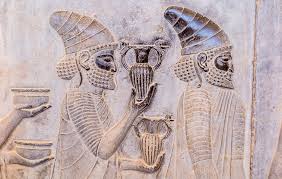
Ph.D. in Persian
Ph.D. in Persian is an advanced academic program that studies Persian language, literature, and culture. The program, which typically lasts 3 to 6 years, delves deeply into classical and modern Per...
Ph.D. in Persian
×Ph.D. in Persian is an advanced academic program that studies Persian language, literature, and culture. The program, which typically lasts 3 to 6 years, delves deeply into classical and modern Persian literature, linguistics, poetry, philosophy, history, and cultural studies. Students study the works of great Persian poets and thinkers such as Rumi, Hafez, and Saadi, as well as the evolution of the Persian language throughout history. The curriculum includes coursework, research methods, and a dissertation based on original research. Graduates frequently pursue employment in academia, translation, publishing, and cultural institutions.
Ph.D. in Philosophy
Ph.D. in Philosophy is an advanced research program focused on the exploration of fundamental questions related to existence, knowledge, ethics, logic, and the mind. Typically lasting 3 to 6 years,...
Ph.D. in Philosophy
×Ph.D. in Philosophy is an advanced research program focused on the exploration of fundamental questions related to existence, knowledge, ethics, logic, and the mind. Typically lasting 3 to 6 years, the program covers various branches of philosophy, including metaphysics, epistemology, ethics, political philosophy, and philosophy of mind. Students engage in deep analysis of classical and contemporary philosophical texts and contribute original research to address unresolved philosophical issues. The program includes seminars, coursework, comprehensive exams, and a dissertation. Graduates often pursue careers in academia, research, publishing, and roles requiring critical thinking and analytical skills in various fields.

Ph.D. in Ancient History
Ph.D. in Ancient History is an advanced research degree that focuses on the study of ancient civilizations, cultures, and historical events from prehistory to the Middle Ages. The program, which ty...
Ph.D. in Ancient History
×Ph.D. in Ancient History is an advanced research degree that focuses on the study of ancient civilizations, cultures, and historical events from prehistory to the Middle Ages. The program, which typically lasts 3-5 years, comprises courses in historiography, archeological methodology, ancient languages, and specific areas like classical antiquity, ancient empires, and religious history. Students undertake original research, examine primary materials, and offer new perspectives on ancient cultures' social, political, and economic processes. Graduates frequently work in academics, museums, cultural heritage groups, or research institutions, advancing our study and preservation of ancient history and cultures.
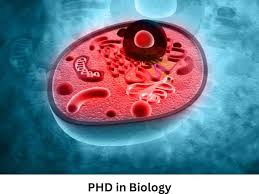
Ph.D. in Biology
Ph.D. in Biology is a graduate research degree that focuses on the study of living organisms, ecosystems, and biological processes. The program, which typically takes 4-6 years to complete, include...
Ph.D. in Biology
×Ph.D. in Biology is a graduate research degree that focuses on the study of living organisms, ecosystems, and biological processes. The program, which typically takes 4-6 years to complete, includes courses in genetics, molecular biology, ecology, biochemistry, and microbiology, as well as original research in a particular area. Students conduct experiments, collect data, and make new discoveries in subjects such as cell biology, evolutionary biology, environmental science, and biotechnology. Graduates frequently work in academia, research institutions, pharmaceuticals, or healthcare, increasing scientific knowledge and providing answers to medical, environmental, and biotechnological concerns.
Ph.D. in Applied Econometrics
Ph.D. in Applied Econometrics is a 4-6 year program that teaches statistical and mathematical approaches for analyzing economic data. It consists of advanced training in econometric theory, time se...
Ph.D. in Applied Econometrics
×Ph.D. in Applied Econometrics is a 4-6 year program that teaches statistical and mathematical approaches for analyzing economic data. It consists of advanced training in econometric theory, time series analysis, panel data, and machine learning, followed by extensive examinations. The program's core focuses on original research on themes such as macroeconomic forecasting, financial modeling, and policy impact assessment, which culminates in a dissertation. Students become proficient in statistical tools (e.g., R, Stata, Python) for empirical analysis. Graduates are prepared for positions as econometricians, data scientists, or economic analysts in academia, finance, government, and consultancy, with funding available through assistantships and research grants.
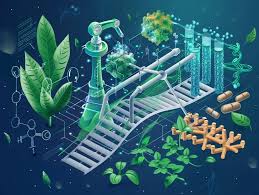
Ph.D. in Life Sciences
Ph.D. in Life Sciences is a research-intensive program that covers a wide range of biological disciplines, with a focus on understanding the basic mechanics of living organisms and ecosystems. The...
Ph.D. in Life Sciences
×Ph.D. in Life Sciences is a research-intensive program that covers a wide range of biological disciplines, with a focus on understanding the basic mechanics of living organisms and ecosystems. The program typically lasts 3-5 years and covers molecular biology, genetics, biochemistry, cell biology, microbiology, ecology, immunology, and biotechnology. Students do original research on areas such as disease processes, genetic engineering, environmental sustainability, medication development, and organism-environment interactions. Graduates of this degree frequently pursue positions in academia, research institutes, biotechnology, pharmaceuticals, and healthcare. Admission normally requires a Master's degree in biology or a related subject, as well as a solid understanding of research procedures and laboratory skills.

Ph.D. in Drama, Films and New Media
Ph.D. in Drama, Films, and New technologies is an interdisciplinary research program that examines performance, cinematic arts, and digital technologies in modern society. The curriculum typically...
Ph.D. in Drama, Films and New Media
×Ph.D. in Drama, Films, and New technologies is an interdisciplinary research program that examines performance, cinematic arts, and digital technologies in modern society. The curriculum typically lasts 3-5 years and covers topics such as theater history and philosophy, film studies, digital media, media creation, current performance practices, screenwriting, and the interface of technology and storytelling. Students conduct unique research on topics such as narrative structures in films, the impact of new media on audience participation, globalization in cinema, and the growth of digital performance arts. Graduates frequently pursue employment in academics, cinema and media production, scriptwriting, theater direction, the digital media businesses, or cultural policymaking. Admission typically requires a Master's degree in theater, cinema studies, media studies, or a related discipline, witha strong foundation in both practical and theoretical approaches to drama and media.
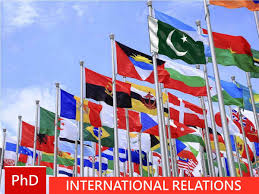
Ph.D. in International Relations
Ph.D. in International Relations is a research-intensive degree that examines global political processes, international conflicts, diplomacy, global governance, and international law. The curriculu...
Ph.D. in International Relations
×Ph.D. in International Relations is a research-intensive degree that examines global political processes, international conflicts, diplomacy, global governance, and international law. The curriculum, which typically lasts 3-5 years, focuses on essential subjects such as foreign policy analysis, international organizations (for example, the United Nations), security studies, international trade, human rights, and global environmental concerns. Students do innovative research on the interactions between states, non-state actors, and international institutions, as well as the effects of globalization, power dynamics, and international cooperation. Graduates of the program work in academia, government, international organizations, think tanks, diplomatic services, and global consulting firms. Admission normally needs a master's degree in political science, international relations, or a comparable discipline, with a strong research background and analytical skills.
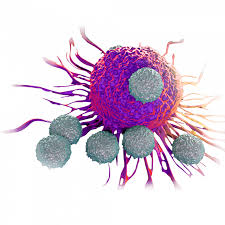
Ph.D. in Cellular Oncology
Ph.D. in Cellular Oncology is a research-focused program dedicated to understanding the cellular mechanisms involved in cancer development, progression, and metastasis. Typically l...
Ph.D. in Cellular Oncology
×Ph.D. in Cellular Oncology is a research-focused program dedicated to understanding the cellular mechanisms involved in cancer development, progression, and metastasis. Typically lasting 3-5 years, the program covers areas such as cell signaling, cancer cell biology, tumor microenvironment, cell cycle regulation, apoptosis, and the genetic and epigenetic factors contributing to cancer. Students engage in original research to investigate how cancer cells evade normal growth control, develop resistance to therapies, and interact with their environment. The program also explores cutting-edge topics like cancer stem cells, immuno-oncology, and personalized cancer therapies. Graduates of the program often pursue careers in academia, pharmaceutical and biotechnology industries, cancer research institutes, or clinical research in oncology. Admission generally requires a Master's degree in cell biology, molecular biology, or a related field, with strong research experience in cancer biology and laboratory techniques.
4o mini

Ph.D. in Molecular Oncology
Ph.D. in Molecular Oncology is a specialized research program that aims to better understand the molecular pathways that drive cancer genesis, progression, and treatment. The curriculum, which typi...
Ph.D. in Molecular Oncology
×Ph.D. in Molecular Oncology is a specialized research program that aims to better understand the molecular pathways that drive cancer genesis, progression, and treatment. The curriculum, which typically lasts 3-5 years, includes molecular biology, genetics, biochemistry, and oncology, with a particular emphasis on tumor biology, cancer genomics, signaling pathways, and therapeutic targets. Students do unique research to investigate genetic and epigenetic changes in cancer cells, cancer immunotherapy, targeted medication development, and the tumor microenvironment. Graduates frequently pursue positions in academia, the pharmaceutical and biotechnology businesses, medical research institutes, and oncology clinical trials. Admission normally requires a Master's degree in molecular biology, biochemistry, or a similar discipline, as well as a solid understanding of cancer biology and research methods.

Ph.D. in Molecular Medicine
Ph.D. in Molecular Medicine is a research-intensive program that focuses on the molecular and cellular mechanisms that underpin disease, with an emphasis on creating enhanced diagnostic, therapeuti...
Ph.D. in Molecular Medicine
×Ph.D. in Molecular Medicine is a research-intensive program that focuses on the molecular and cellular mechanisms that underpin disease, with an emphasis on creating enhanced diagnostic, therapeutic, and preventive measures. The program typically lasts 3-5 years and covers molecular biology, genetics, biochemistry, cell signaling, immunology, and drug development. Students conduct original research to investigate the molecular basis of diseases such as cancer, cardiovascular disorders, neurodegenerative diseases, and infectious diseases, with the goal of generating novel treatments such as gene therapies, targeted medications, and personalized medicine. Graduates frequently pursue professions in academia, pharmaceutical and biotechnology firms, medical research institutions, and healthcare. Admission typically requires a Master's degree in biomedical sciences, molecular biology, or a related discipline, as well as outstanding laboratory and research skills.

Ph.D. in Public Health
Ph.D. in Public Health is an advanced research degree focused on developing expertise in public health practices, epidemiology, and health policy. Typically completed in 3 - 5 years, the program co...
Ph.D. in Public Health
×Ph.D. in Public Health is an advanced research degree focused on developing expertise in public health practices, epidemiology, and health policy. Typically completed in 3 - 5 years, the program combines rigorous coursework with original research, allowing candidates to specialize in areas like epidemiology, health systems, global health, or biostatistics. Students are trained in advanced methodologies for assessing health outcomes, managing public health initiatives, and addressing health disparities. Graduates are prepared for careers in academia, research institutions, government health agencies, or NGOs, where they can influence health policy, lead public health programs, and conduct impactful research.

Ph.D. in French
Ph.D. in French typically takes 4-6 years to complete, focusing on advanced study of French language, literature, culture, and linguistics. Students engage in intensive research, culminating in a d...
Ph.D. in French
×Ph.D. in French typically takes 4-6 years to complete, focusing on advanced study of French language, literature, culture, and linguistics. Students engage in intensive research, culminating in a doctoral dissertation that contributes original knowledge to the field. The program often includes coursework, comprehensive exams, and teaching responsibilities. Candidates may specialize in areas such as medieval literature, francophone studies, or contemporary French society. Proficiency in French is essential, and many programs require a master's degree for admission. Graduates pursue careers in academia, research, translation, or cultural institutions. This degree demands dedication, critical thinking, and a passion for French studies, preparing scholars for leadership roles in their field.

Ph.D. in Arts
Ph.D. in Arts is an advanced research degree focused on in-depth study within creative and cultural fields, such as fine arts, visual arts, performing arts, literature, and art history. Typically,...
Ph.D. in Arts
×Ph.D. in Arts is an advanced research degree focused on in-depth study within creative and cultural fields, such as fine arts, visual arts, performing arts, literature, and art history. Typically, the program lasts between 3 - 6 years, depending on the candidate's research progress and institutional requirements. It involves conducting original research, producing a dissertation, and often includes practice-based research elements, where candidates create new works of art as part of their study. This degree prepares graduates for careers in academia, research, and high-level roles in arts organizations, offering expertise in creative innovation, critical analysis, and cultural scholarship.
Ph.D. in Population Studies
Ph.D. in Population Studies is a research-intensive program that usually lasts 3-5 years and focuses on understanding population dynamics, demographic trends, and their societal ramifications...
Ph.D. in Population Studies
×Ph.D. in Population Studies is a research-intensive program that usually lasts 3-5 years and focuses on understanding population dynamics, demographic trends, and their societal ramifications. Students explore advanced themes like as fertility, mortality, migration, aging, and population policy, using both quantitative and qualitative approaches to assess demographic data. This curriculum prepares graduates for positions in academia, government agencies, international organizations, and research institutes, which offer insights to policy formation and socioeconomic planning. Candidates often have a master's degree in population studies, sociology, or a similar discipline, and may be needed to complete coursework, comprehensive tests, and a dissertation.

Ph.D. in Visual Arts
Ph.D. in Visual Arts is a research-focused program that typically spans 3 - 5 years. It provides an in-depth exploration of artistic practices, theory, and the historical, cultural, and social...
Ph.D. in Visual Arts
×Ph.D. in Visual Arts is a research-focused program that typically spans 3 - 5 years. It provides an in-depth exploration of artistic practices, theory, and the historical, cultural, and social contexts in which art is created. Students develop their own creative projects while contributing original research to the field. The program includes advanced studies in media, art history, and aesthetics, with an emphasis on critical thinking, innovation, and interdisciplinary approaches. Graduates pursue careers as artists, curators, educators, or researchers, contributing to the expansion and evolution of visual arts in both academic and professional spheres.

Ph.D. in Operations Management
Ph.D. in Operations management focuses on advanced study into the design, optimization, and administration of company operations, with a particular emphasis on supply chain management, manufacturin...
Ph.D. in Operations Management
×Ph.D. in Operations management focuses on advanced study into the design, optimization, and administration of company operations, with a particular emphasis on supply chain management, manufacturing processes, and logistics. The program typically lasts 3 to 5 years and integrates intensive instruction in quantitative methods, business strategy, and systems modeling with original research. Students learn about process optimization, inventory management, quality control, and operational sustainability. Graduates are prepared for employment in academia, research institutes, or consultancy, where they can help to improve operational efficiency, enhance corporate performance, and discover innovative solutions to complicated challenges in a variety of industries.

Ph.D. in Business Analytics
Ph.D. in Business Analytics emphasizes the use of data-driven decision-making tools and advanced analytical methodologies to tackle difficult business problems. The program, which typically l...
Ph.D. in Business Analytics
× Ph.D. in Business Analytics emphasizes the use of data-driven decision-making tools and advanced analytical methodologies to tackle difficult business problems. The program, which typically lasts 3 to 5 years, integrates statistics, machine learning, optimization, and data mining courses with intensive research in predictive analytics, big data, and decision modeling. Students look at how analytics can improve corporate strategy, operations, marketing, and finance. Graduates are prepared for careers in academia, consultancy, or high-level positions in industries such as finance, marketing, healthcare, and technology, where they will drive data-driven transformations and innovation in businesses of all sizes.

Ph.D. in German
In-depth study and a dissertation on a particular facet of the German language, literature, culture, or history are required for a Ph.D. in German, which normally takes 4 - 6 years to fi...
Ph.D. in German
×In-depth study and a dissertation on a particular facet of the German language, literature, culture, or history are required for a Ph.D. in German, which normally takes 4 - 6 years to finish. Strong writing and analytical abilities, together with advanced German language ability, are requirements for the degree. German linguistics, literary analysis, cultural studies, and research methodologies are among the topics covered in the coursework. Ph.D. holders in German frequently work in academia, translation, language instruction, or cultural organizations, utilizing their proficiency in the language and comprehensive understanding of German-speaking cultures.

Ph.D. in Performing Arts
Ph.D. in Performing Arts is an advanced research program that typically spans 3 - 5 years. It focuses on various disciplines such as theatre, dance, music, and other performance-based ar...
Ph.D. in Performing Arts
×Ph.D. in Performing Arts is an advanced research program that typically spans 3 - 5 years. It focuses on various disciplines such as theatre, dance, music, and other performance-based art forms. The course is designed to equip students with expertise in artistic expression, critical theory, cultural analysis, and academic writing. Research topics may include performance theory, choreography, dramaturgy, ethnomusicology, and the role of performing arts in society. Candidates are expected to contribute original research to the field, which culminates in a dissertation. The program often involves practical performances, workshops, and collaborations with professional artists and institutions.
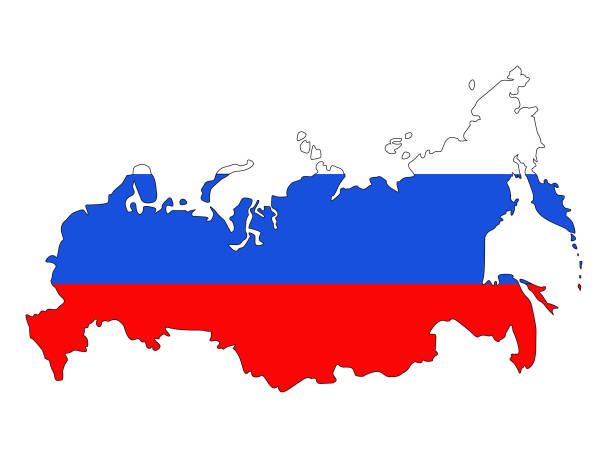
Ph.D. in Russian
Intensive study of the Russian language, literature, history, and culture is necessary for a Ph.D. in Russian, that generally takes 4 - 6 years to accomplish. Completing extensive tests, performing...
Ph.D. in Russian
×Intensive study of the Russian language, literature, history, and culture is necessary for a Ph.D. in Russian, that generally takes 4 - 6 years to accomplish. Completing extensive tests, performing original research, and defending a doctoral dissertation that substantially improvements the field of Russian studies are all requirements of the program. In-depth examinations of classic Russian novels, poetry, and films are included in the coursework, along with subjects like Russian grammar, phonetics, and syntax. Graduates of a Ph.D. in Russian often pursue careers in academia, government, international organizations, or private sector roles requiring Russian language expertise.

Ph.D. in Japanese
A Ph.D. in Japanese is typically a 4-6 year program that offers advanced training in the language, literature, linguistics, and cultural studies of Japan. The curriculum includes seminars on subjec...
Ph.D. in Japanese
×A Ph.D. in Japanese is typically a 4-6 year program that offers advanced training in the language, literature, linguistics, and cultural studies of Japan. The curriculum includes seminars on subjects including Japanese history, philosophy, religion, and the arts in addition to extensive training in both classical and modern Japanese. Additionally, students carry out original research, which results in a dissertation that significantly advances academic knowledge of the Japanese language and its sociocultural surroundings. Students can interact with other subjects including Asian studies, translation studies, and comparative literature because the program frequently promotes interdisciplinary inquiry. Graduates of this doctoral degree are equipped for jobs in government offices, academic institutions, cultural institutions, and international organizations where they may use their knowledge of Japanese language and culture to advance cross-cultural understanding, preserve linguistic heritage, and advance the field of Japanese studies.

Ph.D. in European Studies
Ph.D. in European Studies is an interdisciplinary study program that examines the political, economic, social, and cultural processes of Europe throughout history and in the present. The program, w...
Ph.D. in European Studies
×Ph.D. in European Studies is an interdisciplinary study program that examines the political, economic, social, and cultural processes of Europe throughout history and in the present. The program, which typically lasts 3-5 years, focuses on European integration, the European Union (EU), European governance, foreign policy, migration, cultural identity, and the region's role in global politics. Students conduct original research in a variety of subjects, including European history, politics, economics, international relations, law, and cultural studies. Graduates frequently work in academia, research institutions, think tanks, international organizations, government agencies, or consulting firms that specialize in European affairs. Admission normally needs a Master's degree in European Studies, political science, international relations, or a similar discipline, as well as a strong research background and interest in European issues.

Ph.D. in International Trade and Development
Ph.D. in International commerce and Development is a research-oriented program that investigates the economic and policy elements of international commerce, global markets, and development processe...
Ph.D. in International Trade and Development
×Ph.D. in International commerce and Development is a research-oriented program that investigates the economic and policy elements of international commerce, global markets, and development processes in emerging and developing countries. The curriculum typically lasts 3-5 years and covers themes such as trade theories, international economic interactions, global supply chains, trade policy, the function of international institutions (such as the WTO and IMF), poverty alleviation, and sustainable development. Students do innovative research that applies economic theory to real challenges such as trade agreements, foreign direct investment, global inequality, and economic growth in the context of globalization. Graduates from this degree frequently work in academics, international organizations (such as the United Nations or the World Bank), government agencies, think tanks, non-governmental organizations (NGOs), and international consulting businesses. Admission generally requires a Master’s degree in economics, international relations, or a related field, with strong quantitative and analytical research skills.

Ph.D. in Japanese Studies
Ph.D. in Japanese Studies is a research-intensive program that delves deeply into Japanese language, culture, history, society, politics, and economy. The program, which typically lasts 3-5 years,...
Ph.D. in Japanese Studies
×Ph.D. in Japanese Studies is a research-intensive program that delves deeply into Japanese language, culture, history, society, politics, and economy. The program, which typically lasts 3-5 years, is interdisciplinary and can cover a wide range of topics, including Japanese literature (classical and modern), linguistics, history (from antiquity to the present), Japanese philosophy, art, media studies, religion, and Japan's current role in global affairs. Students do original research, often on topics such as the growth of Japanese society, postwar changes, popular culture, or Japan's foreign relations.Graduates of this program pursue positions in academia, research institutions, government agencies, cultural groups, international relations, translation, or Japanese-focused enterprises. Admission normally requires a Master's degree in Japanese Studies or East Asian Studies.

Ph.D. in Chinese Studies
Ph.D. in Chinese Studies is an advanced research degree that studies Chinese language, culture, history, politics, and society. The program, which typically lasts three to five years, is interdisci...
Ph.D. in Chinese Studies
×Ph.D. in Chinese Studies is an advanced research degree that studies Chinese language, culture, history, politics, and society. The program, which typically lasts three to five years, is interdisciplinary and may include a wide range of themes such as classical and modern Chinese literature, linguistics, philosophy, art, history, economic development, and China's involvement in world politics. Students conduct original study by evaluating historical texts, topical topics, Chinese philosophy, or present Chinese sociopolitical dynamics. Graduates frequently pursue positions in academia, research institutions, diplomatic services, international organizations, or businesses that specialize on Chinese language and culture. Admission typically needs a Master's degree in Chinese Studies, East Asian Studies, or a similar discipline, as well as high skill in the Chinese language and research methods.

Ph.D. in Korean Studies
Ph.D. in Korean Studies, where we bridge the gap between formal education and practical skills acquisition...

Ph.D. in International Politics
Ph.D. in International Politics is a high-level, research-focused program that investigates national political dynamics, international relations, global governance, and the factors that influence i...
Ph.D. in International Politics
×Ph.D. in International Politics is a high-level, research-focused program that investigates national political dynamics, international relations, global governance, and the factors that influence international policymaking. The curriculum typically lasts 3-5 years and includes a wide range of topics, including international relations theory, foreign policy analysis, conflict resolution, international security, diplomacy, human rights, and global institutions (such as the United Nations and the World Trade Organization). Students conduct original research on topics such as conflict causes, international organization roles, political economy, and globalization's impact. Graduates frequently work in academia, research institutes, think tanks, foreign policy analysis, government agencies, and international organizations. Admission typically needs a Master's degree in political science, international relations, or a similar discipline with a good foundation.

Ph.D. in International Organization
Ph.D. in International Organization is a research-based degree that investigates international organizations' roles, functions, and impact on global governance, diplomacy, and development. The...
Ph.D. in International Organization
×Ph.D. in International Organization is a research-based degree that investigates international organizations' roles, functions, and impact on global governance, diplomacy, and development. The program, which typically lasts 3-5 years, focuses on international relations theory, global institutions (such as the United Nations and the World Trade Organization), peace and security, human rights, environmental governance, and international law. Students do original research on issues such as the efficacy of multilateral institutions, international diplomacy, conflict resolution, global policymaking, and the role of non-state players in international affairs. Graduates work in academia, international organizations, governmental and non-governmental institutions, think tanks, and international consulting firms. Admission normally needs a Master's degree in international relations, political science, or a similar discipline, with a significant focus on research.

Ph.D. in Medieval History
Ph.D. in Medieval History is a research-intensive degree that examines historical events, civilizations, and communities from the early Middle Ages (approximately the fifth to fifteenth centuries)...
Ph.D. in Medieval History
×Ph.D. in Medieval History is a research-intensive degree that examines historical events, civilizations, and communities from the early Middle Ages (approximately the fifth to fifteenth centuries) until the Renaissance. The program, which typically lasts 3-5 years, focuses on political history, religious advancements, economic systems, social structures, and cultural achievements during the medieval period. Students conduct original study on topics such as feudalism, monarchy formation, the Crusades, religious spread, medieval art and architecture, and interactions between Europe, the Islamic world, and Asia. Graduates pursue positions in academia, research, museums, archival institutions, and government agencies. A Master's degree in history or a comparable discipline is typically required for admission, with an emphasis on medieval studies and historical research approaches.

Ph.D. in Modern History
Ph.D. in Modern History is a research-oriented program that examines historical events, movements, and changes from the early modern period to the present. The program, which typically lasts 3-5 ye...
Ph.D. in Modern History
×Ph.D. in Modern History is a research-oriented program that examines historical events, movements, and changes from the early modern period to the present. The program, which typically lasts 3-5 years, covers a wide range of topics, including political and social history, cultural alterations, economic changes, and global contacts from the 17th century to the present. Students conduct original research on topics including colonialism, nationalism, international wars, revolutions, the emergence of modern states, and globalization. Graduates work at universities, research institutions, museums, government agencies, and international organizations. A Master's degree in history is often required for admission, with a strong research concentration on current historical periods and approaches.

Ph.D. in Adult Education
Ph.D. in Adult Education is a research-oriented program that investigates adult teaching and learning processes in a variety of settings, such as formal education, workplace training, and community...
Ph.D. in Adult Education
×Ph.D. in Adult Education is a research-oriented program that investigates adult teaching and learning processes in a variety of settings, such as formal education, workplace training, and community education. The program typically lasts 3-5 years and covers topics such as adult learning theories, curriculum development, program assessment, educational technology, and lifelong learning. Students do original research on topics such as adult literacy, workforce development, distant learning, and the social and cultural influences on adult education. Graduates work in academics, educational leadership, policy research, non-profit organizations, and business training. Admission usually necessitates a Master's degree in education or a similar discipline, with an emphasis on adult learning and educational research.
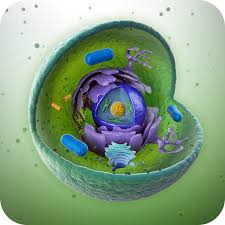
Ph.D. in Cell Biology
Ph.D. in Cell Biology is a research-intensive program that examines cells' structure, function, and behavior in both normal and pathological states. The program typically lasts 3-5 years and co...
Ph.D. in Cell Biology
×Ph.D. in Cell Biology is a research-intensive program that examines cells' structure, function, and behavior in both normal and pathological states. The program typically lasts 3-5 years and covers topics like as cellular signaling, molecular genetics, cell differentiation, organelle function, and cell division. Students perform novel research in areas such as cancer biology, stem cell biology, neurobiology, cellular stress responses, and the role of cellular dysfunction in illness. Graduates pursue positions in academia, biotechnology, pharmaceutical businesses, research institutions, and healthcare. Admission normally needs a Master's degree in biology, biochemistry, or a related subject, as well as outstanding laboratory and research skills.

Ph.D. in Disaster Studies
Ph.D. in Disaster Studies is a research-based program that focuses on understanding the origins, consequences, and management of natural and man-made catastrophes. The curriculum typically lasts 3-...
Ph.D. in Disaster Studies
×Ph.D. in Disaster Studies is a research-based program that focuses on understanding the origins, consequences, and management of natural and man-made catastrophes. The curriculum typically lasts 3-5 years and covers themes such as disaster risk reduction, emergency management, humanitarian relief, climate change, environmental hazards, resilience building, and post-disaster rehabilitation. Students do multidisciplinary research, combining sociology, geography, environmental science, public policy, and engineering to develop catastrophe preparedness, response, and mitigation techniques. Graduates can work in academics, government agencies, non-governmental organizations (NGOs), international organizations, or consulting firms that specialize in disaster management and risk assessment. Admission typically needs a Master's degree in environmental science, public policy, sociology, or a related discipline, as well as extensive research experience.

Ph.D. in Korean
Ph.D. in Korean is a research degree that focuses on the in-depth study of Korean language, literature, culture, and history. The program, which typically lasts 3-5 years, includes courses in...
Ph.D. in Korean
×Ph.D. in Korean is a research degree that focuses on the in-depth study of Korean language, literature, culture, and history. The program, which typically lasts 3-5 years, includes courses in classical and modern Korean literature, linguistics, language learning, Korean philosophy, historical texts, and cultural studies. Students conduct original research, examining significant works in Korean literature, studying linguistic trends, and investigating the social and cultural implications of Korean traditions. Graduates frequently pursue professions in academia, research institutions, translation, international relations, and cultural groups. Admission normally needs a Master's degree in Korean studies, linguistics, or a similar discipline, as well as outstanding language and research skills.

Ph.D. in Chinese
Ph.D. in Chinese is a research program that delves deeply into the Chinese language, literature, culture, and history. The program typically lasts 3-5 years and covers topics such as classical and...
Ph.D. in Chinese
×Ph.D. in Chinese is a research program that delves deeply into the Chinese language, literature, culture, and history. The program typically lasts 3-5 years and covers topics such as classical and modern Chinese literature, Chinese linguistics, language learning, translation studies, Chinese philosophy, and cultural studies. Students conduct creative research by evaluating Chinese literature, investigating literary movements, or studying the evolution of the Chinese language. Graduates frequently pursue professions in academia, research institutions, translation, international relations, or cultural and governmental groups. Admission typically needs a Master's degree in Chinese, Asian studies, linguistics, or a similar discipline, with a high emphasis on language fluency and research ability