
Ph.D. in Mechanical Engineering takes around 4-6 years to complete, depending on the university and research project. This advanced degree focuses on developing cutting-edge knowledge in fields such as robotics, thermodynamics, fluid mechanics, materials science, and control systems. Students take challenging courses, perform unique research, and complete a PhD dissertation. The curriculum promotes problem-solving, critical thinking, and innovative abilities, preparing graduates to take on leadership roles in academia, industry, or research organizations. Ph.D. candidates usually collaborate on interdisciplinary projects, publish in peer-reviewed journals, and give presentations at conferences, all of which contribute to growth in sectors such as renewable energy, aerospace, automotive engineering, and biomedical devices.

JSS Science & Technology University
JSS Science & Technology University Admission Open

Ph.D. in Computer Science And Engineering
Ph.D. in Computer Science and Engineering usually requires 4-6 years to attain, depending on the university and the stage of the study. This advanced degree focuses cutting-edge research in f...
Ph.D. in Computer Science And Engineering
×Ph.D. in Computer Science and Engineering usually requires 4-6 years to attain, depending on the university and the stage of the study. This advanced degree focuses cutting-edge research in fields such as artificial intelligence, machine learning, cybersecurity, computer networks, and software engineering. Students take tough courses, perform unique research, and submit a dissertation under faculty supervision. The program of study encourages skill in problem-solving, critical thinking, and innovation in the sector. Graduates are prepared to work in academia, research labs, or high-level positions within the technology business. Admission usually requires a master's degree in a related discipline, an impressive academic record, and research potential. Teaching or research fellowships are common sources for funding.
Ph.D. in Electronics And Communication Engineering
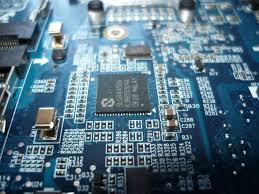
Ph.D. in Electronics and Communication Engineering generally takes 3-5 years to complete, depending on the university and the level of the study. This advanced degree focuses the latest development...
Ph.D. in Electronics And Communication Engineering
×Ph.D. in Electronics and Communication Engineering generally takes 3-5 years to complete, depending on the university and the level of the study. This advanced degree focuses the latest developments in signal processing, wireless communications, microelectronics, and embedded systems. Students undertake challenging courses, implement original research, and write their dissertations under faculty supervision. The program promotes skills in developing complex electronic systems, creating innovative communication technologies, and addressing real-world engineering challenges. Graduates are well-prepared to work in academia, research institutions, or high-tech enterprises, helping to improve disciplines such as 5G/6G networks, IoT, artificial intelligence, and quantum computing. This degree involves strong analytical skills, creativity, and an intense passion for technological advancement.

Ph.D. in Civil Engineering
A Ph.D. in Civil Engineering typically requires 3-5 years to complete, depending on the university and research area. This graduate degree program emphasizes particular fields such as structural en...
Ph.D. in Civil Engineering
×A Ph.D. in Civil Engineering typically requires 3-5 years to complete, depending on the university and research area. This graduate degree program emphasizes particular fields such as structural engineering, geotechnical engineering, transportation systems, environmental engineering, and water resource management. Students take difficult courses, do unique research, and write a doctoral thesis that adds new understanding to the area. The program of study addresses advanced analytical abilities, research approaches, and problem-solving techniques applicable to difficult civil engineering tasks. Graduates are prepared for managerial roles in academia, research institutes, government agencies, or the commercial sector, where they can drive innovation in building infrastructure, sustainability, and urban planning.

Ph.D. in Biotechnology
Ph.D. in Biotechnology is an advanced research degree that involves biology, technology, and engineering. It generally takes 4-6 years to complete. The curriculum focuses on discovering innovative...
Ph.D. in Biotechnology
×Ph.D. in Biotechnology is an advanced research degree that involves biology, technology, and engineering. It generally takes 4-6 years to complete. The curriculum focuses on discovering innovative solutions to healthcare, agricultural businesses, and environmental issues. Students engage in intensive coursework, laboratory research, and frequent collaborations with industry partners. Genetic engineering, bioinformatics, molecular biology, and bioprocess engineering are all significant study fields. Candidates have to do original research, publish in peer-reviewed publications, and defend their doctoral thesis. This degree prepares graduates for managerial positions in academia, research institutes, pharmaceutical businesses, and biotech startups, advancing disciplines such as medication development, sustainable agriculture, and biofuel production.

Ph.D. in Chemistry
Ph.D. in Chemistry takes around 4-6 years to complete, depending on the research project and institution. This doctoral program emphasizes distinctive research in certain areas of chemistry, such a...
Ph.D. in Chemistry
×Ph.D. in Chemistry takes around 4-6 years to complete, depending on the research project and institution. This doctoral program emphasizes distinctive research in certain areas of chemistry, such as organic, inorganic, physical, or analytical chemistry. Students pursue more advanced courses, perform substantial laboratory research, and develop a dissertation based on their findings. The program includes generating hypotheses, designing experiments, analyzing data, and bringing new knowledge to the field. Ph.D. candidates frequently interact with other experts, give presentation at conferences, and publish articles in scientific publications. This degree equips graduates with job opportunities in academia, industry research, government laboratories, and other scientific fields that require advanced chemical skills.

Ph.D. in Mathematics
Ph.D. in Mathematics is a terminal degree that usually requires 4-7 years to accomplish after acquiring a bachelor's degree. The curriculum comprises advanced coursework in pure and appli...
Ph.D. in Mathematics
×Ph.D. in Mathematics is a terminal degree that usually requires 4-7 years to accomplish after acquiring a bachelor's degree. The curriculum comprises advanced coursework in pure and applied mathematics, as well as independent research that leads to the completion of a doctorate research. PhD students acquire proficiency in abstract algebra, real and complex analysis, topology, and discrete mathematics. The degree prepares graduates for academic careers as university professors and researchers, as well as jobs in industries such as banking, technology, and government that require strong quantitative and problem-solving abilities.

Ph.D. in Physics
Ph.D. in Physics generally requires 5-7 years to complete, and it comprises advanced coursework, independent research, and a doctorate dissertation. Students explore the fundamental concepts...
Ph.D. in Physics
×Ph.D. in Physics generally requires 5-7 years to complete, and it comprises advanced coursework, independent research, and a doctorate dissertation. Students explore the fundamental concepts of matter and energy, and often specialize in quantum mechanics, astrophysics, or particle physics. The program fosters critical thinking, problem-solving skills, and knowledge in experimental or theoretical physics. Graduates are prepared to work in academia, research institutions, or industry, contributing to innovative scientific discoveries and technical developments. This challenging degree requires dedication, intellectual curiosity, and the ability to push the limits of human knowledge of the physical cosmos.

Ph.D. in Electrical & Electronics Engineering
Ph.D. in Electrical and Electronics Engineering (EEE) typically spans 3 to 5 years and focuses on advanced topics such as power systems, telecommunications, control systems, and microelectronics. T...
Ph.D. in Electrical & Electronics Engineering
×Ph.D. in Electrical and Electronics Engineering (EEE) typically spans 3 to 5 years and focuses on advanced topics such as power systems, telecommunications, control systems, and microelectronics. The program generally requires students to complete coursework in specialized areas, pass qualifying exams, and conduct original research culminating in a dissertation. Candidates are expected to contribute to the field through innovative solutions to complex engineering problems, often involving cutting-edge technologies. Research may involve collaboration with industry or academia, and graduates are prepared for careers in research, development, teaching, and leadership roles in various sectors, including technology, energy, and communications.

Ph.D. in Business Administration
Ph.D. in Business Administration normally takes 3-5 years and focuses on advanced research approaches and theoretical frameworks in a variety of business fields, including management, fi...
Ph.D. in Business Administration
×Ph.D. in Business Administration normally takes 3-5 years and focuses on advanced research approaches and theoretical frameworks in a variety of business fields, including management, finance, marketing, and organizational behavior. The program frequently demands the completion of core courses, rigorous tests, and a dissertation that provides original information about the discipline. Students conduct in-depth studies and analyses of current business difficulties, preparing them for academic, research, and high-level consulting positions. Admission often requires a suitable master's degree, a strong academic record, and research proposals that outline a clear vision for future research interests.

Ph.D. in Electronics and Instrumentation
Ph.D. in Electronics and Instrumentation typically requires a duration of 3 - 5 years of full-time study, focusing on advanced research in the fields of electronic systems, instrumentation tec...
Ph.D. in Electronics and Instrumentation
×Ph.D. in Electronics and Instrumentation typically requires a duration of 3 - 5 years of full-time study, focusing on advanced research in the fields of electronic systems, instrumentation technology, and control systems. The program encompasses coursework in areas such as microelectronics, signal processing, sensor technology, and automation. Students engage in hands-on laboratory work and research projects, often collaborating with industry partners. The dissertation component requires original research that contributes new knowledge to the field. Graduates pursue careers in academia, research institutions, and various industries, including telecommunications, manufacturing, and healthcare, where they apply their expertise in developing innovative electronic solutions.

Ph.D. in Computer Application
Advanced computer science research, software development, and computing technology applications are the main topics of a Ph.D. in Computer Applications, which normally takes 3-5years to finish. Art...
Ph.D. in Computer Application
×Advanced computer science research, software development, and computing technology applications are the main topics of a Ph.D. in Computer Applications, which normally takes 3-5years to finish. Artificial intelligence, machine learning, data science, computer networks, and human-computer interaction are among the topics covered in the program's coursework. A dissertation that adds to the field's body of knowledge follows. Students investigate novel approaches to practical issues in areas like computational theory, algorithm creation, and system optimization. A solid foundation in computer science or a comparable discipline is typically required for admission. Graduates work in high-level positions in the tech sector, research institutes, or academia.

Ph.D. in Environmental Engineering
A Ph.D. in Environmental Engineering is a research-based program that focuses on applying engineering principles to solve environmental problems. The curriculum typically lasts 3 to 5 years and cov...
Ph.D. in Environmental Engineering
×A Ph.D. in Environmental Engineering is a research-based program that focuses on applying engineering principles to solve environmental problems. The curriculum typically lasts 3 to 5 years and covers topics such as water and wastewater treatment, air quality management, solid waste management, environmental chemistry, and environmental sustainability. Students perform unique research on topics such as pollution management, climate change mitigation, and the design of sustainable infrastructure. The curriculum consists of coursework in environmental systems, advanced engineering principles, and research methodology, culminating in a dissertation. Graduates frequently work in academia, government organizations, environmental consulting, or enterprises that promote sustainability and environmental preservation.
Ph.D. in Industrial Engineering
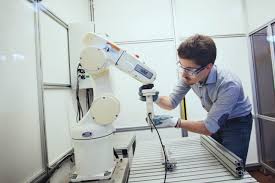
Ph.D. in Industrial Engineering is a research-focused program that delves into optimizing complex systems, processes, and organizations. The program typically spans 3 - 5 years, depending on...
Ph.D. in Industrial Engineering
×Ph.D. in Industrial Engineering is a research-focused program that delves into optimizing complex systems, processes, and organizations. The program typically spans 3 - 5 years, depending on the student's pace and research topic. It emphasizes areas such as operations research, supply chain management, manufacturing systems, human factors, and quality control. Students engage in advanced coursework, followed by independent research under the guidance of faculty experts. The goal is to contribute new knowledge to the field, often with applications in industries like manufacturing, logistics, healthcare, and technology. Graduates often pursue careers in academia, industry, or consulting.

Ph.D. in Production Technology
Ph.D. in Production Technology is an advanced research degree typically lasting 3-5 years, focusing on innovative manufacturing processes, automation, and industrial systems optimization. Candidate...
Ph.D. in Production Technology
×Ph.D. in Production Technology is an advanced research degree typically lasting 3-5 years, focusing on innovative manufacturing processes, automation, and industrial systems optimization. Candidates conduct original research in areas such as advanced materials, smart manufacturing, sustainable production, and Industry 4.0 technologies. The program combines coursework, seminars, and a substantial dissertation, requiring students to contribute new knowledge to the field. Admission usually requires a master's degree in a related engineering discipline. Graduates are prepared for leadership roles in academia, research institutions, and high-tech industries, driving technological advancements in manufacturing.
Ph.D. in Polymer Engineering
Ph.D. in Polymer Engineering is an advanced research-focused program that typically spans 3 - 5 years, depending on the country and institution. This program focuses on the study of poly...
Ph.D. in Polymer Engineering
×Ph.D. in Polymer Engineering is an advanced research-focused program that typically spans 3 - 5 years, depending on the country and institution. This program focuses on the study of polymer materials, their synthesis, processing, characterization, and applications in various industries such as automotive, electronics, healthcare, and packaging. Students acquire in-depth knowledge in areas like polymer chemistry, molecular modeling, polymer physics, and nanocomposites. The course emphasizes innovative research to develop sustainable and high-performance polymers. Graduates are prepared for careers in academia, industry R&D, or as consultants, contributing to advancements in material science and engineering.