
Ph.D. in Mechanical Engineering takes around 4-6 years to complete, depending on the university and research project. This advanced degree focuses on developing cutting-edge knowledge in fields such as robotics, thermodynamics, fluid mechanics, materials science, and control systems. Students take challenging courses, perform unique research, and complete a PhD dissertation. The curriculum promotes problem-solving, critical thinking, and innovative abilities, preparing graduates to take on leadership roles in academia, industry, or research organizations. Ph.D. candidates usually collaborate on interdisciplinary projects, publish in peer-reviewed journals, and give presentations at conferences, all of which contribute to growth in sectors such as renewable energy, aerospace, automotive engineering, and biomedical devices.

K L University
K L University Admission Open

Ph.D. in Computer Science And Engineering
Ph.D. in Computer Science and Engineering usually requires 4-6 years to attain, depending on the university and the stage of the study. This advanced degree focuses cutting-edge research in f...
Ph.D. in Computer Science And Engineering
×Ph.D. in Computer Science and Engineering usually requires 4-6 years to attain, depending on the university and the stage of the study. This advanced degree focuses cutting-edge research in fields such as artificial intelligence, machine learning, cybersecurity, computer networks, and software engineering. Students take tough courses, perform unique research, and submit a dissertation under faculty supervision. The program of study encourages skill in problem-solving, critical thinking, and innovation in the sector. Graduates are prepared to work in academia, research labs, or high-level positions within the technology business. Admission usually requires a master's degree in a related discipline, an impressive academic record, and research potential. Teaching or research fellowships are common sources for funding.
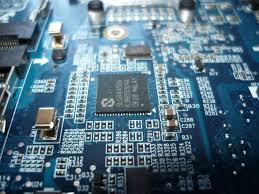
Ph.D. in Electronics And Communication Engineering
Ph.D. in Electronics and Communication Engineering generally takes 3-5 years to complete, depending on the university and the level of the study. This advanced degree focuses the latest development...
Ph.D. in Electronics And Communication Engineering
×Ph.D. in Electronics and Communication Engineering generally takes 3-5 years to complete, depending on the university and the level of the study. This advanced degree focuses the latest developments in signal processing, wireless communications, microelectronics, and embedded systems. Students undertake challenging courses, implement original research, and write their dissertations under faculty supervision. The program promotes skills in developing complex electronic systems, creating innovative communication technologies, and addressing real-world engineering challenges. Graduates are well-prepared to work in academia, research institutions, or high-tech enterprises, helping to improve disciplines such as 5G/6G networks, IoT, artificial intelligence, and quantum computing. This degree involves strong analytical skills, creativity, and an intense passion for technological advancement.
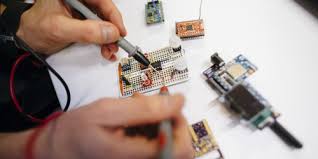
Ph.D. in Electrical Engineering
Ph.D. in Electrical Engineering generally requires 4-6 years to complete, depending on a master's degree. This advanced degree emphasizes cutting-edge research and specific fields like signal p...
Ph.D. in Electrical Engineering
×Ph.D. in Electrical Engineering generally requires 4-6 years to complete, depending on a master's degree. This advanced degree emphasizes cutting-edge research and specific fields like signal processing, power systems, and telecommunications. Candidates take challenging courses, perform distinctive research, and defend a dissertation. Advanced mathematics, electromagnetic theory, and computer engineering are common topics in the curriculum. Graduates possess the skills for job opportunities in academia, research institutes, and high-tech business organizations. This degree desires strong analytical abilities, creativity, and tenacity. It provides opportunity to contribute to technological developments and solve complicated engineering challenges, making it a lucrative career path for those who enjoy innovation in electrical systems and technology.

Ph.D. in Civil Engineering
A Ph.D. in Civil Engineering typically requires 3-5 years to complete, depending on the university and research area. This graduate degree program emphasizes particular fields such as structural en...
Ph.D. in Civil Engineering
×A Ph.D. in Civil Engineering typically requires 3-5 years to complete, depending on the university and research area. This graduate degree program emphasizes particular fields such as structural engineering, geotechnical engineering, transportation systems, environmental engineering, and water resource management. Students take difficult courses, do unique research, and write a doctoral thesis that adds new understanding to the area. The program of study addresses advanced analytical abilities, research approaches, and problem-solving techniques applicable to difficult civil engineering tasks. Graduates are prepared for managerial roles in academia, research institutes, government agencies, or the commercial sector, where they can drive innovation in building infrastructure, sustainability, and urban planning.

Ph.D. in Biotechnology
Ph.D. in Biotechnology is an advanced research degree that involves biology, technology, and engineering. It generally takes 4-6 years to complete. The curriculum focuses on discovering innovative...
Ph.D. in Biotechnology
×Ph.D. in Biotechnology is an advanced research degree that involves biology, technology, and engineering. It generally takes 4-6 years to complete. The curriculum focuses on discovering innovative solutions to healthcare, agricultural businesses, and environmental issues. Students engage in intensive coursework, laboratory research, and frequent collaborations with industry partners. Genetic engineering, bioinformatics, molecular biology, and bioprocess engineering are all significant study fields. Candidates have to do original research, publish in peer-reviewed publications, and defend their doctoral thesis. This degree prepares graduates for managerial positions in academia, research institutes, pharmaceutical businesses, and biotech startups, advancing disciplines such as medication development, sustainable agriculture, and biofuel production.

Ph.D. in Chemistry
Ph.D. in Chemistry takes around 4-6 years to complete, depending on the research project and institution. This doctoral program emphasizes distinctive research in certain areas of chemistry, such a...
Ph.D. in Chemistry
×Ph.D. in Chemistry takes around 4-6 years to complete, depending on the research project and institution. This doctoral program emphasizes distinctive research in certain areas of chemistry, such as organic, inorganic, physical, or analytical chemistry. Students pursue more advanced courses, perform substantial laboratory research, and develop a dissertation based on their findings. The program includes generating hypotheses, designing experiments, analyzing data, and bringing new knowledge to the field. Ph.D. candidates frequently interact with other experts, give presentation at conferences, and publish articles in scientific publications. This degree equips graduates with job opportunities in academia, industry research, government laboratories, and other scientific fields that require advanced chemical skills.

Ph.D. in Agriculture
Ph.D. in Agriculture is a research-oriented degree that aims to expand knowledge in fields like agricultural science, soil health, agribusiness, and sustainable farming. Typically lasting 3-5 ...
Ph.D. in Agriculture
×Ph.D. in Agriculture is a research-oriented degree that aims to expand knowledge in fields like agricultural science, soil health, agribusiness, and sustainable farming. Typically lasting 3-5 years, the curriculum consists of extensive coursework, laboratory research, and field study, culminating in a dissertation based on original research. Agronomy, horticulture, plant genetics, soil science, agricultural economics, and agricultural engineering are among the possible specializations. The curriculum provides students with knowledge of agricultural advances, allowing them to solve concerns such as food security, climate resilience, and sustainable practices. Graduates frequently pursue positions in academia, research institutions, government agencies, and the agricultural industry.

Ph.D. in Electrical & Electronics Engineering
Ph.D. in Electrical and Electronics Engineering (EEE) typically spans 3 to 5 years and focuses on advanced topics such as power systems, telecommunications, control systems, and microelectronics. T...
Ph.D. in Electrical & Electronics Engineering
×Ph.D. in Electrical and Electronics Engineering (EEE) typically spans 3 to 5 years and focuses on advanced topics such as power systems, telecommunications, control systems, and microelectronics. The program generally requires students to complete coursework in specialized areas, pass qualifying exams, and conduct original research culminating in a dissertation. Candidates are expected to contribute to the field through innovative solutions to complex engineering problems, often involving cutting-edge technologies. Research may involve collaboration with industry or academia, and graduates are prepared for careers in research, development, teaching, and leadership roles in various sectors, including technology, energy, and communications.

Ph.D. in Information Technology
Ph.D. in Information Technology typically requires 3 - 5 years of study beyond a master's degree, depending on the program and the student’s pace. This advanced degree focuses on the...
Ph.D. in Information Technology
×Ph.D. in Information Technology typically requires 3 - 5 years of study beyond a master's degree, depending on the program and the student’s pace. This advanced degree focuses on the theoretical and practical aspects of computing and information systems, encompassing areas such as software engineering, data analytics, cybersecurity, artificial intelligence, and network management. Candidates engage in rigorous coursework, comprehensive exams, and original research, culminating in a dissertation that contributes to the field. Graduates often pursue careers in academia, research institutions, or high-level industry positions, playing critical roles in technology development and innovation.

Ph.D. in Visual Communication
Ph.D. in Visual Communication focuses on the study of visual media, design principles, digital communication, and their impact on society. The program typically takes 3-5 years to complete and invo...
Ph.D. in Visual Communication
×Ph.D. in Visual Communication focuses on the study of visual media, design principles, digital communication, and their impact on society. The program typically takes 3-5 years to complete and involves in-depth research in areas such as graphic design, multimedia, visual culture, advertising, and media studies. Students explore both traditional and contemporary visual communication theories, along with the use of technology in visual arts. The research culminates in a dissertation that contributes original knowledge to the field. Graduates often pursue careers in academia, media, design, advertising, or digital content creation, bridging the gap between art, technology, and communication.

Ph.D. in VLSI System
Ph.D. in VLSI (Very-Large-Scale Integration) Systems focuses on the design, fabrication, and optimization of integrated circuits for modern electronic devices. The program typically spans 3 -...
Ph.D. in VLSI System
×Ph.D. in VLSI (Very-Large-Scale Integration) Systems focuses on the design, fabrication, and optimization of integrated circuits for modern electronic devices. The program typically spans 3 - 5 years and involves advanced research in areas like microelectronics, semiconductor technology, system-on-chip (SoC) design, digital signal processing, and circuit design methodologies. Students engage in hands-on research, developing novel techniques for improving chip performance, power efficiency, and miniaturization. The curriculum includes specialized coursework in circuit design, semiconductor physics, and VLSI fabrication processes, alongside opportunities for research collaboration with industry leaders. Graduates contribute to innovations in computing, communications, and embedded systems.