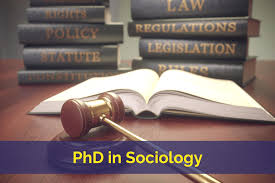
Ph.D. in Sociology usually takes 4-7 years to complete, depending on the program and individual success. This postgraduate degree emphasizes the scientific study of human social behavior, institutions, and societies. Students complete challenging coursework, develop research skills, and perform original research, which culminates in a PhD dissertation. The curriculum frequently includes sophisticated statistical tools, sociological theory, and specialist topics such as inequality, globalization, and urban sociology. Graduates get the opportunity to work in academia, research institutions, government agencies, and non-profit organizations. The curriculum involves a strong analytical approach, outstanding writing abilities, and the capacity to develop and carry out complicated research projects that add new knowledge to the subject.

Kannada University
Kannada University Admission Open

Ph.D. in History
Ph.D. in History takes approximately 5-7 years to accomplish, depending on the program and individual development. This advanced degree requires extensive research, critical analysis, and an origin...
Ph.D. in History
×Ph.D. in History takes approximately 5-7 years to accomplish, depending on the program and individual development. This advanced degree requires extensive research, critical analysis, and an original contribution to historical knowledge. Students participate in coursework, comprehensive exams, and dissertation writing. The program encompasses history, research methodology, and specific fields of study. Candidates become proficient in primary source analysis, archival research, and academic writing. The climax is a doctoral dissertation that presents novel research findings. This degree provide different career positions in academia, research institutes, museums, and other professions that require extensive historical knowledge. Successful completion indicates mastery of historical study and the ability to add to the field's corpus of knowledge.
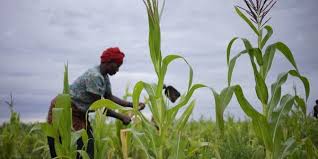
Ph.D. in Rural Development
Doctor of Philosophy (Ph.D.) in Rural Development is a rigorous 4-6 year research-focused doctoral program that prepares students to become top experts in sustainable rural development. The curricu...
Ph.D. in Rural Development
×Doctor of Philosophy (Ph.D.) in Rural Development is a rigorous 4-6 year research-focused doctoral program that prepares students to become top experts in sustainable rural development. The curriculum includes advanced themes in agricultural economics, community planning, environmental policy, and research methodology. Ph.D. applicants perform unique field research in rural communities, culminating in the submission of a doctoral dissertation which contributes significantly to the enhancement of livelihoods, infrastructure, and natural resource management in underserved rural areas. Graduates can work as rural development specialists, policy advisors, university instructors, or consultants for government agencies, non-profit organizations, and international development institutes. The Ph.D. in Rural Development provides students with the multidisciplinary knowledge required to make positive change and uplift marginalized rural

Ph.D. in Music
Ph.D. in Music typically takes 4-7 years to complete, depending on the program and individual progress. This advanced degree focuses on original research, critical analysis, and scholarly con...
Ph.D. in Music
×Ph.D. in Music typically takes 4-7 years to complete, depending on the program and individual progress. This advanced degree focuses on original research, critical analysis, and scholarly contribution to the field of music. Students engage in intensive study of music theory, history, and performance practices, while also developing expertise in a specific area such as musicology, ethnomusicology, composition, or performance. The program usually involves coursework, comprehensive exams, teaching responsibilities, and culminates in a doctoral dissertation or significant creative project. Candidates are expected to make substantial contributions to musical knowledge or practice, often presenting their research at conferences and publishing in academic journals.

Ph.D. in Kannada
A Ph.D. in Kannada is a research-intensive degree that studies Kannada language, literature, linguistics, and cultural heritage. The program, which typically lasts 3 to 5 years, provides an in-dept...
Ph.D. in Kannada
×A Ph.D. in Kannada is a research-intensive degree that studies Kannada language, literature, linguistics, and cultural heritage. The program, which typically lasts 3 to 5 years, provides an in-depth investigation of ancient and modern Kannada literature, poetry, drama, and grammatical analysis, as well as the language's historical and sociocultural surroundings. Students conduct innovative research, helping to preserve and promote Kannada literary traditions. Admission typically requires a Master's degree in Kannada or a similar discipline. Graduates go on to work in academia, translation, research institutions, publishing, and cultural groups that employ Kannada.

Ph.D. in Women's Studies
A Ph.D. in Women's Studies is an interdisciplinary study program that investigates gender, women's roles, and feminist theory in many social, cultural, and historical contexts. The program,...
Ph.D. in Women's Studies
×A Ph.D. in Women's Studies is an interdisciplinary study program that investigates gender, women's roles, and feminist theory in many social, cultural, and historical contexts. The program, which typically lasts 3 to 5 years, addresses issues such as gender equality, intersectionality, women's rights, social justice, and the impact of gender on politics, economy, and culture. Students do qualitative and quantitative research on problems such as gender-based violence, labor, and representation. Admission often needs a Master's degree in Women's Studies, Sociology, or a similar discipline. Graduates go on to work in academia, research, policymaking, advocacy, or for NGOs and international organizations that promote gender equality.
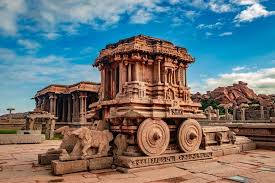
Ph.D. in Ancient History
Ph.D. in Ancient History is an advanced research degree that focuses on the study of ancient civilizations, cultures, and historical events from prehistory to the Middle Ages. The program, which ty...
Ph.D. in Ancient History
×Ph.D. in Ancient History is an advanced research degree that focuses on the study of ancient civilizations, cultures, and historical events from prehistory to the Middle Ages. The program, which typically lasts 3-5 years, comprises courses in historiography, archeological methodology, ancient languages, and specific areas like classical antiquity, ancient empires, and religious history. Students undertake original research, examine primary materials, and offer new perspectives on ancient cultures' social, political, and economic processes. Graduates frequently work in academics, museums, cultural heritage groups, or research institutions, advancing our study and preservation of ancient history and cultures.
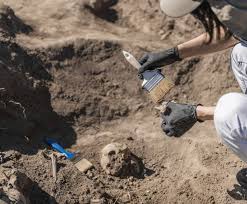
Ph.D. in Archaeology
Ph.D. in Archaeology is a graduate research degree that focuses on the study of human history, civilizations, and society via material remains. The curriculum typically lasts 4-6 years and includes...
Ph.D. in Archaeology
×Ph.D. in Archaeology is a graduate research degree that focuses on the study of human history, civilizations, and society via material remains. The curriculum typically lasts 4-6 years and includes courses in archaeological methodology, field techniques, cultural heritage, and specialty fields such as prehistory, historical archaeology, and bioarchaeology. Students do fieldwork, lab research, and artifact analysis, which contributes to new understandings of ancient civilizations, cultural evolution, and archaeological conservation. Graduates frequently seek professions in academia, museums, government agencies, or historical groups, where they work on excavation projects, preservation efforts, and contribute to the global study and conservation of cultural heritage.
Ph.D. in Anthropology
Ph.D. in Anthropology is a research-intensive degree that examines human communities, cultures, behaviors, and biological evolution over time and geography. The program typically lasts 3-5 years an...
Ph.D. in Anthropology
×Ph.D. in Anthropology is a research-intensive degree that examines human communities, cultures, behaviors, and biological evolution over time and geography. The program typically lasts 3-5 years and includes the four major subfields of anthropology: cultural anthropology, archaeology, biological (physical) anthropology, and linguistic anthropology. Students do unique study on areas such as human evolution, social structures, cultural practices, ethnographic fieldwork, human genetics, and archeology of ancient civilizations. Graduates of the program frequently work in academia, research institutes, museums, government agencies, non-governmental organizations (NGOs), and cultural heritage protection. Admission typically needs a Master's degree in anthropology or a similar subject, as well as good research and analytical skills in ethnographic methodologies, fieldwork, and data analysis.

Ph.D. in Dance
Ph.D. in Dance is an advanced research degree that concentrates on the artistic, cultural, and theoretical aspects of dance. This curriculum normally lasts 3-5 years and combines i...
Ph.D. in Dance
×Ph.D. in Dance is an advanced research degree that concentrates on the artistic, cultural, and theoretical aspects of dance. This curriculum normally lasts 3-5 years and combines intense academic research with practical performance studies. Students studies dance history, choreography, ethnography, performance theory, and the cultural consequences of dance in society. Seminars, independent research, and the completion of a dissertation or thesis that advances knowledge in the discipline are all part of the program. Graduates frequently work as scholars, instructors, choreographers, and researchers, helping to promote and preserve dance as an art form and cultural expression.

Ph.D. in Visual Arts
Ph.D. in Visual Arts is a research-focused program that typically spans 3 - 5 years. It provides an in-depth exploration of artistic practices, theory, and the historical, cultural, and social...
Ph.D. in Visual Arts
×Ph.D. in Visual Arts is a research-focused program that typically spans 3 - 5 years. It provides an in-depth exploration of artistic practices, theory, and the historical, cultural, and social contexts in which art is created. Students develop their own creative projects while contributing original research to the field. The program includes advanced studies in media, art history, and aesthetics, with an emphasis on critical thinking, innovation, and interdisciplinary approaches. Graduates pursue careers as artists, curators, educators, or researchers, contributing to the expansion and evolution of visual arts in both academic and professional spheres.

Ph.D. in Language and Translation
Ph.D. in Language and Translation is a research-focused doctoral program that delves into the theory, practice, and pedagogy of translation across various languages. The course explores lingu...
Ph.D. in Language and Translation
×Ph.D. in Language and Translation is a research-focused doctoral program that delves into the theory, practice, and pedagogy of translation across various languages. The course explores linguistics, cultural studies, translation theories, and the role of translation in bridging communication across global languages. Students conduct original research in translation studies, exploring topics such as machine translation, multilingualism, or literary translation. The program typically spans 3 - 5 years, depending on the institution and research scope. Graduates are prepared for roles in academia, publishing, government, and international organizations, advancing the field through innovative translation research.

Ph.D. in Development Studies
A Ph.D. in Development Studies is typically a 4-6 year program that provides advanced, interdisciplinary training in the critical analysis of global development challenges and the design of innovat...
Ph.D. in Development Studies
×A Ph.D. in Development Studies is typically a 4-6 year program that provides advanced, interdisciplinary training in the critical analysis of global development challenges and the design of innovative, evidence-based solutions. Social justice, environmental sustainability, sustainable livelihoods, poverty alleviation, and the influence of institutions and policies on development outcomes are among the subjects covered in the curriculum. To advance scholarly knowledge of intricate development challenges, students carry out innovative field research, frequently in cooperation with governmental entities, international organizations, or community-based partners. Graduates of this program can use their skills to advance inclusive, equitable, and environmentally responsible development practices in academia, research institutions, international development organizations, non-profit advocacy groups, and government agencies.
Ph.D. in Folklore and Tribal Studies
A Ph.D. in Folklore and Tribal Studies typically takes 4-6 years to complete, offering advanced training in the preservation, analysis, and interpretation of traditional cultural practices, beliefs...
Ph.D. in Folklore and Tribal Studies
×A Ph.D. in Folklore and Tribal Studies typically takes 4-6 years to complete, offering advanced training in the preservation, analysis, and interpretation of traditional cultural practices, beliefs, and knowledge systems. Indigenous storytelling, ritual performance, material culture, and the social dynamics of marginalized communities are among the subjects that students study. In addition to unique fieldwork and a dissertation, the curriculum incorporates training in anthropology, ethnography, and cultural theory. Graduates are ready for jobs in government offices, museums, academia, or advocacy and cultural heritage-focused non-profits. A master's degree in a relevant discipline, prior research experience, and a strong commitment to elevating and conserving marginalized voices and traditions are typically prerequisites for admission.
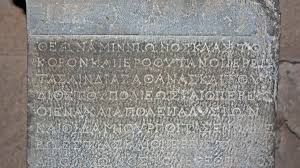
Ph.D. in Epigraphy
Ph.D. in Epigraphy is a specialist research degree that focuses on the study of inscriptions, specifically ancient inscriptions carved on stone, metal, and other materials. The program typically la...
Ph.D. in Epigraphy
×Ph.D. in Epigraphy is a specialist research degree that focuses on the study of inscriptions, specifically ancient inscriptions carved on stone, metal, and other materials. The program typically lasts 3-5 years and covers topics such as decoding ancient scripts, paleography, the historical context of inscriptions, and their function in comprehending ancient civilizations, languages, and cultures. Students conduct unique research on themes such as inscription dating, regional writing system variations, epigraphic study of social, political, and religious life, and epigraphic material preservation. Graduates work in academics, archaeology, museums, archives, and cultural heritage organizations. Admission often needs a Master's degree in history, archaeology, or a related discipline with an emphasis on ancient texts and epigraphy.

Ph.D. in Manuscriptology
Ph.D. in Manuscriptology is a research-oriented program that examines ancient manuscripts, their preservation, and their cultural, historical, and linguistic relevance. The program typically lasts...
Ph.D. in Manuscriptology
×Ph.D. in Manuscriptology is a research-oriented program that examines ancient manuscripts, their preservation, and their cultural, historical, and linguistic relevance. The program typically lasts 3-5 years and covers topics such as paleography, codicology, textual criticism, conservation techniques, and the study of rare manuscripts from many languages and civilizations. Students conduct research on manuscript examination, cataloging, restoration, and historical text interpretation. The program frequently includes research on ancient literary, religious, and philosophical writings. Graduates can work in academics, libraries, museums, archive institutions, or as conservators for cultural heritage groups. A Master's degree in history, archaeology, library science, or a related discipline, with an emphasis on historical texts and manuscript preservation, is typically required for admission.

Ph.D. in Dravidian Culture
Ph.D. in Dravidian Culture is an advanced research degree that focuses on the cultural, linguistic, historical, and social aspects of Dravidian-speaking peoples, particularly in southern India. The...
Ph.D. in Dravidian Culture
×Ph.D. in Dravidian Culture is an advanced research degree that focuses on the cultural, linguistic, historical, and social aspects of Dravidian-speaking peoples, particularly in southern India. The program, which typically lasts 3-5 years, focuses on Dravidian languages (Tamil, Telugu, Kannada, and Malayalam), classical art forms, literature, folklore, philosophy, and religious traditions. Students do unique study on issues such as the formation of Dravidian society, classical music and dance, Dravidian architecture, and Dravidian civilizations' cultural contributions to Indian society. Graduates pursue positions in academia, cultural institutions, research groups, and government sectors concerned with heritage preservation. Admission typically requires a Master's degree in Dravidian studies, history, anthropology, or a comparable discipline with a focus on cultural research.
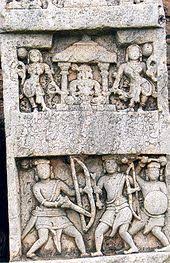
Ph.D. in Kannada Literature
Ph.D. in Kannada Literature is an advanced research program focused on the study of Kannada language, literature, and its cultural, historical, and social contexts. Typically lasting 3-5 years, the...
Ph.D. in Kannada Literature
×Ph.D. in Kannada Literature is an advanced research program focused on the study of Kannada language, literature, and its cultural, historical, and social contexts. Typically lasting 3-5 years, the program covers areas such as classical and modern Kannada literature, poetry, prose, folk traditions, linguistic analysis, and the influence of Kannada literature on regional and national identity. Students engage in original research on literary movements, translation studies, Kannada linguistics, and contemporary issues reflected in literary works. Graduates pursue careers in academia, literary research, translation, publishing, and cultural preservation. Admission generally requires a Master’s degree in Kannada literature or related fields, with strong analytical and research skills.