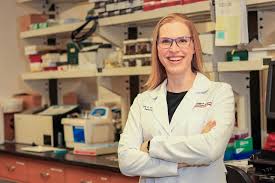
Ph.D. in Veterinary Pathology typically requires 3 - 5 years of study beyond the master's degree, focusing on the study of diseases in animals and their diagnosis. The program encompasses advanced coursework in pathology, microbiology, immunology, and related disciplines, combined with extensive research experience. Candidates are expected to conduct original research, often involving laboratory work, field studies, and clinical observations. A dissertation presenting significant findings is a crucial requirement for graduation. Graduates pursue careers in academia, research institutions, diagnostic laboratories, and veterinary practice, contributing to animal health and disease management, as well as public health initiatives.
.png)
Karnataka Veterinary, Animal and Fisheries Sciences University
Karnataka Veterinary, Animal and Fisheries Sciences University Admission Open
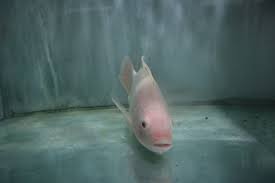
Ph.D. in Aquaculture
Ph.D. in Aquaculture typically spans 3 - 5 years and focuses on advanced studies in fish and shellfish production, aquatic ecosystem management, and sustainable practices. The program involves...
Ph.D. in Aquaculture
×Ph.D. in Aquaculture typically spans 3 - 5 years and focuses on advanced studies in fish and shellfish production, aquatic ecosystem management, and sustainable practices. The program involves rigorous research methodologies, with an emphasis on breeding, nutrition, health management, and environmental impact assessments of aquaculture systems. Students may engage in field studies, laboratory experiments, and data analysis to address challenges in the industry. Coursework often includes subjects like aquatic biology, resource management, and biotechnology. Graduates are prepared for careers in academia, research, government agencies, and the private sector, contributing to the advancement of sustainable aquaculture practices.
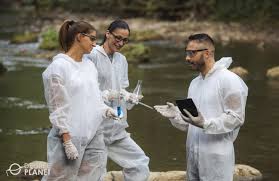
Ph.D. in Aquatic Environment Management
Ph.D. in Aquatic Environment Management focuses on the long-term management and protection of aquatic ecosystems, including freshwater and marine. The curriculum typically lasts 3 to 5 years...
Ph.D. in Aquatic Environment Management
× Ph.D. in Aquatic Environment Management focuses on the long-term management and protection of aquatic ecosystems, including freshwater and marine. The curriculum typically lasts 3 to 5 years and includes coursework in environmental science, ecology, water resource management, and environmental policy, as well as original research. Students learn about water quality management, aquatic biodiversity protection, the effects of climate change on aquatic systems, and how to use marine and freshwater resources sustainably. Pollution control measures, habitat restoration, and ecosystem services may all be developed through research. Graduates are equipped for positions in academia, government agencies, environmental non-governmental organizations (NGOs), or industries that deal with water resources and environmental protection.
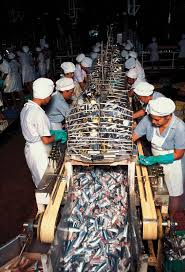
Ph.D. in Fish Processing Technology
Ph.D. in Fish Processing Technology examines the scientific and technological aspects of fish preservation, processing, and value-added products. The program typically lasts 3 to 5 years and integr...
Ph.D. in Fish Processing Technology
×Ph.D. in Fish Processing Technology examines the scientific and technological aspects of fish preservation, processing, and value-added products. The program typically lasts 3 to 5 years and integrates instruction in food science, biochemistry, microbiology, and aquaculture with original research. Students learn about fish preservation methods (freezing, drying, canning), processing processes, quality control, and the creation of novel products such as seafood-based functional foods. Research may also focus on sustainability in the fish processing business, waste management, and food safety. Graduates are prepared to work in academia, research institutions, the food industry, or government, contributing to advances in seafood production, processing, and technology.
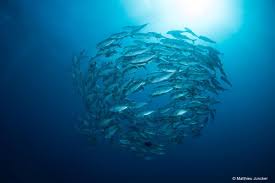
Ph.D. in Fisheries Resource Management
Ph.D. in Fisheries Resource Management focuses on the sustainable management and conservation of fishery resources by combining ecological concepts with resource economics and policy. The pro...
Ph.D. in Fisheries Resource Management
× Ph.D. in Fisheries Resource Management focuses on the sustainable management and conservation of fishery resources by combining ecological concepts with resource economics and policy. The program typically lasts 3 to 5 years and includes instruction in aquatic ecology, marine biology, resource economics, and environmental management, as well as extensive research. Students study fish population dynamics, habitat management, fisheries conservation, and the effects of climate change on aquatic ecosystems. Research may include the development of sustainable fishing practices, fisheries policy, and biodiversity conservation. Graduates are equipped for positions in government agencies, research institutions, non-governmental organizations (NGOs), or the commercial sector that promote sustainable fisheries management and conservation.
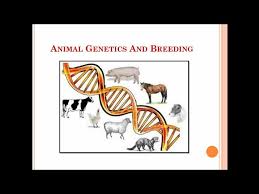
Ph.D. in Animal Genetics And Breeding
Ph.D. in Animal Genetics and Breeding focuses on the use of genetic ideas and breeding techniques to improve the quality, productivity, and health of livestock and companion animals. The cour...
Ph.D. in Animal Genetics And Breeding
× Ph.D. in Animal Genetics and Breeding focuses on the use of genetic ideas and breeding techniques to improve the quality, productivity, and health of livestock and companion animals. The course of study, which typically lasts 3-5 years, integrates courses in molecular genetics, genomics, animal breeding tactics, and reproductive technology with original research. Students learn about genetic selection, gene mapping, heredity, and the role of genetics in illness resistance and performance attributes. Graduates are prepared to work in academia, research, breeding programs, or agricultural sectors, helping to enhance livestock improvement, conservation genetics, and the establishment of high-performance animal populations.
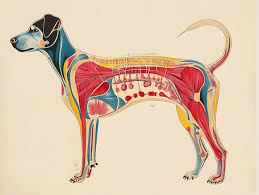
Ph.D. in Veterinary Anatomy
Ph.D. in Veterinary Anatomy studies the structure and function of animal organs, tissues, and systems, offering a thorough understanding of comparative anatomy, histology, and developmental biology...
Ph.D. in Veterinary Anatomy
×Ph.D. in Veterinary Anatomy studies the structure and function of animal organs, tissues, and systems, offering a thorough understanding of comparative anatomy, histology, and developmental biology. The degree typically lasts 3 to 5 years and includes courses in anatomy, physiology, embryology, and neuroanatomy as well as extensive research. Students study anatomical distinctions across species, organ system development, and the relationship between structure and function in veterinary medicine. Graduates are prepared to work in academia, research institutions, and veterinary practice, helping to advance surgical techniques, diagnostics, and the creation of new veterinary therapies and instructional approaches.
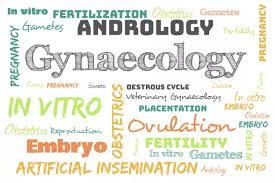
Ph.D. in Veterinary Gynaecology And Obstetrics
Ph.D. in Veterinary Gynaecology and Obstetrics is concerned with animal reproductive health, namely the diagnosis, treatment, and management of reproductive abnormalities in both large and sm...
Ph.D. in Veterinary Gynaecology And Obstetrics
× Ph.D. in Veterinary Gynaecology and Obstetrics is concerned with animal reproductive health, namely the diagnosis, treatment, and management of reproductive abnormalities in both large and small animals. The program typically lasts 3 to 5 years and includes instruction in veterinary anatomy, endocrinology, obstetrics, and reproductive technology, as well as extensive research. Students study fertility management, artificial insemination, embryo transfer, pregnancy problems, and surgical techniques in veterinary obstetrics. Graduates are prepared to work in academia, veterinary practice, or research, furthering our understanding of animal reproduction and enhancing reproductive health management in cattle, companion animals, and wildlife.

Ph.D. in Veterinary Medicine
Ph.D. in Veterinary Medicine is a high-level research degree that focuses on animal health, disease prevention, diagnostics, and therapy. The program, which typically lasts 3-5 years, in...
Ph.D. in Veterinary Medicine
× Ph.D. in Veterinary Medicine is a high-level research degree that focuses on animal health, disease prevention, diagnostics, and therapy. The program, which typically lasts 3-5 years, integrates instruction in advanced veterinary sciences, pathology, microbiology, pharmacology, and clinical practice with original research. Students study zoonotic illnesses, animal surgery, veterinary immunology, and veterinary epidemiology. The program prepares graduates for careers in academia, veterinary research, government, and clinical practice, where they can help advance veterinary knowledge, improve animal healthcare, and develop novel solutions for treating and preventing diseases in a variety of animal species.
Ph.D. in Veterinary Microbiology
Ph.D. in Veterinary Microbiology studies microorganisms such as bacteria, viruses, fungi, and parasites that harm animals and have an impact on veterinary care. The program, which typically l...
Ph.D. in Veterinary Microbiology
× Ph.D. in Veterinary Microbiology studies microorganisms such as bacteria, viruses, fungi, and parasites that harm animals and have an impact on veterinary care. The program, which typically lasts 3 to 5 years, integrates training in microbiology, immunology, molecular biology, and veterinary medicine with intensive research. Students study infectious diseases in animals, microbial pathogenesis, vaccine development, antibiotic resistance, and diagnostic procedures. Graduates are prepared for positions in academia, research institutes, veterinary diagnostics, and public health, where they can advance knowledge of animal diseases, improve diagnostic methods, and help develop vaccines and medicines to protect both animal and human health.
Ph.D. in Veterinary Parasitology
Ph.D. in Veterinary Parasitology studies parasites that infect animals, including their biology, life cycles, transmission, and influence on health. The curriculum, which typically lasts 3-5&...
Ph.D. in Veterinary Parasitology
× Ph.D. in Veterinary Parasitology studies parasites that infect animals, including their biology, life cycles, transmission, and influence on health. The curriculum, which typically lasts 3-5 years, integrates courses in parasitology, immunology, veterinary medicine, and epidemiology with original research. Students learn about zoonotic parasites, vector-borne diseases, parasitic infections in cattle, wildlife, and companion animals, as well as management and prevention measures. Graduates are equipped for positions in academia, veterinary practice, research institutions, and public health organizations, where they can help develop effective therapies, control programs, and preventive measures to mitigate the burden of parasite infections.
Ph.D. in Veterinary Physiology
Ph.D. in Veterinary Physiology studies physiological processes in animals, including as the function of organs, tissues, and biological systems. The program, which typically lasts 3-5 ye...
Ph.D. in Veterinary Physiology
× Ph.D. in Veterinary Physiology studies physiological processes in animals, including as the function of organs, tissues, and biological systems. The program, which typically lasts 3-5 years, integrates courses in anatomy, biochemistry, endocrinology, and molecular biology with extensive research. Students study cardiovascular physiology, respiratory systems, reproductive health, and metabolic regulation in veterinary species. Research may also include comparative physiology and the effects of environmental stressors on animal health. Graduates are prepared to work in academia, research institutions, or veterinary medicine, helping to promote animal health, disease prevention, and clinical treatments.
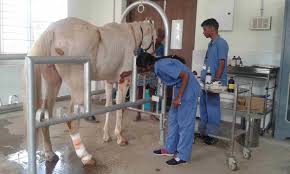
Ph.D. in Veterinary Surgery And Radiology
Ph.D. in Veterinary Surgery and Radiology is a graduate research program that focuses on surgical procedures and diagnostic imaging in veterinary medicine. The program typically lasts 3 to 5...
Ph.D. in Veterinary Surgery And Radiology
× Ph.D. in Veterinary Surgery and Radiology is a graduate research program that focuses on surgical procedures and diagnostic imaging in veterinary medicine. The program typically lasts 3 to 5 years and integrates instruction in surgery, radiography, anatomy, and clinical practices with original research. Students learn about surgical interventions in animals, diagnostic imaging (X-ray, ultrasound, CT, MRI), and the creation of innovative approaches for animal care. Anesthesiology, post-surgical recuperation, and enhanced radiological diagnostics are all possible topics for research. Graduates are prepared for jobs in academia, specialized veterinary practice, or research, with the goal of improving veterinary care through advancements in animal surgery and imaging technology.
Ph.D. in Dairy Microbiology
Ph.D. in Dairy Microbiology specializes in the study of microorganisms found in dairy products, particularly their function in fermentation, spoilage, and food safety. The program lasts 3 to 5 year...
Ph.D. in Dairy Microbiology
×Ph.D. in Dairy Microbiology specializes in the study of microorganisms found in dairy products, particularly their function in fermentation, spoilage, and food safety. The program lasts 3 to 5 years and includes instruction in microbiology, molecular biology, food safety, and biotechnology, as well as hands-on research. Students look into the microbiological elements of milk and dairy product production, quality control, and preservation methods. Key themes include bacterial cultures in cheese and yogurt, dairy diseases, and probiotic research. Graduates are prepared to work in academia, food industries, research organizations, and regulatory agencies, helping to advance dairy microbiology, food safety, and product development.
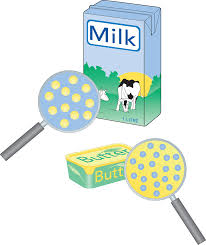
Ph.D. in Dairy Chemistry
Ph.D. in Dairy Chemistry studies the chemical composition, characteristics, and processes of dairy products. The program typically lasts 3 to 5 years and includes advanced training in organic...
Ph.D. in Dairy Chemistry
×Ph.D. in Dairy Chemistry studies the chemical composition, characteristics, and processes of dairy products. The program typically lasts 3 to 5 years and includes advanced training in organic chemistry, analytical techniques, food science, and biochemistry, as well as original research. Students investigate the molecular structure of milk components, chemical reactions occurring during dairy processing, and how they affect product quality, flavor, and nutrition. Milk proteins, lipids, enzymes, and the chemistry of fermentation in dairy products such as cheese and yogurt are among the topics under investigation. Graduates are equipped for positions in academia, food industries, research institutes, and quality control, which advance breakthroughs in dairy product creation and processing.
Ph.D. in Dairy Technology
Ph.D. in Dairy Technology examines the scientific and technological aspects of milk and dairy product production, processing, and preservation. The program typically lasts 3 to 5 years and in...
Ph.D. in Dairy Technology
×Ph.D. in Dairy Technology examines the scientific and technological aspects of milk and dairy product production, processing, and preservation. The program typically lasts 3 to 5 years and includes instruction in food science, microbiology, biochemistry, and engineering as well as extensive research. Students learn about dairy fermentation, product development, quality control, and packaging and storage innovations. They also investigate the effects of dairy processing on nutritional value and safety. Graduates are prepared to work in academia, research institutes, dairy production firms, and the food industry, helping to promote dairy processing technology, product development, and dairy sector sustainability.

Ph.D. in Histology
Ph.D. in Histology is a specialized research-focused program that delves into the study of tissues and their structures under a microscope. This doctoral course involves advanced training in tissue...
Ph.D. in Histology
×Ph.D. in Histology is a specialized research-focused program that delves into the study of tissues and their structures under a microscope. This doctoral course involves advanced training in tissue preparation, staining techniques, and microscopic examination. Students engage in cutting-edge research to explore cellular morphology, histopathology, and tissue functions in health and disease. The typical duration of a Ph.D. in Histology is 3 - 5 years, depending on the research project and university requirements. Graduates often pursue careers in academic research, pathology, and clinical diagnostics, contributing to advancements in medical science, particularly in cancer research, immunology, and regenerative medicine.
Ph.D. in Poultry Science
A Ph.D. in Poultry Science typically takes 3-5 years to complete and offers an in-depth exploration of avian biology, nutrition, genetics, and poultry production systems. The curriculum culminate i...
Ph.D. in Poultry Science
×A Ph.D. in Poultry Science typically takes 3-5 years to complete and offers an in-depth exploration of avian biology, nutrition, genetics, and poultry production systems. The curriculum culminate in a dissertation by combining unique research with advanced courses. Students study issues such flock management, sustainable agricultural methods, the health of poultry, and the quality of eggs and meat. Advanced technologies are frequently used in research in fields including precision agriculture, immunology, and genomics. In order to obtain practical experience in contemporary poultry facilities, candidates may work with industry partners and research organizations. Graduates with this degree are prepared to handle issues related to food security, animal welfare, and environmental sustainability in the poultry business, as well as leadership positions in academia, research organizations, government agencies, and the poultry industry.
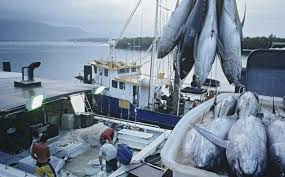
Ph.D. in Fisheries Microbiology
Ph.D. in Fisheries Microbiology is a research-based program that focuses on the study of microorganisms in aquatic ecosystems, particularly fisheries and aquaculture. The curriculum, which typicall...
Ph.D. in Fisheries Microbiology
×Ph.D. in Fisheries Microbiology is a research-based program that focuses on the study of microorganisms in aquatic ecosystems, particularly fisheries and aquaculture. The curriculum, which typically lasts 3-5 years, focuses on microbial ecology, fish illnesses, water quality management, pathogen control, and the function of microorganisms in the health and productivity of aquatic species. Students perform unique research on areas such as microbial interactions in fish habitats, biocontrol strategies for aquatic infections, and sustainable aquaculture practices. Graduates pursue positions in academia, research institutes, government organizations, and the fisheries and aquaculture businesses. Admission normally requires a Master's degree in microbiology, aquaculture, or a related discipline, as well as good research and laboratory skills.
POPULAR COURSES
(D.ED(TCH))
A.N.M.
Acharya - Navyavyakarna
Acharya - Phalita Jyotisha
Acharya - Sanskrit Sahitya
Acharya - Siddhanta Jyotisha
Adobe Photoshop
Advance Certificate Course in Beauty Therapy
Advance Certificate Course in Cosmetology
Advance Certificate Course in Hair Dressing
Advance Certificate Course in Makeup Artistry
Advance certificate Course in Nail Technology
Advance Diploma in Anesthesia Technology
Advance Diploma In Child Guidance And Counselling
Advance Diploma in Dialysis Technology
Advance Diploma in Disciples India
Advance Diploma in Fashion Design & Technology
Advance Diploma in Industrial Safety
Advance Diploma In Insurance Sales
Advance Diploma in Interior Designing
Advance Diploma in Journalism & Mass Communication
Advance Diploma in Medical Lab Technology
Advance Diploma in Operation Theatre Technology
Advance Diploma in Radiology & Imaging Technology
Advance Diploma of Proficiency in French
Advance Diploma of Proficiency in German
Advance Diploma of Proficiency in Russian
Advanced Certificate in Medical Microbiology Laboratory Technology (ACMMLT)
Advanced Certified Software Developer
Advanced Diploma in 3D Printing Technology
Advanced Diploma in Animation
Advanced Diploma in Aviation, Hospitality and Tourism
Advanced Diploma in Computer Application
Advanced Diploma in Computer Software, System Analysis & Application
Advanced Diploma in Data Science
Advanced Diploma in Hardware And Networking
Advanced Diploma in Information Technology
Advanced Diploma in Machine Learning
Advanced Diploma in Multimedia Programming
Advanced Diploma in Networking
Advanced Diploma in Sound Recording Technology
Advanced Diploma in Textile Design
Advanced Diploma in Vastu and Jyotish
Agriculture & Allied Services
Agriculture & Horticulture
Agriculture & Live Stock Production
Agriculture Technology
AHDP Diploma In Animal Husbandry Program
Arogyamitra
Artificial Intelligence And Machine Learning
Automobile Technology
B,Com. in Computer Application
B. Sc. Hons. in Anaesthesia & Operation Theatre Technology
B. Sc. Hons. in Emergency Medical Technology
B. Sc. Hons.in Medical Laboratory Technology
B. Sc. in Hospitality and Tourism Management
B. Tech. in Fisheries Engineering
B. Tech. in Leather technology
B.A. General
B.A. B.Ed.
Popular Stream
State
Andaman and Nicobar Island (UT)
Andaman and Nicobar Islands
Andhra Pradesh
Arunachal Pradesh
Assam
Bihar
Chandigarh
Chandigarh (UT)
Chhattisgarh
Dadra and Nagar
Dadra and Nagar Haveli
Dadra and Nagar Haveli (UT)
Daman and Diu
Daman and Diu (UT)
Delhi
Delhi (NCT)
Donets'k
Goa
Gujarat
Gujarat
Haryana
Himachal Pradesh
Jammu and Kashmir
Jammu and Kashmir(UT)
Jharkhand
jjj
Karnataka
Kerala
Ladakh(UT)
Lakshadweep
LAKSHADWEEP (UT)
Madhya Pradesh
Maharashtra
Manipur
Meghalaya
Mizoram
Nagaland
Niigata
Odisha
Puducherry