
Ph.D. in Environmental Science normally lasts 3-5 years and focuses on advanced study on key environmental challenges. The program includes difficult courses in ecological theory, environmental policy, sustainability, and advanced research methods. Students conduct original research, which frequently includes fieldwork, data analysis, and interdisciplinary cooperation, culminating in a dissertation that adds to the body of knowledge in the discipline. Candidates may study climate change, conservation biology, environmental chemistry, or ecosystem management. The curriculum prepares graduates for positions in academia, government agencies, non-profit organizations, and the commercial sector, with an emphasis on practical solutions to environmental issues.
Kerala University of Fisheries & Ocean Studies
Kerala University of Fisheries & Ocean Studies Admission Open
Ph.D. in Remote Sensing & GIS Applications
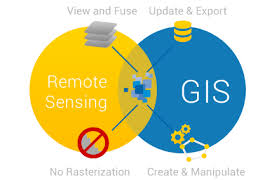
Ph.D. in Remote Sensing and GIS Applications is a research-oriented program that uses geographic information systems (GIS) and remote sensing technology to examine and analyze spatial data. The pro...
Ph.D. in Remote Sensing & GIS Applications
×Ph.D. in Remote Sensing and GIS Applications is a research-oriented program that uses geographic information systems (GIS) and remote sensing technology to examine and analyze spatial data. The program typically lasts three to five years and covers topics such as satellite imagery analysis, spatial data modeling, environmental monitoring, urban planning, and natural resource management. Students undertake innovative research on remote sensing and GIS tools for use in agriculture, climate change, disaster management, and land-use planning. The curriculum covers coursework in data analysis, geospatial technology, and research methods, which culminates in a dissertation. Graduates frequently pursue positions in academia, environmental research, government organizations, or enterprises that use geospatial data.

Ph.D. in Climate Change & Ecological Studies
Ph.D. in Climate Change & Ecological Studies is a rigorous program that typically spans 3 - 5 years. It focuses on understanding the complex interactions between climate change and ecologi...
Ph.D. in Climate Change & Ecological Studies
×Ph.D. in Climate Change & Ecological Studies is a rigorous program that typically spans 3 - 5 years. It focuses on understanding the complex interactions between climate change and ecological systems. The curriculum includes advanced coursework in environmental science, ecology, climate modeling, and sustainability, alongside extensive research components. Students are expected to engage in original research that contributes to the field, often culminating in a dissertation. Emphasis is placed on interdisciplinary approaches, integrating social, economic, and environmental perspectives. Graduates are prepared for careers in academia, research institutions, government agencies, and non-profit organizations focused on environmental issues.

Ph.D. in Disaster Studies
Ph.D. in Disaster Studies is a research-based program that focuses on understanding the origins, consequences, and management of natural and man-made catastrophes. The curriculum typically lasts 3-...
Ph.D. in Disaster Studies
×Ph.D. in Disaster Studies is a research-based program that focuses on understanding the origins, consequences, and management of natural and man-made catastrophes. The curriculum typically lasts 3-5 years and covers themes such as disaster risk reduction, emergency management, humanitarian relief, climate change, environmental hazards, resilience building, and post-disaster rehabilitation. Students do multidisciplinary research, combining sociology, geography, environmental science, public policy, and engineering to develop catastrophe preparedness, response, and mitigation techniques. Graduates can work in academics, government agencies, non-governmental organizations (NGOs), international organizations, or consulting firms that specialize in disaster management and risk assessment. Admission typically needs a Master's degree in environmental science, public policy, sociology, or a related discipline, as well as extensive research experience.