
A Ph.D. in Biochemistry normally takes 4-6 years to complete, with a concentration on the chemical processes found within and related to living organisms. This advanced degree needs intensive laboratory research, data analysis, and the creation of a unique thesis. Students analyze molecular biology, enzymology, and cellular metabolism. The program often involves coursework, teaching assistantships, and the publication of research publications. Graduates have the ability to pursue careers in academia, pharmaceutical research, biotechnology, and allied fields. The doctoral program develops critical thinking, problem-solving abilities, and the ability to design and conduct autonomous research, resulting in important contributions to the field of biochemistry and related life sciences.

King Georges Medical University
King Georges Medical University Admission Open

Ph.D. in Virology
Ph.D. in Virology is a research-intensive program that normally lasts 3-5 years and focuses on virus structure, genetics, and interactions with hosts. The program includes advanced courses in molec...
Ph.D. in Virology
×Ph.D. in Virology is a research-intensive program that normally lasts 3-5 years and focuses on virus structure, genetics, and interactions with hosts. The program includes advanced courses in molecular biology, immunology, and infectious illnesses, as well as intensive laboratory research. Candidates focus on finding viral processes, creating antiviral treatments, and comprehending viral development and disease. This degree culminates in a dissertation that presents unique research and provides fresh insights into the field. Graduates have the skills for jobs in academia, biomedical research, public health, and biotechnology, with specializations in virology and infectious disease management.
Ph.D. in Toxicology
Ph.D. in Toxicology typically takes 3 - 5 years to complete and focuses on the study of harmful substances and their effects on living organisms. The program encompasses a range of disciplines, inc...
Ph.D. in Toxicology
×Ph.D. in Toxicology typically takes 3 - 5 years to complete and focuses on the study of harmful substances and their effects on living organisms. The program encompasses a range of disciplines, including biology, chemistry, pharmacology, and environmental science. Students engage in advanced coursework, and laboratory research, and often complete a dissertation based on original research in areas such as drug toxicity, environmental toxicology, or risk assessment. This degree prepares graduates for careers in academia, industry, regulatory agencies, or public health, where they contribute to understanding and mitigating the risks associated with toxic substances.

Ph.D. in Medical Microbiology
A doctorate degree in medical microbiology, which focuses on research, normally takes approximately 4-6 years to finish. Advanced training in the study of microbes, their interactions with hos...
Ph.D. in Medical Microbiology
×A doctorate degree in medical microbiology, which focuses on research, normally takes approximately 4-6 years to finish. Advanced training in the study of microbes, their interactions with hosts, and their role in illness is offered by the program. Microbial pathogenesis, immunology, epidemiology, and laboratory procedures are among the subjects covered in the coursework. Students show their proficiency in a particular field of medical microbiology by conducting original research, publishing findings, and defending a dissertation. Graduates are equipped for jobs in public health, academia, pharmaceutical and biotech research, and other domains that need proficiency in the identification, management, and prevention of infectious illnesses.

Ph.D. in Biomedical Engineering
Applying engineering concepts to healthcare and medical technologies is the main focus of a Ph.D. in Biomedical Engineering, which normally takes 4 -6 years to finish. The curriculum blends in...
Ph.D. in Biomedical Engineering
×Applying engineering concepts to healthcare and medical technologies is the main focus of a Ph.D. in Biomedical Engineering, which normally takes 4 -6 years to finish. The curriculum blends in-depth research into creating novel solutions for medical problems with courses in biomaterials, biomechanics, medical imaging, bioinformatics, and tissue engineering. Students work on projects pertaining to drug delivery systems, rehabilitation, diagnostics, and prosthetics. A solid background in biology, engineering, or similar disciplines is typically required for admission. Graduates can advance the knowledge and implementation of medical technologies through professions in academia, pharmaceuticals, medical research, or high-tech biomedical firms.

Ph.D. in Immunology
A Ph.D. in Immunology is a research-oriented program that investigates the immune system, including cellular and molecular mechanisms, immunological responses, and the role of immunity in disease....
Ph.D. in Immunology
×A Ph.D. in Immunology is a research-oriented program that investigates the immune system, including cellular and molecular mechanisms, immunological responses, and the role of immunity in disease. The curriculum typically lasts 3 to 5 years and covers topics such as immunogenetics, autoimmune disorders, immunotherapy, vaccinations, and cancer immunology. Students do experimental research, using techniques such as flow cytometry, molecular biology, and cell culture to investigate immunological functions and interactions. In general, admission requires a Master's degree in Immunology, Biochemistry, or a closely related subject. Graduates pursue positions in academic research, biotechnology, pharmaceuticals, or healthcare, helping to promote immunotherapy and vaccine development.

Ph.D. in Pharmacology
Ph.D. in Pharmacology is a research-based program that investigates pharmaceuticals, their effects on the human body, and therapeutic possibilities. The program typically lasts 3-5 years and c...
Ph.D. in Pharmacology
×Ph.D. in Pharmacology is a research-based program that investigates pharmaceuticals, their effects on the human body, and therapeutic possibilities. The program typically lasts 3-5 years and covers topics such as drug mechanisms, toxicology, pharmacokinetics, pharmacodynamics, and drug development. Students perform unique research to examine how medications interact with biological systems, focusing on the molecular and physiological impacts of diverse substances. The program comprises courses in biochemistry, physiology, and drug chemistry, as well as research methodology and a dissertation. Graduates frequently pursue positions in academic research, the pharmaceutical sector, regulatory agencies, and healthcare.
Ph.D. in Anatomy
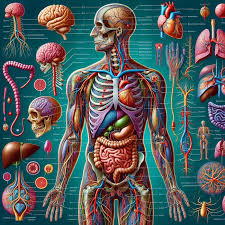
Ph.D. in Anatomy is a specialized research degree that examines the structure of the human body and its many systems. The program typically lasts 3 to 5 years and includes extensive training in sub...
Ph.D. in Anatomy
×Ph.D. in Anatomy is a specialized research degree that examines the structure of the human body and its many systems. The program typically lasts 3 to 5 years and includes extensive training in subjects including as histology, neuroanatomy, developmental biology, and functional anatomy. Students do laboratory-based research, employing tools such as microscopy and molecular biology to investigate the complexity of tissue structure and organ function. The curriculum culminates in a dissertation that advances knowledge in the field. Graduates pursue positions in academia, medical education, research institutions, and the healthcare industry.

Ph.D. in Neuro Science
Ph.D. in Neuroscience is a research-focused doctoral program that explores the complexities of the nervous system, brain function, and behavior. This rigorous program typically spans 4–6 year...
Ph.D. in Neuro Science
×Ph.D. in Neuroscience is a research-focused doctoral program that explores the complexities of the nervous system, brain function, and behavior. This rigorous program typically spans 4–6 years, depending on the research area and completion time of the dissertation. It involves in-depth study in fields such as cellular and molecular neuroscience, neuropharmacology, cognitive neuroscience, and neural circuitry, using advanced lab techniques and methodologies. Students often collaborate on interdisciplinary projects, publish research, and present findings at conferences. Graduates are prepared for careers in academia, biotechnology, healthcare, and pharmaceutical research, contributing to advancements in understanding and treating neurological conditions.

Ph.D. in Public Health
Ph.D. in Public Health is an advanced research degree focused on developing expertise in public health practices, epidemiology, and health policy. Typically completed in 3 - 5 years, the program co...
Ph.D. in Public Health
×Ph.D. in Public Health is an advanced research degree focused on developing expertise in public health practices, epidemiology, and health policy. Typically completed in 3 - 5 years, the program combines rigorous coursework with original research, allowing candidates to specialize in areas like epidemiology, health systems, global health, or biostatistics. Students are trained in advanced methodologies for assessing health outcomes, managing public health initiatives, and addressing health disparities. Graduates are prepared for careers in academia, research institutions, government health agencies, or NGOs, where they can influence health policy, lead public health programs, and conduct impactful research.

Ph.D. in Human Genetics
Ph.D. in Human Genetics normally takes 4-6 years to accomplish and entails extensive study and research in the field of genetics and its application to human health and illness. The curriculum inte...
Ph.D. in Human Genetics
×Ph.D. in Human Genetics normally takes 4-6 years to accomplish and entails extensive study and research in the field of genetics and its application to human health and illness. The curriculum integrates advanced genetics, molecular biology, and bioinformatics courses with unique research that leads to a doctoral dissertation. Students acquire knowledge of genetic analysis, genomic technologies, and statistical methodologies. They investigate issues such as hereditary illnesses, gene therapy, and personalised medicine. The curriculum frequently includes laboratory rotations, seminars, and opportunity to present research at conferences. Graduates are prepared for positions in academic research, biotechnology, pharmaceutical businesses, or genetic counseling, all of which contribute to a better understanding of human genetic variation and its effects on health.

Ph.D. in Veterinary Public Health And Epidemiology
Ph.D. in Veterinary Public Health And Epidemiology, where we bridge the gap between formal education and practical skills acquisition...