Ph.D. in Animal Biotechnology explores the use of biotechnological techniques to improve animal health, breeding, and productivity. The program typically lasts 3 to 5 years and includes instruction in molecular biology, genetics, bioinformatics, and immunology as well as extensive research. Students learn about cutting-edge issues such as genetic engineering, cloning, transgenics, stem cell research, and gene editing technologies like CRISPR. Animal illness models, biopharmaceutical development, and livestock productivity improvement are all possible topics for research. Graduates are prepared to work in academia, research institutes, pharmaceutical corporations, or biotechnology firms, helping to progress animal genetics, health management, and the creation of novel biotechnological solutions.
.png)
Lala Lajpat Rai University of Veterinary and Animal Sciences
Lala Lajpat Rai University of Veterinary and Animal Sciences Admission Open
Ph.D. in Animal Biotechnology
Ph.D. in Animal Biotechnology explores the use of biotechnological techniques to improve animal health, breeding, and productivity. The program typically lasts 3 to 5 years and includes instr...
Ph.D. in Animal Biotechnology
×
Ph.D. in Animal Genetics And Breeding
Ph.D. in Animal Genetics and Breeding focuses on the use of genetic ideas and breeding techniques to improve the quality, productivity, and health of livestock and companion animals. The cour...
Ph.D. in Animal Genetics And Breeding
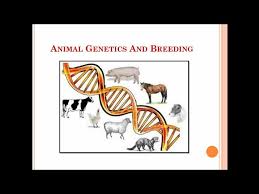
× Ph.D. in Animal Genetics and Breeding focuses on the use of genetic ideas and breeding techniques to improve the quality, productivity, and health of livestock and companion animals. The course of study, which typically lasts 3-5 years, integrates courses in molecular genetics, genomics, animal breeding tactics, and reproductive technology with original research. Students learn about genetic selection, gene mapping, heredity, and the role of genetics in illness resistance and performance attributes. Graduates are prepared to work in academia, research, breeding programs, or agricultural sectors, helping to enhance livestock improvement, conservation genetics, and the establishment of high-performance animal populations.
Ph.D. in Animal Nutrition
Ph.D. in Animal Nutrition investigates animal diets, digestive processes, and the impact of nutrients in growth, reproduction, and overall health. The program, which typically lasts 3-5 ...
Ph.D. in Animal Nutrition
×Ph.D. in Animal Nutrition investigates animal diets, digestive processes, and the impact of nutrients in growth, reproduction, and overall health. The program, which typically lasts 3-5 years, integrates training in biochemistry, physiology, feed composition, and metabolic studies with original research. Students investigate food metabolism, the effect of nutrition on animal performance, and the development of long-term and cost-effective feeding methods for varied species. Graduates are prepared to work in academia, research, the animal feed industry, or agricultural organizations, helping to improve animal health, productivity, and sustainable farming techniques.

Ph.D. in Livestock Products Technology
Ph.D. in Livestock Products Technology studies the science and technology that underpins the production, processing, and quality control of animal-based goods such as meat, milk, eggs, and le...
Ph.D. in Livestock Products Technology
× Ph.D. in Livestock Products Technology studies the science and technology that underpins the production, processing, and quality control of animal-based goods such as meat, milk, eggs, and leather. The program typically lasts 3 to 5 years and includes instruction in food science, biochemistry, microbiology, and animal husbandry as well as extensive research. Students learn about meat and dairy processing, food safety, quality assurance, and new ways to preserve and enhance livestock products. Graduates are prepared to work in academia, the food industry, government regulatory agencies, and research organizations, helping to promote food safety, sustainability, and the creation of new livestock-based products.
Ph.D. in Veterinary Anatomy
Ph.D. in Veterinary Anatomy studies the structure and function of animal organs, tissues, and systems, offering a thorough understanding of comparative anatomy, histology, and developmental biology...
Ph.D. in Veterinary Anatomy
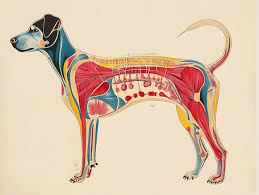
×Ph.D. in Veterinary Anatomy studies the structure and function of animal organs, tissues, and systems, offering a thorough understanding of comparative anatomy, histology, and developmental biology. The degree typically lasts 3 to 5 years and includes courses in anatomy, physiology, embryology, and neuroanatomy as well as extensive research. Students study anatomical distinctions across species, organ system development, and the relationship between structure and function in veterinary medicine. Graduates are prepared to work in academia, research institutions, and veterinary practice, helping to advance surgical techniques, diagnostics, and the creation of new veterinary therapies and instructional approaches.
Ph.D. in Veterinary Biochemistry
PhD in Veterinary Biochemistry studies the molecular and biochemical processes that underpin animal health, disease, and nutrition. The program, which typically lasts 3-5 years, integrat...
Ph.D. in Veterinary Biochemistry
× PhD in Veterinary Biochemistry studies the molecular and biochemical processes that underpin animal health, disease, and nutrition. The program, which typically lasts 3-5 years, integrates instruction in biochemistry, molecular biology, physiology, and veterinary medicine with original research. Students study enzyme function, metabolic problems, protein synthesis, and the biochemistry of veterinary diseases. Animal nutrition, drug metabolism, and diagnostic tool development are all possible topics for research. Graduates are prepared to work in academia, veterinary research, pharmaceuticals, and diagnostic laboratories, helping to promote animal health, illness prevention, and the development of targeted treatments.

Ph.D. in Veterinary And Animal Husbandry Extension Education
Ph.D. in Veterinary and Animal Husbandry Extension Education aims to improve the spread of information and best practices in veterinary care and animal husbandry in rural communities. The curriculu...
Ph.D. in Veterinary And Animal Husbandry Extension Education
×Ph.D. in Veterinary and Animal Husbandry Extension Education aims to improve the spread of information and best practices in veterinary care and animal husbandry in rural communities. The curriculum, which typically lasts 3-5 years, integrates courses in extension techniques, agricultural education, veterinary sciences, and rural development with field research. Students learn about animal health management, livestock production methods, community engagement, and the role of extension services in increasing agricultural output. Graduates are prepared for positions in academia, government agencies, non-governmental organizations (NGOs), and rural development groups, where they can help develop and implement successful teaching programs to promote sustainable animal husbandry methods.
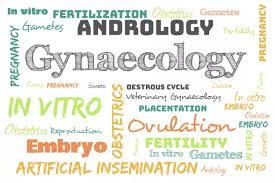
Ph.D. in Veterinary Gynaecology And Obstetrics
Ph.D. in Veterinary Gynaecology and Obstetrics is concerned with animal reproductive health, namely the diagnosis, treatment, and management of reproductive abnormalities in both large and sm...
Ph.D. in Veterinary Gynaecology And Obstetrics
× Ph.D. in Veterinary Gynaecology and Obstetrics is concerned with animal reproductive health, namely the diagnosis, treatment, and management of reproductive abnormalities in both large and small animals. The program typically lasts 3 to 5 years and includes instruction in veterinary anatomy, endocrinology, obstetrics, and reproductive technology, as well as extensive research. Students study fertility management, artificial insemination, embryo transfer, pregnancy problems, and surgical techniques in veterinary obstetrics. Graduates are prepared to work in academia, veterinary practice, or research, furthering our understanding of animal reproduction and enhancing reproductive health management in cattle, companion animals, and wildlife.

Ph.D. in Veterinary Medicine
Ph.D. in Veterinary Medicine is a high-level research degree that focuses on animal health, disease prevention, diagnostics, and therapy. The program, which typically lasts 3-5 years, in...
Ph.D. in Veterinary Medicine
× Ph.D. in Veterinary Medicine is a high-level research degree that focuses on animal health, disease prevention, diagnostics, and therapy. The program, which typically lasts 3-5 years, integrates instruction in advanced veterinary sciences, pathology, microbiology, pharmacology, and clinical practice with original research. Students study zoonotic illnesses, animal surgery, veterinary immunology, and veterinary epidemiology. The program prepares graduates for careers in academia, veterinary research, government, and clinical practice, where they can help advance veterinary knowledge, improve animal healthcare, and develop novel solutions for treating and preventing diseases in a variety of animal species.
Ph.D. in Veterinary Microbiology
Ph.D. in Veterinary Microbiology studies microorganisms such as bacteria, viruses, fungi, and parasites that harm animals and have an impact on veterinary care. The program, which typically l...
Ph.D. in Veterinary Microbiology
× Ph.D. in Veterinary Microbiology studies microorganisms such as bacteria, viruses, fungi, and parasites that harm animals and have an impact on veterinary care. The program, which typically lasts 3 to 5 years, integrates training in microbiology, immunology, molecular biology, and veterinary medicine with intensive research. Students study infectious diseases in animals, microbial pathogenesis, vaccine development, antibiotic resistance, and diagnostic procedures. Graduates are prepared for positions in academia, research institutes, veterinary diagnostics, and public health, where they can advance knowledge of animal diseases, improve diagnostic methods, and help develop vaccines and medicines to protect both animal and human health.
Ph.D. in Veterinary Parasitology
Ph.D. in Veterinary Parasitology studies parasites that infect animals, including their biology, life cycles, transmission, and influence on health. The curriculum, which typically lasts 3-5&...
Ph.D. in Veterinary Parasitology
× Ph.D. in Veterinary Parasitology studies parasites that infect animals, including their biology, life cycles, transmission, and influence on health. The curriculum, which typically lasts 3-5 years, integrates courses in parasitology, immunology, veterinary medicine, and epidemiology with original research. Students learn about zoonotic parasites, vector-borne diseases, parasitic infections in cattle, wildlife, and companion animals, as well as management and prevention measures. Graduates are equipped for positions in academia, veterinary practice, research institutions, and public health organizations, where they can help develop effective therapies, control programs, and preventive measures to mitigate the burden of parasite infections.
Ph.D. in Veterinary Pharmacology
Ph.D. in Veterinary Pharmacology studies medications and their effects on animals, including mechanisms of action, pharmacokinetics, and toxicology. The program, which typically lasts 3-5&nbs...
Ph.D. in Veterinary Pharmacology
× Ph.D. in Veterinary Pharmacology studies medications and their effects on animals, including mechanisms of action, pharmacokinetics, and toxicology. The program, which typically lasts 3-5 years, integrates training in pharmacology, toxicology, biochemistry, and veterinary medicine with extensive research. Students study drug metabolism, therapeutic approaches, pain management, and the creation of veterinary medicines. Drug safety, efficacy, and the use of pharmacological agents to treat animal ailments are all possible topics for research. Graduates are prepared for positions in academia, research, pharmaceutical businesses, or veterinary practice, with the goal of improving animal health and welfare through the use of drugs.
Ph.D. in Veterinary Taxicology
Ph.D. in Veterinary Toxicology is concerned with the study of dangerous compounds and their effects on animals, as well as the diagnosis, treatment, and prevention of poisoning. The program,...
Ph.D. in Veterinary Taxicology
× Ph.D. in Veterinary Toxicology is concerned with the study of dangerous compounds and their effects on animals, as well as the diagnosis, treatment, and prevention of poisoning. The program, which typically lasts 3-5 years, integrates instruction in pharmacology, toxicology, biochemistry, and pathology with original research. Students learn about toxic substances in food, feed, and the environment, as well as the mechanisms of toxicity, antidotes, and the effects of toxins on animal health. Graduates are prepared to work in research, academia, veterinary practice, regulatory agencies, and the pharmaceutical industry, enhancing knowledge of toxicological concerns and improving animal health safety.
Ph.D. in Veterinary Physiology
Ph.D. in Veterinary Physiology studies physiological processes in animals, including as the function of organs, tissues, and biological systems. The program, which typically lasts 3-5 ye...
Ph.D. in Veterinary Physiology
× Ph.D. in Veterinary Physiology studies physiological processes in animals, including as the function of organs, tissues, and biological systems. The program, which typically lasts 3-5 years, integrates courses in anatomy, biochemistry, endocrinology, and molecular biology with extensive research. Students study cardiovascular physiology, respiratory systems, reproductive health, and metabolic regulation in veterinary species. Research may also include comparative physiology and the effects of environmental stressors on animal health. Graduates are prepared to work in academia, research institutions, or veterinary medicine, helping to promote animal health, disease prevention, and clinical treatments.

Ph.D. in Veterinary Public Health And Epidemiology
Ph.D. in Veterinary Public Health And Epidemiology, where we bridge the gap between formal education and practical skills acquisition...