
The highest academic degree in legal studies is the Ph.D. in Law, generally requires 3-5 years to complete. This challenging program emphasizes advanced legal research, theory, and scholarly writing. Candidates select a specific topic of law for a comprehensive study and innovative contribution to legal knowledge. The curriculum consists of coursework, comprehensive exams, and the production of a doctoral dissertation with faculty supervision. Students acquire knowledge of legal analysis, research methods, and academic writing. A Ph.D. in Law prepares graduates for a position in academia, legal research, policymaking, or senior positions in law firms and organizations. Admission generally requires an elementary law degree (J.D. or LL.M.) along with suitable experience.
.png)
Maharaj Vinayak Global University
Maharaj Vinayak Global University Admission Open

Ph.D. in Nursing
The Doctor of Philosophy (Ph.D.) in Nursing is the highest academic degree in the nursing sector, taking around 4-5 years to complete. This research-focused curriculum develops nurses to work in ac...
Ph.D. in Nursing
×The Doctor of Philosophy (Ph.D.) in Nursing is the highest academic degree in the nursing sector, taking around 4-5 years to complete. This research-focused curriculum develops nurses to work in academia, research, and advanced clinical practice. Nursing theory, research methodologies, statistics, and a specialized area of study are all encompassed in the coursework. Ph.D. candidates prepare an original dissertation that provides new information to the nursing field. Graduates of Ph.D. in Nursing schools are prepared to conduct nursing research, shape healthcare policy, educate future nurses, and drive clinical innovation. The degree qualifies for professions such as nurse scientist, professor, head of nursing research, and chief nursing officer.

Ph.D. in Physiotherapy
Doctor of Philosophy (Ph.D.) in Physiotherapy is a challenging 4-6 year research-focused doctoral program that develops students to become physical therapy leaders. The curriculum emphasizes advanc...
Ph.D. in Physiotherapy
×Doctor of Philosophy (Ph.D.) in Physiotherapy is a challenging 4-6 year research-focused doctoral program that develops students to become physical therapy leaders. The curriculum emphasizes advanced topics such as musculoskeletal biomechanics, neurophysiology, exercise physiology, and research methods. Ph.D. candidates perform distinctive laboratory and clinical research, culminating in the submission of a doctoral dissertation that contributes significantly to our understanding of human mobility, injury prevention, and rehabilitation. Graduates have the opportunity to work as physiotherapist researchers, university professors, consultants, and policymakers in hospitals, private clinics, government organizations, and academic settings. The Ph.D. in Physiotherapy program equips students with the specific knowledge required to advance the science of physical therapy and improve patient outcomes.

Ph.D. in Commerce
The Ph.D. in Commerce is a required 4-5 year advanced research degree program that gives comprehensive training in the theory, research methodologies, and practical applications of numerous bu...
Ph.D. in Commerce
×The Ph.D. in Commerce is a required 4-5 year advanced research degree program that gives comprehensive training in the theory, research methodologies, and practical applications of numerous business and management fields. The program includes in-depth study of accounting, finance, marketing, human resources, operations, and strategy. Independent research projects, scholarly publications, and collaborations with industry and academia help students develop expertise in identifying and investigating complex business problems, designing innovative solutions, and contributing to the advancement of knowledge in the dynamic and multifaceted field of business. Graduates of this program have the opportunity to work as business researchers, consultants, policymakers, and faculty members in universities, research institutions, and major corporations.

Ph.D. in Social Work
Ph.D. in Social Work is a rigorous 4-5 year advanced research degree program that includes in-depth instruction in social work theory, research techniques, and practical applications. The curriculu...
Ph.D. in Social Work
×Ph.D. in Social Work is a rigorous 4-5 year advanced research degree program that includes in-depth instruction in social work theory, research techniques, and practical applications. The curriculum includes in-depth studies in topics such as social welfare policy, program assessment, community development, and clinical interventions. Independent research projects, scholarly publications, and collaborations with social service agencies and policymakers help students develop expertise in identifying complex social problems, designing innovative solutions, and contributing to knowledge advancement in the dynamic and multifaceted field of social work. Graduates of this degree have the opportunity to work as social work researchers, policy advisors, program directors, and faculty members at universities, research institutions, and major social service organizations.

Ph.D. in Oral Pathology And Microbiology
Ph.D. in Oral Pathology and Microbiology normally takes 3-5 years to complete, depending on the institution and research objectives. This postgraduate degree program focuses on disorders of the ora...
Ph.D. in Oral Pathology And Microbiology
×Ph.D. in Oral Pathology and Microbiology normally takes 3-5 years to complete, depending on the institution and research objectives. This postgraduate degree program focuses on disorders of the oral cavity, jaw, and adjacent structures, as well as the bacteria that cause these conditions. Students conduct substantial research, lab work, and clinical observations. The program includes topics such as oral histology, immunology, molecular biology, and sophisticated diagnostic procedures. Candidates are expected to do original research, publish in peer-reviewed publications, and defend their dissertations. This degree equips graduates to work in academia, research institutes, or specialized clinical practice, helping to enhance oral health diagnostics and treatments.

Ph.D. in Pediatric & Preventive Dentistry
Ph.D. in Pediatric & Preventive Dentistry is an advanced research-focused degree typically lasting 3-5 years. This program combines intensive study in pediatric oral health, preventive strategi...
Ph.D. in Pediatric & Preventive Dentistry
×Ph.D. in Pediatric & Preventive Dentistry is an advanced research-focused degree typically lasting 3-5 years. This program combines intensive study in pediatric oral health, preventive strategies, and cutting-edge research methodologies. Candidates delve into topics such as early childhood caries, behavior management, special needs dentistry, and public health dentistry. The curriculum includes advanced coursework, clinical training, teaching experiences, and a significant research component culminating in a dissertation. Students develop expertise in conducting original research, analyzing complex data, and contributing to evidence-based practices in children's oral health. Graduates are prepared for careers in academia, research institutions, or leadership roles in pediatric dental organizations, advancing the field of pediatric and preventive dentistry.
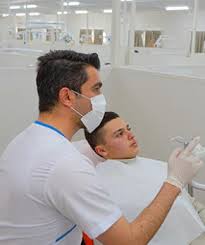
Ph.D. in Periodontology
Ph.D. in Periodontology is an advanced doctoral program typically lasting 3-5 years, focusing on the study and treatment of periodontal diseases and oral health. This research-intensive degree comb...
Ph.D. in Periodontology
×Ph.D. in Periodontology is an advanced doctoral program typically lasting 3-5 years, focusing on the study and treatment of periodontal diseases and oral health. This research-intensive degree combines clinical training with in-depth scientific investigation, preparing graduates for academic, research, or specialized clinical roles. Students engage in advanced coursework, conduct original research, and often participate in teaching. The curriculum covers topics such as periodontal pathology, regenerative techniques, implantology, and evidence-based dentistry. Candidates usually need a dental degree and may require specialty training in periodontology. Upon completion, graduates are equipped to contribute to the field through research, education, and advanced clinical practice.

Ph.D. in Prosthodontics and Crown and Bridge
PhD in Prosthodontics and Crown and Bridge focuses on the restoration and replacement of teeth using modern dental prosthetics such as crowns, bridges, dentures, and implants. The program, wh...
Ph.D. in Prosthodontics and Crown and Bridge
×PhD in Prosthodontics and Crown and Bridge focuses on the restoration and replacement of teeth using modern dental prosthetics such as crowns, bridges, dentures, and implants. The program, which typically lasts 3 to 5 years, includes instruction in dental materials, occlusion, biomaterials, and clinical procedures as well as intensive restorative dentistry research. Students learn about the design and production of fixed and detachable prostheses, implantology, and advances in prosthetic technology. Graduates are prepared to work in academia, clinical practice, and research, helping to promote prosthodontic practices, improve patient outcomes, and create new materials and technology for dental restoration.
Ph.D. in Public Health Dentistry
Ph.D. in Public Health Dentistry focuses on improving oral health at the community and population levels by combining dental care with public health methods. The curriculum typically lasts 3 to 5 y...
Ph.D. in Public Health Dentistry
×Ph.D. in Public Health Dentistry focuses on improving oral health at the community and population levels by combining dental care with public health methods. The curriculum typically lasts 3 to 5 years and includes courses in epidemiology, health policy, oral preventive, and community-based research, as well as significant fieldwork. Students investigate oral health inequities, dental disease prevention, health promotion, and the role of dentistry in public health systems. Graduates are equipped for careers in academia, research institutes, public health organizations, and government agencies, where they can help establish policies, programs, and strategies to enhance oral health at the population level.
Ph.D. in Oral Medicine and Radiology
Ph.D. in Oral Medicine and Radiology focuses on the diagnosis and treatment of oral disorders, with a particular emphasis on the use of radiographic techniques for diagnosis and planning. The...
Ph.D. in Oral Medicine and Radiology
× Ph.D. in Oral Medicine and Radiology focuses on the diagnosis and treatment of oral disorders, with a particular emphasis on the use of radiographic techniques for diagnosis and planning. The program typically lasts 3 to 5 years and includes courses in oral pathology, radiographic imaging, clinical medicine, and diagnostic procedures, as well as original research. Students learn about medical picture interpretation, modern diagnostic tools, and how to address problems such as oral cancer, TMJ disorders, and systemic diseases with oral symptoms. Graduates are well-prepared for positions in academia, clinical practice, and research, where they can help enhance diagnostic imaging and oral healthcare.

Ph.D. in Dentofacial Orthopaedics
Ph.D. in Dentofacial Orthopaedics focuses on the diagnosis and treatment of malocclusions and skeletal abnormalities of the face and jaw. The program, which typically lasts 3-5 years, in...
Ph.D. in Dentofacial Orthopaedics
×Ph.D. in Dentofacial Orthopaedics focuses on the diagnosis and treatment of malocclusions and skeletal abnormalities of the face and jaw. The program, which typically lasts 3-5 years, integrates instruction in orthodontics, craniofacial growth, biomechanics, and surgical intervention with significant research. Students study jaw development, face growth patterns, skeletal abnormalities, and the combination of orthodontics and orthopaedic therapy. Graduates of the program are prepared for jobs in academia, research, or specialized clinical practice, where they will advance knowledge of facial anatomy, improve treatment approaches, and contribute to breakthroughs in the diagnosis and management of complicated dentofacial disorders.
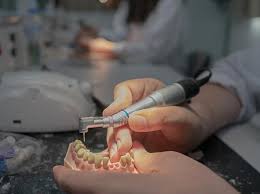
Ph.D. in Orthodontics
Ph.D. in Orthodontics is a research-intensive program that investigates the diagnosis, prevention, and treatment of dental and facial abnormalities. The program typically lasts 3 to 5 years a...
Ph.D. in Orthodontics
× Ph.D. in Orthodontics is a research-intensive program that investigates the diagnosis, prevention, and treatment of dental and facial abnormalities. The program typically lasts 3 to 5 years and includes courses in orthodontic theory, craniofacial development, biomechanics, and dental materials, as well as unique clinical and laboratory research. Students study growth trends, orthodontic appliances, craniofacial anomalies, and advances in digital orthodontics. Graduates are prepared for jobs in academia, research, or specialized orthodontic practice, where they can help to innovate treatment procedures, improve patient outcomes, and advance knowledge in orthodontics and dental care.

Ph.D. in Conservative Dentistry and Endodontics
Ph.D. in Conservative Dentistry and Endodontics is a highly specialized research degree that focuses on tooth preservation and restoration, as well as the diagnosis and treatment of dental pu...
Ph.D. in Conservative Dentistry and Endodontics
× Ph.D. in Conservative Dentistry and Endodontics is a highly specialized research degree that focuses on tooth preservation and restoration, as well as the diagnosis and treatment of dental pulp and root canal illnesses. The program typically lasts 3 to 5 years and includes instruction in dental materials, oral pathology, advanced endodontic procedures, and restorative dentistry, as well as original research. Students learn about tooth preservation techniques, root canal therapy advances, and the creation of novel materials and technologies in endodontics. Graduates are prepared to work in academia, clinical research, or specialty dentistry practice, helping to develop patient care and dental technologies.
Ph.D. in Oral and Maxillofacial Surgery
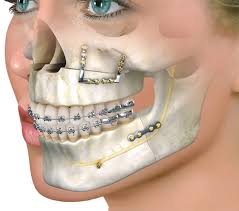
Ph.D. in Oral and Maxillofacial Surgery focuses on sophisticated research and clinical skills in surgical procedures for the mouth, jaws, face, and neck. The program normally lasts 3-5 y...
Ph.D. in Oral and Maxillofacial Surgery
× Ph.D. in Oral and Maxillofacial Surgery focuses on sophisticated research and clinical skills in surgical procedures for the mouth, jaws, face, and neck. The program normally lasts 3-5 years and includes education in surgical methods, anatomy, pathology, and patient care, as well as hands-on clinical training. Students learn about complex topics such as craniofacial reconstruction, trauma management, dental implants, and oral cancer treatments. Innovative surgical approaches, pain treatment, and healing strategies may all be part of the research. Graduates have the opportunity to work in academic research, advanced clinical practice, or specialized surgical roles in hospitals and dental facilities.
Ph.D. in Oral Implantology
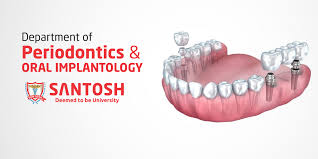
A Ph.D. in Oral Implantology is typically a 4-6 year program that provides advanced training in the scientific principles and clinical applications of dental implant therapy. Implant biomaterials,...
Ph.D. in Oral Implantology
×A Ph.D. in Oral Implantology is typically a 4-6 year program that provides advanced training in the scientific principles and clinical applications of dental implant therapy. Implant biomaterials, osseointegration, surgical methods, prosthetic rehabilitation, and the handling of implant-related problems are among the subjects covered in the program. In order to advance the scholarly understanding of the elements impacting implant effectiveness and the creation of novel implant designs and treatment regimens, students frequently collaborate with dental schools, research institutions, or implant manufacturers to perform original research. Graduates of this program are equipped for leadership positions in the dental implant industry, specialty dentistry practice, academic research, and other fields. Their knowledge of oral implantology can be used to enhance patient outcomes, further the profession through research, and instruct the next generation of dental professionals in this rapidly evolving area of dentistry.