Ph.D. in computer science usually takes 4-6 years to complete, depending on the coursework and research progress. This advanced degree emphasizes producing unique research in a specific field of computer science, such as artificial intelligence, cybersecurity, or algorithms. Students undergo advanced courses, take thorough tests, and produce a dissertation based on their research findings. The curriculum trains participants in critical thinking, problem solving, and innovative technology development. Graduates frequently pursue careers in academia, research institutions, or managerial positions in the technology business. A Ph.D. in Computer Science necessitates devotion, intellectual curiosity, and the capacity to bring novel information to the area.
.png)
Maharishi Markandeshwar University
Maharishi Markandeshwar University Admission Open

Ph.D. in Computer Science
Ph.D. in computer science usually takes 4-6 years to complete, depending on the coursework and research progress. This advanced degree emphasizes producing unique research in a specific field...
Ph.D. in Computer Science
×
Ph.D. in Dental Sciences
Ph.D. in Dental Sciences, which normally lasts 3-5 years, is an advanced research-oriented degree for dental practitioners who want to contribute to the field through innovative research and academ...
Ph.D. in Dental Sciences
×Ph.D. in Dental Sciences, which normally lasts 3-5 years, is an advanced research-oriented degree for dental practitioners who want to contribute to the field through innovative research and academic endeavors. This challenging curriculum combines advanced education in oral biology, biomaterials, and epidemiology with extensive research experience. Students gain experience in research methods, data analysis, and scientific writing. Teaching experience and conference attendance are often necessary components of the program. Candidates must complete an original research-based dissertation and defend it in front of an expert committee. This degree prepares graduates for positions related to dentistry research, academia, or as leaders in public health and policy-making organisations.

Ph.D. in Mechanical Engineering
Ph.D. in Mechanical Engineering takes around 4-6 years to complete, depending on the university and research project. This advanced degree focuses on developing cutting-edge knowledge in fields suc...
Ph.D. in Mechanical Engineering
×Ph.D. in Mechanical Engineering takes around 4-6 years to complete, depending on the university and research project. This advanced degree focuses on developing cutting-edge knowledge in fields such as robotics, thermodynamics, fluid mechanics, materials science, and control systems. Students take challenging courses, perform unique research, and complete a PhD dissertation. The curriculum promotes problem-solving, critical thinking, and innovative abilities, preparing graduates to take on leadership roles in academia, industry, or research organizations. Ph.D. candidates usually collaborate on interdisciplinary projects, publish in peer-reviewed journals, and give presentations at conferences, all of which contribute to growth in sectors such as renewable energy, aerospace, automotive engineering, and biomedical devices.

Ph.D. in Electronics And Communication Engineering
Ph.D. in Electronics and Communication Engineering generally takes 3-5 years to complete, depending on the university and the level of the study. This advanced degree focuses the latest development...
Ph.D. in Electronics And Communication Engineering
×Ph.D. in Electronics and Communication Engineering generally takes 3-5 years to complete, depending on the university and the level of the study. This advanced degree focuses the latest developments in signal processing, wireless communications, microelectronics, and embedded systems. Students undertake challenging courses, implement original research, and write their dissertations under faculty supervision. The program promotes skills in developing complex electronic systems, creating innovative communication technologies, and addressing real-world engineering challenges. Graduates are well-prepared to work in academia, research institutions, or high-tech enterprises, helping to improve disciplines such as 5G/6G networks, IoT, artificial intelligence, and quantum computing. This degree involves strong analytical skills, creativity, and an intense passion for technological advancement.

Ph.D. in Electrical Engineering
Ph.D. in Electrical Engineering generally requires 4-6 years to complete, depending on a master's degree. This advanced degree emphasizes cutting-edge research and specific fields like signal p...
Ph.D. in Electrical Engineering
×Ph.D. in Electrical Engineering generally requires 4-6 years to complete, depending on a master's degree. This advanced degree emphasizes cutting-edge research and specific fields like signal processing, power systems, and telecommunications. Candidates take challenging courses, perform distinctive research, and defend a dissertation. Advanced mathematics, electromagnetic theory, and computer engineering are common topics in the curriculum. Graduates possess the skills for job opportunities in academia, research institutes, and high-tech business organizations. This degree desires strong analytical abilities, creativity, and tenacity. It provides opportunity to contribute to technological developments and solve complicated engineering challenges, making it a lucrative career path for those who enjoy innovation in electrical systems and technology.

Ph.D. in Civil Engineering
A Ph.D. in Civil Engineering typically requires 3-5 years to complete, depending on the university and research area. This graduate degree program emphasizes particular fields such as structural en...
Ph.D. in Civil Engineering
×A Ph.D. in Civil Engineering typically requires 3-5 years to complete, depending on the university and research area. This graduate degree program emphasizes particular fields such as structural engineering, geotechnical engineering, transportation systems, environmental engineering, and water resource management. Students take difficult courses, do unique research, and write a doctoral thesis that adds new understanding to the area. The program of study addresses advanced analytical abilities, research approaches, and problem-solving techniques applicable to difficult civil engineering tasks. Graduates are prepared for managerial roles in academia, research institutes, government agencies, or the commercial sector, where they can drive innovation in building infrastructure, sustainability, and urban planning.

Ph.D. in Law
The highest academic degree in legal studies is the Ph.D. in Law, generally requires 3-5 years to complete. This challenging program emphasizes advanced legal research, theory, and scholarly...
Ph.D. in Law
×The highest academic degree in legal studies is the Ph.D. in Law, generally requires 3-5 years to complete. This challenging program emphasizes advanced legal research, theory, and scholarly writing. Candidates select a specific topic of law for a comprehensive study and innovative contribution to legal knowledge. The curriculum consists of coursework, comprehensive exams, and the production of a doctoral dissertation with faculty supervision. Students acquire knowledge of legal analysis, research methods, and academic writing. A Ph.D. in Law prepares graduates for a position in academia, legal research, policymaking, or senior positions in law firms and organizations. Admission generally requires an elementary law degree (J.D. or LL.M.) along with suitable experience.

Ph.D. in Biochemistry
A Ph.D. in Biochemistry normally takes 4-6 years to complete, with a concentration on the chemical processes found within and related to living organisms. This advanced degree needs intensive labor...
Ph.D. in Biochemistry
×A Ph.D. in Biochemistry normally takes 4-6 years to complete, with a concentration on the chemical processes found within and related to living organisms. This advanced degree needs intensive laboratory research, data analysis, and the creation of a unique thesis. Students analyze molecular biology, enzymology, and cellular metabolism. The program often involves coursework, teaching assistantships, and the publication of research publications. Graduates have the ability to pursue careers in academia, pharmaceutical research, biotechnology, and allied fields. The doctoral program develops critical thinking, problem-solving abilities, and the ability to design and conduct autonomous research, resulting in important contributions to the field of biochemistry and related life sciences.

Ph.D. in Chemistry
Ph.D. in Chemistry takes around 4-6 years to complete, depending on the research project and institution. This doctoral program emphasizes distinctive research in certain areas of chemistry, such a...
Ph.D. in Chemistry
×Ph.D. in Chemistry takes around 4-6 years to complete, depending on the research project and institution. This doctoral program emphasizes distinctive research in certain areas of chemistry, such as organic, inorganic, physical, or analytical chemistry. Students pursue more advanced courses, perform substantial laboratory research, and develop a dissertation based on their findings. The program includes generating hypotheses, designing experiments, analyzing data, and bringing new knowledge to the field. Ph.D. candidates frequently interact with other experts, give presentation at conferences, and publish articles in scientific publications. This degree equips graduates with job opportunities in academia, industry research, government laboratories, and other scientific fields that require advanced chemical skills.
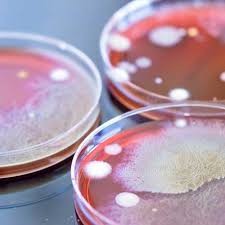
Ph.D. in Microbiology
Ph.D. in Microbiology usually takes 4-6 years to complete which involves extensive research on microorganisms, their interactions, and their impact on various ecosystems. The academic program inclu...
Ph.D. in Microbiology
×Ph.D. in Microbiology usually takes 4-6 years to complete which involves extensive research on microorganisms, their interactions, and their impact on various ecosystems. The academic program includes advanced coursework, laboratory research, and a dissertation. Students research bacterial genetics, virology, immunology, and microbial ecology. They acquire experts in cutting-edge procedures such as gene sequencing, bioinformatics, and microscopy. This degree prepares graduates for professions in academia, biotechnology, pharmaceuticals, and public health, granting them the skills they need to address global issues such as antibiotic resistance and new infectious diseases.

Ph.D. in Mathematics
Ph.D. in Mathematics is a terminal degree that usually requires 4-7 years to accomplish after acquiring a bachelor's degree. The curriculum comprises advanced coursework in pure and appli...
Ph.D. in Mathematics
×Ph.D. in Mathematics is a terminal degree that usually requires 4-7 years to accomplish after acquiring a bachelor's degree. The curriculum comprises advanced coursework in pure and applied mathematics, as well as independent research that leads to the completion of a doctorate research. PhD students acquire proficiency in abstract algebra, real and complex analysis, topology, and discrete mathematics. The degree prepares graduates for academic careers as university professors and researchers, as well as jobs in industries such as banking, technology, and government that require strong quantitative and problem-solving abilities.

Ph.D. in Nursing
The Doctor of Philosophy (Ph.D.) in Nursing is the highest academic degree in the nursing sector, taking around 4-5 years to complete. This research-focused curriculum develops nurses to work in ac...
Ph.D. in Nursing
×The Doctor of Philosophy (Ph.D.) in Nursing is the highest academic degree in the nursing sector, taking around 4-5 years to complete. This research-focused curriculum develops nurses to work in academia, research, and advanced clinical practice. Nursing theory, research methodologies, statistics, and a specialized area of study are all encompassed in the coursework. Ph.D. candidates prepare an original dissertation that provides new information to the nursing field. Graduates of Ph.D. in Nursing schools are prepared to conduct nursing research, shape healthcare policy, educate future nurses, and drive clinical innovation. The degree qualifies for professions such as nurse scientist, professor, head of nursing research, and chief nursing officer.

Ph.D. in Physiotherapy
Doctor of Philosophy (Ph.D.) in Physiotherapy is a challenging 4-6 year research-focused doctoral program that develops students to become physical therapy leaders. The curriculum emphasizes advanc...
Ph.D. in Physiotherapy
×Doctor of Philosophy (Ph.D.) in Physiotherapy is a challenging 4-6 year research-focused doctoral program that develops students to become physical therapy leaders. The curriculum emphasizes advanced topics such as musculoskeletal biomechanics, neurophysiology, exercise physiology, and research methods. Ph.D. candidates perform distinctive laboratory and clinical research, culminating in the submission of a doctoral dissertation that contributes significantly to our understanding of human mobility, injury prevention, and rehabilitation. Graduates have the opportunity to work as physiotherapist researchers, university professors, consultants, and policymakers in hospitals, private clinics, government organizations, and academic settings. The Ph.D. in Physiotherapy program equips students with the specific knowledge required to advance the science of physical therapy and improve patient outcomes.

Ph.D. in Pharmacy
Doctor of Philosophy (Ph.D.) in Pharmaceutics is a rigorous 5-7 year research-focused doctoral program that provides students to serve as leading specialists in the development and improvemen...
Ph.D. in Pharmacy
×Doctor of Philosophy (Ph.D.) in Pharmaceutics is a rigorous 5-7 year research-focused doctoral program that provides students to serve as leading specialists in the development and improvement of drug delivery systems. The program includes advanced topics in pharmaceutical sciences such as pharmacokinetics, medication development, manufacturing methods, and regulatory issues. Ph.D. candidates perform original laboratory and clinical research, culminating in the submission of a doctoral dissertation which contributes significantly to the field of pharmaceutics. Graduates have been trained for positions as pharmaceutical scientists, university instructors, regulatory advisors, and R&D professionals in the pharmaceutical business. The Ph.D. in Pharmaceutics program equips students with the specific knowledge required to revolutionize drug delivery methods, improve patient outcomes, and impact the future of pharmaceutical product development.

Ph.D. in Agriculture
Ph.D. in Agriculture is a research-oriented degree that aims to expand knowledge in fields like agricultural science, soil health, agribusiness, and sustainable farming. Typically lasting 3-5 ...
Ph.D. in Agriculture
×Ph.D. in Agriculture is a research-oriented degree that aims to expand knowledge in fields like agricultural science, soil health, agribusiness, and sustainable farming. Typically lasting 3-5 years, the curriculum consists of extensive coursework, laboratory research, and field study, culminating in a dissertation based on original research. Agronomy, horticulture, plant genetics, soil science, agricultural economics, and agricultural engineering are among the possible specializations. The curriculum provides students with knowledge of agricultural advances, allowing them to solve concerns such as food security, climate resilience, and sustainable practices. Graduates frequently pursue positions in academia, research institutions, government agencies, and the agricultural industry.
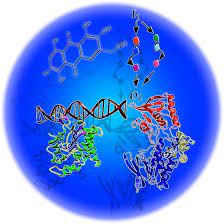
Ph.D. in Medical Biochemistry
A Ph.D. in Medical Biochemistry explores the chemical processes that take place in the human body and is an advanced research degree that lasts 4-5 years. In-depth courses in physiology, molec...
Ph.D. in Medical Biochemistry
×A Ph.D. in Medical Biochemistry explores the chemical processes that take place in the human body and is an advanced research degree that lasts 4-5 years. In-depth courses in physiology, molecular biology, and biochemistry are combined with a rigorous research project in this program. Students become proficient in methods such as chromatography, bioinformatics, and spectroscopy to explore the biochemical processes that underlie both health and illness. Graduates are equipped for jobs in government organizations, biotechnology, pharmaceutical research, or academia where they can help create novel medical treatments, diagnostics, and therapies. Students gain critical thinking, problem-solving, and communication abilities that are highly regarded in the medical sciences thanks to the demanding curriculum and individual research project.
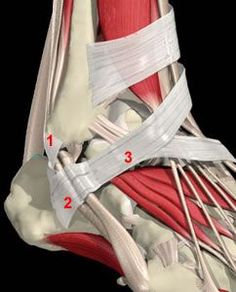
Ph.D. in Medical Anatomy
The average time to earn a Ph.D. i.e., doctoral degree,in medical anatomy is 4-6 years. With a focus on medical applications, the curriculum emphasizes the advanced study of the human bo...
Ph.D. in Medical Anatomy
×The average time to earn a Ph.D. i.e., doctoral degree,in medical anatomy is 4-6 years. With a focus on medical applications, the curriculum emphasizes the advanced study of the human body's structure and function. Gross anatomy, histology, embryology, and neuroanatomy are among the subjects covered in the coursework. In order to contribute something new to the area, students also carry out original research and finish a dissertation. Alumni of this degree frequently go on to work in specialized healthcare positions requiring in-depth anatomical knowledge, academia, or medical research.

Ph.D. in Business Management
A Ph.D. in Business Management is an advanced research-oriented doctoral program typically lasting 3-5 years, depending on the institution and the student's progress. Goal of this demandin...
Ph.D. in Business Management
×A Ph.D. in Business Management is an advanced research-oriented doctoral program typically lasting 3-5 years, depending on the institution and the student's progress. Goal of this demanding program is to cultivate advanced research and analytical abilities across a range of business domains. Students complete a PhD dissertation after completing rigorous coursework, thorough exams, and unique research. Advanced subjects in research methodology, finance, strategic management, and organizational behavior are frequently covered in the curriculum. In addition to contributing to scholarly publications and maybe gaining teaching experience, candidates collaborate closely with faculty mentors. Graduates are ready for high-level consulting or executive roles in businesses, think tanks, or government organizations, as well as academic jobs as professors or researchers.

Ph.D. in Pharmacology
Ph.D. in Pharmacology is a research-based program that investigates pharmaceuticals, their effects on the human body, and therapeutic possibilities. The program typically lasts 3-5 years and c...
Ph.D. in Pharmacology
×Ph.D. in Pharmacology is a research-based program that investigates pharmaceuticals, their effects on the human body, and therapeutic possibilities. The program typically lasts 3-5 years and covers topics such as drug mechanisms, toxicology, pharmacokinetics, pharmacodynamics, and drug development. Students perform unique research to examine how medications interact with biological systems, focusing on the molecular and physiological impacts of diverse substances. The program comprises courses in biochemistry, physiology, and drug chemistry, as well as research methodology and a dissertation. Graduates frequently pursue positions in academic research, the pharmaceutical sector, regulatory agencies, and healthcare.

Ph.D. in Community Medicine
Ph.D. in Community Medicine is a research-based program that provides students with advanced knowledge of public health, epidemiology, and social medicine. The program, which usually lasts 3 to 5 y...
Ph.D. in Community Medicine
×Ph.D. in Community Medicine is a research-based program that provides students with advanced knowledge of public health, epidemiology, and social medicine. The program, which usually lasts 3 to 5 years, covers topics like health policy, preventive medicine, global health, healthcare management, and environmental health. Students do both academic coursework and practical research, with the goal of improving community health outcomes. The dissertation is an important component of the program, as it addresses real-world public health challenges. Graduates frequently pursue positions in academia, healthcare leadership, government or non-government organizations, and public health research.
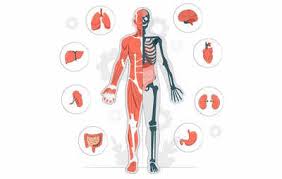
Ph.D. in Physiology
Ph.D. in Physiology is an advanced research-focused degree that normally lasts 3-5 years. It entails a thorough examination of biological systems, with emphasis on functions such as cellular p...
Ph.D. in Physiology
×Ph.D. in Physiology is an advanced research-focused degree that normally lasts 3-5 years. It entails a thorough examination of biological systems, with emphasis on functions such as cellular processes, organ systems, and homeostasis. Students study neurophysiology, cardiovascular physiology, endocrinology, and exercise physiology. The program consists of demanding coursework, thorough tests, and original research, culminating in a dissertation. This degree prepares students for positions in academia, healthcare, pharmaceuticals, and research institutions. A Ph.D. in Physiology focuses on developing critical thinking, experimental abilities, and a thorough grasp of the systems that control bodily functioning.

Ph.D. in Public Health
Ph.D. in Public Health is an advanced research degree focused on developing expertise in public health practices, epidemiology, and health policy. Typically completed in 3 - 5 years, the program co...
Ph.D. in Public Health
×Ph.D. in Public Health is an advanced research degree focused on developing expertise in public health practices, epidemiology, and health policy. Typically completed in 3 - 5 years, the program combines rigorous coursework with original research, allowing candidates to specialize in areas like epidemiology, health systems, global health, or biostatistics. Students are trained in advanced methodologies for assessing health outcomes, managing public health initiatives, and addressing health disparities. Graduates are prepared for careers in academia, research institutions, government health agencies, or NGOs, where they can influence health policy, lead public health programs, and conduct impactful research.