







The Bachelor of Medicine, Bachelor of Surgery (MBBS) is a professional undergraduate degree in medicine and surgery granted to students who have completed the necessary training in the discipline. The program normally lasts 5-6 years, depending on the region and institution, and includes both theoretical study and practical clinical training. Students acquire a wide range of medical areas, including anatomy, physiology, pharmacology, and pathology, as well as gain practical experience in hospitals and clinics. MBBS graduates have the ability to practice medicine, specialize, or further their studies through postgraduate degrees in a variety of medical specialties. They must also pass licensure exams before they may practice lawfully.
M.S. Ramaiah University of Applied Sciences

M.D. in Pathology
Doctor of Medicine (M.D.) in Pathology is a 3-year postgraduate program designed to provide advanced education and training in the study of diseases. This course encompasses various aspects o...
M.D. in Pathology
×Doctor of Medicine (M.D.) in Pathology is a 3-year postgraduate program designed to provide advanced education and training in the study of diseases. This course encompasses various aspects of pathology, including anatomical pathology, clinical pathology, and molecular pathology, equipping students with the skills to diagnose diseases through laboratory analysis and examination of tissues. The curriculum typically includes lectures, hands-on training, research projects, and clinical rotations in diagnostic laboratories. Graduates are prepared for roles in hospitals, research institutions, and academia, where they contribute to improving patient care through accurate disease diagnosis and management.

M.D. in Microbiology
Doctor of Medicine (M.D.) in Microbiology is a postgraduate program focused on the study of microorganisms and their impact on human health. This program typically spans 3 years and enco...
M.D. in Microbiology
×Doctor of Medicine (M.D.) in Microbiology is a postgraduate program focused on the study of microorganisms and their impact on human health. This program typically spans 3 years and encompasses coursework, practical training, and research in areas such as bacteriology, virology, mycology, and immunology. Students learn diagnostic techniques, laboratory management, and infection control measures, preparing them for careers in clinical microbiology, research, and public health. The curriculum often includes rotations in clinical settings, allowing students to apply their knowledge in real-world scenarios. Graduates are equipped to contribute significantly to disease diagnosis, treatment, and prevention strategies.

M.D. in Community Medicine
M.D. in Community Medicine is a 3-year postgraduate program focused on the prevention, diagnosis, and management of health issues affecting communities. This course emphasizes public health princip...
M.D. in Community Medicine
×M.D. in Community Medicine is a 3-year postgraduate program focused on the prevention, diagnosis, and management of health issues affecting communities. This course emphasizes public health principles, epidemiology, biostatistics, health policy, and social medicine. Students engage in research, fieldwork, and community engagement to understand and address health disparities and promote health equity. The curriculum typically includes theoretical coursework, practical training, and hands-on experience in public health settings. Graduates are prepared to work in various settings, including government health departments, NGOs, and academic institutions, contributing to community health initiatives and health systems management.
M.D. in Pharmacology
Doctor of Medicine (M.D.) in Pharmacology is a specialized postgraduate degree that typically spans 3 years. This program focuses on the study of drugs, their mechanisms of action, therapeutic...
M.D. in Pharmacology
×Doctor of Medicine (M.D.) in Pharmacology is a specialized postgraduate degree that typically spans 3 years. This program focuses on the study of drugs, their mechanisms of action, therapeutic uses, and potential side effects. Students delve into pharmacokinetics, pharmacodynamics, toxicology, and clinical pharmacology, gaining both theoretical knowledge and practical skills through laboratory work and clinical rotations. The curriculum often includes research methodologies, allowing students to engage in original research projects. Graduates are equipped for careers in academia, research, clinical practice, or regulatory affairs, making significant contributions to the field of medicine and drug development.
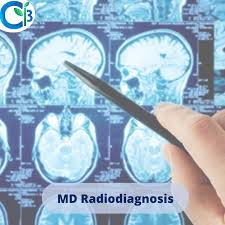
M.D. in Radio Diagnosis
M.D. in Radio Diagnosis is a postgraduate medical degree focusing on the study and application of diagnostic imaging techniques, including X-rays, CT scans, MRI, and ultrasound. Typically spa...
M.D. in Radio Diagnosis
×M.D. in Radio Diagnosis is a postgraduate medical degree focusing on the study and application of diagnostic imaging techniques, including X-rays, CT scans, MRI, and ultrasound. Typically spanning 3 years, the program combines theoretical coursework with extensive clinical training, enabling students to interpret imaging results and contribute to patient management. Coursework covers anatomy, radiological physics, imaging techniques, and interventional radiology. Graduates often pursue careers as radiologists in hospitals, clinics, and diagnostic centers, playing a crucial role in diagnosing diseases and guiding treatment plans. This specialization is vital for enhancing patient care through advanced imaging technologies.
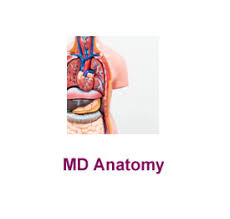
M.D. in Anatomy
Doctor of Medicine (M.D.) in Anatomy is a specialized postgraduate degree program that studies the structure of the human body. The education normally lasts 3 years and includes both the...
M.D. in Anatomy
×Doctor of Medicine (M.D.) in Anatomy is a specialized postgraduate degree program that studies the structure of the human body. The education normally lasts 3 years and includes both theoretical knowledge and practical skills. Students study advanced anatomical sciences such as gross anatomy, histology, and neuroanatomy, in addition to clinical applications. The program frequently includes practical dissection, imaging methods, and research procedures, which prepare graduates for positions in medical education, research, or clinical practice. Successful completion enables learners to bring major contributions to the fields of medicine, surgery, and healthcare by improving their understanding of human anatomy and its relationship to health and illness.
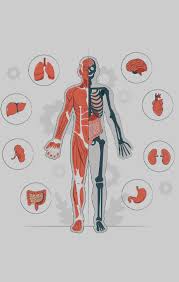
M.D. in Physiology
M.D. in Physiology is a postgraduate medical degree focusing on the study of the functions and mechanisms in the human body. Typically, this course lasts for 3 years and is designed for medica...
M.D. in Physiology
×M.D. in Physiology is a postgraduate medical degree focusing on the study of the functions and mechanisms in the human body. Typically, this course lasts for 3 years and is designed for medical graduates seeking advanced knowledge in physiological processes, research methodologies, and clinical applications. The curriculum includes in-depth topics such as cellular physiology, neurophysiology, and endocrine physiology, combined with hands-on training in laboratories. Graduates are equipped for careers in academia, research, and clinical practice, contributing to advancements in medical science and patient care. They may also pursue further specialization or research opportunities in related fields.
M.D. in Biochemistry
Doctor of Medicine (M.D.) in Biochemistry is a postgraduate program that typically spans 3 years. This course focuses on the biochemical principles underlying human health and disease, integrating...
M.D. in Biochemistry
×Doctor of Medicine (M.D.) in Biochemistry is a postgraduate program that typically spans 3 years. This course focuses on the biochemical principles underlying human health and disease, integrating molecular biology, genetics, and metabolism. Students engage in rigorous coursework, laboratory research, and clinical applications, preparing them for various careers in medical research, diagnostics, and academia. The curriculum often includes topics such as enzymology, metabolic pathways, and biochemical analysis techniques. Graduates are equipped with the knowledge and skills necessary to contribute to advancements in medical science, diagnostics, and therapeutic strategies, and may pursue further specialization in related fields.
M.S. in Ophthalmology
Master of Science (M.S.) in Ophthalmology is a specialist postgraduate degree focused on eye illnesses, vision care, and surgical procedures. This study, which typically lasts 2-3 years, integrates...
M.S. in Ophthalmology
×Master of Science (M.S.) in Ophthalmology is a specialist postgraduate degree focused on eye illnesses, vision care, and surgical procedures. This study, which typically lasts 2-3 years, integrates theoretical knowledge with practical experience in clinical settings. Students learn about numerous ocular conditions, diagnostic techniques, and treatment choices, including surgical interventions. The curriculum frequently includes courses in anatomy, physiology, and pathology of the eye, as well as hands-on practice in clinics and hospitals. Graduates are prepared to work in clinical practice, research, or academia, helping to enhance eye care and vision science.
M.D. in Psychiatry
Doctor of Medicine (M.D.) in Psychiatry is a specialized postgraduate program that typically spans 3 years. This course focuses on the diagnosis, treatment, and prevention of mental health di...
M.D. in Psychiatry
×Doctor of Medicine (M.D.) in Psychiatry is a specialized postgraduate program that typically spans 3 years. This course focuses on the diagnosis, treatment, and prevention of mental health disorders. Students undergo rigorous training that includes clinical rotations in various settings, exposure to different psychiatric conditions, and practical experience with patients. The curriculum encompasses topics such as psychopharmacology, psychotherapy, neurobiology, and ethical issues in psychiatry. Graduates are equipped to assess and manage complex psychiatric cases and are prepared for board certification. The program is essential for those aiming to become licensed psychiatrists and contribute to mental health care.

M.S. in Surgery
Master of Science (M.S.) in Surgery typically spans 2 to 3 years, focusing on advanced surgical techniques, clinical practice, and research methodologies. This program prepares medical graduates fo...
M.S. in Surgery
×Master of Science (M.S.) in Surgery typically spans 2 to 3 years, focusing on advanced surgical techniques, clinical practice, and research methodologies. This program prepares medical graduates for careers in surgical fields, emphasizing both theoretical knowledge and practical skills. Coursework often includes anatomy, surgical pathology, surgical techniques, and patient management, alongside hands-on training in surgical settings. Students engage in research projects to explore innovative surgical practices and contribute to the medical community. Graduates may pursue specializations in areas like orthopedic, cardiovascular, or general surgery, enhancing their expertise for future roles in healthcare settings or academic institutions.

M.S. in Obstetrics & Gynaecology
Master of Science (M.S.) in Obstetrics and Gynaecology is a postgraduate program designed for medical professionals seeking advanced knowledge in women's health. Typically spanning 3 years...
M.S. in Obstetrics & Gynaecology
×Master of Science (M.S.) in Obstetrics and Gynaecology is a postgraduate program designed for medical professionals seeking advanced knowledge in women's health. Typically spanning 3 years, the curriculum combines theoretical coursework with extensive practical training in clinical settings. Students learn about reproductive health, prenatal care, childbirth, and various gynecological conditions. The program emphasizes evidence-based practices, surgical techniques, and patient management, preparing graduates for roles in hospitals, clinics, or academia. Upon completion, candidates may pursue certifications and specializations, contributing to the field of obstetrics and gynecology through research, patient care, and health advocacy.
M.D. in Forensic Medicine
A 4- year PG medical degree, M.D. (Forensic Medicine), teaches doctors how to use scientific and medical knowledge to criminal and judicial investigations. Pathology, toxicology...
M.D. in Forensic Medicine
×A 4- year PG medical degree, M.D. (Forensic Medicine), teaches doctors how to use scientific and medical knowledge to criminal and judicial investigations. Pathology, toxicology, crime scene analysis, and expert witness testimony are among the subjects in the program. Students get practical training in forensic reporting, evidence gathering, and autopsy procedures. In order to help law enforcement and the legal system ascertain the cause and manner of death in criminal situations, graduates of this school frequently find employment as medical examiners, coroners, or forensic consultants. The interdisciplinary structure of the course gives students the specific abilities they need to close the gap between law and medicine.

M.D. in General Medicine
A 4-year postgraduate medical degree that offers thorough instruction in the diagnosis, management, and treatment of a broad range of medical disorders is the M.D. (Doctor of Medicine) in General M...
M.D. in General Medicine
×A 4-year postgraduate medical degree that offers thorough instruction in the diagnosis, management, and treatment of a broad range of medical disorders is the M.D. (Doctor of Medicine) in General Medicine. Along with clinical rotations in specialties like internal medicine, pediatrics, surgery, and emergency care, the curriculum teaches the basics of medicine. Graduates of this program are eligible to work as primary care doctors, providing emergency, inpatient, and outpatient treatment to patients of all ages and backgrounds. In the majority of nations, obtaining an M.D. degree is the typical prerequisite for becoming a certified medical practitioner.

M.D. in Paediatrics
A 4-year postgraduate medical degree,M.D. in Paediatrics, prepares doctors to focus on treating newborns, kids, and teenagers. Child development, pediatric illnesses and disorders, neonatal ca...
M.D. in Paediatrics
×A 4-year postgraduate medical degree,M.D. in Paediatrics, prepares doctors to focus on treating newborns, kids, and teenagers. Child development, pediatric illnesses and disorders, neonatal care, and pediatric emergency medicine are among the subjects covered over here. To obtain practical experience, students finish clinical rotations in a range of pediatric subspecialties. Graduates of this degree are eligible to serve as pediatricians, offering complete medical treatment to young patients from birth through adolescence, in clinics, hospitals, private offices, or community health settings.

M.D. in Dermatology
A 4-year postgraduate medical degree called an M.D. in Dermatology prepares doctors to specialize in the diagnosis and management of conditions affecting the skin, hair, and nails. Dermatopathology...
M.D. in Dermatology
×A 4-year postgraduate medical degree called an M.D. in Dermatology prepares doctors to specialize in the diagnosis and management of conditions affecting the skin, hair, and nails. Dermatopathology, pediatric dermatology, cosmetic dermatology, and dermatologic surgery are among the subjects covered in the program. To obtain practical experience, students finish clinical rotations in both surgical and medical dermatology. Graduates of this program are eligible to work as board-certified dermatologists in private practices, hospitals, and outpatient clinics, offering patients with a variety of dermatological problems comprehensive care.

M.D. in Anaesthesiology
A 4-year postgraduate medical degree called an M.D. in Anesthesiology prepares doctors to specialize in managing patients' vital functions during obstetric, surgical, and other medical operatio...
M.D. in Anaesthesiology
×A 4-year postgraduate medical degree called an M.D. in Anesthesiology prepares doctors to specialize in managing patients' vital functions during obstetric, surgical, and other medical operations as well as administering anesthetic. Critical care, pharmacology, physiology, pain management, and perioperative medicine are among the subjects covered in the program. In order to acquire the skills necessary to safely administer anesthesia, assess patient status, and intervene as necessary, students undergo extensive clinical rotations in a variety of anesthesia subspecialties. This program's graduates are eligible to work as anesthesiologists in surgery centers, hospitals, and other medical facilities.
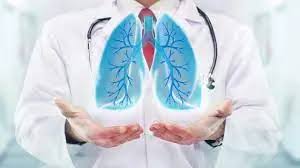
M.D. in Respiratory Medicine
M.D. in Respiratory Medicine is a postgraduate program specializing in the diagnosis, treatment, and management of respiratory diseases like asthma, COPD, tuberculosis, and lung infections. T...
M.D. in Respiratory Medicine
×M.D. in Respiratory Medicine is a postgraduate program specializing in the diagnosis, treatment, and management of respiratory diseases like asthma, COPD, tuberculosis, and lung infections. The course duration is 3 years, including comprehensive clinical training and research opportunities. It equips students with in-depth knowledge of pulmonary function testing, bronchoscopy, and critical care management of respiratory disorders. The program emphasizes advanced medical practices, evidence-based treatments, and multidisciplinary approaches to patient care. Graduates can pursue careers as pulmonologists, academicians, or researchers, contributing to advancements in respiratory health and treatment methodologies. Eligibility typically requires an M.B.B.S. degree and qualifying entrance exams.
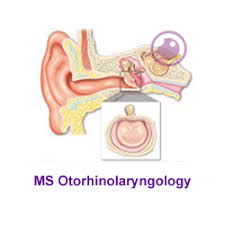
M.S. in Otorhinolaryngology
Master of Surgery (M.S.) in Otorhinolaryngology is a specialized postgraduate program that focuses on the medical and surgical treatment of disorders related to the ear, nose, and throat (ENT). Thi...
M.S. in Otorhinolaryngology
×Master of Surgery (M.S.) in Otorhinolaryngology is a specialized postgraduate program that focuses on the medical and surgical treatment of disorders related to the ear, nose, and throat (ENT). This course typically spans 3 years, during which students gain in-depth knowledge of the anatomy, physiology, and pathology of the ENT system. The curriculum includes both theoretical instruction and hands-on training, encompassing clinical practices, diagnostics, surgical techniques, and patient care. Students are trained to manage conditions such as hearing loss, sinus problems, voice disorders, and head and neck cancers. Upon completion, graduates are equipped to become expert ENT surgeons, providing advanced healthcare services and contributing to medical research in the field.
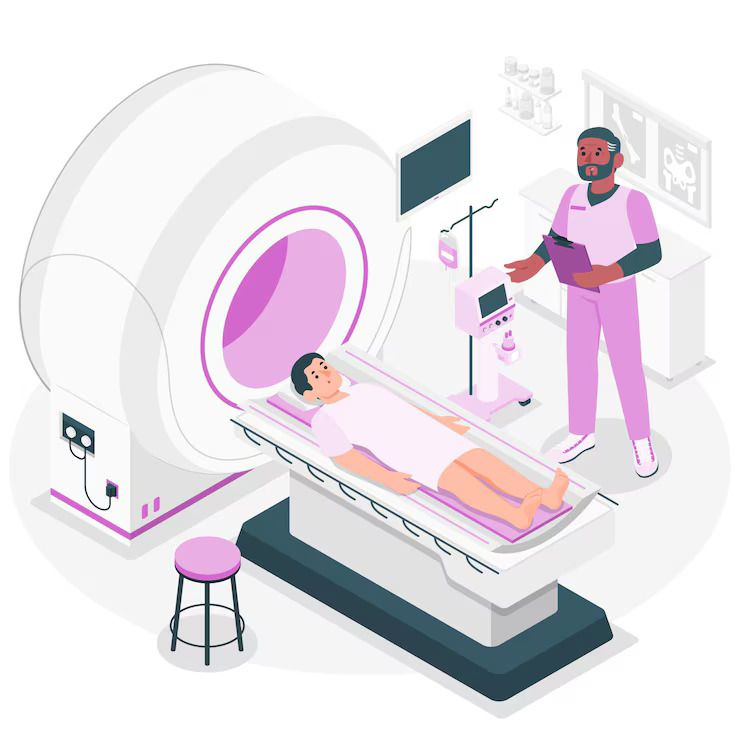
M.D. in Radiation Oncology
M.D. in Radiation Oncology is a postgraduate medical degree designed for those seeking expertise in the use of radiation therapy to treat cancer and other diseases. This course typically spans ...
M.D. in Radiation Oncology
×M.D. in Radiation Oncology is a postgraduate medical degree designed for those seeking expertise in the use of radiation therapy to treat cancer and other diseases. This course typically spans 3 years and offers in-depth knowledge of radiation physics, medical oncology, and clinical oncology. Students are trained in patient care, tumor targeting, radiobiology, and the management of side effects from radiation treatments. The program also includes hands-on training in advanced radiation technologies, including intensity-modulated radiation therapy (IMRT) and stereotactic radiosurgery. Graduates of this program are equipped to diagnose, plan, and administer radiation treatments, collaborating with multidisciplinary teams in hospitals and cancer treatment centers. The course prepares professionals for a vital role in cancer care and research.
M.Ch. in Neuro Surgery
Master of Chirurgiae (M.Ch.) in Neuro Surgery is an advanced postgraduate degree designed for medical professionals aspiring to specialize in neurosurgery. This rigorous program typically spans 3 y...
M.Ch. in Neuro Surgery
×Master of Chirurgiae (M.Ch.) in Neuro Surgery is an advanced postgraduate degree designed for medical professionals aspiring to specialize in neurosurgery. This rigorous program typically spans 3 years, during which candidates acquire in-depth knowledge and hands-on experience in diagnosing, treating, and managing neurological disorders affecting the brain, spine, and nervous system. The curriculum combines theoretical coursework, clinical training, and research opportunities, emphasizing modern surgical techniques, neuroanatomy, neurophysiology, and critical care. Admission requires an MS in General Surgery and qualifying entrance examinations. Graduates of this program are equipped to pursue careers as neurosurgeons in hospitals, research institutions, or academic roles. The course prepares professionals to address complex neurological conditions, advancing healthcare and surgical innovation.
M.Ch. in Plastic Surgery
Master of Chirurgiae (M.Ch.) in Plastic Surgery is a highly specialized postgraduate program designed for medical professionals aiming to advance their expertise in reconstructive and aesthet...
M.Ch. in Plastic Surgery
×Master of Chirurgiae (M.Ch.) in Plastic Surgery is a highly specialized postgraduate program designed for medical professionals aiming to advance their expertise in reconstructive and aesthetic surgery. Typically spanning 3 years, this course delves into intricate surgical procedures such as craniofacial reconstruction, hand surgery, microsurgery, and cosmetic enhancements. The curriculum combines rigorous academic training with hands-on clinical practice, enabling students to develop proficiency in diagnosing and treating complex conditions. Eligibility often requires an M.S. (Master of Surgery) in General Surgery or equivalent, and admissions are usually based on competitive entrance exams. Graduates are well-prepared for roles in leading hospitals, private practice, or academic institutions, contributing to advancements in patient care and surgical innovation.
M.Ch. in Paediatric Surgery
Master of Chirurgiae (M.Ch.) in Paediatric Surgery is a highly specialized postgraduate program designed for medical professionals seeking advanced expertise...
M.Ch. in Paediatric Surgery
×Master of Chirurgiae (M.Ch.) in Paediatric Surgery is a highly specialized postgraduate program designed for medical professionals seeking advanced expertise in surgical care for infants, children, and adolescents. Typically spanning 3 years, this course equips candidates with in-depth knowledge of pediatric surgical techniques, neonatal care, and the management of congenital and acquired conditions in young patients. The curriculum combines rigorous academic study with hands-on clinical training in areas such as minimally invasive surgery, trauma management, and organ transplantation. Admission usually requires an MS or DNB in General Surgery, followed by a competitive entrance exam. Graduates of the program can pursue careers as pediatric surgeons in hospitals, research institutions, or academia, contributing significantly to child healthcare.
M.D. in Emergency Medicine
M.D. in Emergency Medicine is a specialized postgraduate course designed to train physicians in managing acute and life-threatening conditions. This program typically lasts 3 years and offers...
M.D. in Emergency Medicine
×M.D. in Emergency Medicine is a specialized postgraduate course designed to train physicians in managing acute and life-threatening conditions. This program typically lasts 3 years and offers advanced clinical knowledge and skills in handling emergencies, trauma care, critical care, and medical decision-making in high-pressure situations. Students undergo intensive training in various settings, including hospitals and emergency departments, where they gain hands-on experience in diagnosing and treating a wide range of urgent medical issues. The course covers areas such as pre-hospital care, advanced cardiovascular life support, pediatric emergency care, and disaster management. Graduates of this program are prepared to work as emergency medicine specialists in hospitals, clinics, or emergency care centers.
M.Ch. in Urology
M.Ch. in Urology is a specialized postgraduate course designed for medical professionals who wish to pursue advanced knowledge and skills in urology. The course typically lasts 3 years and covers a...
M.Ch. in Urology
×M.Ch. in Urology is a specialized postgraduate course designed for medical professionals who wish to pursue advanced knowledge and skills in urology. The course typically lasts 3 years and covers a comprehensive range of topics, including the diagnosis, treatment, and management of urinary tract disorders, kidney diseases, male reproductive health, and urological cancers. Students are trained in both clinical and surgical practices, focusing on the latest advancements in urological techniques. The curriculum includes hands-on experience through clinical rotations, research opportunities, and exposure to advanced urological procedures. Upon successful completion, graduates are equipped to work as specialized urologists in hospitals, clinics, or research institutions. Admission requirements include a recognized MBBS degree, and the course is offered by various reputed medical colleges.
D.M. in Cardiology
Doctor of Medicine (D.M.) in Cardiology is a super-specialty postgraduate program aimed at training medical professionals in the diagnosis, treatment, and prevention of heart-related diseases...
D.M. in Cardiology
×Doctor of Medicine (D.M.) in Cardiology is a super-specialty postgraduate program aimed at training medical professionals in the diagnosis, treatment, and prevention of heart-related diseases. Typically lasting 3 years, the course includes both theoretical and practical learning, with in-depth exposure to cardiovascular medicine, electrophysiology, interventional cardiology, and cardiac imaging. Students engage in clinical training, research activities, and case studies to develop expertise in managing complex cardiac conditions. The program also includes hands-on experience through rotations in various healthcare settings, enabling candidates to acquire advanced skills in diagnostic techniques like echocardiography, angiography, and stress testing. After completing the course, graduates are equipped to work as cardiologists in hospitals, private clinics, and research institutions.

D.M. in Neurology
Doctor of Medicine (D.M.) in Neurology is a 3 year postgraduate program that specializes in the diagnosis and treatment of neurological illnesses. The course covers topics like neuroanatomy, n...
D.M. in Neurology
×Doctor of Medicine (D.M.) in Neurology is a 3 year postgraduate program that specializes in the diagnosis and treatment of neurological illnesses. The course covers topics like neuroanatomy, neurophysiology, neuroimmunology, stroke therapy, epilepsy, neurodegenerative illnesses, and neurocritical care. Students receive intensive clinical training and research, collaborating closely with patients to manage neurological diseases using new techniques and therapies. Graduates are prepared to become neurology specialists, working in hospitals, research facilities, and academic settings. The curriculum combines practical skills with academic knowledge to educate professionals for difficult neurological challenges in patient care and medical research.
D.M. in Medical Gastroenterology
Doctor of Medicine (D.M.) in Medical Gastroenterology is a 3 year postgraduate degree that specializes in the diagnosis, treatment, and management of gastrointestinal, liver, and pancrea...
D.M. in Medical Gastroenterology
× Doctor of Medicine (D.M.) in Medical Gastroenterology is a 3 year postgraduate degree that specializes in the diagnosis, treatment, and management of gastrointestinal, liver, and pancreatic diseases. The course discusses gastroenterology, hepatology, endoscopy procedures, inflammatory bowel illnesses, liver cirrhosis, and gastrointestinal oncology. Students have hands-on experience in clinical settings, where they perform diagnostic procedures such as endoscopies, biopsies, and manage complex gastrointestinal disorders. The curriculum focuses on gastrointestinal research and evidence-based practice. Graduates can work as gastroenterologists at hospitals, academic institutions, or research organizations, helping to develop gastrointestinal health and medical treatments.
4o mini

MD in Hospital Administration
MD in Hospital Administration is a 3-year postgraduate medical program designed for those aspiring to take leadership roles in healthcare management. This course provides comprehensive knowle...
MD in Hospital Administration
×MD in Hospital Administration is a 3-year postgraduate medical program designed for those aspiring to take leadership roles in healthcare management. This course provides comprehensive knowledge of hospital operations, healthcare policies, medical ethics, human resource management, and financial management in the healthcare sector. Students learn how to manage hospital resources effectively, enhance patient care services, and ensure regulatory compliance. The program covers topics like healthcare law, strategic planning, hospital information systems, and quality control in medical settings. It also includes practical training, internships, and research projects to prepare students for real-world challenges in healthcare management. Graduates are equipped to assume executive roles in hospitals, healthcare organizations, and government health agencies, focusing on improving healthcare delivery and organizational efficiency.

M.ch. in Surgical Oncology & Surgical Gastroenterology
M.Ch. in Surgical Oncology and Surgical Gastroenterology is a 3-year postgraduate program designed for surgeons specializing in cancer treatment and gastrointestinal disorders. The course focuses o...
M.ch. in Surgical Oncology & Surgical Gastroenterology
×M.Ch. in Surgical Oncology and Surgical Gastroenterology is a 3-year postgraduate program designed for surgeons specializing in cancer treatment and gastrointestinal disorders. The course focuses on advanced surgical techniques in oncology and gastrointestinal surgery, including the management of cancers in various organs like the breast, gastrointestinal tract, liver, pancreas, and others. Students acquire in-depth knowledge of tumor biology, cancer therapies, diagnostic methods, and minimally invasive surgical techniques. The program combines theoretical learning with hands-on clinical experience, research, and case studies, preparing graduates to handle complex surgeries and provide comprehensive care to cancer and gastrointestinal patients. Graduates can pursue careers in hospitals, cancer research institutes, or private practice, specializing in oncology or gastroenterology surgery.
M.Ch. in Cardiothoracic and Vascular Surgery
M.Ch. in Cardiothoracic and Vascular Surgery is a 3-year postgraduate super-specialty program designed for medical professionals aiming to specialize in surgical treatment of heart, lungs, and bloo...
M.Ch. in Cardiothoracic and Vascular Surgery
×M.Ch. in Cardiothoracic and Vascular Surgery is a 3-year postgraduate super-specialty program designed for medical professionals aiming to specialize in surgical treatment of heart, lungs, and blood vessels. The course covers a comprehensive curriculum that includes advanced surgical techniques, diagnostics, and treatment protocols for cardiovascular and thoracic conditions, including coronary artery bypass, heart valve repair, lung surgeries, and vascular procedures. Students undergo hands-on training in operating rooms, participate in clinical rotations, and conduct research in cardiovascular and thoracic surgery. The program prepares surgeons to manage complex cases, perform high-risk surgeries, and provide post-operative care. Graduates are qualified to work as consultant cardiothoracic and vascular surgeons in hospitals, medical institutions, or research settings, contributing to advanced surgical practices in the field.

M.S. in Orthopaedics
M.S. in Orthopaedics is a specialized postgraduate program designed for medical professionals who aim to develop expertise in diagnosing, treating, and preventing musculoskeletal disorders. The cou...
M.S. in Orthopaedics
×M.S. in Orthopaedics is a specialized postgraduate program designed for medical professionals who aim to develop expertise in diagnosing, treating, and preventing musculoskeletal disorders. The course typically spans 3 years, offering an in-depth curriculum that covers areas such as bone fractures, joint replacements, spinal disorders, sports injuries, and pediatric orthopedics. Students gain hands-on experience through clinical rotations in hospitals and engage in research projects to further their knowledge in the field. This program equips graduates with the skills necessary to work in academic, clinical, and research settings, with the potential to pursue subspecialties like trauma, sports medicine, and joint replacement surgery. The M.S. in Orthopaedics fosters critical thinking, surgical proficiency, and an understanding of the latest advancements in orthopedic care.

D.M. in Endocrinology
Doctor of Medicine (D.M.) in Endocrinology is a specialized postgraduate program focused on the study of the endocrine system, its diseases, and related disorders. This advanced course typica...
D.M. in Endocrinology
×Doctor of Medicine (D.M.) in Endocrinology is a specialized postgraduate program focused on the study of the endocrine system, its diseases, and related disorders. This advanced course typically spans 3 years and is designed for medical professionals who wish to deepen their expertise in diagnosing and treating hormonal imbalances, diabetes, thyroid disorders, and other endocrine diseases. The program combines theoretical knowledge with hands-on clinical training, preparing candidates for careers in academia, research, or clinical practice. Admission requirements often include a postgraduate medical degree (M.D. or equivalent) and relevant experience. Graduates of the D.M. in Endocrinology contribute significantly to improving healthcare by providing specialized care in this critical medical field.

D.M. in Nephrology
Doctor of Medicine (D.M.) in Nephrology is a highly specialized postdoctoral program designed for physicians seeking expertise in the field of kidney care. This 3-year course equips students with a...
D.M. in Nephrology
×Doctor of Medicine (D.M.) in Nephrology is a highly specialized postdoctoral program designed for physicians seeking expertise in the field of kidney care. This 3-year course equips students with advanced knowledge and practical skills required to diagnose and manage complex kidney disorders, including chronic kidney disease, dialysis, and kidney transplantation. The curriculum focuses on clinical practice, research, and patient care, with extensive exposure to both inpatient and outpatient settings. In addition to theoretical lessons, students engage in hands-on training through case studies and internships, preparing them for leadership roles in nephrology. Graduates are equipped to work in hospitals, research institutions, and teaching universities, contributing significantly to the advancement of nephrological healthcare.

D.M. in Medical Oncology
Doctorate in Medicine (D.M.) in Medical Oncology is a specialized postgraduate program designed to provide advanced knowledge and skills in the diagnosis, treatment, and management of cancers...
D.M. in Medical Oncology
×Doctorate in Medicine (D.M.) in Medical Oncology is a specialized postgraduate program designed to provide advanced knowledge and skills in the diagnosis, treatment, and management of cancers. The course typically spans 3 years and focuses on clinical practice, research, and academic development. Students undergo intensive training in the latest therapeutic techniques, including chemotherapy, immunotherapy, and targeted treatments. The program also includes rotations in multidisciplinary oncology teams, research projects, and exposure to cutting-edge cancer care. Graduates of the D.M. in Medical Oncology are well-equipped to become experts in the field, capable of managing complex cancer cases and contributing to innovative cancer research. Admission usually requires an M.D. in Internal Medicine or an equivalent degree.
