





M.A. in English usually takes 1-2 years to finish, depending on whether it is a full-time or part-time program. This advanced degree focuses on helping students improve their grasp of literature, critical thinking, and advanced writing abilities. The curriculum frequently includes courses in diverse literary periods, genres, and critical perspectives, as well as possibilities for specialized study in fields such as creative writing, linguistics, and digital humanities. This degree provides career opportunities for professions in teaching, publishing, writing, editing, or advanced academic studies such as a Ph.D. Many colleges provide flexible choices, such as online or hybrid forms, to help working people.

Mysore University
Mysore University Admission Open
M.A. in English
M.A. in English usually takes 1-2 years to finish, depending on whether it is a full-time or part-time program. This advanced degree focuses on helping students improve their grasp of literature, c...
M.A. in English
×
M.A. in Hindi
M.A. in Hindi is normally a 2-year postgraduate program that focuses on Hindi language, literature, and culture. The curriculum often includes advanced Hindi grammar, classical and current Hindi li...
M.A. in Hindi
×M.A. in Hindi is normally a 2-year postgraduate program that focuses on Hindi language, literature, and culture. The curriculum often includes advanced Hindi grammar, classical and current Hindi literature, literary criticism, linguistics, and a history of Hindi language and literature. Students frequently study works by notable Hindi authors, experiment with different literary styles and examine the language's growth. The program may also include courses on Hindi in the media, translation studies, and comparative literature. Last year, coursework is usually supplemented with research projects or a dissertation. This degree provides career opportunities to students for professions in academics, translation, journalism, content writing, and the cultural sector, as well as additional research in Hindi studies.
M.A. in Political Science
Master of Arts (M.A.) in Political Science is a 2-year graduate program that focuses on the study of government systems, political behavior, and public policy. This advanced degree provides s...
M.A. in Political Science
×Master of Arts (M.A.) in Political Science is a 2-year graduate program that focuses on the study of government systems, political behavior, and public policy. This advanced degree provides students with a thorough understanding of political theories, research methods, and current political issues. The curriculum frequently includes courses in comparative politics, international relations, political theory, and public administration. It includes some specialized topics such as American politics, global politics, and political economy. Graduates of M.A. in Political Science degrees are well-prepared for professions in government, diplomacy, policy analysis, media, and advanced scholarly pursuits such as doctoral study.

M.A. in History
Master of Arts (M.A.) in History takes between 1-2 years, depending on whether it is a full-time or part-time degree. This advanced degree emphasizes critical thinking, research, and writing abilit...
M.A. in History
×Master of Arts (M.A.) in History takes between 1-2 years, depending on whether it is a full-time or part-time degree. This advanced degree emphasizes critical thinking, research, and writing abilities via a thorough examination of historical periods, techniques, and historiography. Students frequently specialize in specific subjects, such as American, European, or World History. The curriculum comprises lectures, research assignments, and a thesis or comprehensive exam. Many programs provide possibilities for internships, teaching assistantships, and archive work. M.A. in History provides career opportunities for professionals in education, museums, archives, publishing, or further academic programs such as a Ph.D.
M.A. in Sanskrit
Master of Arts (M.A.) in Sanskrit is a 2-year postgraduate study that focuses on ancient India's classical language. The curriculum includes advanced Sanskrit grammar, literature, philosophy, a...
M.A. in Sanskrit
×Master of Arts (M.A.) in Sanskrit is a 2-year postgraduate study that focuses on ancient India's classical language. The curriculum includes advanced Sanskrit grammar, literature, philosophy, and classic texts. Students study ancient Indian history and culture, as well as many genres of Sanskrit literature such as epics, poetry, and drama. The program frequently includes classes in Sanskrit linguistics, manuscriptology, and research technique. Graduates may pursue employment in academia, research, translation, or cultural preservation. Some universities have specialist programs in Vedic studies or comparative linguistics. Bachelor's degree in Sanskrit or a related discipline, and language proficiency is required for success in this demanding program.

M.A. in Economics
Master of Arts (M.A.) in Economics usually lasts 1-2 years, depending on full-time or part-time enrollment. This advanced degree focuses on microeconomics, macroeconomics, econometrics, and statist...
M.A. in Economics
×Master of Arts (M.A.) in Economics usually lasts 1-2 years, depending on full-time or part-time enrollment. This advanced degree focuses on microeconomics, macroeconomics, econometrics, and statistical analysis. Students examine economic theory, policy analysis, and research methods. The curriculum frequently includes electives in specialist fields such as international economics, development economics, and finance economics. Graduates are qualified for positions in government, finance, consulting, and academia. Some schools provide collaborative programs with different professions or specialize in specific economic topics. This program provides students with analytical capabilities, critical thinking ability, and a thorough understanding of economic principles and their practical applications.

B.A. in Ancient History
Bachelor of Arts (B.A.) in Ancient History typically spans 3-4 years, focusing on the study of ancient civilizations, cultures, and societies. The curriculum covers topics such as archaeology,...
B.A. in Ancient History
×Bachelor of Arts (B.A.) in Ancient History typically spans 3-4 years, focusing on the study of ancient civilizations, cultures, and societies. The curriculum covers topics such as archaeology, classical literature, historical methods, and the socio-political dynamics of ancient Egypt, Greece, Rome, Mesopotamia, and other regions. Students learn to analyze historical texts, artifacts, and archaeological findings, fostering critical thinking and research skills. Additionally, the program may include courses on ancient art, religion, and philosophy. Graduates may pursue careers in education, archaeology, museum curation, heritage management, or continue their studies in graduate programs related to history or archaeology.
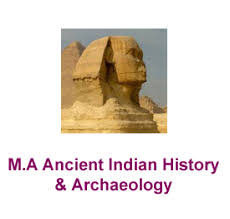
M.A. in Ancient History
Master of Arts (M.A.) in Ancient History typically spans 2 years and delves into the civilizations of the ancient world, including Greece, Rome, Egypt, and Mesopotamia. This program cove...
M.A. in Ancient History
×Master of Arts (M.A.) in Ancient History typically spans 2 years and delves into the civilizations of the ancient world, including Greece, Rome, Egypt, and Mesopotamia. This program covers various aspects such as politics, culture, religion, and art, emphasizing critical analysis of historical texts and archaeological findings. Students are encouraged to engage with primary sources and develop research skills, often culminating in a thesis or dissertation. Graduates may pursue careers in academia, museums, cultural heritage management, or historical consulting. The program fosters a deep understanding of the past and its impact on contemporary society.
B.A. in Economics
Bachelor of Arts (B.A.) in Economics is a 3-year undergraduate degree that explores the principles of economics, focusing on microeconomics, macroeconomics, econometrics, and economic theory. The p...
B.A. in Economics
×Bachelor of Arts (B.A.) in Economics is a 3-year undergraduate degree that explores the principles of economics, focusing on microeconomics, macroeconomics, econometrics, and economic theory. The program aims to develop analytical skills, critical thinking, and an understanding of economic systems, policies, and their global impact. Students study key subjects like statistics, international trade, public finance, and economic development. This degree prepares graduates for careers in sectors like banking, finance, government services, and research, or for further studies in economics, business administration, or public policy. Emphasis is also placed on real-world applications and quantitative analysis.
B.A. in English
Bachelor of Arts (B.A.) in English is a 3-year undergraduate program that focuses on the study of English literature, language, and writing. This degree covers a wide range of topics including clas...
B.A. in English
×Bachelor of Arts (B.A.) in English is a 3-year undergraduate program that focuses on the study of English literature, language, and writing. This degree covers a wide range of topics including classic and contemporary literature, poetry, drama, literary criticism, and linguistics. Students gain skills in critical analysis, interpretation, and effective communication, which are valuable in fields such as journalism, teaching, publishing, content creation, and public relations. The program also includes exploring diverse literary works, understanding their historical and cultural contexts, and honing writing and research abilities. Graduates are well-prepared for careers in writing, editing, media, and higher education.
B.A. in Hindi
Bachelor of Arts (B.A.) in Hindi is an undergraduate degree typically spanning 3 years. This program focuses on the Hindi language, literature, and culture, providing students with a dee...
B.A. in Hindi
×Bachelor of Arts (B.A.) in Hindi is an undergraduate degree typically spanning 3 years. This program focuses on the Hindi language, literature, and culture, providing students with a deep understanding of Hindi prose, poetry, and drama. It often includes courses in linguistic studies, translation, and creative writing, enhancing students' communication and analytical skills. The curriculum may also cover the history and evolution of Hindi literature, as well as contemporary issues in Hindi-speaking regions. Graduates can pursue careers in teaching, journalism, translation, content writing, and other fields that require proficiency in Hindi and cultural literacy.
B.A. in History
Bachelor of Arts (B.A.) in History typically spans 3-4 years, depending on the educational system. This program offers students a comprehensive understanding of historical events, themes, and...
B.A. in History
×Bachelor of Arts (B.A.) in History typically spans 3-4 years, depending on the educational system. This program offers students a comprehensive understanding of historical events, themes, and methodologies. Coursework covers various periods and regions, including ancient, medieval, modern, and contemporary history, emphasizing critical thinking, research skills, and analytical writing. Students engage with primary and secondary sources, fostering a nuanced understanding of historical narratives and interpretations. Many programs also encourage interdisciplinary studies, integrating perspectives from fields like sociology, political science, and anthropology. Graduates are well-skilled for careers in education, research, public history, and cultural heritage management.
B.A. in Sanskrit
Bachelor of Arts (B.A.) in Sanskrit is an undergraduate degree focused on the ancient language of Sanskrit, its literature, and cultural heritage. The program typically spans 3 years, providin...
B.A. in Sanskrit
×Bachelor of Arts (B.A.) in Sanskrit is an undergraduate degree focused on the ancient language of Sanskrit, its literature, and cultural heritage. The program typically spans 3 years, providing an in-depth study of classical Sanskrit texts, Vedic literature, epics like the Mahabharata and Ramayana, and ancient Indian philosophy. Students gain proficiency in reading, writing, and interpreting Sanskrit while exploring its grammatical structures and historical significance. The curriculum often includes elective courses on Indian culture, linguistics, and comparative studies, enhancing students' understanding of India's classical traditions. Graduates can pursue careers in academics, research, translation, or cultural preservation.
B.A. in Political Science
Bachelor of Arts (B.A.) in Political Science is an undergraduate degree typically completed over 3 years, focusing on the study of political systems, theories, and institutions. This program e...
B.A. in Political Science
×Bachelor of Arts (B.A.) in Political Science is an undergraduate degree typically completed over 3 years, focusing on the study of political systems, theories, and institutions. This program explores areas such as political theory, international relations, public administration, comparative politics, and political philosophy. Students gain an understanding of governance structures, political behavior, policy analysis, and the functioning of governments at various levels. The degree also emphasizes critical thinking, research skills, and an understanding of political dynamics and power structures. Graduates often pursue careers in public administration, civil services, law, journalism, international relations, or higher studies in political science.

Diploma in English
A diploma in English is typically a 1-year program designed to enhance language proficiency and literary understanding. It covers areas such as grammar, composition, literature analysis, and commun...
Diploma in English
×A diploma in English is typically a 1-year program designed to enhance language proficiency and literary understanding. It covers areas such as grammar, composition, literature analysis, and communication skills. The curriculum often includes modules on English linguistics, creative writing, and cultural studies. Students engage in intensive reading, writing exercises, and discussions to improve their language abilities. This diploma can be beneficial for non-native speakers seeking to improve their English or for those pursuing careers in teaching, writing, or international business. Some programs offer flexible learning options, including part-time or online courses. Upon completion, graduates may pursue further studies in English or related fields, or enter various professional sectors requiring strong English language skills.

B.A. in Public Administration
Bachelor of Arts (B.A.) in Public Administration typically spans 4 years and equips students with the knowledge and skills to manage government and non-profit organizations effectively. The pr...
B.A. in Public Administration
×Bachelor of Arts (B.A.) in Public Administration typically spans 4 years and equips students with the knowledge and skills to manage government and non-profit organizations effectively. The program covers topics such as public policy, organizational theory, budgeting, human resource management, and ethics in governance. Students learn about the structure and function of government institutions, policy-making processes, and public service delivery. Coursework often includes case studies, internships, and research projects to provide practical experience. Graduates are prepared for careers in local, state, or federal government agencies, non-profit organizations, or private sector firms that interact with government entities. This degree serves as a foundation for advanced studies in public policy, law, or business administration.

M.A. in Public Administration
Master of Arts in Public Administration (MPA) is a graduate-level degree program typically lasting 2-3 years, designed for individuals seeking leadership roles in government, non-profit organizatio...
M.A. in Public Administration
×Master of Arts in Public Administration (MPA) is a graduate-level degree program typically lasting 2-3 years, designed for individuals seeking leadership roles in government, non-profit organizations, and public service sectors. The curriculum covers essential topics such as public policy analysis, organizational management, budgeting, ethics, and governance. Students develop critical thinking, decision-making, and communication skills through coursework, case studies, and often internships or capstone projects. Many programs offer specializations in areas like healthcare administration, urban planning, or international development. An MPA equips graduates with the knowledge and skills to address complex societal challenges, implement effective policies, and manage public resources efficiently in an ever-evolving political and social landscape.
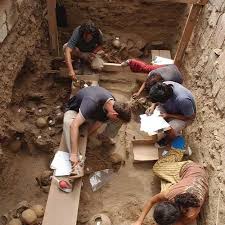
M.A. in Archaeology
Master of Arts (M.A.) in Archaeology typically spans 2 years and focuses on the study of human history and prehistory through excavation and analysis of artifacts, structures, and cultural lan...
M.A. in Archaeology
×Master of Arts (M.A.) in Archaeology typically spans 2 years and focuses on the study of human history and prehistory through excavation and analysis of artifacts, structures, and cultural landscapes. The curriculum combines theoretical coursework with practical fieldwork, enabling students to develop skills in excavation techniques, artifact analysis, and historical research. Core subjects often include archaeological methods, cultural resource management, and heritage conservation. Additionally, students may explore topics such as prehistoric societies, historical archaeology, and the application of technology in archaeology. Graduates can pursue careers in museums, research institutions, cultural resource management, or further academic research.

B.A. in Philosophy
The 3-year undergraduate Bachelor of Arts (B.A.) in Philosophy curriculum examines basic issues about existence, knowledge, values, reason, and the nature of reality. Topics including ethics, logic...
B.A. in Philosophy
×The 3-year undergraduate Bachelor of Arts (B.A.) in Philosophy curriculum examines basic issues about existence, knowledge, values, reason, and the nature of reality. Topics including ethics, logic, metaphysics, epistemology, and history of philosophy are covered in this stimulating course. To improve their reasoning abilities, students participate in philosophical discussions, analytical writing, and critical thinking exercises. Modules on applied philosophy, current topics, and other philosophical traditions are usually included in curriculum. Graduates are ready for a variety of professions that emphasize communication and critical thinking, such as public policy, education, journalism, and law. They can work as researchers, authors, or analysts in a variety of topics, with postgraduate studies in philosophy or allied fields offering chances for even more specialization.

M.A. in Anthropology
Master of Arts (M.A.) in Anthropology is a graduate program that explores the study of human societies, cultures, and their development. The course typically lasts 2 years and provides in-depth kno...
M.A. in Anthropology
×Master of Arts (M.A.) in Anthropology is a graduate program that explores the study of human societies, cultures, and their development. The course typically lasts 2 years and provides in-depth knowledge of cultural, biological, archaeological, and linguistic anthropology. Students examine global social issues, human evolution, and cultural practices through theoretical and empirical research. The program includes fieldwork, research projects, and specialized courses, such as ethnography, human rights, and public policy. Graduates often pursue careers in academia, research, social services, government, and international organizations, contributing to cross-cultural understanding and policy-making.

B.A. in Anthropology
Bachelor of Arts (B.A.) in Anthropology typically takes 3-4 years to complete, offering a comprehensive understanding of human societies, cultures, and evolutionary biology. The program covers...
B.A. in Anthropology
×Bachelor of Arts (B.A.) in Anthropology typically takes 3-4 years to complete, offering a comprehensive understanding of human societies, cultures, and evolutionary biology. The program covers key areas like cultural anthropology, archaeology, biological anthropology, and linguistic anthropology. Students explore human behavior, social structures, ancient civilizations, and the biological aspects of human evolution. The curriculum involves both theoretical and practical learning, including fieldwork and research projects. Graduates acquire critical thinking, research, and analytical skills, preparing them for careers in academia, museums, NGOs, government, and international organizations, or further studies in anthropology or related fields.
M.A. in Philosophy
Master of Arts (M.A.) in Philosophy is a graduate program designed to deepen students' understanding of fundamental philosophical concepts, theories, and methods. Typically spanning 1 - 2 years...
M.A. in Philosophy
×Master of Arts (M.A.) in Philosophy is a graduate program designed to deepen students' understanding of fundamental philosophical concepts, theories, and methods. Typically spanning 1 - 2 years, this program covers areas such as ethics, logic, metaphysics, epistemology, and political philosophy. Students engage in critical thinking, analysis of classical and contemporary texts, and develop skills in writing and argumentation. Graduates can pursue careers in academia, law, publishing, government, or non-profit sectors. The M.A. in Philosophy prepares students for further research or teaching, providing a solid foundation for a wide range of intellectual and professional pursuits.

M.A. in Linguistics
M.A. in Linguistics is a postgraduate program designed to provide students with an in-depth understanding of language structure, theory, and application. This 2 year course focuses on areas such as...
M.A. in Linguistics
×M.A. in Linguistics is a postgraduate program designed to provide students with an in-depth understanding of language structure, theory, and application. This 2 year course focuses on areas such as phonetics, syntax, semantics, sociolinguistics, psycholinguistics, and language acquisition, offering both theoretical knowledge and practical research skills. Students engage with the scientific study of language, learning how language evolves, functions, and impacts society. The program also includes opportunities for specialization in various subfields of linguistics. Graduates of the program are well-prepared for careers in education, research, translation, and language technology. The M.A. in Linguistics offers both a strong academic foundation and the flexibility to explore language-related challenges in diverse real-world contexts.
Master in Kannada
Master’s degree in Kannada typically spans 2 years and is designed to provide an in-depth understanding of the Kannada language, literature, and culture. This program offers a blend of t...
Master in Kannada
×Master’s degree in Kannada typically spans 2 years and is designed to provide an in-depth understanding of the Kannada language, literature, and culture. This program offers a blend of theoretical and practical learning, focusing on aspects such as Kannada grammar, historical literature, linguistics, and contemporary literary forms. Students engage with classic and modern Kannada texts, as well as research methodologies that help analyze the evolution of the language and its societal impact. Many universities also include opportunities for students to specialize in areas like translation, media, or language teaching. The curriculum fosters critical thinking, enhances communication skills, and prepares graduates for careers in academia, publishing, media, and government services, particularly in Karnataka. The course is ideal for those passionate about preserving and promoting the rich heritage of the Kannada language.
Master in Social Work
Master of Social Work (MSW) is a graduate program that prepares students for advanced practice in social work, with a focus on supporting individuals, families, and communities. The curriculum norm...
Master in Social Work
×Master of Social Work (MSW) is a graduate program that prepares students for advanced practice in social work, with a focus on supporting individuals, families, and communities. The curriculum normally lasts 2 years, but part-time and expedited versions are offered, with coursework covering topics like as human behavior, social policy, ethics, and research methodologies. MSW students also participate in fieldwork, which provides real-world experience in a variety of settings including hospitals, schools, government organizations, and non-profits. Graduates of the degree are prepared to address social concerns, advocate for change, and work in a variety of settings, including clinical social work, policy analysis, and community development. Furthermore, an MSW can lead to licensure and professional certifications.
M.A. in Women's Studies
M.A. in Women's Studies is a graduate program that typically spans 2 years, offering in-depth exploration into gender, feminism, and the experiences of women across various cultural, histo...
M.A. in Women's Studies
×M.A. in Women's Studies is a graduate program that typically spans 2 years, offering in-depth exploration into gender, feminism, and the experiences of women across various cultural, historical, and social contexts. The course combines theoretical and practical approaches, covering topics such as feminist theory, gender politics, gender and sexuality, and women’s rights activism. Students engage in critical thinking and research, developing the skills to analyze power dynamics, societal norms, and policies affecting women. The program prepares graduates for careers in education, social services, advocacy, research, and policy-making. Some institutions may offer specializations in areas like media studies, intersectionality, or global women’s movements. Through seminars, fieldwork, and thesis projects, students acquire a comprehensive understanding of gender issues worldwide.

M.A. in Comparative Literature
A Master of Arts (M.A.) in Comparative Literature is an advanced graduate program that typically spans 2 years. This interdisciplinary course explores literature across different languages, culture...
M.A. in Comparative Literature
×A Master of Arts (M.A.) in Comparative Literature is an advanced graduate program that typically spans 2 years. This interdisciplinary course explores literature across different languages, cultures, and historical contexts. Students examine literary works from a variety of traditions and genres, analyzing themes, structures, and historical influences. The program emphasizes critical thinking, comparative analysis, and research methodologies, allowing students to engage with texts from diverse periods and regions. Graduates gain a deep understanding of global literary traditions, honing skills in writing, analysis, and interpretation. The M.A. in Comparative Literature is ideal for those pursuing careers in academia, publishing, translation, and cultural studies, offering a broad intellectual foundation for a variety of fields.

B.A. in Comparative Literature
B.A. in Comparative Literature is a dynamic and interdisciplinary undergraduate program that explores literature across cultures, languages, and time periods. Students examine texts from diverse tr...
B.A. in Comparative Literature
×B.A. in Comparative Literature is a dynamic and interdisciplinary undergraduate program that explores literature across cultures, languages, and time periods. Students examine texts from diverse traditions, comparing themes, styles, and historical contexts, fostering a deep understanding of global literary works. The program emphasizes critical thinking, analytical skills, and the ability to interpret literature from a variety of perspectives, including cultural, historical, and philosophical angles. Coursework typically includes literature analysis, theory, translation studies, and language proficiency in multiple languages. The course duration is usually 3-4 years, depending on the university and location. Graduates of the program are well-prepared for careers in education, publishing, journalism, and cultural organizations or may pursue further studies in literature or related fields.
B.A. in Linguistics
B.A. in Linguistics is a 3-year undergraduate program that provides an in-depth understanding of the structure, development, and usage of language. The course covers various areas of linguist...
B.A. in Linguistics
×B.A. in Linguistics is a 3-year undergraduate program that provides an in-depth understanding of the structure, development, and usage of language. The course covers various areas of linguistics such as phonetics, phonology, syntax, semantics, pragmatics, sociolinguistics, and psycholinguistics. Students also explore the relationship between language and culture, language acquisition, and the historical evolution of languages. The program typically includes theoretical and practical components, including research projects and fieldwork. Graduates of this course gain valuable skills in analytical thinking, problem-solving, and communication, which can lead to career opportunities in education, translation, journalism, language technology, and research. The B.A. in Linguistics provides a solid foundation for further studies in linguistics or related fields.

B.A. in Jain Darshana
B.A. in Jain Darshana is a specialized undergraduate course focusing on the study of Jain philosophy, its teachings, ethics, and practices. This course typically spans 3 years, divided i...
B.A. in Jain Darshana
×B.A. in Jain Darshana is a specialized undergraduate course focusing on the study of Jain philosophy, its teachings, ethics, and practices. This course typically spans 3 years, divided into 6 semesters. Students explore the history of Jainism, its sacred texts such as the Agamas, and its contribution to Indian philosophy and culture. The curriculum also covers various aspects of Jain logic, cosmology, and the significance of non-violence (ahimsa). The program is designed to provide a deep understanding of Jainism's principles and their application in modern society. Graduates can pursue careers in teaching, research, or work with Jain institutions, cultural organizations, or non-governmental organizations (NGOs) promoting ethical living.

M.A. in Jain Darshan
M.A. in Jain Darshan is a postgraduate program that delves into the rich philosophical, religious, and cultural traditions of Jainism. This course typically spans 2 years, with a curriculum t...
M.A. in Jain Darshan
×M.A. in Jain Darshan is a postgraduate program that delves into the rich philosophical, religious, and cultural traditions of Jainism. This course typically spans 2 years, with a curriculum that includes in-depth studies of Jain philosophy, scriptures, ethics, history, and rituals. Students explore topics such as Jain metaphysics, epistemology, cosmology, and the teachings of prominent Jain scholars. The program aims to provide a thorough understanding of Jain thought and its influence on Indian culture and society. Graduates of this course are equipped for careers in academia, religious organizations, and cultural institutions, as well as for further research in Jain studies. This course is ideal for those seeking expertise in ancient Indian philosophies and religious traditions.
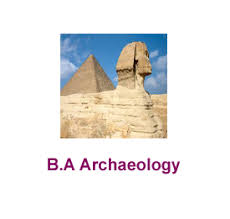
B.A. in Archaeology
B.A. in Archaeology is an undergraduate degree that typically takes 3 years to complete, though it may vary depending on the institution or country. This course offers a comprehensive study of...
B.A. in Archaeology
×B.A. in Archaeology is an undergraduate degree that typically takes 3 years to complete, though it may vary depending on the institution or country. This course offers a comprehensive study of human history through the excavation, analysis, and interpretation of material remains. Students explore subjects such as prehistoric archaeology, classical civilizations, historical archaeology, and fieldwork methodologies. The curriculum includes theoretical aspects of archaeology, research techniques, and laboratory practices, emphasizing the development of critical thinking and analytical skills. Practical experience is often gained through field excavations or museum internships. Graduates of this program are prepared for careers in research, museums, cultural heritage management, or further academic study in archaeology or related fields.

PG Diploma in Translation Studies
1-year postgraduate program called a PG Diploma in Translation Studies is intended for people who want to succeed in the translation industry. Gaining proficiency in translating writings between la...
PG Diploma in Translation Studies
×1-year postgraduate program called a PG Diploma in Translation Studies is intended for people who want to succeed in the translation industry. Gaining proficiency in translating writings between languages while maintaining their cultural and contextual integrity is the main goal of this course. It covers fundamental subjects such computer-aided translation, linguistics, translation theory, and specialized translations in technical, literary, and legal domains. Graduates of the curriculum should be highly proficient in at least two languages. Jobs in publishing, media, international organizations, and localization services are among the career options. A bachelor's degree is normally required for eligibility, and certain schools may administer an entrance exam.
PG Diploma in Epigraphy
The Post Graduate Diploma in Epigraphy is a specialized program designed to provide students with an in-depth understanding of ancient scripts and inscriptions. The course covers various aspects of...
PG Diploma in Epigraphy
×The Post Graduate Diploma in Epigraphy is a specialized program designed to provide students with an in-depth understanding of ancient scripts and inscriptions. The course covers various aspects of epigraphy, including the study of historical inscriptions, their preservation, and decipherment techniques. Students will gain knowledge of different regional scripts and their significance in historical research. The program also emphasizes fieldwork and hands-on training in the analysis of inscriptions found in archaeological sites. Typically lasting 1 year, the diploma equips students with the skills necessary for careers in archaeology, history, museum curation, and research. Admission is based on academic qualifications, and the course is suitable for graduates in history, archaeology, and related disciplines.

Diploma in Kannada
The Diploma in Kannada is a comprehensive program designed to enhance proficiency in the Kannada language, offering students a deep understanding of its grammar, literature, and cultural significan...
Diploma in Kannada
×The Diploma in Kannada is a comprehensive program designed to enhance proficiency in the Kannada language, offering students a deep understanding of its grammar, literature, and cultural significance. The course covers essential topics such as Kannada composition, translation, poetry, prose, and linguistics, along with an introduction to Kannada history and cultural traditions. It aims to develop strong reading, writing, and communication skills in Kannada, preparing students for careers in translation, teaching, journalism, and more. The program typically lasts for 1-2 years, depending on the institution. Ideal for those with a passion for Kannada, this diploma opens up opportunities for academic advancement and professional growth in the language and cultural sectors.
PG Diploma in Women's Studies
A Postgraduate Diploma in Women's Studies is a comprehensive program designed to explore gender, women’s rights, and social issues from a multidisciplinary perspective. This course typica...
PG Diploma in Women's Studies
×A Postgraduate Diploma in Women's Studies is a comprehensive program designed to explore gender, women’s rights, and social issues from a multidisciplinary perspective. This course typically spans 1 year (2 semesters) and provides in-depth knowledge about the social, economic, and cultural dimensions of women's experiences globally. It covers a range of topics including feminist theory, gender justice, women’s health, gender-based violence, and women’s participation in politics and the economy. The curriculum integrates both theoretical and practical components, encouraging critical thinking and research skills. Graduates can pursue careers in social work, NGOs, public policy, academia, and other sectors focused on gender equality and women’s empowerment. The program is ideal for those passionate about advocating for women’s rights and creating social change.

M.A. in Tamilology, Folklore & Culture
M.A. in Tamilology, Folklore, and Culture is a specialized postgraduate program designed to deepen knowledge of Tamil language, literature, folklore, and cultural traditions. This course provides a...
M.A. in Tamilology, Folklore & Culture
×M.A. in Tamilology, Folklore, and Culture is a specialized postgraduate program designed to deepen knowledge of Tamil language, literature, folklore, and cultural traditions. This course provides a comprehensive understanding of Tamil history, customs, oral traditions, and performing arts, fostering an appreciation for the region's rich cultural heritage. The duration of the program is typically 2 years, divided into four semesters. Students are introduced to a wide range of topics, including Tamil classical literature, the evolution of Tamil society, folk traditions, and the role of culture in shaping contemporary identity. Graduates of this program often pursue careers in academia, cultural preservation, research, and media. The course combines theoretical learning with practical applications to preserve and promote Tamil culture in modern times.
POPULAR COURSES
(D.ED(TCH))
A.N.M.
Acharya - Navyavyakarna
Acharya - Phalita Jyotisha
Acharya - Sanskrit Sahitya
Acharya - Siddhanta Jyotisha
Adobe Photoshop
Advance Certificate Course in Beauty Therapy
Advance Certificate Course in Cosmetology
Advance Certificate Course in Hair Dressing
Advance Certificate Course in Makeup Artistry
Advance certificate Course in Nail Technology
Advance Diploma in Anesthesia Technology
Advance Diploma In Child Guidance And Counselling
Advance Diploma in Dialysis Technology
Advance Diploma in Disciples India
Advance Diploma in Fashion Design & Technology
Advance Diploma in Industrial Safety
Advance Diploma In Insurance Sales
Advance Diploma in Interior Designing
Advance Diploma in Journalism & Mass Communication
Advance Diploma in Medical Lab Technology
Advance Diploma in Operation Theatre Technology
Advance Diploma in Radiology & Imaging Technology
Advance Diploma of Proficiency in French
Advance Diploma of Proficiency in German
Advance Diploma of Proficiency in Russian
Advanced Certificate in Medical Microbiology Laboratory Technology (ACMMLT)
Advanced Certified Software Developer
Advanced Diploma in 3D Printing Technology
Advanced Diploma in Animation
Advanced Diploma in Aviation, Hospitality and Tourism
Advanced Diploma in Computer Application
Advanced Diploma in Computer Software, System Analysis & Application
Advanced Diploma in Data Science
Advanced Diploma in Hardware And Networking
Advanced Diploma in Information Technology
Advanced Diploma in Machine Learning
Advanced Diploma in Multimedia Programming
Advanced Diploma in Networking
Advanced Diploma in Sound Recording Technology
Advanced Diploma in Textile Design
Advanced Diploma in Vastu and Jyotish
Agriculture & Allied Services
Agriculture & Horticulture
Agriculture & Live Stock Production
Agriculture Technology
AHDP Diploma In Animal Husbandry Program
Arogyamitra
Artificial Intelligence And Machine Learning
Automobile Technology
B,Com. in Computer Application
B. Sc. Hons. in Anaesthesia & Operation Theatre Technology
B. Sc. Hons. in Emergency Medical Technology
B. Sc. Hons.in Medical Laboratory Technology
B. Sc. in Hospitality and Tourism Management
B. Tech. in Fisheries Engineering
B. Tech. in Leather technology
B.A. General
B.A. B.Ed.
Popular Stream
State
Andaman and Nicobar Island (UT)
Andaman and Nicobar Islands
Andhra Pradesh
Arunachal Pradesh
Assam
Bihar
Chandigarh
Chandigarh (UT)
Chhattisgarh
Dadra and Nagar
Dadra and Nagar Haveli
Dadra and Nagar Haveli (UT)
Daman and Diu
Daman and Diu (UT)
Delhi
Delhi (NCT)
Donets'k
Goa
Gujarat
Gujarat
Haryana
Himachal Pradesh
Jammu and Kashmir
Jammu and Kashmir(UT)
Jharkhand
jjj
Karnataka
Kerala
Ladakh(UT)
Lakshadweep
LAKSHADWEEP (UT)
Madhya Pradesh
Maharashtra
Manipur
Meghalaya
Mizoram
Nagaland
Niigata
Odisha
Puducherry