Ph.D. in Animal Biotechnology explores the use of biotechnological techniques to improve animal health, breeding, and productivity. The program typically lasts 3 to 5 years and includes instruction in molecular biology, genetics, bioinformatics, and immunology as well as extensive research. Students learn about cutting-edge issues such as genetic engineering, cloning, transgenics, stem cell research, and gene editing technologies like CRISPR. Animal illness models, biopharmaceutical development, and livestock productivity improvement are all possible topics for research. Graduates are prepared to work in academia, research institutes, pharmaceutical corporations, or biotechnology firms, helping to progress animal genetics, health management, and the creation of novel biotechnological solutions.

National Dairy Research Institute
National Dairy Research Institute Admission Open
Ph.D. in Animal Biotechnology
Ph.D. in Animal Biotechnology explores the use of biotechnological techniques to improve animal health, breeding, and productivity. The program typically lasts 3 to 5 years and includes instr...
Ph.D. in Animal Biotechnology
×
Ph.D. in Animal Genetics And Breeding
Ph.D. in Animal Genetics and Breeding focuses on the use of genetic ideas and breeding techniques to improve the quality, productivity, and health of livestock and companion animals. The cour...
Ph.D. in Animal Genetics And Breeding
× Ph.D. in Animal Genetics and Breeding focuses on the use of genetic ideas and breeding techniques to improve the quality, productivity, and health of livestock and companion animals. The course of study, which typically lasts 3-5 years, integrates courses in molecular genetics, genomics, animal breeding tactics, and reproductive technology with original research. Students learn about genetic selection, gene mapping, heredity, and the role of genetics in illness resistance and performance attributes. Graduates are prepared to work in academia, research, breeding programs, or agricultural sectors, helping to enhance livestock improvement, conservation genetics, and the establishment of high-performance animal populations.
Ph.D. in Animal Nutrition
Ph.D. in Animal Nutrition investigates animal diets, digestive processes, and the impact of nutrients in growth, reproduction, and overall health. The program, which typically lasts 3-5 ...
Ph.D. in Animal Nutrition
×Ph.D. in Animal Nutrition investigates animal diets, digestive processes, and the impact of nutrients in growth, reproduction, and overall health. The program, which typically lasts 3-5 years, integrates training in biochemistry, physiology, feed composition, and metabolic studies with original research. Students investigate food metabolism, the effect of nutrition on animal performance, and the development of long-term and cost-effective feeding methods for varied species. Graduates are prepared to work in academia, research, the animal feed industry, or agricultural organizations, helping to improve animal health, productivity, and sustainable farming techniques.

Ph.D. in Livestock Products Technology
Ph.D. in Livestock Products Technology studies the science and technology that underpins the production, processing, and quality control of animal-based goods such as meat, milk, eggs, and le...
Ph.D. in Livestock Products Technology
× Ph.D. in Livestock Products Technology studies the science and technology that underpins the production, processing, and quality control of animal-based goods such as meat, milk, eggs, and leather. The program typically lasts 3 to 5 years and includes instruction in food science, biochemistry, microbiology, and animal husbandry as well as extensive research. Students learn about meat and dairy processing, food safety, quality assurance, and new ways to preserve and enhance livestock products. Graduates are prepared to work in academia, the food industry, government regulatory agencies, and research organizations, helping to promote food safety, sustainability, and the creation of new livestock-based products.
Ph.D. in Dairy Microbiology
Ph.D. in Dairy Microbiology specializes in the study of microorganisms found in dairy products, particularly their function in fermentation, spoilage, and food safety. The program lasts 3 to 5 year...
Ph.D. in Dairy Microbiology
×Ph.D. in Dairy Microbiology specializes in the study of microorganisms found in dairy products, particularly their function in fermentation, spoilage, and food safety. The program lasts 3 to 5 years and includes instruction in microbiology, molecular biology, food safety, and biotechnology, as well as hands-on research. Students look into the microbiological elements of milk and dairy product production, quality control, and preservation methods. Key themes include bacterial cultures in cheese and yogurt, dairy diseases, and probiotic research. Graduates are prepared to work in academia, food industries, research organizations, and regulatory agencies, helping to advance dairy microbiology, food safety, and product development.
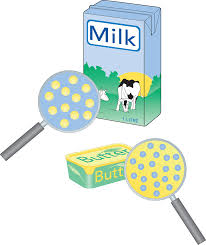
Ph.D. in Dairy Chemistry
Ph.D. in Dairy Chemistry studies the chemical composition, characteristics, and processes of dairy products. The program typically lasts 3 to 5 years and includes advanced training in organic...
Ph.D. in Dairy Chemistry
×Ph.D. in Dairy Chemistry studies the chemical composition, characteristics, and processes of dairy products. The program typically lasts 3 to 5 years and includes advanced training in organic chemistry, analytical techniques, food science, and biochemistry, as well as original research. Students investigate the molecular structure of milk components, chemical reactions occurring during dairy processing, and how they affect product quality, flavor, and nutrition. Milk proteins, lipids, enzymes, and the chemistry of fermentation in dairy products such as cheese and yogurt are among the topics under investigation. Graduates are equipped for positions in academia, food industries, research institutes, and quality control, which advance breakthroughs in dairy product creation and processing.
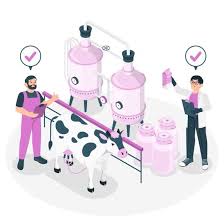
Ph.D. in Dairy Technology
Ph.D. in Dairy Technology examines the scientific and technological aspects of milk and dairy product production, processing, and preservation. The program typically lasts 3 to 5 years and in...
Ph.D. in Dairy Technology
×Ph.D. in Dairy Technology examines the scientific and technological aspects of milk and dairy product production, processing, and preservation. The program typically lasts 3 to 5 years and includes instruction in food science, microbiology, biochemistry, and engineering as well as extensive research. Students learn about dairy fermentation, product development, quality control, and packaging and storage innovations. They also investigate the effects of dairy processing on nutritional value and safety. Graduates are prepared to work in academia, research institutes, dairy production firms, and the food industry, helping to promote dairy processing technology, product development, and dairy sector sustainability.
Ph.D. in Dairy Engineering
Ph.D. in Dairy Engineering is a doctoral research program that focuses on the application of engineering ideas to the dairy sector. The program normally lasts three to five years and includes...
Ph.D. in Dairy Engineering
×Ph.D. in Dairy Engineering is a doctoral research program that focuses on the application of engineering ideas to the dairy sector. The program normally lasts three to five years and includes classes in food processing, thermal systems, dairy equipment design, and automation. Students do research on enhancing dairy output, processing efficiency, quality control, and sustainability in dairy systems. Refrigeration, waste management, and the development of novel technology for milk preservation and product innovation are all possible topics. Graduates are prepared to work in academia, dairy engineering enterprises, and the food sector, helping to promote technology that improves dairy production and processing efficiency.
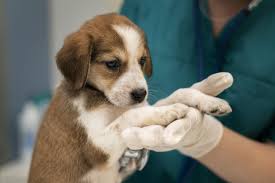
Ph.D. in Animal Biochemistry
Ph.D. in Animal Biochemistry studies molecular and biochemical processes in animals, such as metabolism, protein synthesis, enzymology, and cell signaling. The program typically lasts 3 to 5...
Ph.D. in Animal Biochemistry
×Ph.D. in Animal Biochemistry studies molecular and biochemical processes in animals, such as metabolism, protein synthesis, enzymology, and cell signaling. The program typically lasts 3 to 5 years and includes advanced study in biochemistry, molecular biology, and physiology, as well as significant laboratory research. Students examine the biochemical mechanisms that govern animal health, growth, reproduction, and illness. Nutrition, genetic expression, metabolic diseases, and biotechnological applications are some possible topics. Graduates are prepared to work in academia, pharmaceutical businesses, veterinary research, or biotechnology, helping to promote animal health, nutrition, and the development of novel therapeutics for livestock and companion animals.
Ph.D. in Animal Physiology
Ph.D. in Dairy Economics is an advanced research-focused program that explores the economic dynamics of the dairy industry, including production costs, market trends, policy analysis, and glo...
Ph.D. in Animal Physiology
×Ph.D. in Dairy Economics is an advanced research-focused program that explores the economic dynamics of the dairy industry, including production costs, market trends, policy analysis, and global trade. Typically lasting 3 to 5 years, the program combines rigorous coursework in economics, econometrics, and agricultural policy with in-depth research on dairy-related economic issues. Students examine topics like supply chain management, dairy pricing, subsidy impacts, and sustainability practices. Graduates are prepared for careers in academia, government agencies, international organizations, or consulting firms, where they contribute to shaping policies and strategies that enhance the economic viability and sustainability of the dairy sector.
Ph.D. in Dairy Economics
Ph.D. in Dairy Economics studies the economic aspects of the dairy sector, such as production, market analysis, policy, and long-term economic plans. The program typically lasts 3-5 year...
Ph.D. in Dairy Economics
× Ph.D. in Dairy Economics studies the economic aspects of the dairy sector, such as production, market analysis, policy, and long-term economic plans. The program typically lasts 3-5 years and includes advanced study, research, and quantitative analysis. Students study cost-benefit analysis, dairy supply chains, pricing mechanisms, and the effects of government policies on dairy markets. The curriculum prepares graduates for employment in research, academia, government, and industry, with an emphasis on macroeconomic and microeconomic perspectives. Graduates help to improve dairy farm profitability, policy formation, and market efficiency, hence promoting sustainable development and economic growth in the dairy industry.
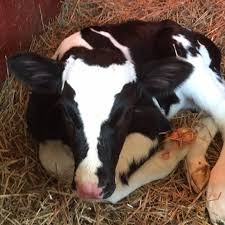
Ph.D. in Dairy Extension Education
Ph.D. in Dairy Extension Education focuses on using extension methodologies and communication tactics to enhance dairy farming practices. The curriculum lasts 3-5 years and combines academic e...
Ph.D. in Dairy Extension Education
×Ph.D. in Dairy Extension Education focuses on using extension methodologies and communication tactics to enhance dairy farming practices. The curriculum lasts 3-5 years and combines academic education with field research. Students investigate topics such as dairy farm management, animal health, nutrition, and sustainable dairy practices, all while learning how to educate and empower farmers through extension services. Key issues include rural development, agricultural policy, and socioeconomic variables influencing the dairy business. Graduates frequently work as educators, researchers, or consultants for government agencies, agricultural organizations, and dairy development projects, helping to increase dairy productivity and rural livelihoods.
Ph.D. in Animal Reproduction
Ph.D. in Animal Reproduction focuses on advanced study into animal reproductive biology, such as fertilization, gestation, reproductive endocrinology, and genetic selection. The program norma...
Ph.D. in Animal Reproduction
× Ph.D. in Animal Reproduction focuses on advanced study into animal reproductive biology, such as fertilization, gestation, reproductive endocrinology, and genetic selection. The program normally lasts 3-5 years and includes classroom, laboratory research, and field studies. Students examine reproductive technologies such artificial insemination, embryo transfer, and cloning, as well as reproductive health and illnesses in different animals. Graduates of the program frequently pursue professions in academia, veterinary science, animal breeding, and research institutes, helping to increase livestock productivity, conservation initiatives, and sustainable agricultural methods.
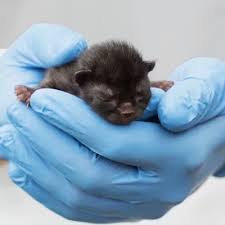
Ph.D. in Animal Gynaecology and Obstetrics
The advanced study and research of animal reproductive health, including physiology, pathology, and treatment of reproductive problems, is the subject of a Ph.D. in Animal Gynecology and Obstetrics...
Ph.D. in Animal Gynaecology and Obstetrics
×The advanced study and research of animal reproductive health, including physiology, pathology, and treatment of reproductive problems, is the subject of a Ph.D. in Animal Gynecology and Obstetrics. Comprehensive research, coursework, and hands-on training in animal breeding, reproductive technology, and obstetric interventions are all part of the 3-5 year program. Students also study topics connected to animal reproductive, such as genetics, endocrinology, and veterinary diagnostics. In addition to advancing livestock management, wildlife conservation, and animal welfare, this specialized degree prepares graduates for positions in academia, research facilities, veterinary practice, and animal breeding programs.