
Ph.D. in architecture usually takes 3-5 years to complete, depending on the curriculum and research specialization. This postgraduate degree focuses on unique research and theoretical investigation in architectural studies. Candidates specialize in fields such as sustainable design, urban planning, architectural history, and emerging construction technologies. The curriculum often includes coursework, rigorous tests, and a dissertation that adds new understanding to the topic. Students learn advanced critical thinking, research methods, and academic writing abilities. Graduates can pursue various professions in academia, research institutions, or high-level roles within architectural firms. This degree equips students to be thought leaders and innovators in architectural theory and practice.

NIRMA University
NIRMA University Admission Open

Ph.D. in Planning
Ph.D. in Planning is the highest academic degree in the discipline of urban, regional, or environmental planning, often requiring 4-6 years of study. The curriculum emphasizes sophisticated researc...
Ph.D. in Planning
×Ph.D. in Planning is the highest academic degree in the discipline of urban, regional, or environmental planning, often requiring 4-6 years of study. The curriculum emphasizes sophisticated research methods, theory building, and policy analysis. Students complete demanding coursework, thorough tests, and original research, culminating in a PhD dissertation. Sustainable development, transportation systems, housing policy, economic development, and environmental management could all be important subjects of research. Graduates can pursue academic jobs, and high-level positions in government agencies, non-profit organizations, and private consulting firms. The degree stresses critical thinking, problem-solving skills, and the capacity to contribute novel solutions to complex planning difficulties in an increasingly urbanized environment.

Ph.D. in Economics
Ph.D. in Economics takes approximately 4-6 years to complete, depending on the program and individual success. The degree requires advanced study of economic theory, quantitative methods, and speci...
Ph.D. in Economics
×Ph.D. in Economics takes approximately 4-6 years to complete, depending on the program and individual success. The degree requires advanced study of economic theory, quantitative methods, and specific subjects such as macroeconomics, microeconomics, econometrics, and development economics. Students complete demanding coursework, thorough tests, and original research, culminating in a PhD dissertation. This degree provides different career positions in academia, research institutes, government agencies, and the business sector that require advanced economic analysis. Data analysis, mathematical modeling, critical thinking, and the capacity to undertake independent study on complicated economic issues are all important abilities learned.

Ph.D. in Mechanical Engineering
Ph.D. in Mechanical Engineering takes around 4-6 years to complete, depending on the university and research project. This advanced degree focuses on developing cutting-edge knowledge in fields suc...
Ph.D. in Mechanical Engineering
×Ph.D. in Mechanical Engineering takes around 4-6 years to complete, depending on the university and research project. This advanced degree focuses on developing cutting-edge knowledge in fields such as robotics, thermodynamics, fluid mechanics, materials science, and control systems. Students take challenging courses, perform unique research, and complete a PhD dissertation. The curriculum promotes problem-solving, critical thinking, and innovative abilities, preparing graduates to take on leadership roles in academia, industry, or research organizations. Ph.D. candidates usually collaborate on interdisciplinary projects, publish in peer-reviewed journals, and give presentations at conferences, all of which contribute to growth in sectors such as renewable energy, aerospace, automotive engineering, and biomedical devices.

Ph.D. in Computer Science And Engineering
Ph.D. in Computer Science and Engineering usually requires 4-6 years to attain, depending on the university and the stage of the study. This advanced degree focuses cutting-edge research in f...
Ph.D. in Computer Science And Engineering
×Ph.D. in Computer Science and Engineering usually requires 4-6 years to attain, depending on the university and the stage of the study. This advanced degree focuses cutting-edge research in fields such as artificial intelligence, machine learning, cybersecurity, computer networks, and software engineering. Students take tough courses, perform unique research, and submit a dissertation under faculty supervision. The program of study encourages skill in problem-solving, critical thinking, and innovation in the sector. Graduates are prepared to work in academia, research labs, or high-level positions within the technology business. Admission usually requires a master's degree in a related discipline, an impressive academic record, and research potential. Teaching or research fellowships are common sources for funding.

Ph.D. in Electronics And Communication Engineering
Ph.D. in Electronics and Communication Engineering generally takes 3-5 years to complete, depending on the university and the level of the study. This advanced degree focuses the latest development...
Ph.D. in Electronics And Communication Engineering
×Ph.D. in Electronics and Communication Engineering generally takes 3-5 years to complete, depending on the university and the level of the study. This advanced degree focuses the latest developments in signal processing, wireless communications, microelectronics, and embedded systems. Students undertake challenging courses, implement original research, and write their dissertations under faculty supervision. The program promotes skills in developing complex electronic systems, creating innovative communication technologies, and addressing real-world engineering challenges. Graduates are well-prepared to work in academia, research institutions, or high-tech enterprises, helping to improve disciplines such as 5G/6G networks, IoT, artificial intelligence, and quantum computing. This degree involves strong analytical skills, creativity, and an intense passion for technological advancement.

Ph.D. in Electrical Engineering
Ph.D. in Electrical Engineering generally requires 4-6 years to complete, depending on a master's degree. This advanced degree emphasizes cutting-edge research and specific fields like signal p...
Ph.D. in Electrical Engineering
×Ph.D. in Electrical Engineering generally requires 4-6 years to complete, depending on a master's degree. This advanced degree emphasizes cutting-edge research and specific fields like signal processing, power systems, and telecommunications. Candidates take challenging courses, perform distinctive research, and defend a dissertation. Advanced mathematics, electromagnetic theory, and computer engineering are common topics in the curriculum. Graduates possess the skills for job opportunities in academia, research institutes, and high-tech business organizations. This degree desires strong analytical abilities, creativity, and tenacity. It provides opportunity to contribute to technological developments and solve complicated engineering challenges, making it a lucrative career path for those who enjoy innovation in electrical systems and technology.

Ph.D. in Law
The highest academic degree in legal studies is the Ph.D. in Law, generally requires 3-5 years to complete. This challenging program emphasizes advanced legal research, theory, and scholarly...
Ph.D. in Law
×The highest academic degree in legal studies is the Ph.D. in Law, generally requires 3-5 years to complete. This challenging program emphasizes advanced legal research, theory, and scholarly writing. Candidates select a specific topic of law for a comprehensive study and innovative contribution to legal knowledge. The curriculum consists of coursework, comprehensive exams, and the production of a doctoral dissertation with faculty supervision. Students acquire knowledge of legal analysis, research methods, and academic writing. A Ph.D. in Law prepares graduates for a position in academia, legal research, policymaking, or senior positions in law firms and organizations. Admission generally requires an elementary law degree (J.D. or LL.M.) along with suitable experience.

Ph.D. in Management
Ph.D. in Management typically requires 4-6 years to complete, depending on the university and the student's progress. This postgraduate degree program focuses on enhancing awareness of manageme...
Ph.D. in Management
×Ph.D. in Management typically requires 4-6 years to complete, depending on the university and the student's progress. This postgraduate degree program focuses on enhancing awareness of management theory, research methods, and organizational behavior. Students pursue demanding coursework, thorough tests, and original research, culminating in a PhD dissertation. Strategic management, leadership, organizational psychology, and advanced statistics are common themes in the curriculum. Graduates are equipped for jobs in academia, research institutions, or high-level consultancy positions. The curriculum demands a good academic background, which typically includes a master's degree, and stresses critical thinking, analytical skills, and the ability to contribute new information to the field of management.

Ph.D. in Biotechnology
Ph.D. in Biotechnology is an advanced research degree that involves biology, technology, and engineering. It generally takes 4-6 years to complete. The curriculum focuses on discovering innovative...
Ph.D. in Biotechnology
×Ph.D. in Biotechnology is an advanced research degree that involves biology, technology, and engineering. It generally takes 4-6 years to complete. The curriculum focuses on discovering innovative solutions to healthcare, agricultural businesses, and environmental issues. Students engage in intensive coursework, laboratory research, and frequent collaborations with industry partners. Genetic engineering, bioinformatics, molecular biology, and bioprocess engineering are all significant study fields. Candidates have to do original research, publish in peer-reviewed publications, and defend their doctoral thesis. This degree prepares graduates for managerial positions in academia, research institutes, pharmaceutical businesses, and biotech startups, advancing disciplines such as medication development, sustainable agriculture, and biofuel production.

Ph.D. in Biochemistry
A Ph.D. in Biochemistry normally takes 4-6 years to complete, with a concentration on the chemical processes found within and related to living organisms. This advanced degree needs intensive labor...
Ph.D. in Biochemistry
×A Ph.D. in Biochemistry normally takes 4-6 years to complete, with a concentration on the chemical processes found within and related to living organisms. This advanced degree needs intensive laboratory research, data analysis, and the creation of a unique thesis. Students analyze molecular biology, enzymology, and cellular metabolism. The program often involves coursework, teaching assistantships, and the publication of research publications. Graduates have the ability to pursue careers in academia, pharmaceutical research, biotechnology, and allied fields. The doctoral program develops critical thinking, problem-solving abilities, and the ability to design and conduct autonomous research, resulting in important contributions to the field of biochemistry and related life sciences.

Ph.D. in Microbiology
Ph.D. in Microbiology usually takes 4-6 years to complete which involves extensive research on microorganisms, their interactions, and their impact on various ecosystems. The academic program inclu...
Ph.D. in Microbiology
×Ph.D. in Microbiology usually takes 4-6 years to complete which involves extensive research on microorganisms, their interactions, and their impact on various ecosystems. The academic program includes advanced coursework, laboratory research, and a dissertation. Students research bacterial genetics, virology, immunology, and microbial ecology. They acquire experts in cutting-edge procedures such as gene sequencing, bioinformatics, and microscopy. This degree prepares graduates for professions in academia, biotechnology, pharmaceuticals, and public health, granting them the skills they need to address global issues such as antibiotic resistance and new infectious diseases.

Ph.D. in Pharmacy
Doctor of Philosophy (Ph.D.) in Pharmaceutics is a rigorous 5-7 year research-focused doctoral program that provides students to serve as leading specialists in the development and improvemen...
Ph.D. in Pharmacy
×Doctor of Philosophy (Ph.D.) in Pharmaceutics is a rigorous 5-7 year research-focused doctoral program that provides students to serve as leading specialists in the development and improvement of drug delivery systems. The program includes advanced topics in pharmaceutical sciences such as pharmacokinetics, medication development, manufacturing methods, and regulatory issues. Ph.D. candidates perform original laboratory and clinical research, culminating in the submission of a doctoral dissertation which contributes significantly to the field of pharmaceutics. Graduates have been trained for positions as pharmaceutical scientists, university instructors, regulatory advisors, and R&D professionals in the pharmaceutical business. The Ph.D. in Pharmaceutics program equips students with the specific knowledge required to revolutionize drug delivery methods, improve patient outcomes, and impact the future of pharmaceutical product development.

Ph.D. in Pharmaceutical Sciences
Doctor of Philosophy (Ph.D.) in Pharmaceutics is a rigorous 5-7 year research-focused doctoral program that provides students to serve as leading specialists in the development and improvement of d...
Ph.D. in Pharmaceutical Sciences
×Doctor of Philosophy (Ph.D.) in Pharmaceutics is a rigorous 5-7 year research-focused doctoral program that provides students to serve as leading specialists in the development and improvement of drug delivery systems. The program includes advanced topics in pharmaceutical sciences such as pharmacokinetics, medication development, manufacturing methods, and regulatory issues. Ph.D. candidates perform original laboratory and clinical research, culminating in the submission of a doctoral dissertation which contributes significantly to the field of pharmaceutics. Graduates have been trained for positions as pharmaceutical scientists, university instructors, regulatory advisors, and R&D professionals in the pharmaceutical business. The Ph.D. in Pharmaceutics program equips students with the specific knowledge required to revolutionize drug delivery methods, improve patient outcomes, and impact the future of pharmaceutical product development.

Ph.D. in Engineering
The Ph.D. in Engineering is a demanding 4-5 year advanced research degree program that gives thorough training in the theory, research methodologies, and practical applications of several engineeri...
Ph.D. in Engineering
×The Ph.D. in Engineering is a demanding 4-5 year advanced research degree program that gives thorough training in the theory, research methodologies, and practical applications of several engineering fields. The curriculum includes in-depth study of specialist disciplines such as mechanical, electrical, civil, computer, or materials engineering, depending on the student's area of interest. Independent research projects, scholarly publications, and collaborations with industry and academia allow learners to develop expertise in identifying complex engineering challenges, designing innovative solutions, and contributing to the advancement of knowledge in their chosen engineering field. Graduates of this program have the ability for positions as research engineers, technical consultants, policymakers, and faculty members at universities, research institutions, and major engineering organizations.

Ph.D. in Human Rights
A Ph.D. in Human Rights is a research-based program that looks at the legal, political, and social aspects of human rights protection and advocacy. The program typically lasts 3-5 years and co...
Ph.D. in Human Rights
×A Ph.D. in Human Rights is a research-based program that looks at the legal, political, and social aspects of human rights protection and advocacy. The program typically lasts 3-5 years and covers themes such as international human rights legislation, humanitarian law, gender rights, social justice, and the importance of human rights in global government. Students conduct interdisciplinary research to address modern human rights concerns such as inequality, discrimination, and refugee rights. In most cases, admission needs a Master's degree in law, political science, or a similar discipline. Graduates go on to work in academia, non-governmental organizations (NGOs), international organizations, and government agencies focused on human rights advocacy and policy.

Ph.D. in Administrative Laws
A Ph.D. in Administrative Laws is a research-intensive degree that examines the legal frameworks that govern public administration, government agencies, and regulatory activities. The curriculum ty...
Ph.D. in Administrative Laws
×A Ph.D. in Administrative Laws is a research-intensive degree that examines the legal frameworks that govern public administration, government agencies, and regulatory activities. The curriculum typically lasts 3 to 5 years and covers themes such as administrative justice, public policy, governmental accountability, regulatory compliance, and legal reforms. Students do advanced study on the role of the law in public administration and governance, delving into topics such as legal transparency, public sector decision-making, and citizen rights. Admission often necessitates a Master's degree in law or a related subject. Graduates work in academia, government, legal consulting, or policy-making positions in public institutions.

Ph.D. in Immunology
A Ph.D. in Immunology is a research-oriented program that investigates the immune system, including cellular and molecular mechanisms, immunological responses, and the role of immunity in disease....
Ph.D. in Immunology
×A Ph.D. in Immunology is a research-oriented program that investigates the immune system, including cellular and molecular mechanisms, immunological responses, and the role of immunity in disease. The curriculum typically lasts 3 to 5 years and covers topics such as immunogenetics, autoimmune disorders, immunotherapy, vaccinations, and cancer immunology. Students do experimental research, using techniques such as flow cytometry, molecular biology, and cell culture to investigate immunological functions and interactions. In general, admission requires a Master's degree in Immunology, Biochemistry, or a closely related subject. Graduates pursue positions in academic research, biotechnology, pharmaceuticals, or healthcare, helping to promote immunotherapy and vaccine development.

Ph.D. in Neurobiology
Usually lasting 4-6 years, a Ph.D. program in neurobiology explores complex mechanisms of neurological system. Advanced courses in neuroanatomy, neurophysiology, molecular neuroscie...
Ph.D. in Neurobiology
×Usually lasting 4-6 years, a Ph.D. program in neurobiology explores complex mechanisms of neurological system. Advanced courses in neuroanatomy, neurophysiology, molecular neuroscience, and cognitive neuroscience are combined with original laboratory research to provide this research-intensive degree. Students work on cutting-edge research on subjects like neurodegenerative illnesses, synaptic plasticity, and brain development. Teaching assistantships, research findings publications, and presentations at scientific conferences are frequently a part of the program. Graduates are equipped to work in medical facilities, biotechnology, academia, or pharmaceutical research. Curriculum places a strong emphasis on data analysis, experimental design, and critical thinking, preparing students to further our knowledge of how the brain works and possible therapies for neurological conditions.

Ph.D. in Structural Engineering
Ph.D. in Structural Engineering is a highly specialized research degree that focuses on the design, analysis, and construction of buildings, bridges, and other infrastructure. The program typically...
Ph.D. in Structural Engineering
×Ph.D. in Structural Engineering is a highly specialized research degree that focuses on the design, analysis, and construction of buildings, bridges, and other infrastructure. The program typically lasts 3 to 5 years and covers topics such as structural dynamics, materials science, seismic engineering, finite element analysis, and advanced building techniques. Students do original research to create novel approaches for improving the safety, durability, and sustainability of structures. The curriculum comprises courses in structural theory, engineering mechanics, and research technique, as well as a dissertation based on independent research. Graduates frequently work in academia, research, government organizations, or as consultants and engineers in the construction and infrastructure sectors.
Ph.D. in Chemical Engineering
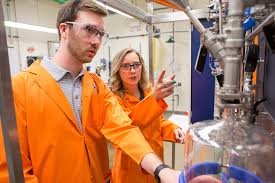
A Ph.D. in Chemical Engineering is a research-oriented program that focuses on using chemical principles to design, develop, and optimize chemical, material, and energy-based processes. The program...
Ph.D. in Chemical Engineering
×A Ph.D. in Chemical Engineering is a research-oriented program that focuses on using chemical principles to design, develop, and optimize chemical, material, and energy-based processes. The program typically lasts 3-5 years and covers topics like as thermodynamics, fluid mechanics, process control, reaction engineering, materials science, and nanotechnology. Students perform original research to address complicated engineering issues, improve industrial processes, and create new materials or energy solutions. The curriculum covers advanced chemical engineering topics, research methodology, and culminates in a dissertation. Graduates frequently pursue positions in academia, research institutions, or sectors including pharmaceuticals, petrochemicals, energy, and manufacturing.
Ph.D. in Physiology
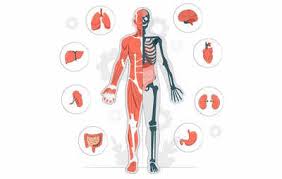
Ph.D. in Physiology is an advanced research-focused degree that normally lasts 3-5 years. It entails a thorough examination of biological systems, with emphasis on functions such as cellular p...
Ph.D. in Physiology
×Ph.D. in Physiology is an advanced research-focused degree that normally lasts 3-5 years. It entails a thorough examination of biological systems, with emphasis on functions such as cellular processes, organ systems, and homeostasis. Students study neurophysiology, cardiovascular physiology, endocrinology, and exercise physiology. The program consists of demanding coursework, thorough tests, and original research, culminating in a dissertation. This degree prepares students for positions in academia, healthcare, pharmaceuticals, and research institutions. A Ph.D. in Physiology focuses on developing critical thinking, experimental abilities, and a thorough grasp of the systems that control bodily functioning.
Ph.D. in Biology
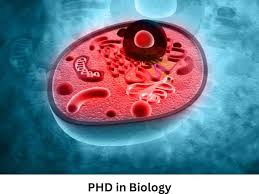
Ph.D. in Biology is a graduate research degree that focuses on the study of living organisms, ecosystems, and biological processes. The program, which typically takes 4-6 years to complete, include...
Ph.D. in Biology
×Ph.D. in Biology is a graduate research degree that focuses on the study of living organisms, ecosystems, and biological processes. The program, which typically takes 4-6 years to complete, includes courses in genetics, molecular biology, ecology, biochemistry, and microbiology, as well as original research in a particular area. Students conduct experiments, collect data, and make new discoveries in subjects such as cell biology, evolutionary biology, environmental science, and biotechnology. Graduates frequently work in academia, research institutions, pharmaceuticals, or healthcare, increasing scientific knowledge and providing answers to medical, environmental, and biotechnological concerns.

Ph.D. in Instrumentation Engineering
Ph.D. in Instrumentation Engineering is an advanced research degree typically lasting 3-5 years, focusing on the design, development, and application of measurement and control systems. This progra...
Ph.D. in Instrumentation Engineering
×Ph.D. in Instrumentation Engineering is an advanced research degree typically lasting 3-5 years, focusing on the design, development, and application of measurement and control systems. This program combines principles from electrical, mechanical, and computer engineering to create innovative instrumentation solutions. Students engage in cutting-edge research, developing expertise in areas such as sensor technology, signal processing, data acquisition, and automation. The curriculum includes advanced coursework, seminars, and a substantial original research project culminating in a doctoral dissertation. Graduates are prepared for leadership roles in academia, research institutions, and high-tech industries, contributing to advancements in fields like aerospace, healthcare, and industrial automation.

Ph.D. in Environmental Law
Ph.D. in Environmental Law is a research-focused program that delves into the legal frameworks governing environmental protection, sustainability, and global environmental challenges. It covers top...
Ph.D. in Environmental Law
×Ph.D. in Environmental Law is a research-focused program that delves into the legal frameworks governing environmental protection, sustainability, and global environmental challenges. It covers topics such as environmental regulations, climate change law, biodiversity protection, international treaties, and human rights in relation to environmental issues. The course duration typically ranges from 3 - 5 years, depending on the research progress and university requirements. Doctoral candidates are expected to conduct original research, contribute to policy development, and publish scholarly work. This degree prepares graduates for academic, governmental, and non-governmental roles, focusing on advancing legal solutions for global environmental challenges.

Ph.D. in Agricultural Biotechnology
Ph.D. in Agricultural Biotechnology concentrates on the use of biotechnology in agriculture to increase crop output, insect resistance, and sustainability. The program typically lasts 3 to 5 years...
Ph.D. in Agricultural Biotechnology
×Ph.D. in Agricultural Biotechnology concentrates on the use of biotechnology in agriculture to increase crop output, insect resistance, and sustainability. The program typically lasts 3 to 5 years and includes instruction in molecular biology, genetics, plant science, and bioengineering as well as extensive research. Students learn about genetic modification, crop improvement, molecular markers, biofertilizers, and biopesticides. Climate change resistance, sustainable farming techniques, and the production of genetically engineered organisms (GMO) for food security are all potential research topics. Graduates are prepared to work in academia, research institutes, agricultural industries, or government, helping to advance sustainable agriculture and food production.
Ph.D. in Genetic Engineering
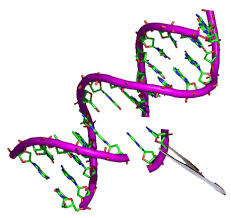
Ph.D. in Genetic Engineering is a research-based program focused on advanced techniques in molecular biology, genetics, and biotechnology. The course duration typically spans 3 - 5 years, depe...
Ph.D. in Genetic Engineering
×Ph.D. in Genetic Engineering is a research-based program focused on advanced techniques in molecular biology, genetics, and biotechnology. The course duration typically spans 3 - 5 years, depending on the research project and university requirements. Students explore areas such as gene editing, recombinant DNA technology, genetic modifications, bioinformatics, and ethical considerations in genetic research. The program prepares graduates for roles in academia, pharmaceuticals, biotechnology, agriculture, and healthcare, contributing to innovations like genetically modified organisms (GMOs), gene therapies, and personalized medicine. Admission generally requires a Master’s degree in genetics, biotechnology, or related fields.