.png)







Bachelor of Engineering (B.E.) in Civil Engineering is typically a 4-year undergraduate program that equips students with the knowledge and skills to design, construct, and maintain infrastructure projects. The curriculum covers subjects such as structural engineering, geotechnical engineering, transportation engineering, environmental engineering, and construction management. Students engage in theoretical coursework, laboratory experiments, and practical projects to gain hands-on experience. The program often includes internships or co-op opportunities, allowing students to work in real-world settings. Graduates are prepared for careers in various sectors, including construction, consulting, government agencies, and research institutions. Many countries require additional licensing or certification for professional practice as a civil engineer.
Noorul Islam Centre for Higher Education

B.E. in Aircraft Maintenance Engineering
Bachelor of Engineering (B.E.) in Aircraft Maintenance Engineering is typically a 4-year undergraduate program that equips students with the knowledge and skills to maintain, repair, and overhaul a...
B.E. in Aircraft Maintenance Engineering
×Bachelor of Engineering (B.E.) in Aircraft Maintenance Engineering is typically a 4-year undergraduate program that equips students with the knowledge and skills to maintain, repair, and overhaul aircraft and their systems. The curriculum covers a wide range of subjects including aerodynamics, aircraft structures, propulsion systems, avionics, and safety regulations. Students gain hands-on experience through practical training in workshops and hangars, often working on real aircraft. The program also emphasizes problem-solving skills, technical writing, and an understanding of aviation laws and regulations. Graduates are prepared for careers in airlines, aerospace companies, defense organizations, and regulatory bodies, with opportunities to become licensed aircraft maintenance engineers after completing additional requirements set by aviation authorities.
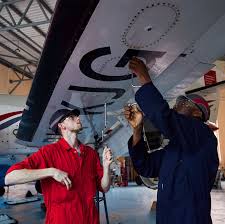
M.E. in Aircraft Maintenance Engineering
Master of Engineering (M.E.) in Aircraft Maintenance Engineering is typically a 2-year postgraduate program designed for professionals seeking advanced knowledge in aircraft systems, maintena...
M.E. in Aircraft Maintenance Engineering
×Master of Engineering (M.E.) in Aircraft Maintenance Engineering is typically a 2-year postgraduate program designed for professionals seeking advanced knowledge in aircraft systems, maintenance procedures, and aviation regulations. This specialized course combines theoretical studies with practical training, covering subjects like aircraft structures, avionics, propulsion systems, and maintenance management. Students gain expertise in troubleshooting, repair techniques, and safety protocols while staying updated on the latest technological advancements in the aviation industry. The program often includes industry internships, research projects, and hands-on experience with aircraft maintenance operations. Graduates are well-equipped for leadership roles in aircraft maintenance organizations, airlines, and aerospace companies, with opportunities in areas such as maintenance planning, quality assurance, and technical management.

B.E. in Computer Engineering
Bachelor of Engineering (B.E.) in Computer Engineering is typically a 4-year undergraduate program that combines elements of computer science and electrical engineering. Students delve into hardwar...
B.E. in Computer Engineering
×Bachelor of Engineering (B.E.) in Computer Engineering is typically a 4-year undergraduate program that combines elements of computer science and electrical engineering. Students delve into hardware and software aspects of computing systems, studying subjects like programming languages, data structures, algorithms, computer architecture, digital logic design, and embedded systems. The curriculum often includes hands-on projects, laboratory work, and internships to provide practical experience. Coursework may also cover emerging technologies such as artificial intelligence, machine learning, and cybersecurity. Graduates are equipped with skills for careers in software development, hardware design, network administration, and systems engineering, or can pursue advanced studies in specialized areas of computer engineering.

M.E. in Computer Engineering
Master of Engineering (M.E.) in Computer Engineering typically takes 1-2 years to complete, depending on full-time or part-time enrollment. This advanced degree program focuses on both hardware and...
M.E. in Computer Engineering
×Master of Engineering (M.E.) in Computer Engineering typically takes 1-2 years to complete, depending on full-time or part-time enrollment. This advanced degree program focuses on both hardware and software aspects of computer systems, covering topics such as computer architecture, embedded systems, digital signal processing, and advanced networking. Students often engage in research projects and may have the option to specialize in areas like artificial intelligence, cybersecurity, or VLSI design. The curriculum usually combines theoretical coursework with practical lab experiences, preparing graduates for leadership roles in technology development, research, and innovation within the rapidly evolving field of computer engineering.
B.E. in Mechanical Engineering
Bachelor of Engineering (B.E.) in Mechanical Engineering is a 4-year undergraduate degree program that equips students with the knowledge and skills to design, manufacture, and maintain mechanical...
B.E. in Mechanical Engineering
×Bachelor of Engineering (B.E.) in Mechanical Engineering is a 4-year undergraduate degree program that equips students with the knowledge and skills to design, manufacture, and maintain mechanical systems. The curriculum typically covers thermodynamics, fluid mechanics, materials science, machine design, and manufacturing processes. Students also acquire hands-on experience through laboratory work and projects. This degree prepares graduates for careers in various industries, including automotive, aerospace, robotics, and energy sectors. Mechanical engineers play a crucial role in developing innovative solutions for complex engineering challenges, from designing efficient engines to creating sustainable energy systems. The program often includes internships or co-op opportunities, allowing students to apply their knowledge in real-world settings and enhance their employability upon graduation.

B.E. in Marine Engineering
Bachelor of Engineering (B.E.) in Marine Engineering is a 4-year undergraduate program that trains students for professions in the maritime industry. This degree focuses on the design, operation, a...
B.E. in Marine Engineering
×Bachelor of Engineering (B.E.) in Marine Engineering is a 4-year undergraduate program that trains students for professions in the maritime industry. This degree focuses on the design, operation, and repair of marine vessels and structures, such as ships, submarines, and offshore platforms. The curriculum integrates fundamental engineering topics like thermodynamics, fluid mechanics, and electrical systems with specialized studies in marine equipment, naval architecture, and ship propulsion systems. Practical training, internships, and onboard ship experiences are frequently part of the program, providing graduates with the skills required to tackle challenging challenges in maritime technology and oceanic transit.

B.E. in Electronics and Communication Engineering
Students who complete the 4-year undergraduate Bachelor of Engineering (B.E.) in Electronics and Communication Engineering degree will have a solid foundation in electronic systems and communicatio...
B.E. in Electronics and Communication Engineering
×Students who complete the 4-year undergraduate Bachelor of Engineering (B.E.) in Electronics and Communication Engineering degree will have a solid foundation in electronic systems and communication technology. Digital electronics, signal processing, microprocessors, wireless communication, and network engineering are just a few of the topics covered in this extensive course. To obtain practical experience, students participate in projects, internships, and practical laboratory work. Emerging technologies like 5G, IoT, and AI applications in communications are frequently covered in the curriculum. Graduates are ready for jobs in consumer electronics, IT, semiconductors, and telecommunications. With the option to further specialize through postgraduate study, they can work as communication systems designers, network administrators, or hardware engineers.

B.E. in Computer Science and Engineering
A thorough foundation in computer systems, software development, and information technology is offered by the 4-year undergraduate Bachelor of Engineering (B.E.) in Computer Science and Engineering...
B.E. in Computer Science and Engineering
×A thorough foundation in computer systems, software development, and information technology is offered by the 4-year undergraduate Bachelor of Engineering (B.E.) in Computer Science and Engineering curriculum. Data structures, algorithms, operating systems, database administration, and computer networks are among the fundamental topics covered in this demanding course. Additionally, students study more complex subjects including cloud computing, machine learning, and artificial intelligence. In order to build practical skills, the curriculum frequently integrates industry internships, laboratory work, and hands-on programming projects. Graduates are prepared for jobs in data science, cybersecurity, system architecture, and software development. With the option to further specialize through postgraduate coursework or professional certifications, they can work as software engineers, full-stack developers, or IT consultants.

B.E. in Artificial Intelligence & Machine Learning
The innovative 4-year undergraduate Bachelor of Engineering (B.E.) in Artificial Intelligence & Machine Learning curriculum focuses on quickly developing fields of AI and ML. In addition t...
B.E. in Artificial Intelligence & Machine Learning
×The innovative 4-year undergraduate Bachelor of Engineering (B.E.) in Artificial Intelligence & Machine Learning curriculum focuses on quickly developing fields of AI and ML. In addition to covering basic computer science concepts, this extensive course covers more specialized areas including computer vision, deep learning, neural networks, and natural language processing. To obtain real-world experience, students work on practical projects, create algorithms, handle real-world datasets. Courses on ethics in data science, robotics, artificial intelligence are frequently included in curriculum. Graduates are ready for jobs in software development, data analytics, machine learning engineering, and artificial intelligence research. With plenty of opportunity for additional specialization through postgraduate courses or industry certifications, they can pursue positions with tech giants, startups, or research organizations.
B.E. in Electrical and Electronics Engineering
Bachelor of Engineering (B.E.) in Electrical and Electronics Engineering (EEE) is a 4-year undergraduate program designed to equip students with expertise in electrical systems, electronics, and th...
B.E. in Electrical and Electronics Engineering
×Bachelor of Engineering (B.E.) in Electrical and Electronics Engineering (EEE) is a 4-year undergraduate program designed to equip students with expertise in electrical systems, electronics, and their applications in modern technology. The course covers key subjects like circuit analysis, power systems, control engineering, microprocessors, and renewable energy systems. It integrates theoretical knowledge with practical training through lab work, internships, and projects. Graduates can pursue careers in industries such as power generation, electronics manufacturing, telecommunications, and automation. With a focus on innovation and sustainability, EEE prepares students to address global energy challenges and technological advancements.
B.E. in Electronics and Instrumentation Engineering
Bachelor of Engineering (B.E.) in Electronics and Instrumentation Engineering is a 4-year undergraduate program designed to provide students with a deep understanding of electronic systems and inst...
B.E. in Electronics and Instrumentation Engineering
×Bachelor of Engineering (B.E.) in Electronics and Instrumentation Engineering is a 4-year undergraduate program designed to provide students with a deep understanding of electronic systems and instrumentation. This course combines the principles of electrical engineering with those of instrumentation, focusing on the design, development, and maintenance of automated systems used in industries such as manufacturing, power plants, and robotics. Students learn to work with sensors, control systems, and data acquisition tools, along with programming, circuit design, and signal processing. The curriculum is a blend of theoretical knowledge and practical skills, with laboratory work, internships, and projects that help students gain hands-on experience. Graduates are well-equipped to pursue careers in various sectors like automation, aerospace, healthcare, and telecommunications.

B.E. in Aerospace Engineering
A bachelor's degree in aerospace engineering, which normally takes 4 years to finish, focuses on the design, development, and maintenance of airplanes and spacecraft. Aerodynamics, aircraf...
B.E. in Aerospace Engineering
×A bachelor's degree in aerospace engineering, which normally takes 4 years to finish, focuses on the design, development, and maintenance of airplanes and spacecraft. Aerodynamics, aircraft structures, propulsion systems, flight mechanics, avionics, rocketry, materials science, and control systems are all core courses. Students acquire practical experience through lab work, projects, and internships at aerospace industry. The program applies mechanical, electrical, and materials engineering methods to address air and space travel issues. Graduates are equipped to work in aerospace production, design, research, aviation, defense, and space exploration. Some schools may also provide specialties in fields such as UAVs and space technologies.

B.E. in Automobile Engineering
Bachelor of Engineering in Automobile Engineering, which normally takes 4 years to finish, focuses on the design, development, and manufacture of cars and its components. The core subjects are...
B.E. in Automobile Engineering
×Bachelor of Engineering in Automobile Engineering, which normally takes 4 years to finish, focuses on the design, development, and manufacture of cars and its components. The core subjects are Automotive Engineering, Vehicle Dynamics, Engine Mechanics, Transmission Systems, Chassis and Suspension, Thermodynamics, Materials Science, and Control Systems. Students acquire practical experience through labs, projects, and internships in automotive companies. The curriculum delves into different elements of vehicle performance, safety, and sustainability, including electric and hybrid vehicle technology. Graduates can work in automobile design, manufacturing, quality control, research and development, and the automotive or transportation industries. Electric vehicles and self-driving systems are examples of specialized areas.

M.E. in Automobile Engineering
M.E. in Automobile Engineering normally takes 2 years to complete and focuses on advanced concepts in car design, development, and manufacture. Core courses include Advanced Vehicle Dyna...
M.E. in Automobile Engineering
×M.E. in Automobile Engineering normally takes 2 years to complete and focuses on advanced concepts in car design, development, and manufacture. Core courses include Advanced Vehicle Dynamics, Automotive Powertrain Systems, Vehicle Aerodynamics, Advanced Materials for Automotive Engineering, Electric and Hybrid Vehicles, and Automotive Safety Systems. The curriculum focuses on research, innovation, and practical applications, with projects and internships in conjunction with automobile companies. Students gain experience in areas such as vehicle performance optimization, energy efficiency, and self-driving systems. Graduates may pursue positions in automotive R&D, design, production, or roles relating to electric and sustainable vehicle technology. A thesis or project can be required.

M.E. in Computer Science & Engineering
M.E. in Computer Science & Engineering normally takes 2 years to complete and focuses on advanced topics in computing, software, and systems engineering. Core courses include Advanced Algo...
M.E. in Computer Science & Engineering
×M.E. in Computer Science & Engineering normally takes 2 years to complete and focuses on advanced topics in computing, software, and systems engineering. Core courses include Advanced Algorithms, Computer Networks, Machine Learning, Artificial Intelligence, Data Structures, Database Management Systems, Operating Systems, and Cybersecurity. The program focuses on research, problem solving, and hands-on experience through projects and internships. Students gain competence in fields such as software development, data analytics, and network security. Graduates may pursue professions in software engineering, data science, artificial intelligence, IT consulting, or cybersecurity. A thesis or capstone project is frequently required for completion, which encourages actual application of taught principles.

B.E. in Computer Science & Engineering
B.E. in Computer Science & Engineering is a 4-year undergraduate program that provides students with a comprehensive understanding of computer science and its applications in engineering. The c...
B.E. in Computer Science & Engineering
×B.E. in Computer Science & Engineering is a 4-year undergraduate program that provides students with a comprehensive understanding of computer science and its applications in engineering. The course covers fundamental topics such as algorithms, programming languages, data structures, computer architecture, software engineering, artificial intelligence, machine learning, and cybersecurity. Students also gain hands-on experience through lab work, projects, and internships, which enable them to develop technical skills in programming, system design, and problem-solving. The program emphasizes both theoretical knowledge and practical implementation, preparing students for careers in software development, IT consulting, network administration, and research and development in the field of technology. Graduates can work in diverse industries such as IT, telecommunications, banking, and automation or pursue higher studies in specialized fields of computer science.

M.E. in Electronic and Telecommunication Engineering
M.E. in Electronic and Telecommunication Engineering is a 2-year postgraduate program designed to provide advanced knowledge and skills in electronics, communication systems, and related technologi...
M.E. in Electronic and Telecommunication Engineering
×M.E. in Electronic and Telecommunication Engineering is a 2-year postgraduate program designed to provide advanced knowledge and skills in electronics, communication systems, and related technologies. The course encompasses subjects such as wireless communication, signal processing, embedded systems, VLSI design, and optical communication. Students acquire expertise in designing, analyzing, and implementing advanced telecommunication systems and electronic circuits. The program integrates theoretical learning with practical training through lab sessions, research projects, and industry internships. Graduates are prepared to pursue careers in telecommunications, semiconductor industries, research and development, or academia. With the increasing demand for skilled professionals in the electronics and telecommunication sectors, this program offers excellent opportunities for specialization and career growth.

M.E. in Cyber Security
M.E. in Cyber Security is a 2-year postgraduate program designed to equip students with advanced skills in protecting digital systems, networks, and data from cyber threats. The course covers topic...
M.E. in Cyber Security
×M.E. in Cyber Security is a 2-year postgraduate program designed to equip students with advanced skills in protecting digital systems, networks, and data from cyber threats. The course covers topics such as ethical hacking, cryptography, network security, risk management, cyber forensics, and security protocols. Students learn to identify vulnerabilities, implement security measures, and respond to cyberattacks across various platforms. The program combines theoretical knowledge with practical skills through projects, case studies, and internships, ensuring students are prepared to address real-world security challenges. Graduates can pursue careers as cyber security analysts, consultants, penetration testers, or security architects in industries like banking, government, IT, and telecommunications. This program is ideal for individuals seeking to play a critical role in safeguarding digital infrastructures in an increasingly connected world.
M.E. in Structural Engineering
M.E. in Structural Engineering is a 2-year postgraduate program that focuses on the design, analysis, and construction of buildings, bridges, and other infrastructure. The course covers advanced to...
M.E. in Structural Engineering
×M.E. in Structural Engineering is a 2-year postgraduate program that focuses on the design, analysis, and construction of buildings, bridges, and other infrastructure. The course covers advanced topics such as structural dynamics, concrete and steel design, earthquake-resistant structures, and computational methods in structural analysis. Students gain in-depth knowledge of materials, load-bearing systems, and construction techniques, while also developing skills in the use of software tools for structural modeling and analysis. The program includes practical learning through lab work, design projects, and internships with engineering firms. Graduates are prepared to take on leadership roles in construction projects, research, and design in civil engineering firms, government agencies, and academic institutions, or to pursue further research in the field of structural engineering.
B.E. in Biomedical Engineering
Bachelor of Engineering (B.E.) in Biomedical Engineering is a 4-year undergraduate program that integrates engineering principles with biological sciences to develop technologies for healthcare app...
B.E. in Biomedical Engineering
×Bachelor of Engineering (B.E.) in Biomedical Engineering is a 4-year undergraduate program that integrates engineering principles with biological sciences to develop technologies for healthcare applications. This course covers a range of subjects such as biomechanics, biomaterials, medical imaging, and medical device design, offering students a comprehensive understanding of both engineering and medical fields. The curriculum combines theoretical learning with practical experiences through laboratory work, projects, and internships, providing students with the skills needed to innovate in medical technologies. Graduates can pursue careers in hospitals, research institutions, medical device companies, or further studies in specialized areas. This multidisciplinary program prepares students to solve complex problems at the intersection of engineering and medicine, contributing to advancements in healthcare technology.

B.E. in Robotics
Bachelor of Engineering (B.E.) in Robotics is a comprehensive undergraduate program that focuses on the design, development, and operation of robots and automated systems. Spanning typically 4 year...
B.E. in Robotics
×Bachelor of Engineering (B.E.) in Robotics is a comprehensive undergraduate program that focuses on the design, development, and operation of robots and automated systems. Spanning typically 4 years, this course combines principles from mechanical engineering, electrical engineering, computer science, and artificial intelligence. Students gain hands-on experience in areas like robotics design, programming, control systems, machine learning, and sensor integration. The curriculum also includes projects, internships, and practical labs to enhance problem-solving skills. Graduates can pursue careers in industries such as manufacturing, healthcare, automotive, aerospace, and research. This program prepares students to become proficient in the development of innovative robotics systems for various real-world applications.
B.E. in Aeronautical Engineering
Bachelor of Engineering (B.E.) in Aeronautical Engineering is an undergraduate program that typically spans 4 years, focusing on the design, development, and testing of aircraft and spacecraf...
B.E. in Aeronautical Engineering
×Bachelor of Engineering (B.E.) in Aeronautical Engineering is an undergraduate program that typically spans 4 years, focusing on the design, development, and testing of aircraft and spacecraft. The course includes a comprehensive curriculum covering subjects such as aerodynamics, propulsion systems, flight mechanics, materials science, avionics, and structural design. Students are equipped with both theoretical knowledge and practical skills necessary for the aerospace industry. They engage in hands-on projects, laboratory work, and internships to gain real-world experience. The program also emphasizes problem-solving, teamwork, and critical thinking. Upon completion, graduates are prepared for careers in aviation, defense, space exploration, and research, often finding opportunities with aerospace companies, governmental agencies, and research organizations.
M.E. in Aeronautical Engineering
Master of Engineering (M.E.) in Aeronautical Engineering is a postgraduate program designed to provide advanced knowledge and skills in the design, development, and maintenance of aircraft and spac...
M.E. in Aeronautical Engineering
×Master of Engineering (M.E.) in Aeronautical Engineering is a postgraduate program designed to provide advanced knowledge and skills in the design, development, and maintenance of aircraft and spacecraft. Typically spanning 2 years, the course covers a wide range of subjects such as aerodynamics, propulsion, materials science, avionics, aircraft structures, and fluid mechanics. Students engage in both theoretical learning and practical application through labs, simulations, and project work. The program also emphasizes research and innovation, preparing graduates for careers in aviation, defense, space exploration, and related industries. Upon completion, graduates can pursue roles in engineering design, testing, analysis, and research and development within renowned aerospace companies and organizations. The program is ideal for those passionate about advancing aerospace technologies.

M.E. in Thermal Engineering
Master of Engineering (M.E.) in Thermal Engineering is a specialized postgraduate degree focusing on the study of heat transfer, fluid mechanics, energy systems, and thermodynamics. This cour...
M.E. in Thermal Engineering
×Master of Engineering (M.E.) in Thermal Engineering is a specialized postgraduate degree focusing on the study of heat transfer, fluid mechanics, energy systems, and thermodynamics. This course, typically lasting 2 years, equips students with advanced knowledge of thermal systems, power generation, HVAC (Heating, Ventilation, and Air Conditioning), and renewable energy technologies. The curriculum includes subjects such as heat exchangers, refrigeration, combustion engineering, and energy management. Students engage in both theoretical learning and practical applications, often through projects, internships, and research in the field of energy efficiency, environmental sustainability, and advanced thermodynamics. Graduates of this program can pursue careers in industries like automotive, aerospace, energy, manufacturing, and research institutions. This course prepares students for roles as thermal engineers, energy consultants, and researchers.
