
A Ph.D. in Biochemistry normally takes 4-6 years to complete, with a concentration on the chemical processes found within and related to living organisms. This advanced degree needs intensive laboratory research, data analysis, and the creation of a unique thesis. Students analyze molecular biology, enzymology, and cellular metabolism. The program often involves coursework, teaching assistantships, and the publication of research publications. Graduates have the ability to pursue careers in academia, pharmaceutical research, biotechnology, and allied fields. The doctoral program develops critical thinking, problem-solving abilities, and the ability to design and conduct autonomous research, resulting in important contributions to the field of biochemistry and related life sciences.
Pacific Medical University
Pacific Medical University Admission Open

Ph.D. in Nursing
The Doctor of Philosophy (Ph.D.) in Nursing is the highest academic degree in the nursing sector, taking around 4-5 years to complete. This research-focused curriculum develops nurses to work in ac...
Ph.D. in Nursing
×The Doctor of Philosophy (Ph.D.) in Nursing is the highest academic degree in the nursing sector, taking around 4-5 years to complete. This research-focused curriculum develops nurses to work in academia, research, and advanced clinical practice. Nursing theory, research methodologies, statistics, and a specialized area of study are all encompassed in the coursework. Ph.D. candidates prepare an original dissertation that provides new information to the nursing field. Graduates of Ph.D. in Nursing schools are prepared to conduct nursing research, shape healthcare policy, educate future nurses, and drive clinical innovation. The degree qualifies for professions such as nurse scientist, professor, head of nursing research, and chief nursing officer.

Ph.D. in Physiotherapy
Doctor of Philosophy (Ph.D.) in Physiotherapy is a challenging 4-6 year research-focused doctoral program that develops students to become physical therapy leaders. The curriculum emphasizes advanc...
Ph.D. in Physiotherapy
×Doctor of Philosophy (Ph.D.) in Physiotherapy is a challenging 4-6 year research-focused doctoral program that develops students to become physical therapy leaders. The curriculum emphasizes advanced topics such as musculoskeletal biomechanics, neurophysiology, exercise physiology, and research methods. Ph.D. candidates perform distinctive laboratory and clinical research, culminating in the submission of a doctoral dissertation that contributes significantly to our understanding of human mobility, injury prevention, and rehabilitation. Graduates have the opportunity to work as physiotherapist researchers, university professors, consultants, and policymakers in hospitals, private clinics, government organizations, and academic settings. The Ph.D. in Physiotherapy program equips students with the specific knowledge required to advance the science of physical therapy and improve patient outcomes.
Ph.D. in Medical Biochemistry
A Ph.D. in Medical Biochemistry explores the chemical processes that take place in the human body and is an advanced research degree that lasts 4-5 years. In-depth courses in physiology, molec...
Ph.D. in Medical Biochemistry
×A Ph.D. in Medical Biochemistry explores the chemical processes that take place in the human body and is an advanced research degree that lasts 4-5 years. In-depth courses in physiology, molecular biology, and biochemistry are combined with a rigorous research project in this program. Students become proficient in methods such as chromatography, bioinformatics, and spectroscopy to explore the biochemical processes that underlie both health and illness. Graduates are equipped for jobs in government organizations, biotechnology, pharmaceutical research, or academia where they can help create novel medical treatments, diagnostics, and therapies. Students gain critical thinking, problem-solving, and communication abilities that are highly regarded in the medical sciences thanks to the demanding curriculum and individual research project.

Ph.D. in Medical Microbiology
A doctorate degree in medical microbiology, which focuses on research, normally takes approximately 4-6 years to finish. Advanced training in the study of microbes, their interactions with hos...
Ph.D. in Medical Microbiology
×A doctorate degree in medical microbiology, which focuses on research, normally takes approximately 4-6 years to finish. Advanced training in the study of microbes, their interactions with hosts, and their role in illness is offered by the program. Microbial pathogenesis, immunology, epidemiology, and laboratory procedures are among the subjects covered in the coursework. Students show their proficiency in a particular field of medical microbiology by conducting original research, publishing findings, and defending a dissertation. Graduates are equipped for jobs in public health, academia, pharmaceutical and biotech research, and other domains that need proficiency in the identification, management, and prevention of infectious illnesses.

Ph.D. in Medical Physiology
A Ph.D. program in medical physiology, which lasts from 4-6 years, offers advanced instruction in the study of the human body's typical processes and activities. Topics including organ sys...
Ph.D. in Medical Physiology
×A Ph.D. program in medical physiology, which lasts from 4-6 years, offers advanced instruction in the study of the human body's typical processes and activities. Topics including organ system function, cellular and molecular physiology, and the integration of physiological processes are all covered in the curriculum. Graduates can go on to work in academia, research, or the pharmaceutical sector, advancing medical knowledge and creating novel cures and treatments.
Ph.D. in Medical Anatomy
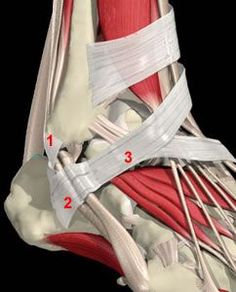
The average time to earn a Ph.D. i.e., doctoral degree,in medical anatomy is 4-6 years. With a focus on medical applications, the curriculum emphasizes the advanced study of the human bo...
Ph.D. in Medical Anatomy
×The average time to earn a Ph.D. i.e., doctoral degree,in medical anatomy is 4-6 years. With a focus on medical applications, the curriculum emphasizes the advanced study of the human body's structure and function. Gross anatomy, histology, embryology, and neuroanatomy are among the subjects covered in the coursework. In order to contribute something new to the area, students also carry out original research and finish a dissertation. Alumni of this degree frequently go on to work in specialized healthcare positions requiring in-depth anatomical knowledge, academia, or medical research.
Ph.D. in Anatomy
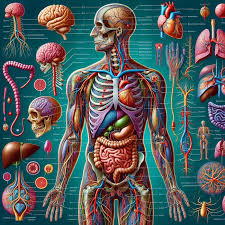
Ph.D. in Anatomy is a specialized research degree that examines the structure of the human body and its many systems. The program typically lasts 3 to 5 years and includes extensive training in sub...
Ph.D. in Anatomy
×Ph.D. in Anatomy is a specialized research degree that examines the structure of the human body and its many systems. The program typically lasts 3 to 5 years and includes extensive training in subjects including as histology, neuroanatomy, developmental biology, and functional anatomy. Students do laboratory-based research, employing tools such as microscopy and molecular biology to investigate the complexity of tissue structure and organ function. The curriculum culminates in a dissertation that advances knowledge in the field. Graduates pursue positions in academia, medical education, research institutions, and the healthcare industry.
Ph.D. in Physiology
Ph.D. in Physiology is an advanced research-focused degree that normally lasts 3-5 years. It entails a thorough examination of biological systems, with emphasis on functions such as cellular p...
Ph.D. in Physiology
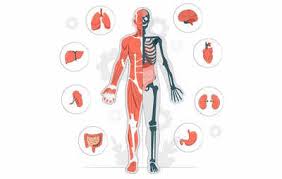
×Ph.D. in Physiology is an advanced research-focused degree that normally lasts 3-5 years. It entails a thorough examination of biological systems, with emphasis on functions such as cellular processes, organ systems, and homeostasis. Students study neurophysiology, cardiovascular physiology, endocrinology, and exercise physiology. The program consists of demanding coursework, thorough tests, and original research, culminating in a dissertation. This degree prepares students for positions in academia, healthcare, pharmaceuticals, and research institutions. A Ph.D. in Physiology focuses on developing critical thinking, experimental abilities, and a thorough grasp of the systems that control bodily functioning.

Ph.D. in Neuro Science
Ph.D. in Neuroscience is a research-focused doctoral program that explores the complexities of the nervous system, brain function, and behavior. This rigorous program typically spans 4–6 year...
Ph.D. in Neuro Science
×Ph.D. in Neuroscience is a research-focused doctoral program that explores the complexities of the nervous system, brain function, and behavior. This rigorous program typically spans 4–6 years, depending on the research area and completion time of the dissertation. It involves in-depth study in fields such as cellular and molecular neuroscience, neuropharmacology, cognitive neuroscience, and neural circuitry, using advanced lab techniques and methodologies. Students often collaborate on interdisciplinary projects, publish research, and present findings at conferences. Graduates are prepared for careers in academia, biotechnology, healthcare, and pharmaceutical research, contributing to advancements in understanding and treating neurological conditions.

Ph.D. in Occupational Therapy
Ph.D. in Occupational Therapy is an advanced research-focused degree designed for professionals aiming to deepen their expertise in therapeutic practices, healthcare innovation, and evidence-based...
Ph.D. in Occupational Therapy
×Ph.D. in Occupational Therapy is an advanced research-focused degree designed for professionals aiming to deepen their expertise in therapeutic practices, healthcare innovation, and evidence-based methodologies. Typically spanning 3-5 years, the program allows students to engage in intensive study on specialized topics like neurorehabilitation, pediatric therapy, and adaptive technologies, preparing them for roles in academia, clinical research, or healthcare leadership. Students conduct original research, contributing to advancements in therapeutic strategies and patient care. Most programs require a relevant master's degree, clinical experience, and may include a dissertation or capstone project to showcase practical and research competencies in the field.

Ph.D. in Paramedical Sciences
Ph.D. in Paramedical Sciences is a research-oriented program designed for individuals seeking to advance their knowledge and expertise in paramedical fields, such as medical laboratory technology,...
Ph.D. in Paramedical Sciences
×Ph.D. in Paramedical Sciences is a research-oriented program designed for individuals seeking to advance their knowledge and expertise in paramedical fields, such as medical laboratory technology, radiology, physiotherapy, nursing, and emergency medical services. The course duration typically spans 3 -5 years, depending on the university and research progress. The program involves in-depth studies on clinical practices, healthcare management, and the development of new medical techniques. Candidates are expected to conduct original research, contributing to advancements in healthcare delivery and paramedical education. A Ph.D. in this field opens opportunities in academia, clinical research, and healthcare leadership roles.

Ph.D. in Medical Pharmacology
The study of medications and how they affect biological systems is the main focus of Ph.D. in medical pharmacology, which normally takes 3-5 years to finish. Advanced courses on pharmaco...
Ph.D. in Medical Pharmacology
×The study of medications and how they affect biological systems is the main focus of Ph.D. in medical pharmacology, which normally takes 3-5 years to finish. Advanced courses on pharmacodynamics, pharmacokinetics, drug design, molecular pharmacology, and toxicology are also part of the program. Through laboratory research, students study medication processes, clinical uses, and disease treatment approaches. The curriculum is made to give students the tools they need to work in clinical, academic, or industrial research settings. Graduates frequently work at research institutes, pharmaceutical businesses, or healthcare settings, contributing to drug discovery, personalized medicine, and pharmacological breakthroughs.