
Ph.D. in Dental Sciences, which normally lasts 3-5 years, is an advanced research-oriented degree for dental practitioners who want to contribute to the field through innovative research and academic endeavors. This challenging curriculum combines advanced education in oral biology, biomaterials, and epidemiology with extensive research experience. Students gain experience in research methods, data analysis, and scientific writing. Teaching experience and conference attendance are often necessary components of the program. Candidates must complete an original research-based dissertation and defend it in front of an expert committee. This degree prepares graduates for positions related to dentistry research, academia, or as leaders in public health and policy-making organisations.

Rajiv Gandhi University of Health Science
Rajiv Gandhi University of Health Science Admission Open
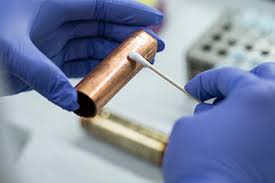
Ph.D. in Forensic Sciences
Ph.D. in Forensic Sciences usually takes 3-5 years to complete, depending on the academic program and research requirements. This postgraduate degree focuses on using scientific methods to con...
Ph.D. in Forensic Sciences
×Ph.D. in Forensic Sciences usually takes 3-5 years to complete, depending on the academic program and research requirements. This postgraduate degree focuses on using scientific methods to conduct criminal investigations and legal actions. Students explore specific topics such as DNA analysis, toxicology, ballistics, and digital forensics. The curriculum involves intensive coursework, laboratory training, and original research, culminating in a dissertation. Graduates can take on leadership responsibilities in crime labs, academic institutions, and government agencies. Forensic scientists, crime scene investigators, and expert witnesses are all viable career options. This degree requires a strong background in natural sciences, critical thinking skills, and a commitment to advance forensic science via research and innovation.

Ph.D. in Radiology & Imaging Technology
The Doctor of Philosophy (Ph.D.) in Radiology & Imaging Technology is a rigorous 4-5 year research-focused doctoral program designed to nurture the next generation of medical imaging scientists...
Ph.D. in Radiology & Imaging Technology
×The Doctor of Philosophy (Ph.D.) in Radiology & Imaging Technology is a rigorous 4-5 year research-focused doctoral program designed to nurture the next generation of medical imaging scientists and technologists. The academic program includes complex topics in radiological physics, imaging modalities, image processing, and biomedical informatics. Ph.D. applicants do unique research, which culminates in the submission of a doctoral dissertation that contributes significantly to the area. Graduates have the knowledge to work as radiological scientists, medical imaging researchers, university instructors, and R&D professionals in hospitals, government organizations, and the commercial sector. The degree equips students with highly specialized technical knowledge and research abilities to drive innovation in diagnostic and therapeutic imaging applications.

Ph.D. in Clinical Psychology
Doctor of Philosophy (Ph.D.) in Clinical Psychology is a rigorous 5-7 year research-focused doctoral program that prepares students to work as licensed clinical psychologists. The program inc...
Ph.D. in Clinical Psychology
×Doctor of Philosophy (Ph.D.) in Clinical Psychology is a rigorous 5-7 year research-focused doctoral program that prepares students to work as licensed clinical psychologists. The program includes advanced topics in psychological assessment, diagnosis, intervention, and research methodology. Ph.D. candidates need to complete intensive clinical practice and internships, as well as an original dissertation that adds new information to the field of clinical psychology. Graduates have been trained for positions as psychotherapists, clinical researchers, university instructors, and consultants in hospitals, mental health clinics, government organizations, and private practice. The Ph.D. in Clinical Psychology equips students with the specialized knowledge and qualifications required to diagnose and treat mental health issues, educate clinical best practices, and enhance our understanding of human behavior and well-being.

Ph.D. in Physiotherapy
Doctor of Philosophy (Ph.D.) in Physiotherapy is a challenging 4-6 year research-focused doctoral program that develops students to become physical therapy leaders. The curriculum emphasizes advanc...
Ph.D. in Physiotherapy
×Doctor of Philosophy (Ph.D.) in Physiotherapy is a challenging 4-6 year research-focused doctoral program that develops students to become physical therapy leaders. The curriculum emphasizes advanced topics such as musculoskeletal biomechanics, neurophysiology, exercise physiology, and research methods. Ph.D. candidates perform distinctive laboratory and clinical research, culminating in the submission of a doctoral dissertation that contributes significantly to our understanding of human mobility, injury prevention, and rehabilitation. Graduates have the opportunity to work as physiotherapist researchers, university professors, consultants, and policymakers in hospitals, private clinics, government organizations, and academic settings. The Ph.D. in Physiotherapy program equips students with the specific knowledge required to advance the science of physical therapy and improve patient outcomes.

Ph.D. in Pharmacy
Doctor of Philosophy (Ph.D.) in Pharmaceutics is a rigorous 5-7 year research-focused doctoral program that provides students to serve as leading specialists in the development and improvemen...
Ph.D. in Pharmacy
×Doctor of Philosophy (Ph.D.) in Pharmaceutics is a rigorous 5-7 year research-focused doctoral program that provides students to serve as leading specialists in the development and improvement of drug delivery systems. The program includes advanced topics in pharmaceutical sciences such as pharmacokinetics, medication development, manufacturing methods, and regulatory issues. Ph.D. candidates perform original laboratory and clinical research, culminating in the submission of a doctoral dissertation which contributes significantly to the field of pharmaceutics. Graduates have been trained for positions as pharmaceutical scientists, university instructors, regulatory advisors, and R&D professionals in the pharmaceutical business. The Ph.D. in Pharmaceutics program equips students with the specific knowledge required to revolutionize drug delivery methods, improve patient outcomes, and impact the future of pharmaceutical product development.
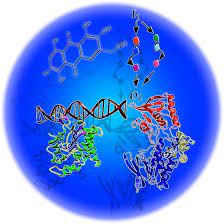
Ph.D. in Medical Biochemistry
A Ph.D. in Medical Biochemistry explores the chemical processes that take place in the human body and is an advanced research degree that lasts 4-5 years. In-depth courses in physiology, molec...
Ph.D. in Medical Biochemistry
×A Ph.D. in Medical Biochemistry explores the chemical processes that take place in the human body and is an advanced research degree that lasts 4-5 years. In-depth courses in physiology, molecular biology, and biochemistry are combined with a rigorous research project in this program. Students become proficient in methods such as chromatography, bioinformatics, and spectroscopy to explore the biochemical processes that underlie both health and illness. Graduates are equipped for jobs in government organizations, biotechnology, pharmaceutical research, or academia where they can help create novel medical treatments, diagnostics, and therapies. Students gain critical thinking, problem-solving, and communication abilities that are highly regarded in the medical sciences thanks to the demanding curriculum and individual research project.

Ph.D. in Medical Microbiology
A doctorate degree in medical microbiology, which focuses on research, normally takes approximately 4-6 years to finish. Advanced training in the study of microbes, their interactions with hos...
Ph.D. in Medical Microbiology
×A doctorate degree in medical microbiology, which focuses on research, normally takes approximately 4-6 years to finish. Advanced training in the study of microbes, their interactions with hosts, and their role in illness is offered by the program. Microbial pathogenesis, immunology, epidemiology, and laboratory procedures are among the subjects covered in the coursework. Students show their proficiency in a particular field of medical microbiology by conducting original research, publishing findings, and defending a dissertation. Graduates are equipped for jobs in public health, academia, pharmaceutical and biotech research, and other domains that need proficiency in the identification, management, and prevention of infectious illnesses.

Ph.D. in Medical Physiology
A Ph.D. program in medical physiology, which lasts from 4-6 years, offers advanced instruction in the study of the human body's typical processes and activities. Topics including organ sys...
Ph.D. in Medical Physiology
×A Ph.D. program in medical physiology, which lasts from 4-6 years, offers advanced instruction in the study of the human body's typical processes and activities. Topics including organ system function, cellular and molecular physiology, and the integration of physiological processes are all covered in the curriculum. Graduates can go on to work in academia, research, or the pharmaceutical sector, advancing medical knowledge and creating novel cures and treatments.

Ph.D. in Medical Genetics
A doctorate in medical genetics normally takes 4-6 years to finish. Advanced research and study on the genetic foundations of human health and illness are the program's main areas of conce...
Ph.D. in Medical Genetics
×A doctorate in medical genetics normally takes 4-6 years to finish. Advanced research and study on the genetic foundations of human health and illness are the program's main areas of concentration. Clinical genetics, genomics, bioinformatics, and molecular genetics are among the subjects covered in the program. Students finish a unique research dissertation that advances the field's understanding. Graduates are equipped for professions in genetic counseling, biotechnology, medical research, and academia. The Ph.D. offers extensive proficiency in the use of genomic and genetic methods to comprehend, identify, and treat complicated diseases and inherited disorders.
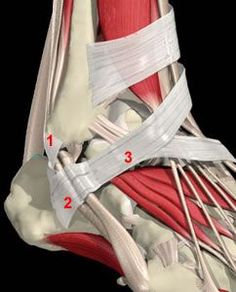
Ph.D. in Medical Anatomy
The average time to earn a Ph.D. i.e., doctoral degree,in medical anatomy is 4-6 years. With a focus on medical applications, the curriculum emphasizes the advanced study of the human bo...
Ph.D. in Medical Anatomy
×The average time to earn a Ph.D. i.e., doctoral degree,in medical anatomy is 4-6 years. With a focus on medical applications, the curriculum emphasizes the advanced study of the human body's structure and function. Gross anatomy, histology, embryology, and neuroanatomy are among the subjects covered in the coursework. In order to contribute something new to the area, students also carry out original research and finish a dissertation. Alumni of this degree frequently go on to work in specialized healthcare positions requiring in-depth anatomical knowledge, academia, or medical research.

Ph.D. in Hospital Administration
Advanced training in healthcare management, policy, and administration is offered via a 4-5 year Ph.D. degree in Hospital Administration. Organizational behavior, quality improvement, strategi...
Ph.D. in Hospital Administration
×Advanced training in healthcare management, policy, and administration is offered via a 4-5 year Ph.D. degree in Hospital Administration. Organizational behavior, quality improvement, strategic planning, and healthcare economics are among the subjects covered in the curriculum. In addition, learners finish a dissertation and carry out unique research. Graduates frequently go on to hold executive positions in government organizations, healthcare systems, hospitals, or consulting firms, where they use their knowledge to enhance patient outcomes and streamline healthcare operations.

Ph.D. in Human Physiology
A Ph.D. in Human Physiology is a research-based program that delves into the complex processes and systems of the human body at the molecular, cellular, and systemic levels. The program typically l...
Ph.D. in Human Physiology
×A Ph.D. in Human Physiology is a research-based program that delves into the complex processes and systems of the human body at the molecular, cellular, and systemic levels. The program typically lasts 3-5years and covers topics such as cardiovascular physiology, neurophysiology, metabolic processes, and endocrine regulation. Students carry out cutting-edge research, frequently concentrating on illness causes, health issues, and biological applications. Admission typically requires a Master's degree in Physiology, Biology, or a related subject. Graduates are equipped to work in academic research, clinical physiology, healthcare, or pharmaceutical businesses, helping to enhance medical science and human health.

Ph.D. in. Anaesthesiology
Gaining proficiency in anesthesia, pain management, and critical care is the goal of an advanced research-focused Ph.D. program in anesthesiology. The course, which usually lasts 3-5 years, in...
Ph.D. in. Anaesthesiology
×Gaining proficiency in anesthesia, pain management, and critical care is the goal of an advanced research-focused Ph.D. program in anesthesiology. The course, which usually lasts 3-5 years, includes in-depth study of physiology, pharmacology, anesthesia methods, and patient safety. Anaesthetic medications, sophisticated monitoring systems, and control of perioperative hazards are just a few of topics that students investigate in their unique research. Graduates of program are prepared for positions in clinical practice, academic research, or leadership in healthcare organizations. A medical degree (MBBS or equivalent) and anesthesiology experience are typically requirements for applicants. Goal is to advance the field's theoretical understanding as well as its practical applications.

Ph.D. in Neuro Science
Ph.D. in Neuroscience is a research-focused doctoral program that explores the complexities of the nervous system, brain function, and behavior. This rigorous program typically spans 4–6 year...
Ph.D. in Neuro Science
×Ph.D. in Neuroscience is a research-focused doctoral program that explores the complexities of the nervous system, brain function, and behavior. This rigorous program typically spans 4–6 years, depending on the research area and completion time of the dissertation. It involves in-depth study in fields such as cellular and molecular neuroscience, neuropharmacology, cognitive neuroscience, and neural circuitry, using advanced lab techniques and methodologies. Students often collaborate on interdisciplinary projects, publish research, and present findings at conferences. Graduates are prepared for careers in academia, biotechnology, healthcare, and pharmaceutical research, contributing to advancements in understanding and treating neurological conditions.

Ph.D. in Public Health
Ph.D. in Public Health is an advanced research degree focused on developing expertise in public health practices, epidemiology, and health policy. Typically completed in 3 - 5 years, the program co...
Ph.D. in Public Health
×Ph.D. in Public Health is an advanced research degree focused on developing expertise in public health practices, epidemiology, and health policy. Typically completed in 3 - 5 years, the program combines rigorous coursework with original research, allowing candidates to specialize in areas like epidemiology, health systems, global health, or biostatistics. Students are trained in advanced methodologies for assessing health outcomes, managing public health initiatives, and addressing health disparities. Graduates are prepared for careers in academia, research institutions, government health agencies, or NGOs, where they can influence health policy, lead public health programs, and conduct impactful research.

Ph.D. in Medical and Health Science
Ph.D. in Medical and Health Science is a research-intensive program that typically spans 3-5 years, focusing on advancing knowledge in medical sciences, healthcare delivery, and public health. This...
Ph.D. in Medical and Health Science
×Ph.D. in Medical and Health Science is a research-intensive program that typically spans 3-5 years, focusing on advancing knowledge in medical sciences, healthcare delivery, and public health. This program emphasizes original research, often involving clinical or biomedical studies, public health analysis, or healthcare policy development. Students work under faculty mentorship, gaining expertise in research methodologies, critical analysis, and scientific writing. Ph.D. candidates often specialize in areas such as epidemiology, molecular medicine, or health systems management. Graduates contribute to academia, healthcare research institutions, or governmental health agencies, helping to improve health outcomes through innovative solutions and evidence-based practices.

Ph.D. in Radiotherapy
Ph.D. in Radiotherapy is a research-oriented degree designed for those who want to expand their knowledge of cancer treatment with radiation. This program typically lasts 3 to 5 years and includes...
Ph.D. in Radiotherapy
×Ph.D. in Radiotherapy is a research-oriented degree designed for those who want to expand their knowledge of cancer treatment with radiation. This program typically lasts 3 to 5 years and includes in-depth studies in radiation physics, radiobiology, oncology, and advanced radiotherapy procedures. Students do original research, frequently concentrating on enhancing radiation delivery systems, reducing side effects, and devising tailored treatment procedures for cancer patients. Graduates are prepared to work in academic research, clinical innovation, or medical technology, helping to advance radiation techniques and improve the efficacy and safety of cancer therapies for a wide range of patient populations.

Ph.D. in Medical Pharmacology
The study of medications and how they affect biological systems is the main focus of Ph.D. in medical pharmacology, which normally takes 3-5 years to finish. Advanced courses on pharmaco...
Ph.D. in Medical Pharmacology
×The study of medications and how they affect biological systems is the main focus of Ph.D. in medical pharmacology, which normally takes 3-5 years to finish. Advanced courses on pharmacodynamics, pharmacokinetics, drug design, molecular pharmacology, and toxicology are also part of the program. Through laboratory research, students study medication processes, clinical uses, and disease treatment approaches. The curriculum is made to give students the tools they need to work in clinical, academic, or industrial research settings. Graduates frequently work at research institutes, pharmaceutical businesses, or healthcare settings, contributing to drug discovery, personalized medicine, and pharmacological breakthroughs.
Ph.D. in Optometry
A Ph.D. in Optometry is an advanced research-based program focusing on the scientific study of vision, ocular health, and visual disorders. The course typically spans 3-5 years and emphasizes resea...
Ph.D. in Optometry
×A Ph.D. in Optometry is an advanced research-based program focusing on the scientific study of vision, ocular health, and visual disorders. The course typically spans 3-5 years and emphasizes research in areas like ocular diseases, vision correction, refractive surgery, and public health optometry. Students engage in comprehensive research methodologies, clinical trials, and data analysis, contributing to the advancement of eye care. This program is ideal for individuals seeking careers in academia, clinical research, or advanced practice in optometry. Graduates often become leaders in optometric education, policy development, and innovations in eye health technology.

Ph.D. in Medical Lab Technology
Ph.D. in Medical Lab Technology (MLT) is an advanced research-based program focused on the application of laboratory techniques in medical diagnostics and healthcare. The course typically spans 3-5...
Ph.D. in Medical Lab Technology
×Ph.D. in Medical Lab Technology (MLT) is an advanced research-based program focused on the application of laboratory techniques in medical diagnostics and healthcare. The course typically spans 3-5 years, offering in-depth studies in areas such as clinical microbiology, biochemistry, hematology, immunology, and molecular biology. Students engage in research projects aimed at advancing diagnostic methodologies, improving lab technologies, and exploring new treatments for diseases. The program also emphasizes analytical skills, research methodology, and innovation in laboratory settings. Graduates contribute to the healthcare industry by improving diagnostic accuracy, implementing quality control measures, and enhancing patient care through advanced laboratory practices.
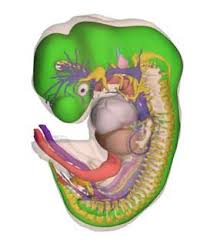
Ph.D. in Human Anatomy And Embryology
Ph.D. in Human Anatomy and Embryology is a research-focused program that delves into the study of the human body’s structure, development, and physiological functions. The course duration typ...
Ph.D. in Human Anatomy And Embryology
×Ph.D. in Human Anatomy and Embryology is a research-focused program that delves into the study of the human body’s structure, development, and physiological functions. The course duration typically spans 3-5 years, depending on the research progress. It covers topics such as the human skeletal, muscular, nervous, and circulatory systems, as well as the embryological development of organs and tissues. Students engage in in-depth laboratory research, cadaver dissection, and the study of developmental processes. The program prepares candidates for roles in academia, medical research, clinical practices, and advancements in medical technologies related to human anatomy.
Ph.D. in Medical Biotechnology
A Ph.D. in Medical Biotechnology typically takes 3-5 years to complete and focuses on applying biotechnological principles to medical research and healthcare innovations. On-depth laboratory resear...
Ph.D. in Medical Biotechnology
×A Ph.D. in Medical Biotechnology typically takes 3-5 years to complete and focuses on applying biotechnological principles to medical research and healthcare innovations. On-depth laboratory research combines with specialist education in molecular biology, genetics, biochemistry, and bioengineering. Students gain expertise in disciplines like gene therapy, regenerative medicine, drug research, and diagnostic technologies. Biostatistics, research ethics, and scientific writing are frequently covered in the curriculum. It is required of candidates to finish a dissertation, publish in peer-reviewed publications, and carry out unique research. Graduates of this program are prepared for positions in academia, pharmaceutical businesses, biotechnology firms, and research organizations, where they can use cutting-edge biotechnological solutions to improve patient care and contribute to ground-breaking medical discoveries.
Ph.D. in Medical Epidemiology
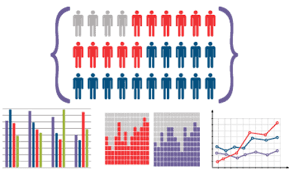
Ph.D. in Medical Epidemiology is a 3-5 year research program that studies the distribution, causes, and control of diseases in populations. It combines statistical analysis, public health, and clin...
Ph.D. in Medical Epidemiology
×Ph.D. in Medical Epidemiology is a 3-5 year research program that studies the distribution, causes, and control of diseases in populations. It combines statistical analysis, public health, and clinical medicine to better understand disease transmission, intervention efficacy, and health inequities. The program addresses topics such as illness prevention, outbreak investigation, risk factors, and epidemiological study design. Students develop skills in data analysis, biostatistics, epidemiological modeling, and research procedures. Graduates can work in academia, government health agencies, public health groups, or the pharmaceutical business, helping to prevent disease, develop health policies, and promote global health.

Ph.D. in Medical Gastroentrology
Ph.D. in Medical Gastroenterology is a 4-6 year research program that focuses on the digestive tract and its illnesses. It combines clinical gastroenterology, molecular biology, immunology, and pat...
Ph.D. in Medical Gastroentrology
×Ph.D. in Medical Gastroenterology is a 4-6 year research program that focuses on the digestive tract and its illnesses. It combines clinical gastroenterology, molecular biology, immunology, and pathology to investigate disorders such as inflammatory bowel disease (IBD), liver illnesses, colorectal cancer, gastrointestinal infections, and gut microbiota. The program focuses on illness processes, new diagnostic tools, treatment strategies, and advances in endoscopic procedures. Students develop knowledge of clinical trials, molecular diagnostics, and gastrointestinal physiology. Graduates can work in academic research, healthcare institutions, pharmaceuticals, and biotechnology, helping to advance digestive health and patient care.

Ph.D. in Medical Immunology
Ph.D. in Medical Immunology is a 3-5 year research-intensive program that researches the immune system and its function in human health and illness. The curriculum combines immunology, microbiology...
Ph.D. in Medical Immunology
×Ph.D. in Medical Immunology is a 3-5 year research-intensive program that researches the immune system and its function in human health and illness. The curriculum combines immunology, microbiology, molecular biology, and pathology to study immune responses to infections, cancer, autoimmune illnesses, and immunodeficiency. Students do cutting-edge research on issues such as immunological control, immunotherapy, vaccine development, and immune system illnesses. They gain experience in laboratory procedures like flow cytometry, ELISA, and cell culture. Graduates can pursue professions in academic research, biotechnology, pharmaceuticals, and public health, helping to enhance immunological treatments and therapies.

Ph.D. in Medical Neurology
Ph.D. in Medical Neurology is a 4-6 year research-focused program dedicated to studying the nervous system and its disorders. It combines clinical neurology, molecular biology, neuroimmunology, and...
Ph.D. in Medical Neurology
×Ph.D. in Medical Neurology is a 4-6 year research-focused program dedicated to studying the nervous system and its disorders. It combines clinical neurology, molecular biology, neuroimmunology, and neurophysiology to explore diseases such as Alzheimer's, Parkinson's, epilepsy, stroke, and neurodegenerative conditions. The program emphasizes research on disease mechanisms, biomarkers, neuroplasticity, and novel therapeutic approaches. Students gain expertise in diagnostic techniques, neuroimaging, and clinical trials, contributing to advancements in neurology and patient care. Graduates can pursue careers in academic research, clinical practice, pharmaceutical companies, and healthcare institutions, advancing the understanding and treatment of neurological diseases.

Ph.D. in Medical Parasitology
Ph.D. in Medical Parasitology is a 3-5 year research program focused on parasites that affect human health. The curriculum brings together parasitology, microbiology, immunology, and molecular biol...
Ph.D. in Medical Parasitology
×Ph.D. in Medical Parasitology is a 3-5 year research program focused on parasites that affect human health. The curriculum brings together parasitology, microbiology, immunology, and molecular biology to investigate the biology, pathophysiology, and transmission of parasitic illnesses such malaria, leishmaniasis, and schistosomiasis. Students learn about diagnostic procedures, parasite-host relations, epidemiology, and the development of new therapies and vaccinations. Drug resistance, vector control, and new parasitic illnesses are all potential research fields. Graduates can work in academia, public health, pharmaceutical businesses, or international health organizations, helping to develop parasitic disease prevention and treatment.

Ph.D. in Medical Statistics
Ph.D. in Medical Statistics is a 3-5 year research-intensive program that focuses on using statistical approaches in medical and clinical research. It integrates advanced statistical theory with re...
Ph.D. in Medical Statistics
×Ph.D. in Medical Statistics is a 3-5 year research-intensive program that focuses on using statistical approaches in medical and clinical research. It integrates advanced statistical theory with real-world applications in health data analysis, clinical trials, epidemiology, and public health research. The program includes topics such as survival analysis, bioinformatics, statistical modeling, clinical trial design, and complex health data interpretation. Students learn statistical tools, experimental design, and data analysis procedures, which help to advance evidence-based medicine and healthcare decision-making. Graduates can work in academia, government agencies, healthcare institutes, and pharmaceutical firms, improving statistical methods in medical research.
Ph.D. in Medical Virology
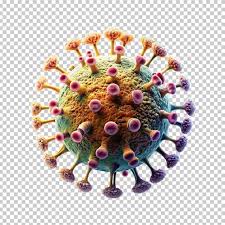
Ph.D. in Medical Virology is a 3-5 year research program with an emphasis on viruses that affect human health. It uses molecular biology, microbiology, immunology, and epidemiology to investigate v...
Ph.D. in Medical Virology
×Ph.D. in Medical Virology is a 3-5 year research program with an emphasis on viruses that affect human health. It uses molecular biology, microbiology, immunology, and epidemiology to investigate viral pathogenesis, replication, and transmission. The curriculum focuses on topics such as viral infections, antiviral medicines, vaccine development, and diagnostic technologies. Students become proficient in virology techniques such as PCR, sequencing, and viral culture while doing research on viral diseases such as HIV, hepatitis, influenza, and new viruses such as COVID 19. Graduates can work in academia, public health, pharmaceutical businesses, or government research groups to improve the understanding and treatment of viral diseases.