PhD in Agronomy normally takes 3-5 years to complete, with a concentration on advanced crop science, soil management, and sustainable agriculture techniques. This doctoral program requires a master's degree in a comparable discipline and consists of coursework, comprehensive exams, and an original dissertation. Students study plant genetics, soil chemistry, precision agriculture, and climate-resilient farming approaches. The curriculum frequently incorporates fieldwork, laboratory research, and partnerships with agricultural industries. Graduates get opportunities in academia, research institutions, government organizations, or the commercial sector, where they can help improve agricultural yields, develop sustainable farming methods, and address global food security issues.

Ramakrishna Mission Vivekananda Educational and Research Institute
Ramakrishna Mission Vivekananda Educational and Research Institute Admission Open

Ph.D. in Sanskrit
Ph.D. in Sanskrit normally takes 4-6 years to finish, depending on the university and the student's prior language experience. This postgraduate degree emphasizes in-depth study of Sanskrit lit...
Ph.D. in Sanskrit
×Ph.D. in Sanskrit normally takes 4-6 years to finish, depending on the university and the student's prior language experience. This postgraduate degree emphasizes in-depth study of Sanskrit literature, language, philosophy, and culture. Students conduct intensive research, frequently concentrating in topics such as Vedic literature, classical poetry, or comparative language. The curriculum typically includes coursework, thorough exams, and a dissertation on an original research topic. Candidates are expected to achieve expert-level competency in reading and interpreting Sanskrit texts, contribute to the subject through publications, and possibly teach. This degree provides various positions in Academic, research, translation, and cultural preservation.
Ph.D. in Yoga
A doctoral degree in Economics takes approximately 4-6 years, depending on the program and individual success. The degree requires advanced study of economic theory, quantitative methods, and speci...
Ph.D. in Yoga
×A doctoral degree in Economics takes approximately 4-6 years, depending on the program and individual success. The degree requires advanced study of economic theory, quantitative methods, and specific subjects such as macroeconomics, microeconomics, econometrics, and development economics. Students complete demanding coursework, thorough tests, and original research, culminating in a PhD dissertation. The curriculum prepares graduates for positions in academia, research institutes, government agencies, and the business sector that require advanced economic analysis. Data analysis, mathematical modeling, critical thinking, and the capacity to independently study complicated economic issues are all important abilities learned.

Ph.D. in Computer Science
Ph.D. in computer science usually takes 4-6 years to complete, depending on the coursework and research progress. This advanced degree emphasizes producing unique research in a specific field...
Ph.D. in Computer Science
× Ph.D. in computer science usually takes 4-6 years to complete, depending on the coursework and research progress. This advanced degree emphasizes producing unique research in a specific field of computer science, such as artificial intelligence, cybersecurity, or algorithms. Students undergo advanced courses, take thorough tests, and produce a dissertation based on their research findings. The curriculum trains participants in critical thinking, problem solving, and innovative technology development. Graduates frequently pursue careers in academia, research institutions, or managerial positions in the technology business. A Ph.D. in Computer Science necessitates devotion, intellectual curiosity, and the capacity to bring novel information to the area.

Ph.D. in Mathematics
Ph.D. in Mathematics is a terminal degree that usually requires 4-7 years to accomplish after acquiring a bachelor's degree. The curriculum comprises advanced coursework in pure and appli...
Ph.D. in Mathematics
×Ph.D. in Mathematics is a terminal degree that usually requires 4-7 years to accomplish after acquiring a bachelor's degree. The curriculum comprises advanced coursework in pure and applied mathematics, as well as independent research that leads to the completion of a doctorate research. PhD students acquire proficiency in abstract algebra, real and complex analysis, topology, and discrete mathematics. The degree prepares graduates for academic careers as university professors and researchers, as well as jobs in industries such as banking, technology, and government that require strong quantitative and problem-solving abilities.

Ph.D. in Physics
Ph.D. in Physics generally requires 5-7 years to complete, and it comprises advanced coursework, independent research, and a doctorate dissertation. Students explore the fundamental concepts...
Ph.D. in Physics
×Ph.D. in Physics generally requires 5-7 years to complete, and it comprises advanced coursework, independent research, and a doctorate dissertation. Students explore the fundamental concepts of matter and energy, and often specialize in quantum mechanics, astrophysics, or particle physics. The program fosters critical thinking, problem-solving skills, and knowledge in experimental or theoretical physics. Graduates are prepared to work in academia, research institutions, or industry, contributing to innovative scientific discoveries and technical developments. This challenging degree requires dedication, intellectual curiosity, and the ability to push the limits of human knowledge of the physical cosmos.
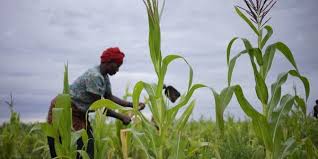
Ph.D. in Rural Development
Doctor of Philosophy (Ph.D.) in Rural Development is a rigorous 4-6 year research-focused doctoral program that prepares students to become top experts in sustainable rural development. The curricu...
Ph.D. in Rural Development
×Doctor of Philosophy (Ph.D.) in Rural Development is a rigorous 4-6 year research-focused doctoral program that prepares students to become top experts in sustainable rural development. The curriculum includes advanced themes in agricultural economics, community planning, environmental policy, and research methodology. Ph.D. applicants perform unique field research in rural communities, culminating in the submission of a doctoral dissertation which contributes significantly to the enhancement of livelihoods, infrastructure, and natural resource management in underserved rural areas. Graduates can work as rural development specialists, policy advisors, university instructors, or consultants for government agencies, non-profit organizations, and international development institutes. The Ph.D. in Rural Development provides students with the multidisciplinary knowledge required to make positive change and uplift marginalized rural

Ph.D. in Physical Education
Ph.D. in Physical Education requires 4-5 year advanced research degree program that covers the theory, methods for research, and practical applications of human movement sciences. The course o...
Ph.D. in Physical Education
×Ph.D. in Physical Education requires 4-5 year advanced research degree program that covers the theory, methods for research, and practical applications of human movement sciences. The course of study includes in-depth studies in exercise physiology, sports psychology, biomechanics, and physical activity promotion. Independent research projects, scholarly publications, and collaborations with sports organizations and public health agencies help students develop expertise in identifying complex challenges in physical activity, exercise, and human performance, designing innovative solutions, and contributing to the advancement of knowledge in the dynamic field of physical education. Graduates of this program have the skills to work as physical activity researchers, sports scientists, public health advisors, and faculty members at universities, research institutions, and leading sports organizations.

Ph.D. in Sport Science
Ph.D. in Sport Science is an advanced research degree focusing on the scientific study of physical activity, exercise, and sports performance. Typically completed over 3-5 years, it involves in-dep...
Ph.D. in Sport Science
×Ph.D. in Sport Science is an advanced research degree focusing on the scientific study of physical activity, exercise, and sports performance. Typically completed over 3-5 years, it involves in-depth research, often combining physiology, biomechanics, psychology, and sports management. Candidates engage in both coursework and independent research, culminating in a dissertation that explores critical issues related to athlete performance, injury prevention, rehabilitation, or sport psychology. The program aims to equip scholars with the expertise to contribute to academic, clinical, or professional sports environments, often leading to careers in academia, sports consulting, research, or sports administration.
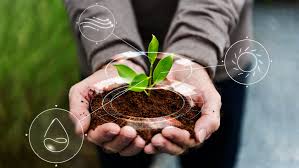
Ph.D. in Agriculture
Ph.D. in Agriculture is a research-oriented degree that aims to expand knowledge in fields like agricultural science, soil health, agribusiness, and sustainable farming. Typically lasting 3-5 ...
Ph.D. in Agriculture
×Ph.D. in Agriculture is a research-oriented degree that aims to expand knowledge in fields like agricultural science, soil health, agribusiness, and sustainable farming. Typically lasting 3-5 years, the curriculum consists of extensive coursework, laboratory research, and field study, culminating in a dissertation based on original research. Agronomy, horticulture, plant genetics, soil science, agricultural economics, and agricultural engineering are among the possible specializations. The curriculum provides students with knowledge of agricultural advances, allowing them to solve concerns such as food security, climate resilience, and sustainable practices. Graduates frequently pursue positions in academia, research institutions, government agencies, and the agricultural industry.
Ph.D. in Genetics & Plant Breeding
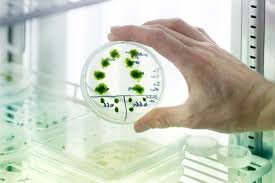
Ph.D. in Genetics and Plant Breeding typically spans 3 - 5 years, focusing on advanced research in the genetic improvement of crops. The program covers various aspects, including molecul...
Ph.D. in Genetics & Plant Breeding
×Ph.D. in Genetics and Plant Breeding typically spans 3 - 5 years, focusing on advanced research in the genetic improvement of crops. The program covers various aspects, including molecular genetics, genomics, and biotechnological applications, aiming to enhance traits such as yield, disease resistance, and environmental adaptability. Students engage in hands-on research, often involving field trials and laboratory experiments. Coursework may include statistics, bioinformatics, and plant physiology. Graduates are equipped for careers in academia, industry, or government, contributing to sustainable agriculture and food security through innovative breeding strategies and genetic research.
Ph.D. in Entomology & Apiculture
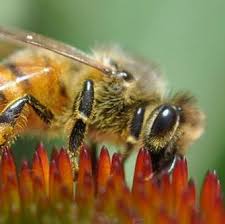
Ph.D. in Entomology & Apiculture typically spans 3-5 years and focuses on the study of insects, their biology, behavior, ecology, and their role in agriculture and the environment. S...
Ph.D. in Entomology & Apiculture
×Ph.D. in Entomology & Apiculture typically spans 3-5 years and focuses on the study of insects, their biology, behavior, ecology, and their role in agriculture and the environment. Students engage in advanced research related to insect physiology, pest management, pollination biology, and the significance of bees and other pollinators in food production. The program often includes coursework in entomological techniques, genetics, and ecological principles, alongside hands-on research in laboratory and field settings. Graduates are well-prepared for careers in academia, government agencies, agricultural industries, and environmental organizations, addressing critical issues related to insect populations and biodiversity.

Ph.D. in Agricultural Economics
Ph.D. in Agricultural Economics usually takes 4-5 years to complete. The curriculum offers extensive instruction in applying economic theory and quantitative approaches to food and agricultura...
Ph.D. in Agricultural Economics
×Ph.D. in Agricultural Economics usually takes 4-5 years to complete. The curriculum offers extensive instruction in applying economic theory and quantitative approaches to food and agricultural challenges. Core courses include microeconomic theory, econometrics, and agricultural policy. Graduates are equipped to work in academia, government, agribusiness, and consulting, among other fields. The curriculum emphasizes hands-on research, with many students co-authoring publications alongside teachers. Admission is tough, frequently necessitating high academic qualifications and GRE scores. Assistantships and funding possibilities are available to help students in their studies.
Ph.D. in Agricultural Extension Education
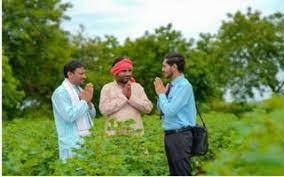
Ph.D. in Agricultural Extension Education is a doctoral degree that focuses on the theory and practice of delivering agricultural knowledge and technologies to farmers and rural communities. The pr...
Ph.D. in Agricultural Extension Education
×Ph.D. in Agricultural Extension Education is a doctoral degree that focuses on the theory and practice of delivering agricultural knowledge and technologies to farmers and rural communities. The program typically takes 4-5 years to complete and involves coursework in agricultural sciences, adult education, communication, and program evaluation. Graduates are prepared for careers in agricultural extension services, university teaching and research, and international development organizations. The degree emphasizes developing expertise in translating scientific advancements into practical applications that improve agricultural productivity and food security.

Ph.D. in Environmental Science
Ph.D. in Environmental Science normally lasts 3-5 years and focuses on advanced study on key environmental challenges. The program includes difficult courses in ecological theory, enviro...
Ph.D. in Environmental Science
×Ph.D. in Environmental Science normally lasts 3-5 years and focuses on advanced study on key environmental challenges. The program includes difficult courses in ecological theory, environmental policy, sustainability, and advanced research methods. Students conduct original research, which frequently includes fieldwork, data analysis, and interdisciplinary cooperation, culminating in a dissertation that adds to the body of knowledge in the discipline. Candidates may study climate change, conservation biology, environmental chemistry, or ecosystem management. The curriculum prepares graduates for positions in academia, government agencies, non-profit organizations, and the commercial sector, with an emphasis on practical solutions to environmental issues.

Ph.D. in Special Education and Rehabilitation Science
A Ph.D. in Special Education and Rehabilitation Science is a research-based degree aimed at improving education and support for people with disabilities. The curriculum typically lasts 3 to 5 years...
Ph.D. in Special Education and Rehabilitation Science
×A Ph.D. in Special Education and Rehabilitation Science is a research-based degree aimed at improving education and support for people with disabilities. The curriculum typically lasts 3 to 5 years and covers themes such as inclusive education, rehabilitation therapies, assistive technologies, behavioral interventions, and policy formation. Students do research to improve teaching techniques, disability services, and social inclusion, emphasizing evidence-based practices and multidisciplinary approaches. Admission often needs a Master's degree in Special Education, Psychology, or a related discipline. Graduates go on to work in academia, research, policy, or as leaders in educational institutions, rehabilitation centers, and healthcare.
Ph.D. in Horticulture
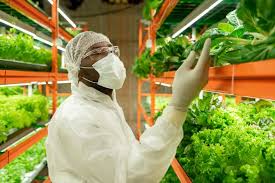
Ph.D. in Horticulture is a graduate research degree that focuses on the science of plant cultivation, breeding, and crop management. The curriculum typically lasts 3-5 years and involves training i...
Ph.D. in Horticulture
×Ph.D. in Horticulture is a graduate research degree that focuses on the science of plant cultivation, breeding, and crop management. The curriculum typically lasts 3-5 years and involves training in plant physiology, soil science, pest management, plant genetics, and agricultural production techniques, followed by original research. Students investigate topics like fruit and vegetable production, plant biotechnology, sustainable agriculture, and landscape management. The program focuses on horticulture innovation to improve agricultural yields, quality, and sustainability. Graduates frequently work in academia, research institutions, agricultural companies, or environmental organizations, helping to promote food production, environmental sustainability, and plant science.

Ph.D. in Neuro Science
Ph.D. in Neuroscience is a research-focused doctoral program that explores the complexities of the nervous system, brain function, and behavior. This rigorous program typically spans 4–6 year...
Ph.D. in Neuro Science
×Ph.D. in Neuroscience is a research-focused doctoral program that explores the complexities of the nervous system, brain function, and behavior. This rigorous program typically spans 4–6 years, depending on the research area and completion time of the dissertation. It involves in-depth study in fields such as cellular and molecular neuroscience, neuropharmacology, cognitive neuroscience, and neural circuitry, using advanced lab techniques and methodologies. Students often collaborate on interdisciplinary projects, publish research, and present findings at conferences. Graduates are prepared for careers in academia, biotechnology, healthcare, and pharmaceutical research, contributing to advancements in understanding and treating neurological conditions.

Ph.D. in Agricultural Biotechnology
Ph.D. in Agricultural Biotechnology concentrates on the use of biotechnology in agriculture to increase crop output, insect resistance, and sustainability. The program typically lasts 3 to 5 years...
Ph.D. in Agricultural Biotechnology
×Ph.D. in Agricultural Biotechnology concentrates on the use of biotechnology in agriculture to increase crop output, insect resistance, and sustainability. The program typically lasts 3 to 5 years and includes instruction in molecular biology, genetics, plant science, and bioengineering as well as extensive research. Students learn about genetic modification, crop improvement, molecular markers, biofertilizers, and biopesticides. Climate change resistance, sustainable farming techniques, and the production of genetically engineered organisms (GMO) for food security are all potential research topics. Graduates are prepared to work in academia, research institutes, agricultural industries, or government, helping to advance sustainable agriculture and food production.
Ph.D. in Medical Biotechnology
A Ph.D. in Medical Biotechnology typically takes 3-5 years to complete and focuses on applying biotechnological principles to medical research and healthcare innovations. On-depth laboratory resear...
Ph.D. in Medical Biotechnology
×A Ph.D. in Medical Biotechnology typically takes 3-5 years to complete and focuses on applying biotechnological principles to medical research and healthcare innovations. On-depth laboratory research combines with specialist education in molecular biology, genetics, biochemistry, and bioengineering. Students gain expertise in disciplines like gene therapy, regenerative medicine, drug research, and diagnostic technologies. Biostatistics, research ethics, and scientific writing are frequently covered in the curriculum. It is required of candidates to finish a dissertation, publish in peer-reviewed publications, and carry out unique research. Graduates of this program are prepared for positions in academia, pharmaceutical businesses, biotechnology firms, and research organizations, where they can use cutting-edge biotechnological solutions to improve patient care and contribute to ground-breaking medical discoveries.

Ph.D. in Disaster Studies
Ph.D. in Disaster Studies is a research-based program that focuses on understanding the origins, consequences, and management of natural and man-made catastrophes. The curriculum typically lasts 3-...
Ph.D. in Disaster Studies
×Ph.D. in Disaster Studies is a research-based program that focuses on understanding the origins, consequences, and management of natural and man-made catastrophes. The curriculum typically lasts 3-5 years and covers themes such as disaster risk reduction, emergency management, humanitarian relief, climate change, environmental hazards, resilience building, and post-disaster rehabilitation. Students do multidisciplinary research, combining sociology, geography, environmental science, public policy, and engineering to develop catastrophe preparedness, response, and mitigation techniques. Graduates can work in academics, government agencies, non-governmental organizations (NGOs), international organizations, or consulting firms that specialize in disaster management and risk assessment. Admission typically needs a Master's degree in environmental science, public policy, sociology, or a related discipline, as well as extensive research experience.