PhD in Agronomy normally takes 3-5 years to complete, with a concentration on advanced crop science, soil management, and sustainable agriculture techniques. This doctoral program requires a master's degree in a comparable discipline and consists of coursework, comprehensive exams, and an original dissertation. Students study plant genetics, soil chemistry, precision agriculture, and climate-resilient farming approaches. The curriculum frequently incorporates fieldwork, laboratory research, and partnerships with agricultural industries. Graduates get opportunities in academia, research institutions, government organizations, or the commercial sector, where they can help improve agricultural yields, develop sustainable farming methods, and address global food security issues.

Rayat Bahra University
Rayat Bahra University Admission Open

Ph.D. in Computer Science
Ph.D. in computer science usually takes 4-6 years to complete, depending on the coursework and research progress. This advanced degree emphasizes producing unique research in a specific field...
Ph.D. in Computer Science
× Ph.D. in computer science usually takes 4-6 years to complete, depending on the coursework and research progress. This advanced degree emphasizes producing unique research in a specific field of computer science, such as artificial intelligence, cybersecurity, or algorithms. Students undergo advanced courses, take thorough tests, and produce a dissertation based on their research findings. The curriculum trains participants in critical thinking, problem solving, and innovative technology development. Graduates frequently pursue careers in academia, research institutions, or managerial positions in the technology business. A Ph.D. in Computer Science necessitates devotion, intellectual curiosity, and the capacity to bring novel information to the area.
Ph.D. in Fashion Design
Ph.D. in Fashion Design takes about 3-5 years to complete, depending on the curriculum and research topic. This doctorate integrates theoretical study with practical application, exploring into cre...
Ph.D. in Fashion Design
×Ph.D. in Fashion Design takes about 3-5 years to complete, depending on the curriculum and research topic. This doctorate integrates theoretical study with practical application, exploring into creative design concepts, environmental methods, and the cultural effect of fashion. Students perform original research, often cooperating with industry partners or pursuing interdisciplinary techniques such as wearable technology or biomaterials. Advanced design theory, research methodology, and seminars on current industry trends are all possible topics for coursework. The curriculum culminates in a dissertation that advances knowledge in the field. Graduates are equipped for professions in academics, high-level design positions, forecasting fashion trends, and consulting on the industry's prospects.

Ph.D. in Education
Ph.D. in Education usually requires 3-5 years for completion, depending on the program and whether the student pursues full-time or part-time. This advanced degree emphasizes educational research,...
Ph.D. in Education
×Ph.D. in Education usually requires 3-5 years for completion, depending on the program and whether the student pursues full-time or part-time. This advanced degree emphasizes educational research, philosophical thought, and practice. Students take hard courses, perform original research, and submit a dissertation. The curriculum frequently includes educational psychology, curriculum creation, educational policy, and research methodology. Graduates are equipped for positions in academia, educational leadership, policymaking, and advanced research. This degree needs a master's degree for admission and concludes in a comprehensive examination followed by an effective doctoral defense before a committee of academic experts.

Ph.D. in Computer Science And Engineering
Ph.D. in Computer Science and Engineering usually requires 4-6 years to attain, depending on the university and the stage of the study. This advanced degree focuses cutting-edge research in f...
Ph.D. in Computer Science And Engineering
×Ph.D. in Computer Science and Engineering usually requires 4-6 years to attain, depending on the university and the stage of the study. This advanced degree focuses cutting-edge research in fields such as artificial intelligence, machine learning, cybersecurity, computer networks, and software engineering. Students take tough courses, perform unique research, and submit a dissertation under faculty supervision. The program of study encourages skill in problem-solving, critical thinking, and innovation in the sector. Graduates are prepared to work in academia, research labs, or high-level positions within the technology business. Admission usually requires a master's degree in a related discipline, an impressive academic record, and research potential. Teaching or research fellowships are common sources for funding.

Ph.D. in Electronics And Communication Engineering
Ph.D. in Electronics and Communication Engineering generally takes 3-5 years to complete, depending on the university and the level of the study. This advanced degree focuses the latest development...
Ph.D. in Electronics And Communication Engineering
×Ph.D. in Electronics and Communication Engineering generally takes 3-5 years to complete, depending on the university and the level of the study. This advanced degree focuses the latest developments in signal processing, wireless communications, microelectronics, and embedded systems. Students undertake challenging courses, implement original research, and write their dissertations under faculty supervision. The program promotes skills in developing complex electronic systems, creating innovative communication technologies, and addressing real-world engineering challenges. Graduates are well-prepared to work in academia, research institutions, or high-tech enterprises, helping to improve disciplines such as 5G/6G networks, IoT, artificial intelligence, and quantum computing. This degree involves strong analytical skills, creativity, and an intense passion for technological advancement.

Ph.D. in Electrical Engineering
Ph.D. in Electrical Engineering generally requires 4-6 years to complete, depending on a master's degree. This advanced degree emphasizes cutting-edge research and specific fields like signal p...
Ph.D. in Electrical Engineering
×Ph.D. in Electrical Engineering generally requires 4-6 years to complete, depending on a master's degree. This advanced degree emphasizes cutting-edge research and specific fields like signal processing, power systems, and telecommunications. Candidates take challenging courses, perform distinctive research, and defend a dissertation. Advanced mathematics, electromagnetic theory, and computer engineering are common topics in the curriculum. Graduates possess the skills for job opportunities in academia, research institutes, and high-tech business organizations. This degree desires strong analytical abilities, creativity, and tenacity. It provides opportunity to contribute to technological developments and solve complicated engineering challenges, making it a lucrative career path for those who enjoy innovation in electrical systems and technology.

Ph.D. in Civil Engineering
A Ph.D. in Civil Engineering typically requires 3-5 years to complete, depending on the university and research area. This graduate degree program emphasizes particular fields such as structural en...
Ph.D. in Civil Engineering
×A Ph.D. in Civil Engineering typically requires 3-5 years to complete, depending on the university and research area. This graduate degree program emphasizes particular fields such as structural engineering, geotechnical engineering, transportation systems, environmental engineering, and water resource management. Students take difficult courses, do unique research, and write a doctoral thesis that adds new understanding to the area. The program of study addresses advanced analytical abilities, research approaches, and problem-solving techniques applicable to difficult civil engineering tasks. Graduates are prepared for managerial roles in academia, research institutes, government agencies, or the commercial sector, where they can drive innovation in building infrastructure, sustainability, and urban planning.

Ph.D. in Law
The highest academic degree in legal studies is the Ph.D. in Law, generally requires 3-5 years to complete. This challenging program emphasizes advanced legal research, theory, and scholarly...
Ph.D. in Law
×The highest academic degree in legal studies is the Ph.D. in Law, generally requires 3-5 years to complete. This challenging program emphasizes advanced legal research, theory, and scholarly writing. Candidates select a specific topic of law for a comprehensive study and innovative contribution to legal knowledge. The curriculum consists of coursework, comprehensive exams, and the production of a doctoral dissertation with faculty supervision. Students acquire knowledge of legal analysis, research methods, and academic writing. A Ph.D. in Law prepares graduates for a position in academia, legal research, policymaking, or senior positions in law firms and organizations. Admission generally requires an elementary law degree (J.D. or LL.M.) along with suitable experience.

Ph.D. in Chemistry
Ph.D. in Chemistry takes around 4-6 years to complete, depending on the research project and institution. This doctoral program emphasizes distinctive research in certain areas of chemistry, such a...
Ph.D. in Chemistry
×Ph.D. in Chemistry takes around 4-6 years to complete, depending on the research project and institution. This doctoral program emphasizes distinctive research in certain areas of chemistry, such as organic, inorganic, physical, or analytical chemistry. Students pursue more advanced courses, perform substantial laboratory research, and develop a dissertation based on their findings. The program includes generating hypotheses, designing experiments, analyzing data, and bringing new knowledge to the field. Ph.D. candidates frequently interact with other experts, give presentation at conferences, and publish articles in scientific publications. This degree equips graduates with job opportunities in academia, industry research, government laboratories, and other scientific fields that require advanced chemical skills.

Ph.D. in Mathematics
Ph.D. in Mathematics is a terminal degree that usually requires 4-7 years to accomplish after acquiring a bachelor's degree. The curriculum comprises advanced coursework in pure and appli...
Ph.D. in Mathematics
×Ph.D. in Mathematics is a terminal degree that usually requires 4-7 years to accomplish after acquiring a bachelor's degree. The curriculum comprises advanced coursework in pure and applied mathematics, as well as independent research that leads to the completion of a doctorate research. PhD students acquire proficiency in abstract algebra, real and complex analysis, topology, and discrete mathematics. The degree prepares graduates for academic careers as university professors and researchers, as well as jobs in industries such as banking, technology, and government that require strong quantitative and problem-solving abilities.

Ph.D. in Physics
Ph.D. in Physics generally requires 5-7 years to complete, and it comprises advanced coursework, independent research, and a doctorate dissertation. Students explore the fundamental concepts...
Ph.D. in Physics
×Ph.D. in Physics generally requires 5-7 years to complete, and it comprises advanced coursework, independent research, and a doctorate dissertation. Students explore the fundamental concepts of matter and energy, and often specialize in quantum mechanics, astrophysics, or particle physics. The program fosters critical thinking, problem-solving skills, and knowledge in experimental or theoretical physics. Graduates are prepared to work in academia, research institutions, or industry, contributing to innovative scientific discoveries and technical developments. This challenging degree requires dedication, intellectual curiosity, and the ability to push the limits of human knowledge of the physical cosmos.

Ph.D. in Radiology & Imaging Technology
The Doctor of Philosophy (Ph.D.) in Radiology & Imaging Technology is a rigorous 4-5 year research-focused doctoral program designed to nurture the next generation of medical imaging scientists...
Ph.D. in Radiology & Imaging Technology
×The Doctor of Philosophy (Ph.D.) in Radiology & Imaging Technology is a rigorous 4-5 year research-focused doctoral program designed to nurture the next generation of medical imaging scientists and technologists. The academic program includes complex topics in radiological physics, imaging modalities, image processing, and biomedical informatics. Ph.D. applicants do unique research, which culminates in the submission of a doctoral dissertation that contributes significantly to the area. Graduates have the knowledge to work as radiological scientists, medical imaging researchers, university instructors, and R&D professionals in hospitals, government organizations, and the commercial sector. The degree equips students with highly specialized technical knowledge and research abilities to drive innovation in diagnostic and therapeutic imaging applications.

Ph.D. in Physiotherapy
Doctor of Philosophy (Ph.D.) in Physiotherapy is a challenging 4-6 year research-focused doctoral program that develops students to become physical therapy leaders. The curriculum emphasizes advanc...
Ph.D. in Physiotherapy
×Doctor of Philosophy (Ph.D.) in Physiotherapy is a challenging 4-6 year research-focused doctoral program that develops students to become physical therapy leaders. The curriculum emphasizes advanced topics such as musculoskeletal biomechanics, neurophysiology, exercise physiology, and research methods. Ph.D. candidates perform distinctive laboratory and clinical research, culminating in the submission of a doctoral dissertation that contributes significantly to our understanding of human mobility, injury prevention, and rehabilitation. Graduates have the opportunity to work as physiotherapist researchers, university professors, consultants, and policymakers in hospitals, private clinics, government organizations, and academic settings. The Ph.D. in Physiotherapy program equips students with the specific knowledge required to advance the science of physical therapy and improve patient outcomes.

Ph.D. in Pharmaceutical Sciences
Doctor of Philosophy (Ph.D.) in Pharmaceutics is a rigorous 5-7 year research-focused doctoral program that provides students to serve as leading specialists in the development and improvement of d...
Ph.D. in Pharmaceutical Sciences
×Doctor of Philosophy (Ph.D.) in Pharmaceutics is a rigorous 5-7 year research-focused doctoral program that provides students to serve as leading specialists in the development and improvement of drug delivery systems. The program includes advanced topics in pharmaceutical sciences such as pharmacokinetics, medication development, manufacturing methods, and regulatory issues. Ph.D. candidates perform original laboratory and clinical research, culminating in the submission of a doctoral dissertation which contributes significantly to the field of pharmaceutics. Graduates have been trained for positions as pharmaceutical scientists, university instructors, regulatory advisors, and R&D professionals in the pharmaceutical business. The Ph.D. in Pharmaceutics program equips students with the specific knowledge required to revolutionize drug delivery methods, improve patient outcomes, and impact the future of pharmaceutical product development.

Ph.D. in Management
Ph.D. in Management typically requires 4-6 years to complete, depending on the university and the student's progress. This postgraduate degree program focuses on enhancing awareness of manageme...
Ph.D. in Management
×Ph.D. in Management typically requires 4-6 years to complete, depending on the university and the student's progress. This postgraduate degree program focuses on enhancing awareness of management theory, research methods, and organizational behavior. Students pursue demanding coursework, thorough tests, and original research, culminating in a PhD dissertation. Strategic management, leadership, organizational psychology, and advanced statistics are common themes in the curriculum. Graduates are equipped for jobs in academia, research institutions, or high-level consultancy positions. The curriculum demands a good academic background, which typically includes a master's degree, and stresses critical thinking, analytical skills, and the ability to contribute new information to the field of management.
Ph.D. in Zoology
Ph.D. in Zoology normally takes 3 -5 years of study after obtaining a master's degree. The curriculum requires intensive training in animal biology, ecology, evolutionary biology, and genetics,...
Ph.D. in Zoology
×Ph.D. in Zoology normally takes 3 -5 years of study after obtaining a master's degree. The curriculum requires intensive training in animal biology, ecology, evolutionary biology, and genetics, as well as considerable research. Students must write a dissertation that brings new knowledge to the field, which frequently includes laboratory research, field surveys, or data analysis. During this time, candidates may also teach undergraduate classes, attend seminars, and publish research findings in academic journals. Graduates are equipped for professions in academics, wildlife conservation, environmental consultancy, and a variety of positions in governmental and non-governmental organizations concerned with animal health and biodiversity.

Ph.D. in Oral Pathology And Microbiology
Ph.D. in Oral Pathology and Microbiology normally takes 3-5 years to complete, depending on the institution and research objectives. This postgraduate degree program focuses on disorders of the ora...
Ph.D. in Oral Pathology And Microbiology
×Ph.D. in Oral Pathology and Microbiology normally takes 3-5 years to complete, depending on the institution and research objectives. This postgraduate degree program focuses on disorders of the oral cavity, jaw, and adjacent structures, as well as the bacteria that cause these conditions. Students conduct substantial research, lab work, and clinical observations. The program includes topics such as oral histology, immunology, molecular biology, and sophisticated diagnostic procedures. Candidates are expected to do original research, publish in peer-reviewed publications, and defend their dissertations. This degree equips graduates to work in academia, research institutes, or specialized clinical practice, helping to enhance oral health diagnostics and treatments.

Ph.D. in Periodontology
Ph.D. in Periodontology is an advanced doctoral program typically lasting 3-5 years, focusing on the study and treatment of periodontal diseases and oral health. This research-intensive degree comb...
Ph.D. in Periodontology
×Ph.D. in Periodontology is an advanced doctoral program typically lasting 3-5 years, focusing on the study and treatment of periodontal diseases and oral health. This research-intensive degree combines clinical training with in-depth scientific investigation, preparing graduates for academic, research, or specialized clinical roles. Students engage in advanced coursework, conduct original research, and often participate in teaching. The curriculum covers topics such as periodontal pathology, regenerative techniques, implantology, and evidence-based dentistry. Candidates usually need a dental degree and may require specialty training in periodontology. Upon completion, graduates are equipped to contribute to the field through research, education, and advanced clinical practice.

Ph.D. in Information Technology
Ph.D. in Information Technology typically requires 3 - 5 years of study beyond a master's degree, depending on the program and the student’s pace. This advanced degree focuses on the...
Ph.D. in Information Technology
×Ph.D. in Information Technology typically requires 3 - 5 years of study beyond a master's degree, depending on the program and the student’s pace. This advanced degree focuses on the theoretical and practical aspects of computing and information systems, encompassing areas such as software engineering, data analytics, cybersecurity, artificial intelligence, and network management. Candidates engage in rigorous coursework, comprehensive exams, and original research, culminating in a dissertation that contributes to the field. Graduates often pursue careers in academia, research institutions, or high-level industry positions, playing critical roles in technology development and innovation.
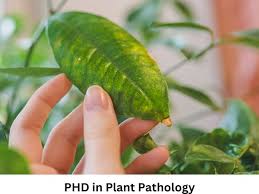
Ph.D. in Plant Pathology
Ph.D. in Plant Pathology normally lasts 3-5 years and focuses on the study of plant diseases caused by pathogens such as fungi, bacteria, viruses, and nematodes. The program combines intense i...
Ph.D. in Plant Pathology
×Ph.D. in Plant Pathology normally lasts 3-5 years and focuses on the study of plant diseases caused by pathogens such as fungi, bacteria, viruses, and nematodes. The program combines intense instruction in plant biology, microbiology, and disease management with extensive research. Candidates carry out innovative research to investigate disease resistance mechanisms, pathogen biology, and management techniques. The curriculum culminates with a dissertation based on research findings. Graduates frequently work in academia, research organizations, government agencies, or the agricultural industry, helping to promote crop protection, sustainable agriculture, and food security.

Ph.D. in Botany
Ph.D. in Botany usually takes 3-5 years and focuses on advanced study in plant biology, ecology, and conservation. The program includes intensive courses in plant physiology, taxonomy, molecul...
Ph.D. in Botany
×Ph.D. in Botany usually takes 3-5 years and focuses on advanced study in plant biology, ecology, and conservation. The program includes intensive courses in plant physiology, taxonomy, molecular biology, and environmental science. Students are expected to do unique research, culminating in a dissertation that advances the area of botany. Fieldwork, laboratory experiments, and interdisciplinary team cooperation are common components of the program. Graduates work in academia, research institutions, environmental agencies, and industries associated with agriculture, horticulture, and biodiversity conservation, bringing vital information to plant science and ecosystem management.

Ph.D. in Tourism and Travel Management
Ph.D. in Tourism and Travel Management typically spans 3-5 years, focusing on advanced research in areas such as sustainable tourism, destination management, and travel behavior. The program...
Ph.D. in Tourism and Travel Management
×Ph.D. in Tourism and Travel Management typically spans 3-5 years, focusing on advanced research in areas such as sustainable tourism, destination management, and travel behavior. The program includes coursework in research methodologies, data analysis, and tourism theory, followed by the development of a dissertation that contributes original knowledge to the field. Students engage in seminars, workshops, and conferences, fostering collaboration with faculty and industry professionals. This doctoral degree equips graduates for careers in academia, research institutions, and tourism organizations, emphasizing the importance of sustainable practices and innovation in a rapidly evolving global tourism landscape.

Ph.D. in Environmental Science
Ph.D. in Environmental Science normally lasts 3-5 years and focuses on advanced study on key environmental challenges. The program includes difficult courses in ecological theory, enviro...
Ph.D. in Environmental Science
×Ph.D. in Environmental Science normally lasts 3-5 years and focuses on advanced study on key environmental challenges. The program includes difficult courses in ecological theory, environmental policy, sustainability, and advanced research methods. Students conduct original research, which frequently includes fieldwork, data analysis, and interdisciplinary cooperation, culminating in a dissertation that adds to the body of knowledge in the discipline. Candidates may study climate change, conservation biology, environmental chemistry, or ecosystem management. The curriculum prepares graduates for positions in academia, government agencies, non-profit organizations, and the commercial sector, with an emphasis on practical solutions to environmental issues.

Ph.D. in Computer Application
Advanced computer science research, software development, and computing technology applications are the main topics of a Ph.D. in Computer Applications, which normally takes 3-5years to finish. Art...
Ph.D. in Computer Application
×Advanced computer science research, software development, and computing technology applications are the main topics of a Ph.D. in Computer Applications, which normally takes 3-5years to finish. Artificial intelligence, machine learning, data science, computer networks, and human-computer interaction are among the topics covered in the program's coursework. A dissertation that adds to the field's body of knowledge follows. Students investigate novel approaches to practical issues in areas like computational theory, algorithm creation, and system optimization. A solid foundation in computer science or a comparable discipline is typically required for admission. Graduates work in high-level positions in the tech sector, research institutes, or academia.

Ph.D. in Artificial Intelligence
With an emphasis on cutting-edge research in machine learning, deep learning, natural language processing, computer vision, and robotics, a Ph.D. in Artificial Intelligence (AI) normally takes 4-6&...
Ph.D. in Artificial Intelligence
×With an emphasis on cutting-edge research in machine learning, deep learning, natural language processing, computer vision, and robotics, a Ph.D. in Artificial Intelligence (AI) normally takes 4-6 years to finish. The curriculum blends in-depth practical research with fundamental courses in AI theory, algorithms, and data science, allowing students to work on innovative projects and offer novel insights into the field. There is a thorough examination of subjects including neural networks, reinforcement learning, and ethical AI. A solid foundation in computer science, mathematics, or a similar discipline is typically required for admission. Graduates are equipped for jobs in research, academia, and executive roles in tech firms and AI-related sectors.

Ph.D. in Social Science
A Ph.D. in Social Science is an advanced research degree that examines human behavior, societal structures, and social change via a variety of disciplinary perspectives, including sociology, anthro...
Ph.D. in Social Science
×A Ph.D. in Social Science is an advanced research degree that examines human behavior, societal structures, and social change via a variety of disciplinary perspectives, including sociology, anthropology, economics, and political science. The curriculum, which typically lasts 3-5years, uses both qualitative and quantitative research approaches to address complex social issues such as inequality, globalization, and policy formation. Students gain knowledge in fields such as social theory, ethnography, social justice, and public policy. Admission often necessitates a Master's degree in Social Sciences or a comparable subject. Graduates frequently go on to work in academia, research, or government, non-governmental, and international organizations.

Ph.D. in Horticulture
Ph.D. in Horticulture is a graduate research degree that focuses on the science of plant cultivation, breeding, and crop management. The curriculum typically lasts 3-5 years and involves training i...
Ph.D. in Horticulture
×Ph.D. in Horticulture is a graduate research degree that focuses on the science of plant cultivation, breeding, and crop management. The curriculum typically lasts 3-5 years and involves training in plant physiology, soil science, pest management, plant genetics, and agricultural production techniques, followed by original research. Students investigate topics like fruit and vegetable production, plant biotechnology, sustainable agriculture, and landscape management. The program focuses on horticulture innovation to improve agricultural yields, quality, and sustainability. Graduates frequently work in academia, research institutions, agricultural companies, or environmental organizations, helping to promote food production, environmental sustainability, and plant science.

Ph.D. in Machine Learning
Ph.D. in Machine Learning is a graduate research degree that focuses on creating algorithms and models that allow computers to learn from data and make predictions or judgments. The program, which...
Ph.D. in Machine Learning
×Ph.D. in Machine Learning is a graduate research degree that focuses on creating algorithms and models that allow computers to learn from data and make predictions or judgments. The program, which typically takes 3-5 years to finish, covers advanced mathematics, statistics, data mining, neural networks, and deep learning courses, as well as considerable research. Students work on projects involving supervised and unsupervised learning, reinforcement learning, and artificial intelligence applications. Graduates frequently work in academia, research labs, or technology firms, contributing to advances in artificial intelligence, data science, and automation in fields such as healthcare, finance, and robotics.

Ph.D. in Data Science
Ph.D. in Data Science is a graduate research degree that focuses on data analysis, machine learning, artificial intelligence, and statistical methods for solving challenging real-world problems. Th...
Ph.D. in Data Science
×Ph.D. in Data Science is a graduate research degree that focuses on data analysis, machine learning, artificial intelligence, and statistical methods for solving challenging real-world problems. The program typically lasts 3-5 years and includes training in big data, data mining, predictive analytics, and programming as well as hands-on research. Students gain skills in building algorithms, managing massive datasets, and implementing data-driven solutions in fields such as healthcare, finance, and technology. The curriculum finishes with a dissertation that contributes novel research to the field. Graduates frequently work in academia, research organizations, and industry, driving advances in data science and AI technology.
Ph.D. in Anthropology
Ph.D. in Anthropology is a research-intensive degree that examines human communities, cultures, behaviors, and biological evolution over time and geography. The program typically lasts 3-5 years an...
Ph.D. in Anthropology
×Ph.D. in Anthropology is a research-intensive degree that examines human communities, cultures, behaviors, and biological evolution over time and geography. The program typically lasts 3-5 years and includes the four major subfields of anthropology: cultural anthropology, archaeology, biological (physical) anthropology, and linguistic anthropology. Students do unique study on areas such as human evolution, social structures, cultural practices, ethnographic fieldwork, human genetics, and archeology of ancient civilizations. Graduates of the program frequently work in academia, research institutes, museums, government agencies, non-governmental organizations (NGOs), and cultural heritage protection. Admission typically needs a Master's degree in anthropology or a similar subject, as well as good research and analytical skills in ethnographic methodologies, fieldwork, and data analysis.
Ph.D. in Cellular Oncology
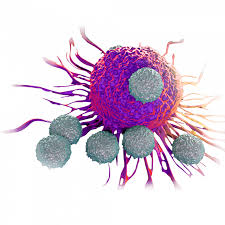
Ph.D. in Cellular Oncology is a research-focused program dedicated to understanding the cellular mechanisms involved in cancer development, progression, and metastasis. Typically l...
Ph.D. in Cellular Oncology
×Ph.D. in Cellular Oncology is a research-focused program dedicated to understanding the cellular mechanisms involved in cancer development, progression, and metastasis. Typically lasting 3-5 years, the program covers areas such as cell signaling, cancer cell biology, tumor microenvironment, cell cycle regulation, apoptosis, and the genetic and epigenetic factors contributing to cancer. Students engage in original research to investigate how cancer cells evade normal growth control, develop resistance to therapies, and interact with their environment. The program also explores cutting-edge topics like cancer stem cells, immuno-oncology, and personalized cancer therapies. Graduates of the program often pursue careers in academia, pharmaceutical and biotechnology industries, cancer research institutes, or clinical research in oncology. Admission generally requires a Master's degree in cell biology, molecular biology, or a related field, with strong research experience in cancer biology and laboratory techniques.
4o mini
Ph.D. in Nematology
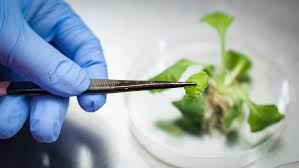
Ph.D. in Nematology is a research-focused doctoral program that involves the study of nematodes (roundworms) and their impact on agriculture, human health, and the environment. The course covers ad...
Ph.D. in Nematology
×Ph.D. in Nematology is a research-focused doctoral program that involves the study of nematodes (roundworms) and their impact on agriculture, human health, and the environment. The course covers advanced topics such as nematode biology, taxonomy, ecology, physiology, and their role in plant diseases, as well as nematode management strategies. Students also explore nematode-based biotechnology and ecological interactions. The program typically spans 3-5 years, depending on the research progress. Admission usually requires a Master's degree in a related field, and students must conduct original research, culminating in a dissertation that contributes to the scientific understanding of nematology.

Ph.D. in Prosthodontics and Crown and Bridge
PhD in Prosthodontics and Crown and Bridge focuses on the restoration and replacement of teeth using modern dental prosthetics such as crowns, bridges, dentures, and implants. The program, wh...
Ph.D. in Prosthodontics and Crown and Bridge
×PhD in Prosthodontics and Crown and Bridge focuses on the restoration and replacement of teeth using modern dental prosthetics such as crowns, bridges, dentures, and implants. The program, which typically lasts 3 to 5 years, includes instruction in dental materials, occlusion, biomaterials, and clinical procedures as well as intensive restorative dentistry research. Students learn about the design and production of fixed and detachable prostheses, implantology, and advances in prosthetic technology. Graduates are prepared to work in academia, clinical practice, and research, helping to promote prosthodontic practices, improve patient outcomes, and create new materials and technology for dental restoration.
Ph.D. in Public Health Dentistry
Ph.D. in Public Health Dentistry focuses on improving oral health at the community and population levels by combining dental care with public health methods. The curriculum typically lasts 3 to 5 y...
Ph.D. in Public Health Dentistry
×Ph.D. in Public Health Dentistry focuses on improving oral health at the community and population levels by combining dental care with public health methods. The curriculum typically lasts 3 to 5 years and includes courses in epidemiology, health policy, oral preventive, and community-based research, as well as significant fieldwork. Students investigate oral health inequities, dental disease prevention, health promotion, and the role of dentistry in public health systems. Graduates are equipped for careers in academia, research institutes, public health organizations, and government agencies, where they can help establish policies, programs, and strategies to enhance oral health at the population level.

Ph.D. in Oral Medicine and Radiology
Ph.D. in Oral Medicine and Radiology focuses on the diagnosis and treatment of oral disorders, with a particular emphasis on the use of radiographic techniques for diagnosis and planning. The...
Ph.D. in Oral Medicine and Radiology
× Ph.D. in Oral Medicine and Radiology focuses on the diagnosis and treatment of oral disorders, with a particular emphasis on the use of radiographic techniques for diagnosis and planning. The program typically lasts 3 to 5 years and includes courses in oral pathology, radiographic imaging, clinical medicine, and diagnostic procedures, as well as original research. Students learn about medical picture interpretation, modern diagnostic tools, and how to address problems such as oral cancer, TMJ disorders, and systemic diseases with oral symptoms. Graduates are well-prepared for positions in academia, clinical practice, and research, where they can help enhance diagnostic imaging and oral healthcare.
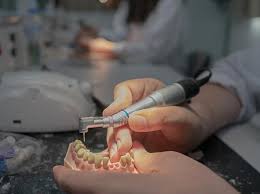
Ph.D. in Orthodontics
Ph.D. in Orthodontics is a research-intensive program that investigates the diagnosis, prevention, and treatment of dental and facial abnormalities. The program typically lasts 3 to 5 years a...
Ph.D. in Orthodontics
× Ph.D. in Orthodontics is a research-intensive program that investigates the diagnosis, prevention, and treatment of dental and facial abnormalities. The program typically lasts 3 to 5 years and includes courses in orthodontic theory, craniofacial development, biomechanics, and dental materials, as well as unique clinical and laboratory research. Students study growth trends, orthodontic appliances, craniofacial anomalies, and advances in digital orthodontics. Graduates are prepared for jobs in academia, research, or specialized orthodontic practice, where they can help to innovate treatment procedures, improve patient outcomes, and advance knowledge in orthodontics and dental care.

Ph.D. in Conservative Dentistry and Endodontics
Ph.D. in Conservative Dentistry and Endodontics is a highly specialized research degree that focuses on tooth preservation and restoration, as well as the diagnosis and treatment of dental pu...
Ph.D. in Conservative Dentistry and Endodontics
× Ph.D. in Conservative Dentistry and Endodontics is a highly specialized research degree that focuses on tooth preservation and restoration, as well as the diagnosis and treatment of dental pulp and root canal illnesses. The program typically lasts 3 to 5 years and includes instruction in dental materials, oral pathology, advanced endodontic procedures, and restorative dentistry, as well as original research. Students learn about tooth preservation techniques, root canal therapy advances, and the creation of novel materials and technologies in endodontics. Graduates are prepared to work in academia, clinical research, or specialty dentistry practice, helping to develop patient care and dental technologies.

Ph.D. in Pedodontics
A Ph.D. in Pedodontics is typically a 4-6 year program that provides advanced training in the specialized field of pediatric dentistry. Child psychology, behavior management, interceptive orthodont...
Ph.D. in Pedodontics
×A Ph.D. in Pedodontics is typically a 4-6 year program that provides advanced training in the specialized field of pediatric dentistry. Child psychology, behavior management, interceptive orthodontics, pediatric oral pathology, and the creation of novel treatment strategies for the particular oral health requirements of newborns, kids, and teenagers are among the subjects covered in the program. In order to further the scientific understanding of the factors impacting children's oral health and the creation of evidence-based preventive and restorative techniques, students frequently collaborate with community health centers, dentistry schools, or children's hospitals to perform original research. Graduates of this program are equipped for leadership positions in children oral health research and advocacy, pediatric dentistry practice, academics, and hospital-based dentistry. They can use their knowledge to increase access to quality dental care for children, promote early childhood oral health, and train the next generation of pediatric dental professionals.

Ph.D. in Hotel Management and Catering Technology
A Ph.D. in Hotel Management and Catering Technology is typically a 4-6-year program that provides advanced training in the strategic and operational aspects of the hospitality industry. Hotel opera...
Ph.D. in Hotel Management and Catering Technology
×A Ph.D. in Hotel Management and Catering Technology is typically a 4-6-year program that provides advanced training in the strategic and operational aspects of the hospitality industry. Hotel operations, food and beverage management, revenue optimization, service innovation, sustainability, and the incorporation of emerging technology are among the subjects covered in the curriculum. Students carry out original research to create creative answers to problems in areas like improving the guest experience, supply chain efficiency, talent management, and the use of data analytics. They frequently work with hotel chains, caterers, or hospitality research centers. Graduates of this program are equipped for leadership positions in the larger hospitality and tourism industries, including food service operations, hotel and resort management, hospitality consulting, hospitality education, and research responsibilities. They are able to use their expertise to improve the competitiveness, profitability, and social responsibility of hospitality businesses.

Ph.D. in Clinical Embryology
A Ph.D. in Clinical Embryology typically takes 3-5 years to complete, focusing on advanced reproductive biology and assisted reproductive technologies. This demanding curriculum covers subjects lik...
Ph.D. in Clinical Embryology
×A Ph.D. in Clinical Embryology typically takes 3-5 years to complete, focusing on advanced reproductive biology and assisted reproductive technologies. This demanding curriculum covers subjects like gamete biology, embryo development, cryopreservation methods, and genetic screening methods by fusing in-depth theoretical study with practical laboratory research. Students work on novel research projects, frequently in conjunction with research institutes and fertility clinics. Courses on genetics, biostatistics, molecular biology, and reproductive medicine ethics may be part of the curriculum. Graduates are equipped for jobs in biotechnology companies, academic research, or fertility clinics where they can help develop new reproductive technologies and therapies for infertility. A strong basis in biological sciences and a commitment to enhancing human reproductive health are prerequisites for this degree.