
A Ph.D. in Biochemistry normally takes 4-6 years to complete, with a concentration on the chemical processes found within and related to living organisms. This advanced degree needs intensive laboratory research, data analysis, and the creation of a unique thesis. Students analyze molecular biology, enzymology, and cellular metabolism. The program often involves coursework, teaching assistantships, and the publication of research publications. Graduates have the ability to pursue careers in academia, pharmaceutical research, biotechnology, and allied fields. The doctoral program develops critical thinking, problem-solving abilities, and the ability to design and conduct autonomous research, resulting in important contributions to the field of biochemistry and related life sciences.

Sai Tirupati University
Sai Tirupati University Admission Open
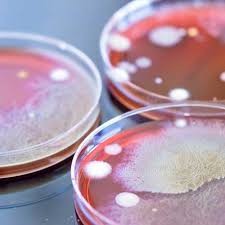
Ph.D. in Microbiology
Ph.D. in Microbiology usually takes 4-6 years to complete which involves extensive research on microorganisms, their interactions, and their impact on various ecosystems. The academic program inclu...
Ph.D. in Microbiology
×Ph.D. in Microbiology usually takes 4-6 years to complete which involves extensive research on microorganisms, their interactions, and their impact on various ecosystems. The academic program includes advanced coursework, laboratory research, and a dissertation. Students research bacterial genetics, virology, immunology, and microbial ecology. They acquire experts in cutting-edge procedures such as gene sequencing, bioinformatics, and microscopy. This degree prepares graduates for professions in academia, biotechnology, pharmaceuticals, and public health, granting them the skills they need to address global issues such as antibiotic resistance and new infectious diseases.

Ph.D. in Nursing
The Doctor of Philosophy (Ph.D.) in Nursing is the highest academic degree in the nursing sector, taking around 4-5 years to complete. This research-focused curriculum develops nurses to work in ac...
Ph.D. in Nursing
×The Doctor of Philosophy (Ph.D.) in Nursing is the highest academic degree in the nursing sector, taking around 4-5 years to complete. This research-focused curriculum develops nurses to work in academia, research, and advanced clinical practice. Nursing theory, research methodologies, statistics, and a specialized area of study are all encompassed in the coursework. Ph.D. candidates prepare an original dissertation that provides new information to the nursing field. Graduates of Ph.D. in Nursing schools are prepared to conduct nursing research, shape healthcare policy, educate future nurses, and drive clinical innovation. The degree qualifies for professions such as nurse scientist, professor, head of nursing research, and chief nursing officer.

Ph.D. in Pharmacology
Ph.D. in Pharmacology is a research-based program that investigates pharmaceuticals, their effects on the human body, and therapeutic possibilities. The program typically lasts 3-5 years and c...
Ph.D. in Pharmacology
×Ph.D. in Pharmacology is a research-based program that investigates pharmaceuticals, their effects on the human body, and therapeutic possibilities. The program typically lasts 3-5 years and covers topics such as drug mechanisms, toxicology, pharmacokinetics, pharmacodynamics, and drug development. Students perform unique research to examine how medications interact with biological systems, focusing on the molecular and physiological impacts of diverse substances. The program comprises courses in biochemistry, physiology, and drug chemistry, as well as research methodology and a dissertation. Graduates frequently pursue positions in academic research, the pharmaceutical sector, regulatory agencies, and healthcare.
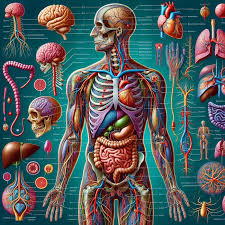
Ph.D. in Anatomy
Ph.D. in Anatomy is a specialized research degree that examines the structure of the human body and its many systems. The program typically lasts 3 to 5 years and includes extensive training in sub...
Ph.D. in Anatomy
×Ph.D. in Anatomy is a specialized research degree that examines the structure of the human body and its many systems. The program typically lasts 3 to 5 years and includes extensive training in subjects including as histology, neuroanatomy, developmental biology, and functional anatomy. Students do laboratory-based research, employing tools such as microscopy and molecular biology to investigate the complexity of tissue structure and organ function. The curriculum culminates in a dissertation that advances knowledge in the field. Graduates pursue positions in academia, medical education, research institutions, and the healthcare industry.
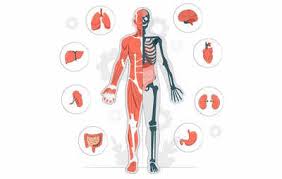
Ph.D. in Physiology
Ph.D. in Physiology is an advanced research-focused degree that normally lasts 3-5 years. It entails a thorough examination of biological systems, with emphasis on functions such as cellular p...
Ph.D. in Physiology
×Ph.D. in Physiology is an advanced research-focused degree that normally lasts 3-5 years. It entails a thorough examination of biological systems, with emphasis on functions such as cellular processes, organ systems, and homeostasis. Students study neurophysiology, cardiovascular physiology, endocrinology, and exercise physiology. The program consists of demanding coursework, thorough tests, and original research, culminating in a dissertation. This degree prepares students for positions in academia, healthcare, pharmaceuticals, and research institutions. A Ph.D. in Physiology focuses on developing critical thinking, experimental abilities, and a thorough grasp of the systems that control bodily functioning.