PhD in Agronomy normally takes 3-5 years to complete, with a concentration on advanced crop science, soil management, and sustainable agriculture techniques. This doctoral program requires a master's degree in a comparable discipline and consists of coursework, comprehensive exams, and an original dissertation. Students study plant genetics, soil chemistry, precision agriculture, and climate-resilient farming approaches. The curriculum frequently incorporates fieldwork, laboratory research, and partnerships with agricultural industries. Graduates get opportunities in academia, research institutions, government organizations, or the commercial sector, where they can help improve agricultural yields, develop sustainable farming methods, and address global food security issues.
Sam Higginbottom University of Agriculture, Technology & Sciences
Sam Higginbottom University of Agriculture, Technology & Sciences Admission Open
Ph.D. in Food And Nutrition
Ph.D. in Food and Nutrition usually takes3-5 years to complete, depending on the curriculum and research requirements. This graduate degree program promotes in-depth study and distinctive research...
Ph.D. in Food And Nutrition
×Ph.D. in Food and Nutrition usually takes3-5 years to complete, depending on the curriculum and research requirements. This graduate degree program promotes in-depth study and distinctive research in fields such as nutritional metabolism, food science, public health nutrition, and dietary interventions. Students acquire skills in research methods, statistical analysis, and scientific writing. In addition to specific nutrition subjects, the curriculum often involves advanced training in biochemistry, physiology, and epidemiology. Candidates are expected to do independent research, culminating in a doctoral dissertation that improves knowledge in the regulation. Graduates are prepared to pursue careers in academia, research institutes, government agencies, or industry, where they can direct nutrition research, formulate policy, or innovate in food science and technology.
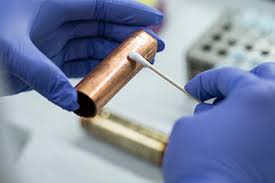
Ph.D. in Forensic Sciences
Ph.D. in Forensic Sciences usually takes 3-5 years to complete, depending on the academic program and research requirements. This postgraduate degree focuses on using scientific methods to con...
Ph.D. in Forensic Sciences
×Ph.D. in Forensic Sciences usually takes 3-5 years to complete, depending on the academic program and research requirements. This postgraduate degree focuses on using scientific methods to conduct criminal investigations and legal actions. Students explore specific topics such as DNA analysis, toxicology, ballistics, and digital forensics. The curriculum involves intensive coursework, laboratory training, and original research, culminating in a dissertation. Graduates can take on leadership responsibilities in crime labs, academic institutions, and government agencies. Forensic scientists, crime scene investigators, and expert witnesses are all viable career options. This degree requires a strong background in natural sciences, critical thinking skills, and a commitment to advance forensic science via research and innovation.

Ph.D. in Chemistry
Ph.D. in Chemistry takes around 4-6 years to complete, depending on the research project and institution. This doctoral program emphasizes distinctive research in certain areas of chemistry, such a...
Ph.D. in Chemistry
×Ph.D. in Chemistry takes around 4-6 years to complete, depending on the research project and institution. This doctoral program emphasizes distinctive research in certain areas of chemistry, such as organic, inorganic, physical, or analytical chemistry. Students pursue more advanced courses, perform substantial laboratory research, and develop a dissertation based on their findings. The program includes generating hypotheses, designing experiments, analyzing data, and bringing new knowledge to the field. Ph.D. candidates frequently interact with other experts, give presentation at conferences, and publish articles in scientific publications. This degree equips graduates with job opportunities in academia, industry research, government laboratories, and other scientific fields that require advanced chemical skills.

Ph.D. in Mathematics
Ph.D. in Mathematics is a terminal degree that usually requires 4-7 years to accomplish after acquiring a bachelor's degree. The curriculum comprises advanced coursework in pure and appli...
Ph.D. in Mathematics
×Ph.D. in Mathematics is a terminal degree that usually requires 4-7 years to accomplish after acquiring a bachelor's degree. The curriculum comprises advanced coursework in pure and applied mathematics, as well as independent research that leads to the completion of a doctorate research. PhD students acquire proficiency in abstract algebra, real and complex analysis, topology, and discrete mathematics. The degree prepares graduates for academic careers as university professors and researchers, as well as jobs in industries such as banking, technology, and government that require strong quantitative and problem-solving abilities.

Ph.D. in Physics
Ph.D. in Physics generally requires 5-7 years to complete, and it comprises advanced coursework, independent research, and a doctorate dissertation. Students explore the fundamental concepts...
Ph.D. in Physics
×Ph.D. in Physics generally requires 5-7 years to complete, and it comprises advanced coursework, independent research, and a doctorate dissertation. Students explore the fundamental concepts of matter and energy, and often specialize in quantum mechanics, astrophysics, or particle physics. The program fosters critical thinking, problem-solving skills, and knowledge in experimental or theoretical physics. Graduates are prepared to work in academia, research institutions, or industry, contributing to innovative scientific discoveries and technical developments. This challenging degree requires dedication, intellectual curiosity, and the ability to push the limits of human knowledge of the physical cosmos.
Ph.D. in Zoology
Ph.D. in Zoology normally takes 3 -5 years of study after obtaining a master's degree. The curriculum requires intensive training in animal biology, ecology, evolutionary biology, and genetics,...
Ph.D. in Zoology
×Ph.D. in Zoology normally takes 3 -5 years of study after obtaining a master's degree. The curriculum requires intensive training in animal biology, ecology, evolutionary biology, and genetics, as well as considerable research. Students must write a dissertation that brings new knowledge to the field, which frequently includes laboratory research, field surveys, or data analysis. During this time, candidates may also teach undergraduate classes, attend seminars, and publish research findings in academic journals. Graduates are equipped for professions in academics, wildlife conservation, environmental consultancy, and a variety of positions in governmental and non-governmental organizations concerned with animal health and biodiversity.
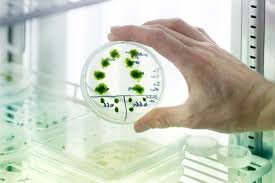
Ph.D. in Genetics & Plant Breeding
Ph.D. in Genetics and Plant Breeding typically spans 3 - 5 years, focusing on advanced research in the genetic improvement of crops. The program covers various aspects, including molecul...
Ph.D. in Genetics & Plant Breeding
×Ph.D. in Genetics and Plant Breeding typically spans 3 - 5 years, focusing on advanced research in the genetic improvement of crops. The program covers various aspects, including molecular genetics, genomics, and biotechnological applications, aiming to enhance traits such as yield, disease resistance, and environmental adaptability. Students engage in hands-on research, often involving field trials and laboratory experiments. Coursework may include statistics, bioinformatics, and plant physiology. Graduates are equipped for careers in academia, industry, or government, contributing to sustainable agriculture and food security through innovative breeding strategies and genetic research.
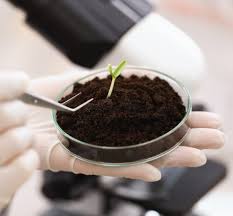
Ph.D. in Agriculture-Soil Science
Ph.D. in Agriculture with a specialization in Soil Science typically requires 3 to 5 years of study beyond a master's degree. This program focuses on advanced research in soil chemistry,...
Ph.D. in Agriculture-Soil Science
×Ph.D. in Agriculture with a specialization in Soil Science typically requires 3 to 5 years of study beyond a master's degree. This program focuses on advanced research in soil chemistry, microbiology, fertility, and conservation, preparing students to address critical agricultural challenges. Candidates engage in fieldwork and laboratory experiments to study soil properties, analyze nutrient management practices, and explore sustainable agricultural systems. The program culminates in a dissertation based on original research that contributes to the scientific understanding of soil ecosystems and their role in agricultural productivity. Graduates often pursue careers in academia, research institutions, or agricultural consultancy.
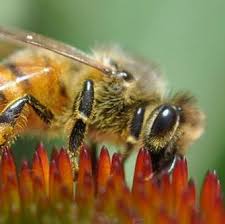
Ph.D. in Entomology & Apiculture
Ph.D. in Entomology & Apiculture typically spans 3-5 years and focuses on the study of insects, their biology, behavior, ecology, and their role in agriculture and the environment. S...
Ph.D. in Entomology & Apiculture
×Ph.D. in Entomology & Apiculture typically spans 3-5 years and focuses on the study of insects, their biology, behavior, ecology, and their role in agriculture and the environment. Students engage in advanced research related to insect physiology, pest management, pollination biology, and the significance of bees and other pollinators in food production. The program often includes coursework in entomological techniques, genetics, and ecological principles, alongside hands-on research in laboratory and field settings. Graduates are well-prepared for careers in academia, government agencies, agricultural industries, and environmental organizations, addressing critical issues related to insect populations and biodiversity.
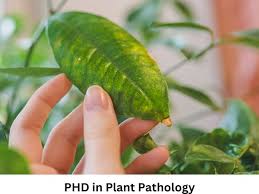
Ph.D. in Plant Pathology
Ph.D. in Plant Pathology normally lasts 3-5 years and focuses on the study of plant diseases caused by pathogens such as fungi, bacteria, viruses, and nematodes. The program combines intense i...
Ph.D. in Plant Pathology
×Ph.D. in Plant Pathology normally lasts 3-5 years and focuses on the study of plant diseases caused by pathogens such as fungi, bacteria, viruses, and nematodes. The program combines intense instruction in plant biology, microbiology, and disease management with extensive research. Candidates carry out innovative research to investigate disease resistance mechanisms, pathogen biology, and management techniques. The curriculum culminates with a dissertation based on research findings. Graduates frequently work in academia, research organizations, government agencies, or the agricultural industry, helping to promote crop protection, sustainable agriculture, and food security.
Ph.D. in Agricultural Economics
Ph.D. in Agricultural Economics usually takes 4-5 years to complete. The curriculum offers extensive instruction in applying economic theory and quantitative approaches to food and agricultura...
Ph.D. in Agricultural Economics
×Ph.D. in Agricultural Economics usually takes 4-5 years to complete. The curriculum offers extensive instruction in applying economic theory and quantitative approaches to food and agricultural challenges. Core courses include microeconomic theory, econometrics, and agricultural policy. Graduates are equipped to work in academia, government, agribusiness, and consulting, among other fields. The curriculum emphasizes hands-on research, with many students co-authoring publications alongside teachers. Admission is tough, frequently necessitating high academic qualifications and GRE scores. Assistantships and funding possibilities are available to help students in their studies.

Ph.D. in Agricultural Extension Education
Ph.D. in Agricultural Extension Education is a doctoral degree that focuses on the theory and practice of delivering agricultural knowledge and technologies to farmers and rural communities. The pr...
Ph.D. in Agricultural Extension Education
×Ph.D. in Agricultural Extension Education is a doctoral degree that focuses on the theory and practice of delivering agricultural knowledge and technologies to farmers and rural communities. The program typically takes 4-5 years to complete and involves coursework in agricultural sciences, adult education, communication, and program evaluation. Graduates are prepared for careers in agricultural extension services, university teaching and research, and international development organizations. The degree emphasizes developing expertise in translating scientific advancements into practical applications that improve agricultural productivity and food security.
Ph.D. in Botany
Ph.D. in Botany usually takes 3-5 years and focuses on advanced study in plant biology, ecology, and conservation. The program includes intensive courses in plant physiology, taxonomy, molecul...
Ph.D. in Botany
×Ph.D. in Botany usually takes 3-5 years and focuses on advanced study in plant biology, ecology, and conservation. The program includes intensive courses in plant physiology, taxonomy, molecular biology, and environmental science. Students are expected to do unique research, culminating in a dissertation that advances the area of botany. Fieldwork, laboratory experiments, and interdisciplinary team cooperation are common components of the program. Graduates work in academia, research institutions, environmental agencies, and industries associated with agriculture, horticulture, and biodiversity conservation, bringing vital information to plant science and ecosystem management.

Ph.D. in Statistics
Ph.D. in Statistics typically spans 4 - 6 years and involves advanced coursework in statistical theory, methodology, and application. The program often includes courses in multivariate analysi...
Ph.D. in Statistics
×Ph.D. in Statistics typically spans 4 - 6 years and involves advanced coursework in statistical theory, methodology, and application. The program often includes courses in multivariate analysis, Bayesian statistics, statistical modeling, and data mining. Students are expected to conduct original research, culminating in a dissertation that contributes new knowledge to the field. Ph.D. candidates may also participate in teaching and mentoring undergraduate students. Admission usually requires a strong background in mathematics and statistics, along with GRE scores and letters of recommendation. Graduates often pursue careers in academia, industry, or government, focusing on data analysis, research, and statistical consulting.
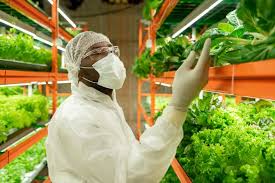
Ph.D. in Horticulture
Ph.D. in Horticulture is a graduate research degree that focuses on the science of plant cultivation, breeding, and crop management. The curriculum typically lasts 3-5 years and involves training i...
Ph.D. in Horticulture
×Ph.D. in Horticulture is a graduate research degree that focuses on the science of plant cultivation, breeding, and crop management. The curriculum typically lasts 3-5 years and involves training in plant physiology, soil science, pest management, plant genetics, and agricultural production techniques, followed by original research. Students investigate topics like fruit and vegetable production, plant biotechnology, sustainable agriculture, and landscape management. The program focuses on horticulture innovation to improve agricultural yields, quality, and sustainability. Graduates frequently work in academia, research institutions, agricultural companies, or environmental organizations, helping to promote food production, environmental sustainability, and plant science.
Ph.D. in Public Health
Ph.D. in Public Health is an advanced research degree focused on developing expertise in public health practices, epidemiology, and health policy. Typically completed in 3 - 5 years, the program co...
Ph.D. in Public Health
×Ph.D. in Public Health is an advanced research degree focused on developing expertise in public health practices, epidemiology, and health policy. Typically completed in 3 - 5 years, the program combines rigorous coursework with original research, allowing candidates to specialize in areas like epidemiology, health systems, global health, or biostatistics. Students are trained in advanced methodologies for assessing health outcomes, managing public health initiatives, and addressing health disparities. Graduates are prepared for careers in academia, research institutions, government health agencies, or NGOs, where they can influence health policy, lead public health programs, and conduct impactful research.

Ph.D. in Veterinary And Animal Husbandry Extension Education
Ph.D. in Veterinary and Animal Husbandry Extension Education aims to improve the spread of information and best practices in veterinary care and animal husbandry in rural communities. The curriculu...
Ph.D. in Veterinary And Animal Husbandry Extension Education
×Ph.D. in Veterinary and Animal Husbandry Extension Education aims to improve the spread of information and best practices in veterinary care and animal husbandry in rural communities. The curriculum, which typically lasts 3-5 years, integrates courses in extension techniques, agricultural education, veterinary sciences, and rural development with field research. Students learn about animal health management, livestock production methods, community engagement, and the role of extension services in increasing agricultural output. Graduates are prepared for positions in academia, government agencies, non-governmental organizations (NGOs), and rural development groups, where they can help develop and implement successful teaching programs to promote sustainable animal husbandry methods.
Ph.D. in Dairy Microbiology
Ph.D. in Dairy Microbiology specializes in the study of microorganisms found in dairy products, particularly their function in fermentation, spoilage, and food safety. The program lasts 3 to 5 year...
Ph.D. in Dairy Microbiology
×Ph.D. in Dairy Microbiology specializes in the study of microorganisms found in dairy products, particularly their function in fermentation, spoilage, and food safety. The program lasts 3 to 5 years and includes instruction in microbiology, molecular biology, food safety, and biotechnology, as well as hands-on research. Students look into the microbiological elements of milk and dairy product production, quality control, and preservation methods. Key themes include bacterial cultures in cheese and yogurt, dairy diseases, and probiotic research. Graduates are prepared to work in academia, food industries, research organizations, and regulatory agencies, helping to advance dairy microbiology, food safety, and product development.
Ph.D. in Dairy Chemistry
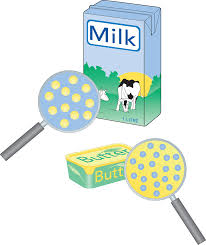
Ph.D. in Dairy Chemistry studies the chemical composition, characteristics, and processes of dairy products. The program typically lasts 3 to 5 years and includes advanced training in organic...
Ph.D. in Dairy Chemistry
×Ph.D. in Dairy Chemistry studies the chemical composition, characteristics, and processes of dairy products. The program typically lasts 3 to 5 years and includes advanced training in organic chemistry, analytical techniques, food science, and biochemistry, as well as original research. Students investigate the molecular structure of milk components, chemical reactions occurring during dairy processing, and how they affect product quality, flavor, and nutrition. Milk proteins, lipids, enzymes, and the chemistry of fermentation in dairy products such as cheese and yogurt are among the topics under investigation. Graduates are equipped for positions in academia, food industries, research institutes, and quality control, which advance breakthroughs in dairy product creation and processing.
Ph.D. in Dairy Technology
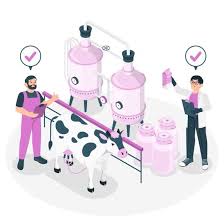
Ph.D. in Dairy Technology examines the scientific and technological aspects of milk and dairy product production, processing, and preservation. The program typically lasts 3 to 5 years and in...
Ph.D. in Dairy Technology
×Ph.D. in Dairy Technology examines the scientific and technological aspects of milk and dairy product production, processing, and preservation. The program typically lasts 3 to 5 years and includes instruction in food science, microbiology, biochemistry, and engineering as well as extensive research. Students learn about dairy fermentation, product development, quality control, and packaging and storage innovations. They also investigate the effects of dairy processing on nutritional value and safety. Graduates are prepared to work in academia, research institutes, dairy production firms, and the food industry, helping to promote dairy processing technology, product development, and dairy sector sustainability.
Ph.D. in Dairy Engineering
Ph.D. in Dairy Engineering is a doctoral research program that focuses on the application of engineering ideas to the dairy sector. The program normally lasts three to five years and includes...
Ph.D. in Dairy Engineering
×Ph.D. in Dairy Engineering is a doctoral research program that focuses on the application of engineering ideas to the dairy sector. The program normally lasts three to five years and includes classes in food processing, thermal systems, dairy equipment design, and automation. Students do research on enhancing dairy output, processing efficiency, quality control, and sustainability in dairy systems. Refrigeration, waste management, and the development of novel technology for milk preservation and product innovation are all possible topics. Graduates are prepared to work in academia, dairy engineering enterprises, and the food sector, helping to promote technology that improves dairy production and processing efficiency.

Ph.D. in Agriculture Chemistry
The advanced study of chemical processes and interactions in agriculture, such as soil chemistry, fertilizers, insecticides, and plant development agents, is the emphasis of a Ph.D. program in agri...
Ph.D. in Agriculture Chemistry
×The advanced study of chemical processes and interactions in agriculture, such as soil chemistry, fertilizers, insecticides, and plant development agents, is the emphasis of a Ph.D. program in agricultural chemistry. The program, which usually lasts 3-5 years, entails a thorough investigation of the chemical makeup of soil, water, and plants, as well as how these factors affect crop productivity, sustainability, and environmental health. Through experimental research, students create novel chemical techniques to improve farming operations. Graduates can contribute to improvements in crop protection, sustainable farming, and the creation of environmentally friendly agricultural solutions by working as agricultural chemists, researchers, or educators.

Ph.D. in Christian Theology
Ph.D. in Christian Theology is an advanced research degree that focuses on Christian beliefs, theology, history, and biblical interpretation. The program encompasses systematic theology, church his...
Ph.D. in Christian Theology
×Ph.D. in Christian Theology is an advanced research degree that focuses on Christian beliefs, theology, history, and biblical interpretation. The program encompasses systematic theology, church history, ethics, biblical languages, and practical theology, with an emphasis on developing theological understanding and intellectual conversation. Students do original research in topics such as theology, philosophy of religion, and interfaith interaction, adding to current theological discussions. The course normally lasts 3 to 5 years, depending on the student's research trajectory. Graduates frequently seek employment in academia, ministry, religious publication, and interfaith work.