PhD in Agronomy normally takes 3-5 years to complete, with a concentration on advanced crop science, soil management, and sustainable agriculture techniques. This doctoral program requires a master's degree in a comparable discipline and consists of coursework, comprehensive exams, and an original dissertation. Students study plant genetics, soil chemistry, precision agriculture, and climate-resilient farming approaches. The curriculum frequently incorporates fieldwork, laboratory research, and partnerships with agricultural industries. Graduates get opportunities in academia, research institutions, government organizations, or the commercial sector, where they can help improve agricultural yields, develop sustainable farming methods, and address global food security issues.

Sardar Vallabh Bhai Patel University of Agriculture & Technology
Sardar Vallabh Bhai Patel University of Agriculture & Technology Admission Open

Ph.D. in Agriculture Engineering
Ph.D. in Agricultural Engineering usually takes 3-5 years to complete, depending on the research project and school. This advanced degree focuses on using engineering principles to tackle agricultu...
Ph.D. in Agriculture Engineering
×Ph.D. in Agricultural Engineering usually takes 3-5 years to complete, depending on the research project and school. This advanced degree focuses on using engineering principles to tackle agricultural problems, such as developing sustainable farming techniques, designing efficient irrigation systems, and producing novel agricultural equipment. Students complete challenging courses on issues such as soil and water conservation, precision agriculture, and bioenergy systems. The curriculum concludes with original research and a dissertation, which contributes new knowledge to the discipline. Graduates get opportunities for various positions such as in academia, research institutions, government organizations, or the business sector, where they can drive advances in food production, environmental sustainability, and agricultural technology.
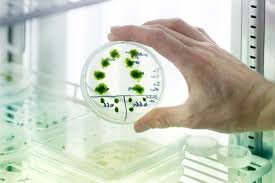
Ph.D. in Genetics & Plant Breeding
Ph.D. in Genetics and Plant Breeding typically spans 3 - 5 years, focusing on advanced research in the genetic improvement of crops. The program covers various aspects, including molecul...
Ph.D. in Genetics & Plant Breeding
×Ph.D. in Genetics and Plant Breeding typically spans 3 - 5 years, focusing on advanced research in the genetic improvement of crops. The program covers various aspects, including molecular genetics, genomics, and biotechnological applications, aiming to enhance traits such as yield, disease resistance, and environmental adaptability. Students engage in hands-on research, often involving field trials and laboratory experiments. Coursework may include statistics, bioinformatics, and plant physiology. Graduates are equipped for careers in academia, industry, or government, contributing to sustainable agriculture and food security through innovative breeding strategies and genetic research.
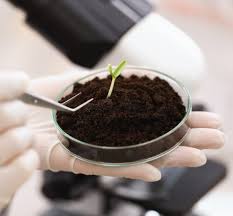
Ph.D. in Agriculture-Soil Science
Ph.D. in Agriculture with a specialization in Soil Science typically requires 3 to 5 years of study beyond a master's degree. This program focuses on advanced research in soil chemistry,...
Ph.D. in Agriculture-Soil Science
×Ph.D. in Agriculture with a specialization in Soil Science typically requires 3 to 5 years of study beyond a master's degree. This program focuses on advanced research in soil chemistry, microbiology, fertility, and conservation, preparing students to address critical agricultural challenges. Candidates engage in fieldwork and laboratory experiments to study soil properties, analyze nutrient management practices, and explore sustainable agricultural systems. The program culminates in a dissertation based on original research that contributes to the scientific understanding of soil ecosystems and their role in agricultural productivity. Graduates often pursue careers in academia, research institutions, or agricultural consultancy.
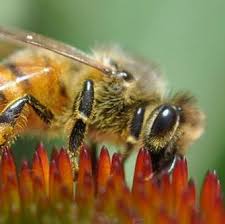
Ph.D. in Entomology & Apiculture
Ph.D. in Entomology & Apiculture typically spans 3-5 years and focuses on the study of insects, their biology, behavior, ecology, and their role in agriculture and the environment. S...
Ph.D. in Entomology & Apiculture
×Ph.D. in Entomology & Apiculture typically spans 3-5 years and focuses on the study of insects, their biology, behavior, ecology, and their role in agriculture and the environment. Students engage in advanced research related to insect physiology, pest management, pollination biology, and the significance of bees and other pollinators in food production. The program often includes coursework in entomological techniques, genetics, and ecological principles, alongside hands-on research in laboratory and field settings. Graduates are well-prepared for careers in academia, government agencies, agricultural industries, and environmental organizations, addressing critical issues related to insect populations and biodiversity.
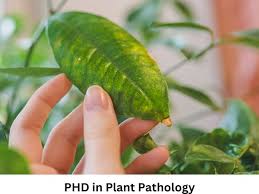
Ph.D. in Plant Pathology
Ph.D. in Plant Pathology normally lasts 3-5 years and focuses on the study of plant diseases caused by pathogens such as fungi, bacteria, viruses, and nematodes. The program combines intense i...
Ph.D. in Plant Pathology
×Ph.D. in Plant Pathology normally lasts 3-5 years and focuses on the study of plant diseases caused by pathogens such as fungi, bacteria, viruses, and nematodes. The program combines intense instruction in plant biology, microbiology, and disease management with extensive research. Candidates carry out innovative research to investigate disease resistance mechanisms, pathogen biology, and management techniques. The curriculum culminates with a dissertation based on research findings. Graduates frequently work in academia, research organizations, government agencies, or the agricultural industry, helping to promote crop protection, sustainable agriculture, and food security.
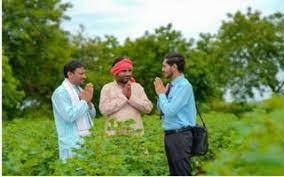
Ph.D. in Agricultural Extension Education
Ph.D. in Agricultural Extension Education is a doctoral degree that focuses on the theory and practice of delivering agricultural knowledge and technologies to farmers and rural communities. The pr...
Ph.D. in Agricultural Extension Education
×Ph.D. in Agricultural Extension Education is a doctoral degree that focuses on the theory and practice of delivering agricultural knowledge and technologies to farmers and rural communities. The program typically takes 4-5 years to complete and involves coursework in agricultural sciences, adult education, communication, and program evaluation. Graduates are prepared for careers in agricultural extension services, university teaching and research, and international development organizations. The degree emphasizes developing expertise in translating scientific advancements into practical applications that improve agricultural productivity and food security.
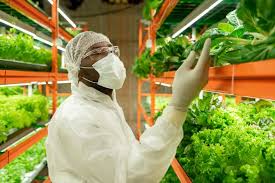
Ph.D. in Horticulture
Ph.D. in Horticulture is a graduate research degree that focuses on the science of plant cultivation, breeding, and crop management. The curriculum typically lasts 3-5 years and involves training i...
Ph.D. in Horticulture
×Ph.D. in Horticulture is a graduate research degree that focuses on the science of plant cultivation, breeding, and crop management. The curriculum typically lasts 3-5 years and involves training in plant physiology, soil science, pest management, plant genetics, and agricultural production techniques, followed by original research. Students investigate topics like fruit and vegetable production, plant biotechnology, sustainable agriculture, and landscape management. The program focuses on horticulture innovation to improve agricultural yields, quality, and sustainability. Graduates frequently work in academia, research institutions, agricultural companies, or environmental organizations, helping to promote food production, environmental sustainability, and plant science.

Ph.D. in Agricultural Biotechnology
Ph.D. in Agricultural Biotechnology concentrates on the use of biotechnology in agriculture to increase crop output, insect resistance, and sustainability. The program typically lasts 3 to 5 years...
Ph.D. in Agricultural Biotechnology
×Ph.D. in Agricultural Biotechnology concentrates on the use of biotechnology in agriculture to increase crop output, insect resistance, and sustainability. The program typically lasts 3 to 5 years and includes instruction in molecular biology, genetics, plant science, and bioengineering as well as extensive research. Students learn about genetic modification, crop improvement, molecular markers, biofertilizers, and biopesticides. Climate change resistance, sustainable farming techniques, and the production of genetically engineered organisms (GMO) for food security are all potential research topics. Graduates are prepared to work in academia, research institutes, agricultural industries, or government, helping to advance sustainable agriculture and food production.

Ph.D. in Veterinary And Animal Husbandry Extension Education
Ph.D. in Veterinary and Animal Husbandry Extension Education aims to improve the spread of information and best practices in veterinary care and animal husbandry in rural communities. The curriculu...
Ph.D. in Veterinary And Animal Husbandry Extension Education
×Ph.D. in Veterinary and Animal Husbandry Extension Education aims to improve the spread of information and best practices in veterinary care and animal husbandry in rural communities. The curriculum, which typically lasts 3-5 years, integrates courses in extension techniques, agricultural education, veterinary sciences, and rural development with field research. Students learn about animal health management, livestock production methods, community engagement, and the role of extension services in increasing agricultural output. Graduates are prepared for positions in academia, government agencies, non-governmental organizations (NGOs), and rural development groups, where they can help develop and implement successful teaching programs to promote sustainable animal husbandry methods.

Ph.D. in Agriculture Chemistry
The advanced study of chemical processes and interactions in agriculture, such as soil chemistry, fertilizers, insecticides, and plant development agents, is the emphasis of a Ph.D. program in agri...
Ph.D. in Agriculture Chemistry
×The advanced study of chemical processes and interactions in agriculture, such as soil chemistry, fertilizers, insecticides, and plant development agents, is the emphasis of a Ph.D. program in agricultural chemistry. The program, which usually lasts 3-5 years, entails a thorough investigation of the chemical makeup of soil, water, and plants, as well as how these factors affect crop productivity, sustainability, and environmental health. Through experimental research, students create novel chemical techniques to improve farming operations. Graduates can contribute to improvements in crop protection, sustainable farming, and the creation of environmentally friendly agricultural solutions by working as agricultural chemists, researchers, or educators.