
PhD in Agronomy normally takes 3-5 years to complete, with a concentration on advanced crop science, soil management, and sustainable agriculture techniques. This doctoral program requires a master's degree in a comparable discipline and consists of coursework, comprehensive exams, and an original dissertation. Students study plant genetics, soil chemistry, precision agriculture, and climate-resilient farming approaches. The curriculum frequently incorporates fieldwork, laboratory research, and partnerships with agricultural industries. Graduates get opportunities in academia, research institutions, government organizations, or the commercial sector, where they can help improve agricultural yields, develop sustainable farming methods, and address global food security issues.
Shree Guru Gobind Singh Tricentenary University
Shree Guru Gobind Singh Tricentenary University Admission Open

Ph.D. in English
Ph.D. in English takes approximately 5-7 years to accomplish, depending on the program and individual progress. This postgraduate degree emphasizes in-depth study of literature, language, and criti...
Ph.D. in English
×Ph.D. in English takes approximately 5-7 years to accomplish, depending on the program and individual progress. This postgraduate degree emphasizes in-depth study of literature, language, and critical theory. Students conduct substantial research, culminating in a PhD dissertation that adds novel knowledge to the discipline. The curriculum frequently includes coursework, extensive tests, and teaching obligations. Specializations may include medieval literature, postcolonial studies, and digital humanities. Graduates get opportunities for positions in academia, publishing, and advanced research. The degree needs a solid basis in literary interpretation, exceptional writing skills, and the capacity to perform independent scholarly research.
Ph.D. in Fashion Design
Ph.D. in Fashion Design takes about 3-5 years to complete, depending on the curriculum and research topic. This doctorate integrates theoretical study with practical application, exploring into cre...
Ph.D. in Fashion Design
×Ph.D. in Fashion Design takes about 3-5 years to complete, depending on the curriculum and research topic. This doctorate integrates theoretical study with practical application, exploring into creative design concepts, environmental methods, and the cultural effect of fashion. Students perform original research, often cooperating with industry partners or pursuing interdisciplinary techniques such as wearable technology or biomaterials. Advanced design theory, research methodology, and seminars on current industry trends are all possible topics for coursework. The curriculum culminates in a dissertation that advances knowledge in the field. Graduates are equipped for professions in academics, high-level design positions, forecasting fashion trends, and consulting on the industry's prospects.

Ph.D. in Education
Ph.D. in Education usually requires 3-5 years for completion, depending on the program and whether the student pursues full-time or part-time. This advanced degree emphasizes educational research,...
Ph.D. in Education
×Ph.D. in Education usually requires 3-5 years for completion, depending on the program and whether the student pursues full-time or part-time. This advanced degree emphasizes educational research, philosophical thought, and practice. Students take hard courses, perform original research, and submit a dissertation. The curriculum frequently includes educational psychology, curriculum creation, educational policy, and research methodology. Graduates are equipped for positions in academia, educational leadership, policymaking, and advanced research. This degree needs a master's degree for admission and concludes in a comprehensive examination followed by an effective doctoral defense before a committee of academic experts.

Ph.D. in Mechanical Engineering
Ph.D. in Mechanical Engineering takes around 4-6 years to complete, depending on the university and research project. This advanced degree focuses on developing cutting-edge knowledge in fields suc...
Ph.D. in Mechanical Engineering
×Ph.D. in Mechanical Engineering takes around 4-6 years to complete, depending on the university and research project. This advanced degree focuses on developing cutting-edge knowledge in fields such as robotics, thermodynamics, fluid mechanics, materials science, and control systems. Students take challenging courses, perform unique research, and complete a PhD dissertation. The curriculum promotes problem-solving, critical thinking, and innovative abilities, preparing graduates to take on leadership roles in academia, industry, or research organizations. Ph.D. candidates usually collaborate on interdisciplinary projects, publish in peer-reviewed journals, and give presentations at conferences, all of which contribute to growth in sectors such as renewable energy, aerospace, automotive engineering, and biomedical devices.

Ph.D. in Computer Science And Engineering
Ph.D. in Computer Science and Engineering usually requires 4-6 years to attain, depending on the university and the stage of the study. This advanced degree focuses cutting-edge research in f...
Ph.D. in Computer Science And Engineering
×Ph.D. in Computer Science and Engineering usually requires 4-6 years to attain, depending on the university and the stage of the study. This advanced degree focuses cutting-edge research in fields such as artificial intelligence, machine learning, cybersecurity, computer networks, and software engineering. Students take tough courses, perform unique research, and submit a dissertation under faculty supervision. The program of study encourages skill in problem-solving, critical thinking, and innovation in the sector. Graduates are prepared to work in academia, research labs, or high-level positions within the technology business. Admission usually requires a master's degree in a related discipline, an impressive academic record, and research potential. Teaching or research fellowships are common sources for funding.

Ph.D. in Electronics And Communication Engineering
Ph.D. in Electronics and Communication Engineering generally takes 3-5 years to complete, depending on the university and the level of the study. This advanced degree focuses the latest development...
Ph.D. in Electronics And Communication Engineering
×Ph.D. in Electronics and Communication Engineering generally takes 3-5 years to complete, depending on the university and the level of the study. This advanced degree focuses the latest developments in signal processing, wireless communications, microelectronics, and embedded systems. Students undertake challenging courses, implement original research, and write their dissertations under faculty supervision. The program promotes skills in developing complex electronic systems, creating innovative communication technologies, and addressing real-world engineering challenges. Graduates are well-prepared to work in academia, research institutions, or high-tech enterprises, helping to improve disciplines such as 5G/6G networks, IoT, artificial intelligence, and quantum computing. This degree involves strong analytical skills, creativity, and an intense passion for technological advancement.

Ph.D. in Civil Engineering
A Ph.D. in Civil Engineering typically requires 3-5 years to complete, depending on the university and research area. This graduate degree program emphasizes particular fields such as structural en...
Ph.D. in Civil Engineering
×A Ph.D. in Civil Engineering typically requires 3-5 years to complete, depending on the university and research area. This graduate degree program emphasizes particular fields such as structural engineering, geotechnical engineering, transportation systems, environmental engineering, and water resource management. Students take difficult courses, do unique research, and write a doctoral thesis that adds new understanding to the area. The program of study addresses advanced analytical abilities, research approaches, and problem-solving techniques applicable to difficult civil engineering tasks. Graduates are prepared for managerial roles in academia, research institutes, government agencies, or the commercial sector, where they can drive innovation in building infrastructure, sustainability, and urban planning.

Ph.D. in Hotel & Tourism Management
Ph.D. in Hotel and Tourism Management requires 3-5 years to complete, depending on the academic program and research requirements. This advanced degree focuses on enhancing proficiency in hos...
Ph.D. in Hotel & Tourism Management
×Ph.D. in Hotel and Tourism Management requires 3-5 years to complete, depending on the academic program and research requirements. This advanced degree focuses on enhancing proficiency in hospitality and tourism research, management methods, and industry trends. Students undertake challenging coursework on subjects such as sustainable tourism, hospitality marketing, tourism economics, and advanced research technique. The curriculum concludes with a doctoral dissertation, in which applicants conduct unique research that contributes to the discipline. Graduates possess the skills to work in academia, high-level business sectors, or as consultants. This degree provides graduates with critical thinking skills, extensive industry knowledge, and the capacity to drive innovation in the ever-changing hotel and tourism industries.

Ph.D. in Law
The highest academic degree in legal studies is the Ph.D. in Law, generally requires 3-5 years to complete. This challenging program emphasizes advanced legal research, theory, and scholarly...
Ph.D. in Law
×The highest academic degree in legal studies is the Ph.D. in Law, generally requires 3-5 years to complete. This challenging program emphasizes advanced legal research, theory, and scholarly writing. Candidates select a specific topic of law for a comprehensive study and innovative contribution to legal knowledge. The curriculum consists of coursework, comprehensive exams, and the production of a doctoral dissertation with faculty supervision. Students acquire knowledge of legal analysis, research methods, and academic writing. A Ph.D. in Law prepares graduates for a position in academia, legal research, policymaking, or senior positions in law firms and organizations. Admission generally requires an elementary law degree (J.D. or LL.M.) along with suitable experience.

Ph.D. in Management
Ph.D. in Management typically requires 4-6 years to complete, depending on the university and the student's progress. This postgraduate degree program focuses on enhancing awareness of manageme...
Ph.D. in Management
×Ph.D. in Management typically requires 4-6 years to complete, depending on the university and the student's progress. This postgraduate degree program focuses on enhancing awareness of management theory, research methods, and organizational behavior. Students pursue demanding coursework, thorough tests, and original research, culminating in a PhD dissertation. Strategic management, leadership, organizational psychology, and advanced statistics are common themes in the curriculum. Graduates are equipped for jobs in academia, research institutions, or high-level consultancy positions. The curriculum demands a good academic background, which typically includes a master's degree, and stresses critical thinking, analytical skills, and the ability to contribute new information to the field of management.

Ph.D. in Journalism And Mass Communication
Ph.D. in Journalism and Mass Communication usually takes 3-5 years to complete, depending on the program and research requirements. This postgraduate degree emphasizes in-depth research and a...
Ph.D. in Journalism And Mass Communication
×Ph.D. in Journalism and Mass Communication usually takes 3-5 years to complete, depending on the program and research requirements. This postgraduate degree emphasizes in-depth research and analysis of media, communication theories, and their societal implications. Students pursue challenging courses, conduct independent research, and often serve as teaching assistants. The program culminates with a doctoral dissertation, which contributes new information to the regulation. Graduates have the abilities to work in academia, advanced research, media policy, or as leaders in media organizations. Digital media technology, media ethics, global communication, data journalism, and emerging trends in mass communication may all be important topics to research.
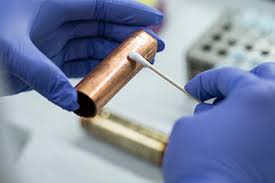
Ph.D. in Forensic Sciences
Ph.D. in Forensic Sciences usually takes 3-5 years to complete, depending on the academic program and research requirements. This postgraduate degree focuses on using scientific methods to con...
Ph.D. in Forensic Sciences
×Ph.D. in Forensic Sciences usually takes 3-5 years to complete, depending on the academic program and research requirements. This postgraduate degree focuses on using scientific methods to conduct criminal investigations and legal actions. Students explore specific topics such as DNA analysis, toxicology, ballistics, and digital forensics. The curriculum involves intensive coursework, laboratory training, and original research, culminating in a dissertation. Graduates can take on leadership responsibilities in crime labs, academic institutions, and government agencies. Forensic scientists, crime scene investigators, and expert witnesses are all viable career options. This degree requires a strong background in natural sciences, critical thinking skills, and a commitment to advance forensic science via research and innovation.

Ph.D. in Biochemistry
A Ph.D. in Biochemistry normally takes 4-6 years to complete, with a concentration on the chemical processes found within and related to living organisms. This advanced degree needs intensive labor...
Ph.D. in Biochemistry
×A Ph.D. in Biochemistry normally takes 4-6 years to complete, with a concentration on the chemical processes found within and related to living organisms. This advanced degree needs intensive laboratory research, data analysis, and the creation of a unique thesis. Students analyze molecular biology, enzymology, and cellular metabolism. The program often involves coursework, teaching assistantships, and the publication of research publications. Graduates have the ability to pursue careers in academia, pharmaceutical research, biotechnology, and allied fields. The doctoral program develops critical thinking, problem-solving abilities, and the ability to design and conduct autonomous research, resulting in important contributions to the field of biochemistry and related life sciences.

Ph.D. in Chemistry
Ph.D. in Chemistry takes around 4-6 years to complete, depending on the research project and institution. This doctoral program emphasizes distinctive research in certain areas of chemistry, such a...
Ph.D. in Chemistry
×Ph.D. in Chemistry takes around 4-6 years to complete, depending on the research project and institution. This doctoral program emphasizes distinctive research in certain areas of chemistry, such as organic, inorganic, physical, or analytical chemistry. Students pursue more advanced courses, perform substantial laboratory research, and develop a dissertation based on their findings. The program includes generating hypotheses, designing experiments, analyzing data, and bringing new knowledge to the field. Ph.D. candidates frequently interact with other experts, give presentation at conferences, and publish articles in scientific publications. This degree equips graduates with job opportunities in academia, industry research, government laboratories, and other scientific fields that require advanced chemical skills.
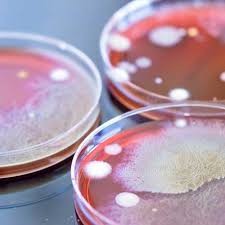
Ph.D. in Microbiology
Ph.D. in Microbiology usually takes 4-6 years to complete which involves extensive research on microorganisms, their interactions, and their impact on various ecosystems. The academic program inclu...
Ph.D. in Microbiology
×Ph.D. in Microbiology usually takes 4-6 years to complete which involves extensive research on microorganisms, their interactions, and their impact on various ecosystems. The academic program includes advanced coursework, laboratory research, and a dissertation. Students research bacterial genetics, virology, immunology, and microbial ecology. They acquire experts in cutting-edge procedures such as gene sequencing, bioinformatics, and microscopy. This degree prepares graduates for professions in academia, biotechnology, pharmaceuticals, and public health, granting them the skills they need to address global issues such as antibiotic resistance and new infectious diseases.

Ph.D. in Mathematics
Ph.D. in Mathematics is a terminal degree that usually requires 4-7 years to accomplish after acquiring a bachelor's degree. The curriculum comprises advanced coursework in pure and appli...
Ph.D. in Mathematics
×Ph.D. in Mathematics is a terminal degree that usually requires 4-7 years to accomplish after acquiring a bachelor's degree. The curriculum comprises advanced coursework in pure and applied mathematics, as well as independent research that leads to the completion of a doctorate research. PhD students acquire proficiency in abstract algebra, real and complex analysis, topology, and discrete mathematics. The degree prepares graduates for academic careers as university professors and researchers, as well as jobs in industries such as banking, technology, and government that require strong quantitative and problem-solving abilities.

Ph.D. in Physics
Ph.D. in Physics generally requires 5-7 years to complete, and it comprises advanced coursework, independent research, and a doctorate dissertation. Students explore the fundamental concepts...
Ph.D. in Physics
×Ph.D. in Physics generally requires 5-7 years to complete, and it comprises advanced coursework, independent research, and a doctorate dissertation. Students explore the fundamental concepts of matter and energy, and often specialize in quantum mechanics, astrophysics, or particle physics. The program fosters critical thinking, problem-solving skills, and knowledge in experimental or theoretical physics. Graduates are prepared to work in academia, research institutions, or industry, contributing to innovative scientific discoveries and technical developments. This challenging degree requires dedication, intellectual curiosity, and the ability to push the limits of human knowledge of the physical cosmos.

Ph.D. in Nursing
The Doctor of Philosophy (Ph.D.) in Nursing is the highest academic degree in the nursing sector, taking around 4-5 years to complete. This research-focused curriculum develops nurses to work in ac...
Ph.D. in Nursing
×The Doctor of Philosophy (Ph.D.) in Nursing is the highest academic degree in the nursing sector, taking around 4-5 years to complete. This research-focused curriculum develops nurses to work in academia, research, and advanced clinical practice. Nursing theory, research methodologies, statistics, and a specialized area of study are all encompassed in the coursework. Ph.D. candidates prepare an original dissertation that provides new information to the nursing field. Graduates of Ph.D. in Nursing schools are prepared to conduct nursing research, shape healthcare policy, educate future nurses, and drive clinical innovation. The degree qualifies for professions such as nurse scientist, professor, head of nursing research, and chief nursing officer.

Ph.D. in Radiology & Imaging Technology
The Doctor of Philosophy (Ph.D.) in Radiology & Imaging Technology is a rigorous 4-5 year research-focused doctoral program designed to nurture the next generation of medical imaging scientists...
Ph.D. in Radiology & Imaging Technology
×The Doctor of Philosophy (Ph.D.) in Radiology & Imaging Technology is a rigorous 4-5 year research-focused doctoral program designed to nurture the next generation of medical imaging scientists and technologists. The academic program includes complex topics in radiological physics, imaging modalities, image processing, and biomedical informatics. Ph.D. applicants do unique research, which culminates in the submission of a doctoral dissertation that contributes significantly to the area. Graduates have the knowledge to work as radiological scientists, medical imaging researchers, university instructors, and R&D professionals in hospitals, government organizations, and the commercial sector. The degree equips students with highly specialized technical knowledge and research abilities to drive innovation in diagnostic and therapeutic imaging applications.

Ph.D. in Clinical Psychology
Doctor of Philosophy (Ph.D.) in Clinical Psychology is a rigorous 5-7 year research-focused doctoral program that prepares students to work as licensed clinical psychologists. The program inc...
Ph.D. in Clinical Psychology
×Doctor of Philosophy (Ph.D.) in Clinical Psychology is a rigorous 5-7 year research-focused doctoral program that prepares students to work as licensed clinical psychologists. The program includes advanced topics in psychological assessment, diagnosis, intervention, and research methodology. Ph.D. candidates need to complete intensive clinical practice and internships, as well as an original dissertation that adds new information to the field of clinical psychology. Graduates have been trained for positions as psychotherapists, clinical researchers, university instructors, and consultants in hospitals, mental health clinics, government organizations, and private practice. The Ph.D. in Clinical Psychology equips students with the specialized knowledge and qualifications required to diagnose and treat mental health issues, educate clinical best practices, and enhance our understanding of human behavior and well-being.

Ph.D. in Physiotherapy
Doctor of Philosophy (Ph.D.) in Physiotherapy is a challenging 4-6 year research-focused doctoral program that develops students to become physical therapy leaders. The curriculum emphasizes advanc...
Ph.D. in Physiotherapy
×Doctor of Philosophy (Ph.D.) in Physiotherapy is a challenging 4-6 year research-focused doctoral program that develops students to become physical therapy leaders. The curriculum emphasizes advanced topics such as musculoskeletal biomechanics, neurophysiology, exercise physiology, and research methods. Ph.D. candidates perform distinctive laboratory and clinical research, culminating in the submission of a doctoral dissertation that contributes significantly to our understanding of human mobility, injury prevention, and rehabilitation. Graduates have the opportunity to work as physiotherapist researchers, university professors, consultants, and policymakers in hospitals, private clinics, government organizations, and academic settings. The Ph.D. in Physiotherapy program equips students with the specific knowledge required to advance the science of physical therapy and improve patient outcomes.

Ph.D. in Pharmacy
Doctor of Philosophy (Ph.D.) in Pharmaceutics is a rigorous 5-7 year research-focused doctoral program that provides students to serve as leading specialists in the development and improvemen...
Ph.D. in Pharmacy
×Doctor of Philosophy (Ph.D.) in Pharmaceutics is a rigorous 5-7 year research-focused doctoral program that provides students to serve as leading specialists in the development and improvement of drug delivery systems. The program includes advanced topics in pharmaceutical sciences such as pharmacokinetics, medication development, manufacturing methods, and regulatory issues. Ph.D. candidates perform original laboratory and clinical research, culminating in the submission of a doctoral dissertation which contributes significantly to the field of pharmaceutics. Graduates have been trained for positions as pharmaceutical scientists, university instructors, regulatory advisors, and R&D professionals in the pharmaceutical business. The Ph.D. in Pharmaceutics program equips students with the specific knowledge required to revolutionize drug delivery methods, improve patient outcomes, and impact the future of pharmaceutical product development.
Ph.D. in Management
Ph.D. in Management typically requires 4-6 years to complete, depending on the university and the student's progress. This postgraduate degree program focuses on enhancing awareness of manageme...
Ph.D. in Management
×Ph.D. in Management typically requires 4-6 years to complete, depending on the university and the student's progress. This postgraduate degree program focuses on enhancing awareness of management theory, research methods, and organizational behavior. Students pursue demanding coursework, thorough tests, and original research, culminating in a PhD dissertation. Strategic management, leadership, organizational psychology, and advanced statistics are common themes in the curriculum. Graduates are equipped for jobs in academia, research institutions, or high-level consultancy positions. The curriculum demands a good academic background, which typically includes a master's degree, and stresses critical thinking, analytical skills, and the ability to contribute new information to the field of management.

Ph.D. in Oral Pathology And Microbiology
Ph.D. in Oral Pathology and Microbiology normally takes 3-5 years to complete, depending on the institution and research objectives. This postgraduate degree program focuses on disorders of the ora...
Ph.D. in Oral Pathology And Microbiology
×Ph.D. in Oral Pathology and Microbiology normally takes 3-5 years to complete, depending on the institution and research objectives. This postgraduate degree program focuses on disorders of the oral cavity, jaw, and adjacent structures, as well as the bacteria that cause these conditions. Students conduct substantial research, lab work, and clinical observations. The program includes topics such as oral histology, immunology, molecular biology, and sophisticated diagnostic procedures. Candidates are expected to do original research, publish in peer-reviewed publications, and defend their dissertations. This degree equips graduates to work in academia, research institutes, or specialized clinical practice, helping to enhance oral health diagnostics and treatments.

Ph.D. in Pediatric & Preventive Dentistry
Ph.D. in Pediatric & Preventive Dentistry is an advanced research-focused degree typically lasting 3-5 years. This program combines intensive study in pediatric oral health, preventive strategi...
Ph.D. in Pediatric & Preventive Dentistry
×Ph.D. in Pediatric & Preventive Dentistry is an advanced research-focused degree typically lasting 3-5 years. This program combines intensive study in pediatric oral health, preventive strategies, and cutting-edge research methodologies. Candidates delve into topics such as early childhood caries, behavior management, special needs dentistry, and public health dentistry. The curriculum includes advanced coursework, clinical training, teaching experiences, and a significant research component culminating in a dissertation. Students develop expertise in conducting original research, analyzing complex data, and contributing to evidence-based practices in children's oral health. Graduates are prepared for careers in academia, research institutions, or leadership roles in pediatric dental organizations, advancing the field of pediatric and preventive dentistry.

Ph.D. in Periodontology
Ph.D. in Periodontology is an advanced doctoral program typically lasting 3-5 years, focusing on the study and treatment of periodontal diseases and oral health. This research-intensive degree comb...
Ph.D. in Periodontology
×Ph.D. in Periodontology is an advanced doctoral program typically lasting 3-5 years, focusing on the study and treatment of periodontal diseases and oral health. This research-intensive degree combines clinical training with in-depth scientific investigation, preparing graduates for academic, research, or specialized clinical roles. Students engage in advanced coursework, conduct original research, and often participate in teaching. The curriculum covers topics such as periodontal pathology, regenerative techniques, implantology, and evidence-based dentistry. Candidates usually need a dental degree and may require specialty training in periodontology. Upon completion, graduates are equipped to contribute to the field through research, education, and advanced clinical practice.
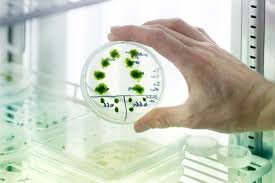
Ph.D. in Genetics & Plant Breeding
Ph.D. in Genetics and Plant Breeding typically spans 3 - 5 years, focusing on advanced research in the genetic improvement of crops. The program covers various aspects, including molecul...
Ph.D. in Genetics & Plant Breeding
×Ph.D. in Genetics and Plant Breeding typically spans 3 - 5 years, focusing on advanced research in the genetic improvement of crops. The program covers various aspects, including molecular genetics, genomics, and biotechnological applications, aiming to enhance traits such as yield, disease resistance, and environmental adaptability. Students engage in hands-on research, often involving field trials and laboratory experiments. Coursework may include statistics, bioinformatics, and plant physiology. Graduates are equipped for careers in academia, industry, or government, contributing to sustainable agriculture and food security through innovative breeding strategies and genetic research.
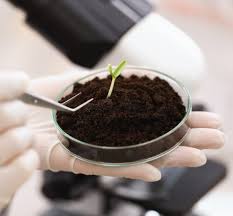
Ph.D. in Agriculture-Soil Science
Ph.D. in Agriculture with a specialization in Soil Science typically requires 3 to 5 years of study beyond a master's degree. This program focuses on advanced research in soil chemistry,...
Ph.D. in Agriculture-Soil Science
×Ph.D. in Agriculture with a specialization in Soil Science typically requires 3 to 5 years of study beyond a master's degree. This program focuses on advanced research in soil chemistry, microbiology, fertility, and conservation, preparing students to address critical agricultural challenges. Candidates engage in fieldwork and laboratory experiments to study soil properties, analyze nutrient management practices, and explore sustainable agricultural systems. The program culminates in a dissertation based on original research that contributes to the scientific understanding of soil ecosystems and their role in agricultural productivity. Graduates often pursue careers in academia, research institutions, or agricultural consultancy.

Ph.D. in Environmental Science
Ph.D. in Environmental Science normally lasts 3-5 years and focuses on advanced study on key environmental challenges. The program includes difficult courses in ecological theory, enviro...
Ph.D. in Environmental Science
×Ph.D. in Environmental Science normally lasts 3-5 years and focuses on advanced study on key environmental challenges. The program includes difficult courses in ecological theory, environmental policy, sustainability, and advanced research methods. Students conduct original research, which frequently includes fieldwork, data analysis, and interdisciplinary cooperation, culminating in a dissertation that adds to the body of knowledge in the discipline. Candidates may study climate change, conservation biology, environmental chemistry, or ecosystem management. The curriculum prepares graduates for positions in academia, government agencies, non-profit organizations, and the commercial sector, with an emphasis on practical solutions to environmental issues.
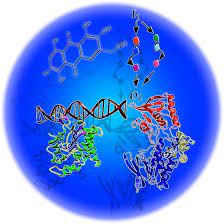
Ph.D. in Medical Biochemistry
A Ph.D. in Medical Biochemistry explores the chemical processes that take place in the human body and is an advanced research degree that lasts 4-5 years. In-depth courses in physiology, molec...
Ph.D. in Medical Biochemistry
×A Ph.D. in Medical Biochemistry explores the chemical processes that take place in the human body and is an advanced research degree that lasts 4-5 years. In-depth courses in physiology, molecular biology, and biochemistry are combined with a rigorous research project in this program. Students become proficient in methods such as chromatography, bioinformatics, and spectroscopy to explore the biochemical processes that underlie both health and illness. Graduates are equipped for jobs in government organizations, biotechnology, pharmaceutical research, or academia where they can help create novel medical treatments, diagnostics, and therapies. Students gain critical thinking, problem-solving, and communication abilities that are highly regarded in the medical sciences thanks to the demanding curriculum and individual research project.

Ph.D. in Medical Microbiology
A doctorate degree in medical microbiology, which focuses on research, normally takes approximately 4-6 years to finish. Advanced training in the study of microbes, their interactions with hos...
Ph.D. in Medical Microbiology
×A doctorate degree in medical microbiology, which focuses on research, normally takes approximately 4-6 years to finish. Advanced training in the study of microbes, their interactions with hosts, and their role in illness is offered by the program. Microbial pathogenesis, immunology, epidemiology, and laboratory procedures are among the subjects covered in the coursework. Students show their proficiency in a particular field of medical microbiology by conducting original research, publishing findings, and defending a dissertation. Graduates are equipped for jobs in public health, academia, pharmaceutical and biotech research, and other domains that need proficiency in the identification, management, and prevention of infectious illnesses.

Ph.D. in Medical Physiology
A Ph.D. program in medical physiology, which lasts from 4-6 years, offers advanced instruction in the study of the human body's typical processes and activities. Topics including organ sys...
Ph.D. in Medical Physiology
×A Ph.D. program in medical physiology, which lasts from 4-6 years, offers advanced instruction in the study of the human body's typical processes and activities. Topics including organ system function, cellular and molecular physiology, and the integration of physiological processes are all covered in the curriculum. Graduates can go on to work in academia, research, or the pharmaceutical sector, advancing medical knowledge and creating novel cures and treatments.
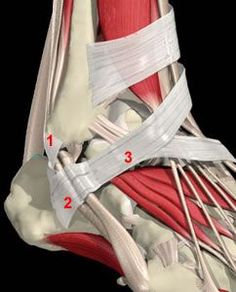
Ph.D. in Medical Anatomy
The average time to earn a Ph.D. i.e., doctoral degree,in medical anatomy is 4-6 years. With a focus on medical applications, the curriculum emphasizes the advanced study of the human bo...
Ph.D. in Medical Anatomy
×The average time to earn a Ph.D. i.e., doctoral degree,in medical anatomy is 4-6 years. With a focus on medical applications, the curriculum emphasizes the advanced study of the human body's structure and function. Gross anatomy, histology, embryology, and neuroanatomy are among the subjects covered in the coursework. In order to contribute something new to the area, students also carry out original research and finish a dissertation. Alumni of this degree frequently go on to work in specialized healthcare positions requiring in-depth anatomical knowledge, academia, or medical research.

Ph.D. in High Energy Physics
Ph.D. in High Energy Physics is a specialized research program that investigates fundamental particles, forces, and the universe's underlying principles. The program typically lasts 3-6 ye...
Ph.D. in High Energy Physics
×Ph.D. in High Energy Physics is a specialized research program that investigates fundamental particles, forces, and the universe's underlying principles. The program typically lasts 3-6 years and includes advanced study in quantum mechanics, particle physics, relativity, and advanced mathematics. Students undertake experimental or theoretical research in fields such as particle accelerators, quantum field theory, and cosmology, frequently using large-scale experiments like those at CERN. The curriculum finishes with a dissertation based on original research. Graduates frequently pursue positions in academia, research institutions, or enterprises involving technology and innovation in scientific instrumentation.

Ph.D. in Community Medicine
Ph.D. in Community Medicine is a research-based program that provides students with advanced knowledge of public health, epidemiology, and social medicine. The program, which usually lasts 3 to 5 y...
Ph.D. in Community Medicine
×Ph.D. in Community Medicine is a research-based program that provides students with advanced knowledge of public health, epidemiology, and social medicine. The program, which usually lasts 3 to 5 years, covers topics like health policy, preventive medicine, global health, healthcare management, and environmental health. Students do both academic coursework and practical research, with the goal of improving community health outcomes. The dissertation is an important component of the program, as it addresses real-world public health challenges. Graduates frequently pursue positions in academia, healthcare leadership, government or non-government organizations, and public health research.

Ph.D. in Horticulture
Ph.D. in Horticulture is a graduate research degree that focuses on the science of plant cultivation, breeding, and crop management. The curriculum typically lasts 3-5 years and involves training i...
Ph.D. in Horticulture
×Ph.D. in Horticulture is a graduate research degree that focuses on the science of plant cultivation, breeding, and crop management. The curriculum typically lasts 3-5 years and involves training in plant physiology, soil science, pest management, plant genetics, and agricultural production techniques, followed by original research. Students investigate topics like fruit and vegetable production, plant biotechnology, sustainable agriculture, and landscape management. The program focuses on horticulture innovation to improve agricultural yields, quality, and sustainability. Graduates frequently work in academia, research institutions, agricultural companies, or environmental organizations, helping to promote food production, environmental sustainability, and plant science.
Ph.D. in Neuro Science
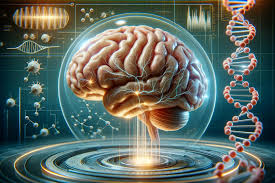
Ph.D. in Neuroscience is a research-focused doctoral program that explores the complexities of the nervous system, brain function, and behavior. This rigorous program typically spans 4–6 year...
Ph.D. in Neuro Science
×Ph.D. in Neuroscience is a research-focused doctoral program that explores the complexities of the nervous system, brain function, and behavior. This rigorous program typically spans 4–6 years, depending on the research area and completion time of the dissertation. It involves in-depth study in fields such as cellular and molecular neuroscience, neuropharmacology, cognitive neuroscience, and neural circuitry, using advanced lab techniques and methodologies. Students often collaborate on interdisciplinary projects, publish research, and present findings at conferences. Graduates are prepared for careers in academia, biotechnology, healthcare, and pharmaceutical research, contributing to advancements in understanding and treating neurological conditions.

Ph.D. in Audiology & Speech Language Pathology
Ph.D. in Audiology & Speech Language Pathology is an advanced research-focused degree typically lasting 4-6 years. This program combines an in-depth study of communication disorders with rigoro...
Ph.D. in Audiology & Speech Language Pathology
×Ph.D. in Audiology & Speech Language Pathology is an advanced research-focused degree typically lasting 4-6 years. This program combines an in-depth study of communication disorders with rigorous research methodology. Students explore areas such as speech production, language development, hearing science, and swallowing disorders. The curriculum includes advanced coursework, clinical practica, and original research culminating in a dissertation. Graduates are prepared for careers in academia, research institutions, or high-level clinical positions. This degree often requires a master's in a related field for admission and may offer specializations in areas like neuroscience of communication or bilingual language disorders.

Ph.D. in Nutrition & Dietetics
Ph.D. in Nutrition & Dietetics is a research-intensive program that aims to enhance knowledge of human nutrition, diet planning, and health improvement. The course normally lasts 3-5 ...
Ph.D. in Nutrition & Dietetics
×Ph.D. in Nutrition & Dietetics is a research-intensive program that aims to enhance knowledge of human nutrition, diet planning, and health improvement. The course normally lasts 3-5 years, depending on the study field and institution. Students study metabolic nutrition, clinical dietetics, and public health nutrition extensively, as well as perform novel research to solve specific health issues. This degree is appropriate for anyone looking for positions in academia, research institutions, public health organizations, or advanced clinical settings since it prepares them to contribute to nutrition science and evidence-based dietary practices.

Ph.D. in Dravyaguna
Ph.D. in Dravyaguna studies the qualities, uses, and therapeutic applications of Ayurvedic medicinal plants and substances. Dravyaguna, a central branch of Ayurvedic medicine, focuses on the identi...
Ph.D. in Dravyaguna
×Ph.D. in Dravyaguna studies the qualities, uses, and therapeutic applications of Ayurvedic medicinal plants and substances. Dravyaguna, a central branch of Ayurvedic medicine, focuses on the identification, classification, and therapeutic characteristics of herbs, minerals, and other natural substances utilized in therapies. The program, which typically lasts 3-5 years, includes courses in Ayurvedic pharmacology, botany, biochemistry, and pharmacognosy as well as significant research. Students investigate the therapeutic actions of plant-based medications, their pharmacological features, and their application in modern medicine. Graduates are equipped for positions in academia, Ayurvedic research, the herbal pharmaceutical industry, and healthcare, all of which help to promote traditional medicine and validate it scientifically.

Ph.D. in Prosthodontics and Crown and Bridge
PhD in Prosthodontics and Crown and Bridge focuses on the restoration and replacement of teeth using modern dental prosthetics such as crowns, bridges, dentures, and implants. The program, wh...
Ph.D. in Prosthodontics and Crown and Bridge
×PhD in Prosthodontics and Crown and Bridge focuses on the restoration and replacement of teeth using modern dental prosthetics such as crowns, bridges, dentures, and implants. The program, which typically lasts 3 to 5 years, includes instruction in dental materials, occlusion, biomaterials, and clinical procedures as well as intensive restorative dentistry research. Students learn about the design and production of fixed and detachable prostheses, implantology, and advances in prosthetic technology. Graduates are prepared to work in academia, clinical practice, and research, helping to promote prosthodontic practices, improve patient outcomes, and create new materials and technology for dental restoration.
Ph.D. in Public Health Dentistry
Ph.D. in Public Health Dentistry focuses on improving oral health at the community and population levels by combining dental care with public health methods. The curriculum typically lasts 3 to 5 y...
Ph.D. in Public Health Dentistry
×Ph.D. in Public Health Dentistry focuses on improving oral health at the community and population levels by combining dental care with public health methods. The curriculum typically lasts 3 to 5 years and includes courses in epidemiology, health policy, oral preventive, and community-based research, as well as significant fieldwork. Students investigate oral health inequities, dental disease prevention, health promotion, and the role of dentistry in public health systems. Graduates are equipped for careers in academia, research institutes, public health organizations, and government agencies, where they can help establish policies, programs, and strategies to enhance oral health at the population level.

Ph.D. in Oral Medicine and Radiology
Ph.D. in Oral Medicine and Radiology focuses on the diagnosis and treatment of oral disorders, with a particular emphasis on the use of radiographic techniques for diagnosis and planning. The...
Ph.D. in Oral Medicine and Radiology
× Ph.D. in Oral Medicine and Radiology focuses on the diagnosis and treatment of oral disorders, with a particular emphasis on the use of radiographic techniques for diagnosis and planning. The program typically lasts 3 to 5 years and includes courses in oral pathology, radiographic imaging, clinical medicine, and diagnostic procedures, as well as original research. Students learn about medical picture interpretation, modern diagnostic tools, and how to address problems such as oral cancer, TMJ disorders, and systemic diseases with oral symptoms. Graduates are well-prepared for positions in academia, clinical practice, and research, where they can help enhance diagnostic imaging and oral healthcare.

Ph.D. in Dentofacial Orthopaedics
Ph.D. in Dentofacial Orthopaedics focuses on the diagnosis and treatment of malocclusions and skeletal abnormalities of the face and jaw. The program, which typically lasts 3-5 years, in...
Ph.D. in Dentofacial Orthopaedics
×Ph.D. in Dentofacial Orthopaedics focuses on the diagnosis and treatment of malocclusions and skeletal abnormalities of the face and jaw. The program, which typically lasts 3-5 years, integrates instruction in orthodontics, craniofacial growth, biomechanics, and surgical intervention with significant research. Students study jaw development, face growth patterns, skeletal abnormalities, and the combination of orthodontics and orthopaedic therapy. Graduates of the program are prepared for jobs in academia, research, or specialized clinical practice, where they will advance knowledge of facial anatomy, improve treatment approaches, and contribute to breakthroughs in the diagnosis and management of complicated dentofacial disorders.
Ph.D. in Orthodontics
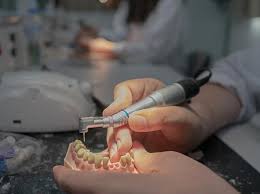
Ph.D. in Orthodontics is a research-intensive program that investigates the diagnosis, prevention, and treatment of dental and facial abnormalities. The program typically lasts 3 to 5 years a...
Ph.D. in Orthodontics
× Ph.D. in Orthodontics is a research-intensive program that investigates the diagnosis, prevention, and treatment of dental and facial abnormalities. The program typically lasts 3 to 5 years and includes courses in orthodontic theory, craniofacial development, biomechanics, and dental materials, as well as unique clinical and laboratory research. Students study growth trends, orthodontic appliances, craniofacial anomalies, and advances in digital orthodontics. Graduates are prepared for jobs in academia, research, or specialized orthodontic practice, where they can help to innovate treatment procedures, improve patient outcomes, and advance knowledge in orthodontics and dental care.

Ph.D. in Conservative Dentistry and Endodontics
Ph.D. in Conservative Dentistry and Endodontics is a highly specialized research degree that focuses on tooth preservation and restoration, as well as the diagnosis and treatment of dental pu...
Ph.D. in Conservative Dentistry and Endodontics
× Ph.D. in Conservative Dentistry and Endodontics is a highly specialized research degree that focuses on tooth preservation and restoration, as well as the diagnosis and treatment of dental pulp and root canal illnesses. The program typically lasts 3 to 5 years and includes instruction in dental materials, oral pathology, advanced endodontic procedures, and restorative dentistry, as well as original research. Students learn about tooth preservation techniques, root canal therapy advances, and the creation of novel materials and technologies in endodontics. Graduates are prepared to work in academia, clinical research, or specialty dentistry practice, helping to develop patient care and dental technologies.
Ph.D. in Oral and Maxillofacial Surgery
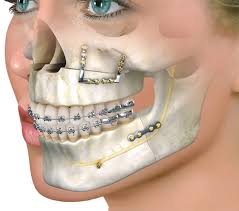
Ph.D. in Oral and Maxillofacial Surgery focuses on sophisticated research and clinical skills in surgical procedures for the mouth, jaws, face, and neck. The program normally lasts 3-5 y...
Ph.D. in Oral and Maxillofacial Surgery
× Ph.D. in Oral and Maxillofacial Surgery focuses on sophisticated research and clinical skills in surgical procedures for the mouth, jaws, face, and neck. The program normally lasts 3-5 years and includes education in surgical methods, anatomy, pathology, and patient care, as well as hands-on clinical training. Students learn about complex topics such as craniofacial reconstruction, trauma management, dental implants, and oral cancer treatments. Innovative surgical approaches, pain treatment, and healing strategies may all be part of the research. Graduates have the opportunity to work in academic research, advanced clinical practice, or specialized surgical roles in hospitals and dental facilities.

Ph.D. in Agriculture Chemistry
The advanced study of chemical processes and interactions in agriculture, such as soil chemistry, fertilizers, insecticides, and plant development agents, is the emphasis of a Ph.D. program in agri...
Ph.D. in Agriculture Chemistry
×The advanced study of chemical processes and interactions in agriculture, such as soil chemistry, fertilizers, insecticides, and plant development agents, is the emphasis of a Ph.D. program in agricultural chemistry. The program, which usually lasts 3-5 years, entails a thorough investigation of the chemical makeup of soil, water, and plants, as well as how these factors affect crop productivity, sustainability, and environmental health. Through experimental research, students create novel chemical techniques to improve farming operations. Graduates can contribute to improvements in crop protection, sustainable farming, and the creation of environmentally friendly agricultural solutions by working as agricultural chemists, researchers, or educators.
Ph.D. in Agada Tantra
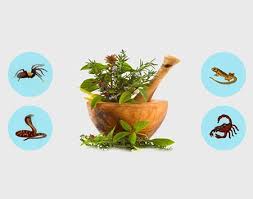
The study of poisons, antidotes, and the management of toxic substances in accordance with Ayurvedic principles are the main topics of a Ph.D. program in Agada Tantra (Toxicology in Ayurveda). The...
Ph.D. in Agada Tantra
×The study of poisons, antidotes, and the management of toxic substances in accordance with Ayurvedic principles are the main topics of a Ph.D. program in Agada Tantra (Toxicology in Ayurveda). The program, which usually lasts 3-5 years, encompasses Ayurvedic formulations and detoxification therapies in addition to the detection, treatment, and prevention of poisoning. The traditional knowledge of mineral and herbal treatments utilized in toxicology is also explored by the students. Graduates can work as researchers, educators, or Ayurvedic toxicologists, helping to create comprehensive strategies for safety and poison control in both conventional and contemporary medical settings.

Ph.D. in Kaumarbhritya
The Ayurvedic approach to child health, growth, and development is the main subject of a Ph.D. program in Kaumarbhritya (Pediatrics in Ayurveda). The program, which is usually finished in 3-5 ...
Ph.D. in Kaumarbhritya
×The Ayurvedic approach to child health, growth, and development is the main subject of a Ph.D. program in Kaumarbhritya (Pediatrics in Ayurveda). The program, which is usually finished in 3-5 years, covers a thorough examination of pediatric diseases, vaccinations, nutrition, and the use of Ayurvedic medicine to treat childhood illnesses. Ayurvedic treatments, herbal remedies, and lifestyle choices for newborns, kids, and teenagers are all covered in the research. By fusing traditional Ayurvedic knowledge with contemporary pediatric care to improve children's health and well-being, graduates are equipped for careers as Ayurvedic physicians, researchers, or educators, furthering the discipline.

Ph.D. in Kaya Chikitsa
Internal medicine from an Ayurvedic perspective is the focus of a Ph.D. program in Kaya Chikitsa (Ayurvedic General Medicine). It entails extensive study of disease diagnosis, therapy, and manageme...
Ph.D. in Kaya Chikitsa
×Internal medicine from an Ayurvedic perspective is the focus of a Ph.D. program in Kaya Chikitsa (Ayurvedic General Medicine). It entails extensive study of disease diagnosis, therapy, and management with an emphasis on disorders affecting different body systems and lasts for roughly 3-5 years. Research on Ayurvedic treatment approaches, such as herbal medication, food, and lifestyle changes based on individual doshas (body types), is a major focus of the program. Graduates acquire proficiency in providing holistic therapy to address chronic conditions and promote wellness. Opportunities for employment include positions as researchers, educators, and Ayurvedic practitioners who use evidence-based Ayurvedic treatments to support integrative healthcare.

Ph.D. in Kriya Shareera
Understanding the human body's processes and functions in accordance with Ayurvedic principles is the main goal of a Ph.D. program in Kriya Shareera (Ayurvedic Physiology). This program, which...
Ph.D. in Kriya Shareera
×Understanding the human body's processes and functions in accordance with Ayurvedic principles is the main goal of a Ph.D. program in Kriya Shareera (Ayurvedic Physiology). This program, which usually lasts 3-5 years, examines ideas such dosha, dhatu, and mala (body humors, tissues, and waste products) and how they contribute to health maintenance. Students do study on the physiological facets of Ayurveda, such as metabolism, digestion, and how lifestyle choices affect physiological processes. Graduates are equipped to work as researchers, teachers, or Ayurvedic practitioners, furthering our knowledge of Ayurvedic physiology in integrative and holistic medicine.
Ph.D. in Panchakarma
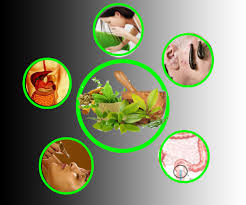
The advanced doctoral degree known as a Ph.D. in Panchakarma focuses on the five main cleansing techniques that are part of the Ayurvedic detoxification and rejuvenation treatments known as Panchak...
Ph.D. in Panchakarma
×The advanced doctoral degree known as a Ph.D. in Panchakarma focuses on the five main cleansing techniques that are part of the Ayurvedic detoxification and rejuvenation treatments known as Panchakarma. The program, which lasts roughly 3-5 years, includes a thorough examination of detoxification procedures, dosha balancing, and customized therapies including Raktamokshana (bloodletting), Basti (enema), Nasya (nasal therapy), Virechana (purgation), and Vamana (emesis). Research into the therapeutic advantages, novel procedures, and impacts of Panchakarma on a range of medical diseases is conducted by candidates. Graduates frequently support Ayurvedic wellness practices in integrated medicine and healthcare as Ayurvedic doctors, researchers, or educators.

Ph.D. in Prasuti Tantra and Stree Roga
Women's health, reproductive care, pregnancy, and childbirth from an Ayurvedic perspective are the main topics of a Ph.D. program in Prasuti Tantra and Stree Roga (Ayurvedic Obstetrics and Gyne...
Ph.D. in Prasuti Tantra and Stree Roga
×Women's health, reproductive care, pregnancy, and childbirth from an Ayurvedic perspective are the main topics of a Ph.D. program in Prasuti Tantra and Stree Roga (Ayurvedic Obstetrics and Gynecology). The program, which usually lasts 3-5 years, covers gynecological problems, pregnancy care, Ayurvedic fertility and maternal health treatments, and a thorough study of female anatomy. Traditional medicines, prenatal and postnatal care, and holistic approaches to female health are all included in the research. Graduates are equipped to work as Ayurvedic professionals, researchers, or instructors, promoting Ayurvedic methods in obstetrics and women's health and furthering integrative healthcare.

Ph.D. in Roganidana
The goal of a Ph.D. program in Roganidana (Ayurvedic Pathology) is to comprehend disease pathology and diagnosis using Ayurvedic concepts. The detailed study of disease causes (Nidana), stages, sym...
Ph.D. in Roganidana
×The goal of a Ph.D. program in Roganidana (Ayurvedic Pathology) is to comprehend disease pathology and diagnosis using Ayurvedic concepts. The detailed study of disease causes (Nidana), stages, symptoms, and diagnostic techniques from classical books is part of the program, which is usually finished in 3-5 years. Dosha imbalances, disease progression, and sophisticated Ayurvedic diagnostic methods—often combining contemporary pathology analysis—are the main subjects of research. By developing diagnostic techniques that combine conventional Ayurvedic and contemporary scientific methodologies for more all-encompassing healthcare solutions, graduates can work as Ayurvedic pathologists, researchers, or lecturers, supporting holistic and integrative medicine.

Ph.D. in Shalakya Tantra
A Ph.D. program in Shalakya Tantra (Ayurvedic Ophthalmology and ENT) is a cutting-edge research program that uses Ayurvedic principles to diagnose and treat conditions affecting the eyes, ears, nos...
Ph.D. in Shalakya Tantra
×A Ph.D. program in Shalakya Tantra (Ayurvedic Ophthalmology and ENT) is a cutting-edge research program that uses Ayurvedic principles to diagnose and treat conditions affecting the eyes, ears, nose, throat, and head. This PhD program, which lasts 3-5 years, combines practical training in therapies like Nasya (nasal therapy) and Netra Tarpana (eye rejuvenation) with an in-depth study of old Ayurvedic texts. Integrative medicine benefits from research that focuses on conventional diagnostic techniques and Ayurvedic therapies for sensory organs. Graduates can work as academics, researchers, or Ayurvedic specialists, expanding the application of Shalakya Tantra in holistic medicine.

Ph.D. in Shalya Tantra
Ph.D. in Shalya Tantra (Ayurvedic Surgery) is a specialized doctoral program that blends traditional knowledge with contemporary surgical methods, emphasizing Ayurvedic surgical techniques an...
Ph.D. in Shalya Tantra
×Ph.D. in Shalya Tantra (Ayurvedic Surgery) is a specialized doctoral program that blends traditional knowledge with contemporary surgical methods, emphasizing Ayurvedic surgical techniques and procedures. According to Ayurvedic writings, the program, which usually lasts 3-5 years, entails a thorough study of surgical ideas, diagnostic techniques, treatment protocols, and post-surgical care. Candidates get practical experience with both conventional and non-surgical treatments, such as Kshar Sutra (alkaline thread therapy) and Agnikarma (thermal cautery). Graduates can contribute to the development of Ayurvedic medicine and its incorporation into contemporary healthcare procedures by working as Ayurvedic surgeons, researchers, or lecturers.
Ph.D. in Sharir Rachna
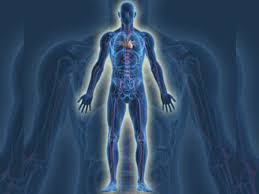
Advanced study of human body systems and structures are the main subject of Ph.D. program in Sharir Rachna (Human Anatomy), which is a research-intensive curriculum. This 3-5 year doctoral pr...
Ph.D. in Sharir Rachna
×Advanced study of human body systems and structures are the main subject of Ph.D. program in Sharir Rachna (Human Anatomy), which is a research-intensive curriculum. This 3-5 year doctoral program includes training in anatomy, histology, neuroanatomy, and physiology in addition to a significant amount of laboratory and research work. Through dissection, imaging, and molecular biology, candidates develop their skills in anatomical analysis, advancing medical research. Graduates are well-suited for jobs in academia, research facilities, or the biomedical sector, where they can promote improvements in anatomical education and health sciences by serving as professors of anatomy, medical researchers, or consultants.

Ph.D. in Swastha Vritta
Ph.D. in Swastha Vritta emphasizes wellness, lifestyle management, and preventive healthcare with an Ayurvedic foundation. Usually lasting 3-5 years, this PhD program blends rigorous research...
Ph.D. in Swastha Vritta
×Ph.D. in Swastha Vritta emphasizes wellness, lifestyle management, and preventive healthcare with an Ayurvedic foundation. Usually lasting 3-5 years, this PhD program blends rigorous research with real-world applications in enhancing health through detoxification, food, exercise, and mental well-being. Students study how lifestyle decisions affect general health by delving into Ayurvedic scriptures, contemporary health science, and integrative medicine. Graduates of the program are equipped to work in the wellness, research, and public health sectors. In order to solve global health issues, doctoral candidates frequently do novel research that connects traditional knowledge with modern medical procedures.

Ph.D. in Medical Pharmacology
The study of medications and how they affect biological systems is the main focus of Ph.D. in medical pharmacology, which normally takes 3-5 years to finish. Advanced courses on pharmaco...
Ph.D. in Medical Pharmacology
×The study of medications and how they affect biological systems is the main focus of Ph.D. in medical pharmacology, which normally takes 3-5 years to finish. Advanced courses on pharmacodynamics, pharmacokinetics, drug design, molecular pharmacology, and toxicology are also part of the program. Through laboratory research, students study medication processes, clinical uses, and disease treatment approaches. The curriculum is made to give students the tools they need to work in clinical, academic, or industrial research settings. Graduates frequently work at research institutes, pharmaceutical businesses, or healthcare settings, contributing to drug discovery, personalized medicine, and pharmacological breakthroughs.

Ph.D. in Neurotechnology
Ph.D. in Neurotechnology is a cutting-edge, research-focused program that blends engineering, neuroscience, and technology to create novel treatments for disorders of the brain and interfaces...
Ph.D. in Neurotechnology
× Ph.D. in Neurotechnology is a cutting-edge, research-focused program that blends engineering, neuroscience, and technology to create novel treatments for disorders of the brain and interfaces between humans and machines. Depending on the student's research progress, the course typically lasts 4-6 years. Students study subjects such neural signal processing, brain-computer interfaces, neuroimaging, and neuroprosthetics. Coursework, lab research, and a dissertation are all part of the program. Working in academic, clinical, or industrial contexts, graduates contribute to state-of-the-art advancements in cognitive neuroscience, artificial intelligence, and medical technology. For students who are enthusiastic about developing both technology and brain science, this interdisciplinary sector provides exciting prospects.

Ph.D. in Learning Disability
Ph.D. in Learning Disability focuses on advanced study into the causes, diagnosis, and intervention options for different types of learning difficulties. The program investigates the cognitive, psy...
Ph.D. in Learning Disability
×Ph.D. in Learning Disability focuses on advanced study into the causes, diagnosis, and intervention options for different types of learning difficulties. The program investigates the cognitive, psychosocial, and neurodevelopmental factors that influence learning in children and adults, including dyslexia, ADHD, and dyscalculia. It prepares researchers to undertake in-depth research and contribute to the development of educational tactics and therapeutic approaches. Typically, the course lasts 3 -5 years, depending on the school and the pace of research. Graduates are prepared to work in academic, clinical, or educational settings, addressing issues in learning and teaching processes.

Ph.D. in Cosmology
After earning a Master's degree or an equivalent undergraduate degree in physics, astronomy, or mathematics, a Ph.D. in Cosmology normally takes 4-6 years to finish. Advanced subjects like gene...
Ph.D. in Cosmology
×After earning a Master's degree or an equivalent undergraduate degree in physics, astronomy, or mathematics, a Ph.D. in Cosmology normally takes 4-6 years to finish. Advanced subjects like general relativity, quantum cosmology, dark matter, dark energy, the early universe, and the large-scale structure of the universe are the main focus of the program. In order to explore basic issues regarding the universe's beginnings, development, and destiny, students participate in demanding courses, research, and computational modeling. Graduates frequently pursue academic or research posts at universities, observatories, and space organizations, contributing to scientific developments in theoretical and observational cosmology.

Ph.D. in Hearing Impairment
Ph.D. in Hearing Impairment focuses on advanced research in auditory disorders, including their causes, diagnosis, treatment, and rehabilitation. The program typically spans 3-5 years, involv...
Ph.D. in Hearing Impairment
×Ph.D. in Hearing Impairment focuses on advanced research in auditory disorders, including their causes, diagnosis, treatment, and rehabilitation. The program typically spans 3-5 years, involving coursework, comprehensive exams, and independent research. Students explore topics like audiology, speech-language pathology, neuroplasticity, assistive technologies, and interventions for individuals with hearing loss. The program emphasizes the development of new treatment methodologies and the improvement of existing practices to enhance the quality of life for those affected by hearing impairments. Graduates often pursue careers in academia, research institutions, healthcare, or in developing technologies aimed at improving hearing function and communication.
Ph.D. in Intellectual Disability
A Ph.D. in Intellectual Disability focuses on advanced research and practice related to the understanding, support, and inclusion of individuals with intellectual disabilities. The program typicall...
Ph.D. in Intellectual Disability
×A Ph.D. in Intellectual Disability focuses on advanced research and practice related to the understanding, support, and inclusion of individuals with intellectual disabilities. The program typically spans 3-5 years and combines coursework in psychology, education, social policy, and special education with hands-on experience and dissertation research. Students explore topics such as developmental disorders, behavior analysis, inclusive education, ethics, and advocacy, aiming to improve systems of care and support. Graduates pursue careers in academia, policy-making, healthcare, or nonprofit organizations, contributing to both the scientific knowledge and practical application of strategies to enhance the lives of individuals with intellectual disabilities.

Ph.D. in Visual Disability
Ph.D. in Visual Disability, where we bridge the gap between formal education and practical skills acquisition...