
Ph.D. in Education usually requires 3-5 years for completion, depending on the program and whether the student pursues full-time or part-time. This advanced degree emphasizes educational research, philosophical thought, and practice. Students take hard courses, perform original research, and submit a dissertation. The curriculum frequently includes educational psychology, curriculum creation, educational policy, and research methodology. Graduates are equipped for positions in academia, educational leadership, policymaking, and advanced research. This degree needs a master's degree for admission and concludes in a comprehensive examination followed by an effective doctoral defense before a committee of academic experts.

Shri Lal Bahadur Shastri Rashtriya Sanskrit Vidyapith
Shri Lal Bahadur Shastri Rashtriya Sanskrit Vidyapith Admission Open
Ph.D. in Veda
Ph.D. in Veda is a specialized doctoral program focusing on the study of Vedic texts, philosophy, rituals, and their applications in contemporary society. The program typically spans 3-5 years...
Ph.D. in Veda
×Ph.D. in Veda is a specialized doctoral program focusing on the study of Vedic texts, philosophy, rituals, and their applications in contemporary society. The program typically spans 3-5 years, depending on the university and the student's research progress. It involves rigorous coursework, comprehensive examinations, and the completion of a dissertation that contributes original knowledge to the field. Students delve into subjects such as Vedic linguistics, philosophy, culture, and the historical context of the Vedas. This degree prepares graduates for careers in academia, research, cultural preservation, and spiritual leadership, emphasizing the relevance of Vedic wisdom in modern times.
Ph.D. in Vedic Studies
Ph.D. in Vedic Studies typically spans 3 - 5 years and focuses on the study of ancient Indian texts, philosophies, and practices, primarily derived from the Vedas and other related scriptures....
Ph.D. in Vedic Studies
×Ph.D. in Vedic Studies typically spans 3 - 5 years and focuses on the study of ancient Indian texts, philosophies, and practices, primarily derived from the Vedas and other related scriptures. The program includes rigorous coursework in Sanskrit, comparative religion, philosophy, and cultural studies, combined with extensive research on topics such as Vedic rituals, cosmology, and ethics. Students are expected to contribute original insights to the field through their dissertations, which often explore contemporary relevance and applications of Vedic thought. Graduates may pursue careers in academia, research, or cultural preservation.
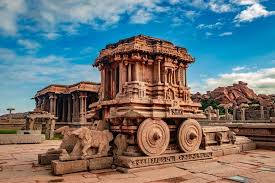
Ph.D. in Ancient History
Ph.D. in Ancient History is an advanced research degree that focuses on the study of ancient civilizations, cultures, and historical events from prehistory to the Middle Ages. The program, which ty...
Ph.D. in Ancient History
×Ph.D. in Ancient History is an advanced research degree that focuses on the study of ancient civilizations, cultures, and historical events from prehistory to the Middle Ages. The program, which typically lasts 3-5 years, comprises courses in historiography, archeological methodology, ancient languages, and specific areas like classical antiquity, ancient empires, and religious history. Students undertake original research, examine primary materials, and offer new perspectives on ancient cultures' social, political, and economic processes. Graduates frequently work in academics, museums, cultural heritage groups, or research institutions, advancing our study and preservation of ancient history and cultures.

Ph.D. in Astrology
Ph.D. in Astrology is an advanced academic program that delves into the study of celestial bodies and their influence on human affairs. The course typically lasts 3-5 years and combines theor...
Ph.D. in Astrology
×Ph.D. in Astrology is an advanced academic program that delves into the study of celestial bodies and their influence on human affairs. The course typically lasts 3-5 years and combines theoretical knowledge with practical experience, covering topics such as Vedic astrology, Western astrology, chart interpretation, cosmic cycles, and astrological research methods. Students are expected to conduct original research, analyze astrological phenomena, and contribute to the field's understanding. A Ph.D. in Astrology often requires a deep understanding of historical texts, mathematical calculations, and philosophical underpinnings, preparing graduates for careers in research, teaching, and astrology practice.
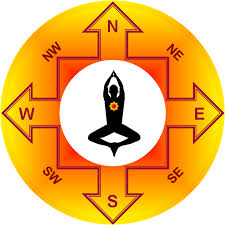
Ph.D. in Vastu Shastra
Ph.D. in Vastu Shastra is an advanced academic program focusing on the ancient Indian science of architecture, design, and spatial arrangements. The course typically spans 3 - 5 years, combini...
Ph.D. in Vastu Shastra
×Ph.D. in Vastu Shastra is an advanced academic program focusing on the ancient Indian science of architecture, design, and spatial arrangements. The course typically spans 3 - 5 years, combining research, theory, and practical application of Vastu principles in various domains such as residential, commercial, and spiritual spaces. Students explore topics like the five elements (earth, water, fire, air, and space), directional alignments, energy flow, and their impact on human health, prosperity, and well-being. The program encourages original research, critical analysis, and an in-depth understanding of traditional architecture practices. Graduates can work as consultants, researchers, or educators in the field.
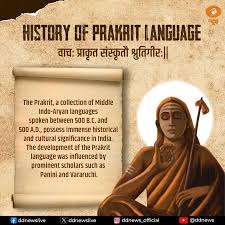
Ph.D. in Prakrit
Ph.D. in Prakrit is dedicated to the study of Prakrit languages, literature, grammar, and historical relevance in ancient and medieval Indian culture. The program typically lasts 3 to 5 years...
Ph.D. in Prakrit
× Ph.D. in Prakrit is dedicated to the study of Prakrit languages, literature, grammar, and historical relevance in ancient and medieval Indian culture. The program typically lasts 3 to 5 years and integrates courses in linguistics, ancient texts, literary criticism, and epigraphy with original research. Students investigate numerous Prakrit dialects, their evolution, and their connections to Sanskrit and other Indian languages. Classical literature, inscriptions, and philosophical works written in Prakrit may be analyzed as part of research. Graduates are equipped to work in academia, research institutions, or cultural preservation, helping to comprehend and document ancient Indian languages and literary history.
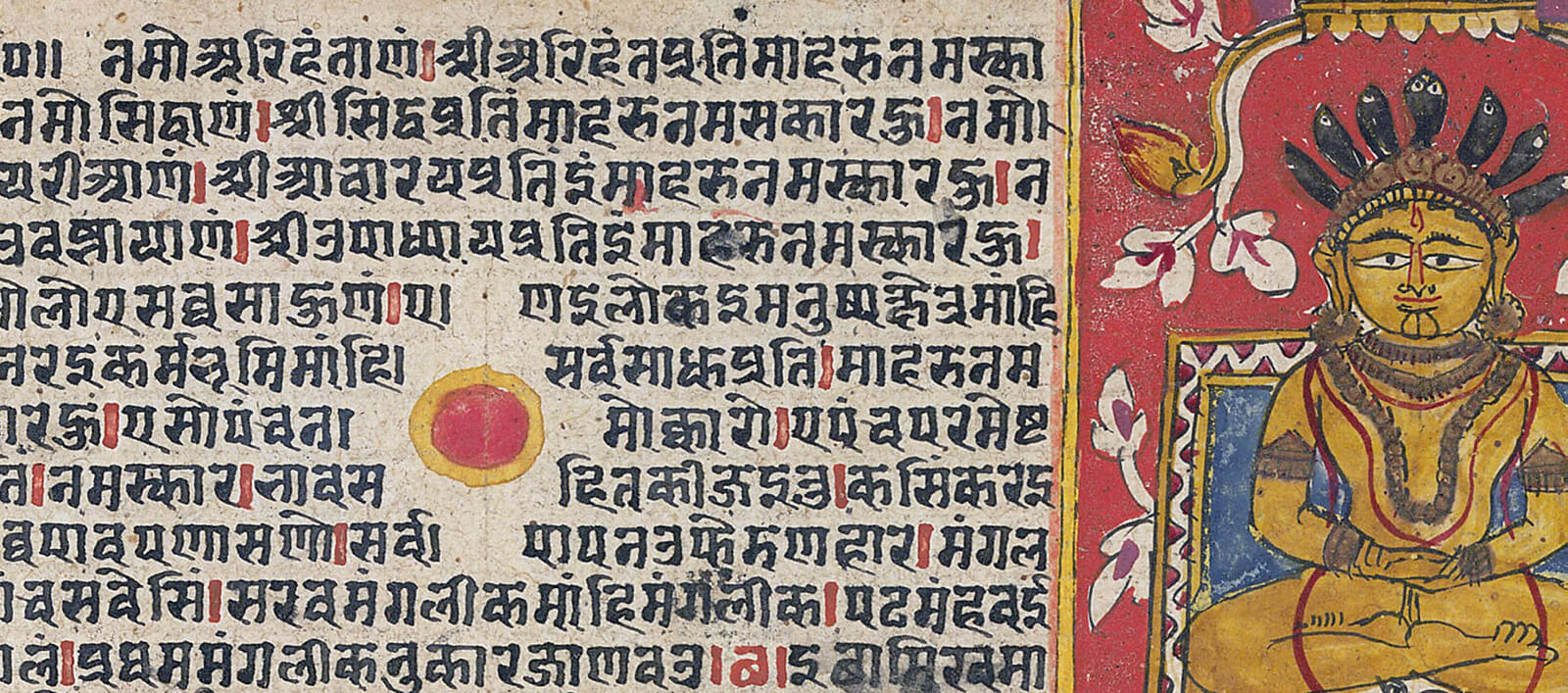
Ph.D. in Jainology
The study of Jainism, an ancient Indian religion and philosophy, is the primary objective of a Ph.D. in Jainology. Usually lasting 4-6 years, the program entails an in-depth investigation and...
Ph.D. in Jainology
×The study of Jainism, an ancient Indian religion and philosophy, is the primary objective of a Ph.D. in Jainology. Usually lasting 4-6 years, the program entails an in-depth investigation and assessment of Jain texts, history, customs, and beliefs. Jain metaphysics, ethics, rites, and the religion's link to other Indian traditions are among the subjects covered in the coursework. Ph.D. holders in Jainology may pursue jobs in academia, at places of worship, or in positions that foster interfaith interaction and mutual comprehension.

Ph.D. in Vyakarana
A Ph.D. in Vyakarana is a specialized research degree that focuses on Sanskrit grammar, including its structures, norms, and applications in language and literature. Vyakarana, one of the six Vedan...
Ph.D. in Vyakarana
×A Ph.D. in Vyakarana is a specialized research degree that focuses on Sanskrit grammar, including its structures, norms, and applications in language and literature. Vyakarana, one of the six Vedangas (limbs of the Vedas), is concerned with the formal characteristics of Sanskrit language, such as syntax, morphology, phonetics, and semantics. The program lasts about 3-5 years and covers traditional works such as Panini's Ashtadhyayi, the cornerstone text for Sanskrit grammar, as well as commentaries and modern interpretations. Students conduct unique research on issues such as linguistic analysis, historical evolution of grammar, computational linguistics, and the function of grammar in classical and modern literature. Graduates go on to work in academics, linguistics, Sanskrit studies, and other sectors connected to cultural and language preservation. Admission usually requires Master’s degree in Sanskrit, linguistics, or a related field, with a focus on grammatical and linguistic research.

Ph.D. in Sahitya
Ph.D. in Sahitya (Literature) is a research-based program that examines literary works, critical theories, and the cultural, historical, and philosophical aspects of literature. The program, which...
Ph.D. in Sahitya
×Ph.D. in Sahitya (Literature) is a research-based program that examines literary works, critical theories, and the cultural, historical, and philosophical aspects of literature. The program, which typically lasts 3-5 years, includes a wide range of literary genres, including poetry, prose, drama, and folk traditions, as well as a specific language or literary tradition, such as Sanskrit, Tamil, Hindi, or regional literature. Students conduct original research in areas such as literary criticism, comparative literature, theme analysis, and the impact of literature on society. Graduates frequently pursue employment in academia, publishing, literary research, and cultural institutions. A Master's degree in literature or a similar subject, with an emphasis on literary analysis and critical theory, is often required for admission.

Ph.D. in Dharmashastra
Ph.D. in Dharmashastra is a research-oriented degree that focuses on ancient Hindu law, ethics, and religious texts, specifically the classical treatises known as the Dharmashastras. These works, i...
Ph.D. in Dharmashastra
×Ph.D. in Dharmashastra is a research-oriented degree that focuses on ancient Hindu law, ethics, and religious texts, specifically the classical treatises known as the Dharmashastras. These works, including the Manusmriti, Yajnavalkya Smriti, and Mitakshara, serve as the foundation for Hindu jurisprudence, ethics, and social conduct. The program, which typically lasts 3-5 years, delves into themes such as the concepts of dharma (righteousness), ancient Indian law, the role of religion in governance, and the formation of social structure. Students conduct original research on the textual study, interpretation, and application of these ancient rules in current circumstances. Graduates work in academics, research institutions, legal consultancies, and cultural groups that specialize on ancient Indian law and ethics. Admission normally requires a Master's degree in law or philosophy.

Ph.D. in Sanskrit Sarvadarshana
Ph.D. in Sanskrit Sarvadarshana is a specialized research program that focuses on the study of India's numerous philosophical systems (Darshanas) as articulated in Sanskrit literature. The term...
Ph.D. in Sanskrit Sarvadarshana
×Ph.D. in Sanskrit Sarvadarshana is a specialized research program that focuses on the study of India's numerous philosophical systems (Darshanas) as articulated in Sanskrit literature. The term "Sarvadarshana" refers to a thorough examination of the six great systems of Indian philosophy: Nyaya (Logic), Vaisheshika (Atomism), Samkhya (Enumeration), Yoga, Mimamsa (Ritual Exegesis), and Vedanta. The study normally lasts 3-5 years and includes a thorough examination of primary texts, commentaries, and comparative philosophical analysis. Students conduct original study into the evolution, links, and influence of various schools of Indian thought. Graduates work in academia, research, or as scholars of philosophy, Sanskrit literature, and cultural studies. Admission often needs a Master's degree in Sanskrit, philosophy, or a similar discipline with an emphasis on Indian philosophy.

Ph.D. in Sanskrit Nyaya
Ph.D. in Sanskrit Nyaya focuses on the advanced study of Nyaya, one of India's six classical schools of philosophy that deals with logic, reasoning, and epistemology, mostly through Sanskrit te...
Ph.D. in Sanskrit Nyaya
×Ph.D. in Sanskrit Nyaya focuses on the advanced study of Nyaya, one of India's six classical schools of philosophy that deals with logic, reasoning, and epistemology, mostly through Sanskrit textual analysis. Typically lasting 3-5 years, the program digs into the complexities of Nyaya concepts, reasoning, and inference, as well as their application in a variety of philosophical, legal, and linguistic settings. Students conduct research on classical texts, commentaries, and the development of logical reasoning in Indian philosophy. Graduates frequently pursue professions in academia, research institutions, or as specialists of Indian philosophy, law, or Sanskrit literature. Admission usually necessitates a Master's degree in Sanskrit or philosophy, with a concentration on Nyaya or similar disciplines.
POPULAR COURSES
(D.ED(TCH))
A.N.M.
Acharya - Navyavyakarna
Acharya - Phalita Jyotisha
Acharya - Sanskrit Sahitya
Acharya - Siddhanta Jyotisha
Adobe Photoshop
Advance Certificate Course in Beauty Therapy
Advance Certificate Course in Cosmetology
Advance Certificate Course in Hair Dressing
Advance Certificate Course in Makeup Artistry
Advance certificate Course in Nail Technology
Advance Diploma in Anesthesia Technology
Advance Diploma In Child Guidance And Counselling
Advance Diploma in Dialysis Technology
Advance Diploma in Disciples India
Advance Diploma in Fashion Design & Technology
Advance Diploma in Industrial Safety
Advance Diploma In Insurance Sales
Advance Diploma in Interior Designing
Advance Diploma in Journalism & Mass Communication
Advance Diploma in Medical Lab Technology
Advance Diploma in Operation Theatre Technology
Advance Diploma in Radiology & Imaging Technology
Advance Diploma of Proficiency in French
Advance Diploma of Proficiency in German
Advance Diploma of Proficiency in Russian
Advanced Certificate in Medical Microbiology Laboratory Technology (ACMMLT)
Advanced Certified Software Developer
Advanced Diploma in 3D Printing Technology
Advanced Diploma in Animation
Advanced Diploma in Aviation, Hospitality and Tourism
Advanced Diploma in Computer Application
Advanced Diploma in Computer Software, System Analysis & Application
Advanced Diploma in Data Science
Advanced Diploma in Hardware And Networking
Advanced Diploma in Information Technology
Advanced Diploma in Machine Learning
Advanced Diploma in Multimedia Programming
Advanced Diploma in Networking
Advanced Diploma in Sound Recording Technology
Advanced Diploma in Textile Design
Advanced Diploma in Vastu and Jyotish
Agriculture & Allied Services
Agriculture & Horticulture
Agriculture & Live Stock Production
Agriculture Technology
AHDP Diploma In Animal Husbandry Program
Arogyamitra
Artificial Intelligence And Machine Learning
Automobile Technology
B,Com. in Computer Application
B. Sc. Hons. in Anaesthesia & Operation Theatre Technology
B. Sc. Hons. in Emergency Medical Technology
B. Sc. Hons.in Medical Laboratory Technology
B. Sc. in Hospitality and Tourism Management
B. Tech. in Fisheries Engineering
B. Tech. in Leather technology
B.A. General
B.A. B.Ed.
Popular Stream
State
Andaman and Nicobar Island (UT)
Andaman and Nicobar Islands
Andhra Pradesh
Arunachal Pradesh
Assam
Bihar
Chandigarh
Chandigarh (UT)
Chhattisgarh
Dadra and Nagar
Dadra and Nagar Haveli
Dadra and Nagar Haveli (UT)
Daman and Diu
Daman and Diu (UT)
Delhi
Delhi (NCT)
Donets'k
Goa
Gujarat
Gujarat
Haryana
Himachal Pradesh
Jammu and Kashmir
Jammu and Kashmir(UT)
Jharkhand
jjj
Karnataka
Kerala
Ladakh(UT)
Lakshadweep
LAKSHADWEEP (UT)
Madhya Pradesh
Maharashtra
Manipur
Meghalaya
Mizoram
Nagaland
Niigata
Odisha
Puducherry