
The highest academic degree in legal studies is the Ph.D. in Law, generally requires 3-5 years to complete. This challenging program emphasizes advanced legal research, theory, and scholarly writing. Candidates select a specific topic of law for a comprehensive study and innovative contribution to legal knowledge. The curriculum consists of coursework, comprehensive exams, and the production of a doctoral dissertation with faculty supervision. Students acquire knowledge of legal analysis, research methods, and academic writing. A Ph.D. in Law prepares graduates for a position in academia, legal research, policymaking, or senior positions in law firms and organizations. Admission generally requires an elementary law degree (J.D. or LL.M.) along with suitable experience.

Sri Aurobindo University
Sri Aurobindo University Admission Open

Ph.D. in Journalism And Mass Communication
Ph.D. in Journalism and Mass Communication usually takes 3-5 years to complete, depending on the program and research requirements. This postgraduate degree emphasizes in-depth research and a...
Ph.D. in Journalism And Mass Communication
×Ph.D. in Journalism and Mass Communication usually takes 3-5 years to complete, depending on the program and research requirements. This postgraduate degree emphasizes in-depth research and analysis of media, communication theories, and their societal implications. Students pursue challenging courses, conduct independent research, and often serve as teaching assistants. The program culminates with a doctoral dissertation, which contributes new information to the regulation. Graduates have the abilities to work in academia, advanced research, media policy, or as leaders in media organizations. Digital media technology, media ethics, global communication, data journalism, and emerging trends in mass communication may all be important topics to research.

Ph.D. in Biochemistry
A Ph.D. in Biochemistry normally takes 4-6 years to complete, with a concentration on the chemical processes found within and related to living organisms. This advanced degree needs intensive labor...
Ph.D. in Biochemistry
×A Ph.D. in Biochemistry normally takes 4-6 years to complete, with a concentration on the chemical processes found within and related to living organisms. This advanced degree needs intensive laboratory research, data analysis, and the creation of a unique thesis. Students analyze molecular biology, enzymology, and cellular metabolism. The program often involves coursework, teaching assistantships, and the publication of research publications. Graduates have the ability to pursue careers in academia, pharmaceutical research, biotechnology, and allied fields. The doctoral program develops critical thinking, problem-solving abilities, and the ability to design and conduct autonomous research, resulting in important contributions to the field of biochemistry and related life sciences.

Ph.D. in Microbiology
Ph.D. in Microbiology usually takes 4-6 years to complete which involves extensive research on microorganisms, their interactions, and their impact on various ecosystems. The academic program inclu...
Ph.D. in Microbiology
×Ph.D. in Microbiology usually takes 4-6 years to complete which involves extensive research on microorganisms, their interactions, and their impact on various ecosystems. The academic program includes advanced coursework, laboratory research, and a dissertation. Students research bacterial genetics, virology, immunology, and microbial ecology. They acquire experts in cutting-edge procedures such as gene sequencing, bioinformatics, and microscopy. This degree prepares graduates for professions in academia, biotechnology, pharmaceuticals, and public health, granting them the skills they need to address global issues such as antibiotic resistance and new infectious diseases.
Ph.D. in Pathology
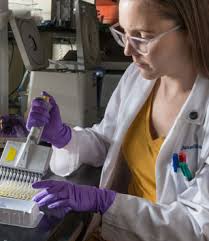
Doctor of Philosophy (Ph.D.) in Pathology is a rigorous 5-7 year research-focused doctoral program that prepares students for careers as leading experts in the study of disease. The curriculu...
Ph.D. in Pathology
×Doctor of Philosophy (Ph.D.) in Pathology is a rigorous 5-7 year research-focused doctoral program that prepares students for careers as leading experts in the study of disease. The curriculum covers advanced topics in anatomical, clinical, and molecular pathology, as well as research methods and biostatistics. Ph.D. candidates conduct original laboratory research and complete a doctoral dissertation that makes a significant contribution to the understanding of the causes, mechanisms, and diagnoses of human diseases. Graduates are equipped to work as pathologists, medical researchers, university professors, and consultants in hospitals, government agencies, and private biotechnology companies. The Ph.D. in Pathology provides students with the specialized expertise needed to advance the field of diagnostic medicine, develop new diagnostic tools and treatments, and improve patient outcomes.

Ph.D. in Oral Pathology And Microbiology
Ph.D. in Oral Pathology and Microbiology normally takes 3-5 years to complete, depending on the institution and research objectives. This postgraduate degree program focuses on disorders of the ora...
Ph.D. in Oral Pathology And Microbiology
×Ph.D. in Oral Pathology and Microbiology normally takes 3-5 years to complete, depending on the institution and research objectives. This postgraduate degree program focuses on disorders of the oral cavity, jaw, and adjacent structures, as well as the bacteria that cause these conditions. Students conduct substantial research, lab work, and clinical observations. The program includes topics such as oral histology, immunology, molecular biology, and sophisticated diagnostic procedures. Candidates are expected to do original research, publish in peer-reviewed publications, and defend their dissertations. This degree equips graduates to work in academia, research institutes, or specialized clinical practice, helping to enhance oral health diagnostics and treatments.
Ph.D. in Paediatric And Preventive Dentistry
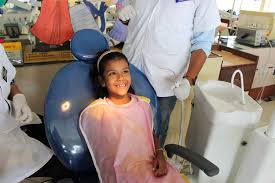
Ph.D. in Paediatric and Preventive Dentistry is an advanced research-based degree typically lasting 3-5 years. This program focuses on specialized dental care for children and preventive strategies...
Ph.D. in Paediatric And Preventive Dentistry
×Ph.D. in Paediatric and Preventive Dentistry is an advanced research-based degree typically lasting 3-5 years. This program focuses on specialized dental care for children and preventive strategies for oral health. Candidates conduct original research, often exploring topics like early childhood caries, behavior management techniques, or innovative preventive interventions. The curriculum includes advanced coursework in pediatric oral pathology, child psychology, and research methodologies. Students gain hands-on clinical experience treating young patients and may participate in community outreach programs. The program culminates in a dissertation defense, contributing new knowledge to the field. Graduates are prepared for careers in academia, research institutions, or specialized clinical practice, advancing pediatric dental care and oral health prevention strategies.
Ph.D. in Periodontology
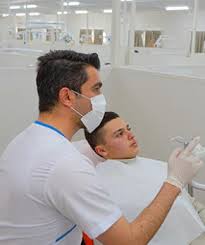
Ph.D. in Periodontology is an advanced doctoral program typically lasting 3-5 years, focusing on the study and treatment of periodontal diseases and oral health. This research-intensive degree comb...
Ph.D. in Periodontology
×Ph.D. in Periodontology is an advanced doctoral program typically lasting 3-5 years, focusing on the study and treatment of periodontal diseases and oral health. This research-intensive degree combines clinical training with in-depth scientific investigation, preparing graduates for academic, research, or specialized clinical roles. Students engage in advanced coursework, conduct original research, and often participate in teaching. The curriculum covers topics such as periodontal pathology, regenerative techniques, implantology, and evidence-based dentistry. Candidates usually need a dental degree and may require specialty training in periodontology. Upon completion, graduates are equipped to contribute to the field through research, education, and advanced clinical practice.

Ph.D. in Special Education and Rehabilitation Science
A Ph.D. in Special Education and Rehabilitation Science is a research-based degree aimed at improving education and support for people with disabilities. The curriculum typically lasts 3 to 5 years...
Ph.D. in Special Education and Rehabilitation Science
×A Ph.D. in Special Education and Rehabilitation Science is a research-based degree aimed at improving education and support for people with disabilities. The curriculum typically lasts 3 to 5 years and covers themes such as inclusive education, rehabilitation therapies, assistive technologies, behavioral interventions, and policy formation. Students do research to improve teaching techniques, disability services, and social inclusion, emphasizing evidence-based practices and multidisciplinary approaches. Admission often needs a Master's degree in Special Education, Psychology, or a related discipline. Graduates go on to work in academia, research, policy, or as leaders in educational institutions, rehabilitation centers, and healthcare.
Ph.D. in Forensic Medicine
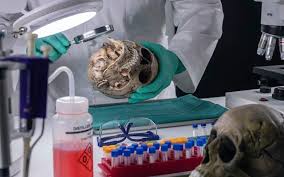
Ph.D. in Forensic Medicine is a research-based degree that focuses on applying medical expertise to legal investigations, particularly those involving criminal cases. The program typically lasts 3...
Ph.D. in Forensic Medicine
×Ph.D. in Forensic Medicine is a research-based degree that focuses on applying medical expertise to legal investigations, particularly those involving criminal cases. The program typically lasts 3 to 5 years and covers areas such as forensic pathology, toxicology, clinical forensic medicine, medical jurisprudence, and cause of death inquiry. Students carry out unique research to develop forensic techniques, assess injury patterns, and investigate the legal implications of medical discoveries. The curriculum consists of coursework in medical sciences, legislation, and research technique, culminating in a dissertation. Graduates frequently seek professions in academics, forensic research, criminal investigations, and as expert witnesses in court matters.

Ph.D. in Obstetrics & Gynaecology
Ph.D. in Obstetrics & Gynaecology is a research-based program that aims to further knowledge of women's health, including pregnancy, delivery, and reproductive system problems. The program...
Ph.D. in Obstetrics & Gynaecology
×Ph.D. in Obstetrics & Gynaecology is a research-based program that aims to further knowledge of women's health, including pregnancy, delivery, and reproductive system problems. The program typically lasts 3 to 5 years and covers topics such as maternal-fetal medicine, reproductive endocrinology, gynecological oncology, fertility treatments, and obstetric problems. Students conduct clinical and laboratory-based research to improve healthcare practices, create new medicines, and address issues in women's health. The program includes medical science courses, research methodology, and a dissertation based on unique research. Graduates frequently pursue professions in academic research, healthcare facilities, and medical practice.

Ph.D. in Pediatrics
Ph.D. in Pediatrics is a research-oriented degree that investigates children's health, growth, development, and diseases. The program typically lasts 3-5 years and covers areas such as ped...
Ph.D. in Pediatrics
×Ph.D. in Pediatrics is a research-oriented degree that investigates children's health, growth, development, and diseases. The program typically lasts 3-5 years and covers areas such as pediatric endocrinology, pediatric infectious illnesses, child development, pediatric nutrition, and child psychology. Students do clinical and laboratory research aimed at enhancing pediatric care, creating new treatments for childhood disorders, and understanding children's particular health requirements. The program requires coursework, research methods, and a dissertation. Graduates frequently pursue positions in academic research, pediatric medicine, healthcare institutions, and public health groups.

Ph.D. in Pharmacology
Ph.D. in Pharmacology is a research-based program that investigates pharmaceuticals, their effects on the human body, and therapeutic possibilities. The program typically lasts 3-5 years and c...
Ph.D. in Pharmacology
×Ph.D. in Pharmacology is a research-based program that investigates pharmaceuticals, their effects on the human body, and therapeutic possibilities. The program typically lasts 3-5 years and covers topics such as drug mechanisms, toxicology, pharmacokinetics, pharmacodynamics, and drug development. Students perform unique research to examine how medications interact with biological systems, focusing on the molecular and physiological impacts of diverse substances. The program comprises courses in biochemistry, physiology, and drug chemistry, as well as research methodology and a dissertation. Graduates frequently pursue positions in academic research, the pharmaceutical sector, regulatory agencies, and healthcare.

Ph.D. in Psychiatry
Ph.D. in Psychiatry is a research-intensive program that focuses on the scientific study of mental health disorders, their causes, and treatments. Typically lasting 3 to 5 years, the program covers...
Ph.D. in Psychiatry
×Ph.D. in Psychiatry is a research-intensive program that focuses on the scientific study of mental health disorders, their causes, and treatments. Typically lasting 3 to 5 years, the program covers topics such as neurobiology, psychopharmacology, clinical psychology, mental health assessment, and therapeutic interventions. Students engage in research to explore the biological, psychological, and social factors influencing mental illness, as well as the development of innovative treatments. The program includes coursework, research methodology, clinical training, and culminates in a dissertation. Graduates often pursue careers in academic research, clinical practice, or psychiatric healthcare institutions, contributing to the advancement of mental health care.
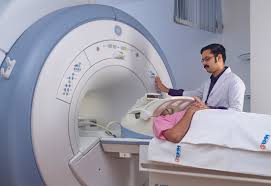
Ph.D. in Radio Diagnosis
Ph.D. in Radiodiagnosis is a research-oriented degree that enhances understanding of medical imaging techniques and their applications in identifying a variety of diseases and ailments. The curricu...
Ph.D. in Radio Diagnosis
×Ph.D. in Radiodiagnosis is a research-oriented degree that enhances understanding of medical imaging techniques and their applications in identifying a variety of diseases and ailments. The curriculum typically lasts 3 to 5 years and covers topics such as radiology, medical imaging technologies (CT, MRI, ultrasound, and X-rays), image processing, and diagnostic procedures. Students perform research to improve imaging procedures, increase diagnostic accuracy, and investigate new medical technology for better patient care. The program consists of coursework, research methods, and the production of a dissertation. Graduates of this degree frequently seek positions in academia, research, or advanced clinical responsibilities in medical institutions.
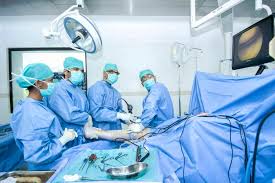
Ph.D. in Surgery
Ph.D. in Surgery is a research-intensive program that seeks to advance knowledge of surgical procedures, techniques, and innovations. Typically lasting 3 to 5 years, the curriculum entails extensiv...
Ph.D. in Surgery
×Ph.D. in Surgery is a research-intensive program that seeks to advance knowledge of surgical procedures, techniques, and innovations. Typically lasting 3 to 5 years, the curriculum entails extensive research in fields like as surgical anatomy, surgical pathology, minimally invasive surgery, transplant surgery, and the creation of novel medical technology. Students do both laboratory and clinical research to investigate surgery results, novel treatment options, and healthcare systems. The program culminates with a dissertation that advances surgical knowledge. Graduates frequently seek professions in academic research, teaching, surgical practice, and healthcare innovation.
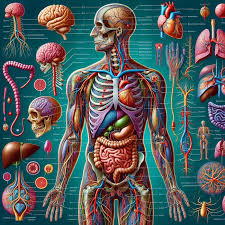
Ph.D. in Anatomy
Ph.D. in Anatomy is a specialized research degree that examines the structure of the human body and its many systems. The program typically lasts 3 to 5 years and includes extensive training in sub...
Ph.D. in Anatomy
×Ph.D. in Anatomy is a specialized research degree that examines the structure of the human body and its many systems. The program typically lasts 3 to 5 years and includes extensive training in subjects including as histology, neuroanatomy, developmental biology, and functional anatomy. Students do laboratory-based research, employing tools such as microscopy and molecular biology to investigate the complexity of tissue structure and organ function. The curriculum culminates in a dissertation that advances knowledge in the field. Graduates pursue positions in academia, medical education, research institutions, and the healthcare industry.

Ph.D. in Community Medicine
Ph.D. in Community Medicine is a research-based program that provides students with advanced knowledge of public health, epidemiology, and social medicine. The program, which usually lasts 3 to 5 y...
Ph.D. in Community Medicine
×Ph.D. in Community Medicine is a research-based program that provides students with advanced knowledge of public health, epidemiology, and social medicine. The program, which usually lasts 3 to 5 years, covers topics like health policy, preventive medicine, global health, healthcare management, and environmental health. Students do both academic coursework and practical research, with the goal of improving community health outcomes. The dissertation is an important component of the program, as it addresses real-world public health challenges. Graduates frequently pursue positions in academia, healthcare leadership, government or non-government organizations, and public health research.
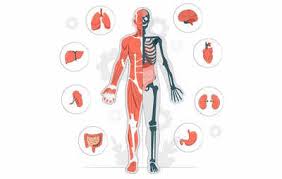
Ph.D. in Physiology
Ph.D. in Physiology is an advanced research-focused degree that normally lasts 3-5 years. It entails a thorough examination of biological systems, with emphasis on functions such as cellular p...
Ph.D. in Physiology
×Ph.D. in Physiology is an advanced research-focused degree that normally lasts 3-5 years. It entails a thorough examination of biological systems, with emphasis on functions such as cellular processes, organ systems, and homeostasis. Students study neurophysiology, cardiovascular physiology, endocrinology, and exercise physiology. The program consists of demanding coursework, thorough tests, and original research, culminating in a dissertation. This degree prepares students for positions in academia, healthcare, pharmaceuticals, and research institutions. A Ph.D. in Physiology focuses on developing critical thinking, experimental abilities, and a thorough grasp of the systems that control bodily functioning.

Ph.D. in Audiology & Speech Language Pathology
Ph.D. in Audiology & Speech Language Pathology is an advanced research-focused degree typically lasting 4-6 years. This program combines an in-depth study of communication disorders with rigoro...
Ph.D. in Audiology & Speech Language Pathology
×Ph.D. in Audiology & Speech Language Pathology is an advanced research-focused degree typically lasting 4-6 years. This program combines an in-depth study of communication disorders with rigorous research methodology. Students explore areas such as speech production, language development, hearing science, and swallowing disorders. The curriculum includes advanced coursework, clinical practica, and original research culminating in a dissertation. Graduates are prepared for careers in academia, research institutions, or high-level clinical positions. This degree often requires a master's in a related field for admission and may offer specializations in areas like neuroscience of communication or bilingual language disorders.

Ph.D. in Orthopaedics
Ph.D. in Orthopaedics is a specialized research degree focused on the study of musculoskeletal health, injury treatment, and orthopedic advancements. Typically completed in 3 to 5 years, this...
Ph.D. in Orthopaedics
×Ph.D. in Orthopaedics is a specialized research degree focused on the study of musculoskeletal health, injury treatment, and orthopedic advancements. Typically completed in 3 to 5 years, this program provides in-depth training in biomechanics, regenerative medicine, surgical techniques, and rehabilitation. Candidates undertake rigorous research, often working on projects to develop innovative treatments, improve surgical outcomes, and advance prosthetic and implant technologies. Graduates are equipped for careers in academic research, clinical development, and orthopedic innovation, aiming to improve patient mobility, reduce recovery times, and enhance the effectiveness of treatments for bone, joint, and muscle disorders.
4o

Ph.D. in General Medicine
Ph.D. in General Medicine is an advanced research degree that focuses on discovering and expanding knowledge in internal medicine, diagnostics, and patient care for a variety of medical disorders....
Ph.D. in General Medicine
×Ph.D. in General Medicine is an advanced research degree that focuses on discovering and expanding knowledge in internal medicine, diagnostics, and patient care for a variety of medical disorders. The curriculum typically lasts 3-5 years and includes extensive training in research methodology, clinical trials, and in-depth study of fields such as cardiology, endocrinology, infectious diseases, and others. Students perform original research, which frequently seeks to improve diagnostic tools, treatment regimens, and healthcare outcomes. Graduates are well-prepared to work in academic research, clinical practice development, and healthcare leadership, helping to promote medical knowledge and patient-centered treatment.

Ph.D. in Radiotherapy
Ph.D. in Radiotherapy is a research-oriented degree designed for those who want to expand their knowledge of cancer treatment with radiation. This program typically lasts 3 to 5 years and includes...
Ph.D. in Radiotherapy
×Ph.D. in Radiotherapy is a research-oriented degree designed for those who want to expand their knowledge of cancer treatment with radiation. This program typically lasts 3 to 5 years and includes in-depth studies in radiation physics, radiobiology, oncology, and advanced radiotherapy procedures. Students do original research, frequently concentrating on enhancing radiation delivery systems, reducing side effects, and devising tailored treatment procedures for cancer patients. Graduates are prepared to work in academic research, clinical innovation, or medical technology, helping to advance radiation techniques and improve the efficacy and safety of cancer therapies for a wide range of patient populations.

Ph.D. in Anesthesiology
Ph.D. in Anesthesiology is an advanced research-focused degree created for people who want to learn about anesthesia techniques, pain control, and patient safety during surgery. The course, which t...
Ph.D. in Anesthesiology
×Ph.D. in Anesthesiology is an advanced research-focused degree created for people who want to learn about anesthesia techniques, pain control, and patient safety during surgery. The course, which typically lasts 3-5 years, includes extensive training in anesthetic pharmacology, physiology, and clinical techniques, as well as the most recent research methodologies. Students concentrate on specialized projects, which frequently lead to novel approaches to anesthesia techniques and pain management solutions. Graduates from this program are prepared for jobs in academia, clinical research, or healthcare innovation, with an emphasis on enhancing anesthesia protocols, patient care standards, and surgical safety.

Ph.D. in Prosthodontics and Crown and Bridge
PhD in Prosthodontics and Crown and Bridge focuses on the restoration and replacement of teeth using modern dental prosthetics such as crowns, bridges, dentures, and implants. The program, wh...
Ph.D. in Prosthodontics and Crown and Bridge
×PhD in Prosthodontics and Crown and Bridge focuses on the restoration and replacement of teeth using modern dental prosthetics such as crowns, bridges, dentures, and implants. The program, which typically lasts 3 to 5 years, includes instruction in dental materials, occlusion, biomaterials, and clinical procedures as well as intensive restorative dentistry research. Students learn about the design and production of fixed and detachable prostheses, implantology, and advances in prosthetic technology. Graduates are prepared to work in academia, clinical practice, and research, helping to promote prosthodontic practices, improve patient outcomes, and create new materials and technology for dental restoration.
Ph.D. in Public Health Dentistry
Ph.D. in Public Health Dentistry focuses on improving oral health at the community and population levels by combining dental care with public health methods. The curriculum typically lasts 3 to 5 y...
Ph.D. in Public Health Dentistry
×Ph.D. in Public Health Dentistry focuses on improving oral health at the community and population levels by combining dental care with public health methods. The curriculum typically lasts 3 to 5 years and includes courses in epidemiology, health policy, oral preventive, and community-based research, as well as significant fieldwork. Students investigate oral health inequities, dental disease prevention, health promotion, and the role of dentistry in public health systems. Graduates are equipped for careers in academia, research institutes, public health organizations, and government agencies, where they can help establish policies, programs, and strategies to enhance oral health at the population level.
Ph.D. in Oral Medicine and Radiology
Ph.D. in Oral Medicine and Radiology focuses on the diagnosis and treatment of oral disorders, with a particular emphasis on the use of radiographic techniques for diagnosis and planning. The...
Ph.D. in Oral Medicine and Radiology
× Ph.D. in Oral Medicine and Radiology focuses on the diagnosis and treatment of oral disorders, with a particular emphasis on the use of radiographic techniques for diagnosis and planning. The program typically lasts 3 to 5 years and includes courses in oral pathology, radiographic imaging, clinical medicine, and diagnostic procedures, as well as original research. Students learn about medical picture interpretation, modern diagnostic tools, and how to address problems such as oral cancer, TMJ disorders, and systemic diseases with oral symptoms. Graduates are well-prepared for positions in academia, clinical practice, and research, where they can help enhance diagnostic imaging and oral healthcare.

Ph.D. in Dentofacial Orthopaedics
Ph.D. in Dentofacial Orthopaedics focuses on the diagnosis and treatment of malocclusions and skeletal abnormalities of the face and jaw. The program, which typically lasts 3-5 years, in...
Ph.D. in Dentofacial Orthopaedics
×Ph.D. in Dentofacial Orthopaedics focuses on the diagnosis and treatment of malocclusions and skeletal abnormalities of the face and jaw. The program, which typically lasts 3-5 years, integrates instruction in orthodontics, craniofacial growth, biomechanics, and surgical intervention with significant research. Students study jaw development, face growth patterns, skeletal abnormalities, and the combination of orthodontics and orthopaedic therapy. Graduates of the program are prepared for jobs in academia, research, or specialized clinical practice, where they will advance knowledge of facial anatomy, improve treatment approaches, and contribute to breakthroughs in the diagnosis and management of complicated dentofacial disorders.
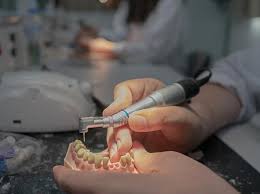
Ph.D. in Orthodontics
Ph.D. in Orthodontics is a research-intensive program that investigates the diagnosis, prevention, and treatment of dental and facial abnormalities. The program typically lasts 3 to 5 years a...
Ph.D. in Orthodontics
× Ph.D. in Orthodontics is a research-intensive program that investigates the diagnosis, prevention, and treatment of dental and facial abnormalities. The program typically lasts 3 to 5 years and includes courses in orthodontic theory, craniofacial development, biomechanics, and dental materials, as well as unique clinical and laboratory research. Students study growth trends, orthodontic appliances, craniofacial anomalies, and advances in digital orthodontics. Graduates are prepared for jobs in academia, research, or specialized orthodontic practice, where they can help to innovate treatment procedures, improve patient outcomes, and advance knowledge in orthodontics and dental care.

Ph.D. in Conservative Dentistry and Endodontics
Ph.D. in Conservative Dentistry and Endodontics is a highly specialized research degree that focuses on tooth preservation and restoration, as well as the diagnosis and treatment of dental pu...
Ph.D. in Conservative Dentistry and Endodontics
× Ph.D. in Conservative Dentistry and Endodontics is a highly specialized research degree that focuses on tooth preservation and restoration, as well as the diagnosis and treatment of dental pulp and root canal illnesses. The program typically lasts 3 to 5 years and includes instruction in dental materials, oral pathology, advanced endodontic procedures, and restorative dentistry, as well as original research. Students learn about tooth preservation techniques, root canal therapy advances, and the creation of novel materials and technologies in endodontics. Graduates are prepared to work in academia, clinical research, or specialty dentistry practice, helping to develop patient care and dental technologies.
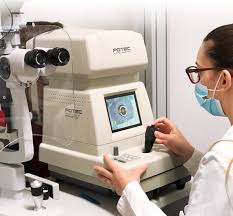
Ph.D. in Ophthalmology
Ph.D. in Ophthalmology is a specialized research-based program that focuses on the study of eye diseases, disorders, and treatments. The course typically spans &nbs...
Ph.D. in Ophthalmology
×Ph.D. in Ophthalmology is a specialized research-based program that focuses on the study of eye diseases, disorders, and treatments. The course typically spans 3 -5 years and involves in-depth research, clinical training, and academic coursework. Students engage in advanced studies in areas such as ocular surgery, vision science, retinal diseases, corneal disorders, and neuro-ophthalmology. The program prepares candidates for careers in academic research, clinical practice, and medical innovation. Applicants must hold a medical degree (MBBS or equivalent), and the program often culminates in a doctoral thesis based on original research in the field of ophthalmology.

Ph.D. in Dermatology
Ph.D. in Dermatology is an advanced research-focused program designed to deepen knowledge in the study of skin diseases, disorders, and treatments. The course typically spans 3-5 years, depending o...
Ph.D. in Dermatology
×Ph.D. in Dermatology is an advanced research-focused program designed to deepen knowledge in the study of skin diseases, disorders, and treatments. The course typically spans 3-5 years, depending on the institution and research progress. Students are trained in molecular dermatology, immunodermatology, dermatopathology, and clinical dermatology, with a strong emphasis on conducting original research. Candidates must complete coursework, comprehensive exams, and a dissertation based on their research findings. The program prepares graduates for careers in academia, clinical practice, and dermatological research, equipping them with skills to contribute to advancements in skin care and treatment innovations.
Ph.D. in Respiratory Medicine
Ph.D. in Respiratory Medicine is a specialized research-oriented program that focuses on advanced studies in pulmonary diseases, their diagnosis, treatment, and prevention. The course duration typi...
Ph.D. in Respiratory Medicine
×Ph.D. in Respiratory Medicine is a specialized research-oriented program that focuses on advanced studies in pulmonary diseases, their diagnosis, treatment, and prevention. The course duration typically ranges from 3 -5 years, depending on the institution and research progress. It encompasses in-depth research into respiratory physiology, pathology, clinical interventions, and the development of novel therapies. Students are expected to conduct original research, contribute to medical knowledge, and advance treatment options for diseases like asthma, COPD, tuberculosis, and lung cancer. Graduates of this program often pursue careers in academia, clinical research, or specialized respiratory medicine practice.

Ph.D. in Medical Surgical Nursing
Usually taking 4 - 6 years to finish, a Ph.D. in Medical Surgical Nursing is a terminal degree. Comprehensive instruction in medical-surgical nursing theory, research techniques, and clinical...
Ph.D. in Medical Surgical Nursing
×Usually taking 4 - 6 years to finish, a Ph.D. in Medical Surgical Nursing is a terminal degree. Comprehensive instruction in medical-surgical nursing theory, research techniques, and clinical practice is offered by the curriculum. Pathophysiology, pharmacology, evidence-based practice, and nursing leadership are among the subjects addressed in the coursework. In order to add fresh knowledge to the field, students finish a dissertation requiring distinctive research. Graduates are equipped to work in hospitals, universities, and other healthcare settings as advanced clinical practitioners, researchers, administrators, and nurse educators.

Ph.D. in Mental Health Nursing
The average time to finish a Ph.D. in Mental Health Nursing is 4 - 6 years. Advanced training in nursing theory, research techniques, and clinical practice with a particular focus on mental he...
Ph.D. in Mental Health Nursing
×The average time to finish a Ph.D. in Mental Health Nursing is 4 - 6 years. Advanced training in nursing theory, research techniques, and clinical practice with a particular focus on mental health and psychiatric care is offered by the program. Psychopharmacology, evidence-based therapies, and assessment of programs are among the subjects covered in the coursework. Students finish a dissertation that advances the field's original research. Graduates are equipped to work in mental health settings as advanced clinical practitioners, educators, administrators, and nurse scientists. The degree gives nurses the skills necessary for improving patient outcomes, shape policy, and increase the body of knowledge in mental healthcare throughout the nursing profession.

Ph.D. in Child Health Nursing
With an emphasis on cutting-edge research in pediatric healthcare, a Ph.D. in Child Health Nursing normally takes 3 - 5 years to finish. Coursework, independent study,...
Ph.D. in Child Health Nursing
×
With an emphasis on cutting-edge research in pediatric healthcare, a Ph.D. in Child Health Nursing normally takes 3 - 5 years to finish. Coursework, independent study, and a dissertation are all included in the program. Students study subjects include pediatric pharmacology, family-centered care, child development, and healthcare policy. Research methods, mathematical modeling, and clinical evidence are highlighted throughout the curriculum. Graduates are equipped to take on leadership positions in academic institutions, centers for research, or clinical settings, improving pediatric nursing care by imaginative teaching and research.

Ph.D. in Community Health Nursing
The average time to finish a Ph.D. program in community health nursing is 4 - 5 years. Enhancing the practice of nursing, research, and leadership in community-based healthcare settings is the...
Ph.D. in Community Health Nursing
×The average time to finish a Ph.D. program in community health nursing is 4 - 5 years. Enhancing the practice of nursing, research, and leadership in community-based healthcare settings is the program's main goal. Evidence-based practice, program evaluation, health policy, and epidemiology are among the subjects addressed in the coursework. Graduates are equipped to take on positions as advanced practitioners, educators, and nurse scientists, spearheading advancements to enhance population health outcomes. An independently conducted dissertation that advances the area of community health nursing is the application's capstone.

Ph.D. in Pedodontics
A Ph.D. in Pedodontics is typically a 4-6 year program that provides advanced training in the specialized field of pediatric dentistry. Child psychology, behavior management, interceptive orthodont...
Ph.D. in Pedodontics
×A Ph.D. in Pedodontics is typically a 4-6 year program that provides advanced training in the specialized field of pediatric dentistry. Child psychology, behavior management, interceptive orthodontics, pediatric oral pathology, and the creation of novel treatment strategies for the particular oral health requirements of newborns, kids, and teenagers are among the subjects covered in the program. In order to further the scientific understanding of the factors impacting children's oral health and the creation of evidence-based preventive and restorative techniques, students frequently collaborate with community health centers, dentistry schools, or children's hospitals to perform original research. Graduates of this program are equipped for leadership positions in children oral health research and advocacy, pediatric dentistry practice, academics, and hospital-based dentistry. They can use their knowledge to increase access to quality dental care for children, promote early childhood oral health, and train the next generation of pediatric dental professionals.
Ph.D. in Oral Oncology
A Ph.D. in Oral Oncology is typically a 4-6 year program that provides advanced training in the scientific study of oral and maxillofacial cancers. Oral pathology, tumor biology, diagnostic imaging...
Ph.D. in Oral Oncology
×A Ph.D. in Oral Oncology is typically a 4-6 year program that provides advanced training in the scientific study of oral and maxillofacial cancers. Oral pathology, tumor biology, diagnostic imaging, therapeutic approaches, and the incorporation of cutting-edge technologies like immunotherapy and targeted drug delivery are among the subjects covered in the program. In order to advance the scientific understanding of risk factors, early identification, and novel treatment options for oral and oropharyngeal cancers, students often collaborate with dental schools, cancer research institutions, or healthcare professionals to perform original research. Graduates of this program are equipped for leadership positions in the field of head and neck oncology, specialized oral and maxillofacial surgery, dentistry research, and academia. They can use their knowledge to enhance patient outcomes, promote the understanding of oral cancer, and train the next generation of dental professionals in this critical area of healthcare.

Ph.D. in Sports Physiotherapy
A Ph.D. in Sports Physiotherapy is typically a 4-6 year program that provides advanced training in the prevention, assessment, and rehabilitation of sports-related injuries and performance enhancem...
Ph.D. in Sports Physiotherapy
×A Ph.D. in Sports Physiotherapy is typically a 4-6 year program that provides advanced training in the prevention, assessment, and rehabilitation of sports-related injuries and performance enhancement. Biomechanics, exercise physiology, sports psychology, injury epidemiology, and the use of innovative therapeutic modalities are among the subjects covered in the program. To create novel answers to problems in areas like injury risk reduction, return-to-play procedures, and athletic performance optimization, students carry out original research, frequently in association with professional sports teams, athletic training facilities, or sports medicine research centers. Graduates of this program are equipped for jobs in research institutes, professional sports organizations, sports medicine clinics, and academia, where they can use their knowledge to enhance the health, happiness, and competitiveness of athletes at all levels.

Ph.D. in Medical Gastroentrology
Ph.D. in Medical Gastroenterology is a 4-6 year research program that focuses on the digestive tract and its illnesses. It combines clinical gastroenterology, molecular biology, immunology, and pat...
Ph.D. in Medical Gastroentrology
×Ph.D. in Medical Gastroenterology is a 4-6 year research program that focuses on the digestive tract and its illnesses. It combines clinical gastroenterology, molecular biology, immunology, and pathology to investigate disorders such as inflammatory bowel disease (IBD), liver illnesses, colorectal cancer, gastrointestinal infections, and gut microbiota. The program focuses on illness processes, new diagnostic tools, treatment strategies, and advances in endoscopic procedures. Students develop knowledge of clinical trials, molecular diagnostics, and gastrointestinal physiology. Graduates can work in academic research, healthcare institutions, pharmaceuticals, and biotechnology, helping to advance digestive health and patient care.

Ph.D. in Medical Neurology
Ph.D. in Medical Neurology is a 4-6 year research-focused program dedicated to studying the nervous system and its disorders. It combines clinical neurology, molecular biology, neuroimmunology, and...
Ph.D. in Medical Neurology
×Ph.D. in Medical Neurology is a 4-6 year research-focused program dedicated to studying the nervous system and its disorders. It combines clinical neurology, molecular biology, neuroimmunology, and neurophysiology to explore diseases such as Alzheimer's, Parkinson's, epilepsy, stroke, and neurodegenerative conditions. The program emphasizes research on disease mechanisms, biomarkers, neuroplasticity, and novel therapeutic approaches. Students gain expertise in diagnostic techniques, neuroimaging, and clinical trials, contributing to advancements in neurology and patient care. Graduates can pursue careers in academic research, clinical practice, pharmaceutical companies, and healthcare institutions, advancing the understanding and treatment of neurological diseases.

Ph.D. in Nephrology
Ph.D. in Nephrology is a 3-5 year research program that focuses on kidney function, illness, and treatment. It combines nephrology, molecular biology, and clinical research, with focus areas on chr...
Ph.D. in Nephrology
×Ph.D. in Nephrology is a 3-5 year research program that focuses on kidney function, illness, and treatment. It combines nephrology, molecular biology, and clinical research, with focus areas on chronic kidney disease, renal physiology, dialysis, transplantation, and glomerulonephritis. The initiative focuses on increasing expertise in molecular diagnostics, biomarker development, and novel treatments for kidney illnesses. Students perform research on pathophysiological causes, new therapeutic techniques, and prevention strategies. Graduates can work in academic research, clinical practice, pharmaceutical development, and public health, helping to improve kidney disease diagnosis, management, and patient care.

Ph.D. in Neurosurgery
Ph.D. in Neurosurgery is a 4-6 year degree that focuses on research and examines cutting-edge surgical methods and therapies for conditions affecting the brain and spine. With a focus on fields inc...
Ph.D. in Neurosurgery
×Ph.D. in Neurosurgery is a 4-6 year degree that focuses on research and examines cutting-edge surgical methods and therapies for conditions affecting the brain and spine. With a focus on fields including spinal surgery, functional neurosurgery, and neuro-oncology, it combines neuroanatomy, neurophysiology, and neuropathology. In order to improve patient outcomes, students acquire expertise in clinical research, surgical advancements (endoscopy, microsurgery), and neuroimaging (MRI, CT). Graduates of the curriculum are prepared for positions in the pharmaceutical and medical device industry, clinical practice as neurosurgeon-scientists, and academic research. It is perfect for anyone who want to help improve patient care, neurosurgical procedures, and the treatment of neurological diseases.

Ph.D. in Oral & Maxillofacial Surgery
Ph.D. in Oral & Maxillofacial Surgery, where we bridge the gap between formal education and practical skills acquisition...
Phd in Neurological Physiotherapy
Phd in Neurological Physiotherapy, where we bridge the gap between formal education and practical skills acquisition...

Phd in Cardiorespiratory pulmonary Physiotherapy
Ph.D. in Cardiorespiratory Pulmonary Physiotherapy is a research-focused program that investigates the rehabilitation of individuals with respiratory and cardiovascular conditions, such as chronic...
Phd in Cardiorespiratory pulmonary Physiotherapy
×Ph.D. in Cardiorespiratory Pulmonary Physiotherapy is a research-focused program that investigates the rehabilitation of individuals with respiratory and cardiovascular conditions, such as chronic obstructive pulmonary disease (COPD), asthma, heart failure, and pulmonary fibrosis. Typically lasting 3-5 years, the program includes coursework in respiratory physiology, cardiopulmonary pathophysiology, exercise science, and advanced therapeutic techniques, followed by original research. Candidates explore topics like pulmonary rehabilitation, ventilation strategies, exercise prescription, and innovations in respiratory care. Graduates often pursue careers in academia, research institutions, or clinical settings, contributing to advancements in therapeutic approaches and improving patient outcomes in cardiorespiratory health.

Phd in Gynecology Physiotherapy
Ph.D. in Gynecology Physiotherapy is a research-focused program that specializes in the rehabilitation of women’s health, particularly related to gynecological conditions and post-pregnancy r...
Phd in Gynecology Physiotherapy
×Ph.D. in Gynecology Physiotherapy is a research-focused program that specializes in the rehabilitation of women’s health, particularly related to gynecological conditions and post-pregnancy recovery. Typically lasting 3-5 years, the program includes coursework in anatomy, physiology, pelvic health, and rehabilitation techniques tailored to women’s health issues. Research areas may include pelvic floor dysfunction, urinary incontinence, post-surgical rehabilitation, prenatal and postnatal care, and management of conditions like endometriosis and fibroids. Graduates contribute to improving treatment strategies, developing exercises, and providing care for women’s health issues. Career opportunities include academia, clinical practice, or working in specialized women’s health clinics and rehabilitation centers.
4o mini
Phd in Geriatric Physiotherapy
Phd in Geriatric Physiotherapy, where we bridge the gap between formal education and practical skills acquisition...

Phd in Oncology Physiotherapy
Ph.D. in Oncology Physiotherapy is a specialized research program focused on the rehabilitation and management of patients with cancer, addressing issues like fatigue, pain, mobility loss, and post...
Phd in Oncology Physiotherapy
×Ph.D. in Oncology Physiotherapy is a specialized research program focused on the rehabilitation and management of patients with cancer, addressing issues like fatigue, pain, mobility loss, and post-surgical recovery. Typically lasting 3-5 years, the program includes coursework in oncology, pathophysiology, exercise physiology, and pain management, followed by original research. Candidates explore topics such as the role of physiotherapy in cancer recovery, improving functional mobility, lymphedema management, and enhancing the quality of life for cancer patients. Graduates often pursue careers in academia, clinical practice, or cancer rehabilitation centers, contributing to the development of effective therapies for cancer patients during and after treatment.