
Ph.D. in Biotechnology is an advanced research degree that involves biology, technology, and engineering. It generally takes 4-6 years to complete. The curriculum focuses on discovering innovative solutions to healthcare, agricultural businesses, and environmental issues. Students engage in intensive coursework, laboratory research, and frequent collaborations with industry partners. Genetic engineering, bioinformatics, molecular biology, and bioprocess engineering are all significant study fields. Candidates have to do original research, publish in peer-reviewed publications, and defend their doctoral thesis. This degree prepares graduates for managerial positions in academia, research institutes, pharmaceutical businesses, and biotech startups, advancing disciplines such as medication development, sustainable agriculture, and biofuel production.

Swami Vivekananda Subharti University
Swami Vivekananda Subharti University Admission Open
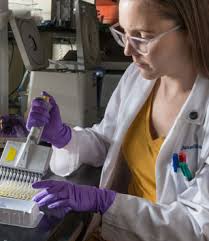
Ph.D. in Pathology
Doctor of Philosophy (Ph.D.) in Pathology is a rigorous 5-7 year research-focused doctoral program that prepares students for careers as leading experts in the study of disease. The curriculu...
Ph.D. in Pathology
×Doctor of Philosophy (Ph.D.) in Pathology is a rigorous 5-7 year research-focused doctoral program that prepares students for careers as leading experts in the study of disease. The curriculum covers advanced topics in anatomical, clinical, and molecular pathology, as well as research methods and biostatistics. Ph.D. candidates conduct original laboratory research and complete a doctoral dissertation that makes a significant contribution to the understanding of the causes, mechanisms, and diagnoses of human diseases. Graduates are equipped to work as pathologists, medical researchers, university professors, and consultants in hospitals, government agencies, and private biotechnology companies. The Ph.D. in Pathology provides students with the specialized expertise needed to advance the field of diagnostic medicine, develop new diagnostic tools and treatments, and improve patient outcomes.

Ph.D. in Molecular Biology
Ph.D. in Molecular Biology typically spans 4 - 6 years, encompassing advanced coursework, comprehensive exams, and original research. This program delves into the molecular mechanisms of biolo...
Ph.D. in Molecular Biology
×Ph.D. in Molecular Biology typically spans 4 - 6 years, encompassing advanced coursework, comprehensive exams, and original research. This program delves into the molecular mechanisms of biological processes, including DNA replication, gene expression, and protein synthesis. Students engage in hands-on laboratory work, utilizing techniques such as PCR, sequencing, and CRISPR to investigate cellular functions and disease mechanisms. Collaboration with interdisciplinary teams is common, fostering a broader understanding of the field. Graduates often pursue careers in academia, biotechnology, pharmaceuticals, or healthcare, contributing to advancements in genetic research, therapeutic development, and innovative biotechnological solutions.

Ph.D. in Medical Microbiology
A doctorate degree in medical microbiology, which focuses on research, normally takes approximately 4-6 years to finish. Advanced training in the study of microbes, their interactions with hos...
Ph.D. in Medical Microbiology
×A doctorate degree in medical microbiology, which focuses on research, normally takes approximately 4-6 years to finish. Advanced training in the study of microbes, their interactions with hosts, and their role in illness is offered by the program. Microbial pathogenesis, immunology, epidemiology, and laboratory procedures are among the subjects covered in the coursework. Students show their proficiency in a particular field of medical microbiology by conducting original research, publishing findings, and defending a dissertation. Graduates are equipped for jobs in public health, academia, pharmaceutical and biotech research, and other domains that need proficiency in the identification, management, and prevention of infectious illnesses.
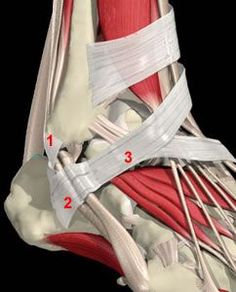
Ph.D. in Medical Anatomy
The average time to earn a Ph.D. i.e., doctoral degree,in medical anatomy is 4-6 years. With a focus on medical applications, the curriculum emphasizes the advanced study of the human bo...
Ph.D. in Medical Anatomy
×The average time to earn a Ph.D. i.e., doctoral degree,in medical anatomy is 4-6 years. With a focus on medical applications, the curriculum emphasizes the advanced study of the human body's structure and function. Gross anatomy, histology, embryology, and neuroanatomy are among the subjects covered in the coursework. In order to contribute something new to the area, students also carry out original research and finish a dissertation. Alumni of this degree frequently go on to work in specialized healthcare positions requiring in-depth anatomical knowledge, academia, or medical research.
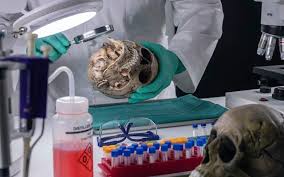
Ph.D. in Forensic Medicine
Ph.D. in Forensic Medicine is a research-based degree that focuses on applying medical expertise to legal investigations, particularly those involving criminal cases. The program typically lasts 3...
Ph.D. in Forensic Medicine
×Ph.D. in Forensic Medicine is a research-based degree that focuses on applying medical expertise to legal investigations, particularly those involving criminal cases. The program typically lasts 3 to 5 years and covers areas such as forensic pathology, toxicology, clinical forensic medicine, medical jurisprudence, and cause of death inquiry. Students carry out unique research to develop forensic techniques, assess injury patterns, and investigate the legal implications of medical discoveries. The curriculum consists of coursework in medical sciences, legislation, and research technique, culminating in a dissertation. Graduates frequently seek professions in academics, forensic research, criminal investigations, and as expert witnesses in court matters.

Ph.D. in Pharmacology
Ph.D. in Pharmacology is a research-based program that investigates pharmaceuticals, their effects on the human body, and therapeutic possibilities. The program typically lasts 3-5 years and c...
Ph.D. in Pharmacology
×Ph.D. in Pharmacology is a research-based program that investigates pharmaceuticals, their effects on the human body, and therapeutic possibilities. The program typically lasts 3-5 years and covers topics such as drug mechanisms, toxicology, pharmacokinetics, pharmacodynamics, and drug development. Students perform unique research to examine how medications interact with biological systems, focusing on the molecular and physiological impacts of diverse substances. The program comprises courses in biochemistry, physiology, and drug chemistry, as well as research methodology and a dissertation. Graduates frequently pursue positions in academic research, the pharmaceutical sector, regulatory agencies, and healthcare.
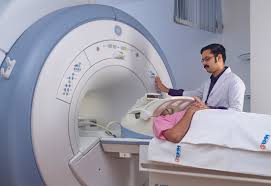
Ph.D. in Radio Diagnosis
Ph.D. in Radiodiagnosis is a research-oriented degree that enhances understanding of medical imaging techniques and their applications in identifying a variety of diseases and ailments. The curricu...
Ph.D. in Radio Diagnosis
×Ph.D. in Radiodiagnosis is a research-oriented degree that enhances understanding of medical imaging techniques and their applications in identifying a variety of diseases and ailments. The curriculum typically lasts 3 to 5 years and covers topics such as radiology, medical imaging technologies (CT, MRI, ultrasound, and X-rays), image processing, and diagnostic procedures. Students perform research to improve imaging procedures, increase diagnostic accuracy, and investigate new medical technology for better patient care. The program consists of coursework, research methods, and the production of a dissertation. Graduates of this degree frequently seek positions in academia, research, or advanced clinical responsibilities in medical institutions.

Ph.D. in Surgery
Ph.D. in Surgery is a research-intensive program that seeks to advance knowledge of surgical procedures, techniques, and innovations. Typically lasting 3 to 5 years, the curriculum entails extensiv...
Ph.D. in Surgery
×Ph.D. in Surgery is a research-intensive program that seeks to advance knowledge of surgical procedures, techniques, and innovations. Typically lasting 3 to 5 years, the curriculum entails extensive research in fields like as surgical anatomy, surgical pathology, minimally invasive surgery, transplant surgery, and the creation of novel medical technology. Students do both laboratory and clinical research to investigate surgery results, novel treatment options, and healthcare systems. The program culminates with a dissertation that advances surgical knowledge. Graduates frequently seek professions in academic research, teaching, surgical practice, and healthcare innovation.

Ph.D. in Molecular Medicine
Ph.D. in Molecular Medicine is a research-intensive program that focuses on the molecular and cellular mechanisms that underpin disease, with an emphasis on creating enhanced diagnostic, therapeuti...
Ph.D. in Molecular Medicine
×Ph.D. in Molecular Medicine is a research-intensive program that focuses on the molecular and cellular mechanisms that underpin disease, with an emphasis on creating enhanced diagnostic, therapeutic, and preventive measures. The program typically lasts 3-5 years and covers molecular biology, genetics, biochemistry, cell signaling, immunology, and drug development. Students conduct original research to investigate the molecular basis of diseases such as cancer, cardiovascular disorders, neurodegenerative diseases, and infectious diseases, with the goal of generating novel treatments such as gene therapies, targeted medications, and personalized medicine. Graduates frequently pursue professions in academia, pharmaceutical and biotechnology firms, medical research institutions, and healthcare. Admission typically requires a Master's degree in biomedical sciences, molecular biology, or a related discipline, as well as outstanding laboratory and research skills.

Ph.D. in Orthopaedics
Ph.D. in Orthopaedics is a specialized research degree focused on the study of musculoskeletal health, injury treatment, and orthopedic advancements. Typically completed in 3 to 5 years, this...
Ph.D. in Orthopaedics
×Ph.D. in Orthopaedics is a specialized research degree focused on the study of musculoskeletal health, injury treatment, and orthopedic advancements. Typically completed in 3 to 5 years, this program provides in-depth training in biomechanics, regenerative medicine, surgical techniques, and rehabilitation. Candidates undertake rigorous research, often working on projects to develop innovative treatments, improve surgical outcomes, and advance prosthetic and implant technologies. Graduates are equipped for careers in academic research, clinical development, and orthopedic innovation, aiming to improve patient mobility, reduce recovery times, and enhance the effectiveness of treatments for bone, joint, and muscle disorders.
4o

Ph.D. in Anesthesiology
Ph.D. in Anesthesiology is an advanced research-focused degree created for people who want to learn about anesthesia techniques, pain control, and patient safety during surgery. The course, which t...
Ph.D. in Anesthesiology
×Ph.D. in Anesthesiology is an advanced research-focused degree created for people who want to learn about anesthesia techniques, pain control, and patient safety during surgery. The course, which typically lasts 3-5 years, includes extensive training in anesthetic pharmacology, physiology, and clinical techniques, as well as the most recent research methodologies. Students concentrate on specialized projects, which frequently lead to novel approaches to anesthesia techniques and pain management solutions. Graduates from this program are prepared for jobs in academia, clinical research, or healthcare innovation, with an emphasis on enhancing anesthesia protocols, patient care standards, and surgical safety.

Ph.D. in Neonatology
Ph.D. in Neonatology is a specialized research-based program focused on the study of neonatal care, including the management of premature infants, birth defects, and developmental disorders. The co...
Ph.D. in Neonatology
×Ph.D. in Neonatology is a specialized research-based program focused on the study of neonatal care, including the management of premature infants, birth defects, and developmental disorders. The course typically spans 3 - 5 years, depending on the institution and research progress. It involves advanced coursework in neonatal physiology, pathophysiology, and critical care, combined with extensive research in areas like neonatal nutrition, respiratory disorders, and infection management. Students are trained in conducting independent research, publishing findings, and contributing to advancements in neonatal medicine. Graduates are prepared for academic, clinical, or research roles in healthcare institutions, universities, and medical organizations.