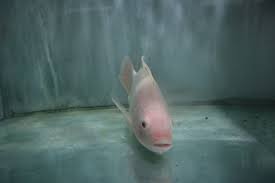
Ph.D. in Aquaculture typically spans 3 - 5 years and focuses on advanced studies in fish and shellfish production, aquatic ecosystem management, and sustainable practices. The program involves rigorous research methodologies, with an emphasis on breeding, nutrition, health management, and environmental impact assessments of aquaculture systems. Students may engage in field studies, laboratory experiments, and data analysis to address challenges in the industry. Coursework often includes subjects like aquatic biology, resource management, and biotechnology. Graduates are prepared for careers in academia, research, government agencies, and the private sector, contributing to the advancement of sustainable aquaculture practices.

Tamil Nadu Dr. J. Jayalalithaa Fisheries University
Tamil Nadu Dr. J. Jayalalithaa Fisheries University Admission Open
Ph.D. in Life Sciences
Ph.D. in Life Sciences is a research-intensive program that covers a wide range of biological disciplines, with a focus on understanding the basic mechanics of living organisms and ecosystems. The...
Ph.D. in Life Sciences
×Ph.D. in Life Sciences is a research-intensive program that covers a wide range of biological disciplines, with a focus on understanding the basic mechanics of living organisms and ecosystems. The program typically lasts 3-5 years and covers molecular biology, genetics, biochemistry, cell biology, microbiology, ecology, immunology, and biotechnology. Students do original research on areas such as disease processes, genetic engineering, environmental sustainability, medication development, and organism-environment interactions. Graduates of this degree frequently pursue positions in academia, research institutes, biotechnology, pharmaceuticals, and healthcare. Admission normally requires a Master's degree in biology or a related subject, as well as a solid understanding of research procedures and laboratory skills.

Ph.D. in Aquatic Animal Health Management
Ph.D. in Aquatic Animal Health Management investigates illnesses, infections, and health management strategies in aquatic animals such as fish, shellfish, and other marine organisms. The prog...
Ph.D. in Aquatic Animal Health Management
× Ph.D. in Aquatic Animal Health Management investigates illnesses, infections, and health management strategies in aquatic animals such as fish, shellfish, and other marine organisms. The program typically lasts 3 to 5 years and includes training in aquatic biology, microbiology, immunology, and veterinary sciences as well as extensive research. Students learn about disease diagnostics, epidemiology, biosecurity measures, sustainable aquaculture methods, and the effect of environmental factors on aquatic animal health. Emerging diseases, treatment options, and vaccine or pharmaceutical development are all possible topics of research. Graduates are equipped to work in academia, research institutes, aquaculture, and government organizations, helping to improve health management and disease prevention in aquatic animal populations.
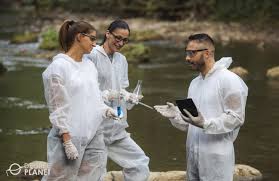
Ph.D. in Aquatic Environment Management
Ph.D. in Aquatic Environment Management focuses on the long-term management and protection of aquatic ecosystems, including freshwater and marine. The curriculum typically lasts 3 to 5 years...
Ph.D. in Aquatic Environment Management
× Ph.D. in Aquatic Environment Management focuses on the long-term management and protection of aquatic ecosystems, including freshwater and marine. The curriculum typically lasts 3 to 5 years and includes coursework in environmental science, ecology, water resource management, and environmental policy, as well as original research. Students learn about water quality management, aquatic biodiversity protection, the effects of climate change on aquatic systems, and how to use marine and freshwater resources sustainably. Pollution control measures, habitat restoration, and ecosystem services may all be developed through research. Graduates are equipped for positions in academia, government agencies, environmental non-governmental organizations (NGOs), or industries that deal with water resources and environmental protection.
Ph.D. in Fish Engineering
Ph.D. in Fish Engineering focuses on designing, developing, and optimizing technology for the fishing and aquaculture industries. The program, which typically lasts 3 to 5 years, includes tra...
Ph.D. in Fish Engineering
×Ph.D. in Fish Engineering focuses on designing, developing, and optimizing technology for the fishing and aquaculture industries. The program, which typically lasts 3 to 5 years, includes training in mechanical engineering, marine biology, aquatic systems, and environmental sustainability as well as extensive research. Students learn about fish harvesting techniques, sustainable fishing gear, aquaculture infrastructure, and automated fish processing. Research may also include the creation of environmentally friendly technologies for fish farms, underwater robotics, and fisheries operations. Graduates are qualified to work in academia, research institutions, fisheries engineering, or developing advanced technology for the aquaculture and fishing industries.
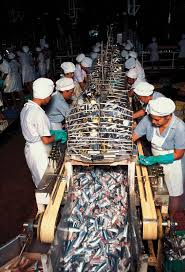
Ph.D. in Fish Processing Technology
Ph.D. in Fish Processing Technology examines the scientific and technological aspects of fish preservation, processing, and value-added products. The program typically lasts 3 to 5 years and integr...
Ph.D. in Fish Processing Technology
×Ph.D. in Fish Processing Technology examines the scientific and technological aspects of fish preservation, processing, and value-added products. The program typically lasts 3 to 5 years and integrates instruction in food science, biochemistry, microbiology, and aquaculture with original research. Students learn about fish preservation methods (freezing, drying, canning), processing processes, quality control, and the creation of novel products such as seafood-based functional foods. Research may also focus on sustainability in the fish processing business, waste management, and food safety. Graduates are prepared to work in academia, research institutions, the food industry, or government, contributing to advances in seafood production, processing, and technology.
Ph.D. in Fisheries Resource Management
Ph.D. in Fisheries Resource Management focuses on the sustainable management and conservation of fishery resources by combining ecological concepts with resource economics and policy. The pro...
Ph.D. in Fisheries Resource Management
× Ph.D. in Fisheries Resource Management focuses on the sustainable management and conservation of fishery resources by combining ecological concepts with resource economics and policy. The program typically lasts 3 to 5 years and includes instruction in aquatic ecology, marine biology, resource economics, and environmental management, as well as extensive research. Students study fish population dynamics, habitat management, fisheries conservation, and the effects of climate change on aquatic ecosystems. Research may include the development of sustainable fishing practices, fisheries policy, and biodiversity conservation. Graduates are equipped for positions in government agencies, research institutions, non-governmental organizations (NGOs), or the commercial sector that promote sustainable fisheries management and conservation.
Ph.D. in Fisheries Science
The average time to finish a Ph.D. in Fisheries Science is 4 - 6 years. Advanced coursework in subjects including fish biology, aquaculture, fisheries management, and marine ecology is p...
Ph.D. in Fisheries Science
×The average time to finish a Ph.D. in Fisheries Science is 4 - 6 years. Advanced coursework in subjects including fish biology, aquaculture, fisheries management, and marine ecology is part of the program. To add new information to the topic, students often work with business or government organizations to conduct original research. Graduates are prepared to work as professors, researchers, or policy consultants, using their knowledge to support conservation, sustainable fisheries management, and the creation of revolutionary aquaculture technology.
Ph.D. in Fish Nutrition and Feed Technology
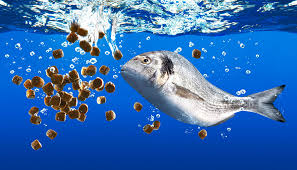
Ph.D. in Fish Nutrition and Feed Technology typically spans 3 - 5 years, focusing on the nutritional requirements of fish and the formulation of high-quality feeds. This program combines theor...
Ph.D. in Fish Nutrition and Feed Technology
×Ph.D. in Fish Nutrition and Feed Technology typically spans 3 - 5 years, focusing on the nutritional requirements of fish and the formulation of high-quality feeds. This program combines theoretical knowledge with practical research, emphasizing topics such as feed formulation, ingredient utilization, nutrient bioavailability, and the impact of diet on fish health and growth performance. Students engage in laboratory work, field studies, and experimental design to assess feed efficiency and sustainability. Graduates are prepared for careers in aquaculture, research institutions, and the feed industry, contributing to advancements in sustainable fish farming and nutritional science.
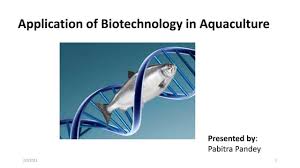
Ph.D. in Fish Biotechnology
A Ph.D. in Fish Biotechnology is typically a 4-6 year program that provides advanced training in the application of biotechnological principles and techniques to the study and enhancement of aquati...
Ph.D. in Fish Biotechnology
×A Ph.D. in Fish Biotechnology is typically a 4-6 year program that provides advanced training in the application of biotechnological principles and techniques to the study and enhancement of aquatic organisms, particularly fish. Fish genetics, genomics, reproductive biology, nutrition, disease control, and the creation of novel aquaculture techniques are among the subjects covered in the program. To advance scientific knowledge of fish biology and the use of biotechnology to enhance fish production, health, and conservation, students carry out unique research, frequently in cooperation with research institutes, governmental organizations, or business partners. The program's graduates are equipped for jobs in government fisheries management, academia, aquaculture research and development, environmental consultancy, and the aquatic biotechnology sector. They can solve problems by using their knowledge of fish biotechnology.
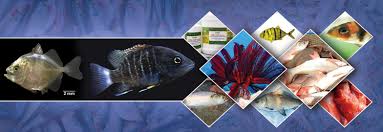
Ph.D. in Fisheries Extension
A Ph.D. in Fisheries Extension is typically a 4-6 year program that provides advanced training in the application of fisheries science, management, and community engagement to improve the livelihoo...
Ph.D. in Fisheries Extension
×A Ph.D. in Fisheries Extension is typically a 4-6 year program that provides advanced training in the application of fisheries science, management, and community engagement to improve the livelihoods and sustainability of small-scale and artisanal fishing communities. Aquaculture, post-harvest technologies, fisheries policy, community-based resource management, and the fusion of contemporary scientific methods with traditional ecological knowledge are among the subjects covered in the program. In order to advance scholarly knowledge of issues and innovations in fields such as value chain development, climate change adaptation, fisher empowerment, and the creation of inclusive, participatory fisheries extension programs, students frequently work with government agencies, non-profit organizations, or fishing cooperatives to conduct original research. Graduates of this program are equipped for leadership positions in international development organizations, academia, fisheries extension services, and community-based resource management initiatives, where they can apply their expertise to enhance the food security, incomes, and resilience of coastal and inland fishing communities.
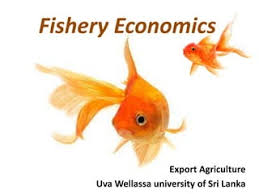
Ph.D. in Fisheries Economics
A Ph.D. in Fisheries Economics is typically a 4-6 year program that provides advanced training in the application of economic principles and analytical tools to the management and sustainability of...
Ph.D. in Fisheries Economics
×A Ph.D. in Fisheries Economics is typically a 4-6 year program that provides advanced training in the application of economic principles and analytical tools to the management and sustainability of fisheries and aquaculture resources. Resource economics, market analysis, policy formation, environmental economics, and the incorporation of socioeconomic considerations into fisheries management are among the subjects covered in the curriculum. In order to advance scholarly knowledge of issues and innovations in fields such as catch share programs, seafood trade, aquaculture development, and the economic valuation of ecosystem services, students often collaborate with government agencies, non-profit organizations, or industry partners to conduct original research. The program's graduates are equipped for leadership positions in the seafood sector, international development organizations, fisheries management agencies, academic institutions, and environmental consulting firms.
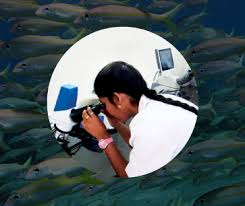
Ph.D. in Fish Pharmacology
Ph.D. in Fish Pharmacology is a research-based program that focuses on the study of drug actions, interactions, and therapeutics specific to fish and aquatic organisms. The program typically lasts...
Ph.D. in Fish Pharmacology
×Ph.D. in Fish Pharmacology is a research-based program that focuses on the study of drug actions, interactions, and therapeutics specific to fish and aquatic organisms. The program typically lasts 3-5 years and includes coursework in pharmacology, toxicology, aquatic biology, and veterinary medicine, followed by original research. Candidates explore topics such as the pharmacokinetics of aquatic drugs, the development of treatments for fish diseases, the impact of environmental factors on drug efficacy, and sustainable aquaculture practices. Graduates contribute to advancing the science of fish health, improving fish farming techniques, and enhancing environmental sustainability in aquaculture industries.
4o mini
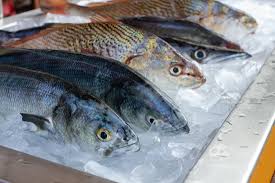
Ph.D. in Fish Toxicology
Fish Toxicology is a specialized research program that investigates hazardous chemicals and their effects on fish and aquatic ecosystems. The program typically lasts 3-5 years and involves instruct...
Ph.D. in Fish Toxicology
×Fish Toxicology is a specialized research program that investigates hazardous chemicals and their effects on fish and aquatic ecosystems. The program typically lasts 3-5 years and involves instruction in toxicology, environmental science, aquatic biology, and biochemistry, followed by original research. Candidates investigate the effects of contaminants (heavy metals, pesticides, and plastics) on fish health, behavior, and reproduction, as well as bioaccumulation and the environmental dangers of harmful compounds in aquatic environments. Graduates frequently work in environmental research, aquaculture, conservation organizations, or regulatory authorities, helping to promote sustainable practices and safeguard aquatic life.
POPULAR COURSES
(D.ED(TCH))
A.N.M.
Acharya - Navyavyakarna
Acharya - Phalita Jyotisha
Acharya - Sanskrit Sahitya
Acharya - Siddhanta Jyotisha
Adobe Photoshop
Advance Certificate Course in Beauty Therapy
Advance Certificate Course in Cosmetology
Advance Certificate Course in Hair Dressing
Advance Certificate Course in Makeup Artistry
Advance certificate Course in Nail Technology
Advance Diploma in Anesthesia Technology
Advance Diploma In Child Guidance And Counselling
Advance Diploma in Dialysis Technology
Advance Diploma in Disciples India
Advance Diploma in Fashion Design & Technology
Advance Diploma in Industrial Safety
Advance Diploma In Insurance Sales
Advance Diploma in Interior Designing
Advance Diploma in Journalism & Mass Communication
Advance Diploma in Medical Lab Technology
Advance Diploma in Operation Theatre Technology
Advance Diploma in Radiology & Imaging Technology
Advance Diploma of Proficiency in French
Advance Diploma of Proficiency in German
Advance Diploma of Proficiency in Russian
Advanced Certificate in Medical Microbiology Laboratory Technology (ACMMLT)
Advanced Certified Software Developer
Advanced Diploma in 3D Printing Technology
Advanced Diploma in Animation
Advanced Diploma in Aviation, Hospitality and Tourism
Advanced Diploma in Computer Application
Advanced Diploma in Computer Software, System Analysis & Application
Advanced Diploma in Data Science
Advanced Diploma in Hardware And Networking
Advanced Diploma in Information Technology
Advanced Diploma in Machine Learning
Advanced Diploma in Multimedia Programming
Advanced Diploma in Networking
Advanced Diploma in Sound Recording Technology
Advanced Diploma in Textile Design
Advanced Diploma in Vastu and Jyotish
Agriculture & Allied Services
Agriculture & Horticulture
Agriculture & Live Stock Production
Agriculture Technology
AHDP Diploma In Animal Husbandry Program
Arogyamitra
Artificial Intelligence And Machine Learning
Automobile Technology
B,Com. in Computer Application
B. Sc. Hons. in Anaesthesia & Operation Theatre Technology
B. Sc. Hons. in Emergency Medical Technology
B. Sc. Hons.in Medical Laboratory Technology
B. Sc. in Hospitality and Tourism Management
B. Tech. in Fisheries Engineering
B. Tech. in Leather technology
B.A. General
B.A. B.Ed.
Popular Stream
State
Andaman and Nicobar Island (UT)
Andaman and Nicobar Islands
Andhra Pradesh
Arunachal Pradesh
Assam
Bihar
Chandigarh
Chandigarh (UT)
Chhattisgarh
Dadra and Nagar
Dadra and Nagar Haveli
Dadra and Nagar Haveli (UT)
Daman and Diu
Daman and Diu (UT)
Delhi
Delhi (NCT)
Donets'k
Goa
Gujarat
Gujarat
Haryana
Himachal Pradesh
Jammu and Kashmir
Jammu and Kashmir(UT)
Jharkhand
jjj
Karnataka
Kerala
Ladakh(UT)
Lakshadweep
LAKSHADWEEP (UT)
Madhya Pradesh
Maharashtra
Manipur
Meghalaya
Mizoram
Nagaland
Niigata
Odisha
Puducherry