
A Ph.D. in Biochemistry normally takes 4-6 years to complete, with a concentration on the chemical processes found within and related to living organisms. This advanced degree needs intensive laboratory research, data analysis, and the creation of a unique thesis. Students analyze molecular biology, enzymology, and cellular metabolism. The program often involves coursework, teaching assistantships, and the publication of research publications. Graduates have the ability to pursue careers in academia, pharmaceutical research, biotechnology, and allied fields. The doctoral program develops critical thinking, problem-solving abilities, and the ability to design and conduct autonomous research, resulting in important contributions to the field of biochemistry and related life sciences.
Tamil Nadu Dr. M.G.R. Medical University
Tamil Nadu Dr. M.G.R. Medical University Admission Open

Ph.D. in Microbiology
Ph.D. in Microbiology usually takes 4-6 years to complete which involves extensive research on microorganisms, their interactions, and their impact on various ecosystems. The academic program inclu...
Ph.D. in Microbiology
×Ph.D. in Microbiology usually takes 4-6 years to complete which involves extensive research on microorganisms, their interactions, and their impact on various ecosystems. The academic program includes advanced coursework, laboratory research, and a dissertation. Students research bacterial genetics, virology, immunology, and microbial ecology. They acquire experts in cutting-edge procedures such as gene sequencing, bioinformatics, and microscopy. This degree prepares graduates for professions in academia, biotechnology, pharmaceuticals, and public health, granting them the skills they need to address global issues such as antibiotic resistance and new infectious diseases.

Ph.D. in Nursing
The Doctor of Philosophy (Ph.D.) in Nursing is the highest academic degree in the nursing sector, taking around 4-5 years to complete. This research-focused curriculum develops nurses to work in ac...
Ph.D. in Nursing
×The Doctor of Philosophy (Ph.D.) in Nursing is the highest academic degree in the nursing sector, taking around 4-5 years to complete. This research-focused curriculum develops nurses to work in academia, research, and advanced clinical practice. Nursing theory, research methodologies, statistics, and a specialized area of study are all encompassed in the coursework. Ph.D. candidates prepare an original dissertation that provides new information to the nursing field. Graduates of Ph.D. in Nursing schools are prepared to conduct nursing research, shape healthcare policy, educate future nurses, and drive clinical innovation. The degree qualifies for professions such as nurse scientist, professor, head of nursing research, and chief nursing officer.

Ph.D. in Radiology & Imaging Technology
The Doctor of Philosophy (Ph.D.) in Radiology & Imaging Technology is a rigorous 4-5 year research-focused doctoral program designed to nurture the next generation of medical imaging scientists...
Ph.D. in Radiology & Imaging Technology
×The Doctor of Philosophy (Ph.D.) in Radiology & Imaging Technology is a rigorous 4-5 year research-focused doctoral program designed to nurture the next generation of medical imaging scientists and technologists. The academic program includes complex topics in radiological physics, imaging modalities, image processing, and biomedical informatics. Ph.D. applicants do unique research, which culminates in the submission of a doctoral dissertation that contributes significantly to the area. Graduates have the knowledge to work as radiological scientists, medical imaging researchers, university instructors, and R&D professionals in hospitals, government organizations, and the commercial sector. The degree equips students with highly specialized technical knowledge and research abilities to drive innovation in diagnostic and therapeutic imaging applications.
Ph.D. in Pathology
Doctor of Philosophy (Ph.D.) in Pathology is a rigorous 5-7 year research-focused doctoral program that prepares students for careers as leading experts in the study of disease. The curriculu...
Ph.D. in Pathology
×Doctor of Philosophy (Ph.D.) in Pathology is a rigorous 5-7 year research-focused doctoral program that prepares students for careers as leading experts in the study of disease. The curriculum covers advanced topics in anatomical, clinical, and molecular pathology, as well as research methods and biostatistics. Ph.D. candidates conduct original laboratory research and complete a doctoral dissertation that makes a significant contribution to the understanding of the causes, mechanisms, and diagnoses of human diseases. Graduates are equipped to work as pathologists, medical researchers, university professors, and consultants in hospitals, government agencies, and private biotechnology companies. The Ph.D. in Pathology provides students with the specialized expertise needed to advance the field of diagnostic medicine, develop new diagnostic tools and treatments, and improve patient outcomes.

Ph.D. in Physiotherapy
Doctor of Philosophy (Ph.D.) in Physiotherapy is a challenging 4-6 year research-focused doctoral program that develops students to become physical therapy leaders. The curriculum emphasizes advanc...
Ph.D. in Physiotherapy
×Doctor of Philosophy (Ph.D.) in Physiotherapy is a challenging 4-6 year research-focused doctoral program that develops students to become physical therapy leaders. The curriculum emphasizes advanced topics such as musculoskeletal biomechanics, neurophysiology, exercise physiology, and research methods. Ph.D. candidates perform distinctive laboratory and clinical research, culminating in the submission of a doctoral dissertation that contributes significantly to our understanding of human mobility, injury prevention, and rehabilitation. Graduates have the opportunity to work as physiotherapist researchers, university professors, consultants, and policymakers in hospitals, private clinics, government organizations, and academic settings. The Ph.D. in Physiotherapy program equips students with the specific knowledge required to advance the science of physical therapy and improve patient outcomes.

Ph.D. in Pharmacy
Doctor of Philosophy (Ph.D.) in Pharmaceutics is a rigorous 5-7 year research-focused doctoral program that provides students to serve as leading specialists in the development and improvemen...
Ph.D. in Pharmacy
×Doctor of Philosophy (Ph.D.) in Pharmaceutics is a rigorous 5-7 year research-focused doctoral program that provides students to serve as leading specialists in the development and improvement of drug delivery systems. The program includes advanced topics in pharmaceutical sciences such as pharmacokinetics, medication development, manufacturing methods, and regulatory issues. Ph.D. candidates perform original laboratory and clinical research, culminating in the submission of a doctoral dissertation which contributes significantly to the field of pharmaceutics. Graduates have been trained for positions as pharmaceutical scientists, university instructors, regulatory advisors, and R&D professionals in the pharmaceutical business. The Ph.D. in Pharmaceutics program equips students with the specific knowledge required to revolutionize drug delivery methods, improve patient outcomes, and impact the future of pharmaceutical product development.

Ph.D. in Oral Pathology And Microbiology
Ph.D. in Oral Pathology and Microbiology normally takes 3-5 years to complete, depending on the institution and research objectives. This postgraduate degree program focuses on disorders of the ora...
Ph.D. in Oral Pathology And Microbiology
×Ph.D. in Oral Pathology and Microbiology normally takes 3-5 years to complete, depending on the institution and research objectives. This postgraduate degree program focuses on disorders of the oral cavity, jaw, and adjacent structures, as well as the bacteria that cause these conditions. Students conduct substantial research, lab work, and clinical observations. The program includes topics such as oral histology, immunology, molecular biology, and sophisticated diagnostic procedures. Candidates are expected to do original research, publish in peer-reviewed publications, and defend their dissertations. This degree equips graduates to work in academia, research institutes, or specialized clinical practice, helping to enhance oral health diagnostics and treatments.

Ph.D. in Periodontology
Ph.D. in Periodontology is an advanced doctoral program typically lasting 3-5 years, focusing on the study and treatment of periodontal diseases and oral health. This research-intensive degree comb...
Ph.D. in Periodontology
×Ph.D. in Periodontology is an advanced doctoral program typically lasting 3-5 years, focusing on the study and treatment of periodontal diseases and oral health. This research-intensive degree combines clinical training with in-depth scientific investigation, preparing graduates for academic, research, or specialized clinical roles. Students engage in advanced coursework, conduct original research, and often participate in teaching. The curriculum covers topics such as periodontal pathology, regenerative techniques, implantology, and evidence-based dentistry. Candidates usually need a dental degree and may require specialty training in periodontology. Upon completion, graduates are equipped to contribute to the field through research, education, and advanced clinical practice.

Ph.D. in Medical Genetics
A doctorate in medical genetics normally takes 4-6 years to finish. Advanced research and study on the genetic foundations of human health and illness are the program's main areas of conce...
Ph.D. in Medical Genetics
×A doctorate in medical genetics normally takes 4-6 years to finish. Advanced research and study on the genetic foundations of human health and illness are the program's main areas of concentration. Clinical genetics, genomics, bioinformatics, and molecular genetics are among the subjects covered in the program. Students finish a unique research dissertation that advances the field's understanding. Graduates are equipped for professions in genetic counseling, biotechnology, medical research, and academia. The Ph.D. offers extensive proficiency in the use of genomic and genetic methods to comprehend, identify, and treat complicated diseases and inherited disorders.

Ph.D. in. Anaesthesiology
Gaining proficiency in anesthesia, pain management, and critical care is the goal of an advanced research-focused Ph.D. program in anesthesiology. The course, which usually lasts 3-5 years, in...
Ph.D. in. Anaesthesiology
×Gaining proficiency in anesthesia, pain management, and critical care is the goal of an advanced research-focused Ph.D. program in anesthesiology. The course, which usually lasts 3-5 years, includes in-depth study of physiology, pharmacology, anesthesia methods, and patient safety. Anaesthetic medications, sophisticated monitoring systems, and control of perioperative hazards are just a few of topics that students investigate in their unique research. Graduates of program are prepared for positions in clinical practice, academic research, or leadership in healthcare organizations. A medical degree (MBBS or equivalent) and anesthesiology experience are typically requirements for applicants. Goal is to advance the field's theoretical understanding as well as its practical applications.

Ph.D. in Obstetrics & Gynaecology
Ph.D. in Obstetrics & Gynaecology is a research-based program that aims to further knowledge of women's health, including pregnancy, delivery, and reproductive system problems. The program...
Ph.D. in Obstetrics & Gynaecology
×Ph.D. in Obstetrics & Gynaecology is a research-based program that aims to further knowledge of women's health, including pregnancy, delivery, and reproductive system problems. The program typically lasts 3 to 5 years and covers topics such as maternal-fetal medicine, reproductive endocrinology, gynecological oncology, fertility treatments, and obstetric problems. Students conduct clinical and laboratory-based research to improve healthcare practices, create new medicines, and address issues in women's health. The program includes medical science courses, research methodology, and a dissertation based on unique research. Graduates frequently pursue professions in academic research, healthcare facilities, and medical practice.

Ph.D. in Pediatrics
Ph.D. in Pediatrics is a research-oriented degree that investigates children's health, growth, development, and diseases. The program typically lasts 3-5 years and covers areas such as ped...
Ph.D. in Pediatrics
×Ph.D. in Pediatrics is a research-oriented degree that investigates children's health, growth, development, and diseases. The program typically lasts 3-5 years and covers areas such as pediatric endocrinology, pediatric infectious illnesses, child development, pediatric nutrition, and child psychology. Students do clinical and laboratory research aimed at enhancing pediatric care, creating new treatments for childhood disorders, and understanding children's particular health requirements. The program requires coursework, research methods, and a dissertation. Graduates frequently pursue positions in academic research, pediatric medicine, healthcare institutions, and public health groups.

Ph.D. in Pharmacology
Ph.D. in Pharmacology is a research-based program that investigates pharmaceuticals, their effects on the human body, and therapeutic possibilities. The program typically lasts 3-5 years and c...
Ph.D. in Pharmacology
×Ph.D. in Pharmacology is a research-based program that investigates pharmaceuticals, their effects on the human body, and therapeutic possibilities. The program typically lasts 3-5 years and covers topics such as drug mechanisms, toxicology, pharmacokinetics, pharmacodynamics, and drug development. Students perform unique research to examine how medications interact with biological systems, focusing on the molecular and physiological impacts of diverse substances. The program comprises courses in biochemistry, physiology, and drug chemistry, as well as research methodology and a dissertation. Graduates frequently pursue positions in academic research, the pharmaceutical sector, regulatory agencies, and healthcare.

Ph.D. in Plastic and Reconstructive Surgery
Ph.D. in Plastic and Reconstructive Surgery is a research-oriented program that aims to further knowledge in the field of surgical techniques and innovations for form and function restoration. The...
Ph.D. in Plastic and Reconstructive Surgery
×Ph.D. in Plastic and Reconstructive Surgery is a research-oriented program that aims to further knowledge in the field of surgical techniques and innovations for form and function restoration. The program typically lasts 3 to 5 years and covers topics such as tissue engineering, reconstructive procedures, aesthetic surgery, microsurgery, and the treatment of congenital and acquired abnormalities. Students do clinical and laboratory-based research to investigate new surgical techniques, enhance patient outcomes, and treat difficult medical illnesses. The program requires coursework, research methods, and a dissertation. Graduates frequently pursue professions in academic research, teaching, or leadership positions in medical institutes and healthcare organizations.

Ph.D. in Psychiatry
Ph.D. in Psychiatry is a research-intensive program that focuses on the scientific study of mental health disorders, their causes, and treatments. Typically lasting 3 to 5 years, the program covers...
Ph.D. in Psychiatry
×Ph.D. in Psychiatry is a research-intensive program that focuses on the scientific study of mental health disorders, their causes, and treatments. Typically lasting 3 to 5 years, the program covers topics such as neurobiology, psychopharmacology, clinical psychology, mental health assessment, and therapeutic interventions. Students engage in research to explore the biological, psychological, and social factors influencing mental illness, as well as the development of innovative treatments. The program includes coursework, research methodology, clinical training, and culminates in a dissertation. Graduates often pursue careers in academic research, clinical practice, or psychiatric healthcare institutions, contributing to the advancement of mental health care.

Ph.D. in Surgery
Ph.D. in Surgery is a research-intensive program that seeks to advance knowledge of surgical procedures, techniques, and innovations. Typically lasting 3 to 5 years, the curriculum entails extensiv...
Ph.D. in Surgery
×Ph.D. in Surgery is a research-intensive program that seeks to advance knowledge of surgical procedures, techniques, and innovations. Typically lasting 3 to 5 years, the curriculum entails extensive research in fields like as surgical anatomy, surgical pathology, minimally invasive surgery, transplant surgery, and the creation of novel medical technology. Students do both laboratory and clinical research to investigate surgery results, novel treatment options, and healthcare systems. The program culminates with a dissertation that advances surgical knowledge. Graduates frequently seek professions in academic research, teaching, surgical practice, and healthcare innovation.
Ph.D. in Anatomy
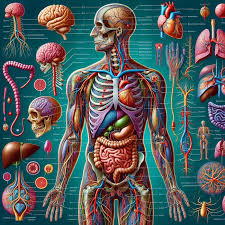
Ph.D. in Anatomy is a specialized research degree that examines the structure of the human body and its many systems. The program typically lasts 3 to 5 years and includes extensive training in sub...
Ph.D. in Anatomy
×Ph.D. in Anatomy is a specialized research degree that examines the structure of the human body and its many systems. The program typically lasts 3 to 5 years and includes extensive training in subjects including as histology, neuroanatomy, developmental biology, and functional anatomy. Students do laboratory-based research, employing tools such as microscopy and molecular biology to investigate the complexity of tissue structure and organ function. The curriculum culminates in a dissertation that advances knowledge in the field. Graduates pursue positions in academia, medical education, research institutions, and the healthcare industry.

Ph.D. in Community Medicine
Ph.D. in Community Medicine is a research-based program that provides students with advanced knowledge of public health, epidemiology, and social medicine. The program, which usually lasts 3 to 5 y...
Ph.D. in Community Medicine
×Ph.D. in Community Medicine is a research-based program that provides students with advanced knowledge of public health, epidemiology, and social medicine. The program, which usually lasts 3 to 5 years, covers topics like health policy, preventive medicine, global health, healthcare management, and environmental health. Students do both academic coursework and practical research, with the goal of improving community health outcomes. The dissertation is an important component of the program, as it addresses real-world public health challenges. Graduates frequently pursue positions in academia, healthcare leadership, government or non-government organizations, and public health research.
Ph.D. in Physiology
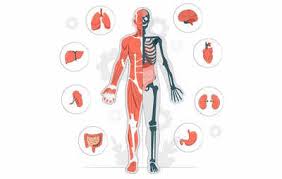
Ph.D. in Physiology is an advanced research-focused degree that normally lasts 3-5 years. It entails a thorough examination of biological systems, with emphasis on functions such as cellular p...
Ph.D. in Physiology
×Ph.D. in Physiology is an advanced research-focused degree that normally lasts 3-5 years. It entails a thorough examination of biological systems, with emphasis on functions such as cellular processes, organ systems, and homeostasis. Students study neurophysiology, cardiovascular physiology, endocrinology, and exercise physiology. The program consists of demanding coursework, thorough tests, and original research, culminating in a dissertation. This degree prepares students for positions in academia, healthcare, pharmaceuticals, and research institutions. A Ph.D. in Physiology focuses on developing critical thinking, experimental abilities, and a thorough grasp of the systems that control bodily functioning.
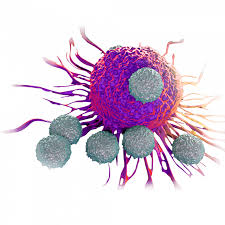
Ph.D. in Cellular Oncology
Ph.D. in Cellular Oncology is a research-focused program dedicated to understanding the cellular mechanisms involved in cancer development, progression, and metastasis. Typically l...
Ph.D. in Cellular Oncology
×Ph.D. in Cellular Oncology is a research-focused program dedicated to understanding the cellular mechanisms involved in cancer development, progression, and metastasis. Typically lasting 3-5 years, the program covers areas such as cell signaling, cancer cell biology, tumor microenvironment, cell cycle regulation, apoptosis, and the genetic and epigenetic factors contributing to cancer. Students engage in original research to investigate how cancer cells evade normal growth control, develop resistance to therapies, and interact with their environment. The program also explores cutting-edge topics like cancer stem cells, immuno-oncology, and personalized cancer therapies. Graduates of the program often pursue careers in academia, pharmaceutical and biotechnology industries, cancer research institutes, or clinical research in oncology. Admission generally requires a Master's degree in cell biology, molecular biology, or a related field, with strong research experience in cancer biology and laboratory techniques.
4o mini

Ph.D. in Molecular Oncology
Ph.D. in Molecular Oncology is a specialized research program that aims to better understand the molecular pathways that drive cancer genesis, progression, and treatment. The curriculum, which typi...
Ph.D. in Molecular Oncology
×Ph.D. in Molecular Oncology is a specialized research program that aims to better understand the molecular pathways that drive cancer genesis, progression, and treatment. The curriculum, which typically lasts 3-5 years, includes molecular biology, genetics, biochemistry, and oncology, with a particular emphasis on tumor biology, cancer genomics, signaling pathways, and therapeutic targets. Students do unique research to investigate genetic and epigenetic changes in cancer cells, cancer immunotherapy, targeted medication development, and the tumor microenvironment. Graduates frequently pursue positions in academia, the pharmaceutical and biotechnology businesses, medical research institutes, and oncology clinical trials. Admission normally requires a Master's degree in molecular biology, biochemistry, or a similar discipline, as well as a solid understanding of cancer biology and research methods.
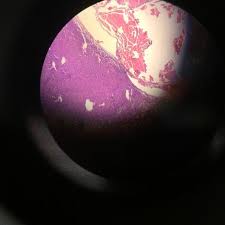
Ph.D. in Medical Physics
Ph.D. in Medical Physics typically takes 4-6 years to complete, building upon a strong foundation in physics, mathematics, and biology. This interdisciplinary program combines principles of physics...
Ph.D. in Medical Physics
×Ph.D. in Medical Physics typically takes 4-6 years to complete, building upon a strong foundation in physics, mathematics, and biology. This interdisciplinary program combines principles of physics with medical applications, preparing students for careers in healthcare, research, and academia. Coursework covers topics such as radiation therapy, diagnostic imaging, nuclear medicine, and health physics. Students engage in advanced research, often collaborating with hospitals and medical centers to develop innovative medical technologies. The curriculum includes hands-on clinical experience, laboratory work, and a doctoral dissertation. Graduates are equipped to contribute to cutting-edge medical treatments, improve diagnostic techniques, and enhance patient care through the application of physics in medicine.

Ph.D. in Siddha Medicine
Ph.D. in Siddha Medicine is a research-based program that focuses on the traditional healing system of Siddha, which originated in Tamil Nadu, India. The course typically spans 3 - 5 years, of...
Ph.D. in Siddha Medicine
×Ph.D. in Siddha Medicine is a research-based program that focuses on the traditional healing system of Siddha, which originated in Tamil Nadu, India. The course typically spans 3 - 5 years, offering an in-depth study of the Siddha system, including its diagnostic methods, treatments, medicinal plants, and pharmacology. Candidates conduct original research to contribute to the development of Siddha medicine, with a focus on both ancient texts and modern scientific methods. The program also includes training in clinical practices, therapeutic techniques, and drug formulation, aiming to blend traditional knowledge with contemporary healthcare practices.

Ph.D. in Orthopaedics
Ph.D. in Orthopaedics is a specialized research degree focused on the study of musculoskeletal health, injury treatment, and orthopedic advancements. Typically completed in 3 to 5 years, this...
Ph.D. in Orthopaedics
×Ph.D. in Orthopaedics is a specialized research degree focused on the study of musculoskeletal health, injury treatment, and orthopedic advancements. Typically completed in 3 to 5 years, this program provides in-depth training in biomechanics, regenerative medicine, surgical techniques, and rehabilitation. Candidates undertake rigorous research, often working on projects to develop innovative treatments, improve surgical outcomes, and advance prosthetic and implant technologies. Graduates are equipped for careers in academic research, clinical development, and orthopedic innovation, aiming to improve patient mobility, reduce recovery times, and enhance the effectiveness of treatments for bone, joint, and muscle disorders.
4o

Ph.D. in General Medicine
Ph.D. in General Medicine is an advanced research degree that focuses on discovering and expanding knowledge in internal medicine, diagnostics, and patient care for a variety of medical disorders....
Ph.D. in General Medicine
×Ph.D. in General Medicine is an advanced research degree that focuses on discovering and expanding knowledge in internal medicine, diagnostics, and patient care for a variety of medical disorders. The curriculum typically lasts 3-5 years and includes extensive training in research methodology, clinical trials, and in-depth study of fields such as cardiology, endocrinology, infectious diseases, and others. Students perform original research, which frequently seeks to improve diagnostic tools, treatment regimens, and healthcare outcomes. Graduates are well-prepared to work in academic research, clinical practice development, and healthcare leadership, helping to promote medical knowledge and patient-centered treatment.

Ph.D. in Prosthodontics and Crown and Bridge
PhD in Prosthodontics and Crown and Bridge focuses on the restoration and replacement of teeth using modern dental prosthetics such as crowns, bridges, dentures, and implants. The program, wh...
Ph.D. in Prosthodontics and Crown and Bridge
×PhD in Prosthodontics and Crown and Bridge focuses on the restoration and replacement of teeth using modern dental prosthetics such as crowns, bridges, dentures, and implants. The program, which typically lasts 3 to 5 years, includes instruction in dental materials, occlusion, biomaterials, and clinical procedures as well as intensive restorative dentistry research. Students learn about the design and production of fixed and detachable prostheses, implantology, and advances in prosthetic technology. Graduates are prepared to work in academia, clinical practice, and research, helping to promote prosthodontic practices, improve patient outcomes, and create new materials and technology for dental restoration.
Ph.D. in Public Health Dentistry
Ph.D. in Public Health Dentistry focuses on improving oral health at the community and population levels by combining dental care with public health methods. The curriculum typically lasts 3 to 5 y...
Ph.D. in Public Health Dentistry
×Ph.D. in Public Health Dentistry focuses on improving oral health at the community and population levels by combining dental care with public health methods. The curriculum typically lasts 3 to 5 years and includes courses in epidemiology, health policy, oral preventive, and community-based research, as well as significant fieldwork. Students investigate oral health inequities, dental disease prevention, health promotion, and the role of dentistry in public health systems. Graduates are equipped for careers in academia, research institutes, public health organizations, and government agencies, where they can help establish policies, programs, and strategies to enhance oral health at the population level.
Ph.D. in Oral Medicine and Radiology
Ph.D. in Oral Medicine and Radiology focuses on the diagnosis and treatment of oral disorders, with a particular emphasis on the use of radiographic techniques for diagnosis and planning. The...
Ph.D. in Oral Medicine and Radiology
× Ph.D. in Oral Medicine and Radiology focuses on the diagnosis and treatment of oral disorders, with a particular emphasis on the use of radiographic techniques for diagnosis and planning. The program typically lasts 3 to 5 years and includes courses in oral pathology, radiographic imaging, clinical medicine, and diagnostic procedures, as well as original research. Students learn about medical picture interpretation, modern diagnostic tools, and how to address problems such as oral cancer, TMJ disorders, and systemic diseases with oral symptoms. Graduates are well-prepared for positions in academia, clinical practice, and research, where they can help enhance diagnostic imaging and oral healthcare.
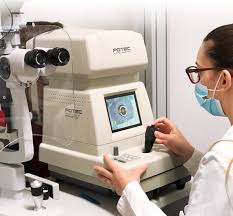
Ph.D. in Ophthalmology
Ph.D. in Ophthalmology is a specialized research-based program that focuses on the study of eye diseases, disorders, and treatments. The course typically spans &nbs...
Ph.D. in Ophthalmology
×Ph.D. in Ophthalmology is a specialized research-based program that focuses on the study of eye diseases, disorders, and treatments. The course typically spans 3 -5 years and involves in-depth research, clinical training, and academic coursework. Students engage in advanced studies in areas such as ocular surgery, vision science, retinal diseases, corneal disorders, and neuro-ophthalmology. The program prepares candidates for careers in academic research, clinical practice, and medical innovation. Applicants must hold a medical degree (MBBS or equivalent), and the program often culminates in a doctoral thesis based on original research in the field of ophthalmology.

Ph.D. in Otorhinolaryngology
Ph.D. in Otorhinolaryngology (ENT) is a specialized research-focused program that typically lasts 3 -5 years, depending on the country and institution. It aims to deepen knowledge in areas such as...
Ph.D. in Otorhinolaryngology
×Ph.D. in Otorhinolaryngology (ENT) is a specialized research-focused program that typically lasts 3 -5 years, depending on the country and institution. It aims to deepen knowledge in areas such as hearing disorders, voice and speech issues, and diseases affecting the ears, nose, and throat. Students engage in advanced clinical research, exploring topics like surgical techniques, diagnostic methods, and treatment innovations. The program includes coursework in anatomy, pathology, and audiology, along with significant hands-on clinical training. Graduates contribute to advancements in medical treatments, therapies, and surgical interventions within the field of Otorhinolaryngology.

Ph.D. in Biostatistics
The median length of time required to finish a Ph.D. in biostatistics is 4 - 6 years. It entails comprehensive training in the use of statistical techniques in biological and medical research....
Ph.D. in Biostatistics
×The median length of time required to finish a Ph.D. in biostatistics is 4 - 6 years. It entails comprehensive training in the use of statistical techniques in biological and medical research. Probability theory, statistical inference, survival analysis, and mathematical biology are among the subjects covered in the coursework. An independently conducted dissertation that significantly advances the subject of biostatistics is the program's capstone. Graduates are equipped for positions in government, business, academia, and research institutions where they use their knowledge to examine intricate biological mechanisms and contribute to medical assessment.

Ph.D. in Cardiovascular Thoracic Surgery
Ph.D. in Cardiovascular Thoracic Surgery is a highly specialized research program that focuses on the surgical treatment of heart and lung disorders, investigating both clinical and experimental ap...
Ph.D. in Cardiovascular Thoracic Surgery
×Ph.D. in Cardiovascular Thoracic Surgery is a highly specialized research program that focuses on the surgical treatment of heart and lung disorders, investigating both clinical and experimental approaches to cardiovascular and thoracic conditions. The curriculum, which typically lasts 3-5 years, includes research into surgical procedures, medical equipment, cardiovascular physiology, regenerative medicine, and post-operative care. Students conduct innovative research on topics such as heart transplantation, minimally invasive surgery, cardiac regeneration, and pulmonary disease treatments. Graduates pursue positions in academic research, clinical practice, or the medical device and healthcare industries. Admission normally requires a relevant medical degree (MD or MBBS) or a Master's degree in biomedical sciences, as well as clinical experience and a strong research interest.

Ph.D. in Endocrinology
Ph.D. in Endocrinology is a research-oriented program that investigates hormones, glands, and the role of the endocrine system in health and disease. The program, which typically lasts 3-5 years, i...
Ph.D. in Endocrinology
×Ph.D. in Endocrinology is a research-oriented program that investigates hormones, glands, and the role of the endocrine system in health and disease. The program, which typically lasts 3-5 years, includes extensive research on areas like as diabetes, thyroid disorders, reproductive endocrinology, and metabolic diseases. Students often learn knowledge of molecular biology, biochemistry, physiology, and clinical endocrinology through laboratory activities and clinical research. Graduates pursue positions in academia, biomedical research, clinical endocrinology, and the pharmaceutical sector. Admission normally requires a Master's degree in biology, biochemistry, or a related discipline, as well as a solid understanding of research technique.

Ph.D. in Diabetology
Ph.D. in Diabetology is a 3-5 year research-intensive program devoted to the study of diabetes mellitus, its pathogenesis, and novel treatment options. The program combines endocrinology, molecular...
Ph.D. in Diabetology
×Ph.D. in Diabetology is a 3-5 year research-intensive program devoted to the study of diabetes mellitus, its pathogenesis, and novel treatment options. The program combines endocrinology, molecular biology, clinical medicine, and public health to investigate the origins, treatment, and prevention of Type 1 and Type 2 diabetes. Students do research on insulin resistance, glucose metabolism, diabetic complications, and the development of novel therapeutics such as gene therapy and personalized medicine. Graduates learn about clinical trials, data analysis, and diabetes-related healthcare policies. Career prospects include academic research, clinical practice, healthcare facilities, and the pharmaceutical business, which contribute to breakthroughs in diabetes care and prevention.

Ph.D. in Medical Gastroentrology
Ph.D. in Medical Gastroenterology is a 4-6 year research program that focuses on the digestive tract and its illnesses. It combines clinical gastroenterology, molecular biology, immunology, and pat...
Ph.D. in Medical Gastroentrology
×Ph.D. in Medical Gastroenterology is a 4-6 year research program that focuses on the digestive tract and its illnesses. It combines clinical gastroenterology, molecular biology, immunology, and pathology to investigate disorders such as inflammatory bowel disease (IBD), liver illnesses, colorectal cancer, gastrointestinal infections, and gut microbiota. The program focuses on illness processes, new diagnostic tools, treatment strategies, and advances in endoscopic procedures. Students develop knowledge of clinical trials, molecular diagnostics, and gastrointestinal physiology. Graduates can work in academic research, healthcare institutions, pharmaceuticals, and biotechnology, helping to advance digestive health and patient care.

Ph.D. in Medical Neurology
Ph.D. in Medical Neurology is a 4-6 year research-focused program dedicated to studying the nervous system and its disorders. It combines clinical neurology, molecular biology, neuroimmunology, and...
Ph.D. in Medical Neurology
×Ph.D. in Medical Neurology is a 4-6 year research-focused program dedicated to studying the nervous system and its disorders. It combines clinical neurology, molecular biology, neuroimmunology, and neurophysiology to explore diseases such as Alzheimer's, Parkinson's, epilepsy, stroke, and neurodegenerative conditions. The program emphasizes research on disease mechanisms, biomarkers, neuroplasticity, and novel therapeutic approaches. Students gain expertise in diagnostic techniques, neuroimaging, and clinical trials, contributing to advancements in neurology and patient care. Graduates can pursue careers in academic research, clinical practice, pharmaceutical companies, and healthcare institutions, advancing the understanding and treatment of neurological diseases.

Ph.D. in Nephrology
Ph.D. in Nephrology is a 3-5 year research program that focuses on kidney function, illness, and treatment. It combines nephrology, molecular biology, and clinical research, with focus areas on chr...
Ph.D. in Nephrology
×Ph.D. in Nephrology is a 3-5 year research program that focuses on kidney function, illness, and treatment. It combines nephrology, molecular biology, and clinical research, with focus areas on chronic kidney disease, renal physiology, dialysis, transplantation, and glomerulonephritis. The initiative focuses on increasing expertise in molecular diagnostics, biomarker development, and novel treatments for kidney illnesses. Students perform research on pathophysiological causes, new therapeutic techniques, and prevention strategies. Graduates can work in academic research, clinical practice, pharmaceutical development, and public health, helping to improve kidney disease diagnosis, management, and patient care.

Ph.D. in Oral & Maxillofacial Surgery
Ph.D. in Oral & Maxillofacial Surgery, where we bridge the gap between formal education and practical skills acquisition...

Ph.D. in Clinical Haematology
Clinical haematology is a medical specialty that diagnoses and treats blood illnesses such as anemia, leukemia, lymphoma, and clotting problems. The field employs diagnostic techniques such as bloo...
Ph.D. in Clinical Haematology
×Clinical haematology is a medical specialty that diagnoses and treats blood illnesses such as anemia, leukemia, lymphoma, and clotting problems. The field employs diagnostic techniques such as blood tests, bone marrow biopsies, and genetic testing. Chemotherapy, targeted therapies, bone marrow transplants, and blood transfusions are all used as treatments. Haematologists interact with oncologists and other doctors to provide complete care.
Course Duration: A postgraduate degree (MD or MSc) in Clinical Haematology typically takes 2-3 years, with a fellowship or DM (Doctorate of Medicine) taking an additional three years. The program integrates theoretical knowledge with clinical experience, with an emphasis on laboratory work and patient care.