Ph.D. in Management typically requires 4-6 years to complete, depending on the university and the student's progress. This postgraduate degree program focuses on enhancing awareness of management theory, research methods, and organizational behavior. Students pursue demanding coursework, thorough tests, and original research, culminating in a PhD dissertation. Strategic management, leadership, organizational psychology, and advanced statistics are common themes in the curriculum. Graduates are equipped for jobs in academia, research institutions, or high-level consultancy positions. The curriculum demands a good academic background, which typically includes a master's degree, and stresses critical thinking, analytical skills, and the ability to contribute new information to the field of management.
.png)
Tata Institute of Social Sciences
Tata Institute of Social Sciences Admission Open
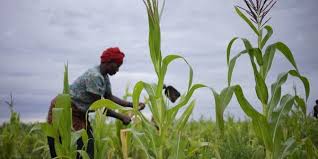
Ph.D. in Rural Development
Doctor of Philosophy (Ph.D.) in Rural Development is a rigorous 4-6 year research-focused doctoral program that prepares students to become top experts in sustainable rural development. The curricu...
Ph.D. in Rural Development
×Doctor of Philosophy (Ph.D.) in Rural Development is a rigorous 4-6 year research-focused doctoral program that prepares students to become top experts in sustainable rural development. The curriculum includes advanced themes in agricultural economics, community planning, environmental policy, and research methodology. Ph.D. applicants perform unique field research in rural communities, culminating in the submission of a doctoral dissertation which contributes significantly to the enhancement of livelihoods, infrastructure, and natural resource management in underserved rural areas. Graduates can work as rural development specialists, policy advisors, university instructors, or consultants for government agencies, non-profit organizations, and international development institutes. The Ph.D. in Rural Development provides students with the multidisciplinary knowledge required to make positive change and uplift marginalized rural

Ph.D. in Management
Ph.D. in Management typically requires 4-6 years to complete, depending on the university and the student's progress. This postgraduate degree program focuses on enhancing awareness of manageme...
Ph.D. in Management
×Ph.D. in Management typically requires 4-6 years to complete, depending on the university and the student's progress. This postgraduate degree program focuses on enhancing awareness of management theory, research methods, and organizational behavior. Students pursue demanding coursework, thorough tests, and original research, culminating in a PhD dissertation. Strategic management, leadership, organizational psychology, and advanced statistics are common themes in the curriculum. Graduates are equipped for jobs in academia, research institutions, or high-level consultancy positions. The curriculum demands a good academic background, which typically includes a master's degree, and stresses critical thinking, analytical skills, and the ability to contribute new information to the field of management.

Ph.D. in Library & information Science
Ph.D. in Library & Information Science is a rigorous 4-5 year advanced research degree program that provides extensive training in information management theory, research techniques, and practi...
Ph.D. in Library & information Science
×Ph.D. in Library & Information Science is a rigorous 4-5 year advanced research degree program that provides extensive training in information management theory, research techniques, and practical applications, as well as knowledge organization and digitalization. The program includes in-depth study of topics including information retrieval, data analytics, user experience, and information policy. Independent research projects, scholarly publications, and collaborations with industry and academia help students develop expertise in identifying complex information-related challenges, designing innovative solutions, and contributing to knowledge advancement in the dynamic and interdisciplinary field of library and information science. Graduates of this program have the ability to work as information scientists, digital librarians, data curators, and faculty members at universities, research institutions, and leading information organizations.

Ph.D. in Social Work
Ph.D. in Social Work is a rigorous 4-5 year advanced research degree program that includes in-depth instruction in social work theory, research techniques, and practical applications. The curriculu...
Ph.D. in Social Work
×Ph.D. in Social Work is a rigorous 4-5 year advanced research degree program that includes in-depth instruction in social work theory, research techniques, and practical applications. The curriculum includes in-depth studies in topics such as social welfare policy, program assessment, community development, and clinical interventions. Independent research projects, scholarly publications, and collaborations with social service agencies and policymakers help students develop expertise in identifying complex social problems, designing innovative solutions, and contributing to knowledge advancement in the dynamic and multifaceted field of social work. Graduates of this degree have the opportunity to work as social work researchers, policy advisors, program directors, and faculty members at universities, research institutions, and major social service organizations.

Ph.D in Health Education
Ph.D. in Health Education typically takes 3-5 years to complete, depending on the institution and the student's pace. This advanced degree program focuses on developing expertise in health prom...
Ph.D in Health Education
×Ph.D. in Health Education typically takes 3-5 years to complete, depending on the institution and the student's pace. This advanced degree program focuses on developing expertise in health promotion, disease prevention, and community health interventions. Students engage in rigorous coursework covering research methodologies, health behavior theories, program planning, and evaluation. The curriculum often includes topics such as epidemiology, biostatistics, and health policy. Candidates are required to conduct original research, culminating in a dissertation that contributes new knowledge to the field. Graduates are prepared for careers in academia, public health agencies, healthcare organizations, or research institutions, where they can lead health education initiatives, conduct research, and shape health policies.

Ph.D. in Women's Studies
A Ph.D. in Women's Studies is an interdisciplinary study program that investigates gender, women's roles, and feminist theory in many social, cultural, and historical contexts. The program,...
Ph.D. in Women's Studies
×A Ph.D. in Women's Studies is an interdisciplinary study program that investigates gender, women's roles, and feminist theory in many social, cultural, and historical contexts. The program, which typically lasts 3 to 5 years, addresses issues such as gender equality, intersectionality, women's rights, social justice, and the impact of gender on politics, economy, and culture. Students do qualitative and quantitative research on problems such as gender-based violence, labor, and representation. Admission often needs a Master's degree in Women's Studies, Sociology, or a similar discipline. Graduates go on to work in academia, research, policymaking, advocacy, or for NGOs and international organizations that promote gender equality.

Ph.D. in Social Science
A Ph.D. in Social Science is an advanced research degree that examines human behavior, societal structures, and social change via a variety of disciplinary perspectives, including sociology, anthro...
Ph.D. in Social Science
×A Ph.D. in Social Science is an advanced research degree that examines human behavior, societal structures, and social change via a variety of disciplinary perspectives, including sociology, anthropology, economics, and political science. The curriculum, which typically lasts 3-5years, uses both qualitative and quantitative research approaches to address complex social issues such as inequality, globalization, and policy formation. Students gain knowledge in fields such as social theory, ethnography, social justice, and public policy. Admission often necessitates a Master's degree in Social Sciences or a comparable subject. Graduates frequently go on to work in academia, research, or government, non-governmental, and international organizations.
Ph.D. in Cultural Studies
Ph.D. in Cultural Studies is an interdisciplinary program that examines cultural processes, social identities, media, globalization, and power systems. The curriculum normally lasts 4-6 years and c...
Ph.D. in Cultural Studies
×Ph.D. in Cultural Studies is an interdisciplinary program that examines cultural processes, social identities, media, globalization, and power systems. The curriculum normally lasts 4-6 years and combines study, research, and teaching. Students learn about cultural theories, critical race studies, gender, class, and media while also developing skills in qualitative and critical research methods. Following coursework, students conduct original research, culminating in a dissertation that contributes new insights to the discipline. Graduates frequently work in academia, research, cultural organizations, or the media, contributing to conversations about cultural impact, diversity, and social change in global contexts.

Ph.D. in Public Policy
Ph.D. in Public Policy is a highly specialized research degree that focuses on the analysis, formulation, and evaluation of public policies at the local, national, and international levels. The cur...
Ph.D. in Public Policy
×Ph.D. in Public Policy is a highly specialized research degree that focuses on the analysis, formulation, and evaluation of public policies at the local, national, and international levels. The curriculum, which typically lasts three to five years, covers a wide range of topics including policy analysis, governance, public administration, economic policy, environmental policy, health policy, social justice, and the role of institutions in affecting public decisions. Students perform original research on the impact of government acts, policy effectiveness, policy formulation, and the influence of public opinion, interest groups, and political institutions on policymaking. Graduates of the program frequently work in academia, government agencies, think tanks, international organizations, non-governmental organizations (NGOs), or consulting businesses that focus on policy research and analysis. Admission normally requires a master's degree in public administration,political science, economics, or a related field, with strong analytical and research skills.

Ph.D. in Drama, Films and New Media
Ph.D. in Drama, Films, and New technologies is an interdisciplinary research program that examines performance, cinematic arts, and digital technologies in modern society. The curriculum typically...
Ph.D. in Drama, Films and New Media
×Ph.D. in Drama, Films, and New technologies is an interdisciplinary research program that examines performance, cinematic arts, and digital technologies in modern society. The curriculum typically lasts 3-5 years and covers topics such as theater history and philosophy, film studies, digital media, media creation, current performance practices, screenwriting, and the interface of technology and storytelling. Students conduct unique research on topics such as narrative structures in films, the impact of new media on audience participation, globalization in cinema, and the growth of digital performance arts. Graduates frequently pursue employment in academics, cinema and media production, scriptwriting, theater direction, the digital media businesses, or cultural policymaking. Admission typically requires a Master's degree in theater, cinema studies, media studies, or a related discipline, witha strong foundation in both practical and theoretical approaches to drama and media.

Ph.D. in Applied Psychology
Ph.D. in Applied Psychology typically takes 3 - 5 years to complete, depending on the university and research focus. The program is designed for those seeking to explore psychological theories...
Ph.D. in Applied Psychology
×Ph.D. in Applied Psychology typically takes 3 - 5 years to complete, depending on the university and research focus. The program is designed for those seeking to explore psychological theories and their practical applications in areas like clinical psychology, organizational behavior, health psychology, educational psychology, and forensic psychology. Students are expected to conduct original research, contribute to advancing knowledge in the field, and apply psychological principles to solve real-world problems. The curriculum includes advanced courses in research methods, statistical analysis, and specialized topics. Graduates often pursue careers in academia, research, healthcare, counseling, or industry.

Ph.D. in Development Studies
A Ph.D. in Development Studies is typically a 4-6 year program that provides advanced, interdisciplinary training in the critical analysis of global development challenges and the design of innovat...
Ph.D. in Development Studies
×A Ph.D. in Development Studies is typically a 4-6 year program that provides advanced, interdisciplinary training in the critical analysis of global development challenges and the design of innovative, evidence-based solutions. Social justice, environmental sustainability, sustainable livelihoods, poverty alleviation, and the influence of institutions and policies on development outcomes are among the subjects covered in the curriculum. To advance scholarly knowledge of intricate development challenges, students carry out innovative field research, frequently in cooperation with governmental entities, international organizations, or community-based partners. Graduates of this program can use their skills to advance inclusive, equitable, and environmentally responsible development practices in academia, research institutions, international development organizations, non-profit advocacy groups, and government agencies.

Ph.D. in Disaster Studies
Ph.D. in Disaster Studies is a research-based program that focuses on understanding the origins, consequences, and management of natural and man-made catastrophes. The curriculum typically lasts 3-...
Ph.D. in Disaster Studies
×Ph.D. in Disaster Studies is a research-based program that focuses on understanding the origins, consequences, and management of natural and man-made catastrophes. The curriculum typically lasts 3-5 years and covers themes such as disaster risk reduction, emergency management, humanitarian relief, climate change, environmental hazards, resilience building, and post-disaster rehabilitation. Students do multidisciplinary research, combining sociology, geography, environmental science, public policy, and engineering to develop catastrophe preparedness, response, and mitigation techniques. Graduates can work in academics, government agencies, non-governmental organizations (NGOs), international organizations, or consulting firms that specialize in disaster management and risk assessment. Admission typically needs a Master's degree in environmental science, public policy, sociology, or a related discipline, as well as extensive research experience.

Ph.D. in Habitat Studies
A PhD in Botany is an advanced research-focused program designed for individuals passionate about plant sciences. This doctoral program typically spans 3-5 years, depending on the research area and...
Ph.D. in Habitat Studies
×A PhD in Botany is an advanced research-focused program designed for individuals passionate about plant sciences. This doctoral program typically spans 3-5 years, depending on the research area and institution. Students explore various fields such as plant biology, physiology, taxonomy, genetics, ecology, and biotechnology. The program involves rigorous coursework, laboratory work, and independent research culminating in a dissertation. Candidates contribute to advancements in plant science, sustainable agriculture, environmental conservation, and medicinal botany. Graduates of this program often pursue careers in academia, research institutions, biotechnology firms, and environmental organizations. Eligibility usually includes a master’s degree in botany or a related field.
4o