PhD in Agronomy normally takes 3-5 years to complete, with a concentration on advanced crop science, soil management, and sustainable agriculture techniques. This doctoral program requires a master's degree in a comparable discipline and consists of coursework, comprehensive exams, and an original dissertation. Students study plant genetics, soil chemistry, precision agriculture, and climate-resilient farming approaches. The curriculum frequently incorporates fieldwork, laboratory research, and partnerships with agricultural industries. Graduates get opportunities in academia, research institutions, government organizations, or the commercial sector, where they can help improve agricultural yields, develop sustainable farming methods, and address global food security issues.

The Glocal University
The Glocal University Admission Open

Ph.D. in Agriculture Engineering
Ph.D. in Agricultural Engineering usually takes 3-5 years to complete, depending on the research project and school. This advanced degree focuses on using engineering principles to tackle agricultu...
Ph.D. in Agriculture Engineering
×Ph.D. in Agricultural Engineering usually takes 3-5 years to complete, depending on the research project and school. This advanced degree focuses on using engineering principles to tackle agricultural problems, such as developing sustainable farming techniques, designing efficient irrigation systems, and producing novel agricultural equipment. Students complete challenging courses on issues such as soil and water conservation, precision agriculture, and bioenergy systems. The curriculum concludes with original research and a dissertation, which contributes new knowledge to the discipline. Graduates get opportunities for various positions such as in academia, research institutions, government organizations, or the business sector, where they can drive advances in food production, environmental sustainability, and agricultural technology.

Ph.D. in Commerce
The Ph.D. in Commerce is a required 4-5 year advanced research degree program that gives comprehensive training in the theory, research methodologies, and practical applications of numerous bu...
Ph.D. in Commerce
×The Ph.D. in Commerce is a required 4-5 year advanced research degree program that gives comprehensive training in the theory, research methodologies, and practical applications of numerous business and management fields. The program includes in-depth study of accounting, finance, marketing, human resources, operations, and strategy. Independent research projects, scholarly publications, and collaborations with industry and academia help students develop expertise in identifying and investigating complex business problems, designing innovative solutions, and contributing to the advancement of knowledge in the dynamic and multifaceted field of business. Graduates of this program have the opportunity to work as business researchers, consultants, policymakers, and faculty members in universities, research institutions, and major corporations.

Ph.D. in Computer Science
Ph.D. in computer science usually takes 4-6 years to complete, depending on the coursework and research progress. This advanced degree emphasizes producing unique research in a specific field...
Ph.D. in Computer Science
× Ph.D. in computer science usually takes 4-6 years to complete, depending on the coursework and research progress. This advanced degree emphasizes producing unique research in a specific field of computer science, such as artificial intelligence, cybersecurity, or algorithms. Students undergo advanced courses, take thorough tests, and produce a dissertation based on their research findings. The curriculum trains participants in critical thinking, problem solving, and innovative technology development. Graduates frequently pursue careers in academia, research institutions, or managerial positions in the technology business. A Ph.D. in Computer Science necessitates devotion, intellectual curiosity, and the capacity to bring novel information to the area.

Ph.D. in Education
Ph.D. in Education usually requires 3-5 years for completion, depending on the program and whether the student pursues full-time or part-time. This advanced degree emphasizes educational research,...
Ph.D. in Education
×Ph.D. in Education usually requires 3-5 years for completion, depending on the program and whether the student pursues full-time or part-time. This advanced degree emphasizes educational research, philosophical thought, and practice. Students take hard courses, perform original research, and submit a dissertation. The curriculum frequently includes educational psychology, curriculum creation, educational policy, and research methodology. Graduates are equipped for positions in academia, educational leadership, policymaking, and advanced research. This degree needs a master's degree for admission and concludes in a comprehensive examination followed by an effective doctoral defense before a committee of academic experts.

Ph.D. in Computer Science And Engineering
Ph.D. in Computer Science and Engineering usually requires 4-6 years to attain, depending on the university and the stage of the study. This advanced degree focuses cutting-edge research in f...
Ph.D. in Computer Science And Engineering
×Ph.D. in Computer Science and Engineering usually requires 4-6 years to attain, depending on the university and the stage of the study. This advanced degree focuses cutting-edge research in fields such as artificial intelligence, machine learning, cybersecurity, computer networks, and software engineering. Students take tough courses, perform unique research, and submit a dissertation under faculty supervision. The program of study encourages skill in problem-solving, critical thinking, and innovation in the sector. Graduates are prepared to work in academia, research labs, or high-level positions within the technology business. Admission usually requires a master's degree in a related discipline, an impressive academic record, and research potential. Teaching or research fellowships are common sources for funding.

Ph.D. in Management
Ph.D. in Management typically requires 4-6 years to complete, depending on the university and the student's progress. This postgraduate degree program focuses on enhancing awareness of manageme...
Ph.D. in Management
×Ph.D. in Management typically requires 4-6 years to complete, depending on the university and the student's progress. This postgraduate degree program focuses on enhancing awareness of management theory, research methods, and organizational behavior. Students pursue demanding coursework, thorough tests, and original research, culminating in a PhD dissertation. Strategic management, leadership, organizational psychology, and advanced statistics are common themes in the curriculum. Graduates are equipped for jobs in academia, research institutions, or high-level consultancy positions. The curriculum demands a good academic background, which typically includes a master's degree, and stresses critical thinking, analytical skills, and the ability to contribute new information to the field of management.

Ph.D. in Biotechnology
Ph.D. in Biotechnology is an advanced research degree that involves biology, technology, and engineering. It generally takes 4-6 years to complete. The curriculum focuses on discovering innovative...
Ph.D. in Biotechnology
×Ph.D. in Biotechnology is an advanced research degree that involves biology, technology, and engineering. It generally takes 4-6 years to complete. The curriculum focuses on discovering innovative solutions to healthcare, agricultural businesses, and environmental issues. Students engage in intensive coursework, laboratory research, and frequent collaborations with industry partners. Genetic engineering, bioinformatics, molecular biology, and bioprocess engineering are all significant study fields. Candidates have to do original research, publish in peer-reviewed publications, and defend their doctoral thesis. This degree prepares graduates for managerial positions in academia, research institutes, pharmaceutical businesses, and biotech startups, advancing disciplines such as medication development, sustainable agriculture, and biofuel production.

Ph.D. in Biochemistry
A Ph.D. in Biochemistry normally takes 4-6 years to complete, with a concentration on the chemical processes found within and related to living organisms. This advanced degree needs intensive labor...
Ph.D. in Biochemistry
×A Ph.D. in Biochemistry normally takes 4-6 years to complete, with a concentration on the chemical processes found within and related to living organisms. This advanced degree needs intensive laboratory research, data analysis, and the creation of a unique thesis. Students analyze molecular biology, enzymology, and cellular metabolism. The program often involves coursework, teaching assistantships, and the publication of research publications. Graduates have the ability to pursue careers in academia, pharmaceutical research, biotechnology, and allied fields. The doctoral program develops critical thinking, problem-solving abilities, and the ability to design and conduct autonomous research, resulting in important contributions to the field of biochemistry and related life sciences.

Ph.D. in Chemistry
Ph.D. in Chemistry takes around 4-6 years to complete, depending on the research project and institution. This doctoral program emphasizes distinctive research in certain areas of chemistry, such a...
Ph.D. in Chemistry
×Ph.D. in Chemistry takes around 4-6 years to complete, depending on the research project and institution. This doctoral program emphasizes distinctive research in certain areas of chemistry, such as organic, inorganic, physical, or analytical chemistry. Students pursue more advanced courses, perform substantial laboratory research, and develop a dissertation based on their findings. The program includes generating hypotheses, designing experiments, analyzing data, and bringing new knowledge to the field. Ph.D. candidates frequently interact with other experts, give presentation at conferences, and publish articles in scientific publications. This degree equips graduates with job opportunities in academia, industry research, government laboratories, and other scientific fields that require advanced chemical skills.
Ph.D. in Microbiology
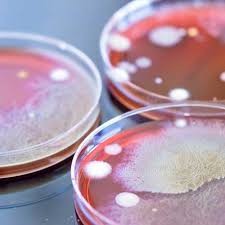
Ph.D. in Microbiology usually takes 4-6 years to complete which involves extensive research on microorganisms, their interactions, and their impact on various ecosystems. The academic program inclu...
Ph.D. in Microbiology
×Ph.D. in Microbiology usually takes 4-6 years to complete which involves extensive research on microorganisms, their interactions, and their impact on various ecosystems. The academic program includes advanced coursework, laboratory research, and a dissertation. Students research bacterial genetics, virology, immunology, and microbial ecology. They acquire experts in cutting-edge procedures such as gene sequencing, bioinformatics, and microscopy. This degree prepares graduates for professions in academia, biotechnology, pharmaceuticals, and public health, granting them the skills they need to address global issues such as antibiotic resistance and new infectious diseases.

Ph.D. in Mathematics
Ph.D. in Mathematics is a terminal degree that usually requires 4-7 years to accomplish after acquiring a bachelor's degree. The curriculum comprises advanced coursework in pure and appli...
Ph.D. in Mathematics
×Ph.D. in Mathematics is a terminal degree that usually requires 4-7 years to accomplish after acquiring a bachelor's degree. The curriculum comprises advanced coursework in pure and applied mathematics, as well as independent research that leads to the completion of a doctorate research. PhD students acquire proficiency in abstract algebra, real and complex analysis, topology, and discrete mathematics. The degree prepares graduates for academic careers as university professors and researchers, as well as jobs in industries such as banking, technology, and government that require strong quantitative and problem-solving abilities.

Ph.D. in Physics
Ph.D. in Physics generally requires 5-7 years to complete, and it comprises advanced coursework, independent research, and a doctorate dissertation. Students explore the fundamental concepts...
Ph.D. in Physics
×Ph.D. in Physics generally requires 5-7 years to complete, and it comprises advanced coursework, independent research, and a doctorate dissertation. Students explore the fundamental concepts of matter and energy, and often specialize in quantum mechanics, astrophysics, or particle physics. The program fosters critical thinking, problem-solving skills, and knowledge in experimental or theoretical physics. Graduates are prepared to work in academia, research institutions, or industry, contributing to innovative scientific discoveries and technical developments. This challenging degree requires dedication, intellectual curiosity, and the ability to push the limits of human knowledge of the physical cosmos.
Ph.D. in Pharmacy
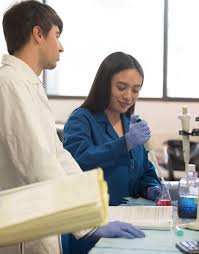
Doctor of Philosophy (Ph.D.) in Pharmaceutics is a rigorous 5-7 year research-focused doctoral program that provides students to serve as leading specialists in the development and improvemen...
Ph.D. in Pharmacy
×Doctor of Philosophy (Ph.D.) in Pharmaceutics is a rigorous 5-7 year research-focused doctoral program that provides students to serve as leading specialists in the development and improvement of drug delivery systems. The program includes advanced topics in pharmaceutical sciences such as pharmacokinetics, medication development, manufacturing methods, and regulatory issues. Ph.D. candidates perform original laboratory and clinical research, culminating in the submission of a doctoral dissertation which contributes significantly to the field of pharmaceutics. Graduates have been trained for positions as pharmaceutical scientists, university instructors, regulatory advisors, and R&D professionals in the pharmaceutical business. The Ph.D. in Pharmaceutics program equips students with the specific knowledge required to revolutionize drug delivery methods, improve patient outcomes, and impact the future of pharmaceutical product development.
Ph.D. in Zoology
Ph.D. in Zoology normally takes 3 -5 years of study after obtaining a master's degree. The curriculum requires intensive training in animal biology, ecology, evolutionary biology, and genetics,...
Ph.D. in Zoology
×Ph.D. in Zoology normally takes 3 -5 years of study after obtaining a master's degree. The curriculum requires intensive training in animal biology, ecology, evolutionary biology, and genetics, as well as considerable research. Students must write a dissertation that brings new knowledge to the field, which frequently includes laboratory research, field surveys, or data analysis. During this time, candidates may also teach undergraduate classes, attend seminars, and publish research findings in academic journals. Graduates are equipped for professions in academics, wildlife conservation, environmental consultancy, and a variety of positions in governmental and non-governmental organizations concerned with animal health and biodiversity.
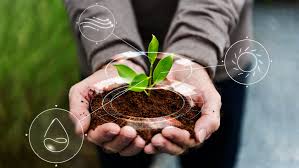
Ph.D. in Agriculture
Ph.D. in Agriculture is a research-oriented degree that aims to expand knowledge in fields like agricultural science, soil health, agribusiness, and sustainable farming. Typically lasting 3-5 ...
Ph.D. in Agriculture
×Ph.D. in Agriculture is a research-oriented degree that aims to expand knowledge in fields like agricultural science, soil health, agribusiness, and sustainable farming. Typically lasting 3-5 years, the curriculum consists of extensive coursework, laboratory research, and field study, culminating in a dissertation based on original research. Agronomy, horticulture, plant genetics, soil science, agricultural economics, and agricultural engineering are among the possible specializations. The curriculum provides students with knowledge of agricultural advances, allowing them to solve concerns such as food security, climate resilience, and sustainable practices. Graduates frequently pursue positions in academia, research institutions, government agencies, and the agricultural industry.
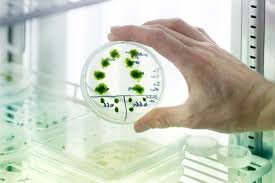
Ph.D. in Genetics & Plant Breeding
Ph.D. in Genetics and Plant Breeding typically spans 3 - 5 years, focusing on advanced research in the genetic improvement of crops. The program covers various aspects, including molecul...
Ph.D. in Genetics & Plant Breeding
×Ph.D. in Genetics and Plant Breeding typically spans 3 - 5 years, focusing on advanced research in the genetic improvement of crops. The program covers various aspects, including molecular genetics, genomics, and biotechnological applications, aiming to enhance traits such as yield, disease resistance, and environmental adaptability. Students engage in hands-on research, often involving field trials and laboratory experiments. Coursework may include statistics, bioinformatics, and plant physiology. Graduates are equipped for careers in academia, industry, or government, contributing to sustainable agriculture and food security through innovative breeding strategies and genetic research.
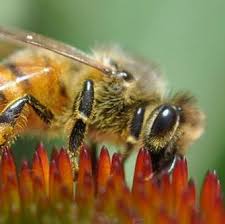
Ph.D. in Entomology & Apiculture
Ph.D. in Entomology & Apiculture typically spans 3-5 years and focuses on the study of insects, their biology, behavior, ecology, and their role in agriculture and the environment. S...
Ph.D. in Entomology & Apiculture
×Ph.D. in Entomology & Apiculture typically spans 3-5 years and focuses on the study of insects, their biology, behavior, ecology, and their role in agriculture and the environment. Students engage in advanced research related to insect physiology, pest management, pollination biology, and the significance of bees and other pollinators in food production. The program often includes coursework in entomological techniques, genetics, and ecological principles, alongside hands-on research in laboratory and field settings. Graduates are well-prepared for careers in academia, government agencies, agricultural industries, and environmental organizations, addressing critical issues related to insect populations and biodiversity.
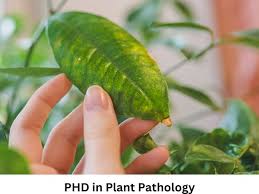
Ph.D. in Plant Pathology
Ph.D. in Plant Pathology normally lasts 3-5 years and focuses on the study of plant diseases caused by pathogens such as fungi, bacteria, viruses, and nematodes. The program combines intense i...
Ph.D. in Plant Pathology
×Ph.D. in Plant Pathology normally lasts 3-5 years and focuses on the study of plant diseases caused by pathogens such as fungi, bacteria, viruses, and nematodes. The program combines intense instruction in plant biology, microbiology, and disease management with extensive research. Candidates carry out innovative research to investigate disease resistance mechanisms, pathogen biology, and management techniques. The curriculum culminates with a dissertation based on research findings. Graduates frequently work in academia, research organizations, government agencies, or the agricultural industry, helping to promote crop protection, sustainable agriculture, and food security.
Ph.D. in Agricultural Economics
Ph.D. in Agricultural Economics usually takes 4-5 years to complete. The curriculum offers extensive instruction in applying economic theory and quantitative approaches to food and agricultura...
Ph.D. in Agricultural Economics
×Ph.D. in Agricultural Economics usually takes 4-5 years to complete. The curriculum offers extensive instruction in applying economic theory and quantitative approaches to food and agricultural challenges. Core courses include microeconomic theory, econometrics, and agricultural policy. Graduates are equipped to work in academia, government, agribusiness, and consulting, among other fields. The curriculum emphasizes hands-on research, with many students co-authoring publications alongside teachers. Admission is tough, frequently necessitating high academic qualifications and GRE scores. Assistantships and funding possibilities are available to help students in their studies.
Ph.D. in Botany
Ph.D. in Botany usually takes 3-5 years and focuses on advanced study in plant biology, ecology, and conservation. The program includes intensive courses in plant physiology, taxonomy, molecul...
Ph.D. in Botany
×Ph.D. in Botany usually takes 3-5 years and focuses on advanced study in plant biology, ecology, and conservation. The program includes intensive courses in plant physiology, taxonomy, molecular biology, and environmental science. Students are expected to do unique research, culminating in a dissertation that advances the area of botany. Fieldwork, laboratory experiments, and interdisciplinary team cooperation are common components of the program. Graduates work in academia, research institutions, environmental agencies, and industries associated with agriculture, horticulture, and biodiversity conservation, bringing vital information to plant science and ecosystem management.

Ph.D. in Environmental Science
Ph.D. in Environmental Science normally lasts 3-5 years and focuses on advanced study on key environmental challenges. The program includes difficult courses in ecological theory, enviro...
Ph.D. in Environmental Science
×Ph.D. in Environmental Science normally lasts 3-5 years and focuses on advanced study on key environmental challenges. The program includes difficult courses in ecological theory, environmental policy, sustainability, and advanced research methods. Students conduct original research, which frequently includes fieldwork, data analysis, and interdisciplinary cooperation, culminating in a dissertation that adds to the body of knowledge in the discipline. Candidates may study climate change, conservation biology, environmental chemistry, or ecosystem management. The curriculum prepares graduates for positions in academia, government agencies, non-profit organizations, and the commercial sector, with an emphasis on practical solutions to environmental issues.

Ph.D. in Computer Application
Advanced computer science research, software development, and computing technology applications are the main topics of a Ph.D. in Computer Applications, which normally takes 3-5years to finish. Art...
Ph.D. in Computer Application
×Advanced computer science research, software development, and computing technology applications are the main topics of a Ph.D. in Computer Applications, which normally takes 3-5years to finish. Artificial intelligence, machine learning, data science, computer networks, and human-computer interaction are among the topics covered in the program's coursework. A dissertation that adds to the field's body of knowledge follows. Students investigate novel approaches to practical issues in areas like computational theory, algorithm creation, and system optimization. A solid foundation in computer science or a comparable discipline is typically required for admission. Graduates work in high-level positions in the tech sector, research institutes, or academia.

Ph.D. in Social Science
A Ph.D. in Social Science is an advanced research degree that examines human behavior, societal structures, and social change via a variety of disciplinary perspectives, including sociology, anthro...
Ph.D. in Social Science
×A Ph.D. in Social Science is an advanced research degree that examines human behavior, societal structures, and social change via a variety of disciplinary perspectives, including sociology, anthropology, economics, and political science. The curriculum, which typically lasts 3-5years, uses both qualitative and quantitative research approaches to address complex social issues such as inequality, globalization, and policy formation. Students gain knowledge in fields such as social theory, ethnography, social justice, and public policy. Admission often necessitates a Master's degree in Social Sciences or a comparable subject. Graduates frequently go on to work in academia, research, or government, non-governmental, and international organizations.
Ph.D. in Biology
Ph.D. in Biology is a graduate research degree that focuses on the study of living organisms, ecosystems, and biological processes. The program, which typically takes 4-6 years to complete, include...
Ph.D. in Biology
×Ph.D. in Biology is a graduate research degree that focuses on the study of living organisms, ecosystems, and biological processes. The program, which typically takes 4-6 years to complete, includes courses in genetics, molecular biology, ecology, biochemistry, and microbiology, as well as original research in a particular area. Students conduct experiments, collect data, and make new discoveries in subjects such as cell biology, evolutionary biology, environmental science, and biotechnology. Graduates frequently work in academia, research institutions, pharmaceuticals, or healthcare, increasing scientific knowledge and providing answers to medical, environmental, and biotechnological concerns.
Ph.D. in Life Sciences
Ph.D. in Life Sciences is a research-intensive program that covers a wide range of biological disciplines, with a focus on understanding the basic mechanics of living organisms and ecosystems. The...
Ph.D. in Life Sciences
×Ph.D. in Life Sciences is a research-intensive program that covers a wide range of biological disciplines, with a focus on understanding the basic mechanics of living organisms and ecosystems. The program typically lasts 3-5 years and covers molecular biology, genetics, biochemistry, cell biology, microbiology, ecology, immunology, and biotechnology. Students do original research on areas such as disease processes, genetic engineering, environmental sustainability, medication development, and organism-environment interactions. Graduates of this degree frequently pursue positions in academia, research institutes, biotechnology, pharmaceuticals, and healthcare. Admission normally requires a Master's degree in biology or a related subject, as well as a solid understanding of research procedures and laboratory skills.

Ph.D. in Arts
Ph.D. in Arts is an advanced research degree focused on in-depth study within creative and cultural fields, such as fine arts, visual arts, performing arts, literature, and art history. Typically,...
Ph.D. in Arts
×Ph.D. in Arts is an advanced research degree focused on in-depth study within creative and cultural fields, such as fine arts, visual arts, performing arts, literature, and art history. Typically, the program lasts between 3 - 6 years, depending on the candidate's research progress and institutional requirements. It involves conducting original research, producing a dissertation, and often includes practice-based research elements, where candidates create new works of art as part of their study. This degree prepares graduates for careers in academia, research, and high-level roles in arts organizations, offering expertise in creative innovation, critical analysis, and cultural scholarship.

Ph.D. in Ayurveda
Ph.D. in Ayurveda is a research-oriented program that delves deep into the traditional Indian system of medicine, focusing on topics like herbal medicine, Panchakarma, Ayurvedic pharmacology, and t...
Ph.D. in Ayurveda
×Ph.D. in Ayurveda is a research-oriented program that delves deep into the traditional Indian system of medicine, focusing on topics like herbal medicine, Panchakarma, Ayurvedic pharmacology, and therapeutic practices. The course typically spans 3 - 5 years, depending on the university and research progress. Candidates are required to conduct original research, culminating in a dissertation that contributes to the field of Ayurvedic science. The program is suitable for those seeking careers in academia, research, or Ayurvedic healthcare practices. Admission often requires a Master's degree in Ayurveda (MD or MS) and a strong background in Ayurvedic principles.

Ph.D. in Dravyaguna
Ph.D. in Dravyaguna studies the qualities, uses, and therapeutic applications of Ayurvedic medicinal plants and substances. Dravyaguna, a central branch of Ayurvedic medicine, focuses on the identi...
Ph.D. in Dravyaguna
×Ph.D. in Dravyaguna studies the qualities, uses, and therapeutic applications of Ayurvedic medicinal plants and substances. Dravyaguna, a central branch of Ayurvedic medicine, focuses on the identification, classification, and therapeutic characteristics of herbs, minerals, and other natural substances utilized in therapies. The program, which typically lasts 3-5 years, includes courses in Ayurvedic pharmacology, botany, biochemistry, and pharmacognosy as well as significant research. Students investigate the therapeutic actions of plant-based medications, their pharmacological features, and their application in modern medicine. Graduates are equipped for positions in academia, Ayurvedic research, the herbal pharmaceutical industry, and healthcare, all of which help to promote traditional medicine and validate it scientifically.
Ph.D. in Rasashastra and Bhaishajya Kalpana
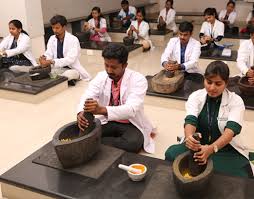
Ph.D. in Rasashastra and Bhaishajya Kalpana focuses on the study of botanical, mineral, and metallic compounds utilized in traditional medicine, as well as historic Ayurvedic medicinal formul...
Ph.D. in Rasashastra and Bhaishajya Kalpana
× Ph.D. in Rasashastra and Bhaishajya Kalpana focuses on the study of botanical, mineral, and metallic compounds utilized in traditional medicine, as well as historic Ayurvedic medicinal formulation procedures. Rasashastra is concerned with the preparation, purification, and therapeutic application of minerals and metals, whereas Bhaishajya Kalpana is concerned with the formulation and manufacture of medicinal items. The program, which typically lasts 3-5 years, integrates courses in Ayurvedic pharmacology, chemistry, and traditional medicine with intensive research. Students study the synthesis of Ayurvedic medicines, quality control, and their therapeutic applications. Graduates are equipped for positions in academia, Ayurvedic research, pharmaceutical firms, or healthcare, all of which aim to advance traditional medicine and integrate it with current scientific procedures.

Ph.D. in Agricultural Biotechnology
Ph.D. in Agricultural Biotechnology concentrates on the use of biotechnology in agriculture to increase crop output, insect resistance, and sustainability. The program typically lasts 3 to 5 years...
Ph.D. in Agricultural Biotechnology
×Ph.D. in Agricultural Biotechnology concentrates on the use of biotechnology in agriculture to increase crop output, insect resistance, and sustainability. The program typically lasts 3 to 5 years and includes instruction in molecular biology, genetics, plant science, and bioengineering as well as extensive research. Students learn about genetic modification, crop improvement, molecular markers, biofertilizers, and biopesticides. Climate change resistance, sustainable farming techniques, and the production of genetically engineered organisms (GMO) for food security are all potential research topics. Graduates are prepared to work in academia, research institutes, agricultural industries, or government, helping to advance sustainable agriculture and food production.
Ph.D. in Agada Tantra
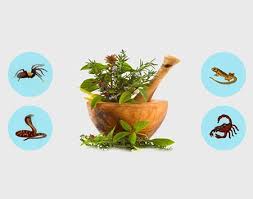
The study of poisons, antidotes, and the management of toxic substances in accordance with Ayurvedic principles are the main topics of a Ph.D. program in Agada Tantra (Toxicology in Ayurveda). The...
Ph.D. in Agada Tantra
×The study of poisons, antidotes, and the management of toxic substances in accordance with Ayurvedic principles are the main topics of a Ph.D. program in Agada Tantra (Toxicology in Ayurveda). The program, which usually lasts 3-5 years, encompasses Ayurvedic formulations and detoxification therapies in addition to the detection, treatment, and prevention of poisoning. The traditional knowledge of mineral and herbal treatments utilized in toxicology is also explored by the students. Graduates can work as researchers, educators, or Ayurvedic toxicologists, helping to create comprehensive strategies for safety and poison control in both conventional and contemporary medical settings.

Ph.D. in Kaya Chikitsa
Internal medicine from an Ayurvedic perspective is the focus of a Ph.D. program in Kaya Chikitsa (Ayurvedic General Medicine). It entails extensive study of disease diagnosis, therapy, and manageme...
Ph.D. in Kaya Chikitsa
×Internal medicine from an Ayurvedic perspective is the focus of a Ph.D. program in Kaya Chikitsa (Ayurvedic General Medicine). It entails extensive study of disease diagnosis, therapy, and management with an emphasis on disorders affecting different body systems and lasts for roughly 3-5 years. Research on Ayurvedic treatment approaches, such as herbal medication, food, and lifestyle changes based on individual doshas (body types), is a major focus of the program. Graduates acquire proficiency in providing holistic therapy to address chronic conditions and promote wellness. Opportunities for employment include positions as researchers, educators, and Ayurvedic practitioners who use evidence-based Ayurvedic treatments to support integrative healthcare.

Ph.D. in Kriya Shareera
Understanding the human body's processes and functions in accordance with Ayurvedic principles is the main goal of a Ph.D. program in Kriya Shareera (Ayurvedic Physiology). This program, which...
Ph.D. in Kriya Shareera
×Understanding the human body's processes and functions in accordance with Ayurvedic principles is the main goal of a Ph.D. program in Kriya Shareera (Ayurvedic Physiology). This program, which usually lasts 3-5 years, examines ideas such dosha, dhatu, and mala (body humors, tissues, and waste products) and how they contribute to health maintenance. Students do study on the physiological facets of Ayurveda, such as metabolism, digestion, and how lifestyle choices affect physiological processes. Graduates are equipped to work as researchers, teachers, or Ayurvedic practitioners, furthering our knowledge of Ayurvedic physiology in integrative and holistic medicine.
Ph.D. in Panchakarma
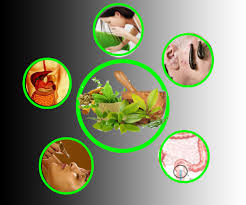
The advanced doctoral degree known as a Ph.D. in Panchakarma focuses on the five main cleansing techniques that are part of the Ayurvedic detoxification and rejuvenation treatments known as Panchak...
Ph.D. in Panchakarma
×The advanced doctoral degree known as a Ph.D. in Panchakarma focuses on the five main cleansing techniques that are part of the Ayurvedic detoxification and rejuvenation treatments known as Panchakarma. The program, which lasts roughly 3-5 years, includes a thorough examination of detoxification procedures, dosha balancing, and customized therapies including Raktamokshana (bloodletting), Basti (enema), Nasya (nasal therapy), Virechana (purgation), and Vamana (emesis). Research into the therapeutic advantages, novel procedures, and impacts of Panchakarma on a range of medical diseases is conducted by candidates. Graduates frequently support Ayurvedic wellness practices in integrated medicine and healthcare as Ayurvedic doctors, researchers, or educators.

Ph.D. in Prasuti Tantra and Stree Roga
Women's health, reproductive care, pregnancy, and childbirth from an Ayurvedic perspective are the main topics of a Ph.D. program in Prasuti Tantra and Stree Roga (Ayurvedic Obstetrics and Gyne...
Ph.D. in Prasuti Tantra and Stree Roga
×Women's health, reproductive care, pregnancy, and childbirth from an Ayurvedic perspective are the main topics of a Ph.D. program in Prasuti Tantra and Stree Roga (Ayurvedic Obstetrics and Gynecology). The program, which usually lasts 3-5 years, covers gynecological problems, pregnancy care, Ayurvedic fertility and maternal health treatments, and a thorough study of female anatomy. Traditional medicines, prenatal and postnatal care, and holistic approaches to female health are all included in the research. Graduates are equipped to work as Ayurvedic professionals, researchers, or instructors, promoting Ayurvedic methods in obstetrics and women's health and furthering integrative healthcare.

Ph.D. in Shalakya Tantra
A Ph.D. program in Shalakya Tantra (Ayurvedic Ophthalmology and ENT) is a cutting-edge research program that uses Ayurvedic principles to diagnose and treat conditions affecting the eyes, ears, nos...
Ph.D. in Shalakya Tantra
×A Ph.D. program in Shalakya Tantra (Ayurvedic Ophthalmology and ENT) is a cutting-edge research program that uses Ayurvedic principles to diagnose and treat conditions affecting the eyes, ears, nose, throat, and head. This PhD program, which lasts 3-5 years, combines practical training in therapies like Nasya (nasal therapy) and Netra Tarpana (eye rejuvenation) with an in-depth study of old Ayurvedic texts. Integrative medicine benefits from research that focuses on conventional diagnostic techniques and Ayurvedic therapies for sensory organs. Graduates can work as academics, researchers, or Ayurvedic specialists, expanding the application of Shalakya Tantra in holistic medicine.

Ph.D. in Shalya Tantra
Ph.D. in Shalya Tantra (Ayurvedic Surgery) is a specialized doctoral program that blends traditional knowledge with contemporary surgical methods, emphasizing Ayurvedic surgical techniques an...
Ph.D. in Shalya Tantra
×Ph.D. in Shalya Tantra (Ayurvedic Surgery) is a specialized doctoral program that blends traditional knowledge with contemporary surgical methods, emphasizing Ayurvedic surgical techniques and procedures. According to Ayurvedic writings, the program, which usually lasts 3-5 years, entails a thorough study of surgical ideas, diagnostic techniques, treatment protocols, and post-surgical care. Candidates get practical experience with both conventional and non-surgical treatments, such as Kshar Sutra (alkaline thread therapy) and Agnikarma (thermal cautery). Graduates can contribute to the development of Ayurvedic medicine and its incorporation into contemporary healthcare procedures by working as Ayurvedic surgeons, researchers, or lecturers.

Ph.D. in Swastha Vritta
Ph.D. in Swastha Vritta emphasizes wellness, lifestyle management, and preventive healthcare with an Ayurvedic foundation. Usually lasting 3-5 years, this PhD program blends rigorous research...
Ph.D. in Swastha Vritta
×Ph.D. in Swastha Vritta emphasizes wellness, lifestyle management, and preventive healthcare with an Ayurvedic foundation. Usually lasting 3-5 years, this PhD program blends rigorous research with real-world applications in enhancing health through detoxification, food, exercise, and mental well-being. Students study how lifestyle decisions affect general health by delving into Ayurvedic scriptures, contemporary health science, and integrative medicine. Graduates of the program are equipped to work in the wellness, research, and public health sectors. In order to solve global health issues, doctoral candidates frequently do novel research that connects traditional knowledge with modern medical procedures.