
PhD in Agronomy normally takes 3-5 years to complete, with a concentration on advanced crop science, soil management, and sustainable agriculture techniques. This doctoral program requires a master's degree in a comparable discipline and consists of coursework, comprehensive exams, and an original dissertation. Students study plant genetics, soil chemistry, precision agriculture, and climate-resilient farming approaches. The curriculum frequently incorporates fieldwork, laboratory research, and partnerships with agricultural industries. Graduates get opportunities in academia, research institutions, government organizations, or the commercial sector, where they can help improve agricultural yields, develop sustainable farming methods, and address global food security issues.

The Neotia University
The Neotia University Admission Open

Ph.D. in English
Ph.D. in English takes approximately 5-7 years to accomplish, depending on the program and individual progress. This postgraduate degree emphasizes in-depth study of literature, language, and criti...
Ph.D. in English
×Ph.D. in English takes approximately 5-7 years to accomplish, depending on the program and individual progress. This postgraduate degree emphasizes in-depth study of literature, language, and critical theory. Students conduct substantial research, culminating in a PhD dissertation that adds novel knowledge to the discipline. The curriculum frequently includes coursework, extensive tests, and teaching obligations. Specializations may include medieval literature, postcolonial studies, and digital humanities. Graduates get opportunities for positions in academia, publishing, and advanced research. The degree needs a solid basis in literary interpretation, exceptional writing skills, and the capacity to perform independent scholarly research.

Ph.D. in Management
Ph.D. in Management typically requires 4-6 years to complete, depending on the university and the student's progress. This postgraduate degree program focuses on enhancing awareness of manageme...
Ph.D. in Management
×Ph.D. in Management typically requires 4-6 years to complete, depending on the university and the student's progress. This postgraduate degree program focuses on enhancing awareness of management theory, research methods, and organizational behavior. Students pursue demanding coursework, thorough tests, and original research, culminating in a PhD dissertation. Strategic management, leadership, organizational psychology, and advanced statistics are common themes in the curriculum. Graduates are equipped for jobs in academia, research institutions, or high-level consultancy positions. The curriculum demands a good academic background, which typically includes a master's degree, and stresses critical thinking, analytical skills, and the ability to contribute new information to the field of management.

Ph.D. in Human Resource Management
Ph.D. in Human Resource Management normally takes 3-5 years to complete, depending on the institution and whether the student studies full-time or part-time. This advanced degree focuses on the gro...
Ph.D. in Human Resource Management
×Ph.D. in Human Resource Management normally takes 3-5 years to complete, depending on the institution and whether the student studies full-time or part-time. This advanced degree focuses on the growth of expertise in human resource theory, research methodology, and human capital strategy. Students undergo difficult coursework on topics such as organizational behavior, labor relations, talent management, and HR analytics. The curriculum concludes with original research and a dissertation, which contributes new knowledge to the discipline. Graduates are suitable for high-level roles in academia, research institutions, or as human resource executives in large corporations. This degree prepares students to develop HR policy, lead corporate change, and tackle difficult workforce concerns in a global environment.

Ph.D. in Biotechnology
Ph.D. in Biotechnology is an advanced research degree that involves biology, technology, and engineering. It generally takes 4-6 years to complete. The curriculum focuses on discovering innovative...
Ph.D. in Biotechnology
×Ph.D. in Biotechnology is an advanced research degree that involves biology, technology, and engineering. It generally takes 4-6 years to complete. The curriculum focuses on discovering innovative solutions to healthcare, agricultural businesses, and environmental issues. Students engage in intensive coursework, laboratory research, and frequent collaborations with industry partners. Genetic engineering, bioinformatics, molecular biology, and bioprocess engineering are all significant study fields. Candidates have to do original research, publish in peer-reviewed publications, and defend their doctoral thesis. This degree prepares graduates for managerial positions in academia, research institutes, pharmaceutical businesses, and biotech startups, advancing disciplines such as medication development, sustainable agriculture, and biofuel production.

Ph.D. in Clinical Psychology
Doctor of Philosophy (Ph.D.) in Clinical Psychology is a rigorous 5-7 year research-focused doctoral program that prepares students to work as licensed clinical psychologists. The program inc...
Ph.D. in Clinical Psychology
×Doctor of Philosophy (Ph.D.) in Clinical Psychology is a rigorous 5-7 year research-focused doctoral program that prepares students to work as licensed clinical psychologists. The program includes advanced topics in psychological assessment, diagnosis, intervention, and research methodology. Ph.D. candidates need to complete intensive clinical practice and internships, as well as an original dissertation that adds new information to the field of clinical psychology. Graduates have been trained for positions as psychotherapists, clinical researchers, university instructors, and consultants in hospitals, mental health clinics, government organizations, and private practice. The Ph.D. in Clinical Psychology equips students with the specialized knowledge and qualifications required to diagnose and treat mental health issues, educate clinical best practices, and enhance our understanding of human behavior and well-being.

Ph.D. in Pharmacy
Doctor of Philosophy (Ph.D.) in Pharmaceutics is a rigorous 5-7 year research-focused doctoral program that provides students to serve as leading specialists in the development and improvemen...
Ph.D. in Pharmacy
×Doctor of Philosophy (Ph.D.) in Pharmaceutics is a rigorous 5-7 year research-focused doctoral program that provides students to serve as leading specialists in the development and improvement of drug delivery systems. The program includes advanced topics in pharmaceutical sciences such as pharmacokinetics, medication development, manufacturing methods, and regulatory issues. Ph.D. candidates perform original laboratory and clinical research, culminating in the submission of a doctoral dissertation which contributes significantly to the field of pharmaceutics. Graduates have been trained for positions as pharmaceutical scientists, university instructors, regulatory advisors, and R&D professionals in the pharmaceutical business. The Ph.D. in Pharmaceutics program equips students with the specific knowledge required to revolutionize drug delivery methods, improve patient outcomes, and impact the future of pharmaceutical product development.

Ph.D. in Engineering
The Ph.D. in Engineering is a demanding 4-5 year advanced research degree program that gives thorough training in the theory, research methodologies, and practical applications of several engineeri...
Ph.D. in Engineering
×The Ph.D. in Engineering is a demanding 4-5 year advanced research degree program that gives thorough training in the theory, research methodologies, and practical applications of several engineering fields. The curriculum includes in-depth study of specialist disciplines such as mechanical, electrical, civil, computer, or materials engineering, depending on the student's area of interest. Independent research projects, scholarly publications, and collaborations with industry and academia allow learners to develop expertise in identifying complex engineering challenges, designing innovative solutions, and contributing to the advancement of knowledge in their chosen engineering field. Graduates of this program have the ability for positions as research engineers, technical consultants, policymakers, and faculty members at universities, research institutions, and major engineering organizations.
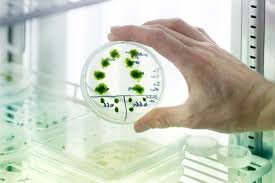
Ph.D. in Genetics & Plant Breeding
Ph.D. in Genetics and Plant Breeding typically spans 3 - 5 years, focusing on advanced research in the genetic improvement of crops. The program covers various aspects, including molecul...
Ph.D. in Genetics & Plant Breeding
×Ph.D. in Genetics and Plant Breeding typically spans 3 - 5 years, focusing on advanced research in the genetic improvement of crops. The program covers various aspects, including molecular genetics, genomics, and biotechnological applications, aiming to enhance traits such as yield, disease resistance, and environmental adaptability. Students engage in hands-on research, often involving field trials and laboratory experiments. Coursework may include statistics, bioinformatics, and plant physiology. Graduates are equipped for careers in academia, industry, or government, contributing to sustainable agriculture and food security through innovative breeding strategies and genetic research.
Ph.D. in Aquaculture
Ph.D. in Aquaculture typically spans 3 - 5 years and focuses on advanced studies in fish and shellfish production, aquatic ecosystem management, and sustainable practices. The program involves...
Ph.D. in Aquaculture
×Ph.D. in Aquaculture typically spans 3 - 5 years and focuses on advanced studies in fish and shellfish production, aquatic ecosystem management, and sustainable practices. The program involves rigorous research methodologies, with an emphasis on breeding, nutrition, health management, and environmental impact assessments of aquaculture systems. Students may engage in field studies, laboratory experiments, and data analysis to address challenges in the industry. Coursework often includes subjects like aquatic biology, resource management, and biotechnology. Graduates are prepared for careers in academia, research, government agencies, and the private sector, contributing to the advancement of sustainable aquaculture practices.

Ph.D. in Robotics Engineering
Advanced research in fields including robot design, artificial intelligence, machine learning, autonomous systems, and human-robot interaction is the main focus of a Ph.D. in robotics engineering,...
Ph.D. in Robotics Engineering
×Advanced research in fields including robot design, artificial intelligence, machine learning, autonomous systems, and human-robot interaction is the main focus of a Ph.D. in robotics engineering, which normally takes 4-6 years to finish. The program blends practical research in robotics applications across industries like manufacturing, healthcare, and aerospace with demanding coursework in robotics, control systems, and computer vision. As they work on cutting-edge technology and produce original research, students gain skill in both the theoretical and practical sides of robotics. A solid foundation in computer science, engineering, or a similar discipline is required for admission. Graduates work in high-tech enterprises, research institutes, and academia.

Ph.D. in Organizational Behaviour
A Ph.D. in Organizational Behavior, which focuses on advanced study into how people and groups act inside companies, normally takes 4-6 years to accomplish. Leadership, motivation, corporate c...
Ph.D. in Organizational Behaviour
×A Ph.D. in Organizational Behavior, which focuses on advanced study into how people and groups act inside companies, normally takes 4-6 years to accomplish. Leadership, motivation, corporate culture, decision-making, conflict resolution, and human resource management are among the topics covered in the curriculum. Students investigate subjects like workplace dynamics, employee performance, and organizational change using both qualitative and quantitative research approaches. A background in business, psychology, or similar disciplines is typically required for admission. Graduates are prepared for leadership roles in consulting, human resources, and organizational development across a range of sectors, as well as for jobs in academia or research.

Ph.D. in Marketing Management
With an emphasis on advanced research in fields like consumer behavior, brand management, digital marketing, marketing strategy, and marketing analytics, a Ph.D. in marketing management normally ta...
Ph.D. in Marketing Management
×With an emphasis on advanced research in fields like consumer behavior, brand management, digital marketing, marketing strategy, and marketing analytics, a Ph.D. in marketing management normally takes 4-6 years to finish. With a focus on doing unique research for the dissertation, the curriculum blends demanding courses in statistical analysis, marketing theory, and research methodology. Students contribute to the field's academic and practical expertise while critically interacting with today's marketing concerns. Strong backgrounds in business, marketing, or allied fields are typically required for admission, and graduates are equipped for positions in academia, research, consulting, and marketing leadership.

Ph.D. in Financial Management
With an emphasis on advanced research in fields like corporate finance, investment analysis, risk management, financial modeling, and financial markets, a Ph.D. in financial management normally tak...
Ph.D. in Financial Management
×With an emphasis on advanced research in fields like corporate finance, investment analysis, risk management, financial modeling, and financial markets, a Ph.D. in financial management normally takes 3-5 years to finish. In-depth dissertation research is combined with courses in quantitative methods, econometrics, and financial theory. Students become proficient in asset pricing, strategic financial planning, and financial decision-making. Strong academic credentials in finance, economics, or similar subjects are frequently prerequisites for admission, as is a dedication to unique research. Graduates are well-suited for jobs in research institutes, academia, and senior finance industry roles.

Ph.D. in Information Systems and Operations Management
Ph.D. in Information Systems and Operations Management studies the interaction of technology, business processes, and organizational strategy. The program typically lasts 3-5 years and includes tra...
Ph.D. in Information Systems and Operations Management
×Ph.D. in Information Systems and Operations Management studies the interaction of technology, business processes, and organizational strategy. The program typically lasts 3-5 years and includes training in systems analysis, data management, business intelligence, supply chain optimization, and process improvement, as well as original research. Students investigate topics such as enterprise resource planning (ERP), decision support systems, IT strategy, and operational efficiency while building solutions to improve organizational performance. Graduates frequently seek positions in academia, research institutes, consulting, or corporate strategy, helping to promote technology management, operational efficiency, and digital transformation across industries.

Ph.D. in Cultural Studies
Ph.D. in Cultural Studies is an interdisciplinary program that examines cultural processes, social identities, media, globalization, and power systems. The curriculum normally lasts 4-6 years and c...
Ph.D. in Cultural Studies
×Ph.D. in Cultural Studies is an interdisciplinary program that examines cultural processes, social identities, media, globalization, and power systems. The curriculum normally lasts 4-6 years and combines study, research, and teaching. Students learn about cultural theories, critical race studies, gender, class, and media while also developing skills in qualitative and critical research methods. Following coursework, students conduct original research, culminating in a dissertation that contributes new insights to the discipline. Graduates frequently work in academia, research, cultural organizations, or the media, contributing to conversations about cultural impact, diversity, and social change in global contexts.

Ph.D. in Finance and Accounting
Ph.D. in Finance and Accounting is a research-based program that aims to give advanced knowledge and skill in financial theory, accounting processes, and their applications in real-world business s...
Ph.D. in Finance and Accounting
×Ph.D. in Finance and Accounting is a research-based program that aims to give advanced knowledge and skill in financial theory, accounting processes, and their applications in real-world business settings. The program typically lasts 3-5 years and covers topics such as financial markets, corporate finance, financial modeling, accounting theory, auditing, taxation, financial reporting, and international finance. Students conduct original research on topics such as financial regulation, risk management, valuation, behavioral finance, and the role of accounting in decision-making. Graduates frequently pursue professions in academia, financial research, consulting, investment banking, corporate finance, or government regulatory agencies. Admission typically needs a Master's degree in finance, accounting, economics, or a related discipline, as well as good mathematical and research skills.

Ph.D. in Automation Engineering
Ph.D. in Automation Engineering is a research-intensive program that normally lasts 3-5 years and focuses on advanced automation, robotics, control systems, and AI applications. This PhD program fo...
Ph.D. in Automation Engineering
×Ph.D. in Automation Engineering is a research-intensive program that normally lasts 3-5 years and focuses on advanced automation, robotics, control systems, and AI applications. This PhD program focuses on machine learning, industrial automation, embedded systems, and intelligent control, with the goal of creating new solutions to complicated industrial challenges. Candidates normally have a master's degree in engineering or a similar subject, and they participate in coursework, seminars, and dissertation research. Graduates are prepared for careers in academia, research, and industry, helping to enhance automation technologies in industries such as manufacturing, automotive, healthcare, and aerospace

Ph.D. in Applied Psychology
Ph.D. in Applied Psychology typically takes 3 - 5 years to complete, depending on the university and research focus. The program is designed for those seeking to explore psychological theories...
Ph.D. in Applied Psychology
×Ph.D. in Applied Psychology typically takes 3 - 5 years to complete, depending on the university and research focus. The program is designed for those seeking to explore psychological theories and their practical applications in areas like clinical psychology, organizational behavior, health psychology, educational psychology, and forensic psychology. Students are expected to conduct original research, contribute to advancing knowledge in the field, and apply psychological principles to solve real-world problems. The curriculum includes advanced courses in research methods, statistical analysis, and specialized topics. Graduates often pursue careers in academia, research, healthcare, counseling, or industry.