
Ph.D. in Sociology usually takes 4-7 years to complete, depending on the program and individual success. This postgraduate degree emphasizes the scientific study of human social behavior, institutions, and societies. Students complete challenging coursework, develop research skills, and perform original research, which culminates in a PhD dissertation. The curriculum frequently includes sophisticated statistical tools, sociological theory, and specialist topics such as inequality, globalization, and urban sociology. Graduates get the opportunity to work in academia, research institutions, government agencies, and non-profit organizations. The curriculum involves a strong analytical approach, outstanding writing abilities, and the capacity to develop and carry out complicated research projects that add new knowledge to the subject.

The Rashtrasant Tukadoji Maharaj Nagpur University
The Rashtrasant Tukadoji Maharaj Nagpur University Admission Open

Ph.D. in Political Science
PhD in Political Science usually takes 4-7 years to complete, depending on the program and individual progress. This advanced degree focuses on a thorough examination of political systems, in...
Ph.D. in Political Science
×PhD in Political Science usually takes 4-7 years to complete, depending on the program and individual progress. This advanced degree focuses on a thorough examination of political systems, institutions, and behavior. Students complete demanding coursework, thorough tests, and original research, culminating in a PhD dissertation. Political theory, comparative politics, international relations, and research methodology are common topics in the curriculum. Graduates get a lot of experience in data analysis, critical thinking, and advanced research abilities, which prepare them for positions in academia, government, think tanks, and international organizations. The curriculum needs a strong commitment to intellectual inquiry and frequently includes teaching assistantships or research jobs to obtain hands-on experience in the field.

Ph.D. in Sanskrit
Ph.D. in Sanskrit normally takes 4-6 years to finish, depending on the university and the student's prior language experience. This postgraduate degree emphasizes in-depth study of Sanskrit lit...
Ph.D. in Sanskrit
×Ph.D. in Sanskrit normally takes 4-6 years to finish, depending on the university and the student's prior language experience. This postgraduate degree emphasizes in-depth study of Sanskrit literature, language, philosophy, and culture. Students conduct intensive research, frequently concentrating in topics such as Vedic literature, classical poetry, or comparative language. The curriculum typically includes coursework, thorough exams, and a dissertation on an original research topic. Candidates are expected to achieve expert-level competency in reading and interpreting Sanskrit texts, contribute to the subject through publications, and possibly teach. This degree provides various positions in Academic, research, translation, and cultural preservation.

Ph.D. in Economics
Ph.D. in Economics takes approximately 4-6 years to complete, depending on the program and individual success. The degree requires advanced study of economic theory, quantitative methods, and speci...
Ph.D. in Economics
×Ph.D. in Economics takes approximately 4-6 years to complete, depending on the program and individual success. The degree requires advanced study of economic theory, quantitative methods, and specific subjects such as macroeconomics, microeconomics, econometrics, and development economics. Students complete demanding coursework, thorough tests, and original research, culminating in a PhD dissertation. This degree provides different career positions in academia, research institutes, government agencies, and the business sector that require advanced economic analysis. Data analysis, mathematical modeling, critical thinking, and the capacity to undertake independent study on complicated economic issues are all important abilities learned.

Ph.D. in Computer Science
Ph.D. in computer science usually takes 4-6 years to complete, depending on the coursework and research progress. This advanced degree emphasizes producing unique research in a specific field...
Ph.D. in Computer Science
× Ph.D. in computer science usually takes 4-6 years to complete, depending on the coursework and research progress. This advanced degree emphasizes producing unique research in a specific field of computer science, such as artificial intelligence, cybersecurity, or algorithms. Students undergo advanced courses, take thorough tests, and produce a dissertation based on their research findings. The curriculum trains participants in critical thinking, problem solving, and innovative technology development. Graduates frequently pursue careers in academia, research institutions, or managerial positions in the technology business. A Ph.D. in Computer Science necessitates devotion, intellectual curiosity, and the capacity to bring novel information to the area.

Ph.D. in Education
Ph.D. in Education usually requires 3-5 years for completion, depending on the program and whether the student pursues full-time or part-time. This advanced degree emphasizes educational research,...
Ph.D. in Education
×Ph.D. in Education usually requires 3-5 years for completion, depending on the program and whether the student pursues full-time or part-time. This advanced degree emphasizes educational research, philosophical thought, and practice. Students take hard courses, perform original research, and submit a dissertation. The curriculum frequently includes educational psychology, curriculum creation, educational policy, and research methodology. Graduates are equipped for positions in academia, educational leadership, policymaking, and advanced research. This degree needs a master's degree for admission and concludes in a comprehensive examination followed by an effective doctoral defense before a committee of academic experts.

Ph.D. in Food And Nutrition
Ph.D. in Food and Nutrition usually takes3-5 years to complete, depending on the curriculum and research requirements. This graduate degree program promotes in-depth study and distinctive research...
Ph.D. in Food And Nutrition
×Ph.D. in Food and Nutrition usually takes3-5 years to complete, depending on the curriculum and research requirements. This graduate degree program promotes in-depth study and distinctive research in fields such as nutritional metabolism, food science, public health nutrition, and dietary interventions. Students acquire skills in research methods, statistical analysis, and scientific writing. In addition to specific nutrition subjects, the curriculum often involves advanced training in biochemistry, physiology, and epidemiology. Candidates are expected to do independent research, culminating in a doctoral dissertation that improves knowledge in the regulation. Graduates are prepared to pursue careers in academia, research institutes, government agencies, or industry, where they can direct nutrition research, formulate policy, or innovate in food science and technology.

Ph.D. in Biochemistry
A Ph.D. in Biochemistry normally takes 4-6 years to complete, with a concentration on the chemical processes found within and related to living organisms. This advanced degree needs intensive labor...
Ph.D. in Biochemistry
×A Ph.D. in Biochemistry normally takes 4-6 years to complete, with a concentration on the chemical processes found within and related to living organisms. This advanced degree needs intensive laboratory research, data analysis, and the creation of a unique thesis. Students analyze molecular biology, enzymology, and cellular metabolism. The program often involves coursework, teaching assistantships, and the publication of research publications. Graduates have the ability to pursue careers in academia, pharmaceutical research, biotechnology, and allied fields. The doctoral program develops critical thinking, problem-solving abilities, and the ability to design and conduct autonomous research, resulting in important contributions to the field of biochemistry and related life sciences.

Ph.D. in Chemistry
Ph.D. in Chemistry takes around 4-6 years to complete, depending on the research project and institution. This doctoral program emphasizes distinctive research in certain areas of chemistry, such a...
Ph.D. in Chemistry
×Ph.D. in Chemistry takes around 4-6 years to complete, depending on the research project and institution. This doctoral program emphasizes distinctive research in certain areas of chemistry, such as organic, inorganic, physical, or analytical chemistry. Students pursue more advanced courses, perform substantial laboratory research, and develop a dissertation based on their findings. The program includes generating hypotheses, designing experiments, analyzing data, and bringing new knowledge to the field. Ph.D. candidates frequently interact with other experts, give presentation at conferences, and publish articles in scientific publications. This degree equips graduates with job opportunities in academia, industry research, government laboratories, and other scientific fields that require advanced chemical skills.
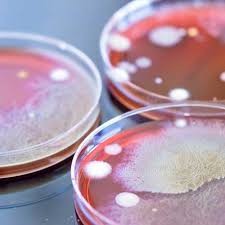
Ph.D. in Microbiology
Ph.D. in Microbiology usually takes 4-6 years to complete which involves extensive research on microorganisms, their interactions, and their impact on various ecosystems. The academic program inclu...
Ph.D. in Microbiology
×Ph.D. in Microbiology usually takes 4-6 years to complete which involves extensive research on microorganisms, their interactions, and their impact on various ecosystems. The academic program includes advanced coursework, laboratory research, and a dissertation. Students research bacterial genetics, virology, immunology, and microbial ecology. They acquire experts in cutting-edge procedures such as gene sequencing, bioinformatics, and microscopy. This degree prepares graduates for professions in academia, biotechnology, pharmaceuticals, and public health, granting them the skills they need to address global issues such as antibiotic resistance and new infectious diseases.

Ph.D. in Mathematics
Ph.D. in Mathematics is a terminal degree that usually requires 4-7 years to accomplish after acquiring a bachelor's degree. The curriculum comprises advanced coursework in pure and appli...
Ph.D. in Mathematics
×Ph.D. in Mathematics is a terminal degree that usually requires 4-7 years to accomplish after acquiring a bachelor's degree. The curriculum comprises advanced coursework in pure and applied mathematics, as well as independent research that leads to the completion of a doctorate research. PhD students acquire proficiency in abstract algebra, real and complex analysis, topology, and discrete mathematics. The degree prepares graduates for academic careers as university professors and researchers, as well as jobs in industries such as banking, technology, and government that require strong quantitative and problem-solving abilities.

Ph.D. in Physics
Ph.D. in Physics generally requires 5-7 years to complete, and it comprises advanced coursework, independent research, and a doctorate dissertation. Students explore the fundamental concepts...
Ph.D. in Physics
×Ph.D. in Physics generally requires 5-7 years to complete, and it comprises advanced coursework, independent research, and a doctorate dissertation. Students explore the fundamental concepts of matter and energy, and often specialize in quantum mechanics, astrophysics, or particle physics. The program fosters critical thinking, problem-solving skills, and knowledge in experimental or theoretical physics. Graduates are prepared to work in academia, research institutions, or industry, contributing to innovative scientific discoveries and technical developments. This challenging degree requires dedication, intellectual curiosity, and the ability to push the limits of human knowledge of the physical cosmos.

Ph.D. in Pharmaceutical Sciences
Doctor of Philosophy (Ph.D.) in Pharmaceutics is a rigorous 5-7 year research-focused doctoral program that provides students to serve as leading specialists in the development and improvement of d...
Ph.D. in Pharmaceutical Sciences
×Doctor of Philosophy (Ph.D.) in Pharmaceutics is a rigorous 5-7 year research-focused doctoral program that provides students to serve as leading specialists in the development and improvement of drug delivery systems. The program includes advanced topics in pharmaceutical sciences such as pharmacokinetics, medication development, manufacturing methods, and regulatory issues. Ph.D. candidates perform original laboratory and clinical research, culminating in the submission of a doctoral dissertation which contributes significantly to the field of pharmaceutics. Graduates have been trained for positions as pharmaceutical scientists, university instructors, regulatory advisors, and R&D professionals in the pharmaceutical business. The Ph.D. in Pharmaceutics program equips students with the specific knowledge required to revolutionize drug delivery methods, improve patient outcomes, and impact the future of pharmaceutical product development.

Ph.D. in Library & information Science
Ph.D. in Library & Information Science is a rigorous 4-5 year advanced research degree program that provides extensive training in information management theory, research techniques, and practi...
Ph.D. in Library & information Science
×Ph.D. in Library & Information Science is a rigorous 4-5 year advanced research degree program that provides extensive training in information management theory, research techniques, and practical applications, as well as knowledge organization and digitalization. The program includes in-depth study of topics including information retrieval, data analytics, user experience, and information policy. Independent research projects, scholarly publications, and collaborations with industry and academia help students develop expertise in identifying complex information-related challenges, designing innovative solutions, and contributing to knowledge advancement in the dynamic and interdisciplinary field of library and information science. Graduates of this program have the ability to work as information scientists, digital librarians, data curators, and faculty members at universities, research institutions, and leading information organizations.

Ph.D. in Social Work
Ph.D. in Social Work is a rigorous 4-5 year advanced research degree program that includes in-depth instruction in social work theory, research techniques, and practical applications. The curriculu...
Ph.D. in Social Work
×Ph.D. in Social Work is a rigorous 4-5 year advanced research degree program that includes in-depth instruction in social work theory, research techniques, and practical applications. The curriculum includes in-depth studies in topics such as social welfare policy, program assessment, community development, and clinical interventions. Independent research projects, scholarly publications, and collaborations with social service agencies and policymakers help students develop expertise in identifying complex social problems, designing innovative solutions, and contributing to knowledge advancement in the dynamic and multifaceted field of social work. Graduates of this degree have the opportunity to work as social work researchers, policy advisors, program directors, and faculty members at universities, research institutions, and major social service organizations.

Ph.D. in Psychology
Ph.D. in Psychology is a rigorous 5-7-year advanced research degree program that gives in-depth instruction in psychological science theory, research methods, and applications. The program includes...
Ph.D. in Psychology
×Ph.D. in Psychology is a rigorous 5-7-year advanced research degree program that gives in-depth instruction in psychological science theory, research methods, and applications. The program includes in-depth studies in cognitive, social, developmental, clinical, and industrial/organizational psychology. Through independent research projects, scholarly publications, and collaborations with research institutions and industry partners, students gain expertise in identifying complex human behavior and mental processes, designing innovative interventions, and contributing to scientific advancement in the dynamic and multifaceted field of psychology. Graduates of this program have the opportunity to work as research psychologists, clinical/counseling practitioners, organizational consultants, and faculty members at universities, research institutions, and major commercial and public sector enterprises.
Ph.D. in Zoology
Ph.D. in Zoology normally takes 3 -5 years of study after obtaining a master's degree. The curriculum requires intensive training in animal biology, ecology, evolutionary biology, and genetics,...
Ph.D. in Zoology
×Ph.D. in Zoology normally takes 3 -5 years of study after obtaining a master's degree. The curriculum requires intensive training in animal biology, ecology, evolutionary biology, and genetics, as well as considerable research. Students must write a dissertation that brings new knowledge to the field, which frequently includes laboratory research, field surveys, or data analysis. During this time, candidates may also teach undergraduate classes, attend seminars, and publish research findings in academic journals. Graduates are equipped for professions in academics, wildlife conservation, environmental consultancy, and a variety of positions in governmental and non-governmental organizations concerned with animal health and biodiversity.

Ph.D. in Resource Management and Consumer Science
Ph.D. in Resource Management and Consumer Science typically spans 3-5 years and is designed for those interested in advanced research on the efficient use of resources and understanding consumer be...
Ph.D. in Resource Management and Consumer Science
×Ph.D. in Resource Management and Consumer Science typically spans 3-5 years and is designed for those interested in advanced research on the efficient use of resources and understanding consumer behavior. This interdisciplinary program combines elements of economics, psychology, and environmental science to address issues related to resource allocation, sustainability, and consumer decision-making. Students conduct in-depth research, often culminating in a dissertation that addresses real-world problems, such as sustainable practices, financial literacy, or health and wellness management. Graduates are well-prepared for academic, research, and policy-making roles in industries focusing on sustainable resource management, consumer advocacy, and public policy.
Ph.D. in Buddhist Studies
Ph.D. in Buddhist Studies typically spans 3-5 years, focusing on the historical, philosophical, and cultural dimensions of Buddhism. The program includes coursework on Buddhist texts, me...
Ph.D. in Buddhist Studies
×Ph.D. in Buddhist Studies typically spans 3-5 years, focusing on the historical, philosophical, and cultural dimensions of Buddhism. The program includes coursework on Buddhist texts, meditation practices, and the religion's impact on society and politics. Students engage in independent research, contributing original insights to the field. They often study various schools of thought, including Theravada, Mahayana, and Vajrayana traditions, and may also explore contemporary issues like globalization and interfaith dialogue. Graduates are well-prepared for academic careers, research positions, or roles in religious organizations, NGOs, and cultural institutions, enhancing the understanding of Buddhism's relevance today.

Ph.D. in Ambedkar Chair
Ph.D. in Ambedkar Chair, where we bridge the gap between formal education and practical skills acquisition...

Ph.D. in Botany
Ph.D. in Botany usually takes 3-5 years and focuses on advanced study in plant biology, ecology, and conservation. The program includes intensive courses in plant physiology, taxonomy, molecul...
Ph.D. in Botany
×Ph.D. in Botany usually takes 3-5 years and focuses on advanced study in plant biology, ecology, and conservation. The program includes intensive courses in plant physiology, taxonomy, molecular biology, and environmental science. Students are expected to do unique research, culminating in a dissertation that advances the area of botany. Fieldwork, laboratory experiments, and interdisciplinary team cooperation are common components of the program. Graduates work in academia, research institutions, environmental agencies, and industries associated with agriculture, horticulture, and biodiversity conservation, bringing vital information to plant science and ecosystem management.

Ph.D. in Geology
Ph.D. in Geology typically requires 3 - 5 years of study beyond a master’s degree and focuses on advanced research in various geological sub-disciplines, including mineralogy, petrology,...
Ph.D. in Geology
×Ph.D. in Geology typically requires 3 - 5 years of study beyond a master’s degree and focuses on advanced research in various geological sub-disciplines, including mineralogy, petrology, paleontology, and environmental geology. The program generally involves coursework in advanced geology topics, research methodology, and statistics, alongside independent research culminating in a dissertation that contributes original knowledge to the field. Students may engage in fieldwork, laboratory analyses, and interdisciplinary studies, collaborating with geoscientists to address issues like natural resource management, geological hazards, and climate change. A strong background in mathematics and sciences is essential for success in this rigorous program.

Ph.D. in Statistics
Ph.D. in Statistics typically spans 4 - 6 years and involves advanced coursework in statistical theory, methodology, and application. The program often includes courses in multivariate analysi...
Ph.D. in Statistics
×Ph.D. in Statistics typically spans 4 - 6 years and involves advanced coursework in statistical theory, methodology, and application. The program often includes courses in multivariate analysis, Bayesian statistics, statistical modeling, and data mining. Students are expected to conduct original research, culminating in a dissertation that contributes new knowledge to the field. Ph.D. candidates may also participate in teaching and mentoring undergraduate students. Admission usually requires a strong background in mathematics and statistics, along with GRE scores and letters of recommendation. Graduates often pursue careers in academia, industry, or government, focusing on data analysis, research, and statistical consulting.

Ph.D. in Public Administration
A Ph.D. in Public Administration is a research-oriented program that investigates the philosophy, practice, and management of public-sector organizations and policies. The program typically lasts 3...
Ph.D. in Public Administration
×A Ph.D. in Public Administration is a research-oriented program that investigates the philosophy, practice, and management of public-sector organizations and policies. The program typically lasts 3-5 years and covers topics such as public policy analysis, governance, organizational theory, administrative ethics, and public service leadership. Students do original research to address contemporary issues in public administration, social justice, and governmental reform. In general, admission needs a Master's degree in Public Administration, Political Science, or a closely related discipline. Graduates work in academics, government agencies, non-governmental organizations (NGOs), and think tanks, helping to establish effective public policies and administrative procedures.

Ph.D. in Electronics Engineering
Ph.D. in Electronics Engineering is a research-oriented program that covers advanced themes in the design, development, and application of electronic systems and devices. The program typically last...
Ph.D. in Electronics Engineering
×Ph.D. in Electronics Engineering is a research-oriented program that covers advanced themes in the design, development, and application of electronic systems and devices. The program typically lasts 3 to 5 years and covers topics such as semiconductor technology, signal processing, communications systems, microelectronics, control systems, embedded systems, and nanotechnology. Students do original research to tackle hard technical challenges, create new technologies, and improve current electronic systems. The curriculum involves advanced coursework and research technique, culminating in a dissertation based on original research. Graduates frequently pursue positions in academia, research organizations, or sectors including telecommunications, electronics manufacturing, and technology development.
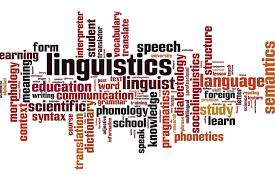
Ph.D. in Linguistics
Ph.D. in Linguistics is an advanced academic program that focuses on the scientific study of language, including its structure, evolution, and application. The program typically lasts 3 to 6 years...
Ph.D. in Linguistics
×Ph.D. in Linguistics is an advanced academic program that focuses on the scientific study of language, including its structure, evolution, and application. The program typically lasts 3 to 6 years and covers topics such as phonetics, phonology, syntax, semantics, sociolinguistics, psycholinguistics, and historical linguistics. Students do theoretical and applied study to learn how languages function, evolve, and are processed in the human brain. The program requires coursework, research methods, and the production of a dissertation based on original research. Graduates frequently work in academia, language study, translation, language technology, and linguistics-related sectors in government and industry.

Ph.D. in Pali
Ph.D. in Pali studies the Pali language, its literature, grammar, and its importance in the formation of Buddhist philosophy and writings. The curriculum, which typically lasts 3-5 years...
Ph.D. in Pali
×Ph.D. in Pali studies the Pali language, its literature, grammar, and its importance in the formation of Buddhist philosophy and writings. The curriculum, which typically lasts 3-5 years, integrates instruction in ancient languages, Buddhist studies, comparative linguistics, and textual analysis with original research. Students learn about canonical Pali literature like the Tripitaka, as well as historical, philosophical, and doctrinal aspects of Buddhism. Translations, interpretations, and the impact of Pali literature on South Asian culture are all possible topics for research. Graduates are equipped for positions in academia, research institutions, or religious studies, which will advance the study of Buddhist heritage and languages.
Ph.D. in Prakrit
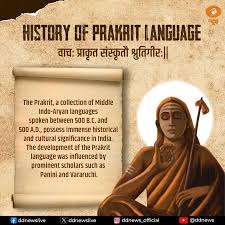
Ph.D. in Prakrit is dedicated to the study of Prakrit languages, literature, grammar, and historical relevance in ancient and medieval Indian culture. The program typically lasts 3 to 5 years...
Ph.D. in Prakrit
× Ph.D. in Prakrit is dedicated to the study of Prakrit languages, literature, grammar, and historical relevance in ancient and medieval Indian culture. The program typically lasts 3 to 5 years and integrates courses in linguistics, ancient texts, literary criticism, and epigraphy with original research. Students investigate numerous Prakrit dialects, their evolution, and their connections to Sanskrit and other Indian languages. Classical literature, inscriptions, and philosophical works written in Prakrit may be analyzed as part of research. Graduates are equipped to work in academia, research institutions, or cultural preservation, helping to comprehend and document ancient Indian languages and literary history.

Ph.D. in Marathi
A Ph.D. in Marathi is typically a 4-6 year program that offers an in-depth exploration of the Marathi language, literature, and cultural studies. Marathi linguistics, classical and modern Marathi l...
Ph.D. in Marathi
×A Ph.D. in Marathi is typically a 4-6 year program that offers an in-depth exploration of the Marathi language, literature, and cultural studies. Marathi linguistics, classical and modern Marathi literature, Marathi sociolinguistics, and the history and evolution of the Marathi language make up the advanced topics covered in the curriculum. Additionally, students carry out original research, which culminates in a dissertation that advances knowledge of Marathi literature, language, and sociocultural contexts. The program gives students the chance to collaborate across disciplines, interact directly with academic specialists, and maybe take part in language documentation and preservation projects. This Ph.D. program prepares its graduates for academic positions at research institutes, universities, and cultural organizations where they can further Marathi studies.