PhD in Agronomy normally takes 3-5 years to complete, with a concentration on advanced crop science, soil management, and sustainable agriculture techniques. This doctoral program requires a master's degree in a comparable discipline and consists of coursework, comprehensive exams, and an original dissertation. Students study plant genetics, soil chemistry, precision agriculture, and climate-resilient farming approaches. The curriculum frequently incorporates fieldwork, laboratory research, and partnerships with agricultural industries. Graduates get opportunities in academia, research institutions, government organizations, or the commercial sector, where they can help improve agricultural yields, develop sustainable farming methods, and address global food security issues.
University of Agricultural Sciences
University of Agricultural Sciences Admission Open
Ph.D. in Food And Nutrition
Ph.D. in Food and Nutrition usually takes3-5 years to complete, depending on the curriculum and research requirements. This graduate degree program promotes in-depth study and distinctive research...
Ph.D. in Food And Nutrition
×Ph.D. in Food and Nutrition usually takes3-5 years to complete, depending on the curriculum and research requirements. This graduate degree program promotes in-depth study and distinctive research in fields such as nutritional metabolism, food science, public health nutrition, and dietary interventions. Students acquire skills in research methods, statistical analysis, and scientific writing. In addition to specific nutrition subjects, the curriculum often involves advanced training in biochemistry, physiology, and epidemiology. Candidates are expected to do independent research, culminating in a doctoral dissertation that improves knowledge in the regulation. Graduates are prepared to pursue careers in academia, research institutes, government agencies, or industry, where they can direct nutrition research, formulate policy, or innovate in food science and technology.

Ph.D. in Mass Communication
Ph.D. in Mass Communication usually takes 3-5 years to complete, depending on the program and research requirements. This postgraduate degree focuses on media, communication theories, and thei...
Ph.D. in Mass Communication
×Ph.D. in Mass Communication usually takes 3-5 years to complete, depending on the program and research requirements. This postgraduate degree focuses on media, communication theories, and their social implications. Students complete challenging courses, conduct independent research, and frequently serve as teaching assistants. The curriculum includes topics such as media effects, digital communication, journalism, public relations, and research methods. Candidates are expected to offer original research in the way of a dissertation that explores completely into specific aspects of mass communication. This degree prepares students for careers in academia, research institutes, media organizations, and high-level roles in communication-related companies.

Ph.D. in Biotechnology
Ph.D. in Biotechnology is an advanced research degree that involves biology, technology, and engineering. It generally takes 4-6 years to complete. The curriculum focuses on discovering innovative...
Ph.D. in Biotechnology
×Ph.D. in Biotechnology is an advanced research degree that involves biology, technology, and engineering. It generally takes 4-6 years to complete. The curriculum focuses on discovering innovative solutions to healthcare, agricultural businesses, and environmental issues. Students engage in intensive coursework, laboratory research, and frequent collaborations with industry partners. Genetic engineering, bioinformatics, molecular biology, and bioprocess engineering are all significant study fields. Candidates have to do original research, publish in peer-reviewed publications, and defend their doctoral thesis. This degree prepares graduates for managerial positions in academia, research institutes, pharmaceutical businesses, and biotech startups, advancing disciplines such as medication development, sustainable agriculture, and biofuel production.
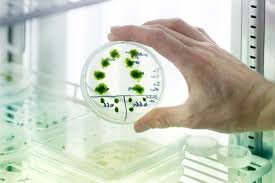
Ph.D. in Genetics & Plant Breeding
Ph.D. in Genetics and Plant Breeding typically spans 3 - 5 years, focusing on advanced research in the genetic improvement of crops. The program covers various aspects, including molecul...
Ph.D. in Genetics & Plant Breeding
×Ph.D. in Genetics and Plant Breeding typically spans 3 - 5 years, focusing on advanced research in the genetic improvement of crops. The program covers various aspects, including molecular genetics, genomics, and biotechnological applications, aiming to enhance traits such as yield, disease resistance, and environmental adaptability. Students engage in hands-on research, often involving field trials and laboratory experiments. Coursework may include statistics, bioinformatics, and plant physiology. Graduates are equipped for careers in academia, industry, or government, contributing to sustainable agriculture and food security through innovative breeding strategies and genetic research.
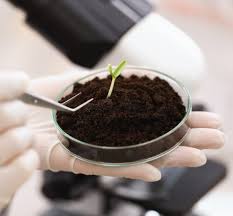
Ph.D. in Agriculture-Soil Science
Ph.D. in Agriculture with a specialization in Soil Science typically requires 3 to 5 years of study beyond a master's degree. This program focuses on advanced research in soil chemistry,...
Ph.D. in Agriculture-Soil Science
×Ph.D. in Agriculture with a specialization in Soil Science typically requires 3 to 5 years of study beyond a master's degree. This program focuses on advanced research in soil chemistry, microbiology, fertility, and conservation, preparing students to address critical agricultural challenges. Candidates engage in fieldwork and laboratory experiments to study soil properties, analyze nutrient management practices, and explore sustainable agricultural systems. The program culminates in a dissertation based on original research that contributes to the scientific understanding of soil ecosystems and their role in agricultural productivity. Graduates often pursue careers in academia, research institutions, or agricultural consultancy.
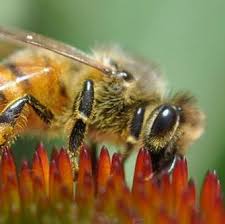
Ph.D. in Entomology & Apiculture
Ph.D. in Entomology & Apiculture typically spans 3-5 years and focuses on the study of insects, their biology, behavior, ecology, and their role in agriculture and the environment. S...
Ph.D. in Entomology & Apiculture
×Ph.D. in Entomology & Apiculture typically spans 3-5 years and focuses on the study of insects, their biology, behavior, ecology, and their role in agriculture and the environment. Students engage in advanced research related to insect physiology, pest management, pollination biology, and the significance of bees and other pollinators in food production. The program often includes coursework in entomological techniques, genetics, and ecological principles, alongside hands-on research in laboratory and field settings. Graduates are well-prepared for careers in academia, government agencies, agricultural industries, and environmental organizations, addressing critical issues related to insect populations and biodiversity.
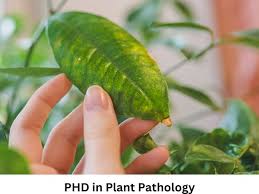
Ph.D. in Plant Pathology
Ph.D. in Plant Pathology normally lasts 3-5 years and focuses on the study of plant diseases caused by pathogens such as fungi, bacteria, viruses, and nematodes. The program combines intense i...
Ph.D. in Plant Pathology
×Ph.D. in Plant Pathology normally lasts 3-5 years and focuses on the study of plant diseases caused by pathogens such as fungi, bacteria, viruses, and nematodes. The program combines intense instruction in plant biology, microbiology, and disease management with extensive research. Candidates carry out innovative research to investigate disease resistance mechanisms, pathogen biology, and management techniques. The curriculum culminates with a dissertation based on research findings. Graduates frequently work in academia, research organizations, government agencies, or the agricultural industry, helping to promote crop protection, sustainable agriculture, and food security.
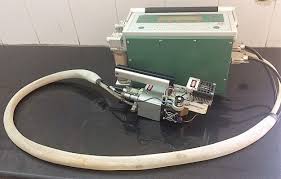
Ph.D. in Plant Physiology
Ph.D. in Plant Physiology typically requires 3 - 5 years of study and research following a master's degree in a related field, such as biology, botany, or agricultural science. This progra...
Ph.D. in Plant Physiology
×Ph.D. in Plant Physiology typically requires 3 - 5 years of study and research following a master's degree in a related field, such as biology, botany, or agricultural science. This program focuses on the physiological processes of plants, including growth, metabolism, and responses to environmental factors. Students engage in advanced coursework, laboratory experiments, and field studies to investigate plant functions and adaptations. Research may cover topics such as photosynthesis, water relations, nutrient uptake, and plant stress responses. Graduates often pursue careers in academia, research institutions, or the agricultural industry, contributing to advancements in crop production and environmental sustainability.
Ph.D. in Molecular Biology
Ph.D. in Molecular Biology typically spans 4 - 6 years, encompassing advanced coursework, comprehensive exams, and original research. This program delves into the molecular mechanisms of biolo...
Ph.D. in Molecular Biology
×Ph.D. in Molecular Biology typically spans 4 - 6 years, encompassing advanced coursework, comprehensive exams, and original research. This program delves into the molecular mechanisms of biological processes, including DNA replication, gene expression, and protein synthesis. Students engage in hands-on laboratory work, utilizing techniques such as PCR, sequencing, and CRISPR to investigate cellular functions and disease mechanisms. Collaboration with interdisciplinary teams is common, fostering a broader understanding of the field. Graduates often pursue careers in academia, biotechnology, pharmaceuticals, or healthcare, contributing to advancements in genetic research, therapeutic development, and innovative biotechnological solutions.
Ph.D. in Seed Science and Technology
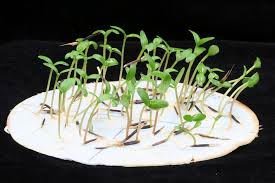
Ph.D. in Seed Science and Technology is a research-intensive graduate degree that takes about 4-6 years to accomplish. The curriculum is centered on the scientific study of seeds, including their b...
Ph.D. in Seed Science and Technology
×Ph.D. in Seed Science and Technology is a research-intensive graduate degree that takes about 4-6 years to accomplish. The curriculum is centered on the scientific study of seeds, including their biology, production, processing, storage, and distribution. Coursework focuses on seed physiology, genetics, pathology, and biotechnology, while dissertation research permits students to contribute innovatively. Graduates may work in academia, government, or the corporate sector as researchers, educators, or consultants in fields such as agricultural development, seed production, and food security.
Ph.D. in Agricultural Economics
Ph.D. in Agricultural Economics usually takes 4-5 years to complete. The curriculum offers extensive instruction in applying economic theory and quantitative approaches to food and agricultura...
Ph.D. in Agricultural Economics
×Ph.D. in Agricultural Economics usually takes 4-5 years to complete. The curriculum offers extensive instruction in applying economic theory and quantitative approaches to food and agricultural challenges. Core courses include microeconomic theory, econometrics, and agricultural policy. Graduates are equipped to work in academia, government, agribusiness, and consulting, among other fields. The curriculum emphasizes hands-on research, with many students co-authoring publications alongside teachers. Admission is tough, frequently necessitating high academic qualifications and GRE scores. Assistantships and funding possibilities are available to help students in their studies.
Ph.D. in Agricultural Extension Education
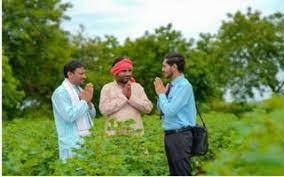
Ph.D. in Agricultural Extension Education is a doctoral degree that focuses on the theory and practice of delivering agricultural knowledge and technologies to farmers and rural communities. The pr...
Ph.D. in Agricultural Extension Education
×Ph.D. in Agricultural Extension Education is a doctoral degree that focuses on the theory and practice of delivering agricultural knowledge and technologies to farmers and rural communities. The program typically takes 4-5 years to complete and involves coursework in agricultural sciences, adult education, communication, and program evaluation. Graduates are prepared for careers in agricultural extension services, university teaching and research, and international development organizations. The degree emphasizes developing expertise in translating scientific advancements into practical applications that improve agricultural productivity and food security.
Ph.D. in Agriculture Business Management
Ph.D. in Agriculture Business Management is a doctoral degree that typically takes 4-6 years to complete. The program focuses on developing advanced expertise in the business and management aspects...
Ph.D. in Agriculture Business Management
×Ph.D. in Agriculture Business Management is a doctoral degree that typically takes 4-6 years to complete. The program focuses on developing advanced expertise in the business and management aspects of the agricultural industry. Coursework covers topics such as agricultural economics, supply chain management, marketing, policy, and entrepreneurship. Students conduct original research and complete a dissertation to make a novel contribution to the field. Graduates are prepared for leadership roles in agricultural businesses, government agencies, research institutions, or academia. The degree equips them with high-level analytical, problem-solving, and decision-making skills applicable to the unique challenges and opportunities in the agricultural sector.

Ph.D. in Human Development and Family Studies
The Ph.D. in Human Development and Family Studies typically spans 3-5 years, focusing on advanced research in human development across the lifespan and family dynamics. This program delves into dev...
Ph.D. in Human Development and Family Studies
×The Ph.D. in Human Development and Family Studies typically spans 3-5 years, focusing on advanced research in human development across the lifespan and family dynamics. This program delves into developmental psychology, family relations, policy analysis, and the socio-cultural factors affecting individuals and families. Students explore diverse methodologies, engage in original research, and contribute to the field with a dissertation. Graduates are prepared for academic, research, and policy-making roles, addressing issues like child development, aging, family counseling, and social welfare. Prerequisites often include a master's in a related field, along with research experience, to support rigorous academic training and specialized expertise.
Ph.D. in Agricultural Microbiology
Typically lasting 3-5years, a Ph.D. degree in agricultural microbiology focuses on study of microorganisms in agricultural systems. Advanced training in plant pathology, soil chemistry, microbiolog...
Ph.D. in Agricultural Microbiology
×Typically lasting 3-5years, a Ph.D. degree in agricultural microbiology focuses on study of microorganisms in agricultural systems. Advanced training in plant pathology, soil chemistry, microbiology, and biotechnology is combined with unique laboratory and field research to provide this research-intensive degree. Students research subjects such microbial pest control, plant-microbe interactions, soil microbiomes, and biofertilizers. Teaching assistantships, research findings publications, and presentations at scientific conferences are frequently a part of the program. Graduates are equipped for jobs in government organizations, biotechnology companies, academic institutions, and agricultural research facilities. Students are prepared to tackle issues of food security and environmental preservation through microbial applications
Ph.D. in Horticulture
Ph.D. in Horticulture is a graduate research degree that focuses on the science of plant cultivation, breeding, and crop management. The curriculum typically lasts 3-5 years and involves training i...
Ph.D. in Horticulture
×Ph.D. in Horticulture is a graduate research degree that focuses on the science of plant cultivation, breeding, and crop management. The curriculum typically lasts 3-5 years and involves training in plant physiology, soil science, pest management, plant genetics, and agricultural production techniques, followed by original research. Students investigate topics like fruit and vegetable production, plant biotechnology, sustainable agriculture, and landscape management. The program focuses on horticulture innovation to improve agricultural yields, quality, and sustainability. Graduates frequently work in academia, research institutions, agricultural companies, or environmental organizations, helping to promote food production, environmental sustainability, and plant science.

Ph.D. in Natural Resources & Sustainable Development
Ph.D. in Natural Resources & Sustainable Development typically takes 3-5 years, depending on the institution and research project. This interdisciplinary program combines environmental science,...
Ph.D. in Natural Resources & Sustainable Development
×Ph.D. in Natural Resources & Sustainable Development typically takes 3-5 years, depending on the institution and research project. This interdisciplinary program combines environmental science, policy, and management to address complex sustainability challenges. Students engage in advanced coursework, conduct original research, and complete a dissertation. Key areas of study include ecosystem management, climate change adaptation, resource economics, and environmental policy. The program prepares graduates for careers in academia, government agencies, NGOs, and international organizations. Applicants usually need a master's degree in a related field and research experience. This Ph.D. equips students with the skills to develop innovative solutions for sustainable resource management and environmental conservation on a global scale.

Ph.D. in Apparel and Textile Science
Ph.D. in garment and Textile Science emphasizes on textile and garment research and development, with a focus on materials, design, technology, and sustainability. The program typically...
Ph.D. in Apparel and Textile Science
×Ph.D. in garment and Textile Science emphasizes on textile and garment research and development, with a focus on materials, design, technology, and sustainability. The program typically lasts 3 to 5 years and includes training in textile engineering, fashion design, textile chemistry, and product development, as well as extensive research. Students learn about fabric qualities, textile manufacturing techniques, sustainable materials, and fashion consumer behavior. Innovative textile technologies, smart fabrics, and sustainable production processes may all be the focus of research. Graduates are prepared to work in academia, research, or the textile and fashion sectors, helping to promote textile design, material science, and sustainable fashion practices.
Ph.D. in Home Science Extension Education
The application of home science concepts to community outreach and education endeavors is the main focus of a Ph.D. in Home Science Extension Education. curriculum development, family studies, nutr...
Ph.D. in Home Science Extension Education
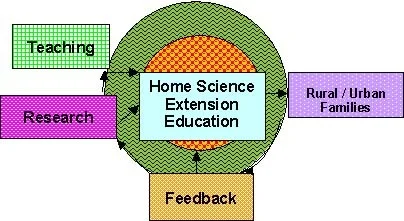
×The application of home science concepts to community outreach and education endeavors is the main focus of a Ph.D. in Home Science Extension Education. curriculum development, family studies, nutrition, and extension techniques are among the subjects covered in the 4 - 5 year curriculum. Graduates are equipped to develop and administer programs to enhance the quality of life for individuals and families as scientists, educators, and administrators in government agencies, community organizations, and cooperative extension services. The degree places a strong emphasis on both theoretical comprehension and useful abilities for translating scientific discoveries into successful educational initiatives.

Ph.D. in Forest Biology and Tree Improvement
A Ph.D. in Forest Biology and Tree Improvement is typically a 4-6 year program that provides advanced training in the scientific principles and applied techniques for enhancing the genetic quality,...
Ph.D. in Forest Biology and Tree Improvement
×A Ph.D. in Forest Biology and Tree Improvement is typically a 4-6 year program that provides advanced training in the scientific principles and applied techniques for enhancing the genetic quality, growth, and productivity of forest tree species. Topics involve silviculture, breeding techniques, molecular genetics, tree physiology, and forest ecosystem dynamics are all addressed in the program. Students engage out unique research to create unique solutions to problems in fields including climate change adaptation, disease and insect resistance, and sustainable lumber production—often in cooperation with governmental organizations, business partners, or academic institutions. Graduates of this degree can advance forest conservation and management by working in government forestry departments, private sector tree improvement initiatives, research groups, and academia.

Ph.D. in Silviculture and Agroforestry
A Ph.D. in Silviculture and Agroforestry is typically a 4-6 year program that provides advanced training in the management and conservation of forest ecosystems, as well as the integration of trees...
Ph.D. in Silviculture and Agroforestry
×A Ph.D. in Silviculture and Agroforestry is typically a 4-6 year program that provides advanced training in the management and conservation of forest ecosystems, as well as the integration of trees and woody plants into agricultural production systems. Forest ecology, tree physiology, silvicultural techniques, agroforestry design and implementation, and the socioeconomic and policy aspects of sustainable land use belong to the subjects covered in the program. Students carry out original research to create creative answers to problems in fields including food security, biodiversity preservation, and climate change mitigation, frequently in cooperation with governmental organizations, non-governmental organizations, or partners in the commercial sector. Graduates of this degree are equipped to work at academic institutions, research centers, international development organizations, and natural resource management agencies, advancing agricultural integration and sustainable forestry.

Ph.D. in Family Resource Management
A Ph.D. in Family Resource Management typically spans 3-5 years and delves into advanced research on family dynamics, financial planning, and resource allocation within households. This interdiscip...
Ph.D. in Family Resource Management
×A Ph.D. in Family Resource Management typically spans 3-5 years and delves into advanced research on family dynamics, financial planning, and resource allocation within households. This interdisciplinary program examines at how families efficiently manage their resources by fusing aspects of sociology, psychology, and economics. Students study subjects like sustainable living, work-life balance, consumer behavior, and family decision-making processes. Advanced statistical techniques, research design, and classes on family theories and practices are frequently included in the curriculum. It is anticipated that candidates will make original contributions to the subject, which could include examining novel ways to family financial education, assessing the effects of economic shifts on family well-being, or examining trends in resource allocation.