
Ph.D. in English takes approximately 5-7 years to accomplish, depending on the program and individual progress. This postgraduate degree emphasizes in-depth study of literature, language, and critical theory. Students conduct substantial research, culminating in a PhD dissertation that adds novel knowledge to the discipline. The curriculum frequently includes coursework, extensive tests, and teaching obligations. Specializations may include medieval literature, postcolonial studies, and digital humanities. Graduates get opportunities for positions in academia, publishing, and advanced research. The degree needs a solid basis in literary interpretation, exceptional writing skills, and the capacity to perform independent scholarly research.

University of Allahabad
University of Allahabad Admission Open

Ph.D. in Hindi
Ph.D. in Hindi takes approximately 3-5 years to finish, depending on the university and the candidate's research progress. This postgraduate degree program emphasizes in-depth study and innovat...
Ph.D. in Hindi
×Ph.D. in Hindi takes approximately 3-5 years to finish, depending on the university and the candidate's research progress. This postgraduate degree program emphasizes in-depth study and innovative research in Hindi language, literature, and culture. Students investigate numerous topics, including Hindi linguistics, classical and modern Hindi literature, comparative studies, and cultural theories. The program typically includes coursework, comprehensive exams, and a PhD dissertation. Candidates are expected to make fresh contributions to the field through their research. Students can pursue their career in academics, research, translation, or cultural organizations. Admission to a Ph.D. program in Hindi frequently requires Hindi proficiency as well as a master's degree in a relevant discipline.
Ph.D. in Sociology
Ph.D. in Sociology usually takes 4-7 years to complete, depending on the program and individual success. This postgraduate degree emphasizes the scientific study of human social behavior, instituti...
Ph.D. in Sociology
×Ph.D. in Sociology usually takes 4-7 years to complete, depending on the program and individual success. This postgraduate degree emphasizes the scientific study of human social behavior, institutions, and societies. Students complete challenging coursework, develop research skills, and perform original research, which culminates in a PhD dissertation. The curriculum frequently includes sophisticated statistical tools, sociological theory, and specialist topics such as inequality, globalization, and urban sociology. Graduates get the opportunity to work in academia, research institutions, government agencies, and non-profit organizations. The curriculum involves a strong analytical approach, outstanding writing abilities, and the capacity to develop and carry out complicated research projects that add new knowledge to the subject.

Ph.D. in Political Science
PhD in Political Science usually takes 4-7 years to complete, depending on the program and individual progress. This advanced degree focuses on a thorough examination of political systems, in...
Ph.D. in Political Science
×PhD in Political Science usually takes 4-7 years to complete, depending on the program and individual progress. This advanced degree focuses on a thorough examination of political systems, institutions, and behavior. Students complete demanding coursework, thorough tests, and original research, culminating in a PhD dissertation. Political theory, comparative politics, international relations, and research methodology are common topics in the curriculum. Graduates get a lot of experience in data analysis, critical thinking, and advanced research abilities, which prepare them for positions in academia, government, think tanks, and international organizations. The curriculum needs a strong commitment to intellectual inquiry and frequently includes teaching assistantships or research jobs to obtain hands-on experience in the field.

Ph.D. in Sanskrit
Ph.D. in Sanskrit normally takes 4-6 years to finish, depending on the university and the student's prior language experience. This postgraduate degree emphasizes in-depth study of Sanskrit lit...
Ph.D. in Sanskrit
×Ph.D. in Sanskrit normally takes 4-6 years to finish, depending on the university and the student's prior language experience. This postgraduate degree emphasizes in-depth study of Sanskrit literature, language, philosophy, and culture. Students conduct intensive research, frequently concentrating in topics such as Vedic literature, classical poetry, or comparative language. The curriculum typically includes coursework, thorough exams, and a dissertation on an original research topic. Candidates are expected to achieve expert-level competency in reading and interpreting Sanskrit texts, contribute to the subject through publications, and possibly teach. This degree provides various positions in Academic, research, translation, and cultural preservation.

Ph.D. in Geography
Ph.D. in Geography normally takes 3-5 years to complete, depending on the university and research area. This postgraduate degree focuses on complex spatial linkages, human-environmental interaction...
Ph.D. in Geography
×Ph.D. in Geography normally takes 3-5 years to complete, depending on the university and research area. This postgraduate degree focuses on complex spatial linkages, human-environmental interactions, and geographical theories. Students complete demanding coursework, exhaustive tests, and original research, culminating in a dissertation. The program includes a wide range of topics, including physical geography, human geography, and geospatial technology. Candidates gain experience in research methods, data analysis, and critical thinking. Graduates get the opportunity to work in academics, environmental consultancy, urban development, and government agencies. The Ph.D. program encourages a thorough awareness of global concerns, spatial patterns, and the interconnection of human and ecological systems of all sizes.

Ph.D. in Economics
Ph.D. in Economics takes approximately 4-6 years to complete, depending on the program and individual success. The degree requires advanced study of economic theory, quantitative methods, and speci...
Ph.D. in Economics
×Ph.D. in Economics takes approximately 4-6 years to complete, depending on the program and individual success. The degree requires advanced study of economic theory, quantitative methods, and specific subjects such as macroeconomics, microeconomics, econometrics, and development economics. Students complete demanding coursework, thorough tests, and original research, culminating in a PhD dissertation. This degree provides different career positions in academia, research institutes, government agencies, and the business sector that require advanced economic analysis. Data analysis, mathematical modeling, critical thinking, and the capacity to undertake independent study on complicated economic issues are all important abilities learned.

Ph.D. in Chemistry
Ph.D. in Chemistry takes around 4-6 years to complete, depending on the research project and institution. This doctoral program emphasizes distinctive research in certain areas of chemistry, such a...
Ph.D. in Chemistry
×Ph.D. in Chemistry takes around 4-6 years to complete, depending on the research project and institution. This doctoral program emphasizes distinctive research in certain areas of chemistry, such as organic, inorganic, physical, or analytical chemistry. Students pursue more advanced courses, perform substantial laboratory research, and develop a dissertation based on their findings. The program includes generating hypotheses, designing experiments, analyzing data, and bringing new knowledge to the field. Ph.D. candidates frequently interact with other experts, give presentation at conferences, and publish articles in scientific publications. This degree equips graduates with job opportunities in academia, industry research, government laboratories, and other scientific fields that require advanced chemical skills.

Ph.D. in Commerce
The Ph.D. in Commerce is a required 4-5 year advanced research degree program that gives comprehensive training in the theory, research methodologies, and practical applications of numerous bu...
Ph.D. in Commerce
×The Ph.D. in Commerce is a required 4-5 year advanced research degree program that gives comprehensive training in the theory, research methodologies, and practical applications of numerous business and management fields. The program includes in-depth study of accounting, finance, marketing, human resources, operations, and strategy. Independent research projects, scholarly publications, and collaborations with industry and academia help students develop expertise in identifying and investigating complex business problems, designing innovative solutions, and contributing to the advancement of knowledge in the dynamic and multifaceted field of business. Graduates of this program have the opportunity to work as business researchers, consultants, policymakers, and faculty members in universities, research institutions, and major corporations.

Ph.D. in Social Work
Ph.D. in Social Work is a rigorous 4-5 year advanced research degree program that includes in-depth instruction in social work theory, research techniques, and practical applications. The curriculu...
Ph.D. in Social Work
×Ph.D. in Social Work is a rigorous 4-5 year advanced research degree program that includes in-depth instruction in social work theory, research techniques, and practical applications. The curriculum includes in-depth studies in topics such as social welfare policy, program assessment, community development, and clinical interventions. Independent research projects, scholarly publications, and collaborations with social service agencies and policymakers help students develop expertise in identifying complex social problems, designing innovative solutions, and contributing to knowledge advancement in the dynamic and multifaceted field of social work. Graduates of this degree have the opportunity to work as social work researchers, policy advisors, program directors, and faculty members at universities, research institutions, and major social service organizations.
Ph.D. in Zoology
Ph.D. in Zoology normally takes 3 -5 years of study after obtaining a master's degree. The curriculum requires intensive training in animal biology, ecology, evolutionary biology, and genetics,...
Ph.D. in Zoology
×Ph.D. in Zoology normally takes 3 -5 years of study after obtaining a master's degree. The curriculum requires intensive training in animal biology, ecology, evolutionary biology, and genetics, as well as considerable research. Students must write a dissertation that brings new knowledge to the field, which frequently includes laboratory research, field surveys, or data analysis. During this time, candidates may also teach undergraduate classes, attend seminars, and publish research findings in academic journals. Graduates are equipped for professions in academics, wildlife conservation, environmental consultancy, and a variety of positions in governmental and non-governmental organizations concerned with animal health and biodiversity.

Ph.D. in Agriculture
Ph.D. in Agriculture is a research-oriented degree that aims to expand knowledge in fields like agricultural science, soil health, agribusiness, and sustainable farming. Typically lasting 3-5 ...
Ph.D. in Agriculture
×Ph.D. in Agriculture is a research-oriented degree that aims to expand knowledge in fields like agricultural science, soil health, agribusiness, and sustainable farming. Typically lasting 3-5 years, the curriculum consists of extensive coursework, laboratory research, and field study, culminating in a dissertation based on original research. Agronomy, horticulture, plant genetics, soil science, agricultural economics, and agricultural engineering are among the possible specializations. The curriculum provides students with knowledge of agricultural advances, allowing them to solve concerns such as food security, climate resilience, and sustainable practices. Graduates frequently pursue positions in academia, research institutions, government agencies, and the agricultural industry.
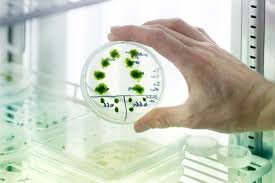
Ph.D. in Genetics & Plant Breeding
Ph.D. in Genetics and Plant Breeding typically spans 3 - 5 years, focusing on advanced research in the genetic improvement of crops. The program covers various aspects, including molecul...
Ph.D. in Genetics & Plant Breeding
×Ph.D. in Genetics and Plant Breeding typically spans 3 - 5 years, focusing on advanced research in the genetic improvement of crops. The program covers various aspects, including molecular genetics, genomics, and biotechnological applications, aiming to enhance traits such as yield, disease resistance, and environmental adaptability. Students engage in hands-on research, often involving field trials and laboratory experiments. Coursework may include statistics, bioinformatics, and plant physiology. Graduates are equipped for careers in academia, industry, or government, contributing to sustainable agriculture and food security through innovative breeding strategies and genetic research.
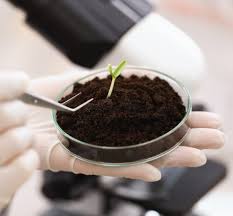
Ph.D. in Agriculture-Soil Science
Ph.D. in Agriculture with a specialization in Soil Science typically requires 3 to 5 years of study beyond a master's degree. This program focuses on advanced research in soil chemistry,...
Ph.D. in Agriculture-Soil Science
×Ph.D. in Agriculture with a specialization in Soil Science typically requires 3 to 5 years of study beyond a master's degree. This program focuses on advanced research in soil chemistry, microbiology, fertility, and conservation, preparing students to address critical agricultural challenges. Candidates engage in fieldwork and laboratory experiments to study soil properties, analyze nutrient management practices, and explore sustainable agricultural systems. The program culminates in a dissertation based on original research that contributes to the scientific understanding of soil ecosystems and their role in agricultural productivity. Graduates often pursue careers in academia, research institutions, or agricultural consultancy.

Ph.D. in Agricultural Economics
Ph.D. in Agricultural Economics usually takes 4-5 years to complete. The curriculum offers extensive instruction in applying economic theory and quantitative approaches to food and agricultura...
Ph.D. in Agricultural Economics
×Ph.D. in Agricultural Economics usually takes 4-5 years to complete. The curriculum offers extensive instruction in applying economic theory and quantitative approaches to food and agricultural challenges. Core courses include microeconomic theory, econometrics, and agricultural policy. Graduates are equipped to work in academia, government, agribusiness, and consulting, among other fields. The curriculum emphasizes hands-on research, with many students co-authoring publications alongside teachers. Admission is tough, frequently necessitating high academic qualifications and GRE scores. Assistantships and funding possibilities are available to help students in their studies.
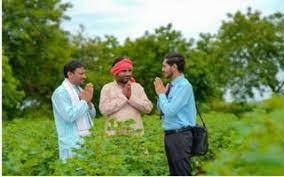
Ph.D. in Agricultural Extension Education
Ph.D. in Agricultural Extension Education is a doctoral degree that focuses on the theory and practice of delivering agricultural knowledge and technologies to farmers and rural communities. The pr...
Ph.D. in Agricultural Extension Education
×Ph.D. in Agricultural Extension Education is a doctoral degree that focuses on the theory and practice of delivering agricultural knowledge and technologies to farmers and rural communities. The program typically takes 4-5 years to complete and involves coursework in agricultural sciences, adult education, communication, and program evaluation. Graduates are prepared for careers in agricultural extension services, university teaching and research, and international development organizations. The degree emphasizes developing expertise in translating scientific advancements into practical applications that improve agricultural productivity and food security.
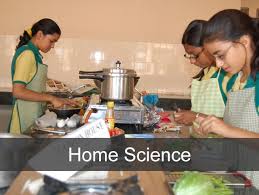
Ph.D. in Home Science
Ph.D. in Home Science is an interdisciplinary research program that investigates family and community well-being through nutrition, family dynamics, textile science, child development, and home man...
Ph.D. in Home Science
×Ph.D. in Home Science is an interdisciplinary research program that investigates family and community well-being through nutrition, family dynamics, textile science, child development, and home management. The program typically lasts 3 to 5 years and covers topics such as human nutrition, dietetics, interior design, family resource management, early childhood education, and sustainable practices. Students do research to solve current challenges such as health, social welfare, and environmental sustainability in the home and community setting. The curriculum consists of coursework, research methods, and a dissertation based on original research. Graduates frequently seek employment in academia, social work, public health, and family therapy.
Ph.D. in Philosophy
Ph.D. in Philosophy is an advanced research program focused on the exploration of fundamental questions related to existence, knowledge, ethics, logic, and the mind. Typically lasting 3 to 6 years,...
Ph.D. in Philosophy
×Ph.D. in Philosophy is an advanced research program focused on the exploration of fundamental questions related to existence, knowledge, ethics, logic, and the mind. Typically lasting 3 to 6 years, the program covers various branches of philosophy, including metaphysics, epistemology, ethics, political philosophy, and philosophy of mind. Students engage in deep analysis of classical and contemporary philosophical texts and contribute original research to address unresolved philosophical issues. The program includes seminars, coursework, comprehensive exams, and a dissertation. Graduates often pursue careers in academia, research, publishing, and roles requiring critical thinking and analytical skills in various fields.
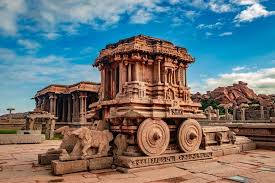
Ph.D. in Ancient History
Ph.D. in Ancient History is an advanced research degree that focuses on the study of ancient civilizations, cultures, and historical events from prehistory to the Middle Ages. The program, which ty...
Ph.D. in Ancient History
×Ph.D. in Ancient History is an advanced research degree that focuses on the study of ancient civilizations, cultures, and historical events from prehistory to the Middle Ages. The program, which typically lasts 3-5 years, comprises courses in historiography, archeological methodology, ancient languages, and specific areas like classical antiquity, ancient empires, and religious history. Students undertake original research, examine primary materials, and offer new perspectives on ancient cultures' social, political, and economic processes. Graduates frequently work in academics, museums, cultural heritage groups, or research institutions, advancing our study and preservation of ancient history and cultures.
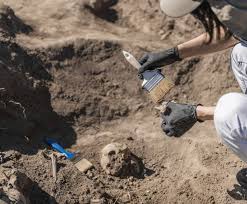
Ph.D. in Archaeology
Ph.D. in Archaeology is a graduate research degree that focuses on the study of human history, civilizations, and society via material remains. The curriculum typically lasts 4-6 years and includes...
Ph.D. in Archaeology
×Ph.D. in Archaeology is a graduate research degree that focuses on the study of human history, civilizations, and society via material remains. The curriculum typically lasts 4-6 years and includes courses in archaeological methodology, field techniques, cultural heritage, and specialty fields such as prehistory, historical archaeology, and bioarchaeology. Students do fieldwork, lab research, and artifact analysis, which contributes to new understandings of ancient civilizations, cultural evolution, and archaeological conservation. Graduates frequently seek professions in academia, museums, government agencies, or historical groups, where they work on excavation projects, preservation efforts, and contribute to the global study and conservation of cultural heritage.

Ph.D. in Horticulture
Ph.D. in Horticulture is a graduate research degree that focuses on the science of plant cultivation, breeding, and crop management. The curriculum typically lasts 3-5 years and involves training i...
Ph.D. in Horticulture
×Ph.D. in Horticulture is a graduate research degree that focuses on the science of plant cultivation, breeding, and crop management. The curriculum typically lasts 3-5 years and involves training in plant physiology, soil science, pest management, plant genetics, and agricultural production techniques, followed by original research. Students investigate topics like fruit and vegetable production, plant biotechnology, sustainable agriculture, and landscape management. The program focuses on horticulture innovation to improve agricultural yields, quality, and sustainability. Graduates frequently work in academia, research institutions, agricultural companies, or environmental organizations, helping to promote food production, environmental sustainability, and plant science.
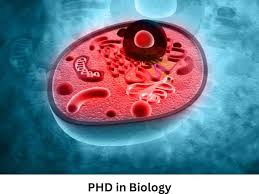
Ph.D. in Biology
Ph.D. in Biology is a graduate research degree that focuses on the study of living organisms, ecosystems, and biological processes. The program, which typically takes 4-6 years to complete, include...
Ph.D. in Biology
×Ph.D. in Biology is a graduate research degree that focuses on the study of living organisms, ecosystems, and biological processes. The program, which typically takes 4-6 years to complete, includes courses in genetics, molecular biology, ecology, biochemistry, and microbiology, as well as original research in a particular area. Students conduct experiments, collect data, and make new discoveries in subjects such as cell biology, evolutionary biology, environmental science, and biotechnology. Graduates frequently work in academia, research institutions, pharmaceuticals, or healthcare, increasing scientific knowledge and providing answers to medical, environmental, and biotechnological concerns.

Ph.D. in Defence and Strategic Studies
Ph.D. in Defence and Strategic Studies is a graduate research degree that focuses on military strategy, national security, defense policy, and international relations. The curriculum typically last...
Ph.D. in Defence and Strategic Studies
×Ph.D. in Defence and Strategic Studies is a graduate research degree that focuses on military strategy, national security, defense policy, and international relations. The curriculum typically lasts 3-5 years and involves training in conflict resolution, military economics, geopolitics, security theory, and strategic intelligence, as well as in-depth research. Students investigate global security issues, military activities, and defense technologies, providing unique insights into defense plans. Graduates frequently work in academia, government agencies, defense think tanks, or international organizations, advising on policy, military strategy, and global security challenges, with an emphasis on strengthening national and international defense capabilities.
POPULAR COURSES
(D.ED(TCH))
A.N.M.
Acharya - Navyavyakarna
Acharya - Phalita Jyotisha
Acharya - Sanskrit Sahitya
Acharya - Siddhanta Jyotisha
Adobe Photoshop
Advance Certificate Course in Beauty Therapy
Advance Certificate Course in Cosmetology
Advance Certificate Course in Hair Dressing
Advance Certificate Course in Makeup Artistry
Advance certificate Course in Nail Technology
Advance Diploma in Anesthesia Technology
Advance Diploma In Child Guidance And Counselling
Advance Diploma in Dialysis Technology
Advance Diploma in Disciples India
Advance Diploma in Fashion Design & Technology
Advance Diploma in Industrial Safety
Advance Diploma In Insurance Sales
Advance Diploma in Interior Designing
Advance Diploma in Journalism & Mass Communication
Advance Diploma in Medical Lab Technology
Advance Diploma in Operation Theatre Technology
Advance Diploma in Radiology & Imaging Technology
Advance Diploma of Proficiency in French
Advance Diploma of Proficiency in German
Advance Diploma of Proficiency in Russian
Advanced Certificate in Medical Microbiology Laboratory Technology (ACMMLT)
Advanced Certified Software Developer
Advanced Diploma in 3D Printing Technology
Advanced Diploma in Animation
Advanced Diploma in Aviation, Hospitality and Tourism
Advanced Diploma in Computer Application
Advanced Diploma in Computer Software, System Analysis & Application
Advanced Diploma in Data Science
Advanced Diploma in Hardware And Networking
Advanced Diploma in Information Technology
Advanced Diploma in Machine Learning
Advanced Diploma in Multimedia Programming
Advanced Diploma in Networking
Advanced Diploma in Sound Recording Technology
Advanced Diploma in Textile Design
Advanced Diploma in Vastu and Jyotish
Agriculture & Allied Services
Agriculture & Horticulture
Agriculture & Live Stock Production
Agriculture Technology
AHDP Diploma In Animal Husbandry Program
Arogyamitra
Artificial Intelligence And Machine Learning
Automobile Technology
B,Com. in Computer Application
B. Sc. Hons. in Anaesthesia & Operation Theatre Technology
B. Sc. Hons. in Emergency Medical Technology
B. Sc. Hons.in Medical Laboratory Technology
B. Sc. in Hospitality and Tourism Management
B. Tech. in Fisheries Engineering
B. Tech. in Leather technology
B.A. General
B.A. B.Ed.
Popular Stream
State
Andaman and Nicobar Island (UT)
Andaman and Nicobar Islands
Andhra Pradesh
Arunachal Pradesh
Assam
Bihar
Chandigarh
Chandigarh (UT)
Chhattisgarh
Dadra and Nagar
Dadra and Nagar Haveli
Dadra and Nagar Haveli (UT)
Daman and Diu
Daman and Diu (UT)
Delhi
Delhi (NCT)
Donets'k
Goa
Gujarat
Gujarat
Haryana
Himachal Pradesh
Jammu and Kashmir
Jammu and Kashmir(UT)
Jharkhand
jjj
Karnataka
Kerala
Ladakh(UT)
Lakshadweep
LAKSHADWEEP (UT)
Madhya Pradesh
Maharashtra
Manipur
Meghalaya
Mizoram
Nagaland
Niigata
Odisha
Puducherry