





An M.Sc. in Biochemistry is normally a 2-year postgraduate study that studies the chemical processes that occur within and affect living organisms. The curriculum includes advanced themes in molecular biology, enzymology, metabolism, and structural biology. Students participate in laboratory work, research projects, and frequently write a thesis. This degree prepares graduates for professions in research, pharmaceuticals, biotechnology, or advanced academic studies such as Ph.D. programs. The degree stresses the critical thinking, experimental design, and data analysis skills required for modern biochemistry research and applications.

University of Patanjali
University of Patanjali Admission Open
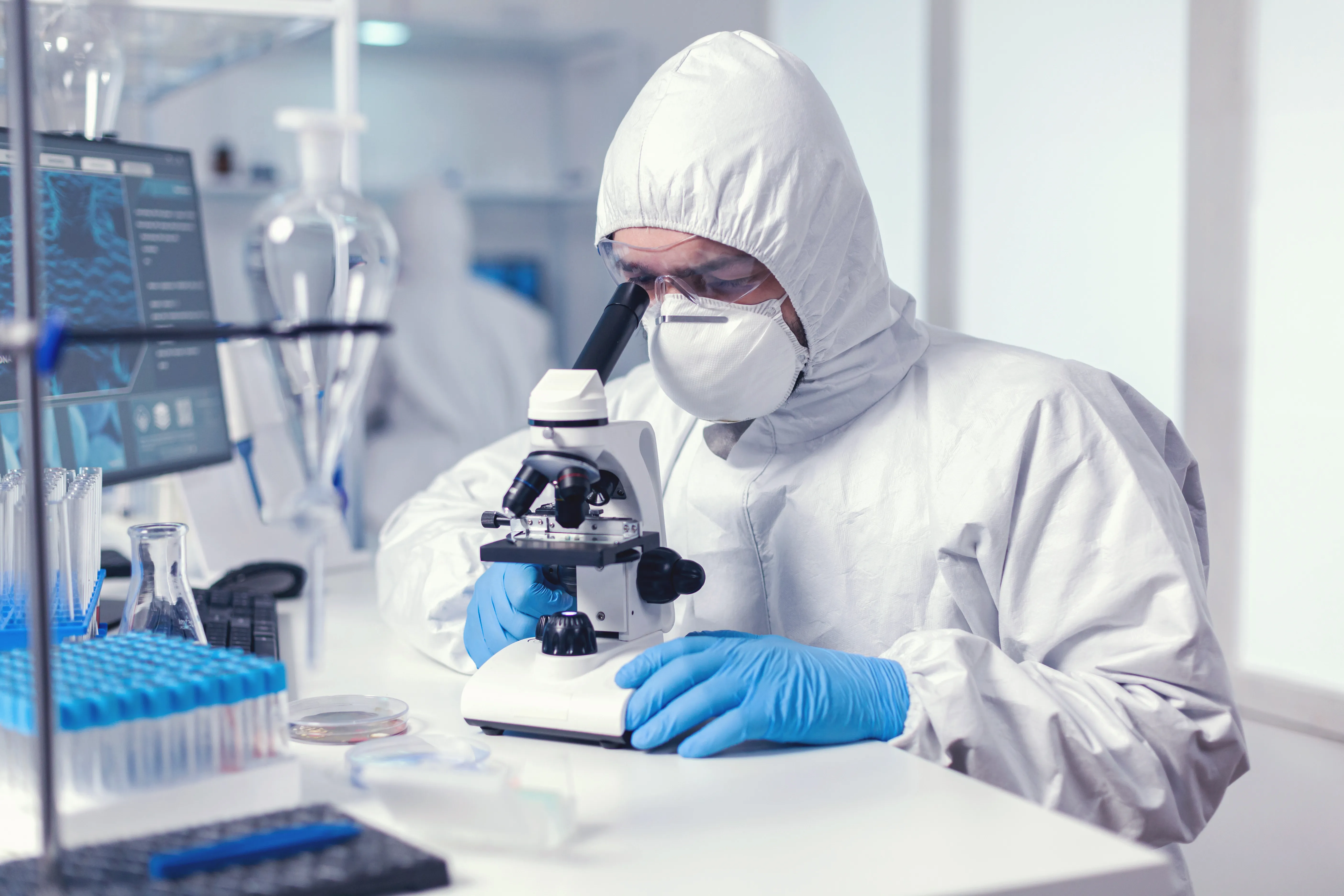
B.Sc. in Microbiology
A B.Sc. in Microbiology is normally a 3-4 year undergraduate curriculum that studies microorganisms such bacteria, viruses, fungus, and parasites. The curriculum includes areas such as microbial ge...
B.Sc. in Microbiology
×A B.Sc. in Microbiology is normally a 3-4 year undergraduate curriculum that studies microorganisms such bacteria, viruses, fungus, and parasites. The curriculum includes areas such as microbial genetics, immunology, biochemistry, and molecular biology. Students acquire hands-on experience through laboratory work, where they learn how to culture and identify microorganisms. Graduates of this program can pursue professions in research, healthcare, biotechnology, and environmental sciences, as well as advanced studies in medicine or microbiology.
B.Sc. Hons. in Biological Science
B.Sc. Hons. in Biological Science is a comprehensive undergraduate program designed to provide students with a deep understanding of biological systems and scientific principles. This program...
B.Sc. Hons. in Biological Science
×B.Sc. Hons. in Biological Science is a comprehensive undergraduate program designed to provide students with a deep understanding of biological systems and scientific principles. This program typically spans 3 years and includes a combination of theoretical knowledge, laboratory work, and practical experience. Students will study core subjects such as microbiology, genetics, biochemistry, ecology, and cell biology, while also engaging in specialized areas like molecular biology and biotechnology. The course aims to develop critical thinking, analytical skills, and research capabilities, preparing graduates for careers in research, healthcare, environmental science, and biotechnology. Upon completion, students will be well-equipped to pursue advanced studies or enter professional fields related to biology and life sciences. The program is suitable for individuals interested in exploring the complexities of living organisms and ecosystems.
POPULAR COURSES
(D.ED(TCH))
A.N.M.
Acharya - Navyavyakarna
Acharya - Phalita Jyotisha
Acharya - Sanskrit Sahitya
Acharya - Siddhanta Jyotisha
Adobe Photoshop
Advance Certificate Course in Beauty Therapy
Advance Certificate Course in Cosmetology
Advance Certificate Course in Hair Dressing
Advance Certificate Course in Makeup Artistry
Advance certificate Course in Nail Technology
Advance Diploma in Anesthesia Technology
Advance Diploma In Child Guidance And Counselling
Advance Diploma in Dialysis Technology
Advance Diploma in Disciples India
Advance Diploma in Fashion Design & Technology
Advance Diploma in Industrial Safety
Advance Diploma In Insurance Sales
Advance Diploma in Interior Designing
Advance Diploma in Journalism & Mass Communication
Advance Diploma in Medical Lab Technology
Advance Diploma in Operation Theatre Technology
Advance Diploma in Radiology & Imaging Technology
Advance Diploma of Proficiency in French
Advance Diploma of Proficiency in German
Advance Diploma of Proficiency in Russian
Advanced Certificate in Medical Microbiology Laboratory Technology (ACMMLT)
Advanced Certified Software Developer
Advanced Diploma in 3D Printing Technology
Advanced Diploma in Animation
Advanced Diploma in Aviation, Hospitality and Tourism
Advanced Diploma in Computer Application
Advanced Diploma in Computer Software, System Analysis & Application
Advanced Diploma in Data Science
Advanced Diploma in Hardware And Networking
Advanced Diploma in Information Technology
Advanced Diploma in Machine Learning
Advanced Diploma in Multimedia Programming
Advanced Diploma in Networking
Advanced Diploma in Sound Recording Technology
Advanced Diploma in Textile Design
Advanced Diploma in Vastu and Jyotish
Agriculture & Allied Services
Agriculture & Horticulture
Agriculture & Live Stock Production
Agriculture Technology
AHDP Diploma In Animal Husbandry Program
Arogyamitra
Artificial Intelligence And Machine Learning
Automobile Technology
B,Com. in Computer Application
B. Sc. Hons. in Anaesthesia & Operation Theatre Technology
B. Sc. Hons. in Emergency Medical Technology
B. Sc. Hons.in Medical Laboratory Technology
B. Sc. in Hospitality and Tourism Management
B. Tech. in Fisheries Engineering
B. Tech. in Leather technology
B.A. General
B.A. B.Ed.
Popular Stream
State
Andaman and Nicobar Island (UT)
Andaman and Nicobar Islands
Andhra Pradesh
Arunachal Pradesh
Assam
Bihar
Chandigarh
Chandigarh (UT)
Chhattisgarh
Dadra and Nagar
Dadra and Nagar Haveli
Dadra and Nagar Haveli (UT)
Daman and Diu
Daman and Diu (UT)
Delhi
Delhi (NCT)
Donets'k
Goa
Gujarat
Gujarat
Haryana
Himachal Pradesh
Jammu and Kashmir
Jammu and Kashmir(UT)
Jharkhand
jjj
Karnataka
Kerala
Ladakh(UT)
Lakshadweep
LAKSHADWEEP (UT)
Madhya Pradesh
Maharashtra
Manipur
Meghalaya
Mizoram
Nagaland
Niigata
Odisha
Puducherry