





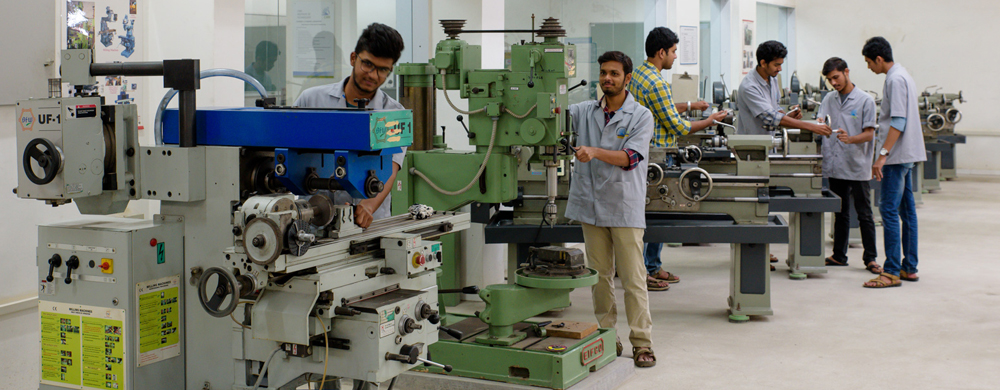
B.Tech. Mechanical Engineering is a 4-year undergraduate curriculum that focuses on the design, manufacture, and maintenance of mechanical systems. Students study thermodynamics, fluid mechanics, materials science, and machine design. The curriculum integrates academic knowledge with practical applications via laboratory work and projects. Graduates are prepared to work in industries such as automotive, aerospace, robotics, and energy, or to further their education in specific disciplines of mechanical engineering.

Bharati Vidyapeeth
Bharati Vidyapeeth Admission Open

B.Tech. in Computer Science & Engineering
B.Tech. in Computer Science and Engineering is a 4-year undergraduate degree that provides students with a solid foundation in computer science principles and engineering methods. The course conten...
B.Tech. in Computer Science & Engineering
×B.Tech. in Computer Science and Engineering is a 4-year undergraduate degree that provides students with a solid foundation in computer science principles and engineering methods. The course content includes programming languages, algorithms, data structures, software engineering, database management, computer networks, and artificial intelligence. Students receive practical experience through projects and internships. This degree prepares graduates for professions in software development, system analysis, cybersecurity, and other technical industries, as well as advanced computing studies.
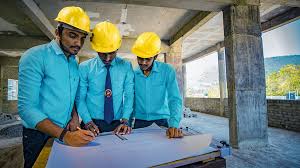
B.Tech. in Civil Engineering
B.Tech. Civil Engineering is a 4-year undergraduate curriculum that prepares students to design, build, and maintain infrastructure projects. The curriculum includes topics such as structural engin...
B.Tech. in Civil Engineering
×B.Tech. Civil Engineering is a 4-year undergraduate curriculum that prepares students to design, build, and maintain infrastructure projects. The curriculum includes topics such as structural engineering, geotechnical engineering, transportation systems, water resource management, and environmental engineering. This course taught about how to apply mathematical and scientific principles to real-world civil engineering problems, how to use advanced software tools, and how to obtain hands-on experience through laboratory and field projects. This degree equips graduates to work in building, urban planning, and infrastructure development.

B.Tech. in CSE ( Cyber Security)
B.Tech. in CSE (Cyber Security) is a 4-year undergraduate program that combines computer science and engineering with a concentration on cybersecurity. The curriculum includes core computer science...
B.Tech. in CSE ( Cyber Security)
×B.Tech. in CSE (Cyber Security) is a 4-year undergraduate program that combines computer science and engineering with a concentration on cybersecurity. The curriculum includes core computer science ideas, programming languages, and network security, as well as more advanced topics such as cryptography, ethical hacking, and digital forensics.This course taught us about how to secure computer systems, networks, and data against cyber attacks. The program also offers hands-on training, projects, and internships to prepare students for careers in cybersecurity, information security, and related sectors.
B.Tech. in CSE ( Artificial Intelligence)
B.Tech. in Computer Science and Engineering (CSE) with a Specialization in Artificial Intelligence is an undergraduate degree program that combines regular computer science study with an emphasis o...
B.Tech. in CSE ( Artificial Intelligence)
×B.Tech. in Computer Science and Engineering (CSE) with a Specialization in Artificial Intelligence is an undergraduate degree program that combines regular computer science study with an emphasis on AI technology. This 4-year course provides students with a solid foundation in programming, data structures, algorithms, and software engineering, as well as deep dives into AI-specific topics including machine learning, deep learning, natural language processing, computer vision, and robotics. Program will help to learn how to use AI approaches to create intelligent systems, evaluate complex data, and solve real-world problems. Hands-on projects, internships, and research opportunities are frequently included in the curriculum to provide students with actual experience using AI ideas.

M.Tech. in Vlsi System Design
M.Tech. in VLSI System Design is a 2-year postgraduate program that focuses on designing and developing Very Large Scale Integration (VLSI) systems. This advanced course includes topics including d...
M.Tech. in Vlsi System Design
×M.Tech. in VLSI System Design is a 2-year postgraduate program that focuses on designing and developing Very Large Scale Integration (VLSI) systems. This advanced course includes topics including digital system design, analog integrated circuits, semiconductor devices, CMOS technology, and electronic design automation (EDA) tools. Students had hands-on experience with chip design, simulation, and testing, preparing them for semiconductor industry careers. The curriculum frequently covers topics such as digital signal processing, embedded systems, and FPGA-based system design. Graduates have the ability to work as VLSI design engineers, verification engineers, or research and development specialists in organizations that manufacture microprocessors, memory devices, and other integrated circuits.
M.Tech. in Computer Science & Engineering
The M.Tech. in Computer Science & Engineering is a 2-year postgraduate degree that provides advanced specialization in artificial intelligence, machine learning, computer networks, cybersecurit...
M.Tech. in Computer Science & Engineering
×The M.Tech. in Computer Science & Engineering is a 2-year postgraduate degree that provides advanced specialization in artificial intelligence, machine learning, computer networks, cybersecurity, and software engineering. The program encompasses cutting-edge topics like as deep learning, cloud computing, the Internet of Things, and data mining. Through hands-on projects, industrial internships, and research, students acquire expertise in designing and implementing innovative computing solutions to complicated real-world issues. Graduates of this degree have the opportunity to work as software architects, data scientists, cybersecurity professionals, and research engineers in the fast-changing field of computer science and information technology.

M.Tech. in Electrical Engineering
The M.Tech. in Electrical Engineering is a 2-year postgraduate degree that provides advanced specialization in fields such as power systems, control systems, signal processing, and embedded systems...
M.Tech. in Electrical Engineering
×The M.Tech. in Electrical Engineering is a 2-year postgraduate degree that provides advanced specialization in fields such as power systems, control systems, signal processing, and embedded systems. The curriculum includes areas such as power electronics, machine learning, renewable energy technologies, and smart grid systems. Students learn how to establish, analyze, and optimize complex electrical and electronic systems through hands-on projects and industrial internships. Graduates of this program have the potential to work as power system engineers, control system specialists, embedded software developers, and research scientists in the flourishing field of electrical engineering, helping to develop new technologies

B.E. in Computer Engineering
Bachelor of Engineering (B.E.) in Computer Engineering is typically a 4-year undergraduate program that combines elements of computer science and electrical engineering. Students delve into hardwar...
B.E. in Computer Engineering
×Bachelor of Engineering (B.E.) in Computer Engineering is typically a 4-year undergraduate program that combines elements of computer science and electrical engineering. Students delve into hardware and software aspects of computing systems, studying subjects like programming languages, data structures, algorithms, computer architecture, digital logic design, and embedded systems. The curriculum often includes hands-on projects, laboratory work, and internships to provide practical experience. Coursework may also cover emerging technologies such as artificial intelligence, machine learning, and cybersecurity. Graduates are equipped with skills for careers in software development, hardware design, network administration, and systems engineering, or can pursue advanced studies in specialized areas of computer engineering.

M.E. in Computer Engineering
Master of Engineering (M.E.) in Computer Engineering typically takes 1-2 years to complete, depending on full-time or part-time enrollment. This advanced degree program focuses on both hardware and...
M.E. in Computer Engineering
×Master of Engineering (M.E.) in Computer Engineering typically takes 1-2 years to complete, depending on full-time or part-time enrollment. This advanced degree program focuses on both hardware and software aspects of computer systems, covering topics such as computer architecture, embedded systems, digital signal processing, and advanced networking. Students often engage in research projects and may have the option to specialize in areas like artificial intelligence, cybersecurity, or VLSI design. The curriculum usually combines theoretical coursework with practical lab experiences, preparing graduates for leadership roles in technology development, research, and innovation within the rapidly evolving field of computer engineering.
M.Tech. in Mechanical Engineering
M.Tech. in Mechanical Engineering is an advanced postgraduate degree typically completed in 2 years. The program deepens students' understanding of mechanical engineering principles and applica...
M.Tech. in Mechanical Engineering
×M.Tech. in Mechanical Engineering is an advanced postgraduate degree typically completed in 2 years. The program deepens students' understanding of mechanical engineering principles and applications, covering subjects like advanced thermodynamics, robotics, finite element analysis, and advanced manufacturing processes. Students engage in coursework, laboratory experiments, and a research thesis or project. The curriculum often includes electives allowing specialization in areas such as automotive engineering, aerospace systems, or energy systems. This degree enhances career prospects in industries like automotive, aerospace, energy, and manufacturing, preparing graduates for roles in research and development, design engineering, or advanced technical management positions.

B.Tech. in Chemical Engineering
B.Tech. in Chemical Engineering is a 4-year undergraduate program that equips students with the knowledge and skills to design, develop, and optimize chemical processes and products. The curr...
B.Tech. in Chemical Engineering
×B.Tech. in Chemical Engineering is a 4-year undergraduate program that equips students with the knowledge and skills to design, develop, and optimize chemical processes and products. The curriculum typically covers subjects such as thermodynamics, fluid mechanics, heat transfer, mass transfer, reaction engineering, and process control. Students also study mathematics, physics, and chemistry as foundational courses. Throughout the program, practical laboratory work and industrial internships provide hands-on experience. Graduates are prepared for careers in various industries, including petrochemicals, pharmaceuticals, food processing, and environmental engineering. The degree emphasizes problem-solving, critical thinking, and innovation, enabling students to address complex challenges in chemical manufacturing and sustainable technologies.

M.Tech. in Civil Engineering
M.Tech. in Civil Engineering is a 2-year postgraduate degree that aims to give in-depth knowledge and advanced technical skills in structural engineering, geotechnical engineering, environmental en...
M.Tech. in Civil Engineering
×M.Tech. in Civil Engineering is a 2-year postgraduate degree that aims to give in-depth knowledge and advanced technical skills in structural engineering, geotechnical engineering, environmental engineering, transportation engineering, and water resources. This course combines theoretical concepts with practical applications, emphasizing research, problem-solving, and the innovative use of engineering approaches to meet real-world problems. Graduates are prepared to design and manage large-scale infrastructure projects that promote sustainable development and safety. This degree is appropriate for people who want to work in specialized civil engineering professions, research, or academia and requires a B.Tech. or equivalent in Civil Engineering for admission.
B.Tech. in Machine Learning
B.Tech. in Machine Learning is a 4-year undergraduate program that teaches students fundamental computer science principles as well as specialized abilities in machine learning algorithms, data ana...
B.Tech. in Machine Learning
×B.Tech. in Machine Learning is a 4-year undergraduate program that teaches students fundamental computer science principles as well as specialized abilities in machine learning algorithms, data analysis, and artificial intelligence (AI). The curriculum usually incorporates programming, data structures, mathematics, and fundamental machine learning concepts like supervised and unsupervised learning, neural networks, and deep learning. Labs, projects, and internships provide students with practical knowledge as they prepare for careers in data science, AI development, robotics, and other fields. Graduates are well-prepared to work in industries such as banking, healthcare, and technology, or to pursue additional studies in AI and machine learning.

M.Tech. in Chemical Engineering
M.Tech. in Chemical Engineering is a 2 year postgraduate degree that focuses on providing advanced knowledge and skills in chemical processes and engineering. The curriculum includes topics su...
M.Tech. in Chemical Engineering
×M.Tech. in Chemical Engineering is a 2 year postgraduate degree that focuses on providing advanced knowledge and skills in chemical processes and engineering. The curriculum includes topics such as process design, response engineering, transportation phenomena, process control, and environmental engineering. Students participate in research projects, case studies, and hands-on training to prepare for careers in areas such as petrochemicals, pharmaceuticals, energy, and environmental management. The program also stresses using chemical engineering principles to tackle real-world challenges. Admission normally needs a B.Tech. in Chemical Engineering or a related discipline, with an emphasis on both theoretical and practical knowledge.

M.Tech. in Electronics and Communication Engineering
M.Tech. in Electronics and Communication Engineering is a 2 year postgraduate degree that aims to provide advanced knowledge of electronics and communication systems. The course is divided in...
M.Tech. in Electronics and Communication Engineering
×M.Tech. in Electronics and Communication Engineering is a 2 year postgraduate degree that aims to provide advanced knowledge of electronics and communication systems. The course is divided into four semesters and includes topics like as wireless communication, embedded systems, VLSI design, signal processing, and microwave engineering. It integrates theoretical concepts with practical applications via lab work, projects, and research possibilities. This curriculum is perfect for students who want to specialize in cutting-edge technology, preparing them for careers in research, development, and industries such as telecommunications, electronics, and automation. It also serves as a stepping stone toward PhD studies and academic positions.
B.Tech. in Nanotechnology
B.Tech. in Nanotechnology is a 4-year undergraduate program that focuses on the study of materials and devices at the nanometer scale. The course combines principles from physics, chemistry,...
B.Tech. in Nanotechnology
×B.Tech. in Nanotechnology is a 4-year undergraduate program that focuses on the study of materials and devices at the nanometer scale. The course combines principles from physics, chemistry, biology, and engineering to explore the manipulation and application of materials at the atomic and molecular levels. Students learn about nanomaterials, nanodevices, and their applications in fields such as medicine, electronics, energy, and environmental protection. The curriculum typically includes subjects like nanomaterial synthesis, nanophotonics, nanomedicine, and nanofabrication. Graduates can pursue careers in research, development, and innovation in various industries, including healthcare, electronics, and manufacturing.

M.Tech. in Nanotechnology
M.Tech. in Nanotechnology is a postgraduate program designed to provide in-depth knowledge and skills in the emerging field of nanoscience and nanotechnology. Typically spanning 2 years, the c...
M.Tech. in Nanotechnology
×M.Tech. in Nanotechnology is a postgraduate program designed to provide in-depth knowledge and skills in the emerging field of nanoscience and nanotechnology. Typically spanning 2 years, the course covers subjects like nanomaterials, nanoelectronics, nanobiotechnology, and nanomedicine. Students engage in both theoretical learning and practical applications, including laboratory research, to understand the behavior of materials at the nanoscale and their potential in various industries, such as electronics, healthcare, and energy. Graduates are equipped to pursue careers in research, development, and innovation, contributing to advancements in technology, medicine, and environmental sustainability. The program often involves a thesis or project work to develop expertise in a specific area.
POPULAR COURSES
(D.ED(TCH))
A.N.M.
Acharya - Navyavyakarna
Acharya - Phalita Jyotisha
Acharya - Sanskrit Sahitya
Acharya - Siddhanta Jyotisha
Adobe Photoshop
Advance Certificate Course in Beauty Therapy
Advance Certificate Course in Cosmetology
Advance Certificate Course in Hair Dressing
Advance Certificate Course in Makeup Artistry
Advance certificate Course in Nail Technology
Advance Diploma in Anesthesia Technology
Advance Diploma In Child Guidance And Counselling
Advance Diploma in Dialysis Technology
Advance Diploma in Disciples India
Advance Diploma in Fashion Design & Technology
Advance Diploma in Industrial Safety
Advance Diploma In Insurance Sales
Advance Diploma in Interior Designing
Advance Diploma in Journalism & Mass Communication
Advance Diploma in Medical Lab Technology
Advance Diploma in Operation Theatre Technology
Advance Diploma in Radiology & Imaging Technology
Advance Diploma of Proficiency in French
Advance Diploma of Proficiency in German
Advance Diploma of Proficiency in Russian
Advanced Certificate in Medical Microbiology Laboratory Technology (ACMMLT)
Advanced Certified Software Developer
Advanced Diploma in 3D Printing Technology
Advanced Diploma in Animation
Advanced Diploma in Aviation, Hospitality and Tourism
Advanced Diploma in Computer Application
Advanced Diploma in Computer Software, System Analysis & Application
Advanced Diploma in Data Science
Advanced Diploma in Hardware And Networking
Advanced Diploma in Information Technology
Advanced Diploma in Machine Learning
Advanced Diploma in Multimedia Programming
Advanced Diploma in Networking
Advanced Diploma in Sound Recording Technology
Advanced Diploma in Textile Design
Advanced Diploma in Vastu and Jyotish
Agriculture & Allied Services
Agriculture & Horticulture
Agriculture & Live Stock Production
Agriculture Technology
AHDP Diploma In Animal Husbandry Program
Arogyamitra
Artificial Intelligence And Machine Learning
Automobile Technology
B,Com. in Computer Application
B. Sc. Hons. in Anaesthesia & Operation Theatre Technology
B. Sc. Hons. in Emergency Medical Technology
B. Sc. Hons.in Medical Laboratory Technology
B. Sc. in Hospitality and Tourism Management
B. Tech. in Fisheries Engineering
B. Tech. in Leather technology
B.A. General
B.A. B.Ed.
Popular Stream
State
Andaman and Nicobar Island (UT)
Andaman and Nicobar Islands
Andhra Pradesh
Arunachal Pradesh
Assam
Bihar
Chandigarh
Chandigarh (UT)
Chhattisgarh
Dadra and Nagar
Dadra and Nagar Haveli
Dadra and Nagar Haveli (UT)
Daman and Diu
Daman and Diu (UT)
Delhi
Delhi (NCT)
Donets'k
Goa
Gujarat
Gujarat
Haryana
Himachal Pradesh
Jammu and Kashmir
Jammu and Kashmir(UT)
Jharkhand
jjj
Karnataka
Kerala
Ladakh(UT)
Lakshadweep
LAKSHADWEEP (UT)
Madhya Pradesh
Maharashtra
Manipur
Meghalaya
Mizoram
Nagaland
Niigata
Odisha
Puducherry