







Master of Science in Medical Laboratory Technology is a 2-year postgraduate degree that provides students with enhanced knowledge and abilities in laboratory medicine. This thorough course covers several facets of clinical diagnostics, such as hematology, biochemistry, microbiology, and immunology. Students learn how to operate sophisticated laboratory equipment, interpret complex test results, and conduct research. The program also focuses on quality control, laboratory administration, and developing technologies in medical diagnostics, equipping graduates for leadership positions in clinical laboratories, research organizations, and healthcare facilities.
Integral University
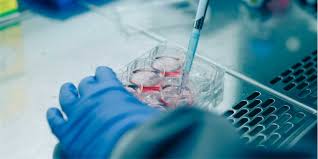
M.Sc. in Medical Biochemistry
M.Sc. in Medical Biochemistry is normally a 2-year postgraduate study that investigates the chemical processes that occur within and between living organisms, with a focus on medical applications....
M.Sc. in Medical Biochemistry
×M.Sc. in Medical Biochemistry is normally a 2-year postgraduate study that investigates the chemical processes that occur within and between living organisms, with a focus on medical applications. The curriculum includes advanced themes in biochemistry, molecular biology, and genetics, as well as their applications to human health and illness. Students become proficient in laboratory procedures, research methodologies, and data analysis. This curriculum prepares graduates for positions in medical research, pharmaceutical industries, diagnostic laboratories, or advanced academic endeavors such as Ph.D. studies in relevant subjects.

M.Sc. in Medical Microbiology
M.Sc. in Medical Microbiology is a 2-year postgraduate program that focuses on the study of microbes and their impact on human health and disease. The curriculum includes advanced themes in bacteri...
M.Sc. in Medical Microbiology
×M.Sc. in Medical Microbiology is a 2-year postgraduate program that focuses on the study of microbes and their impact on human health and disease. The curriculum includes advanced themes in bacteriology, virology, mycology, immunology, and molecular biology. Students become proficient in laboratory procedures, disease diagnostics, and research methodologies. The degree frequently involves a research project or thesis, which prepares graduates for positions in clinical laboratories, research institutions, pharmaceutical corporations, or other academic interests in medical microbiology.
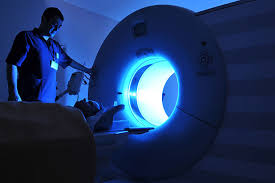
M.Sc in Medical Radiography & Imaging Technology
M.Sc in Medical Radiography & Imaging Technology is a 2-year postgraduate degree that studies advanced imaging techniques and their applications in healthcare. Students learn how to use modern...
M.Sc in Medical Radiography & Imaging Technology
×M.Sc in Medical Radiography & Imaging Technology is a 2-year postgraduate degree that studies advanced imaging techniques and their applications in healthcare. Students learn how to use modern diagnostic equipment, evaluate medical images, and provide patient care. The curriculum includes topics such as radiation physics, digital imaging, MRI, CT, ultrasound, and radiobiology. Graduates are prepared to work in hospitals, diagnostic centers, and research institutions, where they play an important part in modern medical diagnosis and treatment planning.

M.Sc. in Public Health
A Master of Science in Public Health is normally a 2-year postgraduate degree that provides students with advanced knowledge and abilities in population health management, epidemiology, biostatisti...
M.Sc. in Public Health
×A Master of Science in Public Health is normally a 2-year postgraduate degree that provides students with advanced knowledge and abilities in population health management, epidemiology, biostatistics, and health policy. The curriculum covers a wide range of topics, including global health, environmental health, health promotion, and research methods. Students frequently participate in fieldwork, research projects, and internships to get practical experience. This degree equips graduates to work in public health agencies, healthcare organizations, research institutes, and non-governmental organizations, addressing complex health issues on a local and global scale.
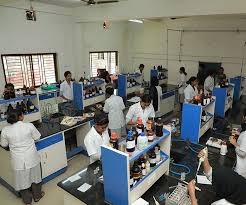
B.Sc. in Medical Biochemistry
A B.Sc. in Medical Biochemistry is normally a 3-4 year undergraduate curriculum that blends biology, chemistry, and medical concepts. It focuses on chemical processes within living organisms, parti...
B.Sc. in Medical Biochemistry
×A B.Sc. in Medical Biochemistry is normally a 3-4 year undergraduate curriculum that blends biology, chemistry, and medical concepts. It focuses on chemical processes within living organisms, particularly those that affect human health and disease. Students study molecular biology, genetics, immunology, and pharmacology. The program frequently includes laboratory work and research projects, and there may be opportunities for internships in healthcare or research. Graduates are well-prepared for professions in biomedical research, the pharmaceutical industry, or advanced education in medicine or allied fields.
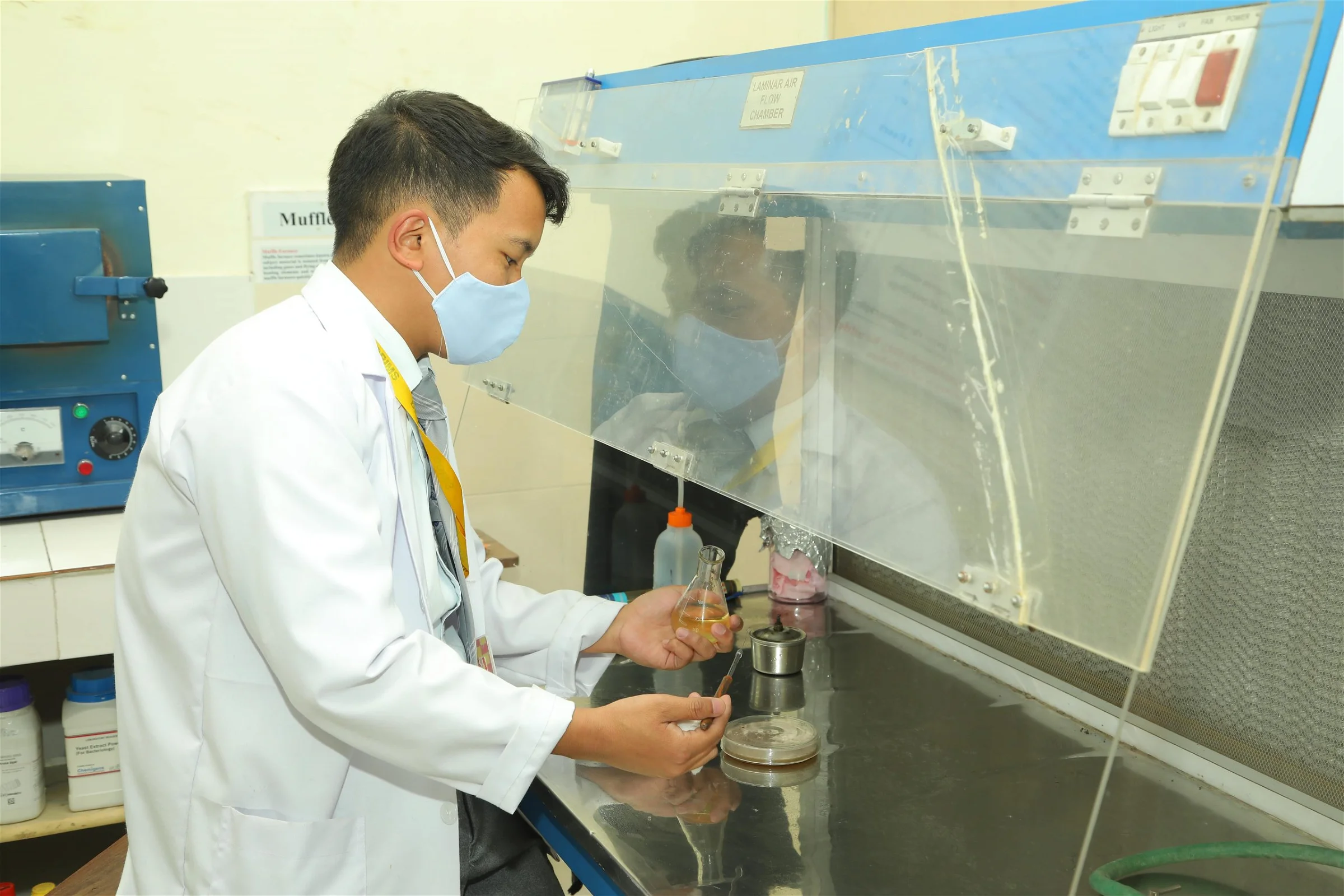
B.Sc. in Medical Microbiology
A B.Sc. in Medical Microbiology is a 3-4 year undergraduate curriculum that studies microorganisms and their effects on human health. Students learn about bacteria, viruses, fungi, and parasites, a...
B.Sc. in Medical Microbiology
×A B.Sc. in Medical Microbiology is a 3-4 year undergraduate curriculum that studies microorganisms and their effects on human health. Students learn about bacteria, viruses, fungi, and parasites, as well as how they contribute to diseases and infections. The curriculum includes immunology, molecular biology, disease, and laboratory procedures. This degree prepares graduates for professions in healthcare, research, pharmaceuticals, or furthering their education in medicine or similar fields.
B.Sc. in Public Health
Bachelor of Science (B.Sc.) in Public Health is a 4-year undergraduate degree program that prepares students to handle population-level health concerns. The program covers a wide range of topics, i...
B.Sc. in Public Health
×Bachelor of Science (B.Sc.) in Public Health is a 4-year undergraduate degree program that prepares students to handle population-level health concerns. The program covers a wide range of topics, including epidemiology, biostatistics, environmental health, health policy, and health promotion. Students learn how to assess health trends, create and implement public health programs, and comprehend the social and biological variables that impact community health. This degree provides career opportunities to work in a variety of contexts, including government agencies, non-profit organizations, healthcare facilities, and research institutions. Graduates can work as health educators, policy analysts, or program coordinators, or continue their study in public health or related disciplines.

MBBS
The Bachelor of Medicine, Bachelor of Surgery (MBBS) is a professional undergraduate degree in medicine and surgery granted to students who have completed the necessary training in the discipline....
MBBS
×The Bachelor of Medicine, Bachelor of Surgery (MBBS) is a professional undergraduate degree in medicine and surgery granted to students who have completed the necessary training in the discipline. The program normally lasts 5-6 years, depending on the region and institution, and includes both theoretical study and practical clinical training. Students acquire a wide range of medical areas, including anatomy, physiology, pharmacology, and pathology, as well as gain practical experience in hospitals and clinics. MBBS graduates have the ability to practice medicine, specialize, or further their studies through postgraduate degrees in a variety of medical specialties. They must also pass licensure exams before they may practice lawfully.

B.Sc. in Cardiovascular Technology
A Bachelor of Science in Cardiovascular Technology is normally completed in 4 years and prepares students for professions diagnosing and treating cardiovascular disorders. The curriculum includes c...
B.Sc. in Cardiovascular Technology
×A Bachelor of Science in Cardiovascular Technology is normally completed in 4 years and prepares students for professions diagnosing and treating cardiovascular disorders. The curriculum includes courses in anatomy, physiology, pathophysiology, pharmacology, and medical instruments, as well as hands-on instruction in echocardiography, vascular technology, and cardiac catheterization. Students acquire practical experience in clinical settings, assisting healthcare professionals with diagnostic tests and treatments. The curriculum focuses on critical thinking, problem-solving, and patient care abilities, preparing graduates to work in hospitals, outpatient clinics, and diagnostic laboratories. Successful completion of the program could lead to certification options and a rewarding career in cardiology.
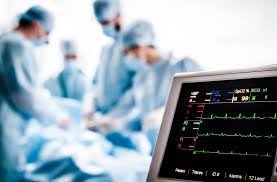
M.Sc. in Cardiovascular Technology
A Master of Science (M.Sc.) in Cardiovascular Technology typically spans 2 years and is designed to equip students with advanced knowledge and skills in the assessment, diagnosis, and treatment of...
M.Sc. in Cardiovascular Technology
×A Master of Science (M.Sc.) in Cardiovascular Technology typically spans 2 years and is designed to equip students with advanced knowledge and skills in the assessment, diagnosis, and treatment of cardiovascular diseases. The curriculum combines theoretical coursework with practical training, covering areas such as cardiac imaging, electrophysiology, and vascular technology. Students learn to operate sophisticated diagnostic equipment, analyze cardiovascular data, and collaborate with healthcare professionals to deliver optimal patient care. This program often includes clinical rotations in hospitals or healthcare settings, enabling students to gain hands-on experience. Graduates can pursue careers as cardiovascular technologists, echocardiographers, or in related healthcare roles.
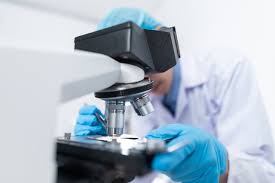
M.D. in Pathology
Doctor of Medicine (M.D.) in Pathology is a 3-year postgraduate program designed to provide advanced education and training in the study of diseases. This course encompasses various aspects o...
M.D. in Pathology
×Doctor of Medicine (M.D.) in Pathology is a 3-year postgraduate program designed to provide advanced education and training in the study of diseases. This course encompasses various aspects of pathology, including anatomical pathology, clinical pathology, and molecular pathology, equipping students with the skills to diagnose diseases through laboratory analysis and examination of tissues. The curriculum typically includes lectures, hands-on training, research projects, and clinical rotations in diagnostic laboratories. Graduates are prepared for roles in hospitals, research institutions, and academia, where they contribute to improving patient care through accurate disease diagnosis and management.
M.D. in Microbiology
Doctor of Medicine (M.D.) in Microbiology is a postgraduate program focused on the study of microorganisms and their impact on human health. This program typically spans 3 years and enco...
M.D. in Microbiology
×Doctor of Medicine (M.D.) in Microbiology is a postgraduate program focused on the study of microorganisms and their impact on human health. This program typically spans 3 years and encompasses coursework, practical training, and research in areas such as bacteriology, virology, mycology, and immunology. Students learn diagnostic techniques, laboratory management, and infection control measures, preparing them for careers in clinical microbiology, research, and public health. The curriculum often includes rotations in clinical settings, allowing students to apply their knowledge in real-world scenarios. Graduates are equipped to contribute significantly to disease diagnosis, treatment, and prevention strategies.
M.D. in Community Medicine
M.D. in Community Medicine is a 3-year postgraduate program focused on the prevention, diagnosis, and management of health issues affecting communities. This course emphasizes public health princip...
M.D. in Community Medicine
×M.D. in Community Medicine is a 3-year postgraduate program focused on the prevention, diagnosis, and management of health issues affecting communities. This course emphasizes public health principles, epidemiology, biostatistics, health policy, and social medicine. Students engage in research, fieldwork, and community engagement to understand and address health disparities and promote health equity. The curriculum typically includes theoretical coursework, practical training, and hands-on experience in public health settings. Graduates are prepared to work in various settings, including government health departments, NGOs, and academic institutions, contributing to community health initiatives and health systems management.
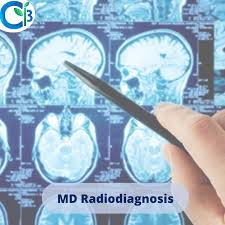
M.D. in Radio Diagnosis
M.D. in Radio Diagnosis is a postgraduate medical degree focusing on the study and application of diagnostic imaging techniques, including X-rays, CT scans, MRI, and ultrasound. Typically spa...
M.D. in Radio Diagnosis
×M.D. in Radio Diagnosis is a postgraduate medical degree focusing on the study and application of diagnostic imaging techniques, including X-rays, CT scans, MRI, and ultrasound. Typically spanning 3 years, the program combines theoretical coursework with extensive clinical training, enabling students to interpret imaging results and contribute to patient management. Coursework covers anatomy, radiological physics, imaging techniques, and interventional radiology. Graduates often pursue careers as radiologists in hospitals, clinics, and diagnostic centers, playing a crucial role in diagnosing diseases and guiding treatment plans. This specialization is vital for enhancing patient care through advanced imaging technologies.
M.D. in Biochemistry
Doctor of Medicine (M.D.) in Biochemistry is a postgraduate program that typically spans 3 years. This course focuses on the biochemical principles underlying human health and disease, integrating...
M.D. in Biochemistry
×Doctor of Medicine (M.D.) in Biochemistry is a postgraduate program that typically spans 3 years. This course focuses on the biochemical principles underlying human health and disease, integrating molecular biology, genetics, and metabolism. Students engage in rigorous coursework, laboratory research, and clinical applications, preparing them for various careers in medical research, diagnostics, and academia. The curriculum often includes topics such as enzymology, metabolic pathways, and biochemical analysis techniques. Graduates are equipped with the knowledge and skills necessary to contribute to advancements in medical science, diagnostics, and therapeutic strategies, and may pursue further specialization in related fields.
M.S. in Ophthalmology
Master of Science (M.S.) in Ophthalmology is a specialist postgraduate degree focused on eye illnesses, vision care, and surgical procedures. This study, which typically lasts 2-3 years, integrates...
M.S. in Ophthalmology
×Master of Science (M.S.) in Ophthalmology is a specialist postgraduate degree focused on eye illnesses, vision care, and surgical procedures. This study, which typically lasts 2-3 years, integrates theoretical knowledge with practical experience in clinical settings. Students learn about numerous ocular conditions, diagnostic techniques, and treatment choices, including surgical interventions. The curriculum frequently includes courses in anatomy, physiology, and pathology of the eye, as well as hands-on practice in clinics and hospitals. Graduates are prepared to work in clinical practice, research, or academia, helping to enhance eye care and vision science.
M.D. in Psychiatry
Doctor of Medicine (M.D.) in Psychiatry is a specialized postgraduate program that typically spans 3 years. This course focuses on the diagnosis, treatment, and prevention of mental health di...
M.D. in Psychiatry
×Doctor of Medicine (M.D.) in Psychiatry is a specialized postgraduate program that typically spans 3 years. This course focuses on the diagnosis, treatment, and prevention of mental health disorders. Students undergo rigorous training that includes clinical rotations in various settings, exposure to different psychiatric conditions, and practical experience with patients. The curriculum encompasses topics such as psychopharmacology, psychotherapy, neurobiology, and ethical issues in psychiatry. Graduates are equipped to assess and manage complex psychiatric cases and are prepared for board certification. The program is essential for those aiming to become licensed psychiatrists and contribute to mental health care.
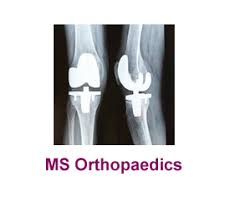
M.S. in Orthopedics
Master of Science (M.S.) in Orthopedics is a specialized postgraduate program designed to enhance the knowledge and skills of medical professionals in the field of orthopedic surgery and musculoske...
M.S. in Orthopedics
×Master of Science (M.S.) in Orthopedics is a specialized postgraduate program designed to enhance the knowledge and skills of medical professionals in the field of orthopedic surgery and musculoskeletal disorders. Typically lasting 2-3 years, the curriculum covers advanced topics such as biomechanics, joint replacement, sports medicine, trauma management, and pediatric orthopedics. Students engage in clinical training, hands-on workshops, and research projects, focusing on the diagnosis, treatment, and rehabilitation of orthopedic conditions. Graduates are prepared for clinical practice, academic roles, or further specialization in orthopedic surgery, enhancing their contributions to patient care and the medical community.
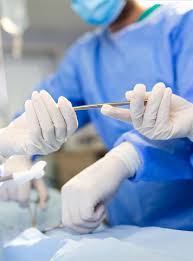
M.S. in Surgery
Master of Science (M.S.) in Surgery typically spans 2 to 3 years, focusing on advanced surgical techniques, clinical practice, and research methodologies. This program prepares medical graduates fo...
M.S. in Surgery
×Master of Science (M.S.) in Surgery typically spans 2 to 3 years, focusing on advanced surgical techniques, clinical practice, and research methodologies. This program prepares medical graduates for careers in surgical fields, emphasizing both theoretical knowledge and practical skills. Coursework often includes anatomy, surgical pathology, surgical techniques, and patient management, alongside hands-on training in surgical settings. Students engage in research projects to explore innovative surgical practices and contribute to the medical community. Graduates may pursue specializations in areas like orthopedic, cardiovascular, or general surgery, enhancing their expertise for future roles in healthcare settings or academic institutions.

M.S. in Obstetrics & Gynaecology
Master of Science (M.S.) in Obstetrics and Gynaecology is a postgraduate program designed for medical professionals seeking advanced knowledge in women's health. Typically spanning 3 years...
M.S. in Obstetrics & Gynaecology
×Master of Science (M.S.) in Obstetrics and Gynaecology is a postgraduate program designed for medical professionals seeking advanced knowledge in women's health. Typically spanning 3 years, the curriculum combines theoretical coursework with extensive practical training in clinical settings. Students learn about reproductive health, prenatal care, childbirth, and various gynecological conditions. The program emphasizes evidence-based practices, surgical techniques, and patient management, preparing graduates for roles in hospitals, clinics, or academia. Upon completion, candidates may pursue certifications and specializations, contributing to the field of obstetrics and gynecology through research, patient care, and health advocacy.
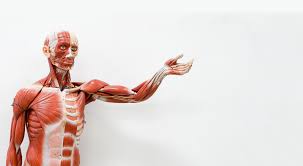
M.Sc. in Medical Anatomy
M.Sc. in Medical Anatomy is a postgraduate program that typically spans 2 years, focusing on the comprehensive study of human anatomy and its clinical applications. This course delves in...
M.Sc. in Medical Anatomy
×M.Sc. in Medical Anatomy is a postgraduate program that typically spans 2 years, focusing on the comprehensive study of human anatomy and its clinical applications. This course delves into the structural organization of the human body, exploring various systems such as musculoskeletal, nervous, cardiovascular, and more. It integrates theoretical knowledge with practical skills through dissection, imaging techniques, and cadaver studies, preparing students for careers in medical education, research, and healthcare. Graduates may also pursue opportunities in clinical settings, assisting in surgical procedures or engaging in anatomical research, contributing significantly to advancements in medical science.

M.Sc. in Medical Physiology
M.Sc. in Medical Physiology is a 2-year postgraduate program designed to provide in-depth knowledge of human physiology and its applications in medicine. The course covers topics such as cellular p...
M.Sc. in Medical Physiology
×M.Sc. in Medical Physiology is a 2-year postgraduate program designed to provide in-depth knowledge of human physiology and its applications in medicine. The course covers topics such as cellular physiology, neurophysiology, cardiovascular physiology, and exercise physiology, emphasizing the integration of these concepts in clinical settings. Students engage in laboratory work, research projects, and clinical rotations to develop practical skills and critical thinking. This program prepares graduates for careers in healthcare, research, academia, and related fields, equipping them with a comprehensive understanding of physiological processes and their implications for health and disease management.

M.Sc. in Medical Pharmacology
M.Sc. in Medical Pharmacology is a 2-year postgraduate program focused on the study of drug action and the therapeutic use of pharmaceuticals in medicine. The curriculum encompasses cor...
M.Sc. in Medical Pharmacology
×M.Sc. in Medical Pharmacology is a 2-year postgraduate program focused on the study of drug action and the therapeutic use of pharmaceuticals in medicine. The curriculum encompasses core topics such as pharmacokinetics, pharmacodynamics, clinical pharmacology, and toxicology, along with advanced research methodologies. Students engage in hands-on laboratory work and clinical exposure to understand drug interactions and patient care better. The program aims to prepare graduates for careers in pharmaceutical industries, clinical research, regulatory affairs, and academia. Emphasizing both theoretical knowledge and practical skills, this course is ideal for those interested in drug development and therapeutic applications.

B.Sc. in Blood Bank Technology
B.Sc. in Blood Bank Technology is a 3-year undergraduate program focused on the science and technology involved in blood collection, testing, storage, and transfusion processes. This program covers...
B.Sc. in Blood Bank Technology
×B.Sc. in Blood Bank Technology is a 3-year undergraduate program focused on the science and technology involved in blood collection, testing, storage, and transfusion processes. This program covers essential topics such as immunohematology, blood component separation, transfusion medicine, and laboratory techniques for ensuring blood safety. Students acquire practical skills in blood banking operations, quality control, and managing blood bank facilities. Graduates are prepared for roles in hospitals, blood banks, research laboratories, and healthcare organizations, where they contribute to safe transfusion practices and support critical healthcare needs. The course combines classroom learning, lab work, and internships for hands-on experience.
M.D. in General Medicine
A 4-year postgraduate medical degree that offers thorough instruction in the diagnosis, management, and treatment of a broad range of medical disorders is the M.D. (Doctor of Medicine) in General M...
M.D. in General Medicine
×A 4-year postgraduate medical degree that offers thorough instruction in the diagnosis, management, and treatment of a broad range of medical disorders is the M.D. (Doctor of Medicine) in General Medicine. Along with clinical rotations in specialties like internal medicine, pediatrics, surgery, and emergency care, the curriculum teaches the basics of medicine. Graduates of this program are eligible to work as primary care doctors, providing emergency, inpatient, and outpatient treatment to patients of all ages and backgrounds. In the majority of nations, obtaining an M.D. degree is the typical prerequisite for becoming a certified medical practitioner.

M.D. in Dermatology
A 4-year postgraduate medical degree called an M.D. in Dermatology prepares doctors to specialize in the diagnosis and management of conditions affecting the skin, hair, and nails. Dermatopathology...
M.D. in Dermatology
×A 4-year postgraduate medical degree called an M.D. in Dermatology prepares doctors to specialize in the diagnosis and management of conditions affecting the skin, hair, and nails. Dermatopathology, pediatric dermatology, cosmetic dermatology, and dermatologic surgery are among the subjects covered in the program. To obtain practical experience, students finish clinical rotations in both surgical and medical dermatology. Graduates of this program are eligible to work as board-certified dermatologists in private practices, hospitals, and outpatient clinics, offering patients with a variety of dermatological problems comprehensive care.
B.Sc. in Respiratory Care Technology
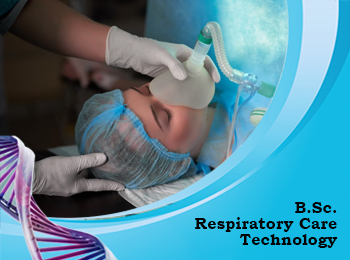
B.Sc. in Respiratory Care Technology is a comprehensive undergraduate degree that teaches students the knowledge and skills required to manage respiratory disorders and provide therapeutic ca...
B.Sc. in Respiratory Care Technology
×B.Sc. in Respiratory Care Technology is a comprehensive undergraduate degree that teaches students the knowledge and skills required to manage respiratory disorders and provide therapeutic care to patients with respiratory concerns. The course normally lasts 3-4 years, depending on the school. Students learn about pulmonary physiology, respiratory mechanics, medical ethics, and patient care, as well as hands-on experience with respiratory treatment techniques, ventilator management, and diagnostic testing. Clinical rotations in hospitals and healthcare settings are critical components that provide practical experience. Graduates are prepared to work as respiratory therapists in hospitals, rehabilitation centers, and clinics, where they help treat respiratory disorders such as asthma, COPD, and pneumonia. The training also presents possibilities for future specialization in fields like pediatrics or neonatology.
M.S. in Otorhinolaryngology
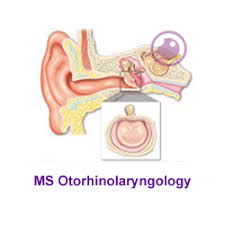
Master of Surgery (M.S.) in Otorhinolaryngology is a specialized postgraduate program that focuses on the medical and surgical treatment of disorders related to the ear, nose, and throat (ENT). Thi...
M.S. in Otorhinolaryngology
×Master of Surgery (M.S.) in Otorhinolaryngology is a specialized postgraduate program that focuses on the medical and surgical treatment of disorders related to the ear, nose, and throat (ENT). This course typically spans 3 years, during which students gain in-depth knowledge of the anatomy, physiology, and pathology of the ENT system. The curriculum includes both theoretical instruction and hands-on training, encompassing clinical practices, diagnostics, surgical techniques, and patient care. Students are trained to manage conditions such as hearing loss, sinus problems, voice disorders, and head and neck cancers. Upon completion, graduates are equipped to become expert ENT surgeons, providing advanced healthcare services and contributing to medical research in the field.
Bachelor in Medical Laboratory Technology
Bachelor in Medical Laboratory Technology (BMLT) is a 3-4 year undergraduate program that focuses on training students in laboratory science and diagnostic techniques used in healthcare. The course...
Bachelor in Medical Laboratory Technology
×Bachelor in Medical Laboratory Technology (BMLT) is a 3-4 year undergraduate program that focuses on training students in laboratory science and diagnostic techniques used in healthcare. The course covers subjects like microbiology, hematology, biochemistry, immunology, and clinical pathology, alongside practical training in laboratory procedures and equipment. Students acquire expertise in analyzing body fluids, tissues, and samples to aid in the diagnosis, treatment, and prevention of diseases. The program includes both theoretical learning and hands-on experience, preparing graduates to work in hospitals, diagnostic labs, research institutes, and public health organizations. Upon completion, BMLT graduates can pursue careers as medical laboratory technologists, with opportunities for further specialization and advancement in the field.
M.D. in Anesthesiology
M.D. in Anesthesiology is a 3-year postgraduate medical program that focuses on the study of anesthesia, pain management, and critical care medicine. The course includes both theoretical learning a...
M.D. in Anesthesiology
×M.D. in Anesthesiology is a 3-year postgraduate medical program that focuses on the study of anesthesia, pain management, and critical care medicine. The course includes both theoretical learning and practical training in administering anesthesia, monitoring patients during surgeries, and managing post-operative recovery. Students acquire in-depth knowledge of pharmacology, physiology, and anesthetic techniques, including regional and general anesthesia, as well as skills in dealing with emergencies. The program also emphasizes the management of pain in various clinical settings, including intensive care units (ICU) and labor rooms. Clinical rotations and research are integral components of the curriculum, offering practical experience. Graduates of M.D. in Anesthesiology can work as anesthesiologists in hospitals, surgery centers, pain clinics, or academic and research institutions.

B.Sc. in Medical Anatomy
B.Sc. in Medical Anatomy is a 3-year undergraduate program designed to provide an in-depth understanding of the structure of the human body. The course focuses on various aspects of anatomy, includ...
B.Sc. in Medical Anatomy
×B.Sc. in Medical Anatomy is a 3-year undergraduate program designed to provide an in-depth understanding of the structure of the human body. The course focuses on various aspects of anatomy, including gross anatomy, histology, embryology, and neuroanatomy. Students will study the organization and functions of different body systems, such as the skeletal, muscular, circulatory, and nervous systems. Practical sessions, cadaver dissections, and laboratory work are integral parts of the curriculum to help students gain a hands-on understanding of human anatomy. Graduates are equipped to work in medical research, hospitals, and educational institutions or pursue further studies in medical, dental, or allied health professions. The program is essential for students aspiring to enter healthcare-related fields like surgery, physiotherapy, or radiology.
B.Sc. in Medical Physiology
B.Sc. in Medical Physiology is a 3-year undergraduate program that focuses on the study of the human body's functions, mechanisms, and processes in health and disease. The course provides a com...
B.Sc. in Medical Physiology
×B.Sc. in Medical Physiology is a 3-year undergraduate program that focuses on the study of the human body's functions, mechanisms, and processes in health and disease. The course provides a comprehensive understanding of physiological processes, including cardiovascular, respiratory, and nervous system functions, as well as hormonal and cellular activities. Students learn about the biochemical and molecular basis of health, along with practical skills in laboratory techniques, data analysis, and research. The curriculum often includes subjects such as anatomy, biochemistry, pharmacology, and pathology, integrating theoretical knowledge with hands-on laboratory work. Graduates can pursue careers in medical research, healthcare, pharmaceutical industries, or continue their studies in medical or allied health programs. This degree also offers a foundation for roles in clinical laboratories, diagnostic testing, and healthcare administration.
M.Sc. in Medical Anatomy - Lateral Entry
M.Sc. in Medical Anatomy - Lateral Entry is a 2-year postgraduate program designed for students who have completed a relevant undergraduate degree in medical or paramedical sciences. This course pr...
M.Sc. in Medical Anatomy - Lateral Entry
×M.Sc. in Medical Anatomy - Lateral Entry is a 2-year postgraduate program designed for students who have completed a relevant undergraduate degree in medical or paramedical sciences. This course provides advanced knowledge of human anatomy, focusing on the structure, function, and development of the human body. It includes in-depth studies in areas such as neuroanatomy, histology, embryology, and gross anatomy, along with practical training in dissection and lab-based research. The program equips students for roles in medical research, teaching, and clinical settings. Lateral entry allows students with a background in related fields to directly join the second year, skipping the first-year coursework. Graduates can pursue careers in healthcare, academia, or research institutions.
M.Sc. in Medical Physiology - Lateral Entry
M.Sc. in Medical Physiology (Lateral Entry) is a 2-year postgraduate program designed for individuals who have already completed a relevant undergraduate degree, such as a B.Sc. in Physiology...
M.Sc. in Medical Physiology - Lateral Entry
×M.Sc. in Medical Physiology (Lateral Entry) is a 2-year postgraduate program designed for individuals who have already completed a relevant undergraduate degree, such as a B.Sc. in Physiology, Biology, or related fields. This program offers advanced knowledge in human physiology, focusing on the functioning of various systems like cardiovascular, respiratory, and nervous systems, along with an understanding of pathophysiology and medical treatments. Students also delve into research methodologies, laboratory techniques, and the physiological basis of diseases. The course includes practicals, internships, and projects to build applied skills. Graduates can pursue careers in healthcare, research, education, or industry, working in hospitals, research institutions, or pharmaceuticals, contributing to advancements in medical science and patient care.

M.Sc. in Medical Biochemistry - Lateral Entry
M.Sc. in Medical Biochemistry - Lateral Entry is a 2-year postgraduate program designed for students who have completed their undergraduate studies in biochemistry, medical sciences, or relat...
M.Sc. in Medical Biochemistry - Lateral Entry
×M.Sc. in Medical Biochemistry - Lateral Entry is a 2-year postgraduate program designed for students who have completed their undergraduate studies in biochemistry, medical sciences, or related fields. This advanced course focuses on the biochemical processes underlying human health and disease, with an emphasis on clinical applications. Key subjects include molecular biology, enzymology, diagnostic techniques, clinical biochemistry, and research methodologies. The program equips students with the necessary skills for careers in medical research, diagnostics, pharmaceutical industries, and clinical laboratories. Students also engage in practical laboratory work and research projects, providing them with hands-on experience. Lateral entry students can fast-track their academic progression, with an accelerated curriculum tailored to their existing knowledge base.
M.Sc. in Medical Microbiology - Lateral Entry
M.Sc. in Medical Microbiology - Lateral Entry is a 2-year postgraduate program designed for students who already hold a relevant undergraduate degree. The course focuses on advanced studies in micr...
M.Sc. in Medical Microbiology - Lateral Entry
×M.Sc. in Medical Microbiology - Lateral Entry is a 2-year postgraduate program designed for students who already hold a relevant undergraduate degree. The course focuses on advanced studies in microbiology, emphasizing clinical diagnostics, infectious diseases, immunology, and molecular microbiology. Students learn about pathogens, antimicrobial resistance, and laboratory techniques used to diagnose infections. The program integrates theoretical knowledge with practical training through laboratory work, case studies, and research projects. It prepares students for careers in medical research, diagnostic labs, hospitals, pharmaceuticals, and public health organizations. Lateral entry allows eligible candidates to skip the first year, provided they meet specific academic criteria. Graduates can pursue opportunities in clinical microbiology, research, or healthcare administration.
M.Sc. in Medical Pharmacology - Lateral Entry
M.Sc. in Medical Pharmacology – Lateral Entry is a specialized 2-year postgraduate program designed for students who already hold a relevant undergraduate degree, such as B.Pharm or B.Sc. in...
M.Sc. in Medical Pharmacology - Lateral Entry
×M.Sc. in Medical Pharmacology – Lateral Entry is a specialized 2-year postgraduate program designed for students who already hold a relevant undergraduate degree, such as B.Pharm or B.Sc. in Life Sciences. This program focuses on advanced pharmacological concepts, drug development, clinical pharmacology, and the application of pharmacological knowledge in healthcare settings. Students explore drug mechanisms, therapeutic interventions, and the role of medications in disease management. The course also includes practical laboratory training, research opportunities, and internships to enhance clinical skills and professional knowledge. Graduates can pursue careers in pharmaceutical research, drug regulation, healthcare institutions, and academia, contributing to the development of safe and effective medical therapies. This program also opens doors to doctoral research opportunities in pharmacology and related fields.
