






Master of Science in Medical Laboratory Technology is a 2-year postgraduate degree that provides students with enhanced knowledge and abilities in laboratory medicine. This thorough course covers several facets of clinical diagnostics, such as hematology, biochemistry, microbiology, and immunology. Students learn how to operate sophisticated laboratory equipment, interpret complex test results, and conduct research. The program also focuses on quality control, laboratory administration, and developing technologies in medical diagnostics, equipping graduates for leadership positions in clinical laboratories, research organizations, and healthcare facilities.
.png)
Maharishi Markandeshwar University
Maharishi Markandeshwar University Admission Open
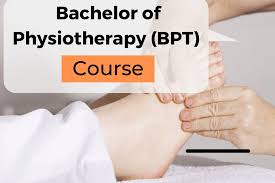
BPT
Bachelor of Physiotherapy (BPT) is a comprehensive undergraduate program typically spanning 4 years, including both theoretical study and practical training. This degree equips students...
BPT
×Bachelor of Physiotherapy (BPT) is a comprehensive undergraduate program typically spanning 4 years, including both theoretical study and practical training. This degree equips students with the knowledge and skills to assess, diagnose, and treat various physical disabilities, injuries, and movement disorders. The curriculum covers subjects such as anatomy, physiology, kinesiology, biomechanics, and rehabilitation techniques. Students also gain hands-on experience through clinical placements in hospitals, sports clinics, and community health centers. Graduates are prepared for careers in healthcare settings, sports teams, or private practice, helping patients improve mobility, manage pain, and enhance their quality of life. The BPT program often serves as a foundation for further specialization or advanced studies in physiotherapy.
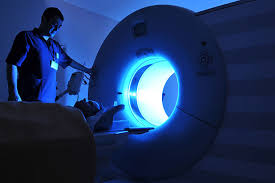
M.Sc in Medical Radiography & Imaging Technology
M.Sc in Medical Radiography & Imaging Technology is a 2-year postgraduate degree that studies advanced imaging techniques and their applications in healthcare. Students learn how to use modern...
M.Sc in Medical Radiography & Imaging Technology
×M.Sc in Medical Radiography & Imaging Technology is a 2-year postgraduate degree that studies advanced imaging techniques and their applications in healthcare. Students learn how to use modern diagnostic equipment, evaluate medical images, and provide patient care. The curriculum includes topics such as radiation physics, digital imaging, MRI, CT, ultrasound, and radiobiology. Graduates are prepared to work in hospitals, diagnostic centers, and research institutions, where they play an important part in modern medical diagnosis and treatment planning.

B.Sc. in Medical Lab Technology
A B.Sc. in Medical Lab Technology is a 3-4 year undergraduate curriculum that prepares students to perform laboratory tests required for disease diagnosis and treatment. The curriculum includes dis...
B.Sc. in Medical Lab Technology
×A B.Sc. in Medical Lab Technology is a 3-4 year undergraduate curriculum that prepares students to perform laboratory tests required for disease diagnosis and treatment. The curriculum includes disciplines such as biochemistry, microbiology, hematology, and clinical pathology. Students learn how to use advanced laboratory equipment, evaluate biological materials, and interpret test results.
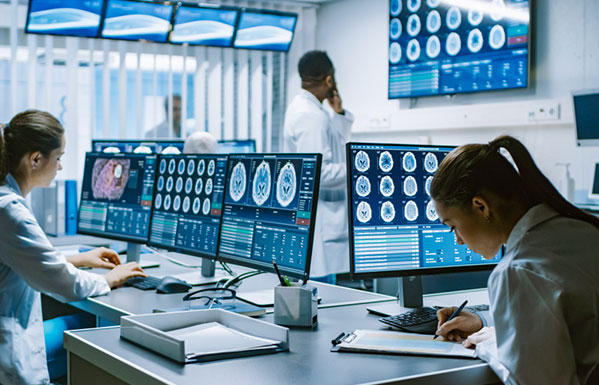
B.Sc. in Medical Radio Imaging Technology
B.Sc. in Medical Radio Imaging Technology is a 3-year undergraduate degree that prepares students to use modern medical imaging equipment. The curriculum includes radiography, computed tomography (...
B.Sc. in Medical Radio Imaging Technology
×B.Sc. in Medical Radio Imaging Technology is a 3-year undergraduate degree that prepares students to use modern medical imaging equipment. The curriculum includes radiography, computed tomography (CT), magnetic resonance imaging (MRI), and ultrasound procedures. Students study human anatomy, radiation physics, patient care, and picture interpretation. This curriculum prepares graduates for positions in hospitals, diagnostic centers, and research institutions, where they will diagnose and monitor a wide range of medical disorders utilizing cutting-edge imaging technology.
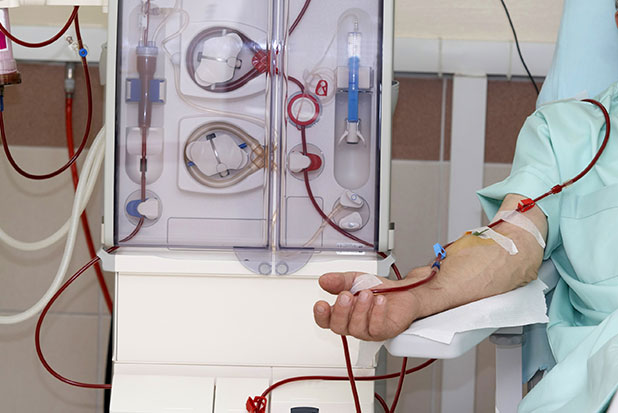
B.Sc. in Dialysis Technology
A B.Sc. in Dialysis Technology is normally a 3-year undergraduate degree that prepares students to operate dialysis machines and care for patients with kidney problems. The curriculum includes rena...
B.Sc. in Dialysis Technology
×A B.Sc. in Dialysis Technology is normally a 3-year undergraduate degree that prepares students to operate dialysis machines and care for patients with kidney problems. The curriculum includes renal anatomy, physiology, dialysis methods, patient care, and medical ethics. Students learn how to manage hemodialysis, peritoneal dialysis, and other treatments. This curriculum trains graduates for positions in hospitals, dialysis centers, and healthcare facilities, responding to the increased demand for specialized technicians in nephrology departments.
M.Sc. in Operation Theater And Anesthesia Technology
M.Sc. in Operation Theater and Anesthesia Technology is a specialized postgraduate program typically spanning 2 years. This course equips students with advanced knowledge and skills in the manageme...
M.Sc. in Operation Theater And Anesthesia Technology
×M.Sc. in Operation Theater and Anesthesia Technology is a specialized postgraduate program typically spanning 2 years. This course equips students with advanced knowledge and skills in the management of operation theaters, anesthesia administration, and post-operative care. The curriculum covers topics such as surgical procedures, anesthesia techniques, patient safety, and infection control, along with hands-on training in state-of-the-art facilities. Students also engage in clinical rotations, providing real-world experience in hospital settings. Graduates are prepared for roles as anesthesia technologists, surgical coordinators, and educators, contributing significantly to the healthcare sector by ensuring safe and efficient surgical operations.
BPT
Bachelor of Physiotherapy (BPT) is a comprehensive undergraduate program typically spanning 4 years, including both theoretical study and practical training. This degree equips students...
BPT
×Bachelor of Physiotherapy (BPT) is a comprehensive undergraduate program typically spanning 4 years, including both theoretical study and practical training. This degree equips students with the knowledge and skills to assess, diagnose, and treat various physical disabilities, injuries, and movement disorders. The curriculum covers subjects such as anatomy, physiology, kinesiology, biomechanics, and rehabilitation techniques. Students also gain hands-on experience through clinical placements in hospitals, sports clinics, and community health centers. Graduates are prepared for careers in healthcare settings, sports teams, or private practice, helping patients improve mobility, manage pain, and enhance their quality of life. The BPT program often serves as a foundation for further specialization or advanced studies in physiotherapy.
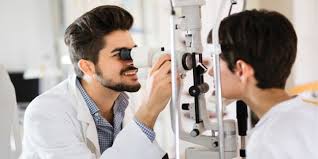
Bachelor of Optometry
Bachelor of Optometry is a 4-year undergraduate degree program that prepares students for a career in eye care. The curriculum combines rigorous scientific study with practical clinical experience,...
Bachelor of Optometry
×Bachelor of Optometry is a 4-year undergraduate degree program that prepares students for a career in eye care. The curriculum combines rigorous scientific study with practical clinical experience, covering subjects such as anatomy, physiology, optics, pharmacology, and ocular diseases. Students learn to examine eyes, diagnose vision problems, and prescribe corrective lenses. The program includes extensive laboratory work and supervised clinical practice, where students gain hands-on experience in patient care. Graduates are eligible to take licensing exams and pursue careers as optometrists, working in private practices, hospitals, or research institutions. Some may choose to further specialize through additional postgraduate studies in areas like pediatric optometry or vision therapy.
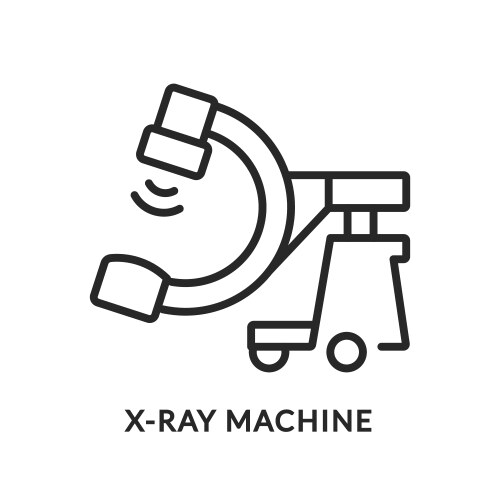
B.Sc in Medical Radiography & Imaging Technology
B.Sc. in Medical Radiography & Imaging Technology is a 3-year undergraduate program designed to equip students with the knowledge and skills required to work in the medical imaging field....
B.Sc in Medical Radiography & Imaging Technology
×B.Sc. in Medical Radiography & Imaging Technology is a 3-year undergraduate program designed to equip students with the knowledge and skills required to work in the medical imaging field. The course covers subjects like radiographic techniques, diagnostic imaging, radiation physics, anatomy, physiology, and patient care. Students learn how to operate imaging equipment, such as X-ray, CT scans, MRI, and ultrasound, to capture accurate diagnostic images. The program also focuses on radiation safety, ethics, and image analysis, ensuring that students are well-versed in both the technical and professional aspects of the field. Clinical training and internships are an integral part of the course, providing hands-on experience. Graduates can work as radiographers, imaging technologists, or in research and development roles in healthcare facilities, diagnostic centers, and hospitals.
MPT
MPT (Master of Physiotherapy) is a 2-year postgraduate program designed for students who wish to specialize in advanced physiotherapy practices. The course offers in-depth knowledge in various doma...
MPT
×MPT (Master of Physiotherapy) is a 2-year postgraduate program designed for students who wish to specialize in advanced physiotherapy practices. The course offers in-depth knowledge in various domains, such as musculoskeletal, neurology, cardiopulmonary, sports physiotherapy, and pediatric physiotherapy. Students are trained in clinical assessments, diagnostic techniques, therapeutic modalities, and rehabilitation strategies to treat patients with different physical ailments. The program combines theory with practical training, including internships and research projects, to develop expertise in evidence-based physiotherapy. Graduates of MPT can work in hospitals, rehabilitation centers, sports organizations, and research institutes, or set up private practices. This degree enhances career prospects and opens opportunities for further academic advancement, including research or teaching roles in the field of physiotherapy.
B.Sc. in Medical Laboratory Technology- Lateral Entry
B.Sc. in Medical Laboratory Technology (Lateral Entry) is a specialized course designed for students who already possess a diploma in Medical Laboratory Technology or a related field. This program...
B.Sc. in Medical Laboratory Technology- Lateral Entry
×B.Sc. in Medical Laboratory Technology (Lateral Entry) is a specialized course designed for students who already possess a diploma in Medical Laboratory Technology or a related field. This program typically spans 2 years and aims to provide advanced knowledge and practical skills in laboratory techniques, diagnostics, and healthcare systems. Students acquire hands-on experience in various diagnostic labs, learning techniques in microbiology, hematology, clinical biochemistry, and pathology. The course also focuses on improving analytical, technical, and managerial skills, preparing graduates for careers in hospitals, diagnostic centers, and research institutions. Upon successful completion, students can pursue higher studies or explore career opportunities as laboratory technologists, clinical analysts, or research assistants in the healthcare industry.
Bachelor of Optometry (Lateral Entry)
Bachelor of Optometry (Lateral Entry) is a specialized undergraduate program designed for individuals who already possess a diploma in optometry or related fields. This course allows students to di...
Bachelor of Optometry (Lateral Entry)
×Bachelor of Optometry (Lateral Entry) is a specialized undergraduate program designed for individuals who already possess a diploma in optometry or related fields. This course allows students to directly enter the second year of the degree program, enabling them to complete their studies in a shorter time frame. The program typically spans 3 years, with a focus on advanced optometric practices, eye care technologies, clinical experience, and patient management. Students gain a deep understanding of visual science, ocular diseases, refractive errors, and optical instruments. Upon completion, graduates are equipped with the skills to work as optometrists in clinics, and hospitals, or start their own practices, ensuring a rewarding career in the rapidly growing field of eye care.
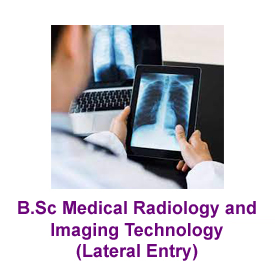
B.Sc in Medical Radiography & Imaging Technology - Lateral Entry
B.Sc. in Medical Radiography & Imaging Technology - Lateral Entry is a specialized program designed for students who have completed relevant diploma courses in medical imaging or radiography. T...
B.Sc in Medical Radiography & Imaging Technology - Lateral Entry
×B.Sc. in Medical Radiography & Imaging Technology - Lateral Entry is a specialized program designed for students who have completed relevant diploma courses in medical imaging or radiography. This course offers an in-depth understanding of diagnostic imaging techniques such as X-rays, CT scans, MRI, and ultrasound. The program is structured to provide theoretical knowledge combined with practical training, preparing students for careers as radiographers, imaging technologists, and medical professionals in the field. The course duration typically spans 2 years, depending on the institution. Graduates are equipped with the skills required to work in hospitals, clinics, diagnostic centers, and research facilities. The curriculum also includes exposure to advanced medical imaging technologies and patient care.
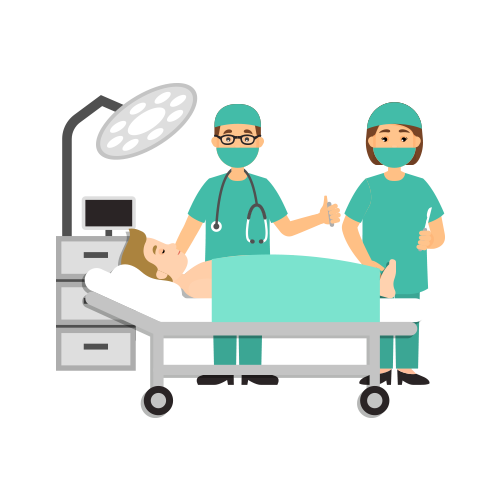
B.Sc in Operation Theatre Technology - Lateral Entry
B.Sc. in Operation Theatre Technology (Lateral Entry) is a specialized program designed for students who have already completed a diploma in Operation Theatre Technology or a related field. This pr...
B.Sc in Operation Theatre Technology - Lateral Entry
×B.Sc. in Operation Theatre Technology (Lateral Entry) is a specialized program designed for students who have already completed a diploma in Operation Theatre Technology or a related field. This program, typically spanning 3 years, equips students with advanced skills in managing and operating the equipment in operation theatres, preparing patients for surgery, assisting surgeons during procedures, and maintaining hygiene standards in surgical settings. The curriculum covers subjects like surgical anatomy, anaesthesia technology, sterilization techniques, and post-operative care. Graduates are prepared to work in hospitals, clinics, and other medical institutions, playing a crucial role in the healthcare system. This course is an excellent opportunity for those seeking to enhance their knowledge and career prospects in medical technology.
POPULAR COURSES
(D.ED(TCH))
A.N.M.
Acharya - Navyavyakarna
Acharya - Phalita Jyotisha
Acharya - Sanskrit Sahitya
Acharya - Siddhanta Jyotisha
Adobe Photoshop
Advance Certificate Course in Beauty Therapy
Advance Certificate Course in Cosmetology
Advance Certificate Course in Hair Dressing
Advance Certificate Course in Makeup Artistry
Advance certificate Course in Nail Technology
Advance Diploma in Anesthesia Technology
Advance Diploma In Child Guidance And Counselling
Advance Diploma in Dialysis Technology
Advance Diploma in Disciples India
Advance Diploma in Fashion Design & Technology
Advance Diploma in Industrial Safety
Advance Diploma In Insurance Sales
Advance Diploma in Interior Designing
Advance Diploma in Journalism & Mass Communication
Advance Diploma in Medical Lab Technology
Advance Diploma in Operation Theatre Technology
Advance Diploma in Radiology & Imaging Technology
Advance Diploma of Proficiency in French
Advance Diploma of Proficiency in German
Advance Diploma of Proficiency in Russian
Advanced Certificate in Medical Microbiology Laboratory Technology (ACMMLT)
Advanced Certified Software Developer
Advanced Diploma in 3D Printing Technology
Advanced Diploma in Animation
Advanced Diploma in Aviation, Hospitality and Tourism
Advanced Diploma in Computer Application
Advanced Diploma in Computer Software, System Analysis & Application
Advanced Diploma in Data Science
Advanced Diploma in Hardware And Networking
Advanced Diploma in Information Technology
Advanced Diploma in Machine Learning
Advanced Diploma in Multimedia Programming
Advanced Diploma in Networking
Advanced Diploma in Sound Recording Technology
Advanced Diploma in Textile Design
Advanced Diploma in Vastu and Jyotish
Agriculture & Allied Services
Agriculture & Horticulture
Agriculture & Live Stock Production
Agriculture Technology
AHDP Diploma In Animal Husbandry Program
Arogyamitra
Artificial Intelligence And Machine Learning
Automobile Technology
B,Com. in Computer Application
B. Sc. Hons. in Anaesthesia & Operation Theatre Technology
B. Sc. Hons. in Emergency Medical Technology
B. Sc. Hons.in Medical Laboratory Technology
B. Sc. in Hospitality and Tourism Management
B. Tech. in Fisheries Engineering
B. Tech. in Leather technology
B.A. General
B.A. B.Ed.
Popular Stream
State
Andaman and Nicobar Island (UT)
Andaman and Nicobar Islands
Andhra Pradesh
Arunachal Pradesh
Assam
Bihar
Chandigarh
Chandigarh (UT)
Chhattisgarh
Dadra and Nagar
Dadra and Nagar Haveli
Dadra and Nagar Haveli (UT)
Daman and Diu
Daman and Diu (UT)
Delhi
Delhi (NCT)
Donets'k
Goa
Gujarat
Gujarat
Haryana
Himachal Pradesh
Jammu and Kashmir
Jammu and Kashmir(UT)
Jharkhand
jjj
Karnataka
Kerala
Ladakh(UT)
Lakshadweep
LAKSHADWEEP (UT)
Madhya Pradesh
Maharashtra
Manipur
Meghalaya
Mizoram
Nagaland
Niigata
Odisha
Puducherry