





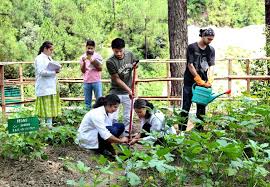
B.Sc. Hons. in Agriculture is normally a 4-year undergraduate program that equips students with in-depth knowledge and practical skills in agricultural sciences. The curriculum includes crop science, soil science, animal husbandry, agricultural economics, plant pathology, and agricultural engineering. Students learn about sustainable farming practices, agricultural biotechnology, and farm management. The program frequently incorporates laboratory work, field trips, and internships to give students hands-on experience. Graduates prepare to face global concerns in food security, sustainable agriculture, and environmental conservation.
University of Agricultural Sciences
University of Agricultural Sciences Admission Open
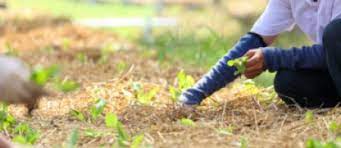
M.Sc. in Agricultural Economics
M.Sc. in Agricultural Economics normally lasts 1.5 to 2 years and thoroughly explains economic principles relevant to agriculture and rural development. The curriculum uses economic theory, quantit...
M.Sc. in Agricultural Economics
×M.Sc. in Agricultural Economics normally lasts 1.5 to 2 years and thoroughly explains economic principles relevant to agriculture and rural development. The curriculum uses economic theory, quantitative methodologies, and policy analysis to solve issues in food production, resource management, and rural economies. Students get the knowledge of agricultural policy, environmental economics, farm management, and international trade. The program frequently includes research methodologies, statistical analysis, and econometrics to prepare graduates for data-driven decision-making. This degree prepares students for employment in agricultural policy, agribusiness management, rural development, research institutes, and advanced scholarly pursuits in agricultural and resource economics.
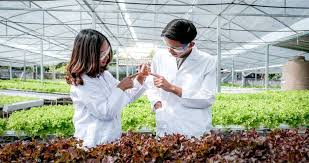
M.Sc. in Agronomy
M.Sc. in Agronomy is a 2-year postgraduate program that studies agricultural production science and technology, as well as soil management. This advanced degree provides students with a thorough un...
M.Sc. in Agronomy
×M.Sc. in Agronomy is a 2-year postgraduate program that studies agricultural production science and technology, as well as soil management. This advanced degree provides students with a thorough understanding of plant genetics, soil science, crop physiology, and sustainable agriculture techniques. Advanced plant breeding, precision agriculture, pest management, and agricultural biotechnology are common topics included in the curriculum. Students also participate in research projects and fieldwork, bringing theoretical concepts to real-world agricultural problems. This degree prepares graduates for employment in agricultural research, crop consulting, farm management, or positions in government agencies and international organizations concerned with food security and sustainable agriculture.
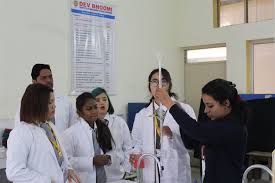
M.Sc. in Plant Pathology
M.Sc. in Plant Pathology is normally a 2-year postgraduate course that studies plant diseases, their causes, and management measures. The curriculum includes topics including fungal, bacterial, and...
M.Sc. in Plant Pathology
×M.Sc. in Plant Pathology is normally a 2-year postgraduate course that studies plant diseases, their causes, and management measures. The curriculum includes topics including fungal, bacterial, and viral plant pathogens, disease diagnosis, epidemiology, and integrated pest control. Students get knowledge about plant diseases through coursework, laboratory sessions, and field studies. The program frequently incorporates research components, allowing students to contribute to the field with thesis work or projects. Graduates are equipped to work in agriculture, research institutions, and government agencies, or pursue additional academic studies in plant health and protection.
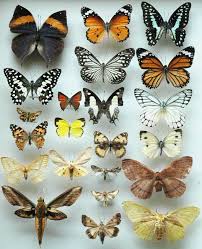
M.Sc. in Entomology & Apiculture
M.Sc. in Entomology & Apiculture is a 2-year postgraduate program that focuses on the fascinating world of insects and beekeeping. This multidisciplinary course integrates theoretical knowledge...
M.Sc. in Entomology & Apiculture
×M.Sc. in Entomology & Apiculture is a 2-year postgraduate program that focuses on the fascinating world of insects and beekeeping. This multidisciplinary course integrates theoretical knowledge with practical applications in insect biology, ecology, pest control, and honeybee biology. Students participate in fieldwork, laboratory research, and apiary management to acquire hands-on experience in both entomology and apiculture. Insect taxonomy, physiology, behavior, pollination ecology, and beekeeping techniques are common topics included in the curriculum. Graduates are proficient for positions in agricultural research, pest control, conservation, honey production, and advanced academic studies. This degree integrates scientific rigor with practical skills, preparing students to tackle key issues in agriculture, ecology, and food security.
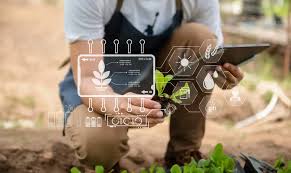
M.Sc. in Agriculture Extension
M.Sc. in Agricultural Extension is a 2-year postgraduate program focusing on improving agricultural practices, rural development, and communication with farming communities. This program covers sub...
M.Sc. in Agriculture Extension
×M.Sc. in Agricultural Extension is a 2-year postgraduate program focusing on improving agricultural practices, rural development, and communication with farming communities. This program covers subjects such as agricultural policy, rural sociology, extension methodologies, communication strategies, and sustainable farming practices. Graduates are trained to be effective educators and facilitators, guiding farmers in adopting innovative agricultural techniques to improve productivity and sustainability. This degree prepares students for careers in government agencies, NGOs, research institutions, and agricultural consultancies, where they can contribute to rural upliftment and agricultural advancement.
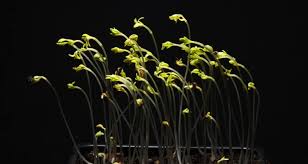
M.Sc. in Plant Physiology
Master of Science (M.Sc.) in Plant Physiology typically spans 2 years and focuses on the biological processes and functions of plants. The curriculum includes advanced studies in plant b...
M.Sc. in Plant Physiology
×Master of Science (M.Sc.) in Plant Physiology typically spans 2 years and focuses on the biological processes and functions of plants. The curriculum includes advanced studies in plant biology, including topics such as photosynthesis, respiration, water relations, nutrient uptake, and plant growth regulation. Students engage in both theoretical learning and practical laboratory work, conducting experiments to understand plant responses to environmental factors. The program also emphasizes research methodologies, enabling students to undertake a thesis or project that contributes to the field. Graduates are prepared for careers in agriculture, horticulture, environmental science, and research institutions.
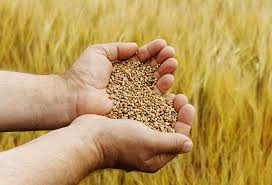
M.Sc. in Seed Science and Technology
Master of Science (M.Sc.) in Seed Science and Technology is a specialized program designed to equip students with advanced knowledge and skills in seed production, processing, testing, and ma...
M.Sc. in Seed Science and Technology
×Master of Science (M.Sc.) in Seed Science and Technology is a specialized program designed to equip students with advanced knowledge and skills in seed production, processing, testing, and marketing. Typically spanning 2 years, the curriculum covers topics such as seed biology, genetics, seed technology, and quality management. Students learn about the latest research and technologies in seed enhancement and sustainable agriculture practices. The program often includes practical training and internships, allowing students to apply theoretical knowledge in real-world settings. Graduates can pursue careers in research, agribusiness, seed certification agencies, and governmental agricultural organizations, contributing to global food security.
M.Sc. in Agricultural Statistics
M.Sc. in Agricultural Statistics is a 2-year postgraduate degree program that teaches students advanced statistical theory and its applications in agriculture and other fields. Topics covered...
M.Sc. in Agricultural Statistics
×M.Sc. in Agricultural Statistics is a 2-year postgraduate degree program that teaches students advanced statistical theory and its applications in agriculture and other fields. Topics covered in the program include probability, statistical inference, regression analysis, and statistical software application. The curriculum seeks to prepare students to solve difficult data analysis challenges in fields such as healthcare, finance, and engineering. M.Sc. in Agricultural Statistics is intended to educate students for employment as agricultural or survey statisticians, mathematical statisticians, data scientists, and other positions that need knowledge of statistical analysis and its application to real-world situations.
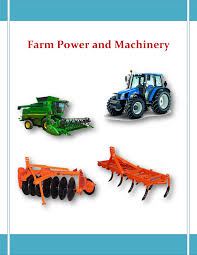
M.Tech. in Farm Machinery and Power Engineering
M.Tech. in Farm Machinery and Power Engineering is a 2-year postgraduate program that focuses on the design, development, and maintenance of agricultural machinery and equipment. The curriculum cov...
M.Tech. in Farm Machinery and Power Engineering
×M.Tech. in Farm Machinery and Power Engineering is a 2-year postgraduate program that focuses on the design, development, and maintenance of agricultural machinery and equipment. The curriculum covers topics such as tractor design, harvesting technology, precision farming, and renewable energy applications in agriculture. Graduates of this program are equipped to work as agricultural engineers, farm machinery designers, and consultants in the agri-tech industry. The program emphasizes hands-on learning through laboratory sessions and project-based assignments, preparing students for careers in the rapidly evolving field of sustainable agricultural mechanization.
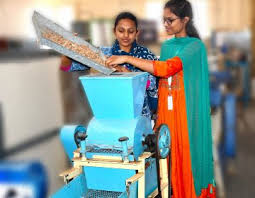
M.Tech. in Processing and Food Engineering
M.Tech. in Processing and Food Engineering is a 2-year postgraduate program that studies the design, development, and optimization of food processing technology. The curriculum includes topics incl...
M.Tech. in Processing and Food Engineering
×M.Tech. in Processing and Food Engineering is a 2-year postgraduate program that studies the design, development, and optimization of food processing technology. The curriculum includes topics including food engineering fundamentals, unit operations, food quality control, and food packaging. Graduates of this program are prepared to work in the food processing industry, and R&D groups, or pursue additional academic study. The curriculum normally consists of coursework, laboratory sessions, and a culminating dissertation or project. Admission criteria include a national-level entrance exam, academic performance, and, in some cases, relevant professional experience.
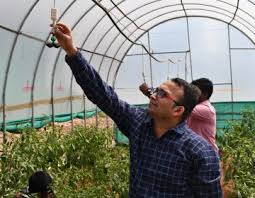
M.Tech. in Soil and Water Conservation Engineering
M.Tech. in Soil and Water Conservation Engineering is a 2-year postgraduate program that focuses on developing expertise in managing and conserving soil and water resources. The curriculum co...
M.Tech. in Soil and Water Conservation Engineering
×M.Tech. in Soil and Water Conservation Engineering is a 2-year postgraduate program that focuses on developing expertise in managing and conserving soil and water resources. The curriculum covers topics such as watershed management, irrigation engineering, soil and water pollution control, and remote sensing applications. Graduates of this program are equipped to work in government agencies, research organizations, and private firms involved in sustainable land and water resource management. The program emphasizes hands-on learning through field visits, projects, and internships to provide practical experience.
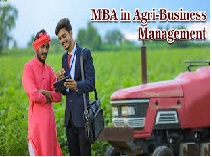
MBA in Agriculture Business Management
The 2-year postgraduate Master of Business Administration (MBA) in Agriculture Business Management curriculum blends fundamental business concepts with in-depth understanding of agriculture i...
MBA in Agriculture Business Management
×The 2-year postgraduate Master of Business Administration (MBA) in Agriculture Business Management curriculum blends fundamental business concepts with in-depth understanding of agriculture industry. Agribusiness economics, supply chain management, agricultural marketing, and rural development are just a few of the topics covered in this extensive course. Students gain knowledge about agribusiness-specific sustainable practices, financial management, and strategic planning. Case studies, industrial projects, and occasionally internships with agribusiness companies or agricultural cooperatives are also part of the curriculum. Graduates are ready for leadership positions in government organizations, food processing businesses, rural banks, or agricultural enterprises. Curriculum prepares students to tackle issues in food security, agricultural technology, and sustainable farming methods by emphasizing innovation, entrepreneurship, and global perspectives.

M.Sc. in Forestry
Master of Science (M.Sc.) in Forestry is a postgraduate program focused on forest management, conservation, and sustainable use of forest resources. Typically spanning 2 years, the course equips st...
M.Sc. in Forestry
×Master of Science (M.Sc.) in Forestry is a postgraduate program focused on forest management, conservation, and sustainable use of forest resources. Typically spanning 2 years, the course equips students with advanced knowledge in silviculture, forest ecology, climate change impact, and biodiversity conservation. It includes theoretical learning, practical fieldwork, and research, enabling students to address global environmental challenges. Graduates can pursue careers in forestry management, environmental consultancy, wildlife conservation, or academic research. Eligibility usually requires a bachelor's degree in forestry, agriculture, or a related field. The program fosters critical thinking and technical skills to promote sustainable natural resource management.
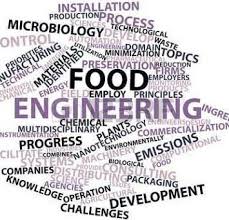
M.Tech. in Food Processing and Dairy Engineering
M.Tech. in Food Processing and Dairy Engineering is a postgraduate program designed to provide advanced knowledge and skills in the fields of food science, processing technologies, and dairy...
M.Tech. in Food Processing and Dairy Engineering
×M.Tech. in Food Processing and Dairy Engineering is a postgraduate program designed to provide advanced knowledge and skills in the fields of food science, processing technologies, and dairy engineering. Typically spanning 2 years, this program equips students with the expertise required to handle food and dairy production, preservation, packaging, and quality control. The curriculum covers subjects such as food biotechnology, food safety, dairy technology, food engineering, and processing techniques, along with research and development practices. Students also gain hands-on experience through laboratory work, projects, and industry internships. Graduates of this program are prepared for roles in food and dairy industries, research organizations, quality control, product development, and food safety management, making it an ideal choice for those interested in these dynamic fields.
M.Sc. in Agricultural Biochemistry
M.Sc. in Agricultural Biochemistry is a postgraduate program focused on the study of biochemical processes in agriculture. This course typically spans 2 years and covers various aspects of bio...
M.Sc. in Agricultural Biochemistry
×M.Sc. in Agricultural Biochemistry is a postgraduate program focused on the study of biochemical processes in agriculture. This course typically spans 2 years and covers various aspects of biochemistry, including plant and soil biochemistry, agricultural microbiology, molecular biology, and the biochemical interactions within agricultural systems. Students gain expertise in applying biochemical principles to improve crop production, soil health, and sustainability in agriculture. The curriculum often combines theoretical knowledge with hands-on laboratory work, research projects, and field studies. Graduates of this program are prepared for careers in agricultural research, biotechnology firms, and government agencies, contributing to advancements in food security, crop enhancement, and environmental sustainability in agriculture.
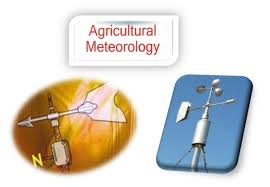
M.Sc. in Agricultural Meteorology
M.Sc. in Agricultural Meteorology is a specialized postgraduate program that focuses on the study of climate, weather, and atmospheric conditions as they relate to agricultural practices. The...
M.Sc. in Agricultural Meteorology
×M.Sc. in Agricultural Meteorology is a specialized postgraduate program that focuses on the study of climate, weather, and atmospheric conditions as they relate to agricultural practices. The course typically spans 2 years, divided into four semesters, and covers topics such as weather forecasting, climate change, crop modeling, agro-meteorological tools, and environmental management. Students acquire practical skills in analyzing weather patterns, assessing their impact on crop production, and developing strategies for mitigating climate-related challenges in agriculture. The program combines theoretical knowledge with hands-on experience, preparing graduates for careers in agriculture, research, government agencies, and international organizations focusing on agricultural sustainability and climate resilience. This course is ideal for students interested in addressing global food security and environmental issues.
M.Sc. in Environmental Biology
M.Sc. in Environmental Biology is a postgraduate course designed to provide students with an in-depth understanding of the biological aspects of environmental science. This program typically spans...
M.Sc. in Environmental Biology
×M.Sc. in Environmental Biology is a postgraduate course designed to provide students with an in-depth understanding of the biological aspects of environmental science. This program typically spans 2 years and covers various topics, including ecology, biodiversity conservation, environmental policy, and the impact of human activities on ecosystems. Students engage in both theoretical and practical learning, with opportunities for fieldwork, research projects, and lab-based experiments. The curriculum emphasizes the importance of sustainable development and equips graduates with the skills to address environmental challenges. Upon completion, students are prepared for careers in environmental consultancy, research, conservation organizations, governmental agencies, and environmental education, contributing to efforts in preserving biodiversity and promoting environmental sustainability.
M.Sc. in Agriculture Molecular Biology and Biotechnology
M.Sc. in Agriculture Molecular Biology and Biotechnology is a 2-year postgraduate program designed to equip students with advanced knowledge and skills in molecular biology, genetic engineeri...
M.Sc. in Agriculture Molecular Biology and Biotechnology
×M.Sc. in Agriculture Molecular Biology and Biotechnology is a 2-year postgraduate program designed to equip students with advanced knowledge and skills in molecular biology, genetic engineering, and biotechnological applications in agriculture. This course integrates theoretical learning and hands-on laboratory training, focusing on areas such as plant genomics, crop improvement, pest and disease resistance, and sustainable agricultural practices. Students explore cutting-edge techniques like CRISPR, gene editing, and bioinformatics to address global agricultural challenges. Graduates of this program can pursue careers in agricultural research, biotechnology industries, academia, and governmental organizations, contributing to innovations in food security and sustainable farming. The program fosters interdisciplinary expertise, preparing students to tackle complex agricultural issues with a scientific and ethical approach.

M.Sc. in Agricultural Microbiology
M.Sc. in Agricultural Microbiology is a 2-year postgraduate program designed to explore the role of microorganisms in agriculture and their applications in enhancing crop productivity, soil h...
M.Sc. in Agricultural Microbiology
×M.Sc. in Agricultural Microbiology is a 2-year postgraduate program designed to explore the role of microorganisms in agriculture and their applications in enhancing crop productivity, soil health, and sustainable farming practices. The curriculum includes advanced topics such as microbial genetics, soil microbiology, biofertilizers, biopesticides, and plant-microbe interactions. Students gain practical expertise through laboratory research, field studies, and internships, enabling them to understand and harness microbial processes for agricultural development. Graduates can pursue careers in agricultural research institutions, biotechnology firms, food and beverage industries, or work as consultants in sustainable agriculture. This program is ideal for students passionate about microbiology and its role in addressing global challenges like food security and environmental sustainability.

M.Sc. in Agriculture-Bioinformatics
M.Sc. in Agriculture-Bioinformatics is a specialized postgraduate program designed to combine the principles of agriculture with cutting-edge bioinformatics techniques. This course, typically...
M.Sc. in Agriculture-Bioinformatics
×M.Sc. in Agriculture-Bioinformatics is a specialized postgraduate program designed to combine the principles of agriculture with cutting-edge bioinformatics techniques. This course, typically spanning 2 years, provides students with an in-depth understanding of agricultural science, data analysis, and computational biology. The curriculum covers topics such as plant genomics, crop modeling, bioinformatics tools, and data mining, alongside hands-on training in laboratory and field settings. Students are equipped with the skills necessary to address challenges in agriculture using modern bioinformatics approaches, from genetic research to improving crop yields. Graduates of this program are prepared for roles in research, agricultural biotechnology, and data-driven agricultural solutions. The course duration is generally 2 years, and eligibility usually includes a relevant undergraduate degree in agriculture, biology, or bioinformatics.
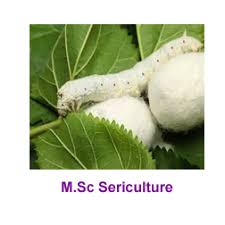
M.Sc. in Sericulture
M.Sc. in Sericulture is a specialized postgraduate program designed to equip students with advanced knowledge and skills in the field of sericulture, which involves the cultivation of silkworms for...
M.Sc. in Sericulture
×M.Sc. in Sericulture is a specialized postgraduate program designed to equip students with advanced knowledge and skills in the field of sericulture, which involves the cultivation of silkworms for silk production. This program typically spans 2 years and covers various aspects of sericulture, including the biology and genetics of silkworms, silk production technology, sericulture farming practices, and sustainable silk production. Students also learn about the economic, environmental, and industrial implications of the sericulture industry. The course emphasizes practical knowledge through laboratory work, field visits, and industry exposure, preparing graduates for roles in research, development, management, and entrepreneurship in the silk industry. Upon completion, graduates can pursue careers in agriculture, textile industries, and sericulture research organizations.

M.Sc. in Genetics and Plant Breeding
M.Sc. in Genetics and Plant Breeding, where we bridge the gap between formal education and practical skills acquisition...

M.Sc. in Agricultural Marketing and Cooperation
M.Sc. in Agricultural Marketing and Cooperation is a specialized postgraduate program designed to provide students with the skills and knowledge required to manage agricultural markets, enhan...
M.Sc. in Agricultural Marketing and Cooperation
×M.Sc. in Agricultural Marketing and Cooperation is a specialized postgraduate program designed to provide students with the skills and knowledge required to manage agricultural markets, enhance cooperative structures, and promote sustainable agricultural practices. The course typically spans 2 years, covering key areas such as agricultural economics, marketing strategies, rural development, and cooperative management. Students will acquire an in-depth understanding of market research, supply chain management, and the role of cooperatives in boosting farmers' income and improving market access. The program combines theoretical learning with practical exposure through case studies, internships, and industry interactions, preparing graduates for careers in agricultural marketing, rural development agencies, government bodies, and agricultural businesses. This course equips students to address the challenges of the evolving agricultural sector effectively.
B.Sc. Hons. in Sericulture
B.Sc. Hons. in Sericulture is a specialized undergraduate program that focuses on the study of silk production, from the cultivation of silkworms to the manufacturing of silk fabric. The cour...
B.Sc. Hons. in Sericulture
×B.Sc. Hons. in Sericulture is a specialized undergraduate program that focuses on the study of silk production, from the cultivation of silkworms to the manufacturing of silk fabric. The course duration is typically 3 years, with an in-depth curriculum covering topics such as silkworm biology, sericulture technology, soil management, and silk processing techniques. Students gain hands-on experience through practical sessions, fieldwork, and laboratory training, equipping them with the skills required for a career in the silk industry or research. The program also delves into aspects like sustainable farming practices, environmental impact, and the economics of sericulture. Graduates can pursue careers in sericulture farms, silk processing industries, research institutes, or governmental agricultural sectors.
B.Sc. Hons. in Food Nutrition & Dietetics
B.Sc. Hons. in Food Nutrition & Dietetics is a comprehensive undergraduate program designed to provide students with an in-depth understanding of nutrition, dietetics, and food sciences. The co...
B.Sc. Hons. in Food Nutrition & Dietetics
×B.Sc. Hons. in Food Nutrition & Dietetics is a comprehensive undergraduate program designed to provide students with an in-depth understanding of nutrition, dietetics, and food sciences. The course spans 3 years and equips students with the knowledge and practical skills required to assess, plan, and deliver nutrition interventions. Key subjects include human nutrition, biochemistry, food microbiology, community nutrition, and clinical dietetics. Students also acquire hands-on experience through internships, clinical placements, and research projects. Graduates are prepared for careers in healthcare, public health, food industry, and wellness sectors, with opportunities to become registered dietitians or nutritionists. The program focuses on promoting health, preventing disease, and improving nutrition practices globally, making it ideal for those passionate about improving health through diet.
POPULAR COURSES
(D.ED(TCH))
A.N.M.
Acharya - Navyavyakarna
Acharya - Phalita Jyotisha
Acharya - Sanskrit Sahitya
Acharya - Siddhanta Jyotisha
Adobe Photoshop
Advance Certificate Course in Beauty Therapy
Advance Certificate Course in Cosmetology
Advance Certificate Course in Hair Dressing
Advance Certificate Course in Makeup Artistry
Advance certificate Course in Nail Technology
Advance Diploma in Anesthesia Technology
Advance Diploma In Child Guidance And Counselling
Advance Diploma in Dialysis Technology
Advance Diploma in Disciples India
Advance Diploma in Fashion Design & Technology
Advance Diploma in Industrial Safety
Advance Diploma In Insurance Sales
Advance Diploma in Interior Designing
Advance Diploma in Journalism & Mass Communication
Advance Diploma in Medical Lab Technology
Advance Diploma in Operation Theatre Technology
Advance Diploma in Radiology & Imaging Technology
Advance Diploma of Proficiency in French
Advance Diploma of Proficiency in German
Advance Diploma of Proficiency in Russian
Advanced Certificate in Medical Microbiology Laboratory Technology (ACMMLT)
Advanced Certified Software Developer
Advanced Diploma in 3D Printing Technology
Advanced Diploma in Animation
Advanced Diploma in Aviation, Hospitality and Tourism
Advanced Diploma in Computer Application
Advanced Diploma in Computer Software, System Analysis & Application
Advanced Diploma in Data Science
Advanced Diploma in Hardware And Networking
Advanced Diploma in Information Technology
Advanced Diploma in Machine Learning
Advanced Diploma in Multimedia Programming
Advanced Diploma in Networking
Advanced Diploma in Sound Recording Technology
Advanced Diploma in Textile Design
Advanced Diploma in Vastu and Jyotish
Agriculture & Allied Services
Agriculture & Horticulture
Agriculture & Live Stock Production
Agriculture Technology
AHDP Diploma In Animal Husbandry Program
Arogyamitra
Artificial Intelligence And Machine Learning
Automobile Technology
B,Com. in Computer Application
B. Sc. Hons. in Anaesthesia & Operation Theatre Technology
B. Sc. Hons. in Emergency Medical Technology
B. Sc. Hons.in Medical Laboratory Technology
B. Sc. in Hospitality and Tourism Management
B. Tech. in Fisheries Engineering
B. Tech. in Leather technology
B.A. General
B.A. B.Ed.
Popular Stream
State
Andaman and Nicobar Island (UT)
Andaman and Nicobar Islands
Andhra Pradesh
Arunachal Pradesh
Assam
Bihar
Chandigarh
Chandigarh (UT)
Chhattisgarh
Dadra and Nagar
Dadra and Nagar Haveli
Dadra and Nagar Haveli (UT)
Daman and Diu
Daman and Diu (UT)
Delhi
Delhi (NCT)
Donets'k
Goa
Gujarat
Gujarat
Haryana
Himachal Pradesh
Jammu and Kashmir
Jammu and Kashmir(UT)
Jharkhand
jjj
Karnataka
Kerala
Ladakh(UT)
Lakshadweep
LAKSHADWEEP (UT)
Madhya Pradesh
Maharashtra
Manipur
Meghalaya
Mizoram
Nagaland
Niigata
Odisha
Puducherry