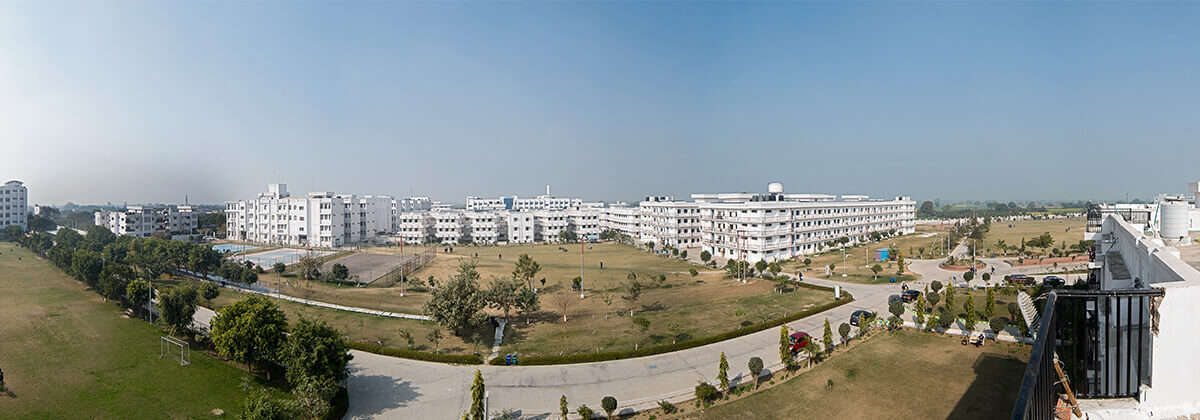
Ph.D. in Humanities And Languages from Flame University
Flame University’s Ph.D. in Humanities and Languages is designed for forward‑thinking professionals who aspire to become thought leaders, policy makers, and academicians. The program blends rigorous research methodology with interdisciplinary coursework, empowering scholars to explore the rich tapestry of human culture, literature, linguistics, and philosophical thought. Whether you aim to influence cultural policy, publish groundbreaking monographs, or teach at premier institutions, Flame University offers a vibrant intellectual ecosystem that nurtures innovation and scholarly excellence.
Eligibility Criteria for Ph.D. in Humanities And Languages at Flame University
- Master’s degree in Humanities, Languages, Literature, Linguistics, Philosophy, or a closely related discipline with a minimum of 55% aggregate (or equivalent CGPA).
- Eligibility for Indian nationals as well as foreign candidates with recognized overseas qualifications.
- Valid score in national-level doctoral entrance examinations (e.g., UGC NET, CSIR NET, GATE) is preferred but not mandatory.
- Proficiency in English (IELTS/TOEFL) for non‑native speakers.
- Applicants must demonstrate a clear research interest aligned with the university’s research clusters.
Entrance Exam for Ph.D. in Humanities And Languages at Flame University
Flame University conducts its own entrance assessment focusing on research aptitude, subject knowledge, and analytical skills. The process includes:
- Written Test – 120‑minute paper covering research methodology, theoretical frameworks, and discipline‑specific questions.
- Interview / VIVA – Evaluation of research proposal, academic background, and alignment with faculty expertise.
Candidates with UGC NET or CSIR NET qualification may be exempted from the written test, proceeding directly to the interview stage.
Fee Structure for Ph.D. in Humanities And Languages at Flame University
| Component | Annual Fee (INR) | Notes |
|---|---|---|
| Tuition & Exam Fees | 85,000 | Includes access to library and digital resources. |
| Research & Lab Charges | 12,000 | Fieldwork, archival access, and software licences. |
| Student Services & Welfare | 6,000 | Health insurance, counseling, and career services. |
| Total Approx. per Year | 1,03,000 | Variable based on scholarships and waivers. |
Admission Process for Ph.D. in Humanities And Languages at Flame University
- Online Application – Fill the web‑based form and upload academic transcripts, certificates, and a draft research proposal.
- Document Verification – The admissions office reviews eligibility and authenticity of credentials.
- Entrance Test & Interview – Shortlisted candidates appear for the written test followed by a faculty interview.
- Provisional Admission Offer – Successful candidates receive a provisional letter pending final documentation.
- Enrollment & Fee Payment – Complete fee payment and submit the final research proposal for supervisor allocation.
Ph.D. Subjects and Specializations in Humanities And Languages at Flame University
- Comparative Literature
- Applied Linguistics
- Philosophy of Culture
- Media & Communication Studies
- Postcolonial Studies
- Translation Studies
- Digital Humanities
Research Areas in Humanities And Languages at Flame University
The university’s research agenda spans interdisciplinary domains, including:
- Social narratives and identity formation
- Language policy and multilingual education
- Literary theory and modernist movements
- Digital preservation of cultural heritage
- Ethnolinguistics and indigenous language revitalization
- Philosophy of technology and ethics
- Critical media discourse analysis
Documents Required for Ph.D. in Humanities And Languages at Flame University
| Document | Details | Format |
|---|---|---|
| Academic Transcripts | All postgraduate certificates and mark sheets | PDF (scanned) |
| Research Proposal | 1500‑2000 words outlining objectives, methodology, and literature review | DOCX or PDF |
| Entrance Exam Score Card | UGC NET / CSIR NET / GATE (if applicable) | |
| Curriculum Vitae | Professional experience, publications, conferences | |
| Identity Proof | Aadhaar / Passport | |
| Letter of Recommendation (2) | From academicians or industry experts |
Flame University Ph.D. Syllabus for Humanities And Languages
The curriculum is divided into three phases:
- Core Coursework (Year 1) – Research methodology, advanced theory, and interdisciplinary seminars.
- Specialization Modules (Year 2) – Subject‑specific electives aligned with the chosen research focus.
- Thesis Development (Year 3‑5) – Independent research, periodic progress reviews, and final dissertation submission.
Students also benefit from workshops on academic writing, data analysis, and conference presentation skills, supported by Editing and Proofreading Services and Research Publication Support.
How To Apply for Ph.D. in Humanities And Languages at Flame University
Follow these step‑by‑step instructions to submit a successful application:
- Visit the official Flame University portal and navigate to the “Doctoral Admissions” section.
- Register using a valid email address; you will receive a login ID.
- Complete the online application form, ensuring accurate entry of academic details.
- Upload the required documents (refer to the “Documents Required” table).
- Pay the non‑refundable application fee of INR 2,500 via net banking or credit card.
- Submit the draft research proposal; you may seek assistance from PhD Topic Selection and Proposal Assistance if needed.
- Monitor your email for interview scheduling and further instructions.
Career Scope and Job Opportunities After Ph.D. in Humanities And Languages from Flame University
Graduates of the Humanities and Languages doctorate venture into diverse career pathways, such as:
- University faculty and research positions (Assistant Professor, Associate Professor, etc.)
- Policy analyst or cultural advisor for government and NGOs
- Research fellowships at international think‑tanks and cultural institutions
- Senior editorial or content strategy roles in publishing houses and media conglomerates
- Consultancy for language planning, curriculum design, and heritage preservation
- Independent scholars, authors, and public intellectuals
The interdisciplinary nature of the degree also equips graduates for leadership roles in corporate communications, corporate social responsibility (CSR) initiatives, and digital content curation.
Scholarship for Ph.D. in Humanities And Languages at Flame University
Flame University offers merit‑based and need‑based scholarships to alleviate financial burden:
- Merit Scholarship – Up to 50% tuition waiver for candidates with a 65%+ postgraduate score.
- Research Grant – Annual funding of INR 40,000 for fieldwork and data collection.
- NGO Fellowship – Collaborative projects with cultural NGOs provide stipends and project support.
- Doctoral Fellowship (UGC) – External funding for students qualifying the UGC NET exam.
Applicants may also explore external scholarships such as the Commonwealth Scholarship or DAAD Research Grants. For personalized assistance, consider using PhD Admission Assistance.
FAQs Regarding Ph.D. in Humanities And Languages at Flame University
- Q: How long does the Ph.D. program typically take?
- A: The standard duration is 4‑5 years, depending on research progress and publication requirements.
- Q: Is a teaching assistantship mandatory?
- A: While not compulsory, many scholars opt for a teaching assistantship to gain pedagogical experience and receive a stipend.
- Q: Can I pursue a part‑time Ph.D. while working?
- A: Yes, Flame University offers a flexible part‑time mode for working professionals, with extended timelines.
- Q: What language proficiency is required for non‑English speakers?
- A: An IELTS score of 6.5 or TOEFL iBT of 80 is the minimum requirement.
- Q: Are there opportunities for interdisciplinary research?
- A: Absolutely. The university encourages joint supervision across departments, especially in Digital Humanities and Media Studies.
- Q: How are dissertations evaluated?
- A: A panel of three external examiners conducts a viva‑voce followed by a written report; the final grade determines award of the doctorate.