Ph.D. in Zoology from Fakir Mohan University: Eligibility, Entrance Exam, Fee Structure, Admission Process, Subjects, Research Areas, Syllabus, Scholarship & Career Scope
Introduction about Ph.D. in Zoology at Fakir Mohan University
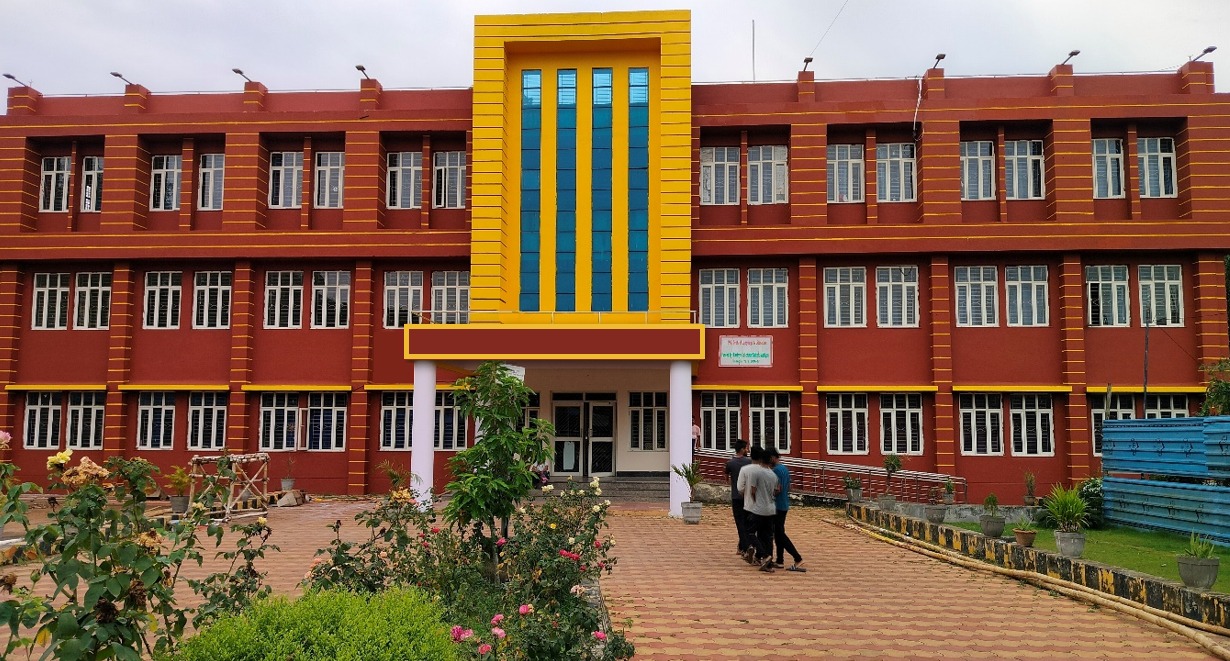
Fakir Mohan University (FMU), located in the vibrant cultural hub of Odisha, offers a distinguished Ph.D. in Zoology that blends rigorous scientific inquiry with hands‑on field research. The programme is designed for professionals who aspire to become thought leaders in wildlife conservation, animal physiology, genetics, and biotechnology. With state‑of‑the‑art laboratories, collaborative projects with national research institutes, and a faculty renowned for publishing in high‑impact journals, FMU creates an inspiring environment where scholarly ambition meets real‑world impact.
Eligibility Criteria for Ph.D. in Zoology at Fakir Mohan University
Prospective candidates must satisfy the following minimum requirements:
- A Master’s degree (M.Sc., M.Phil., or equivalent) in Zoology, Animal Science, or a closely related discipline with at least 55% aggregate marks (or 5.0 CGPA) for general category candidates; 50% for SC/ST/OBC.
- Recognition of the degree by the University Grants Commission (UGC) or the All India Council for Technical Education (AICTE).
- Qualifying the university’s Ph.D. entrance test or holding a national level qualification such as NET, GATE, CSIR‑UGC JRF, or ICAR‑JRF.
- Proficiency in English, both written and spoken, as research documentation and publications demand high linguistic standards.
- For overseas candidates, an equivalence certificate from the Association of Indian Universities (AIU) is mandatory.
Entrance Exam for Ph.D. in Zoology at Fakir Mohan University
The entrance examination evaluates core knowledge in zoological concepts, research methodology, and analytical skills. The exam consists of two phases:
- Written Test (120 marks): Objective and descriptive questions covering animal anatomy, ecology, genetics, and statistics.
- Interview & Presentation (30 marks): Candidates present a research proposal and answer a panel of experts to gauge research aptitude.
Preparation resources, such as previous year papers and model test papers, are available on the university’s official portal. Candidates who have cleared national level exams like NET are exempted from the written test but must still appear for the interview.
Fee Structure for Ph.D. in Zoology at Fakir Mohan University
| Component | Amount (INR) | Notes |
|---|---|---|
| Application Processing Fee | 2,000 | Non‑refundable, payable online |
| Entrance Exam Fee | 3,500 | Includes test centre charges |
| Annual Tuition & Laboratory Charges | 25,000 | Payable in two installments per academic year |
| Library & Resource Access | 1,500 | Access to digital journals and archives |
| Miscellaneous (Field Work, Travel) | 5,000 | Estimated per year |
| Total Approximate Annual Cost | 37,000 | Subject to revision each academic session |
Students who secure merit‑based scholarships or fellowships may receive a waiver of up to 50% of the tuition component.
Admission Process for Ph.D. in Zoology at Fakir Mohan University
The admission journey comprises four systematic steps:
- Online Application Submission: Create an account on the FMU portal, fill in personal and academic details, upload scanned documents, and pay the processing fee.
- Eligibility Verification: The admissions committee reviews academic transcripts and qualifying exam scores.
- Entrance Examination & Interview: Qualified candidates receive a call‑letter for the written test followed by a research‑proposal interview.
- Final Admission Offer: Successful candidates receive an official admission letter, along with details of fee payment, registration, and orientation schedule.
Throughout the process, applicants can seek guidance from the university’s PhD Admission Assistance service to ensure a seamless experience.
Ph.D. Subjects and Specializations in Zoology at Fakir Mohan University
FMU offers a breadth of specialized research streams, allowing scholars to tailor their doctoral work to emerging scientific frontiers:
- Animal Behaviour and Ethology
- Conservation Genetics and Molecular Ecology
- Aquatic Biology and Marine Zoology
- Entomology and Pest Management
- Invertebrate Physiology
- Veterinary Parasitology
- Wildlife Toxicology
- Bioinformatics in Zoological Research
Research Areas in Zoology at Fakir Mohan University
Research at FMU is driven by interdisciplinary collaborations and a commitment to addressing pressing ecological challenges. Key focus areas include:
| Research Theme | Potential Applications |
|---|---|
| Climate‑Responsive Species Distribution Modeling | Informing conservation policies and habitat restoration |
| Genomic Sequencing of Endemic Fauna | Enhancing biodiversity databases and aiding captive breeding |
| Eco‑toxicology of Agro‑chemicals | Developing safer pest control strategies |
| Behavioral Ecology of Migratory Birds | Guiding migratory corridor protection measures |
| Marine Invertebrate Bioprospecting | Discovery of novel pharmaceuticals and enzymes |
Students are encouraged to collaborate with national institutes such as the Zoological Survey of India (ZSI) and the National Centre for Biological Sciences (NCBS) to broaden their research impact.
Documents Required for Ph.D. in Zoology at Fakir Mohan University
| Document | Format | Remarks |
|---|---|---|
| Academic Transcripts (M.Sc./M.Phil.) | PDF, scanned | Must be attested by the issuing institution |
| Qualifying Exam Scorecard (NET, GATE, etc.) | Original copy optional during verification | |
| Research Proposal (2,000 words) | DOCX or PDF | Guidelines available on the university website |
| Curriculum Vitae (CV) | Include publications, conferences, and work experience | |
| Letters of Recommendation (2) | From academic supervisors or senior professionals | |
| Proof of Identity (Aadhar/Passport) | Government‑issued ID only |
Ensuring all documents are uploaded correctly reduces processing delays and helps the admission committee evaluate candidates efficiently.
Fakir Mohan University Ph.D. Syllabus for Zoology
The doctoral syllabus is structured to build a solid foundation while encouraging independent research. Core modules include:
- Advanced Research Methodology & Statistics
- Scientific Writing and Publication Ethics
- Seminars on Contemporary Zoological Issues
- Specialized Electives (choose two):
- Marine Ecology and Oceanography
- Genomics and Bioinformatics
- Wildlife Management and Policy
- Animal Nutrition and Physiology
- Thesis Work (minimum 100 pages) with a mandatory publication in a peer‑reviewed journal.
Students may also avail Editing and Proofreading Services to refine their manuscripts before submission.
How To Apply for Ph.D. in Zoology at Fakir Mohan University
Follow these step‑by‑step instructions to complete your application:
- Visit the official FMU admissions portal and click on “Apply for Ph.D.”.
- Create a new user profile with a valid email address and mobile number.
- Fill in personal details, academic qualifications, and upload the required documents (as listed above).
- Select “Zoology” as the discipline and indicate your preferred research specialization.
- Pay the non‑refundable processing fee using net banking, credit/debit card, or UPI.
- Submit the application and note down the generated Application ID for future reference.
- Monitor your email for the admit card for the entrance test and subsequent interview schedule.
Applicants uncertain about framing a compelling research proposal can benefit from PhD Topic Selection and Proposal Assistance to craft a proposal aligned with faculty expertise.
Career Scope and Job Opportunities After Ph.D. in Zoology from Fakir Mohan University
A Ph.D. in Zoology opens doors to diverse career trajectories, including:
- Academic Positions: Assistant Professor, Associate Professor, or Department Head in universities and colleges across India and abroad.
- Research Scientist: Roles in government research labs (ICAR, CSIR), NGOs, and private biotech firms.
- Conservation Manager: Leadership roles in wildlife sanctuaries, national parks, and environmental consultancies.
- Policy Analyst: Advisory positions with the Ministry of Environment, Forests & Climate Change, shaping national wildlife policies.