






The Bachelor of Veterinary Science (B.V.Sc.) in Animal Genetics and Breeding is a specialized undergraduate program that typically spans 5 years. This degree focuses on the principles of genetics, breeding techniques, and animal husbandry to improve livestock and companion animals' health, productivity, and welfare. Students gain hands-on experience through laboratory work, field studies, and practical training in breeding programs. The curriculum includes subjects such as molecular genetics, quantitative genetics, reproductive physiology, and animal breeding management. Graduates are equipped for careers in veterinary medicine, animal research, agricultural development, and roles within breeding and genetics organizations.
Kerala University of Fisheries & Ocean Studies

M.V.Sc. in Animal Genetics and Breeding
Master of Veterinary Science (M.V.Sc.) in Animal Genetics and Breeding is a specialized postgraduate program typically spanning 2 years. This course focuses on advanced concepts in genet...
M.V.Sc. in Animal Genetics and Breeding
×Master of Veterinary Science (M.V.Sc.) in Animal Genetics and Breeding is a specialized postgraduate program typically spanning 2 years. This course focuses on advanced concepts in genetics, breeding techniques, and reproductive technologies aimed at improving livestock quality and productivity. Students delve into topics such as molecular genetics, population genetics, and animal breeding strategies. The program also emphasizes research methodologies and statistical applications in genetics, preparing graduates for careers in academia, research institutions, and the agricultural sector. Practical training and fieldwork are integral components, enhancing students' skills in genetic evaluation and breeding management practices.

B.V.Sc. Veterinary Pathology
Bachelor of Veterinary Science (B.V.Sc.) in Veterinary Pathology typically spans 5 years. This program focuses on the study of animal diseases, encompassing the mechanisms of disease development, d...
B.V.Sc. Veterinary Pathology
×Bachelor of Veterinary Science (B.V.Sc.) in Veterinary Pathology typically spans 5 years. This program focuses on the study of animal diseases, encompassing the mechanisms of disease development, diagnosis, and treatment. Students gain comprehensive knowledge of pathology, microbiology, pharmacology, and immunology, equipping them with the skills necessary for diagnosing and managing various veterinary conditions. The curriculum includes practical laboratory training, clinical rotations, and research opportunities, fostering hands-on experience. Graduates are prepared for careers in veterinary clinics, research institutions, and public health organizations, where they play a crucial role in animal health management and disease prevention.

M.V.Sc. Veterinary Pathology
Master of Veterinary Science (M.V.Sc.) in Veterinary Pathology typically requires 2 years of full-time study. This program focuses on the study of diseases in animals, including their causes,...
M.V.Sc. Veterinary Pathology
×Master of Veterinary Science (M.V.Sc.) in Veterinary Pathology typically requires 2 years of full-time study. This program focuses on the study of diseases in animals, including their causes, mechanisms, and effects. It encompasses various aspects of pathology, such as histopathology, clinical pathology, and microbiology, along with practical training in diagnostic techniques. Students engage in research projects, developing skills in laboratory work and data analysis, which are crucial for understanding disease processes. Graduates often pursue careers in academia, research, or veterinary diagnostics, contributing to animal health and welfare through advanced knowledge in veterinary pathology.

B.V.Sc. in Veterinary Parasitology
Bachelor of Veterinary Science (B.V.Sc.) in Veterinary Parasitology is an undergraduate program that typically spans 5 years. This degree focuses on the study of parasites affecting domestic a...
B.V.Sc. in Veterinary Parasitology
×Bachelor of Veterinary Science (B.V.Sc.) in Veterinary Parasitology is an undergraduate program that typically spans 5 years. This degree focuses on the study of parasites affecting domestic and wild animals, including their biology, ecology, and the diseases they cause. Students learn about diagnostic techniques, treatment options, and preventive measures to manage parasitic infections in animals. The curriculum includes subjects such as microbiology, immunology, and animal health management. Practical experience is gained through clinical rotations and internships, enabling students to apply their knowledge in real-world settings. Graduates can pursue careers in veterinary clinics, research institutions, or public health organizations.

M.V.Sc. in Veterinary Parasitology
Master of Veterinary Science (M.V.Sc.) in Veterinary Parasitology typically takes 2 years to complete. This specialized program focuses on the study of parasites that affect animal...
M.V.Sc. in Veterinary Parasitology
×Master of Veterinary Science (M.V.Sc.) in Veterinary Parasitology typically takes 2 years to complete. This specialized program focuses on the study of parasites that affect animals, including their biology, life cycles, and the diseases they cause. Students engage in both theoretical coursework and practical laboratory work, covering topics such as parasitic identification, control measures, and epidemiology. The curriculum often includes research projects, equipping graduates with skills to diagnose and manage parasitic infections in livestock and companion animals. Graduates may work in veterinary clinics, research institutions, or governmental agencies involved in animal health and public health.

B.V.Sc. in Animal Reproduction
Bachelor of Veterinary Science (B.V.Sc.) in Animal Reproduction typically spans 5 years, combining theoretical knowledge with practical skills in reproductive health management of various anim...
B.V.Sc. in Animal Reproduction
×Bachelor of Veterinary Science (B.V.Sc.) in Animal Reproduction typically spans 5 years, combining theoretical knowledge with practical skills in reproductive health management of various animal species. The curriculum covers subjects such as reproductive physiology, genetics, obstetrics, and veterinary obstetrics, alongside courses in animal nutrition and health management. Students gain hands-on experience in breeding techniques, artificial insemination, and reproductive disorders through internships and practical training in veterinary clinics or farms. This degree equips graduates to work in veterinary practices, research institutions, livestock management, and wildlife conservation, focusing on enhancing reproductive efficiency and animal welfare in various settings.

M.V.Sc. in Animal Reproduction
Master of Veterinary Science (M.V.Sc.) in Animal Reproduction is a specialized postgraduate program that typically spans 2 years. This program focuses on the reproductive physiolog...
M.V.Sc. in Animal Reproduction
×Master of Veterinary Science (M.V.Sc.) in Animal Reproduction is a specialized postgraduate program that typically spans 2 years. This program focuses on the reproductive physiology, endocrinology, and management of domestic and wild animals. Students gain in-depth knowledge of artificial insemination, embryo transfer, and reproductive technologies, as well as hands-on experience in laboratory and clinical settings. The curriculum often includes coursework in veterinary anatomy, veterinary obstetrics, and animal breeding, alongside research components that allow students to contribute to advancements in reproductive health. Graduates are well-equipped for careers in academia, research, veterinary practice, and animal husbandry.

B.V.Sc. in Veterinary Anatomy And Histology
Bachelor of Veterinary Science (B.V.Sc.) in Veterinary Anatomy and Histology typically spans 5 years, focusing on the structure and function of animal bodies at both macroscopic and microscopi...
B.V.Sc. in Veterinary Anatomy And Histology
×Bachelor of Veterinary Science (B.V.Sc.) in Veterinary Anatomy and Histology typically spans 5 years, focusing on the structure and function of animal bodies at both macroscopic and microscopic levels. The curriculum includes comprehensive studies of anatomical systems, cellular structures, and tissue organization, equipping students with the necessary skills to analyze and interpret various animal species' biological and physiological processes. This program often involves practical dissections, histological techniques, and laboratory work to enhance students' understanding of veterinary science. Graduates can pursue careers in veterinary practice, research, education, and related fields, contributing significantly to animal health and welfare.

M.V.Sc. in Veterinary Anatomy And Histology
Master of Veterinary Science (M.V.Sc.) in Veterinary Anatomy and Histology is a specialized postgraduate program typically lasting 2 years. This course delves into the structure and organizati...
M.V.Sc. in Veterinary Anatomy And Histology
×Master of Veterinary Science (M.V.Sc.) in Veterinary Anatomy and Histology is a specialized postgraduate program typically lasting 2 years. This course delves into the structure and organization of animal bodies at both macroscopic and microscopic levels, focusing on the anatomy of various species and the histological techniques used to study tissues. Students gain comprehensive knowledge of comparative anatomy, embryology, and the functional significance of anatomical structures. The curriculum often includes research projects, laboratory work, and internships, providing hands-on experience. Graduates are equipped for careers in academia, research, veterinary practice, or in related fields within the animal health sector.

B.V.Sc. in Veterinary Pharmacology And Toxicology
Bachelor of Veterinary Science (B.V.Sc.) in Veterinary Pharmacology and Toxicology typically spans 4 years, encompassing comprehensive studies in drug action, therapeutic applications, a...
B.V.Sc. in Veterinary Pharmacology And Toxicology
×Bachelor of Veterinary Science (B.V.Sc.) in Veterinary Pharmacology and Toxicology typically spans 4 years, encompassing comprehensive studies in drug action, therapeutic applications, and the toxic effects of various substances on animals. The curriculum includes courses in pharmacology, toxicology, physiology, and clinical veterinary practices, equipping students with the knowledge to safely prescribe medications and manage poisoning cases. Practical training through laboratory work and clinical rotations enhances hands-on skills. Graduates are prepared for roles in veterinary clinics, research institutions, regulatory agencies, and pharmaceutical companies, contributing to animal health and safety through informed pharmacological practices and toxicological assessments.

M.V.Sc. in Veterinary Pharmacology And Toxicology
Master of Veterinary Science (M.V.Sc.) in Veterinary Pharmacology and Toxicology is a specialized postgraduate program typically lasting 2 years. This program focuses on the study of dru...
M.V.Sc. in Veterinary Pharmacology And Toxicology
×Master of Veterinary Science (M.V.Sc.) in Veterinary Pharmacology and Toxicology is a specialized postgraduate program typically lasting 2 years. This program focuses on the study of drugs, their effects, and the treatment of diseases in animals, alongside understanding the adverse effects of toxins. Students delve into pharmacokinetics, pharmacodynamics, and the principles of toxicology, learning to assess and manage animal health concerning drug therapy and toxin exposure. Coursework includes both theoretical studies and practical training, often involving laboratory work and research projects. Graduates are equipped for careers in veterinary practice, research, academia, and regulatory agencies related to animal health.
B.V.Sc. in Veterinary Gynaecology and Obstetrics
B.V.Sc. in Veterinary Gynaecology and Obstetrics is a specialized undergraduate program designed for students interested in animal reproductive health and care. Typically spanning 5 years, th...
B.V.Sc. in Veterinary Gynaecology and Obstetrics
×B.V.Sc. in Veterinary Gynaecology and Obstetrics is a specialized undergraduate program designed for students interested in animal reproductive health and care. Typically spanning 5 years, this course focuses on the study of animal reproduction, pregnancy, childbirth, and postnatal care, along with diagnosing and treating various reproductive disorders in animals. Students learn about animal anatomy, physiology, and pathology related to reproduction, as well as gaining practical skills in handling clinical cases. The program includes theoretical lectures, laboratory work, and hands-on clinical training. Graduates of this course can pursue careers in veterinary practices, research institutions, and animal welfare organizations, specializing in reproductive health management for different species, particularly livestock, companion animals, and wildlife.
M.V.Sc. in Veterinary Gynaecology and Obstetrics
M.V.Sc. in Veterinary Gynaecology and Obstetrics is a specialized postgraduate course designed to train veterinarians in the fields of animal reproduction, including breeding, pregnancy, parturitio...
M.V.Sc. in Veterinary Gynaecology and Obstetrics
×M.V.Sc. in Veterinary Gynaecology and Obstetrics is a specialized postgraduate course designed to train veterinarians in the fields of animal reproduction, including breeding, pregnancy, parturition, and postnatal care. This course typically spans 2 years, with a focus on both theoretical knowledge and practical skills. Students learn about various reproductive disorders, surgical interventions, and the management of fertility in animals. The curriculum includes subjects like advanced veterinary gynecology, obstetrics, endocrinology, and diagnostics, equipping graduates with the expertise to handle complex reproductive cases in animals. Upon completion, graduates can pursue careers in veterinary clinics, animal breeding farms, or research, contributing to improving animal health and reproduction efficiency.
B.V.Sc. in Live Stock Production and Management
B.V.Sc. in Livestock Production and Management is a specialized undergraduate course designed to provide in-depth knowledge and skills in the care, breeding, and management of livestock. This progr...
B.V.Sc. in Live Stock Production and Management
×B.V.Sc. in Livestock Production and Management is a specialized undergraduate course designed to provide in-depth knowledge and skills in the care, breeding, and management of livestock. This program typically spans 5 years and covers subjects like animal physiology, nutrition, genetics, breeding, and disease management, along with practical training in handling various types of livestock such as cattle, poultry, and sheep. Students gain a strong foundation in veterinary science, animal husbandry, and sustainable agricultural practices. The curriculum also focuses on improving livestock productivity and ensuring animal health, making graduates well-equipped to work in veterinary clinics, farms, research institutes, and government departments. This course prepares students for careers in livestock management, veterinary services, and animal welfare.
M.V.Sc. in Live Stock Production and Management
M.V.Sc. in Livestock Production and Management is a specialized postgraduate program designed for students interested in enhancing their knowledge and skills in the management and breeding of...
M.V.Sc. in Live Stock Production and Management
×M.V.Sc. in Livestock Production and Management is a specialized postgraduate program designed for students interested in enhancing their knowledge and skills in the management and breeding of livestock. This course typically spans 2 years and covers subjects like animal nutrition, breeding techniques, health management, and animal behavior. Students are trained in modern farming practices, livestock welfare, and the use of technology in managing livestock systems. The program also emphasizes sustainable practices, genetic improvement, and the business aspects of livestock farming. Graduates of this course can pursue careers in animal research, farm management, agribusiness, and veterinary services, contributing significantly to the livestock sector's development and efficiency.

B.V.Sc. in Veterinary Biochemistry
B.V.Sc. in Veterinary Biochemistry is a specialized undergraduate course designed for students interested in the biochemical aspects of veterinary science. Typically spanning 5 years, the course fo...
B.V.Sc. in Veterinary Biochemistry
×B.V.Sc. in Veterinary Biochemistry is a specialized undergraduate course designed for students interested in the biochemical aspects of veterinary science. Typically spanning 5 years, the course focuses on understanding the molecular and biochemical processes that occur in animals, with an emphasis on their health, diseases, and treatment. Topics covered include biochemistry, molecular biology, animal physiology, nutrition, pharmacology, and pathology. Students also learn about the biochemical techniques used in veterinary diagnosis and research. The program prepares graduates to work in animal hospitals, research labs, pharmaceutical companies, and veterinary practices. This course equips students with the knowledge necessary to contribute to the advancement of veterinary care and animal welfare. It blends theoretical education with practical experience in the field.

M.V.Sc. in Veterinary Biochemistry
Master of Veterinary Science (M.V.Sc.) in Veterinary Biochemistry is a specialized postgraduate course designed to provide in-depth knowledge in the biochemical aspects of animal health. This progr...
M.V.Sc. in Veterinary Biochemistry
×Master of Veterinary Science (M.V.Sc.) in Veterinary Biochemistry is a specialized postgraduate course designed to provide in-depth knowledge in the biochemical aspects of animal health. This program focuses on the biochemical processes, molecular mechanisms, and metabolic pathways that affect animal physiology and disease. Students will learn about diagnostic techniques, nutritional biochemistry, and the role of biochemistry in veterinary medicine. The course typically spans 2 years, with a curriculum that includes both theoretical learning and hands-on practical experience. It prepares graduates for careers in veterinary research, diagnostics, academia, and clinical practice, equipping them with the skills to analyze and address biochemical challenges in veterinary health. The M.V.Sc. in Veterinary Biochemistry is ideal for those looking to deepen their expertise in the biochemical sciences in relation to animal care.

M.V.Sc. in Veterinary Microbiology
Master of Veterinary Science (M.V.Sc.) in Veterinary Microbiology is a specialized postgraduate program focusing on the study of microorganisms that affect animals, including bacteria, viruses, fun...
M.V.Sc. in Veterinary Microbiology
×Master of Veterinary Science (M.V.Sc.) in Veterinary Microbiology is a specialized postgraduate program focusing on the study of microorganisms that affect animals, including bacteria, viruses, fungi, and parasites. This course typically spans 2 years and is designed to equip students with advanced knowledge and skills in diagnostic techniques, immunology, microbial pathogenesis, and laboratory research. Students learn to identify and control infectious diseases in animals, with a focus on improving animal health and food safety. The curriculum includes both theoretical coursework and practical laboratory training. Graduates of this program can pursue careers in veterinary clinics, research institutes, pharmaceutical companies, and governmental health organizations. Admission usually requires a Bachelor’s degree in veterinary science or a related field.

B.V.Sc. in Veterinary Microbiology
B.V.Sc. in Veterinary Microbiology is a specialized undergraduate program designed for students interested in the study of microorganisms affecting animal health. The course typically spans 5 years...
B.V.Sc. in Veterinary Microbiology
×B.V.Sc. in Veterinary Microbiology is a specialized undergraduate program designed for students interested in the study of microorganisms affecting animal health. The course typically spans 5 years and provides in-depth knowledge of microbiology, immunology, virology, bacteriology, and parasitology in veterinary science. Students learn about the diagnosis, prevention, and treatment of infectious diseases in animals, alongside practical training in laboratories and veterinary clinics. The curriculum includes subjects such as microbiological techniques, epidemiology, veterinary pathology, and zoonotic diseases. Graduates of the program are prepared for careers in animal health, research, and diagnostics, working in veterinary clinics, animal farms, research institutes, or public health organizations. This course equips students with the skills to combat microbial threats in animal populations and ensure veterinary safety.

M.V.Sc. in Veterinary Physiology
Master of Veterinary Science (M.V.Sc.) in Veterinary Physiology is a postgraduate program designed to provide in-depth knowledge of the physiological functions of animals, focusing on the mechanism...
M.V.Sc. in Veterinary Physiology
×Master of Veterinary Science (M.V.Sc.) in Veterinary Physiology is a postgraduate program designed to provide in-depth knowledge of the physiological functions of animals, focusing on the mechanisms of animal health and disease. The course duration is typically 2 years, divided into four semesters. During this time, students acquire expertise in areas such as animal nutrition, endocrinology, neurophysiology, reproductive physiology, and pharmacology. The program combines theoretical study with practical laboratory work, offering students the opportunity to conduct research and apply their knowledge to real-world veterinary challenges. Graduates of this program are well-equipped to pursue careers in veterinary clinics, research institutions, and academia, contributing to animal health management and the advancement of veterinary sciences.

B.V.Sc. in Veterinary Physiology
B.V.Sc. in Veterinary Physiology is a specialized undergraduate course designed to provide students with in-depth knowledge of animal physiology and its applications in veterinary science. The prog...
B.V.Sc. in Veterinary Physiology
×B.V.Sc. in Veterinary Physiology is a specialized undergraduate course designed to provide students with in-depth knowledge of animal physiology and its applications in veterinary science. The program typically spans 5 years and focuses on the study of biological functions, biochemical processes, and organ systems in animals, as well as their role in health and disease. Students will learn about the physiological mechanisms in various species, including mammals, birds, and aquatic animals. Practical training in laboratory techniques and clinical settings is an essential component of the curriculum. Upon completion, graduates are equipped to work in veterinary clinics, research, animal health industries, and wildlife management, contributing significantly to animal healthcare and well-being.

B.V.Sc. in Veterinary Public Health
B.V.Sc. in Veterinary Public Health is a specialized undergraduate course that focuses on the intersection of veterinary science and public health. Typically spanning 5 years, this program equ...
B.V.Sc. in Veterinary Public Health
×B.V.Sc. in Veterinary Public Health is a specialized undergraduate course that focuses on the intersection of veterinary science and public health. Typically spanning 5 years, this program equips students with the knowledge and skills to manage animal health and prevent zoonotic diseases, which are transmissible between animals and humans. The curriculum covers subjects like microbiology, epidemiology, public health policies, food safety, and animal welfare. Students also learn about disease surveillance, animal vaccination programs, and control measures for infectious diseases. Graduates are prepared for careers in government agencies, research institutions, and international organizations working on animal health, public health, and environmental safety. This degree plays a critical role in safeguarding both animal and human populations from emerging health threats.

M.V.Sc. in Veterinary Public Health
Master of Veterinary Science (M.V.Sc.) in Veterinary Public Health is a specialized postgraduate program that focuses on the prevention, control, and management of diseases that affect both animals...
M.V.Sc. in Veterinary Public Health
×Master of Veterinary Science (M.V.Sc.) in Veterinary Public Health is a specialized postgraduate program that focuses on the prevention, control, and management of diseases that affect both animals and humans. The course typically spans 2 years and includes theoretical learning, practical training, and research. It covers various subjects such as epidemiology, zoonotic diseases, veterinary legislation, food safety, and environmental health. Graduates are equipped with the knowledge to address public health challenges related to animal populations, food safety, and environmental factors. This program is ideal for students aiming for careers in veterinary public health, research, disease surveillance, and policy development in governmental or non-governmental organizations. The course also prepares students for further academic research in the field.

B.V.Sc. in Veterinary Surgery and Radiology
B.V.Sc. in Veterinary Surgery and Radiology is a specialized undergraduate course focusing on veterinary surgery, diagnostic imaging, and radiology. This program typically spans 5 years and i...
B.V.Sc. in Veterinary Surgery and Radiology
×B.V.Sc. in Veterinary Surgery and Radiology is a specialized undergraduate course focusing on veterinary surgery, diagnostic imaging, and radiology. This program typically spans 5 years and is designed to equip students with the skills required to diagnose and treat animals using advanced surgical and radiological techniques. The curriculum includes theoretical knowledge, practical training, and clinical internships, allowing students to work with animals in various settings such as veterinary clinics, research institutions, and animal hospitals. Key areas of study include anatomy, surgery, radiographic imaging, anesthesia, and emergency care. Upon completion, graduates can pursue careers as veterinary surgeons, radiologists, or in research, contributing to animal healthcare and welfare.

M.V.Sc. in Veterinary Surgery and Radiology
M.V.Sc. (Master of Veterinary Science) in Veterinary Surgery and Radiology is a postgraduate program designed to provide advanced knowledge and skills in the surgical and diagnostic imaging fields...
M.V.Sc. in Veterinary Surgery and Radiology
×M.V.Sc. (Master of Veterinary Science) in Veterinary Surgery and Radiology is a postgraduate program designed to provide advanced knowledge and skills in the surgical and diagnostic imaging fields of veterinary medicine. The course typically spans 2 years and covers various aspects of veterinary surgery, including soft tissue, orthopedic, and emergency surgeries, as well as radiology techniques like X-rays, CT scans, and MRI. Students gain hands-on experience through clinical training and research projects, with an emphasis on improving animal care and treatment outcomes. The curriculum also focuses on advancements in surgical techniques, diagnostic imaging, and the management of veterinary surgical and radiological cases, preparing graduates for specialized careers in academic, clinical, and research settings.

M.V.Sc. in Veterinary Medicine
Master of Veterinary Science (M.V.Sc.) in Veterinary Medicine is a specialized postgraduate program designed for those seeking advanced knowledge and skills in animal health care. The course...
M.V.Sc. in Veterinary Medicine
×Master of Veterinary Science (M.V.Sc.) in Veterinary Medicine is a specialized postgraduate program designed for those seeking advanced knowledge and skills in animal health care. The course typically spans 2 - 3 years, depending on the university and country. It covers a wide range of subjects such as animal anatomy, surgery, diagnostics, pathology, and pharmacology, preparing students for careers as veterinary practitioners, researchers, or educators. The curriculum often includes both theoretical coursework and practical training through clinical rotations. Graduates of the program are equipped to handle complex animal health issues, contribute to veterinary research, and promote animal welfare in diverse settings, including clinics, research institutions, and government agencies. The M.V.Sc. is ideal for those looking to specialize in veterinary care at an advanced level.

B.V.Sc. in Veterinary Medicine
B.V.Sc. (Bachelor of Veterinary Science) in Veterinary Medicine is an undergraduate degree designed for those pursuing a career in animal health care. Typically spanning 5 years, the course in...
B.V.Sc. in Veterinary Medicine
×B.V.Sc. (Bachelor of Veterinary Science) in Veterinary Medicine is an undergraduate degree designed for those pursuing a career in animal health care. Typically spanning 5 years, the course includes both theoretical and practical training in areas such as animal anatomy, physiology, pathology, pharmacology, and veterinary surgery. Students also study topics related to public health, animal breeding, and zoonotic diseases. The program aims to equip students with the necessary knowledge and skills to diagnose, treat, and prevent diseases in animals. In addition to classroom learning, students undergo clinical rotations and internships in veterinary clinics, hospitals, and farms. After completion, graduates can pursue careers as veterinarians, animal researchers, or work in animal welfare and regulatory agencies.
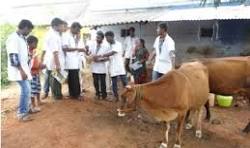
B.V.Sc. in Veterinary & Animal Husbandry Extension Education
Bachelor of Veterinary Science (B.V.Sc.) in Veterinary & Animal Husbandry Extension Education is a 5 years and 6 months undergraduate curriculum that includes a year-long internship. This...
B.V.Sc. in Veterinary & Animal Husbandry Extension Education
×Bachelor of Veterinary Science (B.V.Sc.) in Veterinary & Animal Husbandry Extension Education is a 5 years and 6 months undergraduate curriculum that includes a year-long internship. This course prepares students to bridge the gap between veterinary science and rural farming communities by emphasizing modern animal husbandry practices. Core disciplines include veterinary science, livestock management, disease control, animal breeding, and rural extension approaches. Students learn about communication, training, and rural outreach to help farmers improve animal productivity and health. Career prospects include positions in government agencies, animal welfare organizations, livestock ranches, and research institutes that promote rural development and agricultural sustainability.
B.V.Sc. in Veterinary Clinical Practices
Bachelor of Veterinary Science (B.V.Sc.) in Veterinary Clinical Practices is a 5 year undergraduate degree that requires a 1 year internship. This course focuses on detecting, treat...
B.V.Sc. in Veterinary Clinical Practices
×Bachelor of Veterinary Science (B.V.Sc.) in Veterinary Clinical Practices is a 5 year undergraduate degree that requires a 1 year internship. This course focuses on detecting, treating, and controlling animal diseases and injuries using practical and clinical instruction. Veterinary pathology, surgery, pharmacology, diagnostics, and clinical medicine are all core disciplines. Students acquire hands-on experience working with small and big animals, performing surgical operations, and providing emergency treatment. Graduates of the school can pursue jobs as clinical veterinarians, animal hospital experts, research scientists, or animal health consultants. It promotes critical thinking and compassion, providing expertise in dealing with a variety of veterinary difficulties.

B.V.Sc. in Animal Nutrition
Bachelor of Veterinary Science (B.V.Sc.) in Animal Nutrition is a 5 year undergraduate curriculum that includes a year-long internship. This course focuses on the nutritional needs of animals...
B.V.Sc. in Animal Nutrition
×Bachelor of Veterinary Science (B.V.Sc.) in Animal Nutrition is a 5 year undergraduate curriculum that includes a year-long internship. This course focuses on the nutritional needs of animals in order to improve their health, productivity, and overall well-being. Animal nutrition principles, feed formulation, metabolism, and livestock feeding techniques are among the core topics covered. Students learn how to create balanced diets for different species, maximize feed resources, and manage nutritional deficiencies. Graduates may pursue professions in livestock management, animal feed industries, research organizations, or agricultural extension agencies. The curriculum combines academic knowledge and practical experience to ensure proficiency in promoting sustainable animal nutrition practices.

M.V.Sc. in Animal Nutrition
Master of Veterinary Science (M.V.Sc.) in Animal Nutrition is a 2 year postgraduate degree that teaches advanced aspects of animal nutrition and feed science. The course discusses nutrient met...
M.V.Sc. in Animal Nutrition
×Master of Veterinary Science (M.V.Sc.) in Animal Nutrition is a 2 year postgraduate degree that teaches advanced aspects of animal nutrition and feed science. The course discusses nutrient metabolism, feed formulation, clinical nutrition, and the effect of food on cattle productivity and health. Students learn how to develop healthy diets, correct nutritional deficiencies, and undertake research on sustainable feeding methods. Practical training and dissertation work are essential components of the program. Graduates can work in research, animal feed industry, livestock consulting, or academia. The initiative focuses on innovation and sustainability to improve animal health and agricultural output.

B.V.Sc. in Livestock Production Technology
Bachelor of Veterinary Science (B.V.Sc.) in Livestock Production Technology is a 5 year undergraduate curriculum that includes a year-long internship. This course focuses on the scientif...
B.V.Sc. in Livestock Production Technology
×Bachelor of Veterinary Science (B.V.Sc.) in Livestock Production Technology is a 5 year undergraduate curriculum that includes a year-long internship. This course focuses on the scientific management of livestock, such as cattle, poultry, sheep, and goats, to improve productivity and health. It addresses issues such as animal breeding, feeding, health management, and disease control. Students are taught the principles of sustainable livestock farming and animal welfare. The curriculum integrates theoretical knowledge with practical experience gained via fieldwork and industry training. Graduates can work in livestock farms, dairy businesses, government agencies, or animal health organizations, all of which help to drive agricultural progress.

B.V.Sc. in Veterinary Science and Animal Husbandry
Bachelor of Veterinary Science (B.V.Sc.) in Veterinary Science and Animal Husbandry is a 5 year undergraduate curriculum that studies animal health, management, and reproduction. The cou...
B.V.Sc. in Veterinary Science and Animal Husbandry
×Bachelor of Veterinary Science (B.V.Sc.) in Veterinary Science and Animal Husbandry is a 5 year undergraduate curriculum that studies animal health, management, and reproduction. The course includes topics including animal anatomy, physiology, microbiology, pathology, pharmacology, nutrition, and animal breeding techniques. Students are given hands-on instruction in detecting and treating animal diseases, surgery, and livestock management. The program trains graduates to work as veterinarians in hospitals, farms, and research facilities. Graduates may pursue jobs in veterinary practice, animal husbandry, or work for government agencies, animal welfare organizations, or the food secto
