





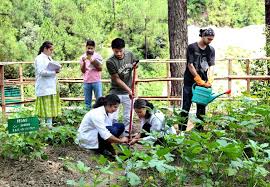
B.Sc. Hons. in Agriculture is normally a 4-year undergraduate program that equips students with in-depth knowledge and practical skills in agricultural sciences. The curriculum includes crop science, soil science, animal husbandry, agricultural economics, plant pathology, and agricultural engineering. Students learn about sustainable farming practices, agricultural biotechnology, and farm management. The program frequently incorporates laboratory work, field trips, and internships to give students hands-on experience. Graduates prepare to face global concerns in food security, sustainable agriculture, and environmental conservation.
Kerala University of Fisheries & Ocean Studies
M.Sc. in Agricultural Economics
M.Sc. in Agricultural Economics normally lasts 1.5 to 2 years and thoroughly explains economic principles relevant to agriculture and rural development. The curriculum uses economic theory, quantit...
M.Sc. in Agricultural Economics
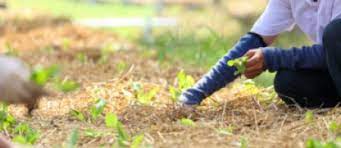
×M.Sc. in Agricultural Economics normally lasts 1.5 to 2 years and thoroughly explains economic principles relevant to agriculture and rural development. The curriculum uses economic theory, quantitative methodologies, and policy analysis to solve issues in food production, resource management, and rural economies. Students get the knowledge of agricultural policy, environmental economics, farm management, and international trade. The program frequently includes research methodologies, statistical analysis, and econometrics to prepare graduates for data-driven decision-making. This degree prepares students for employment in agricultural policy, agribusiness management, rural development, research institutes, and advanced scholarly pursuits in agricultural and resource economics.
M.Sc. in Agronomy
M.Sc. in Agronomy is a 2-year postgraduate program that studies agricultural production science and technology, as well as soil management. This advanced degree provides students with a thorough un...
M.Sc. in Agronomy
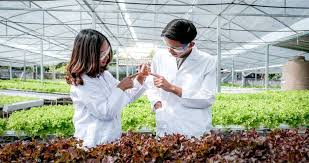
×M.Sc. in Agronomy is a 2-year postgraduate program that studies agricultural production science and technology, as well as soil management. This advanced degree provides students with a thorough understanding of plant genetics, soil science, crop physiology, and sustainable agriculture techniques. Advanced plant breeding, precision agriculture, pest management, and agricultural biotechnology are common topics included in the curriculum. Students also participate in research projects and fieldwork, bringing theoretical concepts to real-world agricultural problems. This degree prepares graduates for employment in agricultural research, crop consulting, farm management, or positions in government agencies and international organizations concerned with food security and sustainable agriculture.
M.Sc. in Genetics & Plant Breeding
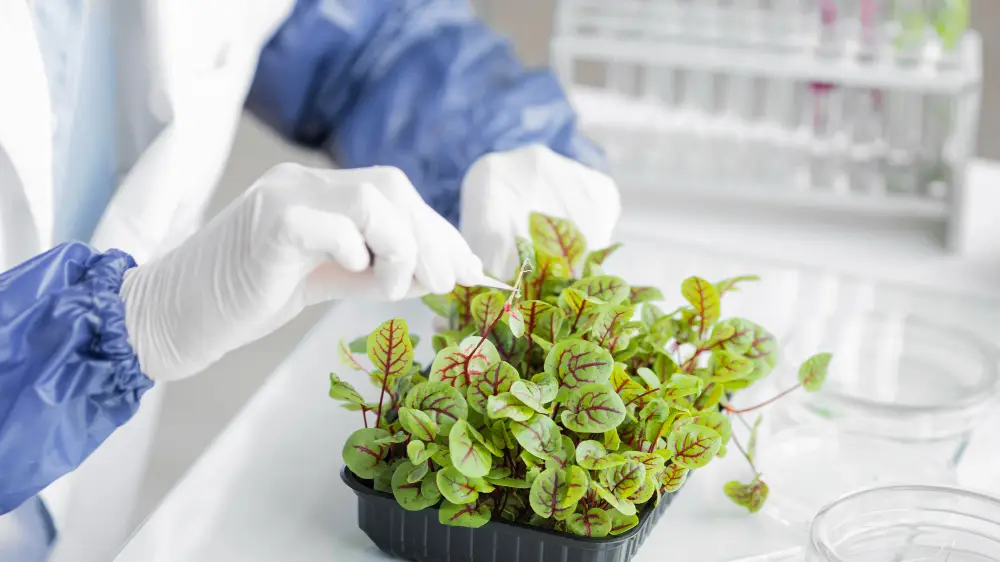
M.Sc. in Genetics & Plant Breeding is a 2-year postgraduate degree that integrates genetics research with hands-on plant breeding experience. This multidisciplinary course focuses on understand...
M.Sc. in Genetics & Plant Breeding
×M.Sc. in Genetics & Plant Breeding is a 2-year postgraduate degree that integrates genetics research with hands-on plant breeding experience. This multidisciplinary course focuses on understanding the genetic basis of plant features and applying that knowledge to create improved crop varieties. Students get knowledge of classical and molecular genetics, cytogenetics, biotechnology, and statistical methods in plant breeding. The curriculum frequently covers topics such as genetics, bioinformatics, crop improvement tactics, and plant pathology. Practical training entails fieldwork, laboratory experimentation, and research projects. Graduates are prepared to work in agricultural research institutions, seed corporations, and biotechnology firms, or further their education in plant science and agriculture.

M.Tech. in Dairy Chemistry
M.Tech. in Dairy Chemistry is a 2-year postgraduate program that provides advanced scientific principles and practical applications for dairy product development and quality control. The curriculum...
M.Tech. in Dairy Chemistry
×M.Tech. in Dairy Chemistry is a 2-year postgraduate program that provides advanced scientific principles and practical applications for dairy product development and quality control. The curriculum includes in-depth studies in dairy processing technology, culinary chemistry, analytical procedures, and product innovation. Through hands-on laboratory work, industry projects, and research collaborations, students gain competence in recognizing and resolving challenging dairy industry challenges. Graduates of this program have the opportunity to work as dairy product developers, quality assurance managers, food technologists, and research scientists in dairy processing plants, food businesses, and research organizations.
M.Tech. in Dairy Technology
M.Tech. in Dairy Technology is a 2-year postgraduate degree that teaches advanced science, engineering, and management methods for dairy processing operations. The curriculum includes in-dept...
M.Tech. in Dairy Technology
×M.Tech. in Dairy Technology is a 2-year postgraduate degree that teaches advanced science, engineering, and management methods for dairy processing operations. The curriculum includes in-depth studies on dairy unit operations, milk chemistry, quality assurance, and plant architecture. Students acquire the skills to identify and solve difficult challenges in dairy manufacturing, product development, and supply chain management through hands-on laboratory work, industrial internships, and research projects. Graduates of this program have the opportunity to work as dairy plant managers, product development specialists, quality control supervisors, and process engineers for dairy cooperatives, food firms, and research organizations.

B.Tech. in Dairy Technology
B.Tech. in Dairy Technology is a 4-year undergraduate degree that provides students with comprehensive knowledge and abilities in dairy science and technology. Milk processing, dairy microbiology,...
B.Tech. in Dairy Technology
×B.Tech. in Dairy Technology is a 4-year undergraduate degree that provides students with comprehensive knowledge and abilities in dairy science and technology. Milk processing, dairy microbiology, dairy chemistry, dairy engineering, and quality control are all common topics included in the curriculum. They research about milk production, preservation, and the processing of dairy products such as cheese, butter, and ice cream. The program also provides hands-on instruction in dairy plant operations and management. Graduates are prepared to work in dairy companies, research organizations, and quality assurance positions. This degree integrates scientific principles with practical applications, ensuring that students understand classic and modern dairy processing procedures, food safety requirements, and upcoming dairy industry trends.
B.Sc. in Fisheries
A Bachelor of Science (B.Sc.) in Fisheries is a 4-year undergraduate curriculum that specializes in aquatic ecosystems, fish biology, and sustainable fisheries management. The curriculum encompasse...
B.Sc. in Fisheries
×A Bachelor of Science (B.Sc.) in Fisheries is a 4-year undergraduate curriculum that specializes in aquatic ecosystems, fish biology, and sustainable fisheries management. The curriculum encompasses courses such as ichthyology, aquaculture, marine ecology, fish nutrition, and fisheries economics. Students acquire practical experience through lab work, field studies, and internships. The program also focuses on conservation techniques, environmental legislation, and the use of technology in modern fisheries. Graduates have the ability to work in fisheries management, aquaculture, marine research, environmental consultancy, and government organizations. This degree provides a solid basis for people who seek to contribute to sustainable fishing techniques and the conservation of aquatic resources.
M.Sc. in Fisheries
M.Sc. in Fisheries is normally a 2-year postgraduate degree that focuses on the scientific study of aquatic ecosystems, fish biology, and sustainable fisheries management. Aquaculture, marine...
M.Sc. in Fisheries
×M.Sc. in Fisheries is normally a 2-year postgraduate degree that focuses on the scientific study of aquatic ecosystems, fish biology, and sustainable fisheries management. Aquaculture, marine ecology, fish population dynamics, and fisheries economics are common topics covered in the curriculum. Students acquire practical experience through fieldwork, laboratory research, and data analysis. The curriculum typically concludes with a thesis or research project, allowing students to specialize in fields such as conservation, aquaculture technology, or fisheries policy. Graduates are ready for positions in fisheries management, the aquaculture industry, environmental consulting, and research organizations. This degree is essential for those who want to contribute to sustainable fishing methods and the preservation of aquatic biodiversity in the face of global threats such as overfishing and climate change.
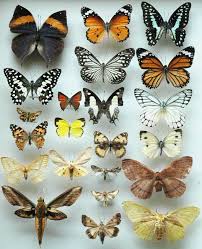
M.Sc. in Entomology & Apiculture
M.Sc. in Entomology & Apiculture is a 2-year postgraduate program that focuses on the fascinating world of insects and beekeeping. This multidisciplinary course integrates theoretical knowledge...
M.Sc. in Entomology & Apiculture
×M.Sc. in Entomology & Apiculture is a 2-year postgraduate program that focuses on the fascinating world of insects and beekeeping. This multidisciplinary course integrates theoretical knowledge with practical applications in insect biology, ecology, pest control, and honeybee biology. Students participate in fieldwork, laboratory research, and apiary management to acquire hands-on experience in both entomology and apiculture. Insect taxonomy, physiology, behavior, pollination ecology, and beekeeping techniques are common topics included in the curriculum. Graduates are proficient for positions in agricultural research, pest control, conservation, honey production, and advanced academic studies. This degree integrates scientific rigor with practical skills, preparing students to tackle key issues in agriculture, ecology, and food security.
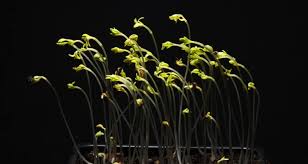
M.Sc. in Plant Physiology
Master of Science (M.Sc.) in Plant Physiology typically spans 2 years and focuses on the biological processes and functions of plants. The curriculum includes advanced studies in plant b...
M.Sc. in Plant Physiology
×Master of Science (M.Sc.) in Plant Physiology typically spans 2 years and focuses on the biological processes and functions of plants. The curriculum includes advanced studies in plant biology, including topics such as photosynthesis, respiration, water relations, nutrient uptake, and plant growth regulation. Students engage in both theoretical learning and practical laboratory work, conducting experiments to understand plant responses to environmental factors. The program also emphasizes research methodologies, enabling students to undertake a thesis or project that contributes to the field. Graduates are prepared for careers in agriculture, horticulture, environmental science, and research institutions.
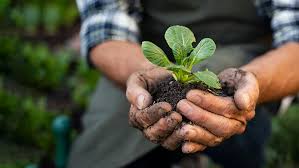
M.Sc. in Agricultural Extension Education
M.Sc. in Agricultural Extension Education is a postgraduate degree program typically takes 1-2 years to complete. The program focuses on developing skills and knowledge in agricultural extens...
M.Sc. in Agricultural Extension Education
×M.Sc. in Agricultural Extension Education is a postgraduate degree program typically takes 1-2 years to complete. The program focuses on developing skills and knowledge in agricultural extension, which involves educating and assisting farmers and rural communities in improving agricultural practices, increasing productivity, and enhancing their livelihoods. Coursework covers topics such as agricultural extension methodologies, communication techniques, rural development, and project management. Graduates of this program may work as extension officers, agricultural advisors, or researchers in government agencies, non-profit organizations, or private agricultural enterprises.
M.Sc. in Agricultural Statistics
M.Sc. in Agricultural Statistics is a 2-year postgraduate degree program that teaches students advanced statistical theory and its applications in agriculture and other fields. Topics covered...
M.Sc. in Agricultural Statistics
×M.Sc. in Agricultural Statistics is a 2-year postgraduate degree program that teaches students advanced statistical theory and its applications in agriculture and other fields. Topics covered in the program include probability, statistical inference, regression analysis, and statistical software application. The curriculum seeks to prepare students to solve difficult data analysis challenges in fields such as healthcare, finance, and engineering. M.Sc. in Agricultural Statistics is intended to educate students for employment as agricultural or survey statisticians, mathematical statisticians, data scientists, and other positions that need knowledge of statistical analysis and its application to real-world situations.
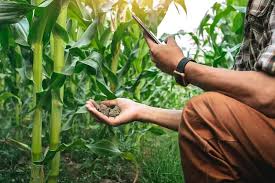
M.Sc. in. Agriculture Business Management
M.Sc. in Agriculture Business Management is a 2-year postgraduate degree program that provides students with advanced knowledge and skills in the business and management aspects of the agricultural...
M.Sc. in. Agriculture Business Management
×M.Sc. in Agriculture Business Management is a 2-year postgraduate degree program that provides students with advanced knowledge and skills in the business and management aspects of the agricultural sector. The curriculum covers topics such as agricultural economics, farm management, supply chain logistics, marketing, and policy analysis. Graduates of this program are equipped to take on leadership roles in agricultural enterprises, cooperatives, government agencies, and non-profit organizations focused on sustainable agriculture and rural development. The program typically includes coursework, research projects, and practical training to prepare students for careers in agribusiness, agricultural consulting, or further academic pursuits.
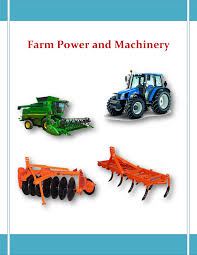
M.Tech. in Farm Machinery and Power Engineering
M.Tech. in Farm Machinery and Power Engineering is a 2-year postgraduate program that focuses on the design, development, and maintenance of agricultural machinery and equipment. The curriculum cov...
M.Tech. in Farm Machinery and Power Engineering
×M.Tech. in Farm Machinery and Power Engineering is a 2-year postgraduate program that focuses on the design, development, and maintenance of agricultural machinery and equipment. The curriculum covers topics such as tractor design, harvesting technology, precision farming, and renewable energy applications in agriculture. Graduates of this program are equipped to work as agricultural engineers, farm machinery designers, and consultants in the agri-tech industry. The program emphasizes hands-on learning through laboratory sessions and project-based assignments, preparing students for careers in the rapidly evolving field of sustainable agricultural mechanization.
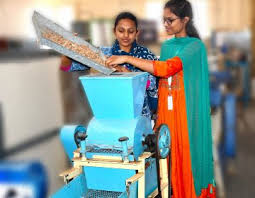
M.Tech. in Processing and Food Engineering
M.Tech. in Processing and Food Engineering is a 2-year postgraduate program that studies the design, development, and optimization of food processing technology. The curriculum includes topics incl...
M.Tech. in Processing and Food Engineering
×M.Tech. in Processing and Food Engineering is a 2-year postgraduate program that studies the design, development, and optimization of food processing technology. The curriculum includes topics including food engineering fundamentals, unit operations, food quality control, and food packaging. Graduates of this program are prepared to work in the food processing industry, and R&D groups, or pursue additional academic study. The curriculum normally consists of coursework, laboratory sessions, and a culminating dissertation or project. Admission criteria include a national-level entrance exam, academic performance, and, in some cases, relevant professional experience.
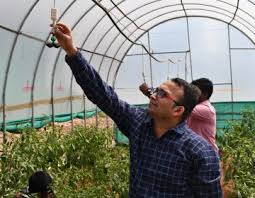
M.Tech. in Soil and Water Conservation Engineering
M.Tech. in Soil and Water Conservation Engineering is a 2-year postgraduate program that focuses on developing expertise in managing and conserving soil and water resources. The curriculum co...
M.Tech. in Soil and Water Conservation Engineering
×M.Tech. in Soil and Water Conservation Engineering is a 2-year postgraduate program that focuses on developing expertise in managing and conserving soil and water resources. The curriculum covers topics such as watershed management, irrigation engineering, soil and water pollution control, and remote sensing applications. Graduates of this program are equipped to work in government agencies, research organizations, and private firms involved in sustainable land and water resource management. The program emphasizes hands-on learning through field visits, projects, and internships to provide practical experience.
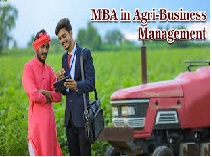
MBA in Agriculture Business Management
The 2-year postgraduate Master of Business Administration (MBA) in Agriculture Business Management curriculum blends fundamental business concepts with in-depth understanding of agriculture i...
MBA in Agriculture Business Management
×The 2-year postgraduate Master of Business Administration (MBA) in Agriculture Business Management curriculum blends fundamental business concepts with in-depth understanding of agriculture industry. Agribusiness economics, supply chain management, agricultural marketing, and rural development are just a few of the topics covered in this extensive course. Students gain knowledge about agribusiness-specific sustainable practices, financial management, and strategic planning. Case studies, industrial projects, and occasionally internships with agribusiness companies or agricultural cooperatives are also part of the curriculum. Graduates are ready for leadership positions in government organizations, food processing businesses, rural banks, or agricultural enterprises. Curriculum prepares students to tackle issues in food security, agricultural technology, and sustainable farming methods by emphasizing innovation, entrepreneurship, and global perspectives.
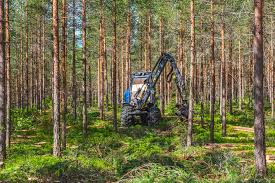
B.Sc. Hons. in Forestry
Bachelor of Science Honours in Forestry is a 4-year undergraduate degree that focuses on the sustainable management and conservation of forests and natural resources. This multidisciplinary c...
B.Sc. Hons. in Forestry
×Bachelor of Science Honours in Forestry is a 4-year undergraduate degree that focuses on the sustainable management and conservation of forests and natural resources. This multidisciplinary course focuses on forest ecology, wildlife conservation, agroforestry, forest economics, and climate change mitigation. Fieldwork, internships, and research projects provide students with practical skills that will prepare them for careers in forestry services, environmental consulting, and conservation groups. The program focuses on biodiversity protection, sustainable development, and contemporary forestry methods. Graduates can work in government, non-governmental organizations, and the business sector, or they can further their education in environmental sciences, forestry, or other relevant fields
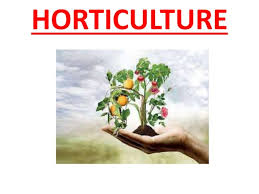
B.Sc. Hons. in Horticulture
B.Sc. Hons. in Horticulture is a specialized undergraduate degree that teaches the science and art of growing fruits, vegetables, flowers, and ornamental plants. This program typically lasts \3-4 y...
B.Sc. Hons. in Horticulture
×B.Sc. Hons. in Horticulture is a specialized undergraduate degree that teaches the science and art of growing fruits, vegetables, flowers, and ornamental plants. This program typically lasts \3-4 years and provides students with in-depth understanding of plant breeding, soil management, pest control, landscaping, and sustainable agriculture methods. It combines theoretical knowledge with practical experience via laboratory work, field excursions, and internships. Graduates are equipped to work in the horticultural industry, agribusiness, landscape design, research, and government or non-governmental organizations. To meet today's agricultural concerns, the course highlights current methods such as hydroponics, tissue culture, and organic farming.

M.Sc. in Agricultural Biotechnology
M.Sc. in Agricultural Biotechnology is a specialized program that combines advanced knowledge of biotechnology with agricultural sciences to improve crop production, pest control, and food security...
M.Sc. in Agricultural Biotechnology
×M.Sc. in Agricultural Biotechnology is a specialized program that combines advanced knowledge of biotechnology with agricultural sciences to improve crop production, pest control, and food security. The course typically spans 2 years, divided into 4 semesters. It covers subjects such as genetic engineering, plant biotechnology, molecular biology, bioinformatics, and crop improvement techniques. Students gain practical experience through laboratory work, research projects, and internships. Graduates are prepared for careers in research, academia, government agencies, and the agricultural industry, where they contribute to developing sustainable agricultural solutions and enhancing food production through biotechnological innovations.

B.Sc. in Agricultural Biotechnology
B.Sc. in Agricultural Biotechnology is a 4-year undergraduate program that combines the principles of biology, technology, and agriculture to enhance crop production, pest resistance, and sustainab...
B.Sc. in Agricultural Biotechnology
×B.Sc. in Agricultural Biotechnology is a 4-year undergraduate program that combines the principles of biology, technology, and agriculture to enhance crop production, pest resistance, and sustainable farming practices. The course covers subjects like molecular biology, genetics, plant biotechnology, soil science, and bioinformatics, with a focus on applying scientific innovations to improve agricultural productivity. Students also gain practical experience through laboratory work and internships. Graduates can pursue careers in research, agriculture industries, environmental consulting, and biotechnology companies. This program prepares individuals for contributing to advancements in food security, sustainability, and agricultural innovation.
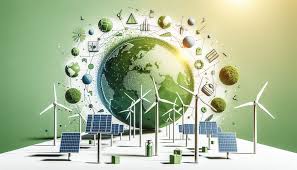
M.Tech. in Renewable Sources Energy and Utilization
M.Tech. in Renewable Energy Sources and Utilization is a postgraduate program designed to provide advanced knowledge and technical skills in the field of renewable energy. The duration of thi...
M.Tech. in Renewable Sources Energy and Utilization
×M.Tech. in Renewable Energy Sources and Utilization is a postgraduate program designed to provide advanced knowledge and technical skills in the field of renewable energy. The duration of this course is typically 2 years, comprising four semesters. It covers various aspects of renewable energy technologies, including solar, wind, biomass, geothermal, and hydropower. Students learn about energy generation, storage, and management, along with environmental impacts and sustainability practices. The program equips graduates with the skills needed to design, implement, and manage renewable energy systems, addressing global energy challenges. The course is aimed at students with a background in engineering, technology, or related fields, preparing them for roles in research, development, and policy-making within the growing renewable energy sector.
M.Tech. in Food Processing and Dairy Engineering
M.Tech. in Food Processing and Dairy Engineering is a postgraduate program designed to provide advanced knowledge and skills in the fields of food science, processing technologies, and dairy...
M.Tech. in Food Processing and Dairy Engineering
×M.Tech. in Food Processing and Dairy Engineering is a postgraduate program designed to provide advanced knowledge and skills in the fields of food science, processing technologies, and dairy engineering. Typically spanning 2 years, this program equips students with the expertise required to handle food and dairy production, preservation, packaging, and quality control. The curriculum covers subjects such as food biotechnology, food safety, dairy technology, food engineering, and processing techniques, along with research and development practices. Students also gain hands-on experience through laboratory work, projects, and industry internships. Graduates of this program are prepared for roles in food and dairy industries, research organizations, quality control, product development, and food safety management, making it an ideal choice for those interested in these dynamic fields.
M.Sc. in Agricultural Biochemistry
M.Sc. in Agricultural Biochemistry is a postgraduate program focused on the study of biochemical processes in agriculture. This course typically spans 2 years and covers various aspects of bio...
M.Sc. in Agricultural Biochemistry
×M.Sc. in Agricultural Biochemistry is a postgraduate program focused on the study of biochemical processes in agriculture. This course typically spans 2 years and covers various aspects of biochemistry, including plant and soil biochemistry, agricultural microbiology, molecular biology, and the biochemical interactions within agricultural systems. Students gain expertise in applying biochemical principles to improve crop production, soil health, and sustainability in agriculture. The curriculum often combines theoretical knowledge with hands-on laboratory work, research projects, and field studies. Graduates of this program are prepared for careers in agricultural research, biotechnology firms, and government agencies, contributing to advancements in food security, crop enhancement, and environmental sustainability in agriculture.
M.Sc. in Fruit Science
M.Sc. in Fruit Science is a postgraduate program designed to equip students with advanced knowledge and skills in the cultivation, management, and commercialization of fruits. The course typically...
M.Sc. in Fruit Science
×M.Sc. in Fruit Science is a postgraduate program designed to equip students with advanced knowledge and skills in the cultivation, management, and commercialization of fruits. The course typically spans 2 years and covers subjects like fruit physiology, horticultural techniques, plant breeding, pest management, and post-harvest technology. Students also gain practical experience through fieldwork, research, and industry internships. The program prepares graduates for careers in agricultural research, fruit production, and fruit-based industries, including packaging, processing, and marketing. A strong emphasis is placed on sustainable farming practices, crop diversification, and the role of fruit crops in food security. Admission requirements usually include a bachelor’s degree in agriculture, horticulture, or a related field.
M.Sc. in Agricultural Chemistry
M.Sc. in Agricultural Chemistry is a 2-year postgraduate program that focuses on the application of chemical principles to agricultural processes. The course aims to provide students with a deep un...
M.Sc. in Agricultural Chemistry
×M.Sc. in Agricultural Chemistry is a 2-year postgraduate program that focuses on the application of chemical principles to agricultural processes. The course aims to provide students with a deep understanding of soil chemistry, plant nutrition, pest management, and environmental impact assessment. It covers topics such as fertilizers, pesticides, biochemistry, and analytical techniques used in agriculture. Students gain practical experience in laboratories and fieldwork, enhancing their ability to solve real-world agricultural problems. The curriculum is designed to prepare graduates for careers in research, agricultural consulting, and roles in government and industry. Upon completion, students are equipped with the knowledge to improve crop yields, enhance food security, and promote sustainable agricultural practices.

M.F.Sc. in Fisheries Resources Management
Master of Fisheries Science (MFSc) in Fisheries Resources Management is a specialized postgraduate program designed to equip students with advanced knowledge and skills in sustainable fisheri...
M.F.Sc. in Fisheries Resources Management
×Master of Fisheries Science (MFSc) in Fisheries Resources Management is a specialized postgraduate program designed to equip students with advanced knowledge and skills in sustainable fisheries management and aquatic resource conservation. This 2-year program typically emphasizes areas such as stock assessment, aquaculture management, fishery policy, marine ecology, and environmental impact assessment. Students are trained in modern techniques for fisheries research, sustainable harvesting practices, and resource optimization to address global challenges in fisheries and aquatic systems. The course is ideal for aspiring professionals seeking careers in fisheries research organizations, government agencies, or international environmental bodies. With a blend of theoretical learning and practical applications, graduates contribute to the development of sustainable solutions for managing aquatic ecosystems effectively.
M.F.Sc. in Post-Harvest Technology
Master of Fisheries Science (MFSc) in Post-Harvest Technology is a specialized postgraduate program designed to equip students with advanced knowledge and skills in the sustainable handling, proces...
M.F.Sc. in Post-Harvest Technology
×Master of Fisheries Science (MFSc) in Post-Harvest Technology is a specialized postgraduate program designed to equip students with advanced knowledge and skills in the sustainable handling, processing, and preservation of aquatic resources. The course focuses on areas such as fish quality management, food safety, value addition, by-product utilization, and modern processing technologies. It addresses the growing need for innovation in minimizing post-harvest losses and enhancing the shelf-life of fishery products while maintaining nutritional value. The program also emphasizes research and practical training, preparing graduates for careers in academia, industry, and government sectors. With a typical duration of two years, the MFSc in Post-Harvest Technology is ideal for those passionate about contributing to the fisheries and aquaculture industry.
M.F.Sc. Aquatic Environment Management
Master of Fisheries Science (MFSc) in Aquatic Environment Management is a postgraduate program designed to equip students with advanced knowledge and skills to address the challenges in aquatic eco...
M.F.Sc. Aquatic Environment Management
×Master of Fisheries Science (MFSc) in Aquatic Environment Management is a postgraduate program designed to equip students with advanced knowledge and skills to address the challenges in aquatic ecosystems. This course typically spans 2 years and focuses on sustainable management of freshwater, marine, and brackish water environments. Key areas of study include water quality assessment, pollution control, biodiversity conservation, habitat restoration, and sustainable aquaculture practices. The program combines theoretical learning with hands-on training through laboratory work, field studies, and research projects. Graduates of this course are well-prepared for careers in environmental consulting, fisheries management, research organizations, governmental agencies, and NGOs dedicated to aquatic resource conservation. This program is ideal for individuals passionate about preserving aquatic ecosystems and ensuring their sustainable use.
M.F.Sc. in Aquatic Animal Health
Master of Fishery Science (MFSc) in Aquatic Animal Health is a specialized postgraduate program designed to provide in-depth knowledge and skills in diagnosing, preventing, and managing disea...
M.F.Sc. in Aquatic Animal Health
×Master of Fishery Science (MFSc) in Aquatic Animal Health is a specialized postgraduate program designed to provide in-depth knowledge and skills in diagnosing, preventing, and managing diseases in aquatic organisms. The course focuses on the health and welfare of fish and other aquatic species, incorporating topics like aquatic pathology, immunology, epidemiology, and biotechnological approaches for disease control. Students acquire expertise through practical training, laboratory work, and field studies, preparing them for roles in aquaculture industries, research organizations, and governmental bodies. This 2-year program (24 months) equips graduates with the tools to enhance sustainable aquaculture practices and contribute to food security, ecosystem health, and biodiversity conservation. It is ideal for those passionate about aquatic sciences and environmental stewardship.

M.F.Sc. in Fish Biochemistry & Physiology
Master of Fishery Science (MFSc) in Fish Biochemistry and Physiology is a specialized postgraduate program designed to provide in-depth knowledge of the biochemical and physiological processes in a...
M.F.Sc. in Fish Biochemistry & Physiology
×Master of Fishery Science (MFSc) in Fish Biochemistry and Physiology is a specialized postgraduate program designed to provide in-depth knowledge of the biochemical and physiological processes in aquatic organisms. The course typically spans 2 years (120 credit hours), focusing on advanced topics such as fish metabolism, enzymology, endocrinology, and stress physiology. Students also acquire insights into nutritional biochemistry, adaptation mechanisms, and the impact of environmental factors on fish health. This program equips graduates with skills in laboratory techniques, research methodologies, and problem-solving, making them valuable assets in aquaculture, fisheries management, research institutions, and environmental conservation. Admission requirements generally include a bachelor's degree in Fisheries Science or a related field with a strong academic background.
M.F.Sc. in Fish Nutrition & Feed Technology
MFSc in Fish Nutrition and Feed Technology is a postgraduate program designed to develop expertise in fish nutrition and the formulation of cost-effective and sustainable aquafeed. This cours...
M.F.Sc. in Fish Nutrition & Feed Technology
×MFSc in Fish Nutrition and Feed Technology is a postgraduate program designed to develop expertise in fish nutrition and the formulation of cost-effective and sustainable aquafeed. This course equips students with in-depth knowledge of fish physiology, nutrient requirements, feed additives, and modern feed manufacturing techniques. Students learn advanced skills in feed evaluation, quality control, and aquafeed management, emphasizing eco-friendly practices and industry standards. The program typically spans 2 years and includes coursework, laboratory training, and a research project to foster practical and analytical skills. Graduates can pursue careers in aquaculture industries, research organizations, government fisheries departments, or as consultants in sustainable aquafeed solutions, contributing to the growth of the aquaculture sector globally.
M.F.Sc. in Fish Genetics & Breeding
Master of Fisheries Science (MFSc) in Fish Genetics and Breeding is a specialized postgraduate course focused on the principles and practices of genetic selection, breeding techniques, and genetic...
M.F.Sc. in Fish Genetics & Breeding
×Master of Fisheries Science (MFSc) in Fish Genetics and Breeding is a specialized postgraduate course focused on the principles and practices of genetic selection, breeding techniques, and genetic improvement in fish species. This program typically spans 2 years and is designed for students aiming to develop expertise in aquaculture, fish genetics, and breeding programs. The curriculum covers advanced topics such as molecular genetics, breeding methodologies, population genetics, and the genetic evaluation of fish stocks. Students gain practical experience in genetic research, data analysis, and the application of breeding strategies to enhance fish production. This course prepares graduates for careers in research, aquaculture management, and conservation, contributing to the sustainable development of the fisheries industry.

M.F.Sc. in Fish Biotechnology
Master of Fisheries Science (MFSc) in Fish Biotechnology is a specialized postgraduate program focused on the application of biotechnological principles in the field of aquaculture and fishery mana...
M.F.Sc. in Fish Biotechnology
×Master of Fisheries Science (MFSc) in Fish Biotechnology is a specialized postgraduate program focused on the application of biotechnological principles in the field of aquaculture and fishery management. This course typically spans 2 years and equips students with advanced knowledge in areas like genetic engineering, molecular biology, breeding techniques, and disease management in aquatic organisms. Students gain practical experience through laboratory work, field studies, and research projects. The program also covers topics related to fish nutrition, water quality management, and sustainable aquaculture practices. Graduates of this course can pursue careers in research, aquaculture industries, governmental bodies, and environmental organizations, contributing to the development of innovative and sustainable fishery solutions.

M.F.Sc. in Fisheries Extension
Master of Fisheries Science (MFSc) in Fisheries Extension is a postgraduate course that focuses on enhancing the skills required for the management and promotion of sustainable fisheries practices....
M.F.Sc. in Fisheries Extension
×Master of Fisheries Science (MFSc) in Fisheries Extension is a postgraduate course that focuses on enhancing the skills required for the management and promotion of sustainable fisheries practices. It typically spans 2 years and equips students with a deep understanding of fisheries management, extension services, aquatic biology, resource conservation, and rural development. The program is designed to train professionals who can effectively communicate with rural communities, support fishery-based enterprises, and implement government policies related to fisheries and aquaculture. Students also acquire practical knowledge in research methods, data collection, and community outreach. Graduates can pursue careers in government agencies, NGOs, research institutions, or the private sector, playing a key role in improving the livelihoods of those dependent on fisheries.

M.F.Sc. in Fisheries Economics
Master of Fisheries Science (MFSc) in Fisheries Economics is a specialized postgraduate program designed to provide students with in-depth knowledge of the economic aspects of fisheries and aquacul...
M.F.Sc. in Fisheries Economics
×Master of Fisheries Science (MFSc) in Fisheries Economics is a specialized postgraduate program designed to provide students with in-depth knowledge of the economic aspects of fisheries and aquaculture industries. The course focuses on areas such as fishery resource management, economic analysis of fisheries, policy development, and the role of fisheries in global economies. Students also learn about market analysis, sustainable fisheries practices, and the financial management of fisheries enterprises. The typical duration of the MFSc in Fisheries Economics is 2 years, which includes theoretical coursework, practical training, and research work. Graduates are prepared for careers in fisheries management, policy-making, consultancy, and environmental economics, contributing to the sustainable development of fisheries resources.
M.Sc. in Agriculture Molecular Biology and Biotechnology
M.Sc. in Agriculture Molecular Biology and Biotechnology is a 2-year postgraduate program designed to equip students with advanced knowledge and skills in molecular biology, genetic engineeri...
M.Sc. in Agriculture Molecular Biology and Biotechnology
×M.Sc. in Agriculture Molecular Biology and Biotechnology is a 2-year postgraduate program designed to equip students with advanced knowledge and skills in molecular biology, genetic engineering, and biotechnological applications in agriculture. This course integrates theoretical learning and hands-on laboratory training, focusing on areas such as plant genomics, crop improvement, pest and disease resistance, and sustainable agricultural practices. Students explore cutting-edge techniques like CRISPR, gene editing, and bioinformatics to address global agricultural challenges. Graduates of this program can pursue careers in agricultural research, biotechnology industries, academia, and governmental organizations, contributing to innovations in food security and sustainable farming. The program fosters interdisciplinary expertise, preparing students to tackle complex agricultural issues with a scientific and ethical approach.
M.Tech in Irrigation and Drainage Engineering
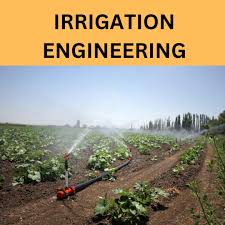
M.Tech in Irrigation and Drainage Engineering is a specialized postgraduate program designed to equip students with advanced knowledge in the management of water resources for agricultural purposes...
M.Tech in Irrigation and Drainage Engineering
×M.Tech in Irrigation and Drainage Engineering is a specialized postgraduate program designed to equip students with advanced knowledge in the management of water resources for agricultural purposes. The course typically spans 2 years and covers subjects such as water management, irrigation techniques, drainage systems, soil-water relationships, and sustainable practices in agricultural engineering. Students acquire practical skills in designing, implementing, and maintaining irrigation and drainage systems, while also learning to address challenges like water scarcity, soil erosion, and crop water requirements. The program also incorporates research, case studies, and fieldwork to provide a comprehensive understanding of modern irrigation and drainage systems. Graduates are well-prepared for careers in agricultural development, water resource management, and environmental engineering.

M.Sc. in Agricultural Microbiology
M.Sc. in Agricultural Microbiology is a 2-year postgraduate program designed to explore the role of microorganisms in agriculture and their applications in enhancing crop productivity, soil h...
M.Sc. in Agricultural Microbiology
×M.Sc. in Agricultural Microbiology is a 2-year postgraduate program designed to explore the role of microorganisms in agriculture and their applications in enhancing crop productivity, soil health, and sustainable farming practices. The curriculum includes advanced topics such as microbial genetics, soil microbiology, biofertilizers, biopesticides, and plant-microbe interactions. Students gain practical expertise through laboratory research, field studies, and internships, enabling them to understand and harness microbial processes for agricultural development. Graduates can pursue careers in agricultural research institutions, biotechnology firms, food and beverage industries, or work as consultants in sustainable agriculture. This program is ideal for students passionate about microbiology and its role in addressing global challenges like food security and environmental sustainability.
B.Tech. in Agricultural Engineering
B.Tech. in Agricultural Engineering is a 4-year undergraduate program focused on the application of engineering principles to improve agricultural practices. The course covers areas such as soil an...
B.Tech. in Agricultural Engineering
×B.Tech. in Agricultural Engineering is a 4-year undergraduate program focused on the application of engineering principles to improve agricultural practices. The course covers areas such as soil and water conservation, irrigation systems, farm machinery, post-harvest technology, agricultural processing, and sustainable farming practices. Students learn to design, develop, and implement innovative solutions to enhance productivity, efficiency, and sustainability in agriculture. The program combines theoretical knowledge with practical skills, including hands-on training, laboratory sessions, and fieldwork. Graduates of this program are well-equipped to work in sectors like agricultural technology, farming, machinery manufacturing, irrigation systems, and research. Opportunities exist in both the public and private sectors, where they contribute to modernizing agricultural practices and promoting food security.

M.Sc. in Agriculture-Bioinformatics
M.Sc. in Agriculture-Bioinformatics is a specialized postgraduate program designed to combine the principles of agriculture with cutting-edge bioinformatics techniques. This course, typically...
M.Sc. in Agriculture-Bioinformatics
×M.Sc. in Agriculture-Bioinformatics is a specialized postgraduate program designed to combine the principles of agriculture with cutting-edge bioinformatics techniques. This course, typically spanning 2 years, provides students with an in-depth understanding of agricultural science, data analysis, and computational biology. The curriculum covers topics such as plant genomics, crop modeling, bioinformatics tools, and data mining, alongside hands-on training in laboratory and field settings. Students are equipped with the skills necessary to address challenges in agriculture using modern bioinformatics approaches, from genetic research to improving crop yields. Graduates of this program are prepared for roles in research, agricultural biotechnology, and data-driven agricultural solutions. The course duration is generally 2 years, and eligibility usually includes a relevant undergraduate degree in agriculture, biology, or bioinformatics.
M.Sc. in Sericulture
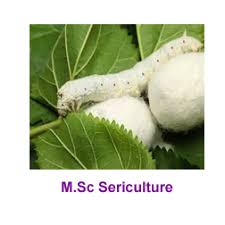
M.Sc. in Sericulture is a specialized postgraduate program designed to equip students with advanced knowledge and skills in the field of sericulture, which involves the cultivation of silkworms for...
M.Sc. in Sericulture
×M.Sc. in Sericulture is a specialized postgraduate program designed to equip students with advanced knowledge and skills in the field of sericulture, which involves the cultivation of silkworms for silk production. This program typically spans 2 years and covers various aspects of sericulture, including the biology and genetics of silkworms, silk production technology, sericulture farming practices, and sustainable silk production. Students also learn about the economic, environmental, and industrial implications of the sericulture industry. The course emphasizes practical knowledge through laboratory work, field visits, and industry exposure, preparing graduates for roles in research, development, management, and entrepreneurship in the silk industry. Upon completion, graduates can pursue careers in agriculture, textile industries, and sericulture research organizations.
B.Sc. Hons. in Sericulture
B.Sc. Hons. in Sericulture is a specialized undergraduate program that focuses on the study of silk production, from the cultivation of silkworms to the manufacturing of silk fabric. The cour...
B.Sc. Hons. in Sericulture
×B.Sc. Hons. in Sericulture is a specialized undergraduate program that focuses on the study of silk production, from the cultivation of silkworms to the manufacturing of silk fabric. The course duration is typically 3 years, with an in-depth curriculum covering topics such as silkworm biology, sericulture technology, soil management, and silk processing techniques. Students gain hands-on experience through practical sessions, fieldwork, and laboratory training, equipping them with the skills required for a career in the silk industry or research. The program also delves into aspects like sustainable farming practices, environmental impact, and the economics of sericulture. Graduates can pursue careers in sericulture farms, silk processing industries, research institutes, or governmental agricultural sectors.
B.Sc. Hons. in Food Nutrition & Dietetics
B.Sc. Hons. in Food Nutrition & Dietetics is a comprehensive undergraduate program designed to provide students with an in-depth understanding of nutrition, dietetics, and food sciences. The co...
B.Sc. Hons. in Food Nutrition & Dietetics
×B.Sc. Hons. in Food Nutrition & Dietetics is a comprehensive undergraduate program designed to provide students with an in-depth understanding of nutrition, dietetics, and food sciences. The course spans 3 years and equips students with the knowledge and practical skills required to assess, plan, and deliver nutrition interventions. Key subjects include human nutrition, biochemistry, food microbiology, community nutrition, and clinical dietetics. Students also acquire hands-on experience through internships, clinical placements, and research projects. Graduates are prepared for careers in healthcare, public health, food industry, and wellness sectors, with opportunities to become registered dietitians or nutritionists. The program focuses on promoting health, preventing disease, and improving nutrition practices globally, making it ideal for those passionate about improving health through diet.
M.Sc. in Silviculture and Agroforestry
M.Sc. in Silviculture and Agroforestry is a specialized postgraduate program focused on sustainable forest management and agroforestry practices. This course typically spans 2 years, offering...
M.Sc. in Silviculture and Agroforestry
×M.Sc. in Silviculture and Agroforestry is a specialized postgraduate program focused on sustainable forest management and agroforestry practices. This course typically spans 2 years, offering in-depth knowledge of forest ecosystems, biodiversity conservation, and land-use management. Students will explore the principles of silviculture, agroforestry systems, climate change adaptation, and environmental protection. The program combines theoretical learning with practical field experiences, preparing graduates for careers in forestry research, environmental consultancy, policy development, and land management. Graduates will gain skills in managing forest resources, promoting biodiversity, and integrating agroforestry with agricultural practices. This course is ideal for those looking to contribute to sustainable development and conservation efforts.
M.Sc. in Dairy Technology
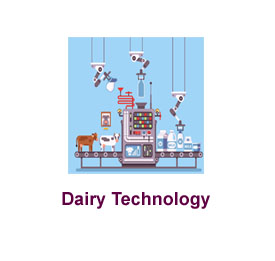
M.Sc. in Dairy Technology is a 2-year postgraduate program designed to provide advanced knowledge and skills in dairy science, technology, and management. This course delves into the processing, pr...
M.Sc. in Dairy Technology
×M.Sc. in Dairy Technology is a 2-year postgraduate program designed to provide advanced knowledge and skills in dairy science, technology, and management. This course delves into the processing, production, and quality control of dairy products, alongside emerging technologies in the dairy industry. Students gain expertise in areas like dairy microbiology, biochemistry, and engineering, as well as packaging, distribution, and sustainable practices. The curriculum integrates practical training, research opportunities, and industry exposure to prepare graduates for careers in dairy production, quality assurance, product development, or academia. With the growing demand for dairy-based products globally, this program opens doors to diverse job prospects in the dairy industry, food companies, research organizations, and government sectors.
M.Tech. in Dairy Microbiology
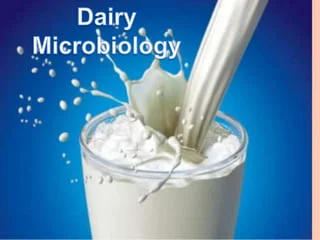
M.Tech. in Dairy Microbiology is a specialized postgraduate program designed to provide advanced knowledge in the field of dairy science, focusing on microbiological principles, techniques, a...
M.Tech. in Dairy Microbiology
×M.Tech. in Dairy Microbiology is a specialized postgraduate program designed to provide advanced knowledge in the field of dairy science, focusing on microbiological principles, techniques, and technologies applied to dairy products. The course spans 2 years and covers topics such as food safety, microbial fermentation, dairy product processing, quality control, and research in microbiology. Students acquire expertise in understanding the microbial aspects of dairy production, addressing challenges related to fermentation, spoilage, and contamination in dairy products. The program also equips graduates with the skills required to innovate, conduct research, and manage quality assurance in the dairy industry. Upon completion, students are prepared for roles in dairy research, production, and quality control sectors.
M.F.Sc. in Aquaculture
Master of Fisheries Science (M.F.Sc.) in Aquaculture is a specialized postgraduate program designed to provide advanced knowledge and practical skills in the field of aquatic animal husbandry. Span...
M.F.Sc. in Aquaculture
×Master of Fisheries Science (M.F.Sc.) in Aquaculture is a specialized postgraduate program designed to provide advanced knowledge and practical skills in the field of aquatic animal husbandry. Spanning a duration of 2 years, this course covers various aspects of aquaculture, including fish breeding, fish health management, aquatic environment management, and the economics of aquaculture operations. Students will gain in-depth theoretical understanding and hands-on experience through laboratory work, field studies, and research projects. Graduates of this program are well-equipped to pursue careers in fish farming, research institutions, government agencies, and aquatic industries. This program also prepares students for further academic studies, including Ph.D. programs in related fields.

M.F.Sc. in Fish Processing Technology
M.F.Sc. in Fish Processing Technology is a specialized postgraduate program designed to equip students with advanced knowledge and skills in fish preservation, processing techniques, and qual...
M.F.Sc. in Fish Processing Technology
×M.F.Sc. in Fish Processing Technology is a specialized postgraduate program designed to equip students with advanced knowledge and skills in fish preservation, processing techniques, and quality control. The course typically spans 2 years and covers areas such as fish biology, food safety, nutritional value, processing equipment, packaging technology, and marketing strategies. Students will acquire hands-on experience through practical sessions and industry internships, enabling them to understand the dynamics of the global seafood industry. Graduates are prepared for roles in research, quality assurance, food processing, and management positions within the fisheries and food production sectors. The program is ideal for individuals interested in sustainable seafood production and innovation in food technology.
M.F.Sc. in Fishing Technology and Engineering
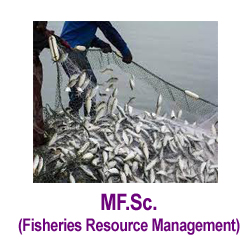
M.F.Sc. in Fishing Technology and Engineering is a specialized postgraduate program designed for students interested in the science and technology behind modern fishing practices. This course...
M.F.Sc. in Fishing Technology and Engineering
×M.F.Sc. in Fishing Technology and Engineering is a specialized postgraduate program designed for students interested in the science and technology behind modern fishing practices. This course typically spans 2 years and combines theoretical knowledge with practical training to equip students with the skills needed in the fishing industry. Key topics include fishing gear design, marine electronics, fish processing, and sustainable fishing practices. Students are also introduced to marine engineering, aquaculture systems, and the environmental impact of fishing technologies. Upon completion, graduates can pursue careers in fisheries management, marine research, fishery development, or work with government agencies and private organizations focused on sustainable fishing practices. The course is ideal for those passionate about marine science and technology, aiming to contribute to the future of fisheries and the fishing industry.
